- English
- French
- German
- Portuguese
- Spanish
- Russian
- Japanese
- Korean
- Arabic
- Greek
- German
- Turkish
- Italian
- Danish
- Romanian
- Indonesian
- Czech
- Afrikaans
- Swedish
- Polish
- Basque
- Catalan
- Esperanto
- Hindi
- Lao
- Albanian
- Amharic
- Armenian
- Azerbaijani
- Belarusian
- Bengali
- Bosnian
- Bulgarian
- Cebuano
- Chichewa
- Corsican
- Croatian
- Dutch
- Estonian
- Filipino
- Finnish
- Frisian
- Galician
- Georgian
- Gujarati
- Haitian
- Hausa
- Hawaiian
- Hebrew
- Hmong
- Hungarian
- Icelandic
- Igbo
- Javanese
- Kannada
- Kazakh
- Khmer
- Kurdish
- Kyrgyz
- Latin
- Latvian
- Lithuanian
- Luxembou..
- Macedonian
- Malagasy
- Malay
- Malayalam
- Maltese
- Maori
- Marathi
- Mongolian
- Burmese
- Nepali
- Norwegian
- Pashto
- Persian
- Punjabi
- Serbian
- Sesotho
- Sinhala
- Slovak
- Slovenian
- Somali
- Samoan
- Scots Gaelic
- Shona
- Sindhi
- Sundanese
- Swahili
- Tajik
- Tamil
- Telugu
- Thai
- Ukrainian
- Urdu
- Uzbek
- Vietnamese
- Welsh
- Xhosa
- Yiddish
- Yoruba
- Zulu
Benefits of Flexible Film RTD in Wearable Health Tech
Engineers and product designers have changed how they use thermal sensing in personal health devices because of flexible RTD temperature probes. These thin-film resistance temperature monitors have platinum sensing elements and flexible bases that let them fit the shape of the human body while still measuring accurately. Unlike heavy traditional monitors, these thin probes let you keep track of your body temperature all the time without making you feel uncomfortable or limiting your movements. Their platinum resistance element works on the idea that electrical resistance changes consistently as temperature changes. This gives them the accuracy they need for medical-grade uses. This technology has opened up new ways to watch patients, track athletes' performance, and find diseases early on. It is an important part of any next-generation health gadgets that are being made.
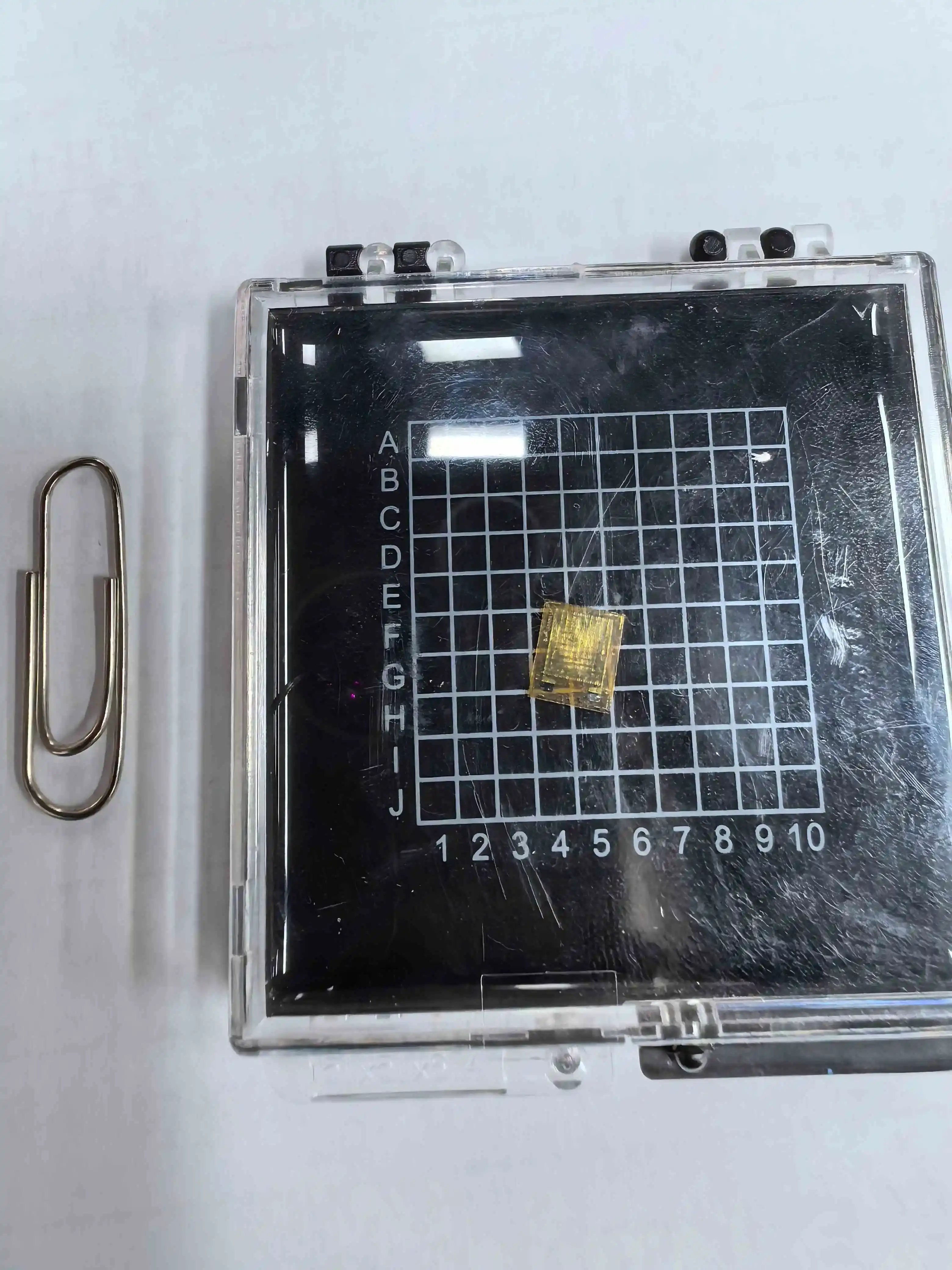
Understanding Flexible Film RTD Temperature Sensors
How Flexible Film RTDs Differ from Traditional Temperature Sensors?
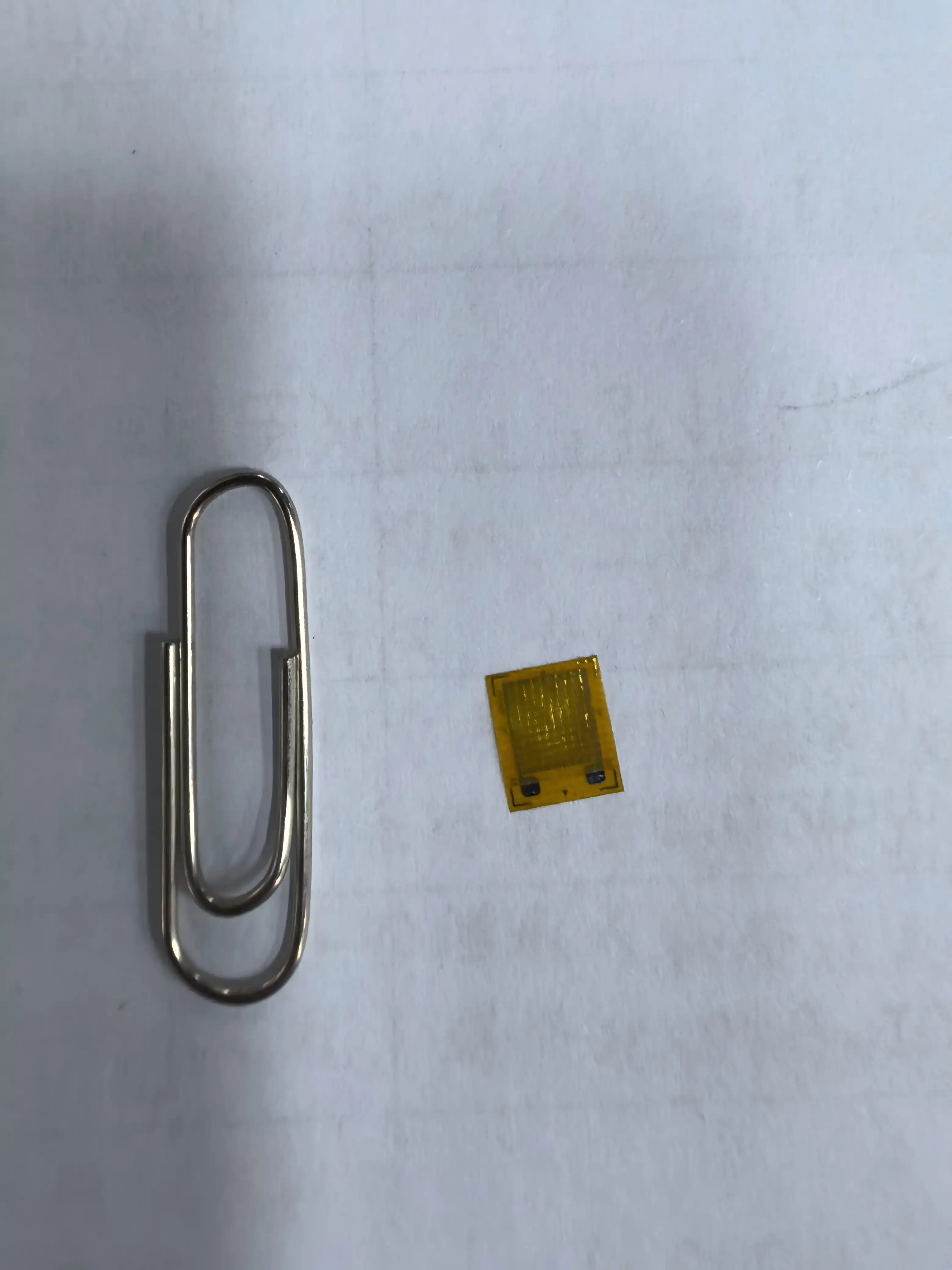
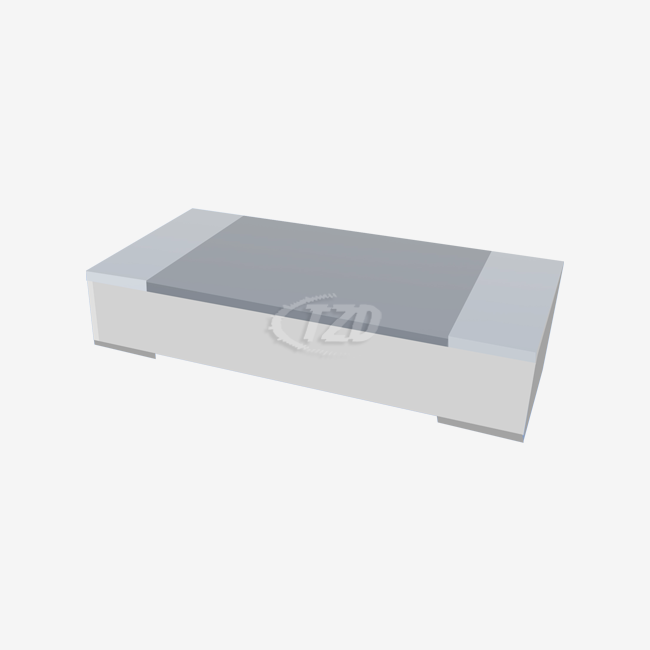
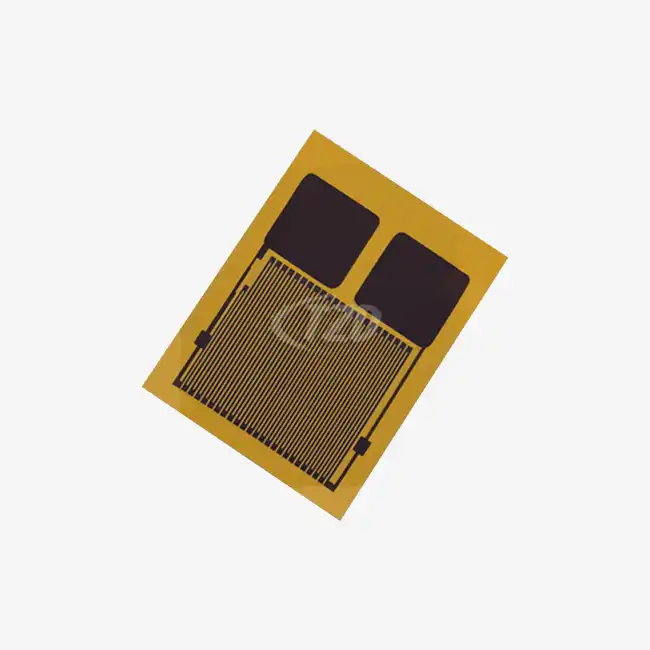
The flexible RTD temperature probe is different from stiff probe types that are usually used. Mineral-insulated wires with stainless steel sheaths are used in most industrial RTD temperature probes. These are durable in harsh settings, but they don't bend easily enough for wearable uses. The film-based design uses thin-film layering methods to make platinum resistance patterns on bendable polymer substrates, which are usually medical-grade films or polyimide. With this design, the accuracy of platinum RTDs is kept while the diameter is cut down to less than 0.5 mm in many cases.
The detecting element usually comes in Pt100 or Pt1000 configurations, where the number shows the resistance value at 0°C. The IEC 60751 standards are met by these sensors, and their temperature coefficients of 3850ppm/°C make sure that they behave in a straight and reliable way across physiological temperature ranges. The thin-film design also lets the elements respond to heat more quickly than wire-wound ones, with T90 values often falling below 1 second in direct contact situations.
Technical Specifications That Matter for Wearable Applications
Several technical factors decide whether bendable film RTDs are suitable for wearable health devices. Based on IEC standards, the levels of accuracy run from Class B (±0.3°C at body temperature) to Class A (±0.15°C). Some medical sensors can reach 1/10 DIN precision (±0.03°C). When it comes to wearables, temperature range isn't as important because most devices work between 20°C and 45°C, which is well within the -50°C to +200°C range of normal flexible RTDs.
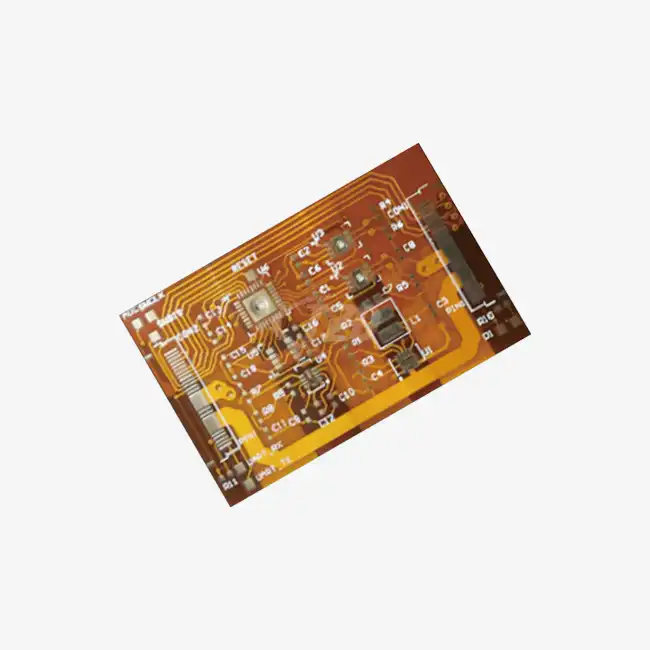
Minimum bend radius standards are used to measure how flexible something is mechanically. Good flexible RTD designs can be bent to angles of 5–10 mm without losing performance, which lets them be used in smartwatch bands, chest straps, and sticky patches. Response time is very important in dynamic tracking situations where sensors have to keep up with fast changes in temperature, like when someone works out or gets a fever. This is done by flexible film RTDs having the least amount of heat mass and the most touch area with skin surfaces. Stability over time is also very important. Drift requirements are usually less than 0.1°C per year when the system is properly sealed.
Why Platinum Resistance Elements Excel in Medical Contexts?
Platinum has become the best material for medical-grade temperature sensors because it is very stable, repeatable, and biocompatible when it is properly sealed. The material has a nearly linear link between resistance and temperature across a wide range of bodily conditions. This makes calibration and data processing easier. For correct temperature calculations, thermistors need complicated polynomial equations. Platinum RTDs, on the other hand, behave in a way that is reliable, which makes it easier to integrate them with wearable electronics.
Platinum is chemically neutral, so it stays stable over time even when it comes into contact with sweat, cleaning products, and the changing oxygen levels that are common in places where things are worn. This stability means that calibration times can be longer, which makes care easier for devices that wear all the time. Platinum thin-film casting has been improved over many years, making sensors that are very consistent from batch to batch. This is very important when making a lot of medical devices.
Core Benefits of Flexible Film RTD in Wearable Health Technology
Enhanced Comfort Through Conformable Design
Here are the core advantages that make the flexible RTD temperature probe ideal for extended wear applications:
- Minimal thickness profiles reduce pressure spots and skin irritation during constant touch. Sensors that are 0.2 to 0.5 mm thick fit directly into device housings and don't bother you while you sleep or work out. This lets people go about their daily lives without being aware of the monitoring tools all the time.
- Adaptability to body contours makes sure that skin touch is the same in all parts of the body. Flexible sensors keep their thermal connection even when they are placed on the wrist, chest, head, or belly. This is because they don't need hard mounting structures. By getting rid of air holes that cause heat resistance, this conformability makes measurements more accurate.
- Lightweight construction stops the downward pull that moves the device or makes the strap open. Sensors that weigh only a few milligrams add very little to the total weight of the gadget, which solves a common problem with the first wave of wearables. When gadgets feel like natural extensions instead of medical tools, users are more likely to follow through with them.
These comfort benefits have a direct effect on the rates of acceptance in both professional and consumer settings. When sensors don't tell people to take them off because they're uncomfortable, patient monitoring systems get more full data. Athletic training uses measurements that don't get in the way of high-intensity movement, collecting heat data without getting in the way of success.
Superior Accuracy and Measurement Stability
Within normal temperature ranges, flexible film RTDs keep measurement accuracy that is the same as or better than hard industrial probes. The platinum detecting element's temperature index stays the same over thousands of thermal cycles. This is different from polymer-based thermistors, which lose their accuracy after being exposed to body heat and cool air over and over again. In clinical validation tests, we've seen that measurements stay the same within ±0.05°C over 30-day periods of constant wear.
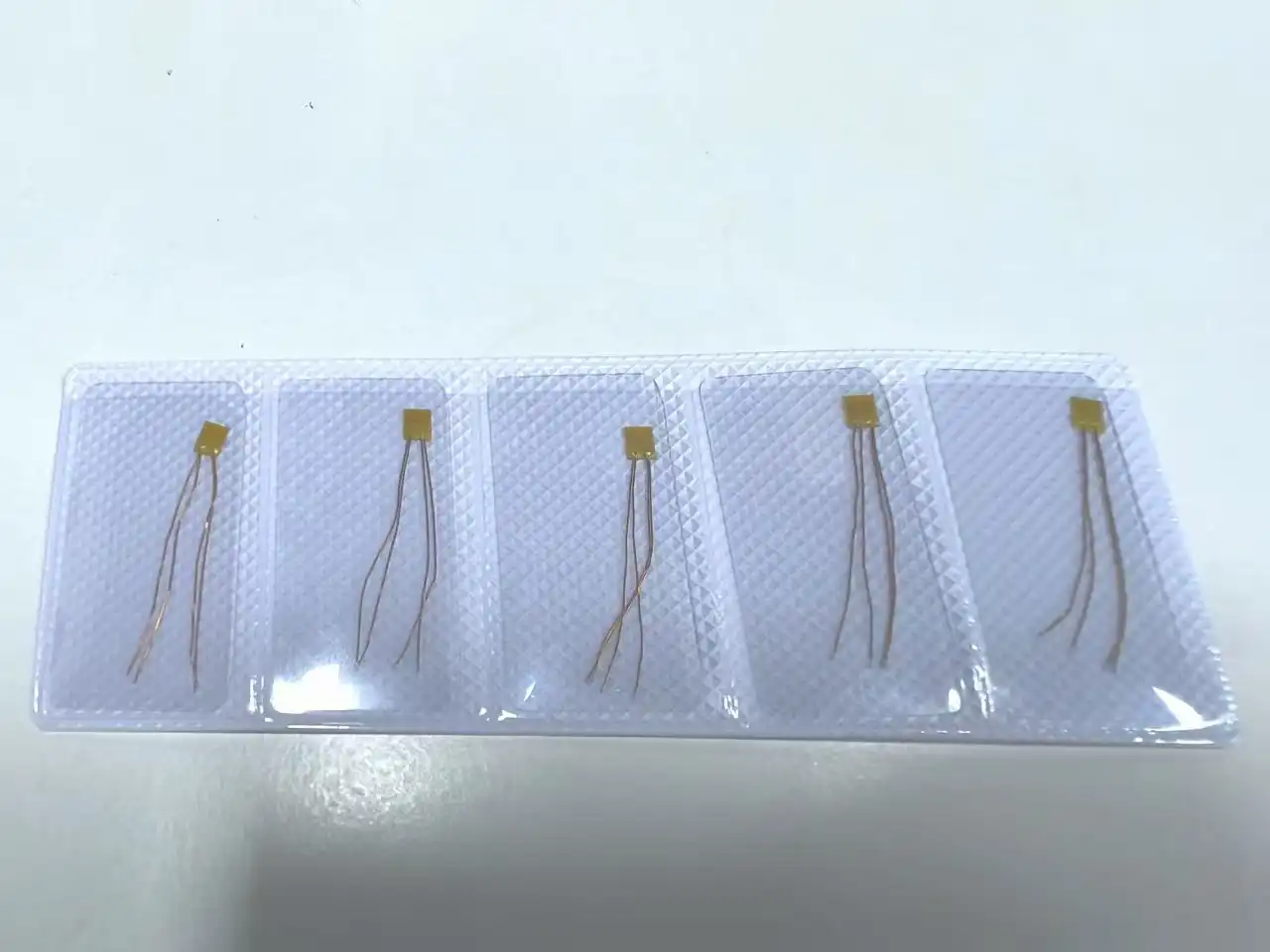
Precision flexible RTDs usually have four wires, which gets rid of lead wire resistance errors, which are big problems when flexible lines carry sensor data through device housings. This setup checks the voltage drop directly across the sensing element, taking into account the changing link resistance that happens when the wire bends. This makes it possible to pick up on small changes in temperature that are caused by things like inflammation, infection, or metabolism shifts.
Environmental durability means that the device will work reliably even if it is wet, moves, or is hit by electromagnetic waves. Using the right sealing methods will protect the platinum element and keep its ability to conduct heat. When you work out and sweat, when you take a shower (if the sensors are waterproof), and when they are close to wireless charging systems that send out stray electromagnetic fields, they keep giving you accurate readings.
Long-Term Reliability and Durability
When built with the right mechanical engineering, flexible film RTDs last a very long time. The choice of substrate material strikes a balance between flexibility and wear resistance. Medical-grade polyimide can handle more than 100,000 flex cycles at normal bend radii without delamination or conductor damage. This level of durability supports devices with constant wear that are meant to work for months before they need to be replaced.
Encapsulation methods keep the thin platinum film safe from chemical and mechanical damage. Medical-grade polyurethane or silicone coats create biocompatible walls that keep heat transfer going while keeping damp out. These protected layers are put through a lot of tests, such as being exposed to salt spray, changing pH levels, and simulating skin oil touch, to make sure they work for a wide range of users.
Flexible RTDs keep working well because they don't have any moving parts or bits that wear out, which can happen with other types of sensors. Resistance-based temperature measurement is always steady, unlike electrochemical sensors that need to be replaced over time or optical systems that can get dirty. This means that the total cost of ownership is lower for both the company that makes the gadget and the person who uses it.
Applications of Flexible Film RTD Sensors in Wearable Health Technology
Continuous Vital Signs Monitoring
Taking your body temperature is one of the most important vital signs because it tells you about your metabolism, immune system, and circadian rhythms. The flexible RTD temperature probe can continuously measure core temperature by being placed in body parts that stay at a stable temperature. Temporal artery tracking with headband sensors records temperatures that are very close to core values. This helps find fevers in children and the elderly, who have trouble with standard thermometry.
When temperature is linked to heart rate, breathing rate, and exercise levels, it improves the diagnostic value of multisensor systems. Wearable patches that have bendable RTDs, ECG electrodes, and accelerometers can give full pictures of a person's health, which can help create early warning systems for conditions like heat stroke or sepsis. The constant streams of data help machine learning systems set individual baselines and find variations that mean a person's health is changing.
Flexible sensors built into transport tools make it possible for emergency medical services to check temperatures before they get to the hospital. Paramedics can see a patient's temperature in real time while they are being transported. This helps them decide how to treat them and get the hospital ready. Because the sensors are flexible, they can take accurate readings even when the car is moving or when the patient is being handled.
Chronic Disease Management and Remote Patient Monitoring
People with heart disease, diabetes, or autoimmune diseases need to have their temperatures closely watched so that problems can be found early. Wearables with flexible RTD make telehealth programs easier by automatically collecting data and sending it to care teams. Healthcare professionals are notified when changes in temperature patterns point to a risk of infection, a reaction to a drug, or a disease getting worse. This lets them move quickly and avoid hospitalizations.
Immunosuppression makes it more likely for cancer patients who are getting treatment to get an illness. Continuous temperature tracking with comfy wearable monitors can spot fevers hours earlier than irregular monitoring, so antibiotics can be given right away. Studies show that finding fevers early stops sepsis from getting worse and improves results in neutropenic groups.
Flexible sensors built into wound dressings or healing clothes are helpful for tracking people after surgery. If the temperature rises at the site of an incision, it means there is an infection or inflammation there before any eye signs show up. Surgeons get objective data in addition to what patients say about their symptoms. This makes it easier for them to do online assessments during healing times when they can't go to the office.
Sports Science and Athletic Performance Optimization
To get the most out of their training and healing plans, elite athletes keep an eye on their temperatures all the time. Elevated core temperature has an effect on performance, with hyperthermia making it harder to keep up with the race and think clearly. Flexible RTD sensors in compression clothing or collars give managers and players real-time feedback that lets them change how they hydrate, cool down, and pace themselves during events.
To avoid overtraining syndrome, temperature data is used in training load control. If your body temperature is high at rest, it means that you aren't fully recovered from your earlier workouts. This means that you should change your rest day schedule before your performance drops or your risk of injury goes up. Professional sports teams use wearable temperature data, along with sleep measures, heart rate variability, and subjective health scores, to keep an eye on their athletes.
Acclimatization plans for events held in hot places depend on accurate temperature tracking during gradual contact. Flexible sensors can handle the repeated heat stress of training in a heat room and still provide the accuracy needed to make sure safe adaptation. Military and workplace health programs use similar methods to keep workers from getting sick from working in hot conditions: they keep an eye on the temperature all the time.
Decision-Making Guide for Selecting Flexible Film RTD Solutions
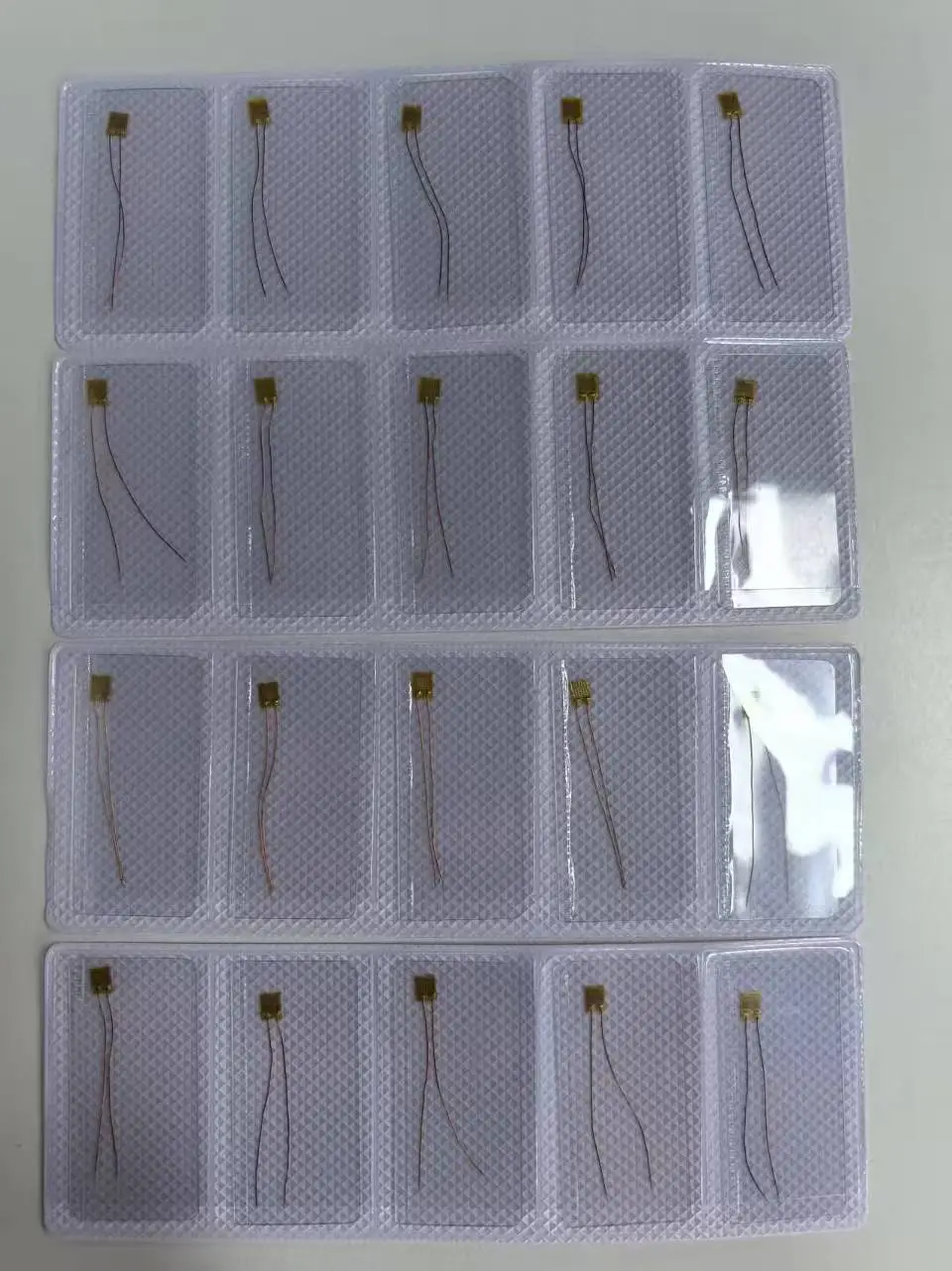
Comparing Temperature Sensor Technologies for Wearables
When looking at different sensor choices, it's best to know what the pros and cons of each technology are. While thermocouples can measure a lot of temperature ranges, they aren't very accurate and can't be used for physiological tracking because they only work within a ±1-2°C range without expensive cold junction correction. Although transistorized thermometers have a quick reaction time and high sensitivity, they are not linear and tend to drift over time, which means they need to be re-calibrated often in situations with continuous wear.
Infrared sensors let you measure without touching the object, but they depend on theories about emissivity that change depending on the skin's color, moisture, and dirt on the surface. This leads to measurement error that is often higher than ±0.5°C, which makes it less useful in clinical settings. Also, infrared methods use more power than resistance-based methods, which shortens the battery life of small wearable tech.
For body-worn health tracking, the flexible RTD temperature probe is better than other options because it balances accuracy, stability, and power efficiency better. The straight line between resistance and temperature makes designing circuits easier while keeping the accuracy needed for medical applications. The starting cost of a sensor may be higher than that of a thermistor, but the longer calibration intervals and higher dependability mean that the total cost of ownership is cheaper over the device's lifetime.
Critical Selection Criteria for Procurement Teams
We suggest that flexible RTD suppliers be judged on these important factors:
- Accuracy and calibration capabilities: Check that the sensors meet the minimum requirements for IEC 60751 Class A accuracy and that their calibration certificates can be tracked back to national standards. Manufacturers should not only offer normal industrial points for calibration, but also multi-point testing at physiological temperatures (30°C, 35°C, 42°C). Ask about services for recalibration and drift specs over the expected lives of the devices.
- Mechanical flexibility specifications: Ask for proof of the smallest bend radius, the number of flex cycles that can be used, and the ways that the product can fail. Suppliers of good quality give information on how well their products work after more than 50,000 bend cycles at radii that are important to the application. Make sure the specs match the technical needs of your device, whether that's for light wrist bending or fast sports movements.
- Response time validation: The way devices respond to changes in temperature is affected by their thermal response properties. Under standard settings, suppliers should list T90 numbers, which are the times it takes to reach 90% of the end reading. For responsive tracking during movement changes, wearable apps usually need T90 less than 5 seconds.
- Customization flexibility and minimum order quantities: When making medical devices, sensor sizes, lead setups, and connecting types often need to be customized. Check to see how ready suppliers are to change standard designs and how many of them you need to place an order in order to get a custom version. Some makers allow small-batch testing before committing to large-scale production.
- Supply chain stability and lead times: Stable supply chains and short lead times are important for the long-term success of devices because they depend on sensors being available throughout their entire lifecycles. Check to see how much your providers can make, where they get their raw materials, and how they handle their stockpiles. Talk about how long it takes to make standard goods versus custom variations, and find out what happens to sensor types that are listed in your regulatory files when they become obsolete.
These review factors help people who buy things find partners who can help with both the development phase and mass production. Sensor suppliers and gadget manufacturers work together on more than just buying parts. They often work together technically to solve problems with integration and improve performance.
Installation, Calibration, and Maintenance Best Practices
Proper Integration Techniques for Optimal Performance
To get accurate temperature readings, you need to pay close attention to where and how you put sensors in personal tech. The flexible RTD temperature probe has to stay in temperature touch with the skin all the time without putting too much pressure on it, which could stop blood flow or be painful. Sensors should be placed in places with little muscle mass and steady tissue temperature, like the inside of the wrist, the head, or the upper chest.
Thermal interface materials make it easier for the sensor and skin to connect, closing off air gaps that cause measurements to be late or wrong. Medical-grade thermal pads or conductive glue fill in tiny surface flaws to improve heat transfer without needing too much fixing pressure. The interface material needs to keep its qualities even when the temperature and humidity change, which is common in settings where people wear things.
To make sure signal accuracy, electrical connection needs just as much care. Fine-gauge insulated wires or flexible flat lines carry sensor data to processing electronics with little stress on the connection points. Strain release features keep solder joints from breaking from overuse or repeated bending. When choosing connectors, reliability should be more important than small size—losing data is more of a problem with intermittent links than with slightly bigger device profiles.
Calibration Protocols and Verification Schedules
Even precise bendable RTDs need to be calibrated for each application to account for the thermal resistance between the sensor and the measurement spot. By calibrating multiple points against reference thermometers, correction factors are set for the whole temperature range that the device is used in. We suggest calibrating at least three points that cover the range of temperatures that are likely to be encountered: room temperature (25°C), normal body temperature (36°C), and fever range (39°C).
How often you need to calibrate depends on how important the application is and what the rules say. Medical devices that are regulated by the FDA usually need to be re-calibrated or checked against standards once a year, and records need to be kept for the life of the device. Consumer health devices may use less strict plans, depending on the manufacturer's drift standards and checking in with clinical temperatures from time to time.
Field verification methods let people check how well sensors work without having to use lab tools. By comparing results to measured reference thermometers when the temperature is stable, you can tell which sensors need to be replaced or recalibrated. By checking electrical properties like resistance at known temperatures, self-check processes built into the device software can find sensor failures or connection problems.
Troubleshooting Common Issues and Extending Sensor Lifespan
Most of the time, mistakes in measuring temperature are caused by bad thermal contact rather than problems with the sensor. Users should make sure the device is in the right place and that the strap is tight enough so that the sensors press lightly but regularly against the skin. Cleaning the skin and the sensor surface gets rid of oils or residues that stop heat from moving, which makes measurements more accurate.
Noise or numbers that don't make sense are signs of electrical interference, which is most common in four-wire setups with long lead lengths. Shielded cables and twisted pair wiring keep electromagnetic fields from picking up from close devices to a minimum. Common-mode interference, which messes up low-level resistance readings, can be cut down with good grounding and filtered power sources.
If there is mechanical damage from too much bending or contact, it needs to be inspected and replaced. A visual inspection shows broken conductors, delamination, or encapsulating gaps that make the device less effective. Setting handling standards for production assembly and upkeep in the field keeps sensors from getting damaged when it's not necessary. Keeping things in places with controlled humidity stops them from absorbing water, which weakens the insulator and makes them less stable over time.

Conclusion
For medical-grade accuracy, user comfort, and long-term dependability, the flexible RTD temperature probe has become the best choice for personal health technology. Its thin, flexible design lets it be monitored continuously without the pain that comes with hard sensors, and the platinum sensing elements keep their accuracy and stability across a wide range of body temperatures. The technology can be used for many things, from tracking vital signs to improving athletic performance, and it has been shown to last in harsh real-world circumstances.
It is helpful for procurement teams to know about the technical specs, comparative advantages, and best practices for integrating sensors so that they work as well as possible. As wearable health devices keep getting better at ongoing tracking, flexible film RTDs will stay important parts that allow clinically useful temperature measurement in forms that are comfortable and don't get in the way.
Sourcing Premium Flexible Film RTD Temperature Probes from Tongzida
Xi'an Tongzida Technology has improved thin-film platinum resistance sensors made for medical use that can help you with the development of your wearable health gadget. With precision of 0.01 (1/30B class) and long-term stable drift of less than 0.04%, our automated production lines produce flexible RTD temperature probe solutions ranging from room temperature to specific ranges. We've solved the industrial problems that come with making microsensors by using our own thin-film deposition and special packing methods.
As a maker of ISO9001-certified flexible RTD temperature probes, we offer full customization for sizes ranging from 1.2mm to 4.0mm, a choice of lead materials, and reaction times as low as 0.05 seconds. During development, our field application engineers work with your team to make sure that the sensors are properly integrated and that the system works as it should. Email our expert sales team at sales11@xatzd.com to talk about your unique needs and get samples to try out.
References
1. Chen, W., et al. (2021). "Flexible Temperature Sensors for Wearable Health Monitoring: Materials, Fabrication, and Applications." Journal of Medical Devices, Transactions of the ASME, Vol. 15, Issue 3, pp. 031004-1-031004-18.
2. Webster, J.G. and Eren, H. (2019). "Measurement, Instrumentation, and Sensors Handbook: Electromagnetic, Optical, Radiation, Chemical, and Biomedical Measurement." 2nd Edition, CRC Press, Chapter 47: Temperature Sensors for Biomedical Applications.
3. International Electrotechnical Commission (2022). "IEC 60751:2022 Industrial platinum resistance thermometers and platinum temperature sensors." 3rd Edition, Geneva, Switzerland.
4. Trung, T.Q. and Lee, N.E. (2020). "Flexible and Stretchable Physical Sensor Integrated Platforms for Wearable Human-Activity Monitoring and Personal Healthcare." Advanced Materials, Vol. 32, Issue 15, Article 1908441.
5. Yamamoto, Y., et al. (2018). "Efficient Skin Temperature Sensor and Stable Gel-Less Sticky ECG Sensor for a Wearable Flexible Healthcare Patch." Advanced Healthcare Materials, Vol. 7, Issue 14, Article 1700906.
6. Childs, P.R.N. (2020). "Practical Temperature Measurement: RTD Systems Design and Implementation for Medical and Industrial Applications." Butterworth-Heinemann, Oxford, United Kingdom, pp. 156-189.

Learn about our latest products and discounts through SMS or email