- English
- French
- German
- Portuguese
- Spanish
- Russian
- Japanese
- Korean
- Arabic
- Greek
- German
- Turkish
- Italian
- Danish
- Romanian
- Indonesian
- Czech
- Afrikaans
- Swedish
- Polish
- Basque
- Catalan
- Esperanto
- Hindi
- Lao
- Albanian
- Amharic
- Armenian
- Azerbaijani
- Belarusian
- Bengali
- Bosnian
- Bulgarian
- Cebuano
- Chichewa
- Corsican
- Croatian
- Dutch
- Estonian
- Filipino
- Finnish
- Frisian
- Galician
- Georgian
- Gujarati
- Haitian
- Hausa
- Hawaiian
- Hebrew
- Hmong
- Hungarian
- Icelandic
- Igbo
- Javanese
- Kannada
- Kazakh
- Khmer
- Kurdish
- Kyrgyz
- Latin
- Latvian
- Lithuanian
- Luxembou..
- Macedonian
- Malagasy
- Malay
- Malayalam
- Maltese
- Maori
- Marathi
- Mongolian
- Burmese
- Nepali
- Norwegian
- Pashto
- Persian
- Punjabi
- Serbian
- Sesotho
- Sinhala
- Slovak
- Slovenian
- Somali
- Samoan
- Scots Gaelic
- Shona
- Sindhi
- Sundanese
- Swahili
- Tajik
- Tamil
- Telugu
- Thai
- Ukrainian
- Urdu
- Uzbek
- Vietnamese
- Welsh
- Xhosa
- Yiddish
- Yoruba
- Zulu
How to Choose a Cryogenic Temperature Sensor for -200°C
When picking the right
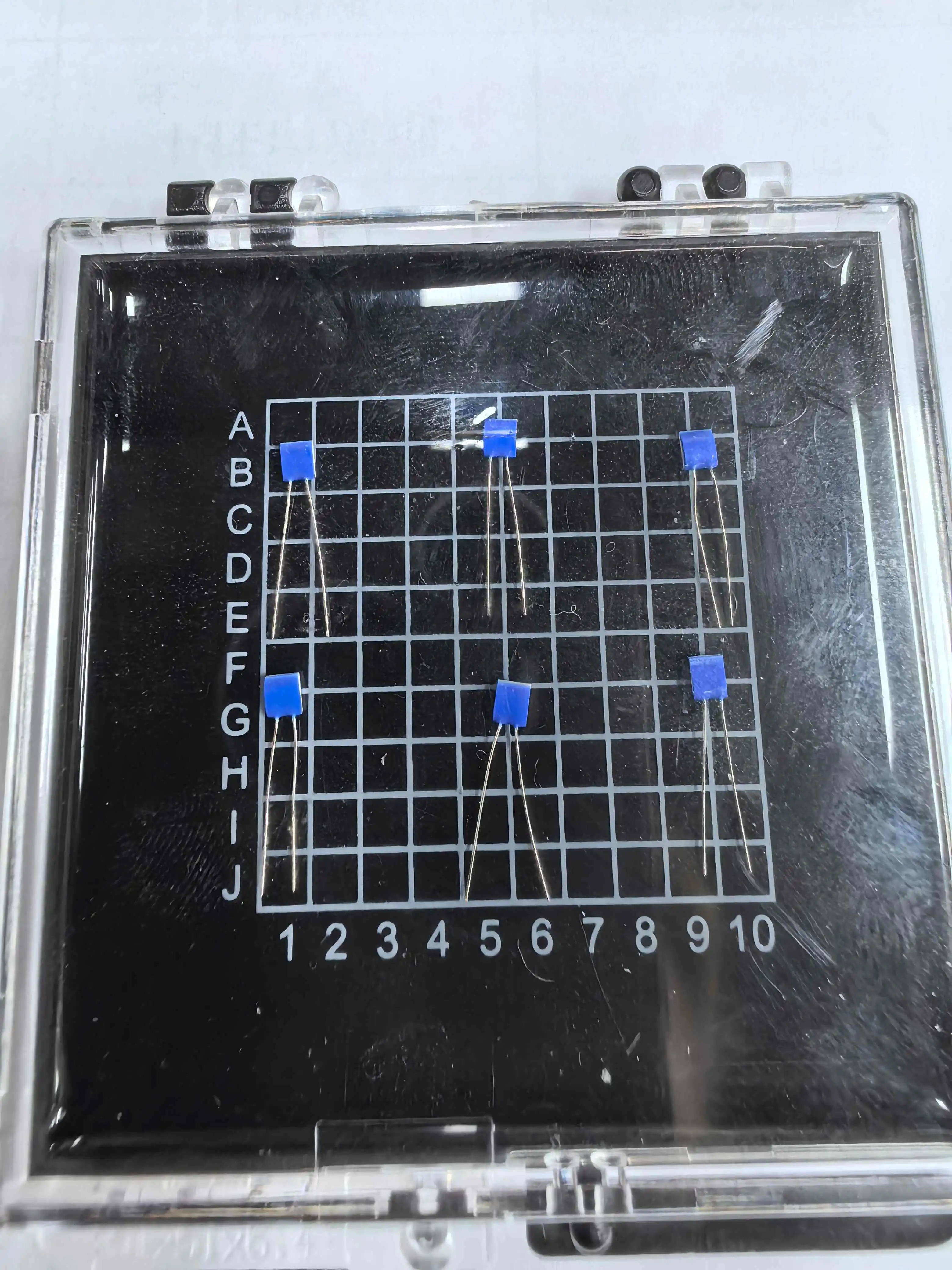
for -200°C uses, you need to think carefully about its technical specs, dependability, and ability to work with other devices. Standard sensors lose their sensitivity and steadiness at these very high temperatures, so special tools are needed. A good sensor should stay accurate even when the temperature changes, not make mistakes when it heats up on its own, and fit in perfectly with the materials and surroundings of your system. Knowing how to choose the right sensors is important whether you're making systems for cooling liquid nitrogen, keeping an eye on rocket fuel, or high-tech study tools. This is because the right sensors will keep your data safe and work well for a long time, even in the worst conditions.
Understanding Cryogenic Temperature Sensors
Cryogenic temperature sensors are a special kind of measuring tools that are made to work in places where temperatures drop below -150°C and get closer and closer to absolute zero. In contrast to regular thermal sensors used in factories, these devices keep their accuracy even when materials don't behave linearly with temperature and regular sensing elements become weak or stop responding.
What Distinguishes Cryogenic Sensors from Standard Devices?
The most important change is in the sensing elements and how they are built. Platinum or nickel elements that work best at room temperature or mild heat may be used in standard resistance temperature monitors. When these materials are put in cold conditions, they can lose a lot of their sensitivity, which makes it hard to tell when the temperature changes.
Specialized cryogenic sensors use Cernox (zirconium nitride), silicon diodes, germanium, and ruthenium oxide, which are all materials that can keep their high temperature coefficients at very low temperatures. These materials solve important measurement problems, such as reducing self-heating, which happens when the sensor's own power loss can change the temperature being recorded in places with low thermal mass.
Operational Principles Behind Cryogenic Sensing Technology
Cryogenic resistance temperature monitors use materials that have reliable resistance curves at very low temperatures and follow Ohm's law. With a temperature coefficient of 3850 ppm/°C, thin film platinum resistors stay linear over a wide range, from -200°C to +850°C in some designs. However, their cryogenic versions focus on the lower temperature range.
Silicon diode sensors work with voltage-temperature relationships, which means that as the temperature drops, the forward voltage drops as expected. Ruthenium oxide sensors are very stable in magnetic fields, which means they don't make the mistakes caused by magnetoresistance that many other sensors do in MRI machines and particle accelerators. Knowing these rules helps buying teams match the physics of the sensor to the temperature and electromagnetic surroundings of the application.
Essential Materials and Design Considerations
To make the sensor system last at cold temperatures, the materials must be carefully chosen. To keep the electricity flowing, lead lines must keep parasitic heat loss to a minimum. When it comes to heat conductivity and electrical resistance, platinum-nickel, silver-nickel, and pure platinum lines all have different pros and cons. The materials used in packages must be able to go through multiple temperature changes from room temperature to -200°C without cracking or coming apart.
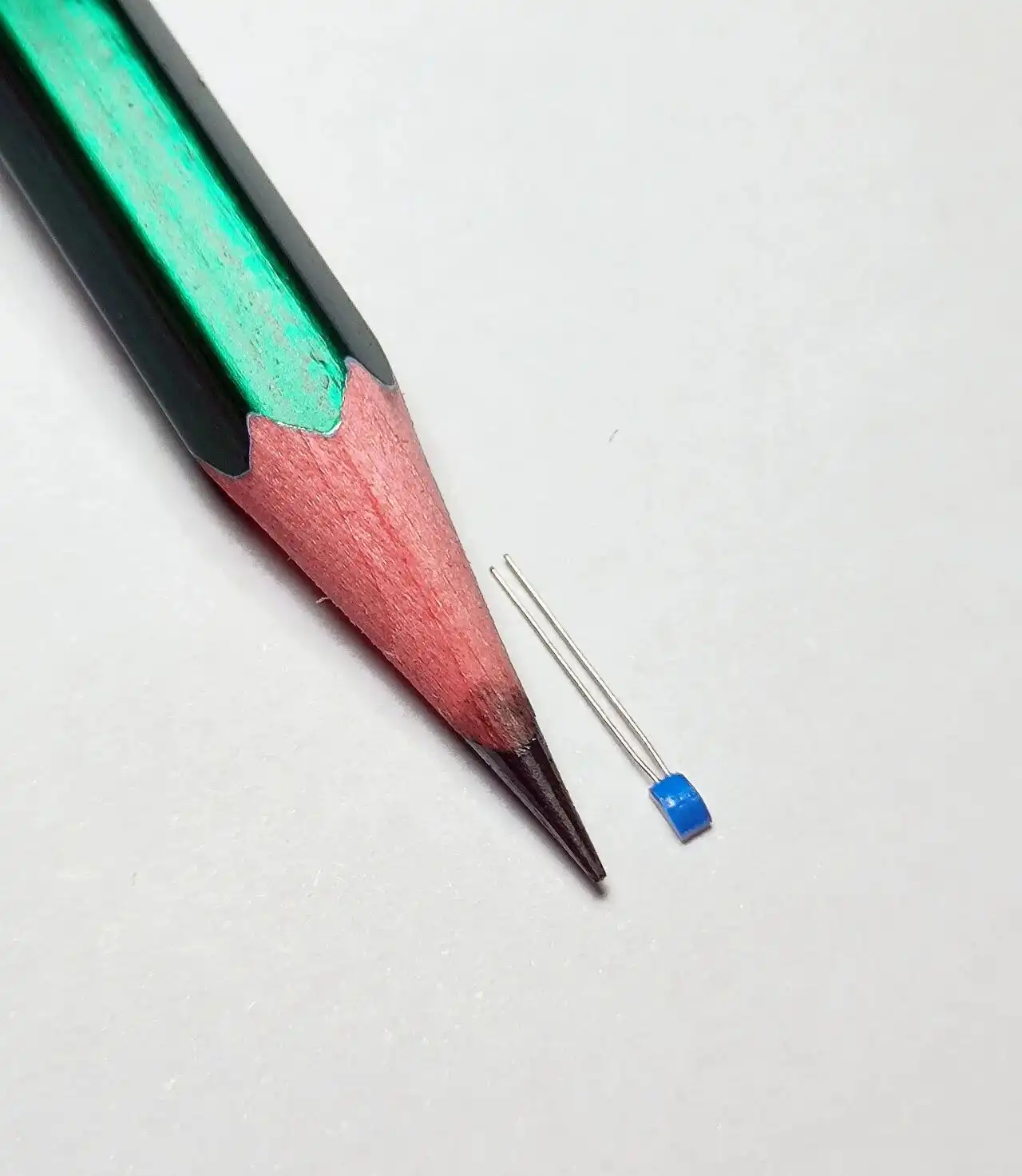
Outgassing problems are not a problem in vacuum-compatible systems used in space applications or dilution freezers. Response time is affected by the sensor's thermal mass, which is an important factor when tracking fast temperature changes in automated control systems. When engineers are making aerospace thermal management or quantum computing dilution freezers, they need to make sure that the sensors they use have reaction times in the milliseconds and can handle very little heat. This is so they don't mess up the system they are measuring.
Key Criteria for Choosing the Right Cryogenic Temperature Sensor
To choose the right cryogenic temperature sensor for -200°C operation, you have to look at a lot of technical factors that have a direct effect on the accuracy of the measurements and the performance of the system. The sensor must not only work within the temperature range, but also give you accurate data when you use it in your unique way.
Accuracy, Sensitivity, and Calibration Standards
The ITS-90 standard, which sets reference temperatures for measuring temperature, is often used to make sure that accuracy at freezing temperatures. High-performance sensors can measure with an accuracy of ±0.01 Ω at the standard resistance, which is equal to millikelvin accuracy at -200°C. How well the sensor can tell the difference between small changes in temperature is called its sensitivity, which is given as dR/dT (resistance change per temperature change).
Signal-to-noise ratios get better with higher sensitivity, which makes electronic noise less of a problem in your measurement device. The sensor meets the requirements because it has a calibration certificate that can be tracked back to national standards. When buying medical tools or aircraft parts that need to follow rules, you have to include calibration documents. Suppliers who offer testing services at a range of temperatures within your working range are valuable because they make it easier for you to do your own confirmation.
Response Time and Long-Term Stability
Response time tells you how fast the sensor finds thermal balance with the world it is measuring. For tasks that involve quick changes in temperature, like keeping an eye on how a cryogenic valve works or keeping track of how fast superconducting magnets cool down, sensors that can respond in less than a second are needed. Response times of as little as 0.05 seconds are possible with thin film designs that have low thermal mass. This lets you control the process in real time.
Long-term stability takes into account shift that happens over months or years of nonstop operation. Premium sensors have drift rates of less than 10 mK per year, so they stay accurate between calibrations. In systems that need expensive breaks to re-calibrate, like particle accelerators or satellite thermal control systems, this steadiness is very important. The specs for the purchase should make it clear what drift rates are okay based on your calibration plan and the amount of uncertainty you can afford in your measurements.
Environmental Compatibility and Robustness
It's important that the sensor works consistently in the conditions that your system needs. There are different problems that come up in vacuum, liquid helium, and liquid nitrogen conditions. For sensors that will be submerged in liquid nitrogen, the materials used must be compatible with the heat conductivity and dielectric qualities of the cryogen. For vacuum uses, materials that don't give off a lot of gas and hermetic seals are needed to keep the sensor stable and stop contamination.
In MRI and NMR spectrometers, magnetic field protection is very important because fields stronger than a few Tesla can cause mistakes in magnetoresistance in sensitive parts. In high-field settings, ruthenium oxide and some diode sensors work better than others. Mechanical sturdiness includes the ability to withstand vibrations (up to 40g in some advanced designs) and shocks (up to 100g), which is important for places like space launches and factories where machines often make mechanical noises.
Comparison of Popular Cryogenic Temperature Sensors in 2026
There are many different cryogenic temperature sensor systems on the market, and each one has its own benefits for different types of applications. Knowing these differences helps match up technical needs with options that are accessible.
Thin Film Platinum RTDs for Broad Temperature Ranges
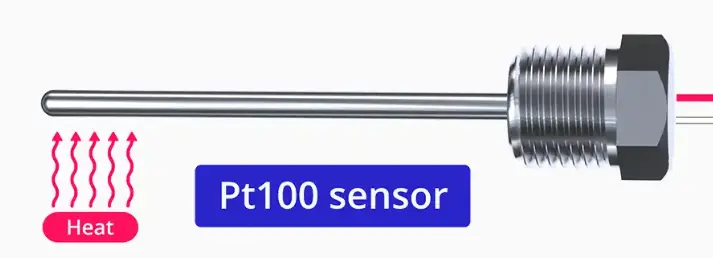
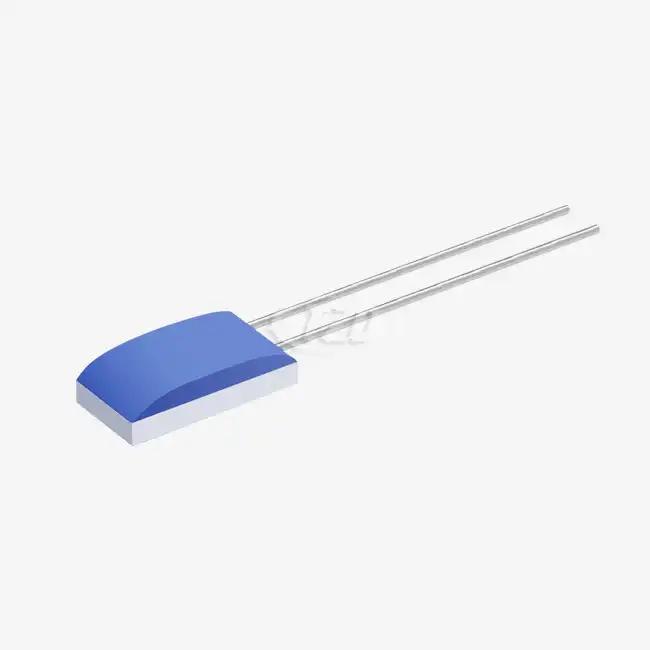
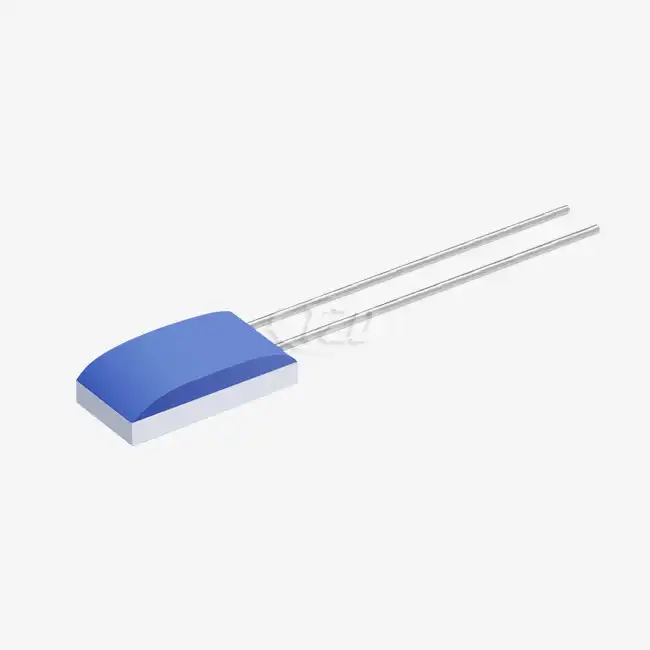
Thin film platinum resistance temperature monitors have become popular for uses that need a single sensor to work at temperatures ranging from very low to very high. The IEC60751 standards are met by these sensors, which use platinum's well-known temperature index. These days, thin film platinum RTDs can work from -200°C to +850°C, though some types work best at the lower temperatures. Their resistance values follow straight lines, which makes testing and system integration easier.
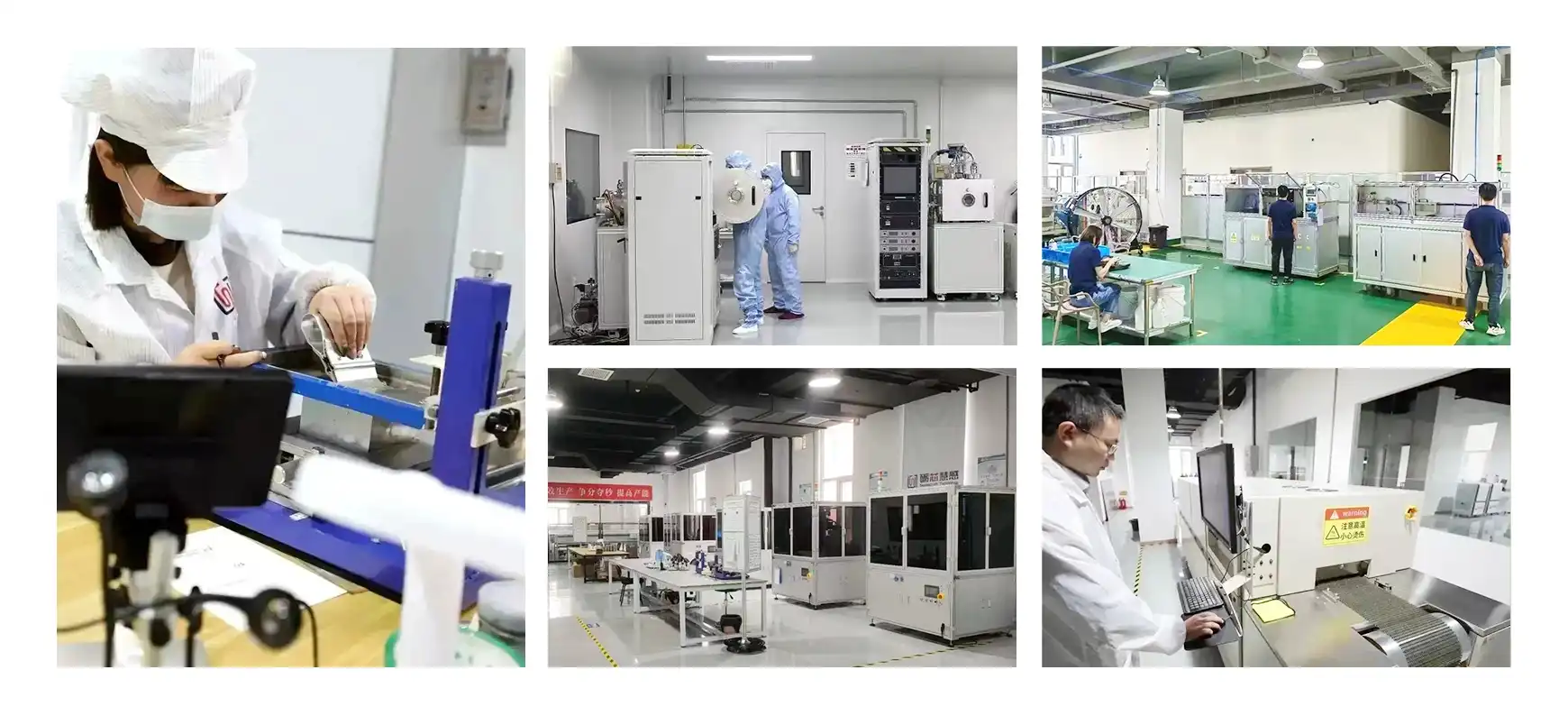
Companies like Tongzida have created automatic production lines that make thin film temperature sensor chips that are very consistent and have a long-term stable drift of less than 0.04%. Some of the benefits are good accuracy across thermal cycles, flexibility with standard measurement equipment, and the ability to customize for package sizes from 1.2mm to 4.0mm. Because of this, they can be used in consumer electronics, industrial automation, and car electronics where a single sensor base needs to be able to handle wide temperature changes.
Silicon Diode and Cernox Sensors for Ultra-Low Temperatures
Silicon diode sensors work very well in situations close to absolute zero because they can keep their high sensitivity down to millikelvin ranges. Even when temperatures drop below -200°C, their voltage-temperature feature makes it easy to tell the difference between signals. Cernox sensors, which use thin films of zirconium nitride, have the same benefits but are also immune to magnetic fields.
These technologies are preferred by research centers and quantum computing facilities for dilution coolers and superconducting qubit systems that need to keep heat in place and lose as little of it as possible. These sensors usually need special circuits to read them, but they work better than any other in very low temperature physics. Companies like Lakeshore Cryotronics focus on these high-tech sensing elements and offer testing services and technical support that is specifically designed for study settings.
Evaluating Manufacturers and Real-World Performance
When deciding between makers, it's important to look at more than just datasheets. OEMs and system developers can also give you feedback on how the products work in real life. Certifications like ISO9001, ROHS compliance, and CE marking, which show strong quality control systems, are ways that leading sellers show their dedication. Customer reviews from Tier 1 system companies can tell you a lot about how consistent delivery is, how quickly technical help responds, and how much customization is possible.
Sensors used in medical imaging tools are put through a lot of tests to make sure they are stable over time and don't interfere with electromagnetic waves. Aerospace OEMs look for suppliers with a track record of reliable supply chains and long product lifecycles, since sensor failure can mess up already-made designs. Working with manufacturers that offer Field Application Engineering help lowers the risks of integration and speeds up validation times, which is very important in high-reliability applications where verification rounds tend to be long.
Practical Considerations When Purchasing Cryogenic Temperature Sensors
Specifications are only one part of the story of buying. To do buying right, you need to pay attention to what the supplier can do, how much they charge, and their after-sale help system for your cryogenic temperature sensor procurement.
Identifying Trustworthy Suppliers and Certifications
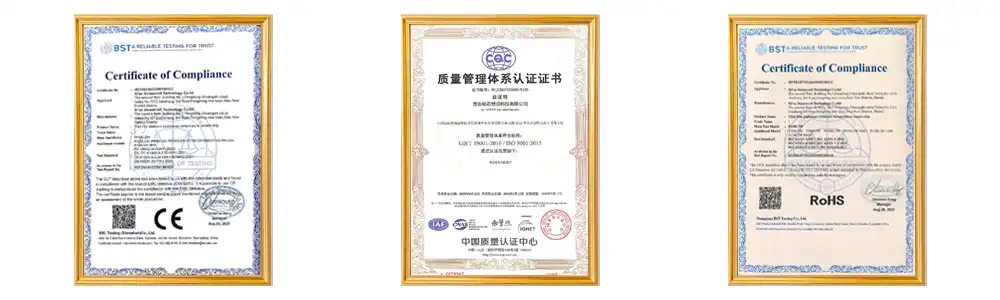
Supplier trust comes from quality systems that have been proven to work and industry certifications. ISO9001 certification means that the manufacturing process is structured and that methods for ongoing growth are used. ROHS compliance makes sure that there are no harmful materials, which is important for gadgets that have to follow environmental rules. The CE mark shows that the product meets European safety standards, which makes it easier to get into the market.
Check the supplier's technical depth beyond certifications by looking at public application notes, white papers, and how quickly they respond to technical questions. Companies that design and make their products in-house, like those that build sensor chips, package them, and test them automatically, have more control over quality and customization. When deciding which suppliers to work with on long-term, high-value projects, site visits or checks by a third party can add extra security.
Customization Options and Volume Considerations
It's possible that off-the-shelf sensors won't exactly fit your needs for speed, lead configuration, or mechanical contact. If a supplier offers customization services, they can change the size of the sensor, the material of the leads, and the style of the packaging to fit your needs. Lead materials like pure platinum, platinum-nickel, or silver-nickel let you find the best balance between cost and heat conductivity. Minimum order numbers (MOQs) can be very different.
Some makers allow small-batch testing with MOQs as low as a few dozen units, which lets you try a prototype before ordering a lot of them. When you make a bigger commitment, the unit cost goes down. This is in line with procurement tactics that move from pilot projects to full-scale production. By being clear about wait times for unique designs during the initial talks, schedule surprises can be avoided during product development.
Logistics, Warranty, and Technical Support
When you buy something from another country, you have to think about a lot of logistics, like how to ship fragile sensors, how to fill out customs forms, and how to make sure you follow import rules. Reliable sellers keep enough product on hand to cover any delays and let customers know ahead of time. Depending on the level of the product, the warranty may cover problems with the way it was made for one to several years.
Knowing what the guarantee doesn't cover, like damage caused by misuse or using it beyond its limits, helps you properly distribute risk. Technical support after the sale, especially help from Field Application Engineering, speeds up setup and fixes problems. Suppliers who offer testing services, help with installation, and ongoing advice are very helpful, especially for teams that are new to measuring in cryogenic temperatures or using sensors in new ways.
Ensuring Long-Term Success with Cryogenic Temperature Sensors
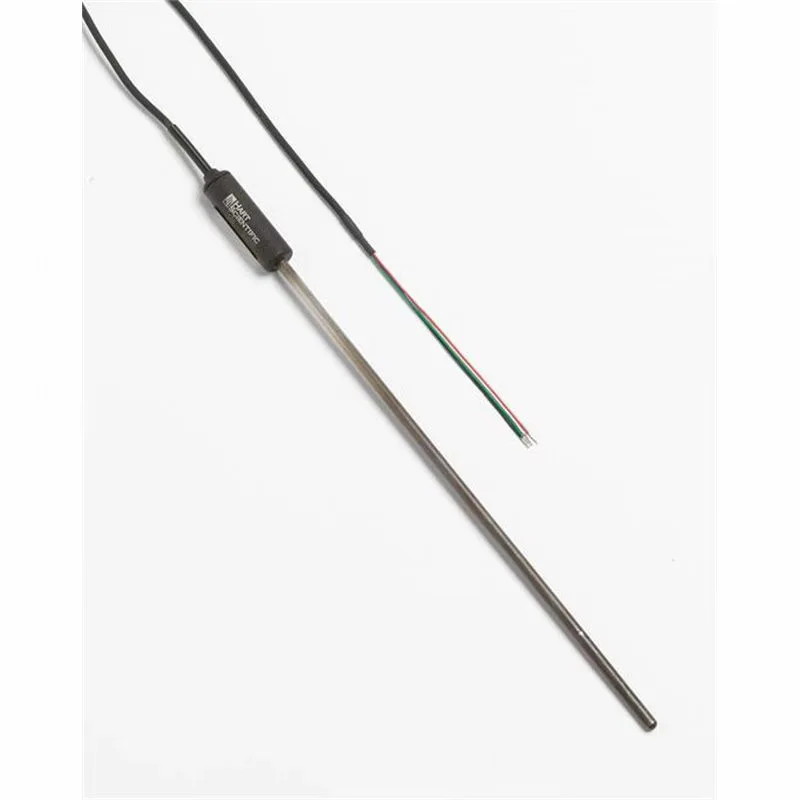
The buying process is the start of the cryogenic temperature sensor's existence. Paying attention to testing, upkeep, and new technologies is necessary to keep things accurate and get the most out of your investment.
Calibration Schedules and Maintenance Practices
How often a sensor needs to be calibrated depends on how stable it is, how important the application is, and what the rules say. High-stability sensors that move less than 10 mK per year may only need to be calibrated once a year, while less stable devices need to be checked more often. Setting up standard calibration data at installation gives you a way to look for drift trends. When you calibrate something, you usually compare it to reference standards at a number of temperature points across the operating range.
Some businesses have their own cryogenic reference baths for in-house calibration, while others rely on approved calibration labs that offer services that can be tracked. As part of routine maintenance, lead lines should be checked for damage, electrical connection should be confirmed, and dirty sensor surfaces should be cleaned. Keeping records of calibration results and maintenance tasks helps with quality checks and makes it easier to figure out what's wrong when measurement problems happen.
Addressing Common Implementation Challenges
When heat integration and signal filtering are done, implementation problems often come up. Paying attention to the attachment methods and interface materials is needed to make sure that the sensor makes good thermal contact with the surface being monitored. In some situations, thermal grease or oil helps heat move better, while in others, mechanical binding is enough. Heat loss from lead wires can cause measurement mistakes. This can be lessened by choosing low-conductivity materials and making the wires as small as possible.
Power electronics or radio frequency (RF) sources close by can mess up sensor data with electromagnetic interference. Noise pickup is lessened by using shielded wires and the right way to ground them. Self-heating mistakes happen when the stimulation current makes the sensor hotter than the surrounding air. Self-heating can be lowered by running at lower currents or using rapid stimuli, but the signal-to-noise ratio goes down. This means that trade-off analysis is needed when designing the system.
Emerging Technologies and Future Trends
Sensors with smaller sizes and faster response times are now possible thanks to advances in thin film coating and microfabrication. Putting several sensing elements into one package helps with reliability and mapping the temperature over time and space. Wireless feedback devices get rid of the heat loss caused by lead wires, but they make it harder to send power and data at very low temperatures.
When applied to sensor data, machine learning algorithms can find drift trends and guess when calibrations will need to be done, which makes maintenance plans more efficient. As quantum computing and hydrogen fuel get better, people will want cold sensors that are even more accurate and reliable. This will push innovation forward. By keeping up with these trends, buying teams can guess what suppliers will be putting on their roadmaps and look at next-generation options that might be better for performance or cost in future projects.
Conclusion
To choose a cryogenic temperature sensor for -200°C uses, you need to find a balance between technical performance, provider trustworthiness, and long-term support. Knowing the differences between platinum RTDs, silicon diodes, and special materials like Cernox will help you make sure that your system works with what you need it to do. Mismatches that cost a lot of money can be avoided by comparing accuracy, reaction time, magnetic field immunity, and mechanical strength to the needs of the application. Using providers with tested quality systems, the ability to customize, and quick expert help cuts down on procurement risk and speeds up project timelines. Paying attention to calibration, maintenance, and new technologies protects your investment and ensures accurate measurements for important study and commercial uses throughout the sensor's lifetime.
FAQ
Q1: What temperature coefficient should I specify for cryogenic platinum RTDs?
A: Most platinum RTDs that work in cold temperatures have a temperature coefficient of 3850 ppm/°C. This formula, which is in line with IEC60751, makes sure that resistance changes can be predicted from -200°C to room temperature. This makes it easier to calibrate and connect to measurement electronics.
Q2: How do magnetic fields affect sensor accuracy at cryogenic temperatures?
A: A lot of sensors that are built on resistance have magnetoresistance, which means that the resistance changes when magnetic fields are applied, regardless of the temperature. This effect can make MRI scanners or particle reactors make big mistakes. Ruthenium oxide and some types of diode sensors are more resistant to damage and can stay accurate even in fields stronger than several Tesla.
Q3: What lead wire materials minimize thermal errors?
A: Platinum-nickel and silver-nickel leads offer reasonable trade-offs between how well they conduct electricity and how well they conduct heat. This keeps the signal strong while lowering heat leakage. Pure platinum leads don't have many thermoelectric effects, but they do conduct heat better. The best choice relies on how much temperature space you have and how accurate you need the measurements to be.
Q4: Can sensors be recalibrated after extended use?
A: Yes, most cold sensors can be re-calibrated in approved labs using standards that can be tracked. Regular recalibration fixes any drift and makes sure that the machine is still meeting specs. Some companies offer calibration services that are specific to their goods and give papers that show how the products can be tracked back to national standards.
Partner with Tongzida for Precision Cryogenic Temperature Measurement
Tongzida is one of the best companies that sells cryogenic temperature sensors. They make thin film platinum RTDs that are very accurate at -200°C and below. Our automatic production lines make sensors that work consistently at room temperature, high temperatures, and very low temperatures. These sensors are backed by ISO9001, ROHS, and CE standards. Our devices are accurate to within ±0.01°C and have long-term stability drift below 0.04%, so they can handle the tough needs of flight, medical imaging, quantum computing, and industrial automation.
Customization choices for different lead materials, sizes, and box shapes make sure that they work well with your application. From the initial design to installation and testing, our Field Application Engineering team gives you technical advice. This cuts down on the time it takes to validate and the technical risk you face. Please email us at sales11@xatzd.com to talk about your cryogenic sensing needs and find out how Tongzida's experience can help you improve your measurement skills and speed up the success of your project.
References
1. Preston-Thomas, H. (1990). "The International Temperature Scale of 1990 (ITS-90)." Metrologia, Vol. 27, pp. 3-10.
2. Rubin, L.G., Brandt, B.L., Sample, H.H. (1982). "Cryogenic Thermometry: A Review of Recent Progress." Cryogenics, Vol. 22, pp. 491-503.
3. Swartz, J.M., Gould, G. (1996). "Temperature Measurement in Cryogenic Systems." Advances in Cryogenic Engineering, Vol. 41, pp. 1629-1636.
4. Lake Shore Cryotronics (2023). "Temperature Measurement and Control Catalog." Lake Shore Cryotronics, Inc., Westerville, Ohio.
5. White, G.K., Meeson, P.J. (2002). "Experimental Techniques in Low-Temperature Physics." Fourth Edition, Oxford University Press, Oxford.
6. IEC 60751 (2022). "Industrial Platinum Resistance Thermometers and Platinum Temperature Sensors." International Electrotechnical Commission, Geneva.

Learn about our latest products and discounts through SMS or email