- English
- French
- German
- Portuguese
- Spanish
- Russian
- Japanese
- Korean
- Arabic
- Greek
- German
- Turkish
- Italian
- Danish
- Romanian
- Indonesian
- Czech
- Afrikaans
- Swedish
- Polish
- Basque
- Catalan
- Esperanto
- Hindi
- Lao
- Albanian
- Amharic
- Armenian
- Azerbaijani
- Belarusian
- Bengali
- Bosnian
- Bulgarian
- Cebuano
- Chichewa
- Corsican
- Croatian
- Dutch
- Estonian
- Filipino
- Finnish
- Frisian
- Galician
- Georgian
- Gujarati
- Haitian
- Hausa
- Hawaiian
- Hebrew
- Hmong
- Hungarian
- Icelandic
- Igbo
- Javanese
- Kannada
- Kazakh
- Khmer
- Kurdish
- Kyrgyz
- Latin
- Latvian
- Lithuanian
- Luxembou..
- Macedonian
- Malagasy
- Malay
- Malayalam
- Maltese
- Maori
- Marathi
- Mongolian
- Burmese
- Nepali
- Norwegian
- Pashto
- Persian
- Punjabi
- Serbian
- Sesotho
- Sinhala
- Slovak
- Slovenian
- Somali
- Samoan
- Scots Gaelic
- Shona
- Sindhi
- Sundanese
- Swahili
- Tajik
- Tamil
- Telugu
- Thai
- Ukrainian
- Urdu
- Uzbek
- Vietnamese
- Welsh
- Xhosa
- Yiddish
- Yoruba
- Zulu
Best Cryogenic Temperature Sensors for Extreme Cold
It is very important to choose the right cryogenic temperature sensors when working in places with very low temperatures. These special sensors are very good at measuring temperatures below -150°C because they use high-tech materials that stay sensitive near absolute zero, such as zirconium nitride, silicon diodes, and ruthenium oxide. Cryogenic temperature sensors work better in very cold temperatures than regular sensors because they don't lose their sharpness. They can work in temperatures below millikelvin and are less likely to self-heat or be affected by magnetic fields. These are important qualities for a wide range of uses, from superconducting magnets to quantum computing systems.
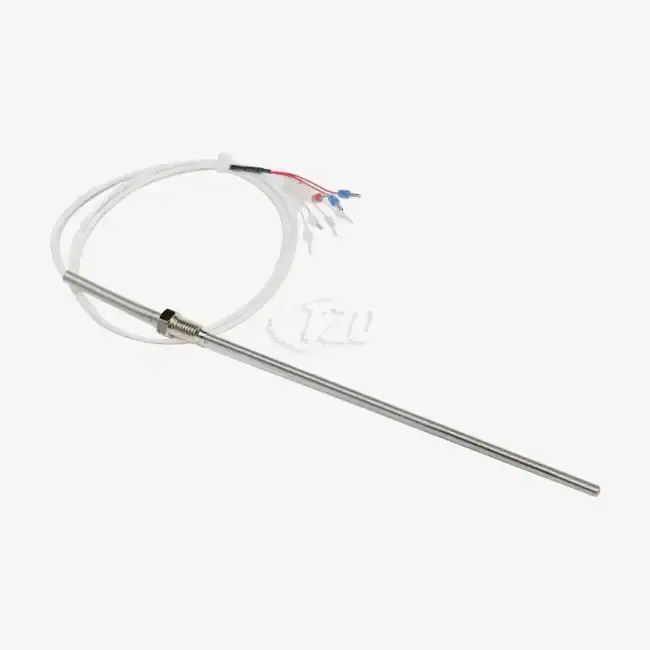
Understanding Cryogenic Temperature Sensors: Principles and Types
Sensors that work at room temperature and those that work at cryogenic temperatures run on very different principles. When temperatures get close to absolute zero, thermal noise is almost nonexistent, and quantum mechanical effects take over how materials behave. Sensors made for these situations use cryogenic temperature sensors technology that stays stable and sensitive even at very high or very low temperatures by using materials that change resistance or voltage in predictable ways.
Resistance Temperature Detectors for Ultra-Low Environments
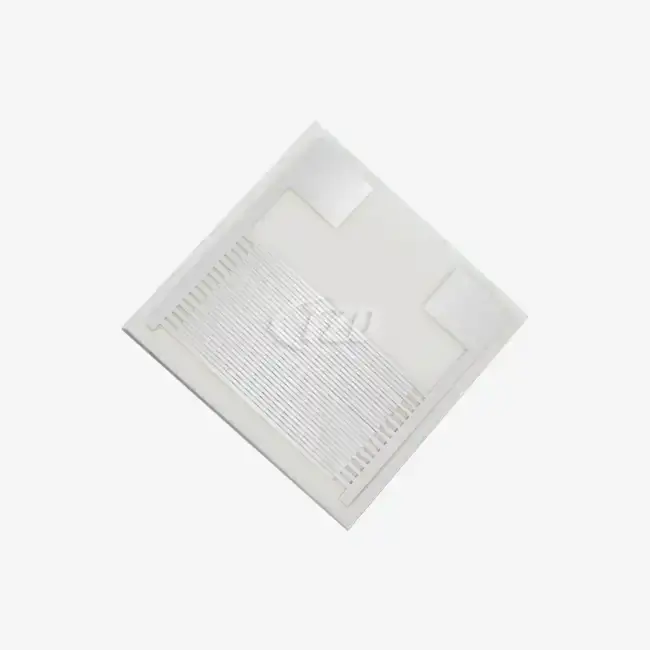
In cold settings, platinum resistance temperature monitors stand out because they are very stable and reliable. Thin-film platinum elements are formed on ceramic surfaces in these devices, which are designed to keep precise temperature coefficients down to -200°C. The relationship between resistance and temperature is well-defined and can be traced back to the ITS-90 international standard. This allows for accurate levels of up to ±0.01 Ω at certain testing points. With today's production methods, platinum RTDs can withstand hundreds of thermal cycles between room temperature and cold temperatures without losing more than 0.04% of their accuracy each year. This makes them very useful in situations where long-term measurement accuracy is needed.
Thermocouple Technologies Optimized for Rapid Response
When thermocouple systems are made for cryogenic work, they use special alloy combinations that make thermoelectric voltages that can be measured at very low temperatures. Chromel and constantan thermocouples of Type E are sensitive enough to be used down to about -200°C, while copper-constantan junctions in Type T designs allow measurements to be made at temperatures as low as liquid nitrogen. The main benefit is the response time: thermocouple junctions that are properly designed and have very little thermal mass can pick up on changes in temperature within milliseconds. This is very important for keeping an eye on quickly changing thermal events in rocket fuel systems or spotting when superconducting magnet quench conditions start to happen.
Silicon Diode and Specialized Semiconductor Sensors
Silicon diode sensors use the way that the forward voltage changes with temperature in semiconductor junctions to give them high sensitivity in the cryogenic range. The voltage-temperature relationships in these devices are almost straight between 1.4 K and 475 K, and the precision is very close to single-digit millikelvin. Cernox sensors, which use thin films of zirconium oxynitride, can work in a wider temperature range and are less sensitive to magnetic fields. This is an important factor to consider for uses in high-field superconducting magnets that are used in particle physics research and advanced medical imaging systems.
Comparing the Best Sensors for Cryogenic Temperatures
When choosing between cryogenic temperature sensors technologies, you have to weigh a lot of performance factors against the needs of the application. Different types of sensors have very different accuracy specs, thermal response traits, and weather durability. Knowing these trade-offs helps you make the best choice.
Performance Metrics Across Leading Sensor Technologies
When made to IEC60751 standards with 3850 ppm/°C temperature coefficients, platinum RTDs achieve adjustable accuracy specifications of ±0.15°C at -196°C. They are also very stable over time. Even tighter limits can be reached with thin-film platinum sensors that have been calibrated by specialized companies like Tongzida. Custom calibrations can provide ±0.01 Ω accuracy, which is equal to about ±0.025°C measurement uncertainty. Thermocouples give up some accuracy for faster reaction times.
They usually have system accuracy of ±1.0°C but can respond to changes in temperature five to ten times faster than similar RTD assemblies. Silicon diodes and Cernox sensors are in the middle. They offer ±0.5 K accuracy with modest response times. They also work better in magnetic field settings where other technologies have trouble measuring accurately.
Environmental Resilience and Operational Longevity
In cryogenic uses, harsh working conditions like changing temperatures, shaking, and being exposed to gases that break down materials test how long a sensor can last. Platinum thin-film sensors enclosed in hermetic glass or ceramic can survive vibrations higher than 40g and mechanical shocks close to 100g, meeting the strict requirements of defense and aircraft uses.
The choice of sheath material and junction design has a big impact on how long a thermocouple lasts. In chemically aggressive settings, mineral-insulated systems with stainless steel or Inconel sheaths protect junctions. To keep mechanical stress to a minimum during thermal cycling, semiconductor sensors need to be carefully mounted. However, units that are properly installed show drift rates below 20 mK per year, which is fine for many commercial and study uses.
Cost-Effectiveness Evaluation for Procurement Planning
The initial cost of the sensor is only a small part of the total costs of ownership. Standard platinum RTDs for cryogenic service cost between $150 and $600 each, based on how they are built and how accurate they are. Specially adjusted units can cost more than $1,200. Thermocouples have lower starting costs—usually between $80 and $300—but they may need to be replaced more often in harsh environments.
The most expensive sensors are silicon diode and Cernox, which cost $400 to $1,500 each. This is because they have unique performance powers. When you look at how often sensors need to be calibrated, replaced, and how much it costs for the system to be down, you'll often find that higher-performing sensors are worth the extra money, especially in situations where measurement interruptions cause problems with production or study timelines.
Selecting Cryogenic Sensors for Your Industry Needs
Beyond basic performance standards, industry-specific needs guide cryogenic temperature sensors selection criteria. Regulatory compliance, environmental suitability, and integration limits are very different across application areas, which means that buying methods need to be adapted to each one.
Aerospace and Satellite Thermal Management Requirements
When it comes to extreme temperature ranges, vibration resistance, and long-term dependability without access for repair, aerospace uses have their own set of strict requirements. Sensors that check the temperatures of liquid hydrogen and liquid oxygen propellants must be able to withstand the vibrations that come with launch and stay calibrated over long-term missions. The performance range needed is met by platinum RTDs with welded stainless steel protection tubes, vacuum-rated wire systems, and triple-point-of-water calibration certificates.
Satellite thermal control systems need sensors that don't heat up too much—usually less than 1 mW at normal working temperatures—so they don't change the temperature setting they're measuring. Specifications for buying things should include requirements for space-qualified parts, proof of radiation hardness tests, and hermeticity checks to make sure leak rates are less than 1×10⁻⁹ atm·cc/sec.
Medical and Pharmaceutical Cold Storage Monitoring
When used in medical uses, measurement accuracy and following the rules are very important. The superconducting magnets in MRI machines work in a continuous mode for years at a time, using cryogenic temperature sensors to keep an eye on the amount of liquid helium and find any strange temperature changes before they become too dangerous to handle. These sensors need to work correctly in magnetic fields as strong as several Tesla while having very little magnetoresistance effects.
Cernox and certain types of ruthenium oxide sensors are great at meeting these needs. To keep an eye on the pharmaceutical cold chain and make sure that biological samples stored at liquid nitrogen temperatures are properly calibrated and in line with national standards, sensors are usually required to have NIST-traceable calibration certificates and to meet FDA 21 CFR Part 11 data integrity requirements when they are built into automated monitoring systems.
Industrial Gas Production and Chemical Processing
In industrial cryogenic uses like air separation plants, LNG facilities, and chemical processing areas, measurements need to be very accurate and the climate is very harsh. Sensors could come into touch with liquids that are very cold, get thermal shock from sudden changes in temperature, or be exposed to chemicals in process fluids. Heavy-duty mineral-insulated thermocouple circuits are strong enough to work in these conditions, especially when paired with receivers that can compensate for cold junctions and find sensor breaks.
When purchasing things, teams should make sure that the sensors are compatible with the process fluids that will be used, that the plunge lengths will be right for the installation sites, and that they come with proof of their pressure rating when they go inside vessels that are under pressure. When measuring temperatures in classified hazardous areas, sensors that are naturally safe or explosion-proof are also useful in industrial settings.
How to Buy Cryogenic Temperature Sensors: Procurement Tips?
Effective buying of cryogenic temperature sensors includes more than just meeting technical specifications. It also includes evaluating suppliers, negotiating contracts, and keeping in touch with them to provide ongoing support. Creating relationships with makers who know what the application needs and can offer full technical support is beneficial throughout the whole lifecycle of the product.
Identifying Qualified Manufacturers and Distributors
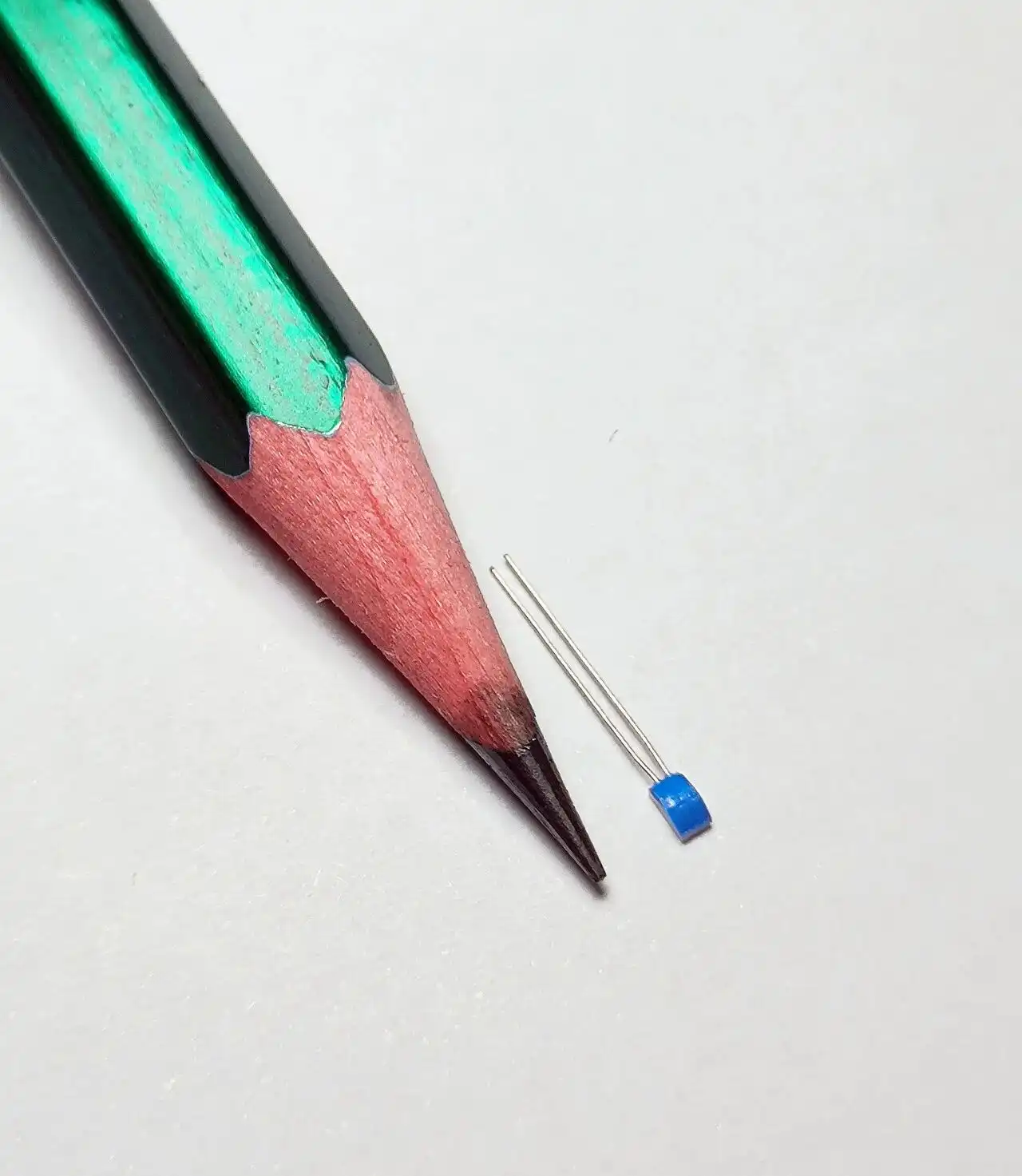
A trustworthy company that sells cryogenic temperature sensors shows a few important traits. As long as a manufacturing facility has ISO 9001 quality management approval, the production methods will be consistent and there will be proof that the products can be tracked. Look for companies that have their own calibration labs and are accredited by the A2LA or a national organization that is recognized in the same way. This way, the companies can give you calibration certificates that can be traced back to basic measurement standards.
Tongzida and other companies have bought automatic thin-film deposition and photolithography tools just for making platinum RTDs. This lets them make the devices with tighter tolerances and with more customization options than wholesalers who sell off-the-shelf parts. Requesting the right to inspect the plant, looking over process capability studies, and looking at sample calibration data are all good ways to make sure that the manufacturing is competent.
Negotiating Terms That Protect Long-Term Interests
Getting cryogenic temperature sensors is usually done in smaller amounts than getting common components, but it is more important from a strategy point of view. In addition to unit price, contract talks should cover a number of important points. Set minimum inventory promises from sources to make sure there are replacement sensors that match the original calibration standards. This is especially important in aircraft and medical device development, where qualification cycles can last for years.
Talk about insurance terms that cover not only problems with the way the product was made, but also problems with how it stays calibrated over certain times. For example, you could promise that sensors will stay accurate within certain limits for 24 months when used in certain ways. Include plans for engineering support during integration, including when technical questions will be answered and when field application experts will be available to help with installation problems or figure out why measurements aren't working right.
Leveraging Technical Support for Optimal Implementation
A lot of the time, the technical knowledge that providers offer is just as important as the specs of the sensors. More accurate system design is possible when manufacturers provide full datasheets with real calibration curves instead of general standard ranges. Application notes that talk about installation best practices, like how to use thermal grounding, route lead wires to reduce unwanted heat loads, and suggest excitation current levels, can help you avoid common application mistakes.
Customization companies can change standard sensor designs to work with different cables, mechanical interfaces, or calibration ranges. This gets rid of the need for adapter hardware or signal conditioning solutions. When looking at suppliers, find out if they are ready to do design reviews, give you prototypes to test for quality, and train people to be maintenance staff who will finally support systems that have been launched.
Conclusion
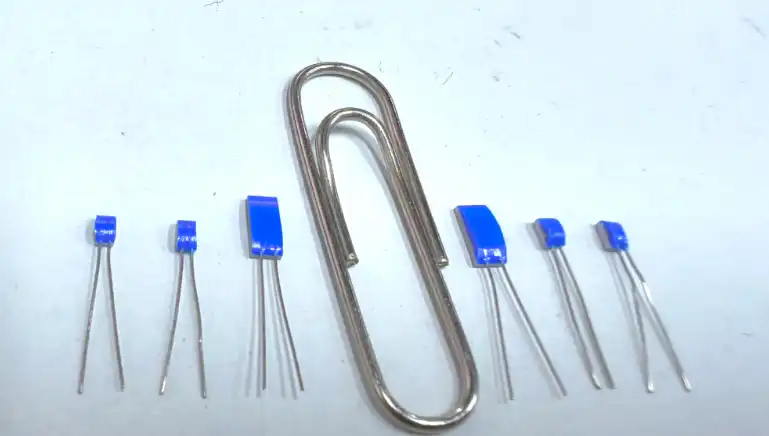
In conclusion, choosing cryogenic temperature sensors requires weighing the technical performance, environmental resilience, and provider skills against the needs of the application and the budget. Platinum RTDs offer the highest level of accuracy and steadiness for uses that need to keep measurements accurate over time. When speed of thermal reaction is more important than exact accuracy, thermocouples are the best choice. In magnetic field settings and ultra-low temperature ranges, specialized semiconductor sensors work best.
To do successful buying, you need to do more than just choose the right parts. You also need to build ties with suppliers that allow for tracking of calibration, customization options, and ongoing expert support. By taking the time to carefully create specifications, screen suppliers, and negotiate contracts, you can get measurement systems that keep working perfectly for a long time in difficult industrial, medical, and military settings.
FAQ
Q1: What sensor type offers the highest accuracy for liquid nitrogen temperature measurement?
A: What kind of cryogenic temperature sensors is the most accurate for measuring the temperature of liquid nitrogen? When calibrated to meet IEC60751 Class AA standards, platinum RTDs give the best accuracy at liquid nitrogen temperatures around 77 K (-196°C). When used with precision reading equipment, thin-film platinum sensors that have been calibrated can get measurements with errors of less than 0.05°C. Silicon diode sensors are about as accurate as other types, but they respond more quickly and need to be re-calibrated more often to keep up with performance levels.
Q2: How often should cryogenic sensors undergo recalibration?
A: How often sensors need to be calibrated depends on the type of sensor, how important the application is, and the working conditions. In safe industrial settings, platinum RTDs usually stay calibrated for 12 to 24 months before they need to be checked again. Sensors that are subjected to repeated changes in temperature or mechanical stress should be recalibrated once a year. For important uses in medical devices or flight systems, checking against reference standards every three months or all the time may be needed to find drift before it affects the truth of the measurements.
Q3: Can suppliers customize sensors for specialized mounting configurations?
A: Reputable makers let you change a lot of things, like the size of the probes, the way the cables are assembled, the shapes of the flanges, and the calibration ranges that are best for your application. When you order a custom setup, the minimum order quantity can be as low as one unit for specialized calibrations or as high as 25 units for changed mechanical designs. By involving suppliers early on in the design process, sensor needs can be built into the system architecture instead of having to be changed to fit standard sensor setups.
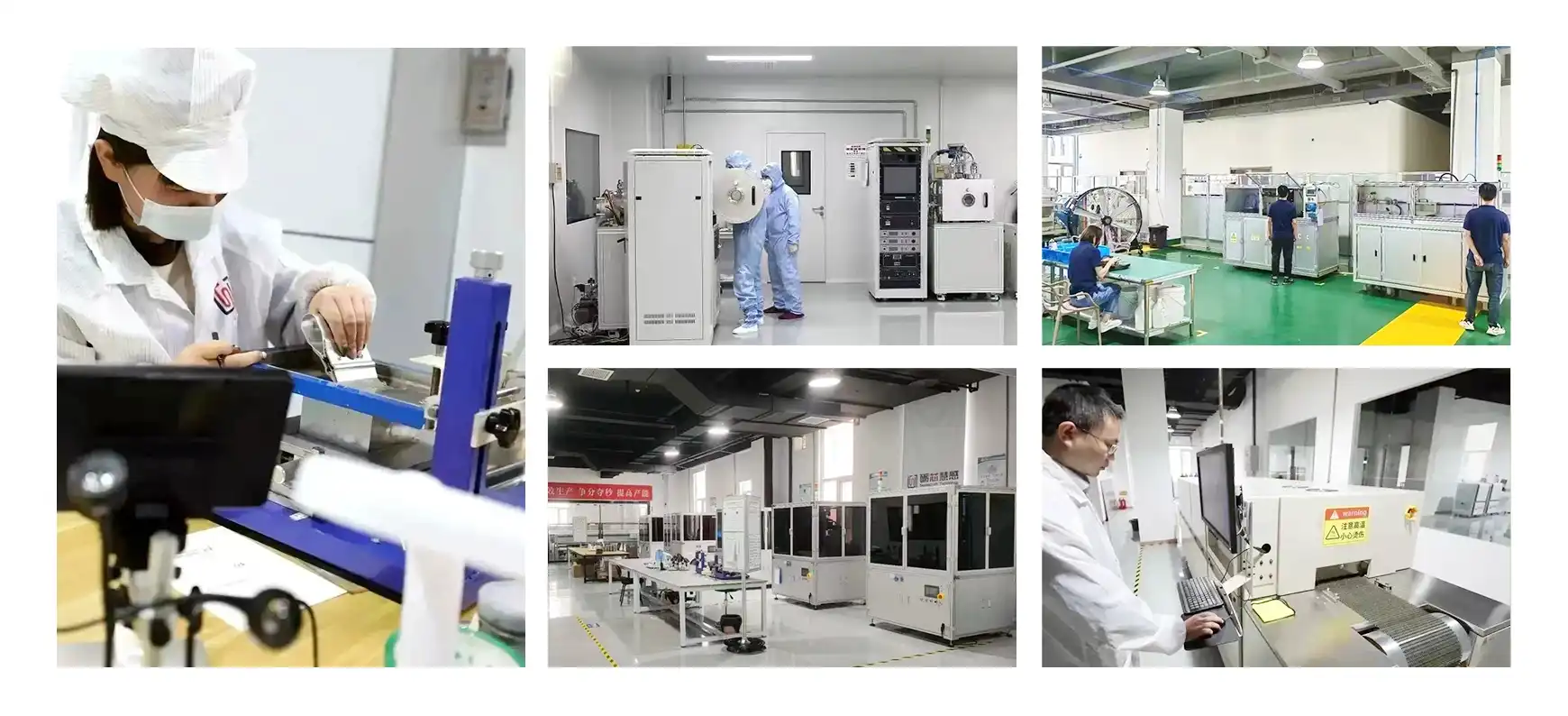
Partner With Tongzida for Advanced Cryogenic Measurement Solutions
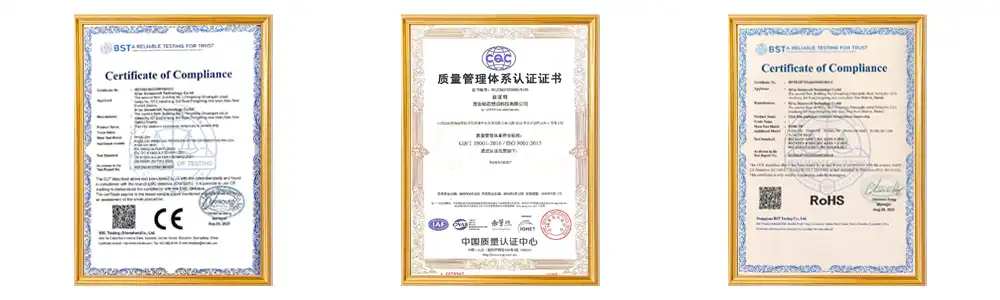
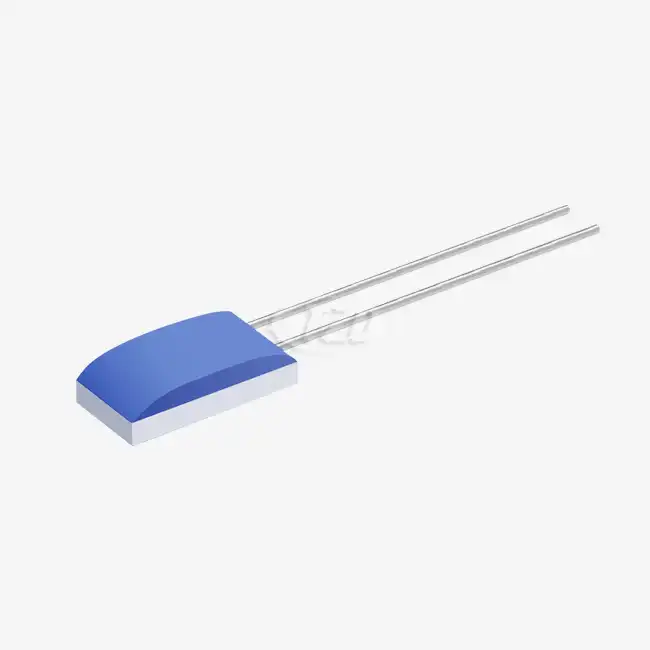
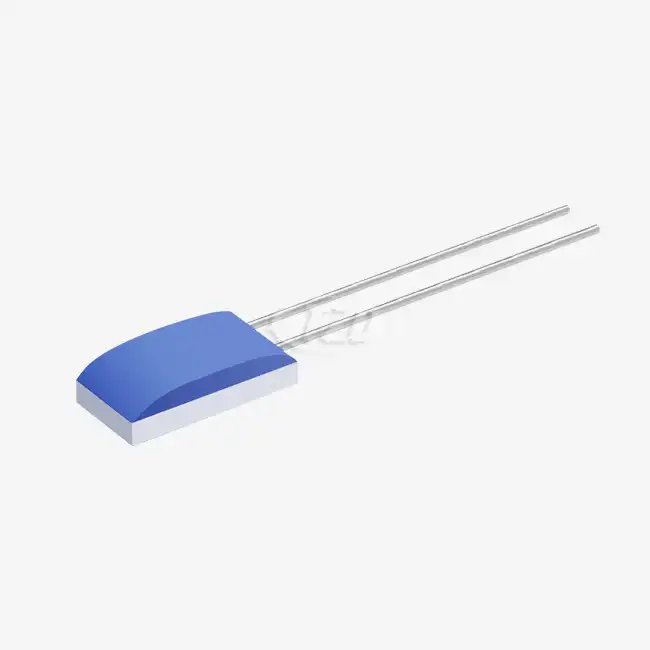
Tongzida is an expert at making high-precision thin-film platinum RTD cryogenic temperature sensors that are designed to work in harsh cold environments. Our automated production lines keep the quality the same from -200°C to +850°C. They can achieve unique calibrations with an accuracy of ±0.01 Ω (1/30B tolerance class) and long-term stability drift of no more than ≤0.04%. We have been making temperature measurement solutions for a long time and have ISO9001 certification, as well as ROHS and CE approval. This makes sure that our goods meet international quality and safety standards.
Our engineering team offers full technical support throughout the whole buying process, from helping with the initial design to helping with installation and providing calibration services after delivery. You can choose from a wide range of customization options, such as probe sizes ranging from 1.2mm to 4.0mm, lead wire materials such as platinum-nickel, silver-nickel, and pure platinum, vacuum packaging for ultra-high vacuum applications, and calibration certificates that are specific to the application and can be tracked back to national standards. Our sensors are great for aircraft, medical equipment, and industrial systems because they can respond in as little as 0.05 seconds and can withstand vibrations up to 40g and shocks up to 100g.
Get in touch with our expert sales team at sales11@xatzd.com to talk about your unique needs for cryogenic measurements. We'll give you full technical specs, personalized quotes, and test units for approval. As a company that only sells cryogenic measurement products, we're dedicated to providing solutions that help your important applications work perfectly in places with very high temperatures.
References
1. Rusby, R. L., et al. "The Provisional Low Temperature Scale from 0.9 mK to 1 K, PLTS-2000." Journal of Low Temperature Physics, vol. 126, no. 1/2, 2002, pp. 633-642.
2. Schooley, J. F., and R. J. Soulen Jr. "Thermometry." National Institute of Standards and Technology Special Publication 250-30, 1992.
3. Swartz, J. M., and T. A. Elkins. "Cryogenic Temperature Sensors for Space Applications: A Comprehensive Review." Cryogenics, vol. 84, 2017, pp. 56-72.
4. Lake Shore Cryotronics, Inc. "Temperature Measurement and Control Catalog." 11th Edition, 2021, pp. 1-248.
5. Pavese, F., and G. Molinar. "Modern Gas-Based Temperature and Pressure Measurements." 2nd Edition, Springer Science+Business Media, 2013.
6. White, G. K., and P. J. Meeson. "Experimental Techniques in Low-Temperature Physics." 4th Edition, Oxford University Press, 2002.

Learn about our latest products and discounts through SMS or email