- English
- French
- German
- Portuguese
- Spanish
- Russian
- Japanese
- Korean
- Arabic
- Greek
- German
- Turkish
- Italian
- Danish
- Romanian
- Indonesian
- Czech
- Afrikaans
- Swedish
- Polish
- Basque
- Catalan
- Esperanto
- Hindi
- Lao
- Albanian
- Amharic
- Armenian
- Azerbaijani
- Belarusian
- Bengali
- Bosnian
- Bulgarian
- Cebuano
- Chichewa
- Corsican
- Croatian
- Dutch
- Estonian
- Filipino
- Finnish
- Frisian
- Galician
- Georgian
- Gujarati
- Haitian
- Hausa
- Hawaiian
- Hebrew
- Hmong
- Hungarian
- Icelandic
- Igbo
- Javanese
- Kannada
- Kazakh
- Khmer
- Kurdish
- Kyrgyz
- Latin
- Latvian
- Lithuanian
- Luxembou..
- Macedonian
- Malagasy
- Malay
- Malayalam
- Maltese
- Maori
- Marathi
- Mongolian
- Burmese
- Nepali
- Norwegian
- Pashto
- Persian
- Punjabi
- Serbian
- Sesotho
- Sinhala
- Slovak
- Slovenian
- Somali
- Samoan
- Scots Gaelic
- Shona
- Sindhi
- Sundanese
- Swahili
- Tajik
- Tamil
- Telugu
- Thai
- Ukrainian
- Urdu
- Uzbek
- Vietnamese
- Welsh
- Xhosa
- Yiddish
- Yoruba
- Zulu
Exploring Flexible Piezoelectric Sensors for Smart Devices
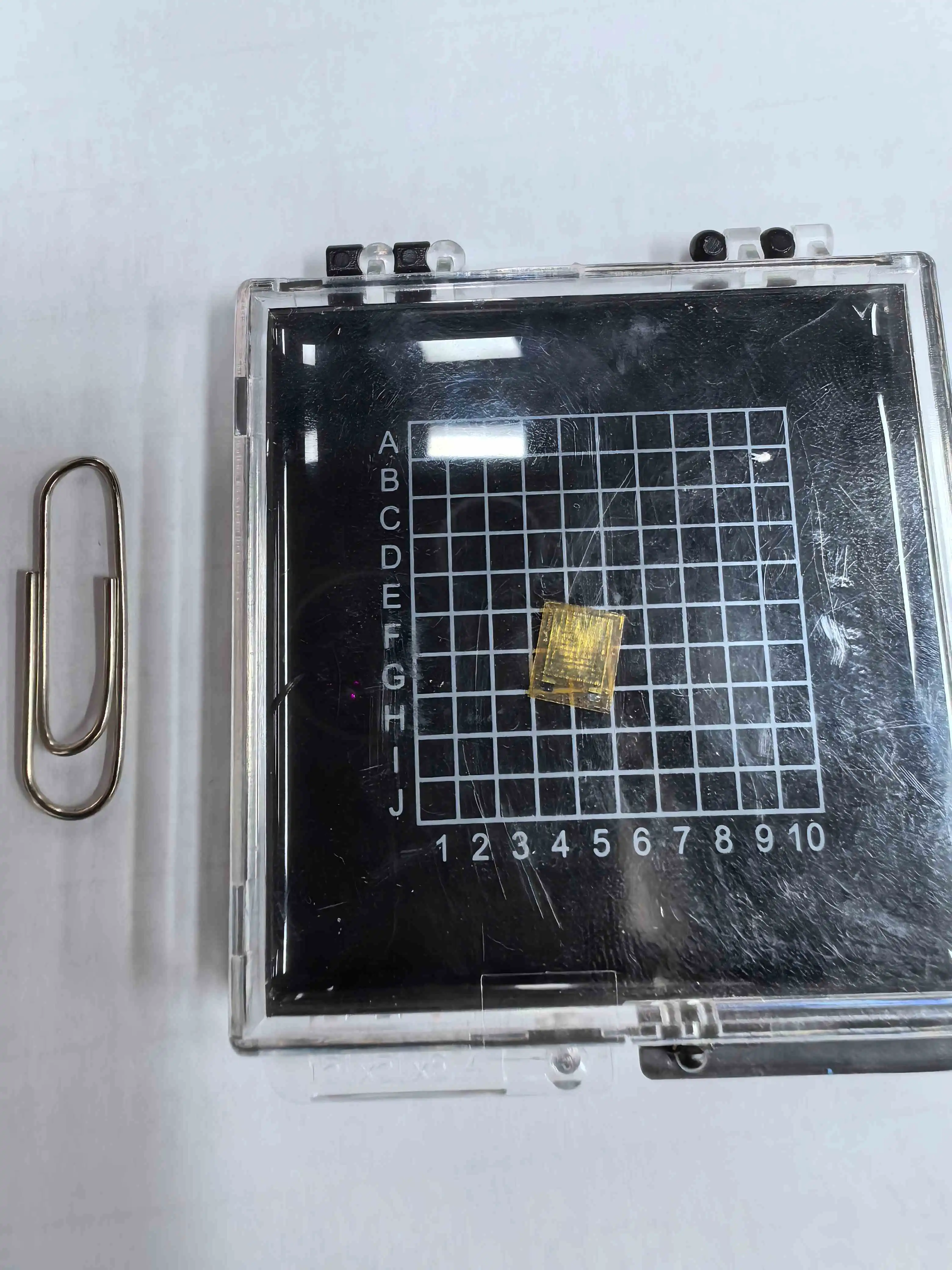
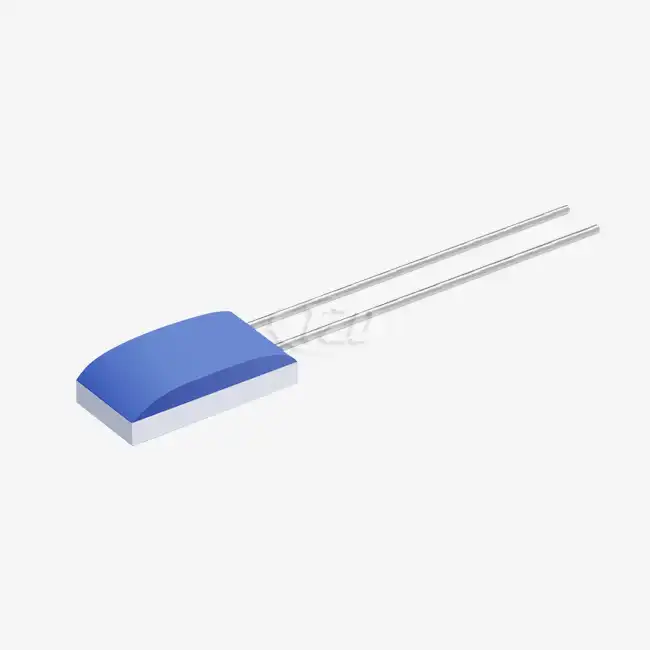
A smart flexible piezo sensor is an advanced transducer that uses the piezoelectric effect to turn mechanical signals like pressure, strain, vibration, and contact into measurable electrical signals while still being able to bend and adapt. Unlike standard hard piezoelectric ceramics like PZT, these sensors use organic polymers like PVDF, piezo-composites, or nanowire-reinforced membranes combined with flexible substrates like Polyimide or PET. They send their own signals when they are deformed mechanically.
Flexible piezoelectric sensors are changing the way smart devices work by mixing the ability to bend with the ability to sense very precisely. As demand rises in important fields like medical equipment, robotics, car electronics, and industrial automation, global B2B procurement pros are looking for ways to boost innovation, cut costs, and open up new market possibilities. This guide goes into great detail about flexible piezoelectric sensors, including their technology, benefits, uses, and buying tips. It gives people who make decisions the information they need to choose and get the best sensors for cutting-edge smart devices.
Understanding Flexible Piezoelectric Sensors: Technology and Working Principles
The Fundamental Physics Behind Piezoelectric Sensing
A smart flexible piezo sensor uses the piezoelectric effect in materials that can be bent, like PVDF and composites. This lets them be built into smart devices that are dynamic and small, where fixed sensors can't work well. When certain materials produce an electric charge in reaction to mechanical force, this is called the piezoelectric effect. Because of this, these sensors can directly turn mechanical energy into electrical data without any help from an outside power source. This makes them very useful for self-powered sensing uses.
Material Innovations Driving Performance
Flexible piezo sensors are very good at what they do because they have a unique mix of mechanical and electrical properties. A high piezoelectric strain constant (d33) that is often greater than 20 to 30 pC/N for PVDF-based films and a low Young's modulus that allows for high strain tolerance, often greater than 5%, are two important features. These sensors keep working even when they are bent, twisted, or stretched a lot. They solve important problems like the fact that regular piezo-ceramics break easily and can't adapt to complex 3D surfaces or human skin.
Smart Features and IoT Connectivity
These days, flexible piezoelectric sensors have more complicated features than just basic transduction. IoT connection is made possible by edge computing, signal filtering built in, and real-time data processing. These sensors can respond to frequencies from 0.001 Hz to 10^9 Hz, are very sensitive to voltage, and are very safe for living things. For wearable items, quality standards usually follow ISO 11092 for breathability and ASTM D638 for tensile properties. This makes sure that they work consistently in harsh chemical conditions or high electric fields without dielectric breakdown.
Key Benefits and Applications of Smart Flexible Piezo Sensors
Transformative Advantages Across Industries
A smart flexible piezo sensor delivers important benefits that have a direct effect on how well products work and how efficiently operations run. They are very linear over a large dynamic range, from millinewtons to kilonewtons, and they respond very quickly, in microseconds. This makes them essential for accuracy uses. The high sensitivity-to-noise ratio lets them pick up on small physiological signals or high-frequency acoustic emissions in structural health monitoring. Their high stretchability—often exceeding 20% strain—ensures durability in changing environments where rigid sensors would break or delaminate at the interface.
These benefits can be seen as real business value across all fields. In wearable healthcare diagnostics, ongoing tracking lowers the number of times people have to go back to the hospital by letting doctors act sooner. Predictive maintenance features in industrial automation cut down on downtime, and lighter weight and better safety margins help aircraft uses. When you combine self-powered operation with mechanical reliability, you get convincing ROI situations that procurement professionals are becoming more aware of.
Healthcare and Wearable Device Applications
When flexible piezoelectric sensors are built into smart fabrics, they can continuously watch arterial pulse waves and analyze gait, even when the wearer is doing a lot of physical exercise. They do this while keeping the signal quality good. These sensors are used by companies that make medical tools to check blood pressure, find out how fast someone is breathing, and check their heart health. Flexible sensors are biocompatible and comfortable, so they can be worn around the clock and don't irritate the skin or make it hard to move. This meets important needs in remote patient care and managing chronic diseases.
Aerospace and Structural Health Monitoring
When used on the curved sides of composite airplane wings or turbine blades, flexible sensors pick up on tiny cracks and sound waves even when the temperature and vibration levels are very high, which would cause stiff sensors to separate. Operating temperatures between -40°C and 120°C make the sensor reliable across all flight areas, and chemical resistance to airplane fuels and hydraulic fluids makes it last longer. Aerospace engineers like how the weight saves and conformability make it possible to put sensors in places that couldn't be reached before. This improves safety by letting them keep an eye on the whole structure.
Industrial Robotics and Automation
These sensors work like a "electronic skin" for robotic grippers, giving input through touch and detecting slips in complicated assembly lines. They make it possible to handle fragile parts with great accuracy by measuring the rate at which the pressure changes during touch. When factories use bendable piezoelectric sensors, the number of damaged products goes down and run times get faster. Because the sensors can pick up on small changes in force, robots can change how strong their grip is in real time, which keeps them from dropping big things or crushing fragile items.
Comparing Flexible Piezo Sensors: How to Choose the Best Solution for Your Smart Devices?
Technical Parameters for Informed Selection
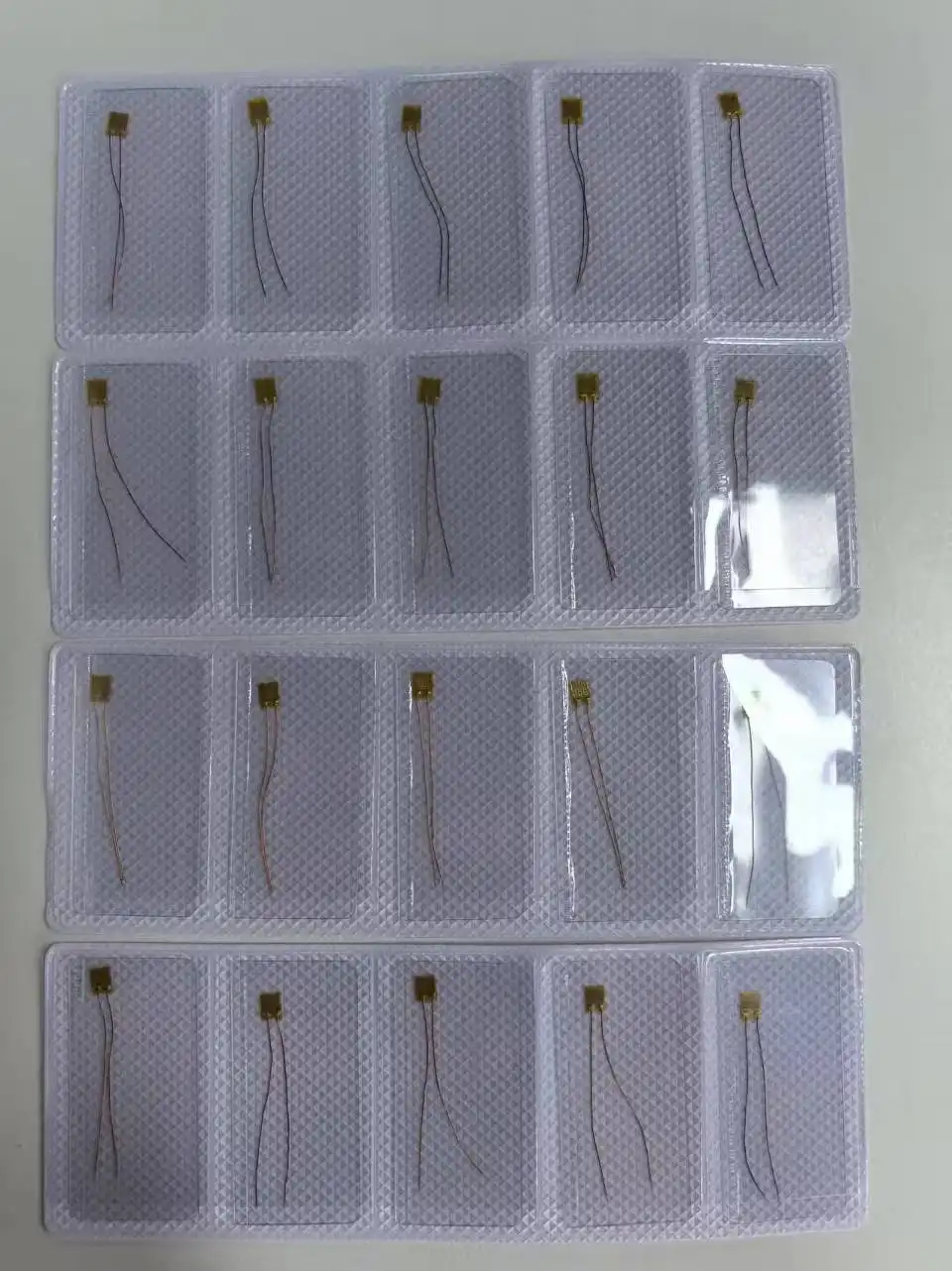
When B2B buyers choose a smart flexible piezo sensor, they have a lot of choices, from stiff or capacitive sensors to flexible piezoelectric sensors. Knowing the main differences lets you find the best match between a sensor's features and the needs of an application. When compared to hard ceramics, flexible piezoelectric sensors are better at conforming and being strong mechanically. They also respond faster and have wider dynamic ranges than capacitive sensors. Force sensitivity is based on the piezoelectric coefficient. Higher d33 numbers mean that more charge is generated per unit of applied stress.
When thinking about durability, you should think about how well it can handle being bent over and over, how well it can handle chemicals in the working area, and how stable it is at different temperatures. Cost-performance ratios change a lot depending on the material used. For example, PVDF sensors offer great balance for most uses, while composite structures work better in harsh conditions. Lifecycle standards for most things range from millions of activation cycles for household goods to decades of ongoing use for industrial monitoring systems.
Matching Sensor Features to Industry Requirements
Sensors for automotive electronics must be able to resist vibration, extreme temperatures, and electromagnetic interference while still keeping calibration accuracy over the life of the car. For collision recognition, ADAS systems need quick responses, but for occupancy sensing, internal comfort systems put a higher value on sensitivity. Low power consumption and reliability are important for security tracking applications, while thin form factors and manufacturing scalability are important for consumer gadgets. Biocompatibility approvals and sterilization protection are needed for medical tools. These requirements affect the choice of materials and how they are packaged.
Leveraging OEM Customization Capabilities
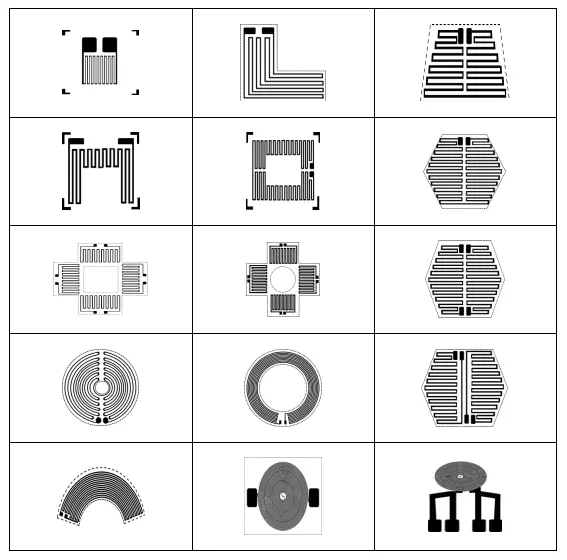
Leading providers let you change a lot of things about sensors to make them work best with your unique connectivity needs. Custom electrode designs make it possible to define the detecting area with great accuracy, and choosing the right base material strikes a balance between flexibility, chemical resistance, and thermal performance. Getting providers involved early in the product development process is good for procurement teams because it lets them co-design sensor geometries, electrical connections, and mounting solutions. By confirming sensor performance before signing large-scale buying contracts, prototyping tools that include small-batch testing help lower the risk of development.
Procurement Insights: Navigating the Market for Flexible Piezo Sensors
Evaluating Supplier Capabilities and Reliability
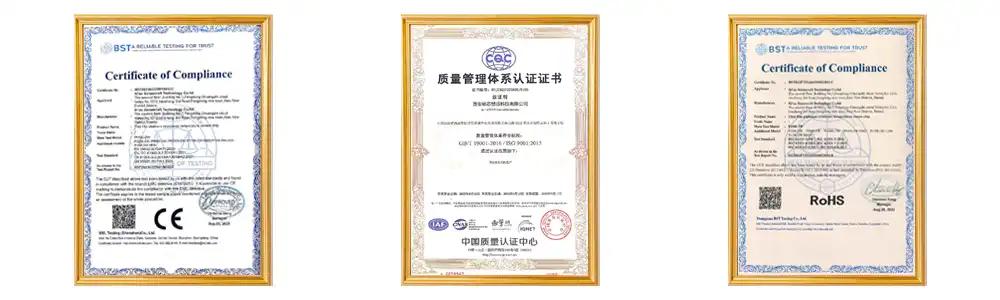
To buy a smart flexible piezo sensor effectively, you need to know how different suppliers work, with a focus on new product development, consistent production, and a strong technical support system. Well-known brands show what they can do by getting standards like ISO9001 quality control systems, RoHS compliance, and CE marking. When evaluating a supplier, you should look at their production capacity, quality control methods, and the availability of field application engineering (FAE) help. Long-term relationships with dependable providers lower the risk in the supply chain. This is especially important when dealing with technology-driven procurement, which has long verification processes.
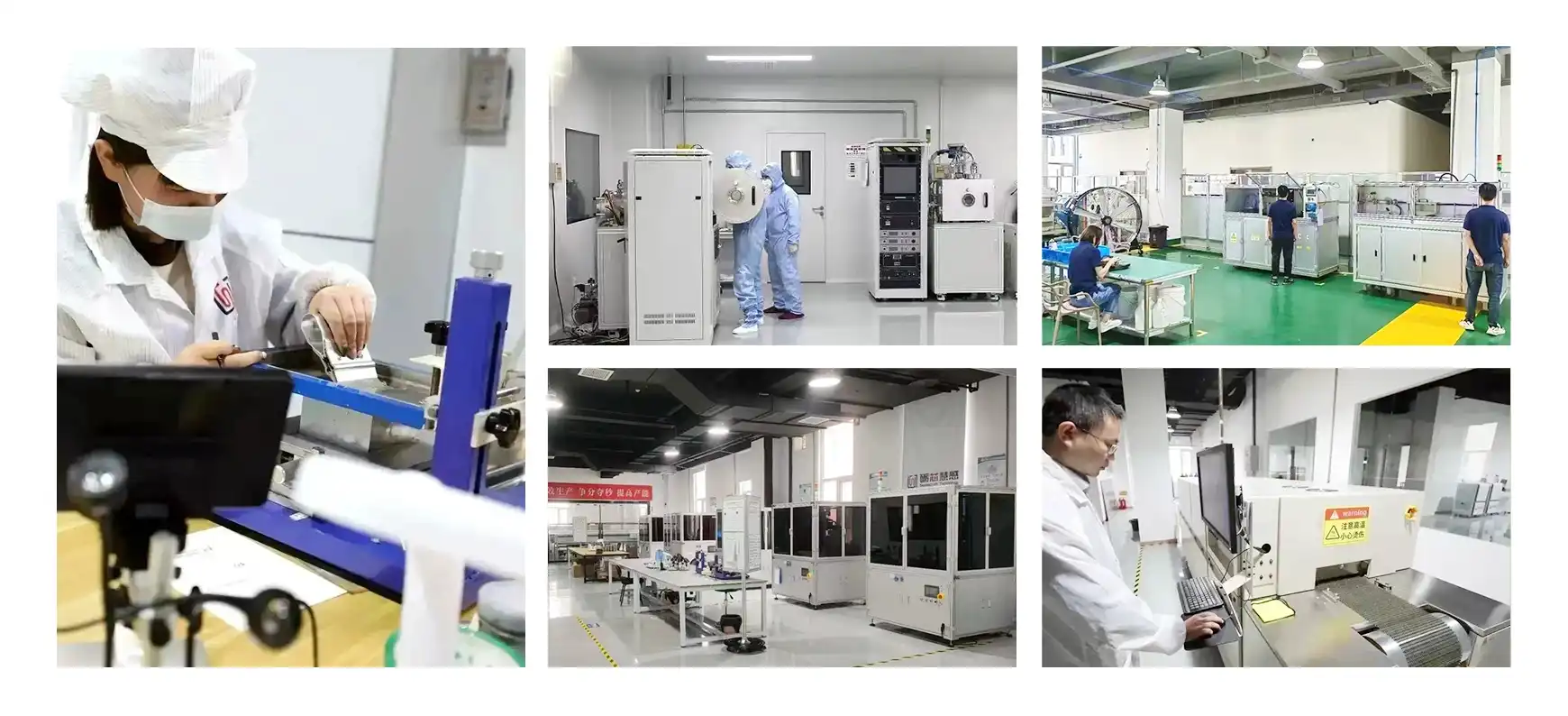
Customization and lead times are directly affected by how well a company can make things. Custom geometries, combined electronics, and hermetic packing are just some of the special needs that suppliers with advanced manufacturing platforms can meet. Automating the production line makes sure that each batch is the same, which is very important in situations where sensor performance directly affects safety or following the rules. Traceability tools that let you keep track of lots help with quality investigations and efforts to keep getting better.
Pricing Models and Order Logistics
Flexible piezoelectric sensors are priced based on how much the materials cost, how hard they are to make, and how many are ordered. Standard product setups usually have better prices for set requirements, while custom designs come with one-time engineering fees that are more than made up for by better performance. Different providers have very different minimum order numbers, which can be as low as a few units for prototyping and as high as thousands of units for mass production. Lead times range from a few weeks for stock items to several months for custom-engineered solutions. This means that the supply chain needs to be carefully planned.
When you make a volume promise, you can often get better prices and sure capacity allocation, which is especially helpful when there aren't enough parts. Framework deals that spell out price levels, quality standards, and delivery times are helpful for procurement managers because they allow for freedom when demand changes. When you buy something from another country, you should think about the payment terms and currency risks. Reliable sellers will usually offer standard business terms and clear transaction processes.
Quality Assurance and Technical Support
Before sensors are put into systems, they are checked against detailed incoming inspection processes. Key factors include electrical features like capacitance and piezoelectric coefficients, mechanical features like flexibility and binding strength, and how well the material works in a variety of temperature and humidity conditions. When suppliers give thorough test results and certificates of conformance, receiving inspections are sped up and traceability standards for regulated businesses are met.
Support services after the sale are what set top providers apart from commodity vendors. Having access to application engineers can help with problems related to merging, improving speed, and fixing issues. Warranty terms usually cover problems with the way the product was made and set limits on how it can be used to stop claims of misapplication. Sensors are improved as device designs change and new application requirements arise thanks to ongoing expert involvement through product lifecycle management.
Future Trends and Innovations in Smart Flexible Piezo Sensors
Advanced Materials and Manufacturing Techniques
The future of a smart flexible piezo sensor depends on big steps forward in material science that make them work better and cost less. Nanostructured composites made of graphene, carbon nanotubes, and ceramic nanowires have piezoelectric values that are similar to those of hard ceramics but are still mechanically flexible. Using additive manufacturing methods speeds up development by letting you make prototypes quickly and customize small batches. These improvements in production make high-performance sensors more available to more people, opening up new markets beyond the usual high-value ones.
Artificial Intelligence Integration
When AI is added to dormant sensing systems, they become smart tracking systems. Edge computing features built into sensor units let you do signal processing, pattern recognition, and predictive analytics locally, without always being connected to the cloud. Machine learning algorithms that are taught on operational data can spot small drops in performance. This makes it possible to do preventative maintenance that stops major problems before they happen. Self-powered sensing and smart processing make autonomous tracking systems very useful for spread infrastructure and sites that are far away.
Enhanced Connectivity and Ecosystem Integration
Better IoT connectivity standards make it easier for sensors to link to consumer and corporate networks. Portable devices with batteries last longer when they use wireless communication methods that are designed for low power, and deterministic real-time control apps can be run on industrial Ethernet variants. Standardized data types and APIs make it faster and cheaper to integrate software. These improvements to connection make flexible piezoelectric sensors essential parts of smart device ecosystems in consumer, healthcare, and industrial automation markets.
Conclusion
The smart flexible piezo sensor can change the way smart devices are made because they can be mechanically adjusted and can sense accurately in shapes that aren't possible with rigid sensors. Their benefits include being self-powered, having high sensitivity, responding quickly, and being able to adapt to complicated shapes. These features make them ideal for use in healthcare, aerospace, industrial robotics, and consumer electronics. To be successful at procurement, you need to understand technical specs, check the skills of suppliers, and make sure that the characteristics of the sensor match the needs of the application. Next-generation skills are driven by improvements in connectivity, AI integration, and new materials. Companies that strategically invest in flexible piezoelectric technology are at the top of smart device innovation.
FAQ
Q1: Why Are Flexible Piezo Sensors Preferred Over Rigid Types?
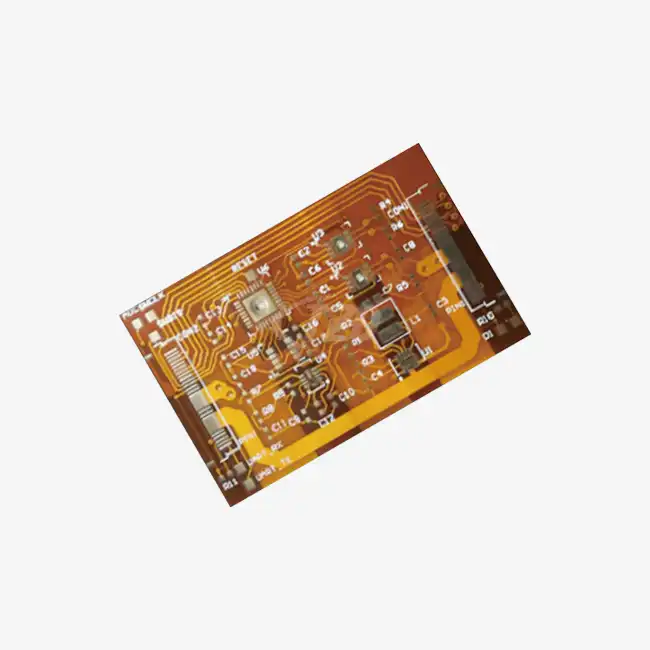
A: When rigid sensors can't keep consistent touch with curved or uneven surfaces, a smart flexible piezo sensor can. This gets rid of air gaps that lower data quality. Their mechanical flexibility stops stress buildsups that lead to stiff ceramic fractures, which makes them last longer in settings that are always changing. Having less weight is good for aircraft and wearable tech, and being able to incorporate into bendable printed circuits makes assembly easier.
Q2: Can These Sensors Be Customized for Diverse Industrial Applications?
A: Customization includes making electrode shapes, base materials, sensitivity ranges, and form factors that fit the needs of a particular integration. During the creation stages of a product, suppliers work together with engineering teams to make sensor designs as good as they can be. Standard goods can't handle certain weather conditions, such as chemical exposure, high temperatures, and different types of mechanical stress. Custom solutions can.
Q3: What Factors Affect Sensor Durability and Lifecycle?
A: Conditions of use, such as changing temperatures, mechanical wear and tear, chemical contact, and dampness, have a direct effect on lifespan. When choosing a material, you have to weigh performance against strength to the environment. PVDF is good for most situations, while specialized blends are better for harsh ones. Service life is increased by using the right construction methods that avoid stress concentrations and electrical overvoltage safety. Manufacturer standards set operating envelopes that make sure long-term performance is stable as long as application needs stay within rated limits.
Partner With Tongzida for Advanced Flexible Piezo Sensor Solutions
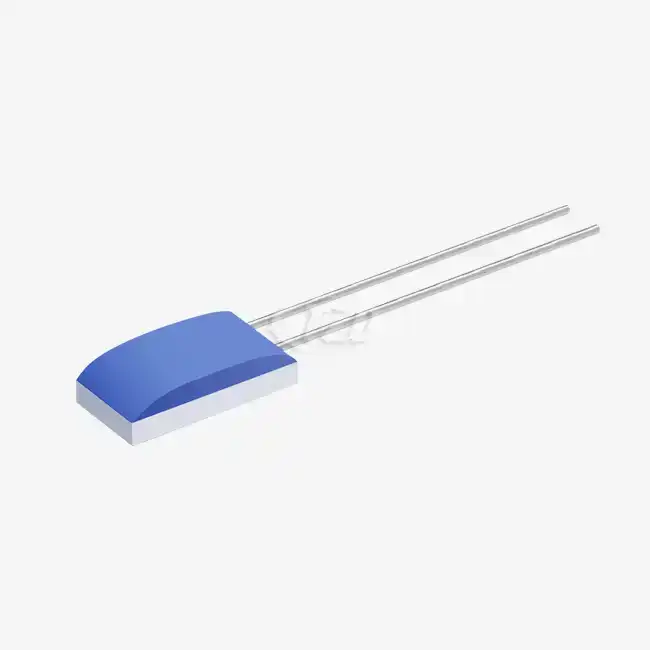
Tongzida is a reliable company that makes the smart flexible piezo sensor. They make sensing solutions that are precisely designed to meet the high standards of global B2B buying teams. Our full range of sensor production services, including core sensitive chips, microsensors, testing systems, and analysis tools, ensures that all of your smart device applications can be fully integrated. We have set up advanced tools for designing, processing, packaging, and testing thin film sensor chips. These are backed by ISO9001 quality control systems, RoHS, and CE standards that ensure consistent quality and compliance with regulations.
Our engineering team is here to help you with FAE throughout the whole development process, whether you need standard configurations or fully customized sensors that work best in robots, medical equipment, industrial automation, or car electronics. Email us at sales11@xatzd.com to talk about your needs for a smart flexible piezo sensor, get technical specs, or set up a sample evaluation. Tongzida blends high-quality manufacturing with quick technical support, which gives your goods a competitive edge in global markets that are very picky.
References
1. Kim, K.J., and Tadokoro, S. (2018). Electroactive Polymers for Robotic Applications: Artificial Muscles and Sensors. Springer-Verlag London.
2. Zang, Y., Zhang, F., Di, C., and Zhu, D. (2015). Advances of flexible pressure sensors toward artificial intelligence and health care applications. Materials Horizons, 2(2), 140-156.
3. Xu, S., Zhang, Y., Jia, L., Mathewson, K.E., Jang, K.I., Kim, J., Fu, H., Huang, X., Chava, P., Wang, R., and Bhole, S. (2014). Soft microfluidic assemblies of sensors, circuits, and radios for the skin. Science, 344(6179), 70-74.
4. Dagdeviren, C., Li, Z., and Wang, Z.L. (2017). Energy harvesting from the animal/human body for self-powered electronics. Annual Review of Biomedical Engineering, 19, 85-108.
5. Chorsi, M.T., Curry, E.J., Chorsi, H.T., Das, R., Baroody, J., Purohit, P.K., ilies, H., and Nguyen, T.D. (2019). Piezoelectric biomaterials for sensors and actuators. Advanced Materials, 31(1), 1802084.
6. Fan, F.R., Tang, W., and Wang, Z.L. (2016). Flexible nanogenerators for energy harvesting and self-powered electronics. Advanced Materials, 28(22), 4283-4305.
Learn about our latest products and discounts through SMS or email