- English
- French
- German
- Portuguese
- Spanish
- Russian
- Japanese
- Korean
- Arabic
- Greek
- German
- Turkish
- Italian
- Danish
- Romanian
- Indonesian
- Czech
- Afrikaans
- Swedish
- Polish
- Basque
- Catalan
- Esperanto
- Hindi
- Lao
- Albanian
- Amharic
- Armenian
- Azerbaijani
- Belarusian
- Bengali
- Bosnian
- Bulgarian
- Cebuano
- Chichewa
- Corsican
- Croatian
- Dutch
- Estonian
- Filipino
- Finnish
- Frisian
- Galician
- Georgian
- Gujarati
- Haitian
- Hausa
- Hawaiian
- Hebrew
- Hmong
- Hungarian
- Icelandic
- Igbo
- Javanese
- Kannada
- Kazakh
- Khmer
- Kurdish
- Kyrgyz
- Latin
- Latvian
- Lithuanian
- Luxembou..
- Macedonian
- Malagasy
- Malay
- Malayalam
- Maltese
- Maori
- Marathi
- Mongolian
- Burmese
- Nepali
- Norwegian
- Pashto
- Persian
- Punjabi
- Serbian
- Sesotho
- Sinhala
- Slovak
- Slovenian
- Somali
- Samoan
- Scots Gaelic
- Shona
- Sindhi
- Sundanese
- Swahili
- Tajik
- Tamil
- Telugu
- Thai
- Ukrainian
- Urdu
- Uzbek
- Vietnamese
- Welsh
- Xhosa
- Yiddish
- Yoruba
- Zulu
Understanding IEC 60751 Class A Pt100 Accuracy Standards
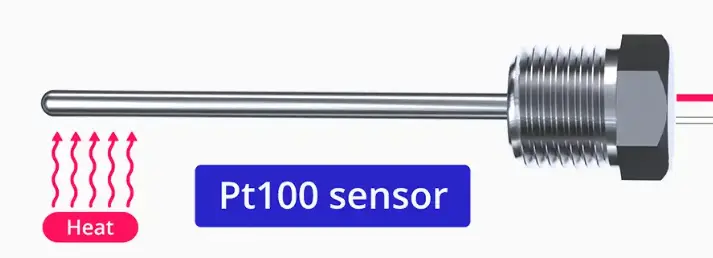
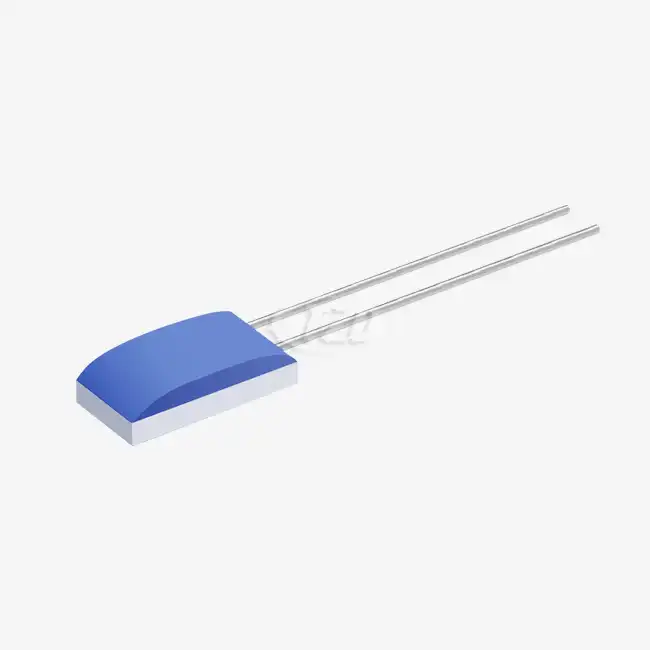
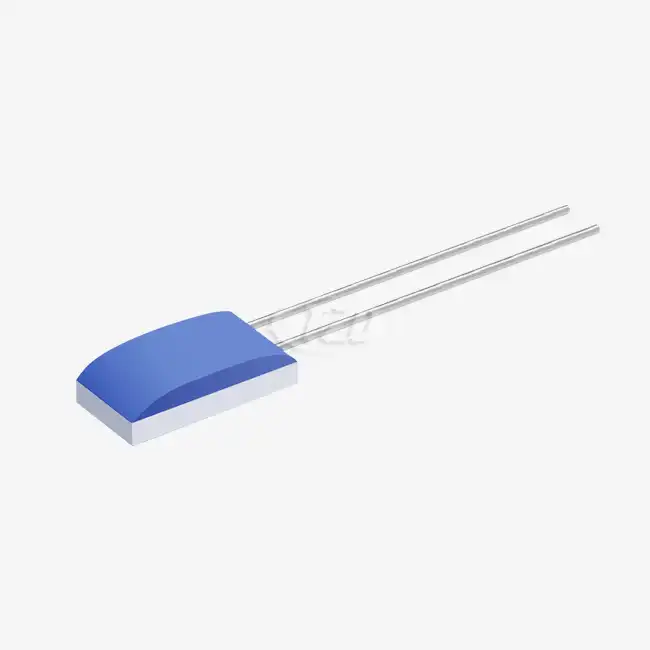
The IEC 60751 Class A Pt100 standard is the best when it comes to measuring temperatures precisely. This international standard controls resistance temperature detectors (RTDs) and sets strict accuracy limits that separate reliable instruments from less accurate ones. The Pt100 temperature sensor works on a simple idea: the electrical resistance of platinum changes steadily with temperature, and it is exactly 100 ohms at 0°C. The class A designation means that the sensor stays accurate within ±(0.15 + 0.002|t|)°C throughout its working range. This provides the measurement accuracy needed for medical equipment, automotive electronics, and industrial automation, all of which depend on safety, quality, and following the rules.
What is IEC 60751 Class A Pt100 Accuracy Standard?
IEC 60751 Class A Pt100 Accuracy Standard is what it sounds like. The IEC 60751 standard sets global standards for platinum resistance thermometers by describing how they should be built, the levels of accuracy allowed, and the temperatures they can measure. At its core, this standard makes sure that parts from different makers and applications can be used together safely.
Understanding Accuracy Classifications
Multiple tolerance classes are defined by IEC 60751. Class A and Class B are the most commonly used standards. Class A sensors have tighter tolerances than Class B sensors. They can keep their accuracy within ±(0.15 + 0.002×|t|)°C, where t is the temperature being recorded in degrees Celsius. Class B sensors work at ±(0.30 + 0.005×|t|)°C, which doubles the mistake range that is allowed. This difference is very important in fields like making semiconductors, processing drugs, and calibrating ADAS systems, where small differences in degrees can lead to mistakes in production or safety issues.
Real-World Impact on Industrial Processes
Class A compliance is becoming more and more important in manufacturing to keep temperature cycles as stable as possible. Take a look at a lithium-ion battery assembly line that needs to keep the temperature at 45°C ±0.5°C for 72 hours in order for cells to form. Because Class B sensors can handle more errors, they add to the doubt that is already present in thousands of output units. This structural risk is lower with Class A devices, which also allow for tighter process control that directly raises output rates. In the same way, Class A accuracy makes sure that LIDAR calibration methods meet strict standards in testing chambers for self-driving cars that mimic Arctic conditions at -40°C. This is done without adding measurement errors caused by temperature.
Regulatory and Safety Considerations
More and more, quality control systems like ISO 9001 and vehicle standards like IATF 16949 require accurate temperature measurements that can be tracked. Class A Pt100 sensors provide proof of compliance that meets audit needs and lowers the risk of lawsuit. Both FDA 21 CFR Part 11 and EU MDR rules put a lot of attention on companies that make medical devices. For example, changes in temperature during sterilization processes must be tracked with approved equipment. Class A devices have tighter limits that make paperwork trails that can be defended and can stand up to regulatory inspection.
How Pt100 Temperature Sensors Work Based on IEC 60751 Principle?
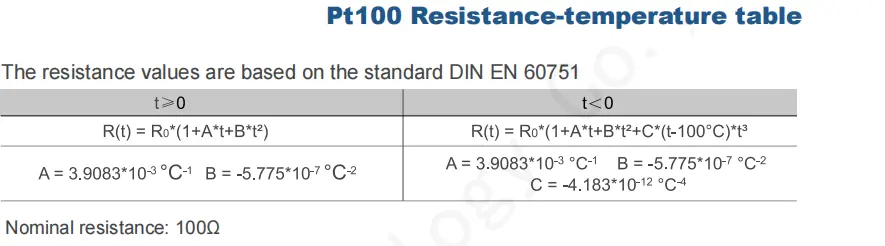
Based on IEC 60751, this is how Pt100 temperature sensors work: Platinum resistance thermometers use the constant, almost linear link between temperature and electrical resistance that exists in the metal. This behavior is written down in the IEC 60751 standard as the alpha coefficient, which gives 0.003851 Ω/Ω/°C as the normal temperature coefficient of resistance.
Fundamental Operating Mechanism
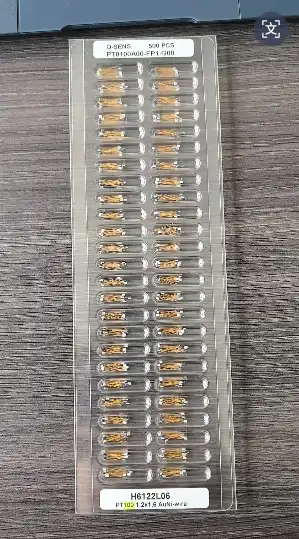
When thermal energy changes the way electrons move around in the metal lattice, a platinum sensing element that is usually made of wire-wound coils or thin-film layers on ceramic surfaces will show changes in resistance that can be predicted. As the temperature rises, atomic movements stop the flow of electrons, which makes the resistance rise as well. The normal 100-ohm baseline at 0°C acts as a global reference point, and measurement circuits can use resistance readings to figure out temperature differences. This physical theory is better than thermocouples and thermistors because it doesn't depend on junction effects that can drift or exponential resistance curves that make linearization harder.
Wiring Configurations and Their Implications
How the connections are set up has a huge impact on how accurate RTD measurements are. Because they bring lead resistance errors, two-wire designs are only good for non-critical uses where cable lengths stay short. Three-wire setups account for lead resistance by measuring voltage drop across both the supply and sense leads. This gets rid of mistakes that would happen if wire resistance was balanced. Four-wire (Kelvin) links are the most accurate because they separate the circuits that measure voltage from the circuits that carry current. This means that lead resistance is not taken into account at all. Class A compliance usually calls for at least three wires to be installed, but for difficult tasks like cryogenic study or accurate calorimetry, four wires must be used.
Installation Best Practices for Accuracy Preservation
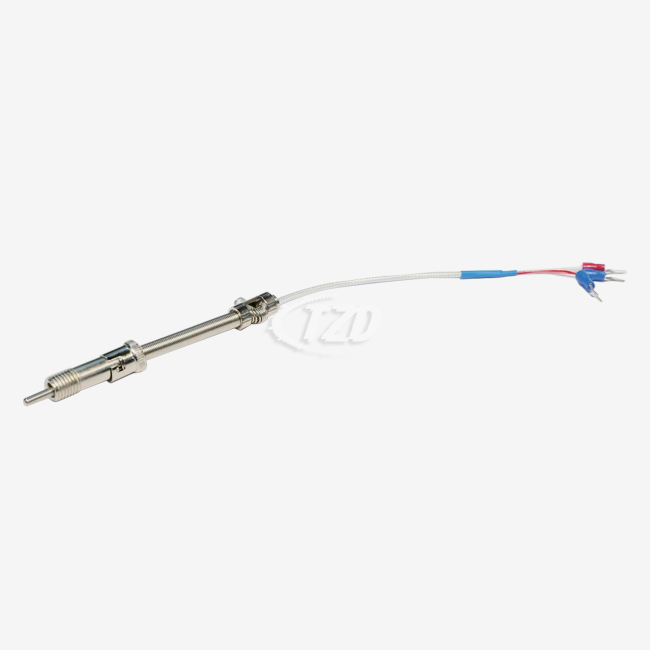
Whether a Class A sensor works as well as it should depends on how it was installed. Sensor elements must come into close thermal touch with the surfaces or fluids being tested without putting any mechanical stress on them that would change their resistance properties. The reaction time and precision of thermowells are affected by the materials and shapes used. For example, high-conductivity alloys like 316 stainless steel balance mechanical protection against thermal lag. When moving cables, it's important to be aware of sources of electromagnetic interference. This is especially true in industrial settings with variable frequency drives and switching power supplies. Noise pickup is kept to a minimum with shielded twisted-pair wire and proper grounding. This makes low-level resistance readings more accurate.
Comparing Pt100 and Other Temperature Sensors for Industrial Use
Finding the right temperature sensing technology means finding a balance between accuracy, cost, reaction time, and compatibility with the surroundings. RTDs are a unique performance category between thermocouples and thermistors. They have benefits that make them widely used in important situations.
Pt100 Versus Thermocouple Technologies
Through the Seebeck effect, thermocouples make voltage at different metal joints. This lets you measure directly without using an activation current. They work well in places with temperatures above 1000°C and respond quickly because they have a small heat mass. Thermocouples, on the other hand, need to be compensated for reference junctions, have nonlinear output properties, and are sensitive to electromagnetic fields. The Pt100 temperature sensor is very accurate from -200°C to +850°C. It stays linear, which makes signal processing easier, and it doesn't make cold junction mistakes. For closed-loop control tasks where measurement repeatability has a direct effect on product accuracy, industrial automation systems prefer RTDs.
RTD Variants: Pt100, Pt500, and Pt1000 Comparison
The number shows the average resistance at 0°C, which changes how sensitive it is and how it heats up on its own. The precision of electronic instruments with set analog-to-digital converter ranges is better when Pt500 and Pt1000 sensors cause bigger changes in resistance per degree. The Pt100, on the other hand, is still the worldwide standard because it works with old systems and has a well-established infrastructure. The 100-ohm standard is the best compromise between sensitivity and the amount of current needed for stimulation. Higher-resistance versions are useful for movable tools that run on batteries and other situations where lead resistance isn't as important as other factors.
Cost-Benefit Analysis for Procurement Decisions
When compared to thermocouples and thermistors, platinum resistance thermometers are more expensive. Class A devices cost 15–25% more than Class B devices. This investment pays off in a measured way: less frequent calibrations, longer operating life, and less process variability. A pharmaceutical company that put Class A RTDs in all of its bioreactor temperature zones saw an 8% drop in batch failure rates within six months. This increased yield more than made up for the extra cost of the sensors. When procurement teams look at the total cost of ownership over a long period of time, they always find that Class A Pt100 sensors work better than other options in situations where the accuracy of measurements directly affects safety or income.
Ensuring Reliability: Calibration, Specifications, and Troubleshooting of Pt100 Sensors
To keep Class A accuracy over the course of an instrument's working life, it needs to be regularly calibrated, its specifications checked, and proactive troubleshooting procedures used. This is especially true for a Pt100 temperature sensor, where maintaining its precision is critical for reliable performance in demanding environments.
Calibration Procedures Aligned with IEC 60751
When you compare a sensor's accuracy to reference standards and keep track of the error chains that lead to national measurement institutes, you can be sure that the calibration is traceable. In a normal process, sensors and reference probes are put into temperature-controlled baths at different places across the working range. At each setpoint, resistance variations are recorded. At least three calibration points are needed for Class A verification, but five or more points are often used for important applications to fully describe linearity. It is possible for control systems to use adjustment factors or make sure sensors stay within tolerance, which is what calibration papers show. In most industrial settings, recalibration should happen once a year, but in demanding situations like aircraft tests, it may need to happen every three months.
Critical Specifications for Procurement Verification
In addition to the accuracy class, procurement requirements must include information about the temperature range, reaction time, and building materials. The given temperature range should include temperatures higher than the process's peaks, with enough room for unusual conditions or starting delays. Response time, shown by the time constant τ₆₃ (time to hit 63% of step change), ranges from a few milliseconds for sensors with exposed elements to several seconds for systems that are protected by thermowells. Corrosion that lowers accuracy can be avoided if the material is compatible with the process media. For example, 316L stainless steel works well in many wet settings, while exotic metals like Hastelloy C-276 can handle harsh chemicals.
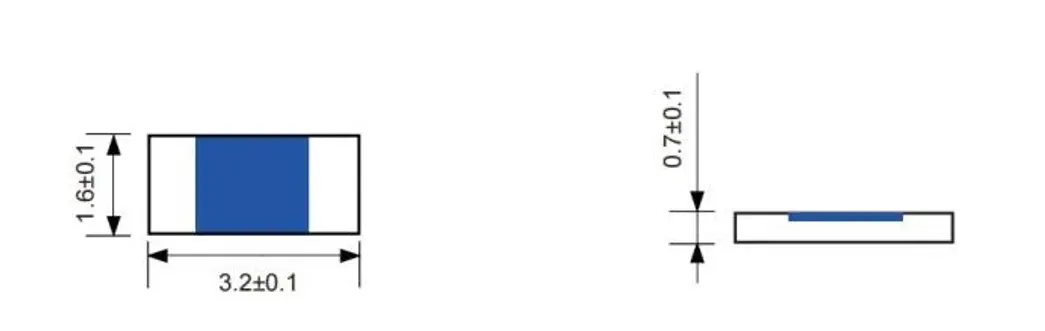
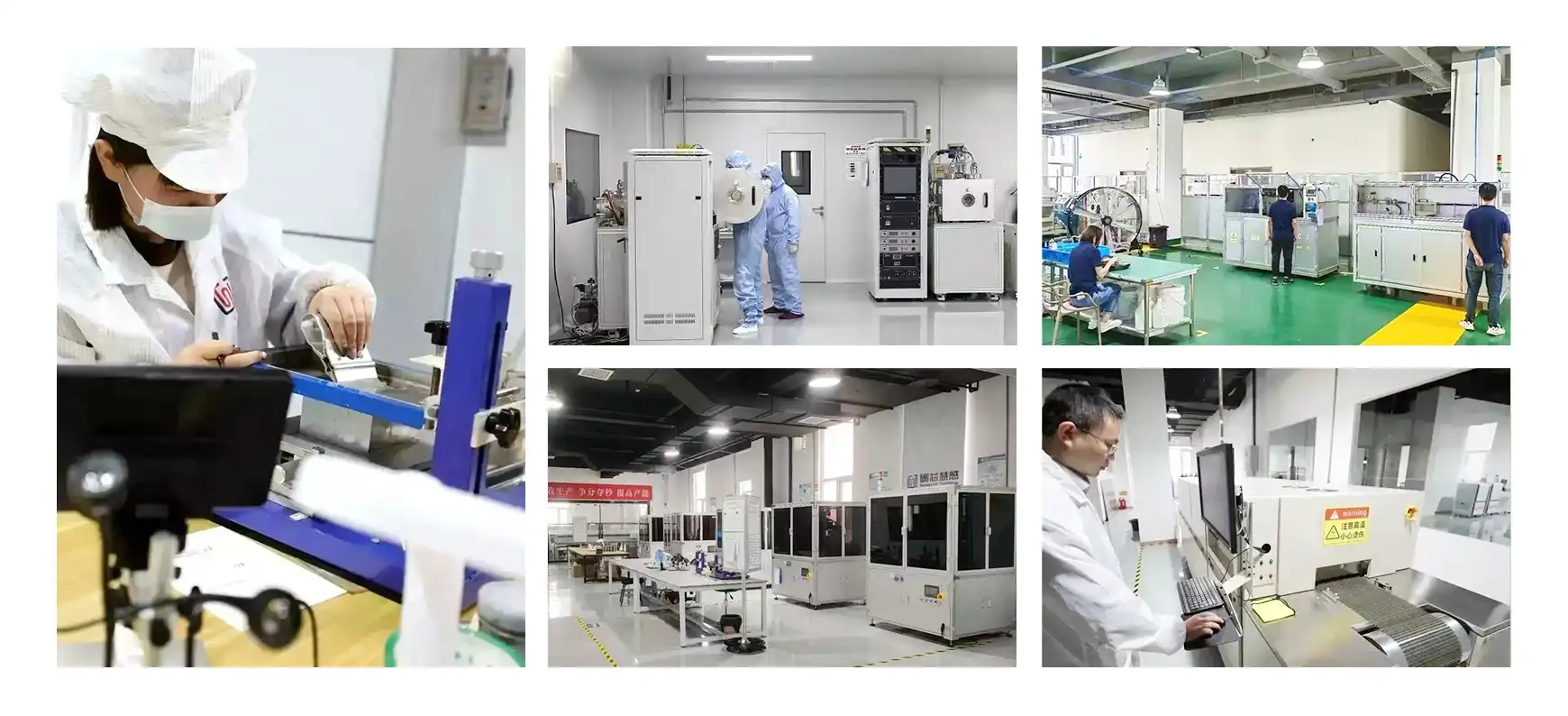
Using advanced manufacturing techniques, we've made thin-film platinum resistance devices that show these performance traits. Our automated production lines meet precision standards of up to ±0.01Ω (1/30B level), which is a lot higher than the regular Class A requirements. Long-term stability drift stays below 0.04% over the length of the system, which reduces the need for recalibration. The temperature coefficient stays at the exact 3850ppm/°C number required by IEC 60751, making sure that all instruments around the world can use it. These technical advances were made possible by learning technologies for making microsensors and unique packaging methods that keep the purity of the platinum film even when it is subjected to mechanical stress and changes in temperature.
Common Issues and Troubleshooting Strategies
Most failures are caused by wiring problems, which can show up as open circuits, short circuits, or links that come and go, giving you confusing readings. Systematic checks of resistance at junction boxes and terminal blocks find connection issues quickly, before they get worse and stop the process. Sensor drift is usually caused by mechanical stress, contamination, or water getting into the platinum film and changing its properties. By comparing readings to reference sensors that have recently been adjusted, drift trends can be found before they get too big. Electromagnetic interference shows up as noisy, changing signs that happen at the same time as close equipment's operation cycles. Most EMI problems can be fixed without replacing sensors by making the cables better shielded and moving them away from sources of interference.
Procuring High-Quality Pt100 Sensors: What B2B Buyers Need to Know?
When making strategic sourcing choices, you have to weigh technical performance, source reliability, and support needs that go beyond the original purchase price. For example, a Pt100 temperature sensor may have a higher initial cost, but its accuracy, durability, and long-term support could provide better value over time, especially in critical applications.
Evaluating Manufacturer Credentials and Quality Systems
Manufacturers with a good reputation keep their ISO 9001 license as proof that their quality management is mature. Extra qualifications, such as IATF 16949 for suppliers to the car industry or ISO 13485 for companies that make medical devices, show that they are experts in their fields. The quality of the technical paperwork is a good indicator of how well the product is made; thorough datasheets with tolerance curves, application advice, and full specs show how deep the engineering is. Ask for proof that the company can calibrate its own products to national standards. This is because the infrastructure that backs up claims of product accuracy is what makes those claims possible.
Customization Options for Application-Specific Requirements
Standard store items can be used in a lot of different situations, but for more difficult ones, unique setups are often better. For certain assembly limitations, the element length, sheath diameter, connection head styles, and lead wire specs can be made better. We can customize in many ways, and we offer platinum-nickel, silver-nickel, or pure platinum lead materials that are chosen based on how well they work with different connection methods and weather conditions. Size choices from 1.2mm to 4.0mm diameter allow for easy fitting into tight spaces or very large industrial vessels. Response times of up to 0.05 seconds are good for dynamic temperature tracking, and shock and vibration resistances of up to 40g and 100g are good for tough industrial settings. Options for vacuum packaging keep sensor properties while they are being stored and shipped.
Logistics, Warranty, and Technical Support Considerations
International purchasing makes shipping more complicated, which affects the dependability of arrival and the state of the goods. Make sure you understand Incoterms so you know who is responsible for clearing customs, paying import taxes, and taking on shipping risk. When it comes to sensitive electronics, how strong the packaging is is important. Ask about shock safety and weather sealing during transport. The warranty should cover both problems with the way the product was made and problems with how it works, and it should be clear how to file a claim. The availability of technical help sets sellers apart in ways that go beyond the prices of individual parts. Field Application Engineers (FAE) who know how to deal with installation problems and can quickly fix them lower the risk of integration and speed up the time it takes to go into production.
Conclusion
Class A Pt100 sensors are where measurement science and business practice meet. They provide accuracy that lets companies in the automotive, medical, aerospace, and manufacturing sectors improve their processes. For example, a Pt100 temperature sensor can deliver the precision needed to optimize critical systems in these industries. When buying teams understand IEC 60751 specifications, they can choose the right instruments and tell the difference between devices that are just compliant and ones that are truly exceptional. The science behind platinum resistance thermometry doesn't change, but the quality of production, the accuracy of calibration, and the level of help from suppliers are all very different. Hardware engineers, technical leads, and buying professionals who understand these details gain a competitive edge through accurate temperature measuring that lowers variation, ensures compliance, and opens the door to new ideas in difficult thermal management situations.
FAQ
Q1: What temperature range do Class A Pt100 sensors typically support?
A: Class A Pt100 sensors work well from -200°C to +850°C, but some types may have smaller ranges depending on the materials they are made of and how they are packaged. For cryogenic uses, sensors that can withstand temperatures of -200°C are common. For high-temperature industrial processes, devices that can handle temperatures of +600°C or +850°C may be needed. Always make sure that the range given by the maker meets your needs and leaves enough room for error.
Q2: How often should Class A Pt100 sensors be recalibrated?
A: How often calibration is done relies on how important the product is and how bad the environment is. For general business use, calibration needs to be done once a year. For pharmaceutical and aircraft uses, it may need to be done every three or six months. By plotting the calibration data over a number of rounds, you can see trends of drift that help you figure out the best times to do the calibrations. In places where there is mechanical shaking, thermal shock, or chemical contact, things break down faster and need to be checked more often.
Q3: Can Class A sensors be used interchangeably between manufacturers?
A: Standardization under IEC 60751 makes sure that practical interchangeability is maintained, which means that Class A sensors from different makers meet the same accuracy standards. But different designs have different physical sizes, link types, and response times, so mechanical compatibility must be checked. The electrical properties are similar enough that they can be directly replaced in temperature measurement circuits without having to be re-calibrated. However, when moving providers in important applications, it is best to do comparison testing first.
Partner with Tongzida for Precision Temperature Sensing Solutions
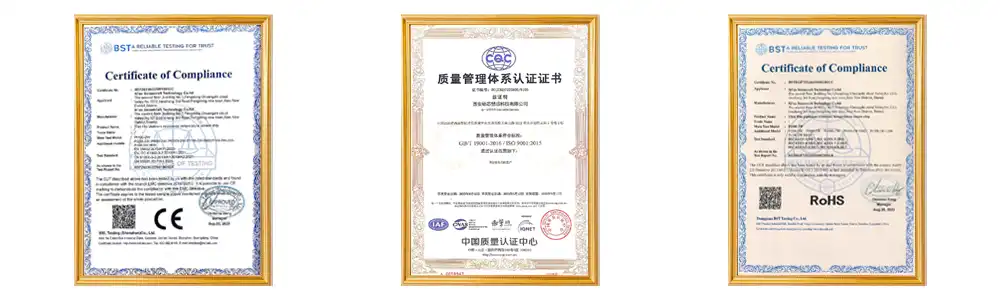
Xi'an Tongzida Technology is a great company that makes Class A Pt100 temperature sensors because it has skills that are vertically combined, including chip design, automated production, and application engineering. As a specialist in thin-film platinum resistance, we have mastered the technical difficulties of making microsensors and integrating multiple sensors, which many of our rivals have yet to do. Our ISO 9001, ROHS, and CE certifications show that our quality systems always make gadgets that meet or go beyond IEC 60751 standards. Our 3850ppm/°C temperature coefficient, ±0.01Ω accuracy, and 0.04% long-term stability are big benefits for OEMs, system developers, and equipment makers who work in robots, autonomous driving, industrial automation, and medical devices.
Customization support goes from small quantities for prototypes to large amounts for mass production. Field Application Engineers are there to help you with any interface problems you may be having. Hardware experts, technical leads, and procurement workers are welcome to talk to us about how our temperature sensing tools can help your product work better and be more reliable. Visit tosidasensor.com or email our technical team at sales11@xatzd.com to look at specs, ask for samples, or talk about unique setups that are made to fit your needs.
References
1. IEC 60751:2022 Industrial platinum resistance thermometers and platinum temperature sensors, International Electrotechnical Commission Technical Committee 65.
2. Nicholas, J.V., White, D.R. (2001). Traceable Temperatures: An Introduction to Temperature Measurement and Calibration, 2nd Edition. Wiley.
3. Bentley, R.E. (1998). Theory and Practice of Thermoelectric Thermometry, Handbook of Temperature Measurement Vol. 3. Springer.
4. Childs, P.R.N., Greenwood, J.R., Long, C.A. (2000). Review of temperature measurement, Review of Scientific Instruments, 71(8), 2959-2978.
5. ASTM E1137/E1137M-20 Standard Specification for Industrial Platinum Resistance Thermometers, ASTM International.
6. Mangum, B.W., Furukawa, G.T. (1990). Guidelines for Realizing the International Temperature Scale of 1990 (ITS-90), NIST Technical Note 1265.

Learn about our latest products and discounts through SMS or email