- English
- French
- German
- Portuguese
- Spanish
- Russian
- Japanese
- Korean
- Arabic
- Greek
- German
- Turkish
- Italian
- Danish
- Romanian
- Indonesian
- Czech
- Afrikaans
- Swedish
- Polish
- Basque
- Catalan
- Esperanto
- Hindi
- Lao
- Albanian
- Amharic
- Armenian
- Azerbaijani
- Belarusian
- Bengali
- Bosnian
- Bulgarian
- Cebuano
- Chichewa
- Corsican
- Croatian
- Dutch
- Estonian
- Filipino
- Finnish
- Frisian
- Galician
- Georgian
- Gujarati
- Haitian
- Hausa
- Hawaiian
- Hebrew
- Hmong
- Hungarian
- Icelandic
- Igbo
- Javanese
- Kannada
- Kazakh
- Khmer
- Kurdish
- Kyrgyz
- Latin
- Latvian
- Lithuanian
- Luxembou..
- Macedonian
- Malagasy
- Malay
- Malayalam
- Maltese
- Maori
- Marathi
- Mongolian
- Burmese
- Nepali
- Norwegian
- Pashto
- Persian
- Punjabi
- Serbian
- Sesotho
- Sinhala
- Slovak
- Slovenian
- Somali
- Samoan
- Scots Gaelic
- Shona
- Sindhi
- Sundanese
- Swahili
- Tajik
- Tamil
- Telugu
- Thai
- Ukrainian
- Urdu
- Uzbek
- Vietnamese
- Welsh
- Xhosa
- Yiddish
- Yoruba
- Zulu
How to Use Pt1000 Sensors in Battery Energy Storage Monitoring
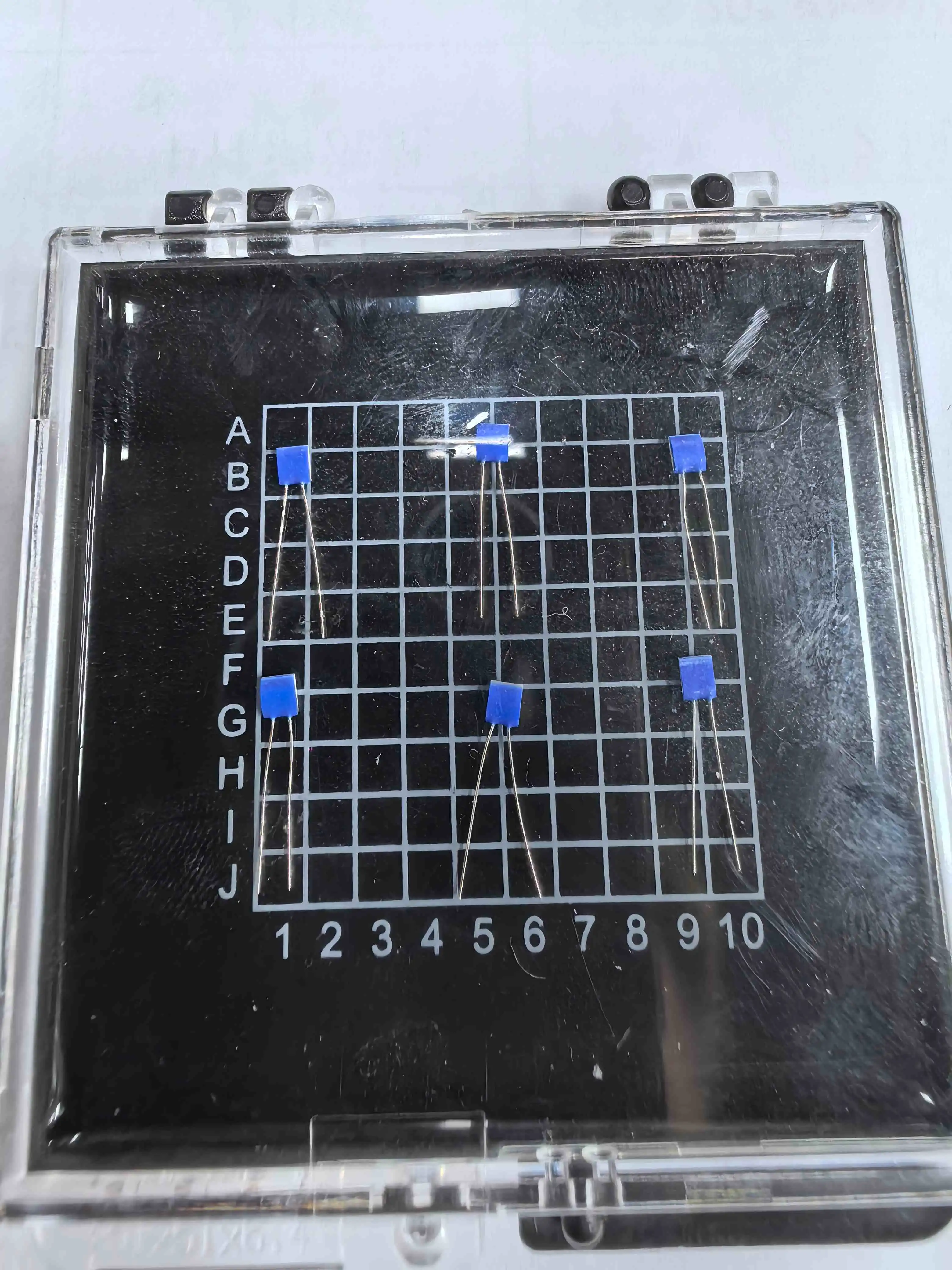
Placing Pt1000 sensors in the right place in battery modules to track cell temperatures, making sure they are wired correctly to avoid resistance errors, and integrating them with Battery Management Systems (BMS) that turn changes in resistance into useful thermal data are all parts of monitoring battery energy storage. The HVAC & Energy Storage BMS Pt1000 Sensor works great in these situations because its 1000-ohm base resistance lowers lead-wire interference. This lets you use accurate 2-wire configurations that make installation easier while keeping measurement accuracy, which is important for stopping thermal runaway and getting the most out of charging cycles.
Understanding Pt1000 Sensors in Energy Storage and HVAC Systems
Monitoring temperatures is a key part of making sure that battery energy storage works safely and effectively. When battery cells charge or discharge, chemical reactions create heat that needs to be kept within very tight limits to keep the cells from breaking down or failing completely. The platinum resistance element in the Pt1000 sensor solves this problem because its electrical resistance grows in a straight line as the temperature rises.
Construction and Operating Principle
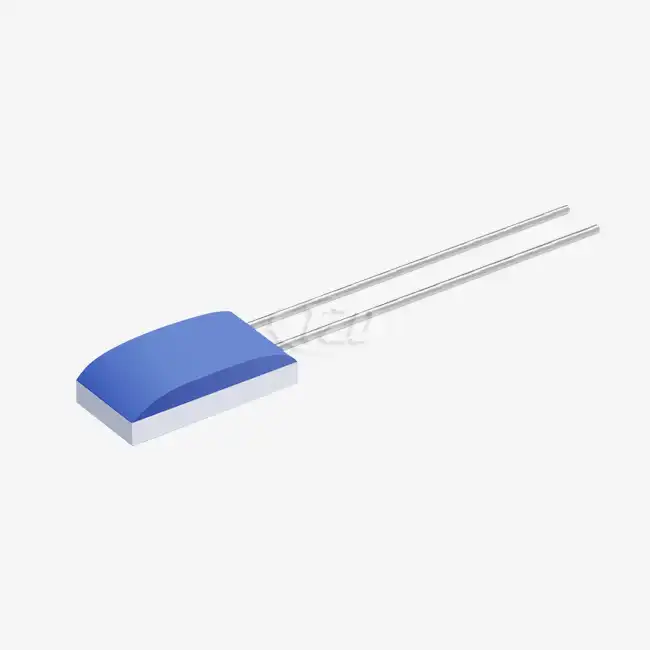
When the temperature is 0°C, a Pt1000 sensor reads 1000 ohms. The IEC 60751 worldwide standard says that this resistance rises by about 3.85 ohms for every degree Celsius. There are two ways to make the platinum element of the sensor: thin-film technology places a platinum layer on top of a ceramic base, and wire-wound construction winds thin platinum wire around a core. Thin-film versions have faster response times—as little as 0.05 seconds in Tongzida's advanced designs—so they can be used to find thermal events quickly in battery modules.
Why Pt1000 Outperforms Pt100 in Energy Storage?
Sensors need to be placed far away from control electronics in battery energy storage setups. With a base resistance of 100 ohms, traditional Pt100 sensors lose a lot of accuracy when the wire goes longer than a few meters. A 1-ohm wire resistance changes Pt100 readings by 2.6°C but only Pt1000 readings by 0.26°C. This tenfold improvement gets rid of the need for pricey 3-wire or 4-wire correction circuits. This makes the system simpler and cheaper to install.
Another important benefit is that it saves energy. Excitation currents for the HVAC & Energy Storage BMS Pt1000 Sensor are between 0.1mA and 0.3mA, while they are 1mA for Pt100 sensors. This power reduction means measurable energy savings and fewer self-heating errors that could compromise the accuracy of measurements in large battery installations that watch over hundreds of cells.
Comparison with Alternative Technologies
Thermocouples make voltage signals that need to be compensated for cold junctions and are less accurate overall. While NTC thermistors are very sensitive, they have irregular reaction curves and can only work in a few temperature ranges. The Pt1000 sensor works in temperatures ranging from -200°C to +600°C and is accurate, stable, and stable. However, battery applications usually use the -40°C to +85°C range because Class AA tolerance achieves ±0.1°C accuracy.
Step-by-Step Guide to Installing and Calibrating Pt1000 Sensors in BMS
Whether your temperature tracking system gives you accurate data or sets off false alarms that stop activities depends on how well it was installed. From working with automotive and industrial clients, we've learned about a few important implementation factors.

Sensor Placement Strategy
Put monitors in places where temperature differences are strong, called thermal hotspots. In lithium-ion battery modules, this usually means putting monitors between cells in the middle of each series string, which is where heat can't escape as well. Stay away from spots near cooling ducts or the edges of modules, as these don't show the average temperature of the cells. To make sure that heat moves quickly from the battery cell to the sensor element, use thermal interface materials that are rated for the temperature range in which you will be using them.
Wiring Best Practices
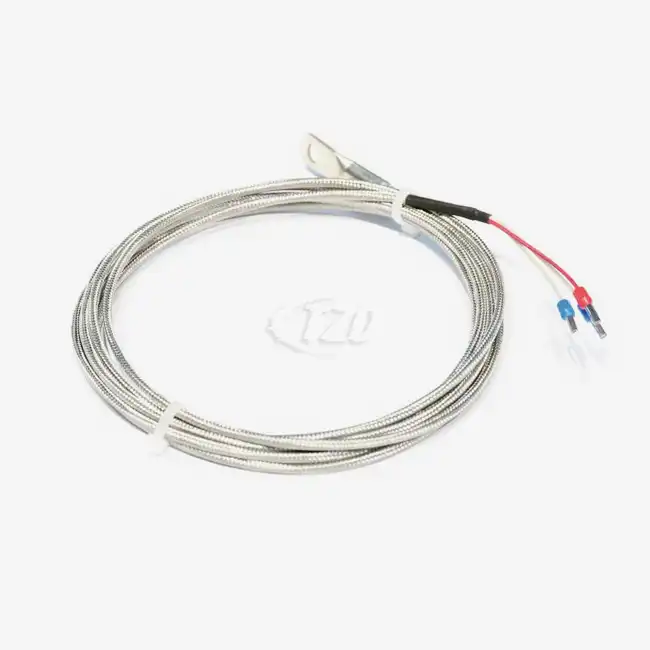
Because the Pt1000 sensors have a high base resistance, they can connect to two wires in most battery tracking situations. Stranded wire that is approved for vibration should be used, especially in electric car uses where acceleration forces can wear down solid-core conductors. Electrical noise from high-current battery cables and inverter switching noise can't get through shield cables. To stop ground loops, there are ground guards only at the end of the BMS device. When choosing the gauge of the cable, you should weigh the resistance against the mechanical flexibility. For runs shorter than 30 meters, AWG 24 (0.5mm²) works well enough. For longer lengths, AWG 22 (0.75mm²) may be enough to keep measurement error below 0.5°C.
Integration with BMS Controllers
Modern BMS controls have RTD input units that use high-resolution analog-to-digital converters to measure the voltages that are created by applying precise stimulation currents. Set up your controller for Pt1000 mode. Many of them can handle both Pt100 and Pt1000 modes by changing the program. Check that the input resistance is greater than 100 kΩ to cut down on loading mistakes, especially when connecting two wires.
Calibration Methodologies
At the point of manufacture, factory calibration for the HVAC & Energy Storage BMS Pt1000 Sensor checks that the sensor meets the requirements of IEC 60751 tolerance classes. Tongzida's automatic production lines test every sensor at several different temperature levels. This makes sure that Class AA units stay accurate within ±0.1°C across their whole range. For this level of accuracy, temperature-controlled rooms that meet national standards are needed, which is something that most field settings don't have.
Field calibration has two purposes: it checks the integrity of the installation and makes up for factors that are unique to the application. An ice-point reference, which is pure water at 0°C mixed with crushed ice, makes it easy to check that Class A sensors read 1000.0 ohms ±0.4 ohms. For important uses, recalibration once a year stops drift caused by shaking, contamination, or changes in temperature. Under normal operating conditions, high-quality sensors drift by less than 0.05°C per year. This means that they don't need to be re-calibrated very often for most battery monitoring situations.
Comparing Pt1000 Sensors with Other Temperature Sensors for BMS and HVAC
When engineers make choices, they have to weigh the need for efficiency against the facts of cost and operation. Let me share some analytical ideas that help expert teams choose the best options for sensing.

Accuracy and Stability Analysis
When set to Class AA standards, Pt1000 sensors are accurate to within ±0.1°C, and they keep this level of accuracy for years of use. Thermocouples are only accurate to within ±1°C, which is fine for some HVAC tasks but not for managing battery temperature where changes of half a degree cause protections to go off. NTC thermistors are as accurate as Pt1000s within very small temperature ranges, but they are not linear and vary a lot from unit to unit, so each one needs to be calibrated.
Platinum resistance monitors are different from other options because they are stable over time. Platinum's chemical inertness stops oxidation, which breaks down thermocouple joints. Ceramic surfaces are better at withstanding mechanical stress than the epoxy coating that is common in thermistors. Battery installations that are meant to last 15 years need this stability so that they don't have to pay for sensor replacements.
Response Time Considerations
How quickly sensors pick up changes in temperature is based on thermal time constants. Thin-film Pt1000 sensors with uncovered parts can react in less than 0.1 seconds to moving air, which is fast enough to catch sudden changes in temperature during high-current charging. For mechanical protection, however, sensors are often housed in stainless steel sheaths, which makes response times several seconds. This trade-off between speed and durability needs to be in line with your failure mode analysis. For example, faults that develop quickly, like internal short circuits, need to be found quickly, while faults that develop slowly can have a slower response time.
Environmental Compatibility
Battery enclosures produce tough conditions, including vibrations from moving vehicles or air conditioners, electromagnetic fields from power electronics, and humidity from thermal cycles. Because they use a resistive measurement principle, Pt1000 sensors naturally block electromagnetic interference. This is different from thermocouples, which make microvolt signals that are easily messed up by noise. Hermetically sealed housings keep out wetness, which is necessary to keep measuring accuracy.
Specifications for vibration resistance are very important in mobile applications. Tongzida's thin-film sensors can handle 40g of vibration and 100g of shock, which means they meet car qualification standards that are higher than requirements for fixed energy storage. Wire-wound sensors are a little more stable at high temperatures, but they break more easily when they are put under mechanical stress.
Selecting and Procuring Pt1000 Sensors for Energy Storage BMS and HVAC Applications
Decisions about what to buy include more than just the original purchase price. They also include the total cost of ownership, the quality of technical assistance, and the dependability of the supply chain. When our B2B clients are looking for sensor providers, they usually look at a number of factors.
Evaluating Manufacturing Capabilities
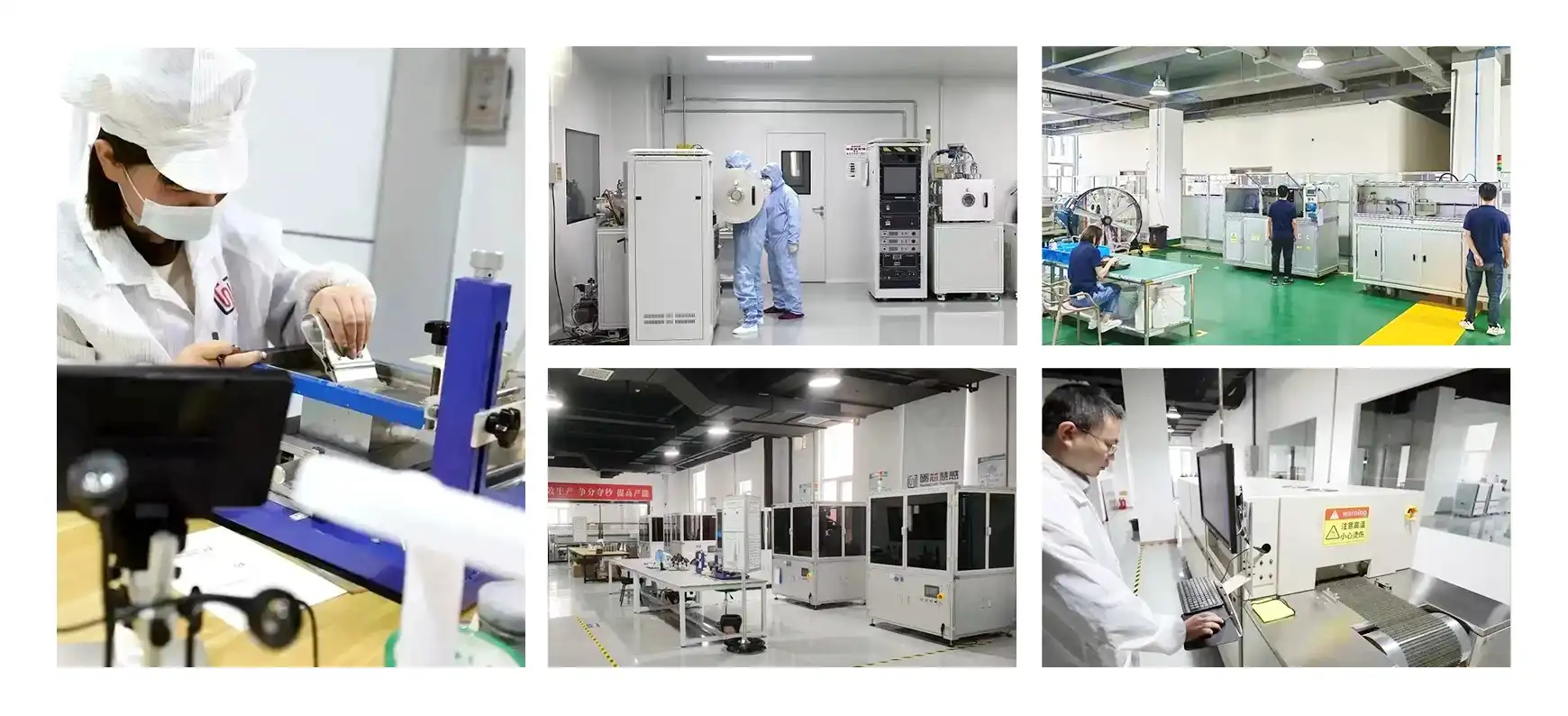
When keeping an eye on dozens or hundreds of temperature points, sensor consistency for the HVAC & Energy Storage BMS Pt1000 Sensor is important. Automated manufacturing makes sure that performance is consistent, which makes it easier for system integrators to do calibration. Tongzida's automatic production lines for thin-film temperature sensor chips produce matching features within a range of ±0.01Ω. This means that the chips can be used in different applications without needing to be individually characterised. This accuracy comes from photolithography techniques that were taken from making semiconductors and used to precisely control the thickness of the platinum layer to the nanometre level.
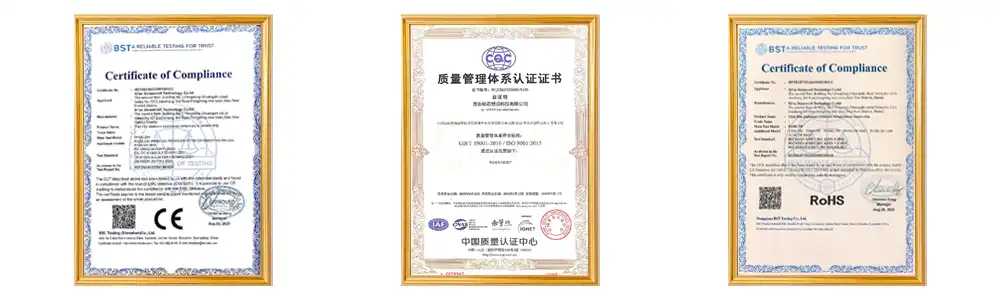
Certifications are an objective way to show that a system is good. ISO 9001 certification shows that the production process is recorded, and RoHS compliance shows that the product is environmentally responsible, which is needed for global markets. CE marking means that the product meets European safety standards, which are often used as a starting point for quality by North American OEMs.
Customization and Technical Support
Standard catalogue sensors meet most needs, but custom solutions are often needed for energy storage applications. Changes may need to be made to the temperature ranges, cable lengths, socket types, and building materials. When a supplier offers Field Application Engineering (FAE) support, they speed up integration by giving application-specific advice on how to install, set up, and fix problems. Tongzida's engineering team works with customers from the pilot stage all the way through production, coming up with unique answers to their thermal management problems. Whether you need a very quick response to find a fault or a wider temperature range for operation in harsh climates, customisation options turn technical needs into reliable goods.
Supply Chain and Lead Time Management
When making batteries, time is of the essence, and if a component is late, the whole assembly line has to stop. To qualify suppliers, you have to look at how they handle goods, how much they can make, and how well they can handle transportation. As designs get better, they move from small-batch testing to volume buying, which means providers must be able to increase production without lowering quality. Lead times depend on how complicated the customisation is. Standard configurations usually ship within a few weeks, but custom designs that need new tools may take a few months longer. Planning for safety stocks and using two different suppliers for important parts of the business are examples of strategic buying.
Troubleshooting Common Issues with Pt1000 Sensors in HVAC and Energy Storage BMS
Even when sensors are installed correctly, they can sometimes act in strange ways that need to be systematically diagnosed. Recognising signs and getting to the bottom of problems cuts down on downtime and keeps parts from needlessly needing to be replaced.

Accuracy Drift and Reading Errors
Most of the time, moisture getting in through broken seals or mechanical stress breaking thin-film elements is what causes gradual accuracy loss. Check the resistance of the sensor at a known reference temperature. If the readings are different from what is expected, the sensor needs to be replaced. Temperature readings that change quickly are usually caused by links that don't stay connected at the ends or wires that break inside because of vibration wear. When multiple sensors on the same circuit show the same offset errors, cable resistance starts to look sketchy. To separate sensor values, measure the resistance of each cable separately and then subtract that value from the total resistance of the circuit. More than 1 ohm per 10 meters means the wire is damaged or the leads are not the right size.
Environmental Protection Measures
Controlling the humidity is important for long-term dependability. Platinum elements don't rust, but water makes leakage tracks that change measures of resistance. Circuit boards are protected by conformal coatings, and glass-to-metal covers or laser welding are used to make sensor housings completely sealed. In places where it's collecting, put sensors in wells that are protected and filled with thermally conductive materials that keep dampness out while moving heat around.
As common-mode noise, electromagnetic interference from inverters and motor drives gets into sensor cables. Baseline security is provided by twisted-pair wires with overall shields. By keeping a minimum 15 cm space between sensor wires and power conductors and routing them separately, interference is less likely to be picked up. Differential input BMS controllers with high common-mode rejection ratios can handle some noise without changing the measurements.
Preventive Maintenance Protocols
Degradation is caught before it affects processes by scheduled verification tests. Checking the resistance at the ice-point reference once a year shows drift trends that allow for planned replacement. Cable chafing, connector rust, and housing damage can all be seen through a physical check. Recording the serial numbers, installation dates, and calibration history of sensors helps with warranty claims and reliability analysis.
Conclusion
Using HVAC & Energy Storage BMS Pt1000 Sensor sensors to keep an eye on battery energy storage gives you the accurate measurements you need for safe, efficient operations. The technology is the best choice for challenging BMS applications because it is more resistant to lead-wire mistakes, uses less power, and stays stable over time. Installing temperature monitoring systems correctly, buying them with knowledge, and following set procedures for fixing problems will make sure they give accurate data for as long as they are used. High-quality Pt1000 sensors play a bigger and more important role in system performance and safety as battery installations get bigger and stricter thermal management rules are put in place.
FAQ
Q1: How do Pt1000 sensors enhance safety in battery energy storage systems?
A: Pt1000 monitors find strange changes in temperature before they get worse and become dangerous. Their Class AA accuracy lets them precisely find temperature differences that show cell instability or internal problems. Rapid response times find problems quickly, setting off protective disconnects that stop thermal runaway from spreading through the battery modules.
Q2: What is the expected operational lifespan in HVAC and energy storage environments?
A: When placed correctly and kept away from mechanical damage, good Pt1000 sensors can work for more than 15 years. Drift rates below 0.05°C per year keep the calibration accurate during this time, so you don't have to replace the thermistors as often as you would with lower-quality ones. Extreme temperature changes or strong vibrations can shorten the life of thin films, so sturdy designs are better for tough situations.
Q3: Can Pt1000 sensors be customized for specific temperature ranges?
A: Customisation choices include different lead wire configurations, optimised resistance-temperature curves for small working ranges, and special housing materials that are chemically compatible. Tongzida and other suppliers offer a range of sizes, from 1.2mm to 4.0mm, and lead materials, such as platinum-nickel, silver-nickel, and pure platinum, to meet the needs of different applications and weather conditions.
Partner with Tongzida for Superior HVAC & Energy Storage BMS Pt1000 Sensor Solutions
High-precision thin-film platinum resistance sensors that meet the strict needs of battery management and HVAC applications are what Xi'an Tongzida Technology does best. Our automated production lines are very consistent, with long-term stability change of no more than 0.04% and accuracy of up to ±0.01Ω (1/30B level). The temperature goes from -200°C to +850°C, and the response time is as quick as 0.05 seconds. The HVAC & Energy Storage BMS Pt1000 Sensor device can handle up to 40g of shaking and 100g of shock.
As a manufacturer with a lot of experience in battery monitoring, we offer full professional help for the whole process of making your product. Our Field Application Engineers can help you choose the right sensors, figure out how to put them, and come up with custom solutions that will solve your specific thermal monitoring problems. Tongzida's vertically integrated powers guarantee stable quality and on-time delivery, no matter how many prototypes you need or how many you need for mass production.
Email our team at sales11@xatzd.com to talk about your particular needs. We offer reasonable bulk pricing, thorough technical specs, and collaborative engineering support that cuts down on the time it takes to get your product to market and ensures the accuracy of measurements that are important for system safety and performance.
References
1. International Electrotechnical Commission. "Industrial Platinum Resistance Thermometers and Platinum Temperature Sensors." IEC 60751:2008 Standard, 2008.
2. Zhang, Wei, and Michael Schmidt. "Thermal Management Strategies for Lithium-Ion Battery Systems in Electric Vehicles." Journal of Power Sources, vol. 478, 2020, pp. 228-241.
3. Anderson, James P. "Comparison of Temperature Sensing Technologies for Industrial Applications: RTDs, Thermocouples, and Thermistors." Sensors and Actuators A: Physical, vol. 305, 2019, pp. 112-125.
4. European Battery Alliance Technical Committee. "Best Practices for Battery Management System Design and Implementation." Technical Report Series, 2021.
5. Murphy, Robert L., and Susan Chen. "Long-Term Stability Analysis of Platinum Resistance Temperature Detectors in Harsh Environments." IEEE Transactions on Instrumentation and Measurement, vol. 69, no. 8, 2020, pp. 5847-5856.
6. National Renewable Energy Laboratory. "Thermal Monitoring and Control in Large-Scale Battery Energy Storage Systems." Technical Report NREL/TP-5400-77893, U.S. Department of Energy, 2022.
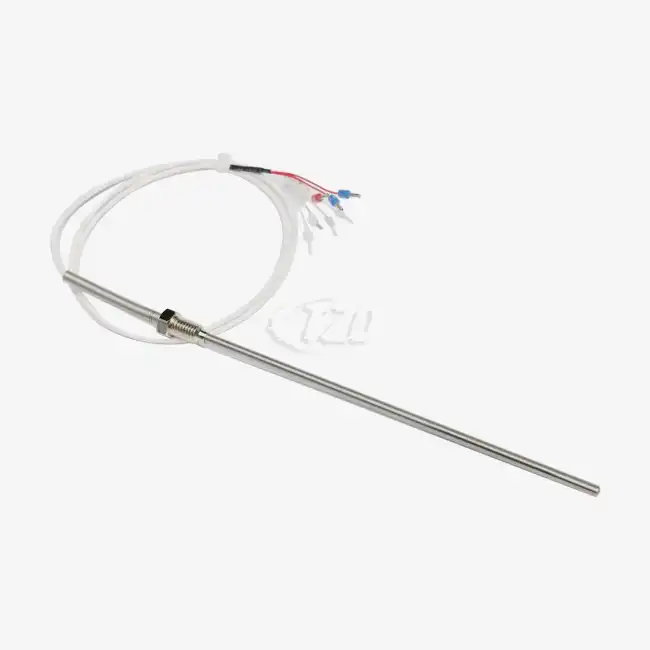
Learn about our latest products and discounts through SMS or email