- English
- French
- German
- Portuguese
- Spanish
- Russian
- Japanese
- Korean
- Arabic
- Greek
- German
- Turkish
- Italian
- Danish
- Romanian
- Indonesian
- Czech
- Afrikaans
- Swedish
- Polish
- Basque
- Catalan
- Esperanto
- Hindi
- Lao
- Albanian
- Amharic
- Armenian
- Azerbaijani
- Belarusian
- Bengali
- Bosnian
- Bulgarian
- Cebuano
- Chichewa
- Corsican
- Croatian
- Dutch
- Estonian
- Filipino
- Finnish
- Frisian
- Galician
- Georgian
- Gujarati
- Haitian
- Hausa
- Hawaiian
- Hebrew
- Hmong
- Hungarian
- Icelandic
- Igbo
- Javanese
- Kannada
- Kazakh
- Khmer
- Kurdish
- Kyrgyz
- Latin
- Latvian
- Lithuanian
- Luxembou..
- Macedonian
- Malagasy
- Malay
- Malayalam
- Maltese
- Maori
- Marathi
- Mongolian
- Burmese
- Nepali
- Norwegian
- Pashto
- Persian
- Punjabi
- Serbian
- Sesotho
- Sinhala
- Slovak
- Slovenian
- Somali
- Samoan
- Scots Gaelic
- Shona
- Sindhi
- Sundanese
- Swahili
- Tajik
- Tamil
- Telugu
- Thai
- Ukrainian
- Urdu
- Uzbek
- Vietnamese
- Welsh
- Xhosa
- Yiddish
- Yoruba
- Zulu
How to choose the Pt100-SMD model? A Comprehensive Guide to A/B/2B Grade Selection
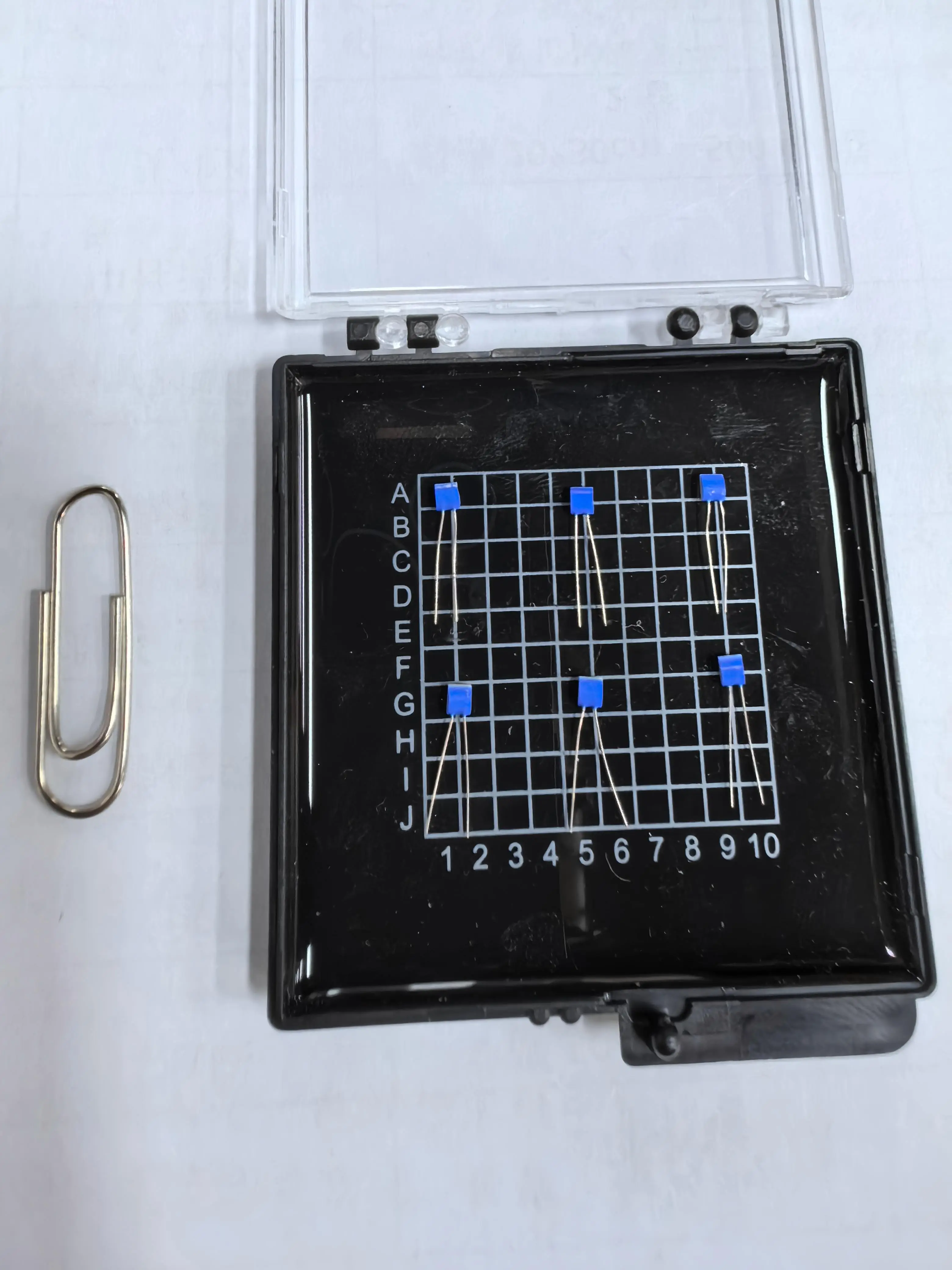
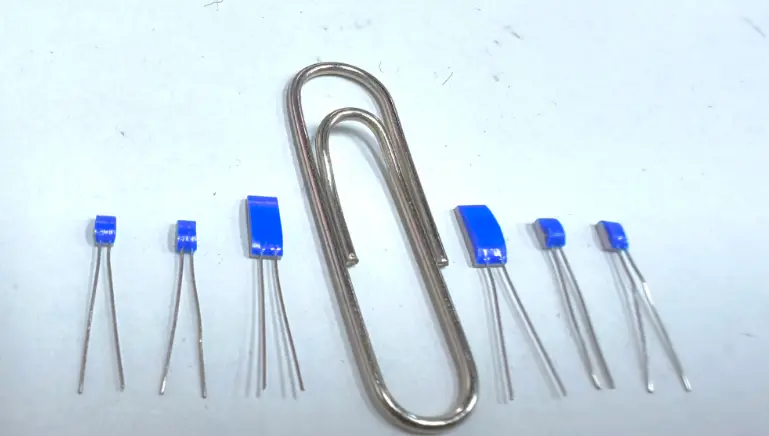
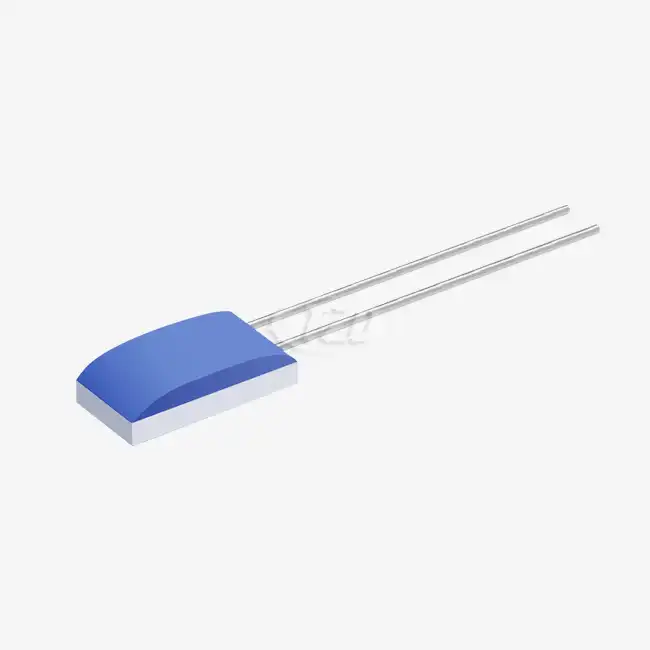
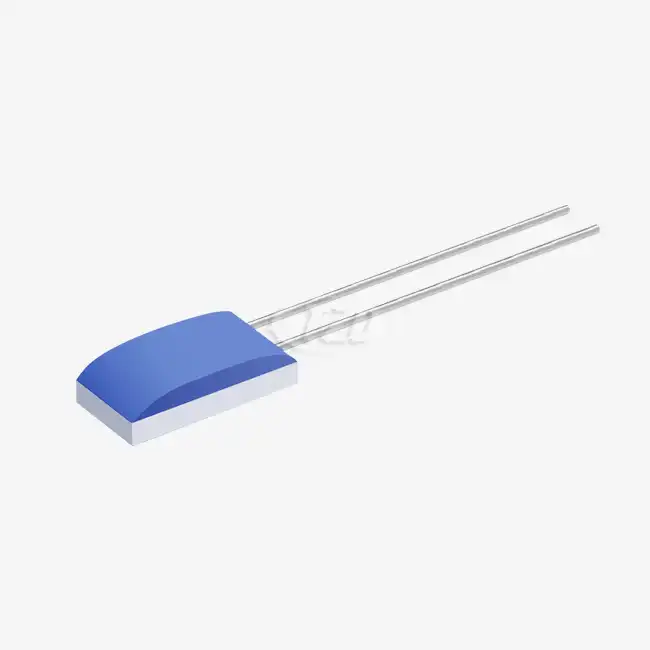
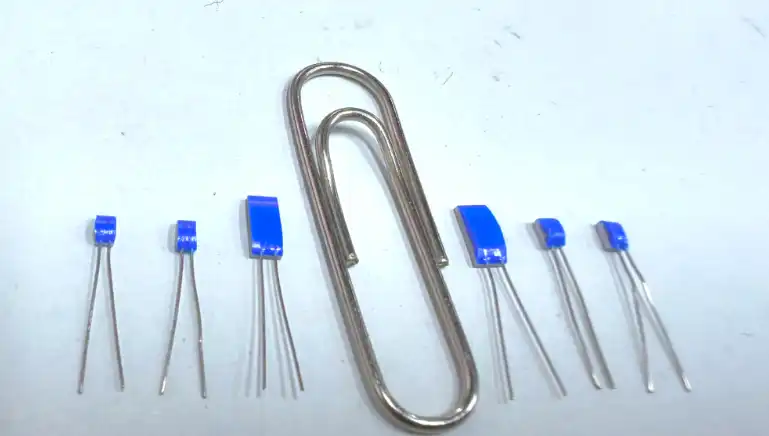
Pt100-SMD thin-film platinum resistors are available in three precision grades: A, B, and 2B. Different grades vary in terms of tolerance and applicable scenarios, which often leads to confusion among many customers when making a selection. This article provides a detailed analysis of the core differences, applicable scenarios, and selection tips for each grade, helping you quickly identify the suitable model.
H2: The core difference between Pt100-SMD A/B/2B grades
H3: The difference in tolerance range makes the precision grade clear at a glance
Grade A: Tolerance is ±(0.15+ 0.002T), with a Ro (0℃) resistance value tolerance of 100±0.06Ω. It is the grade with the highest precision and is suitable for scenarios where measurement errors are required to be extremely low.
Grade B: Tolerance is ±(0.3+ 0.005T), Ro (0℃) resistance value tolerance is 100±0.12Ω, with moderate precision. It is the most widely used grade.
Grade 2B: Tolerance is ±(0.6+0.01 t), Ro (0℃) resistance value tolerance is 100±0.24Ω. The precision is relatively low, but the cost is more advantageous. It is suitable for batch scenarios with low precision requirements.
It can be intuitively seen from the grade tolerance diagram in the following figure that the error range of grade A is the smallest, that of grade 2B is the largest, and grade B is between the two. All three comply with the DIN EN 60751 standard.
H3: The temperature measurement range corresponds to the model
Grade A: Only corresponding to the M150 type, with A temperature measurement range of 0 to +150℃, model PT100.SMD.M150.1106.A (code LX-Pt-057), focusing on high-precision scenarios in the medium-temperature range.
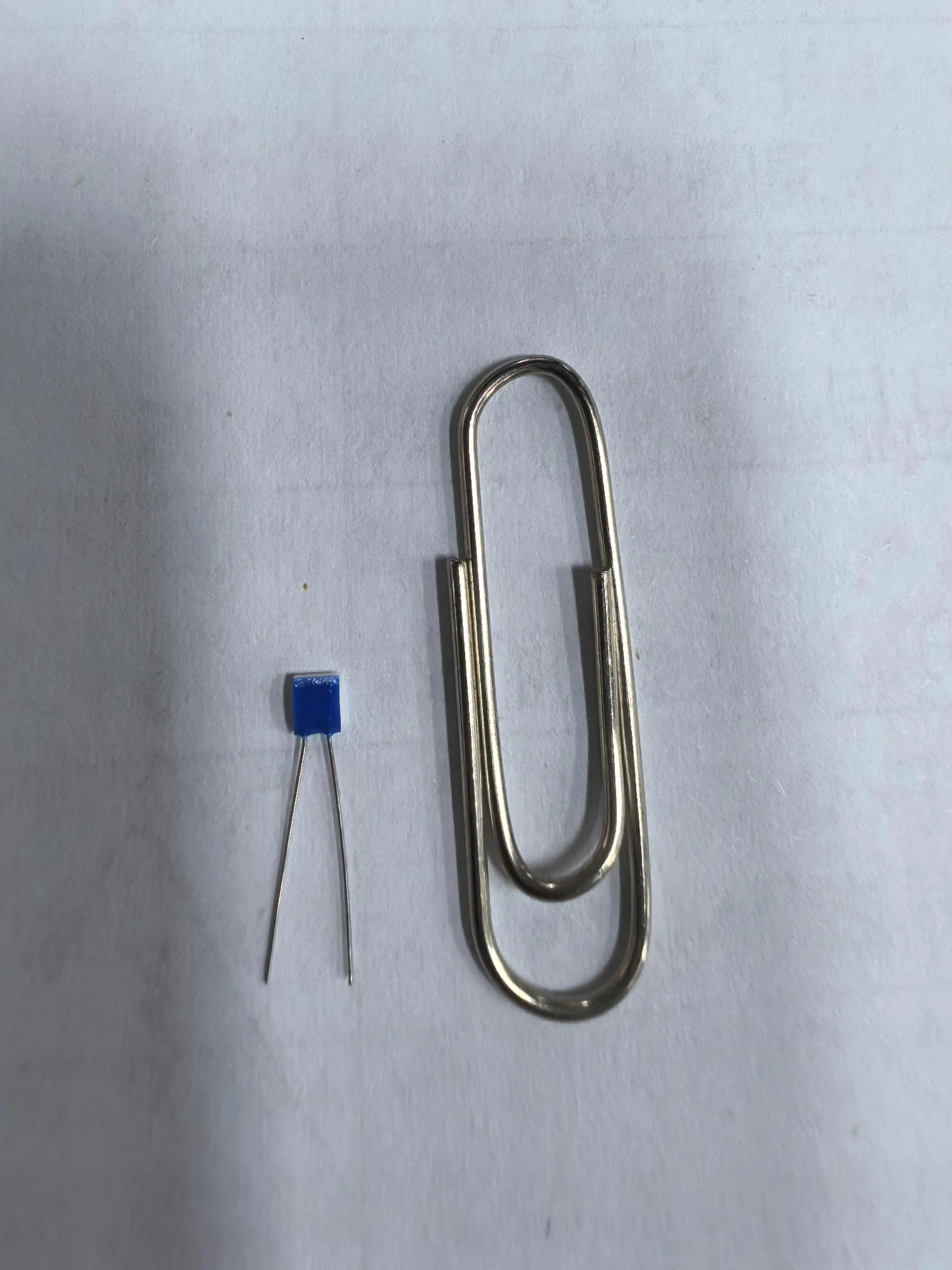
Grade B: Corresponding to the M200 type, with a temperature measurement range of -50 to +200℃, model Pt100.SMD.M200.1206.B (code LX-Pt-058), suitable for wide temperature range conventional precision scenarios.
Grade 2B: Corresponding to the M200 type, with a temperature measurement range of -50 to +200℃, the model is Pt100.SMD.M200.1206.2B (code LX-Pt-059), suitable for wide temperature range and low-cost scenarios.
H3: Cost difference. Choose as needed to save more money
The costs of the three grades are ranked in order of A>B>2B. Grade A has the highest cost due to its higher precision requirements and more stringent production process. The 2B grade process is relatively simplified and has the lowest cost. When selecting a model, there is no need to blindly pursue high grades. It is necessary to combine the actual precision requirements and budget, and balance performance and cost.
H2: Precise matching of applicable scenarios for each level
H3: Grade A: The best choice for high-precision scenarios
Grade A Pt100-SMD has the highest accuracy and is suitable for scenarios with extremely low requirements for temperature measurement error, such as
Laboratory equipment: Precision instruments and temperature monitoring in scientific research experiments must ensure the accuracy and repeatability of the data.
Medical equipment: In vitro diagnostic equipment, high-precision medical refrigerators, etc. The medical industry has strict requirements for temperature measurement accuracy, and grade A can meet industry standards.
High-end industrial control: Precision manufacturing, electronic component calibration equipment, etc., require precise temperature measurement to control the production process and enhance product accuracy.
H3: B grade: Cost-effective choice, suitable for most scenarios
Grade B strikes a balance between precision and cost and is the most widely used grade, suitable for:
Conventional industrial production: Temperature control of production line equipment, temperature monitoring of industrial furnaces, temperature measurement of warehouse environments, etc., can meet the precision requirements of most industrial scenarios.
Electronic devices: mid-to-high-end smart phones, laptops, tablets, etc. The temperature control of core components requires a certain degree of precision, and Grade B offers better cost performance.
New energy equipment: Battery temperature control for new energy vehicles, temperature monitoring for photovoltaic equipment, etc. With a wide temperature range (-50 to +200℃), it is suitable for complex environments and meets the precision requirements for safe operation of the equipment.

H3:2B grade: The preferred choice for batch low-cost scenarios
Grade 2B has a significant cost advantage and is suitable for batch scenarios with moderate precision requirements, such as:
General consumer electronics: entry-level smartphones, feature phones, ordinary small household appliances, etc., which do not have high requirements for temperature control accuracy. For mass production, cost control is necessary.
General industrial warehousing: For the temperature monitoring of non-precision materials in storage, it is only necessary to roughly grasp the temperature range, without the need for precise measurement.
Internet of Things (iot) devices: Batch-deployed iot sensor nodes, such as environmental monitoring terminals, are cost-sensitive and 2B grade can meet basic temperature measurement requirements.
H2: Three key Steps for Selecting Pt100-SMD
H3: Step 1: Clearly define the temperature measurement range
First, determine the actual temperature measurement range for application:
If the temperature measurement range is 0 to +150℃ and high precision is required, directly select grade A (Pt100.SMD.M150.1206.A).
If the temperature measurement range is -50 to +200℃, proceed to the next step of accuracy judgment.
H3: Step 2: Determine the precision requirements
Select based on the tolerance for temperature measurement errors in actual applications:
The allowable error is ≤±(0.3+0.005 t) : Select grade B (Pt100.SMD.M200.1206.B);
Error allowable ≤±(0.6+0.01 t) : Select grade 2B (Pt100, SMD, M200, 1206.2B);
The allowable error is ≤±(0.15+0.002 t) : If the temperature measurement range includes negative temperatures, it is necessary to evaluate whether the scene can be adjusted. Only for 0 to +150℃, grade A can be selected.
H3: Step 3: Consider the cost and batch requirements
For small-batch and high-precision requirements: Choose Grade A. Although the cost is high, it can meet the core demands.
For medium batch and regular precision requirements: Choose Grade B, which offers the best cost performance and is suitable for most scenarios.
For large-scale and cost-sensitive demands: Choose grade 2B to reduce procurement costs without affecting basic usage.
H2: Common Pitfalls in Selection, Avoid these traps
H3: Misconception 1: Blindly pursuing high grades while neglecting actual needs
Many customers believe that the higher the grade, the better. However, Grade A is costly and only supports A temperature measurement range of 0 to +150℃. If the actual scenario requires a wide temperature range of -50 to +200℃, blindly choosing Grade A will lead to incompatibility and increase costs.
H3: Misconception 2: Only focusing on cost while neglecting precision requirements
Some customers choose grade 2B to control costs. However, if the application scenarios have high precision requirements (such as industrial production control), it will lead to excessive measurement errors, affecting product quality or equipment safety, and instead increase the later maintenance costs.
H3: Misconception 3: Not paying attention to the matching between the temperature measurement range and the grade
Grade A only supports M150 type (0 to +150℃), while grades B and 2B support M200 type (-50 to +200℃). If Grade A is mistakenly used in negative temperature scenarios, it will cause serious measurement data deviations and make it unusable.
H2: Frequently Asked Questions (FAQ), All selection doubts answered
Q1: Can Grade A be used in low-temperature scenarios of -50 ℃?
A: No. Grade A only corresponds to the M150 type, with a temperature measurement range of 0 to +150℃. It is not suitable for negative temperature scenarios. For negative temperature scenarios, Grade B or 2B (M200 type) should be selected.
Q2: The temperature measurement range of Grade B and Grade 2B is the same. How to choose?
A: Choose based on the precision requirements and cost budget: If the precision requirements are higher and the budget is sufficient, select Grade B. For moderate precision requirements and bulk purchases that need to control costs, Grade 2B should be selected.
Q3: How can I determine which precision level my scene requires?
A: You can refer to industry standards or the temperature control error requirements of the equipment. If there are no clear standards, you can contact Xi 'an Tongzida Technology Co., LTD.for technical support and recommend the appropriate level based on the details of the scene.
Q4: Besides precision, are there any other differences between products of different grades?
The core differences lie in precision and cost. Other technical parameters (such as size, temperature coefficient of resistance, welding method, and long-term stability) are consistent and all meet the requirements of the technical specification.
Q5: After batch selection, if the precision does not meet the requirements, can the grade be changed?
A: In cases where the product has not been welded and is in good packaging, you can contact the manufacturer to negotiate a grade change. The specific policy can be confirmed in advance through communication.
References
Xi 'an Tongzida Technology Co., LTD. Pt100-SMD Technical Specification (Version V2.0).
DIN EN 60751 standard. Specification for Classification of Accuracy Grades of Temperature Sensors.
The key to choosing Pt100-SMD is to match the actual needs. Grade A is precise, Grade B is practical, and Grade 2B is economical. There is no need to blindly pursue high grades, nor should the precision requirements be ignored. If you are still unsure about how to select the model, you can contact Xi 'an Tongzida Technology Co., Ltd. and provide your temperature measurement range, accuracy requirements and batch demand to obtain a customized selection plan. Now, if you consult, you can also get product samples and test the performance yourself, making your selection more confident!
Author Information
Author: Chen Tao, Sensor Selection Consultant. Profile: With 5 years of experience in sensor selection, he specializes in the application analysis of temperature sensors such as platinum resistance and thermocouples. He is skilled at precisely matching product models based on customer scenarios, helping customers reduce costs and improve efficiency
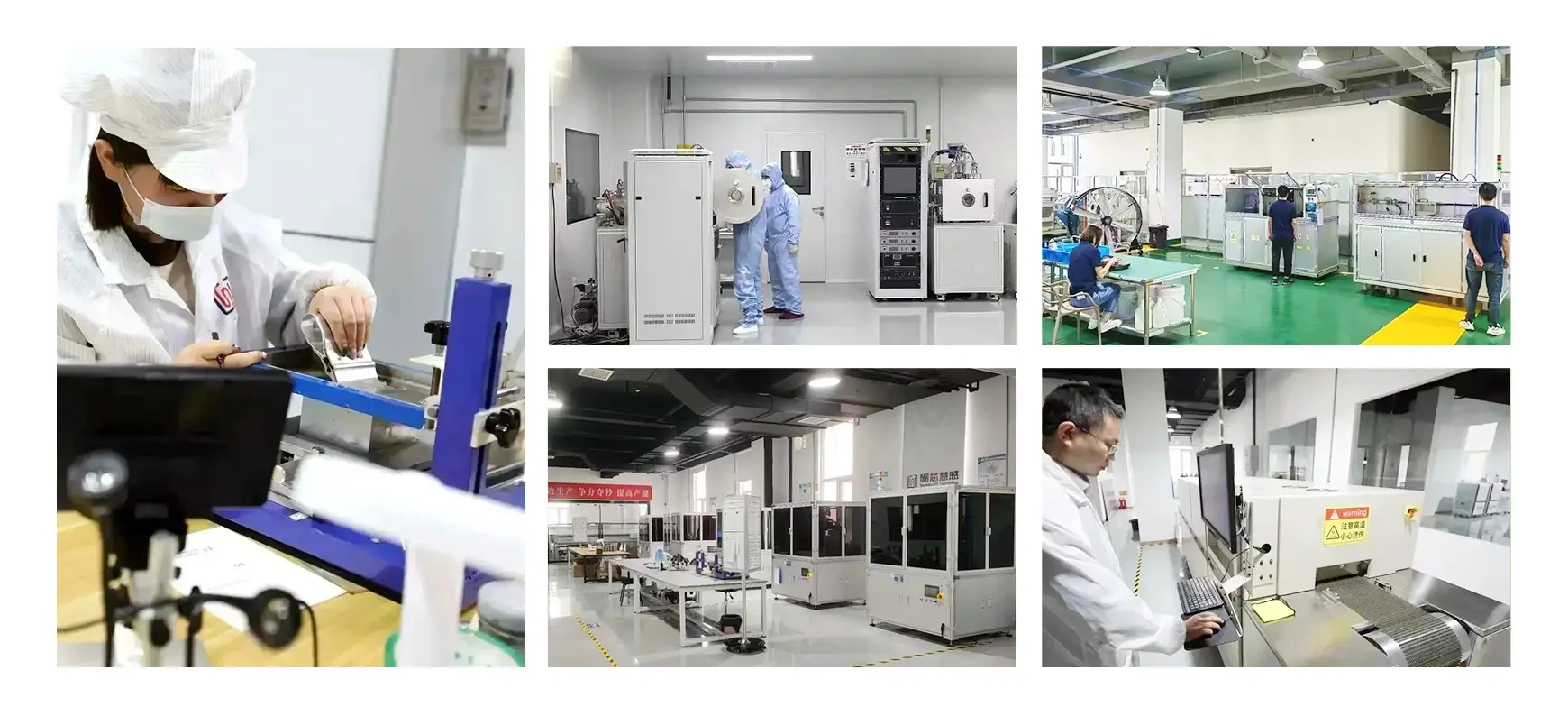
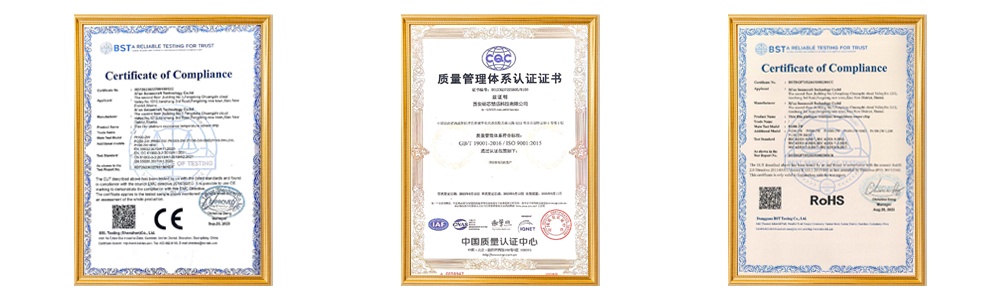
Xi 'an Tongzida Technology Co., Ltd. is a leading manufacturer and supplier of advanced thermistor technology, dedicated to providing high-performance temperature sensors for demanding industrial applications. We have profound expertise in microsensor manufacturing, specific packaging technologies and multi-sensor integration methods, which ensures the outstanding performance and reliability of our thermistors. As a trusted provider of precision temperature measurement solutions, we offer complete thermistor systems, including sensor chips, test systems and analysis software. Please feel free to contact our technical experts at any time. ventes11@xatzd.com discuss your specific requirements for thermistors and learn how our advanced thermistor optimization and manufacturing capabilities can enhance the performance and reliability of your temperature measurement system.
Learn about our latest products and discounts through SMS or email