- English
- French
- German
- Portuguese
- Spanish
- Russian
- Japanese
- Korean
- Arabic
- Greek
- German
- Turkish
- Italian
- Danish
- Romanian
- Indonesian
- Czech
- Afrikaans
- Swedish
- Polish
- Basque
- Catalan
- Esperanto
- Hindi
- Lao
- Albanian
- Amharic
- Armenian
- Azerbaijani
- Belarusian
- Bengali
- Bosnian
- Bulgarian
- Cebuano
- Chichewa
- Corsican
- Croatian
- Dutch
- Estonian
- Filipino
- Finnish
- Frisian
- Galician
- Georgian
- Gujarati
- Haitian
- Hausa
- Hawaiian
- Hebrew
- Hmong
- Hungarian
- Icelandic
- Igbo
- Javanese
- Kannada
- Kazakh
- Khmer
- Kurdish
- Kyrgyz
- Latin
- Latvian
- Lithuanian
- Luxembou..
- Macedonian
- Malagasy
- Malay
- Malayalam
- Maltese
- Maori
- Marathi
- Mongolian
- Burmese
- Nepali
- Norwegian
- Pashto
- Persian
- Punjabi
- Serbian
- Sesotho
- Sinhala
- Slovak
- Slovenian
- Somali
- Samoan
- Scots Gaelic
- Shona
- Sindhi
- Sundanese
- Swahili
- Tajik
- Tamil
- Telugu
- Thai
- Ukrainian
- Urdu
- Uzbek
- Vietnamese
- Welsh
- Xhosa
- Yiddish
- Yoruba
- Zulu
The preferred temperature control for electronic devices! Why is Pt100 SMD thin film platinum resistor so popular?
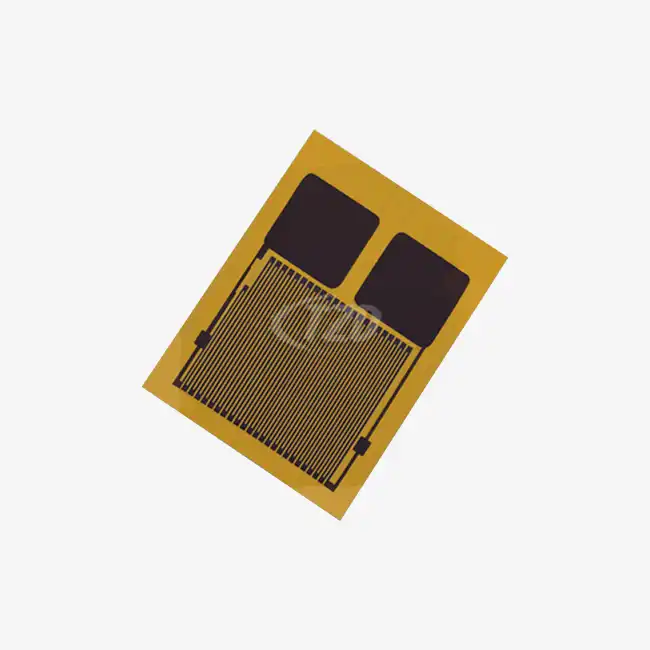
The trend of miniaturization and high performance of electronic devices has put forward higher requirements for the volume, accuracy, and stability of temperature sensors. Pt100 SMD thin film platinum resistors have become a popular choice for temperature control in electronic devices due to their small size, high linearity, and excellent compatibility. This article takes you to uncover the reasons behind its popularity and how to select applications.
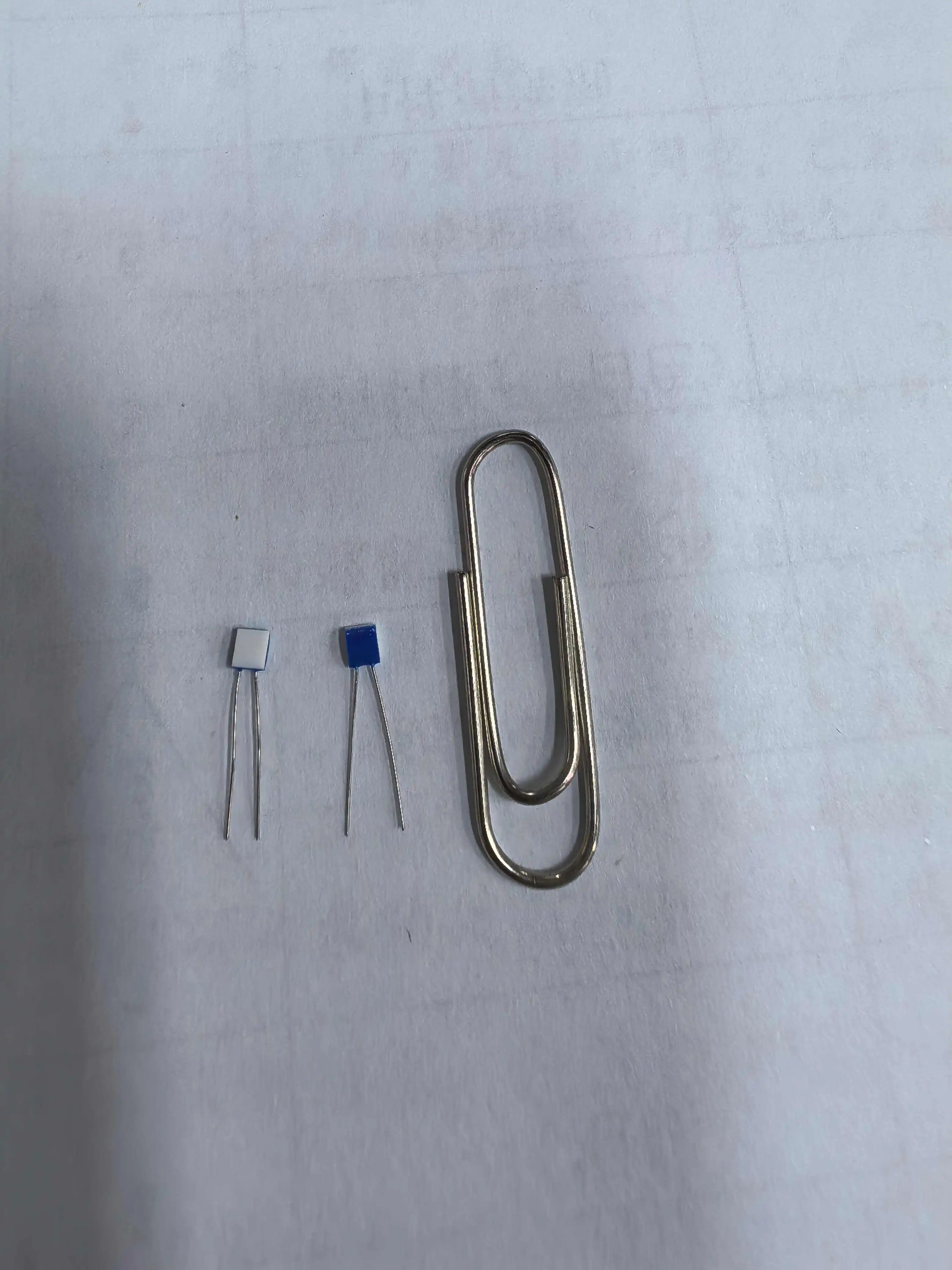
H2: The core advantages of PT100-SMD for adapting electronic devices
H3: Compact size, perfect for device miniaturization needs
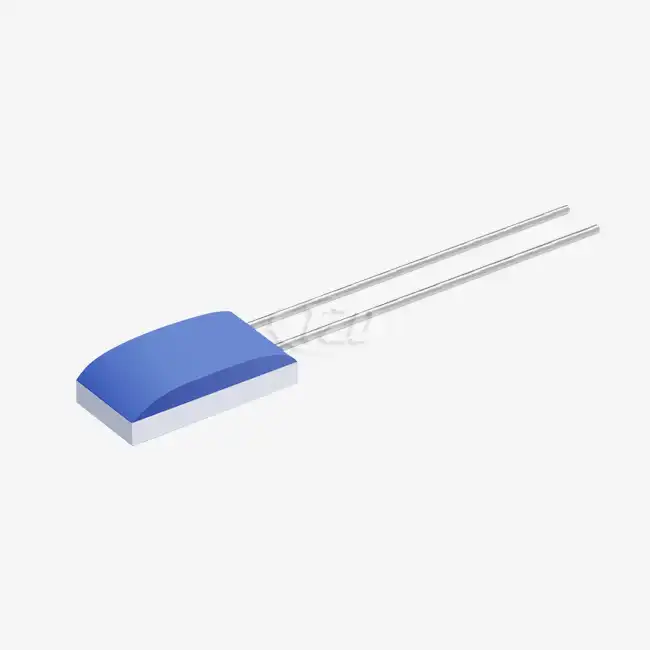
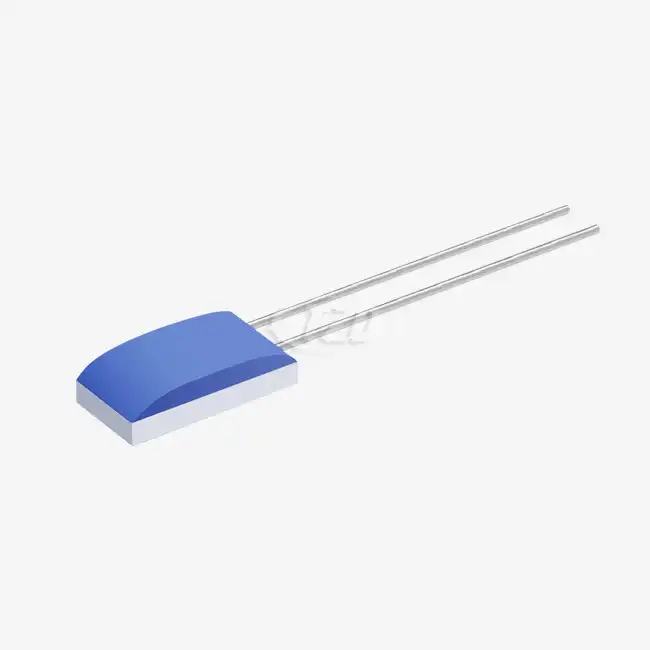
The internal space of electronic devices such as smartphones, smartwatches, and laptops is becoming increasingly compact, with strict requirements for the volume of components. The component size of Pt100 SMD is only 3.2 × 1.6 × 0.7mm, compact and lightweight, which can be easily integrated into the narrow space of devices without affecting the layout of other components, providing support for device miniaturization design.
H3: High linearity, precise temperature control without deviation
The CPU, battery, display screen and other components of electronic devices are sensitive to temperature, and high temperatures can lead to performance degradation and shortened lifespan. Pt100 SMD follows the DIN EN 60751 standard, with extremely high output linearity and a precise calculation formula for resistance temperature relationship. It can provide real-time and accurate feedback on temperature changes, ensuring that the temperature control module triggers the heat dissipation or insulation mechanism in a timely manner to maintain stable equipment operation.
H3: Multiple welding methods, suitable for automated production
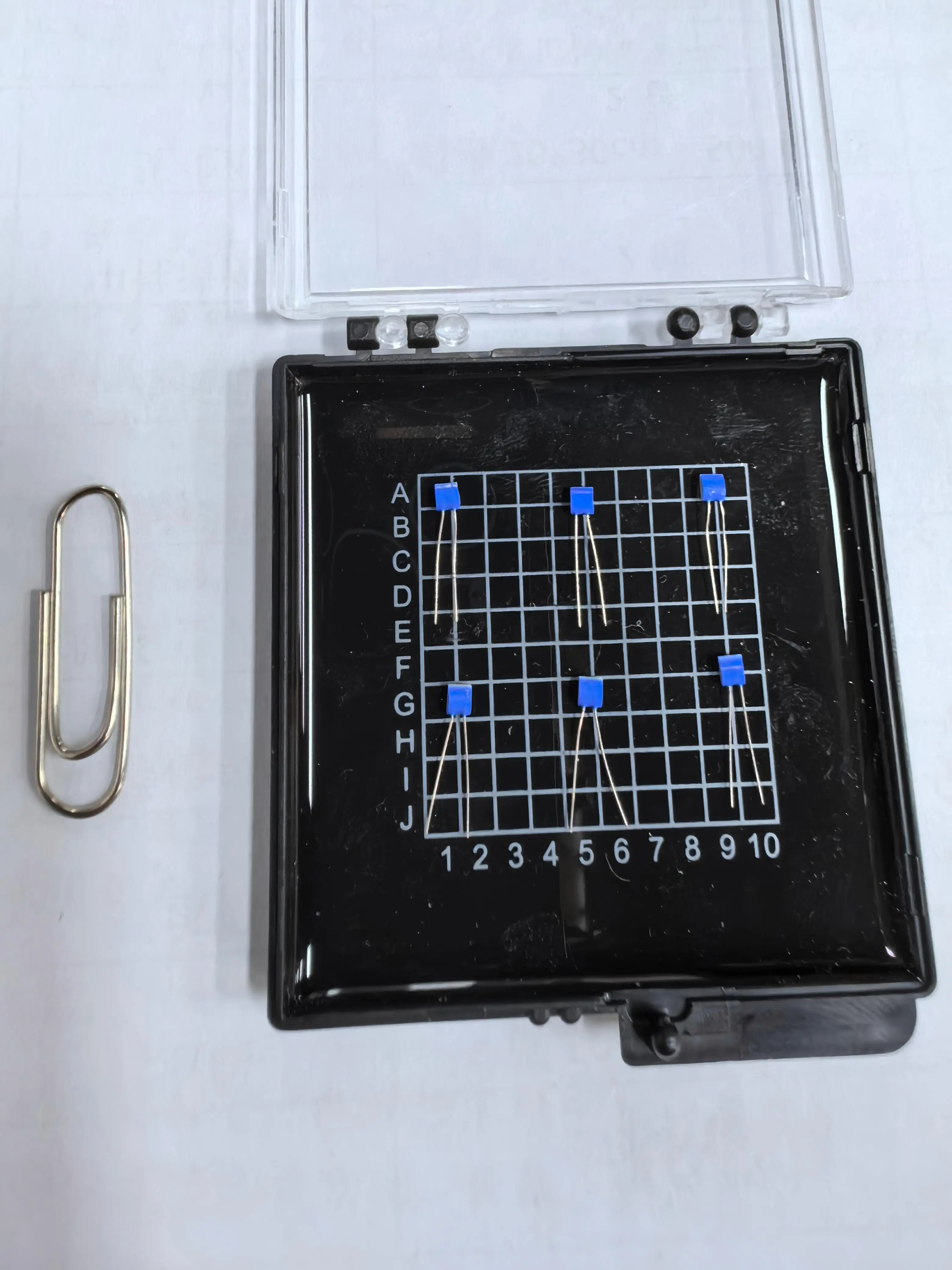
The mass production of electronic devices relies on automated production lines. Pt100 SMD supports various soldering processes such as reflow soldering and wave soldering. It is recommended to use high-temperature solder paste to solder at 230-240 ℃, which can seamlessly integrate into SMT surface mount production lines, greatly improving assembly efficiency and reducing labor costs. Compared to traditional lead type sensors, it has stronger welding compatibility and higher production yield.
H2: Key technical parameters of Pt100-SMD, adapted to electronic device requirements
H3: Basic performance parameters
The Ro (0 ℃) resistance of Pt100 SMD is 100 Ω, with a temperature coefficient of 3850ppm/℃ and a temperature measurement range covering -50 ℃~+200 ℃. It can adapt to the temperature measurement needs of electronic devices in different environments, such as low-temperature storage and high-temperature operation. Its long-term stability is excellent, with a resistance drift of ≤ 0.06% after 1000 hours at 200 ℃, ensuring the temperature control accuracy of the equipment throughout its lifecycle.
H3: Structure and Packaging Design
The product uses tin alloy terminals, which have good welding conductivity and high firmness, and can withstand high temperatures and mechanical stresses during the assembly process of electronic devices; The packaging is vacuum plastic packaging, with a minimum order quantity of 1000 pieces per package. Customized packaging can be made according to requirements, with moisture-proof and oxidation resistant design to ensure that the sensors are not damaged during storage and transportation, and to meet the bulk procurement needs of electronic components.
H2: The specific application of Pt100-SMD in electronic devices
H3: Smartphones and tablets
The CPUs of smartphones and tablets quickly heat up when running under high loads (such as playing games or video editing). Pt100 SMD is integrated near the CPU to monitor temperature in real time. When the temperature exceeds a threshold, it triggers the processor to downshift or the cooling fan to start, avoiding device freezing and crashing. Its compact size does not take up too much internal space and is suitable for the lightweight design of mobile phones.

H3: Laptops and desktops
The cooling system of laptops relies on precise feedback from temperature sensors. Pt100 SMD is installed near core components such as CPU and graphics card, which can accurately measure temperature changes and provide data support for adjusting the speed of the cooling fan, achieving "on-demand cooling", ensuring device performance while reducing power consumption and noise. The motherboard temperature control module of desktop computers can also use Pt100 SMD to improve temperature control stability.
H3: Smart wearable devices
Wearable devices such as smartwatches and wristbands are compact in size and have extremely limited internal space, requiring extremely high sensor size and power consumption. The mini size and low power consumption characteristics of Pt100 SMD (without additional power supply requirements, relying on resistance changes for temperature measurement) are perfectly compatible with wearable devices, enabling real-time monitoring of the device's own temperature and human contact temperature, providing support for health monitoring and device protection.
H2: Pt100 SMD Selection Guide for Electronic Device Scenarios
H3: Select by device type
High precision equipment (such as high-end smartphones and professional tablets): Choose the A-grade model Pt100. SMD. M150.1206. A (code LX-Pt-057), with a temperature measurement range of 0~+150 ℃ and an accuracy of ± (0.15+0.002 | t |), to ensure precise temperature control of core components.
Conventional electronic devices (such as regular laptops and entry-level tablets): Choose the B-grade model Pt100. SMD. M200.1206. B (code LX-Pt-058), with a temperature measurement range of -50~+200 ℃ and an accuracy of ± (0.3+0.005 | t |), balancing accuracy and cost.
Batch consumer electronics (such as smart bracelets, regular function phones): Choose the 2B grade model Pt100.SMD.M200.1206.2B (code LX-Pt-059) for more cost advantages and to meet the needs of mass production.
H3: Selection precautions
1. Confirm the temperature measurement range of the equipment and select the corresponding M150 (0~+150 ℃) or M200 (-50~+200 ℃) type;
2. According to the temperature control accuracy requirements of the equipment, select grades A, B, and 2B;
3. Confirm the welding process of the production line to ensure compatibility with reflow soldering/wave soldering;
4. If you need to customize packaging or adjust parameters, communicate with the manufacturer in advance.

FAQ
Q1: Can the size of Pt100-SMD be adapted to my device?
A: Its size is 3.2 × 1.6 × 0.7mm, which is a commonly used SMD package size in the industry. Most electronic devices' PCB boards are compatible. If confirmation is needed, PCB board design drawings can be provided to communicate with the manufacturer.
Q2: Will welding temperature damage the sensor?
A: The recommended welding temperature is 230-240 ℃, which meets the welding standards of SMD components and will not damage Pt100 SMD. The performance is stable after welding.
Q3: Are there any discounts for bulk purchases?
A: The larger the bulk purchase quantity, the more obvious the price advantage. Specific preferential policies can be consulted with Xi'an Tongzida Technology Co., Ltd., which supports customized procurement solutions.
Q4: What is the power consumption of PT100-SMD? Will it increase device power consumption?
A: Pt100 SMD is a passive sensor that does not require additional power supply and relies on temperature feedback through resistance changes. It has extremely low power consumption and does not increase the power consumption of electronic devices, making it suitable for battery powered mobile devices.
Q5: What is the shelf life of the product?
A: Under standard storage conditions, the product has a shelf life of 1 year. If there are any quality issues caused by non-human factors, the manufacturer can be contacted for return or exchange within the shelf life.
References
1. Xi'an Tongzida Technology Co., Ltd Pt100 SMD Technical Specification (Version V2.0)
2. Application standards for temperature sensors in electronic devices SJ/T 11463-2013.
In the field of electronic device temperature control, Pt100 SMD thin film platinum resistors have become the preferred choice for many well-known electronic manufacturers due to their small size, high precision, and strong compatibility. If you are looking for highly adaptable temperature sensors for electronic devices, you may choose Pt100 SMD, which has the characteristics of multi-level and multi scene adaptation to meet your diverse needs. Now visit the official website of Xi'an Tongzida Technology Co., Ltd( http://www.tosidasensor.com )Obtain product samples and technical information, and embark on a new journey of precise temperature control!
Author information
Author: Electronic Device Hardware Engineer Wang Qiang Introduction: Focused on electronic device hardware design and component selection, with 10 years of industry experience, proficient in providing temperature control solutions for mobile devices and wearable devices, with in-depth research on sensor performance and applications.
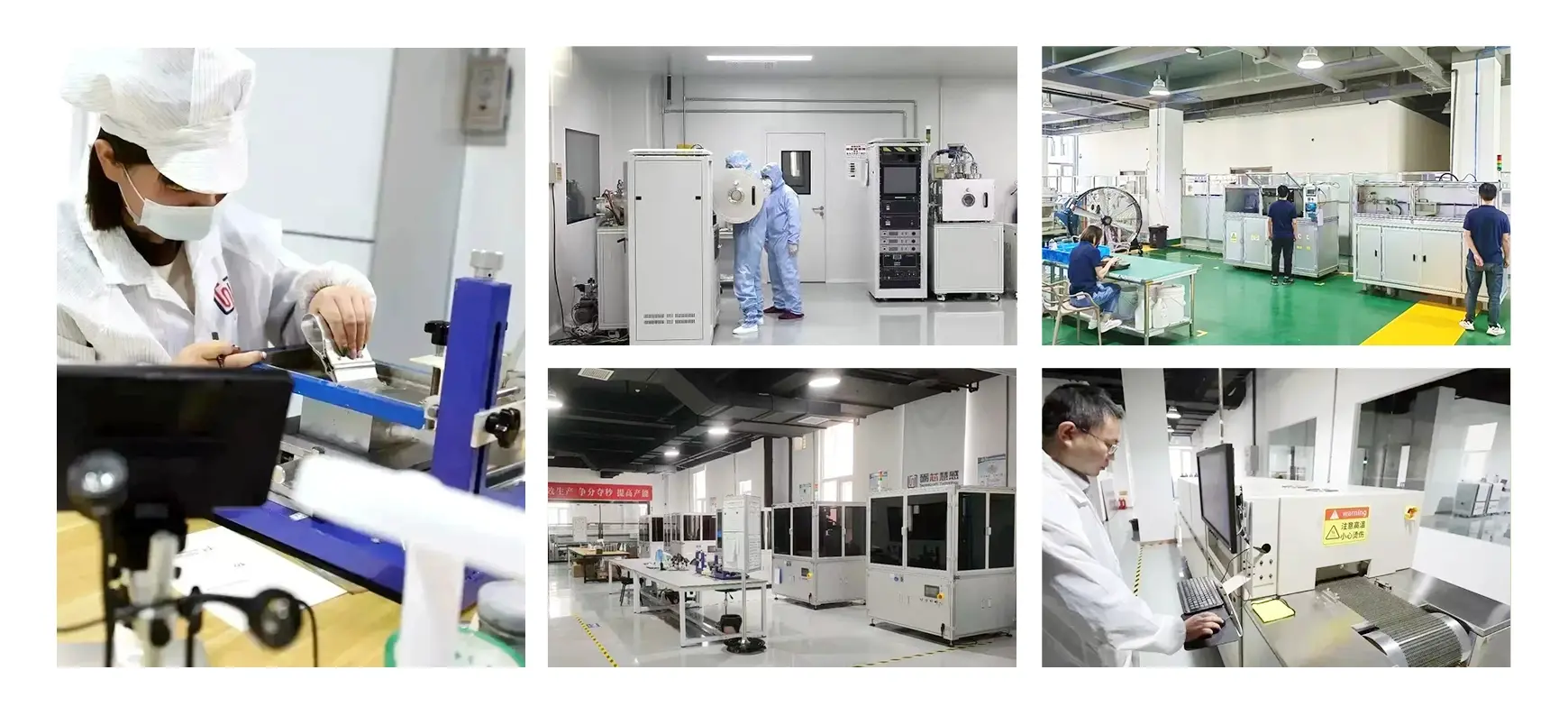
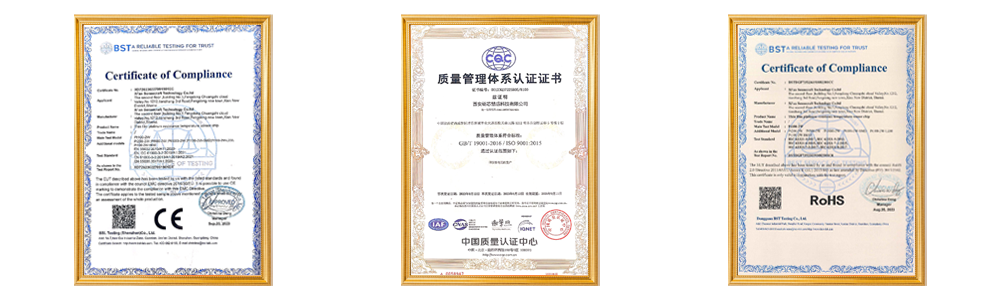
Xi'an Tongzida Technology Co., Ltd. is a leading manufacturer and supplier of advanced thermistor technology, focusing on providing high-performance temperature sensors for demanding industrial applications. We have profound expertise in microsensor manufacturing, specific packaging technologies, and multi-sensor integration methods, which ensures the excellent performance and reliability of our thermistors. As a trusted supplier of precision temperature measurement solutions, we offer a complete thermistor system, including sensor chips, testing systems, and analysis software. Please feel free to contact our technical experts at any time. ventes11@xatzd.com Discuss your specific requirements for thermistors and learn how our advanced thermal resistor optimization and manufacturing capabilities can enhance the performance and reliability of your temperature measurement system.
Learn about our latest products and discounts through SMS or email