- English
- French
- German
- Portuguese
- Spanish
- Russian
- Japanese
- Korean
- Arabic
- Greek
- German
- Turkish
- Italian
- Danish
- Romanian
- Indonesian
- Czech
- Afrikaans
- Swedish
- Polish
- Basque
- Catalan
- Esperanto
- Hindi
- Lao
- Albanian
- Amharic
- Armenian
- Azerbaijani
- Belarusian
- Bengali
- Bosnian
- Bulgarian
- Cebuano
- Chichewa
- Corsican
- Croatian
- Dutch
- Estonian
- Filipino
- Finnish
- Frisian
- Galician
- Georgian
- Gujarati
- Haitian
- Hausa
- Hawaiian
- Hebrew
- Hmong
- Hungarian
- Icelandic
- Igbo
- Javanese
- Kannada
- Kazakh
- Khmer
- Kurdish
- Kyrgyz
- Latin
- Latvian
- Lithuanian
- Luxembou..
- Macedonian
- Malagasy
- Malay
- Malayalam
- Maltese
- Maori
- Marathi
- Mongolian
- Burmese
- Nepali
- Norwegian
- Pashto
- Persian
- Punjabi
- Serbian
- Sesotho
- Sinhala
- Slovak
- Slovenian
- Somali
- Samoan
- Scots Gaelic
- Shona
- Sindhi
- Sundanese
- Swahili
- Tajik
- Tamil
- Telugu
- Thai
- Ukrainian
- Urdu
- Uzbek
- Vietnamese
- Welsh
- Xhosa
- Yiddish
- Yoruba
- Zulu
Selecting Sensors for -200°C Cryogenic Applications
To choose the right sensor for cryogenic settings, you need to think carefully about the properties of the material, the accuracy of the measurements, and how reliable the sensor will be in the long run. A -200°C temperature sensor is a special kind of tool that is made to work accurately even under very high temperatures. Most of the time, these gadgets use platinum resistance technology (Pt100/Pt1000) or special thermocouples made of materials that don't break down easily and keep their electrical stability at temperatures close to absolute zero. As part of the decision process, technical specs, environmental conditions, and the supplier's skills are all looked at to make sure they will work well in tough situations.
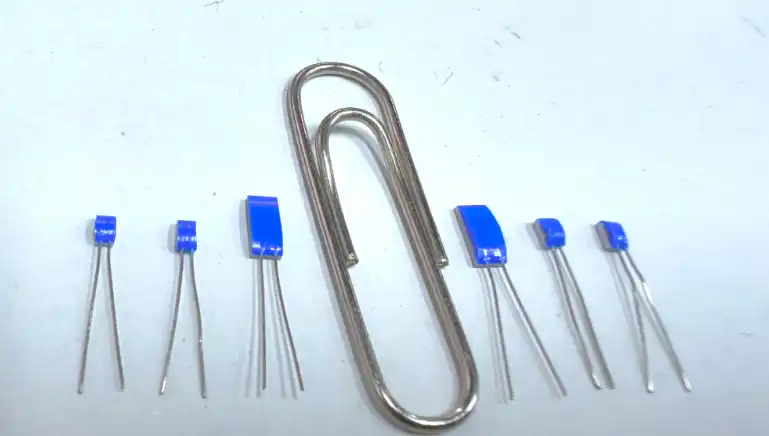
Understanding the Challenges of Measuring -200°C Cryogenic Temperatures
Measuring temperatures in cryogenics is hard for engineers because normal instruments can't handle it. As the temperature drops below -200°C, metal parts shrink a lot, insulating materials crack, and moisture can damage sensors by causing ice to form.
Physical Stress on Sensor Materials
When things are frozen, they act in different ways. When cooled from room temperature to -200°C, stainless steel shrinks by about 0.3%. This puts stress on the fixing points and electrical connections. We've seen that sensors that weren't built well get tiny cracks in their coverings after being heated and cooled many times, which lets dirt in and eventually causes them to stop working.
Signal Integrity and Electrical Challenges
Extremely low temperatures have a big effect on electrical qualities. RTDs' resistance values change in a way that can be predicted, but measuring mistakes can be caused by parasitic capacitance and lead wire resistance. When connecting things, the thermal electromotive force (EMF) can be a big problem. To keep drift to a minimum, you need to be very careful when choosing materials and designing connections.
Environmental Contamination Risks
There are special problems with pollution in liquefied gas settings. When moisture gets in through links that aren't properly sealed, it freezes right away at freezing temperatures, which breaks down insulation. Even small amounts of pollution can lead to measurement drift in LNG custody transfer uses, which can lead to big financial differences over time.
Types of Temperature Sensors Suitable for -200°C Applications
Learning about the different sensor technologies that are out there helps buying teams match the capabilities of sensors to the needs of applications. For example, a -200°C temperature sensor is specifically designed for extreme low-temperature environments, offering unique benefits like high accuracy and reliability. Depending on the climate and performance needs, each technology has its own unique advantages.
Platinum Resistance Temperature Detectors (RTDs)
RTDs are the best way to measure temperatures in cold environments where accuracy is very important. IEC 60751 standards are met by these sensors, which use high-purity platinum elements with a temperature coefficient of resistance (TCR) of 3850 ppm/°C. Platinum's uniformity and steadiness make RTDs perfect for long-term accuracy needs that don't need to be re-calibrated often.
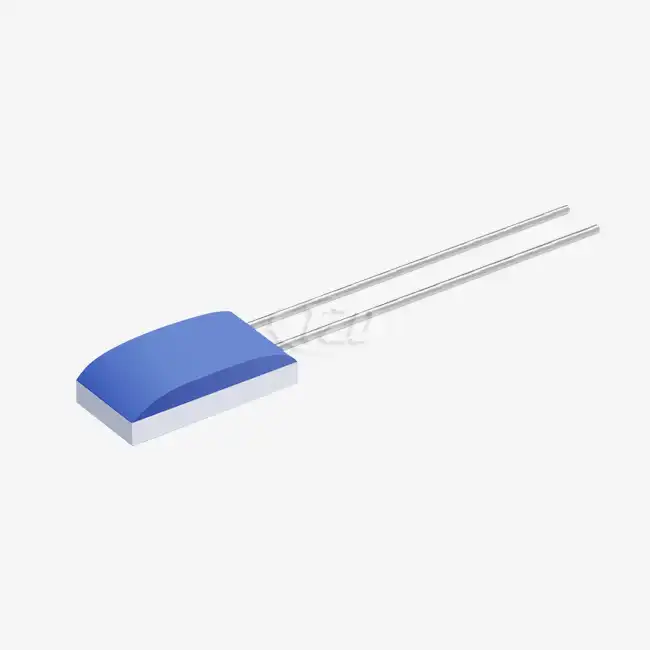
Cryogenic detection has changed a lot because of thin-film RTDs. Platinum is deposited on ceramic surfaces during the production process. This makes small sensors that can respond to liquid media in less than two seconds. Wire-wound versions are more stable for use as laboratory standards, but they respond more slowly because they have a bigger heat mass.
Thermocouple Technologies
Type E thermocouples (chromel-constantan) work consistently at temperatures as low as -200°C and produce fairly high output voltages, which makes signal processing easier. Copper-constantan type T thermocouples work very well down to -250°C and are very accurate in the cold range. But thermocouples can be hard to use in very specific situations. It is important to compensate for the reference joint, and the nonlinearity means that the testing must be done carefully. We suggest thermocouples for uses where durability and quick response are more important than perfect accuracy.
Specialized Materials and Construction
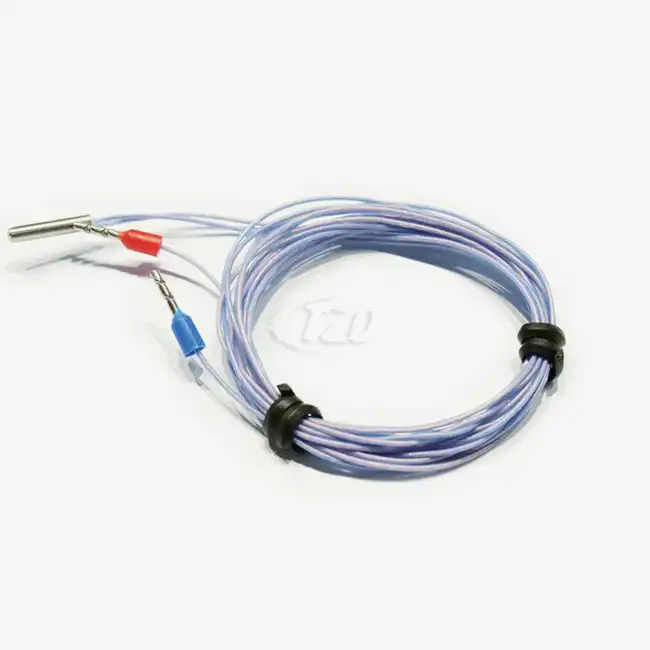
The choice of material affects how long a sensor will last in cold service. The protective shell has to be able to handle both high temperatures and chemical attacks from gases that are liquid. For most uses, stainless steel 316L is very good at resisting rust. On the other hand, Inconel works better in high-pressure settings up to 500 bar. Insulation for lead wires is another important part of design. PTFE stays flexible up to about -200°C, and PFA and FEP fluoropolymers have even wider temperature ranges. Kapton polyimide is very stable at high temperatures, but it needs to be handled carefully when it is being installed.
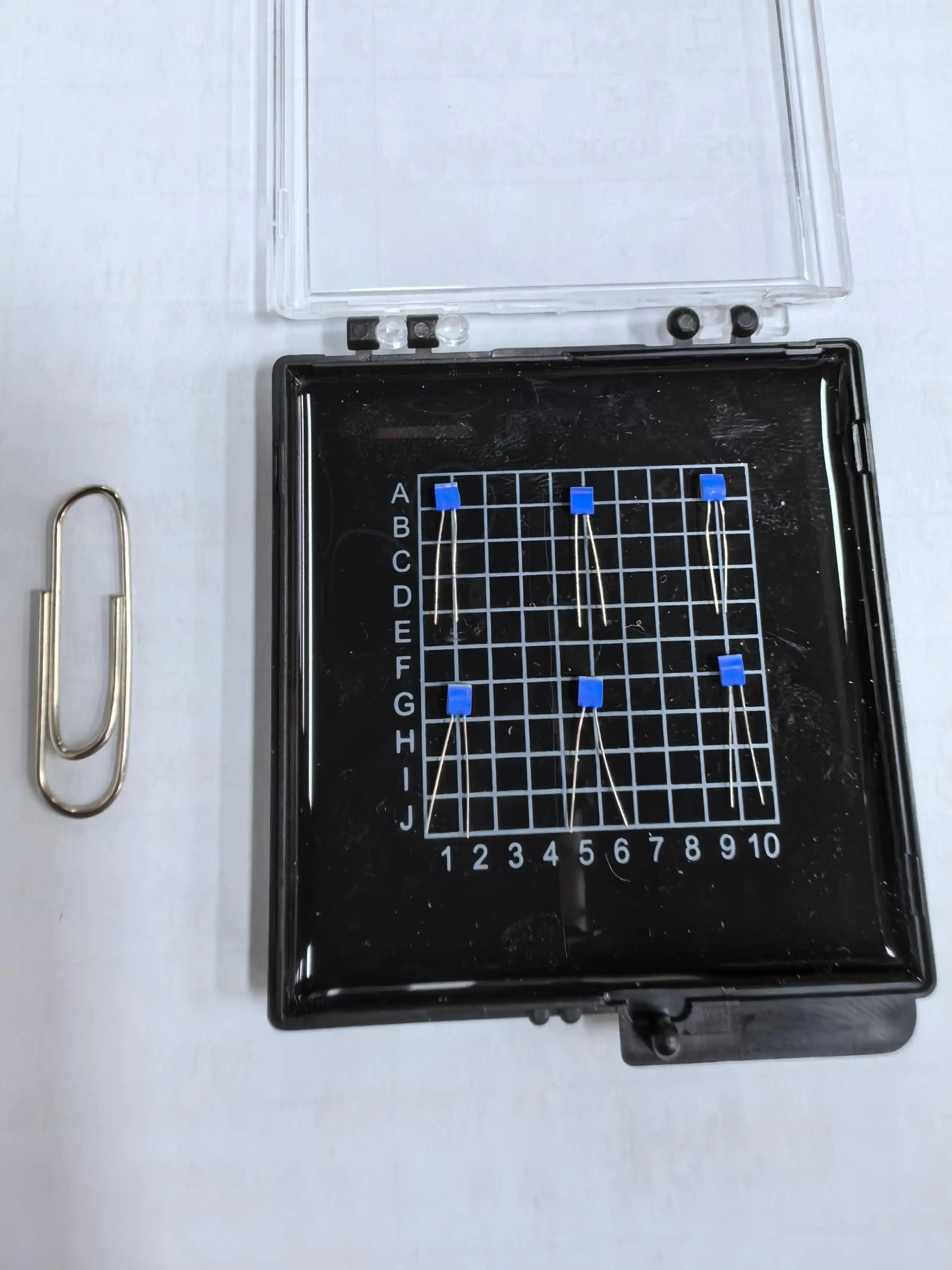
How to Choose the Best -200°C Temperature Sensor for Your Industrial or Laboratory Needs?
To choose the best -200°C temperature sensor, you need to carefully compare the technical needs with the technologies that are already available. For years to come, the choice will affect how accurate the system is, how much it costs to maintain, and how reliably it works.
Accuracy and Response Time Requirements
Make it clear what level of accuracy you need. For example, Class AA accuracy (±0.1°C at -200°C) is often needed in the lab, while Class A accuracy (±0.35°C) may be enough for industry process control. When temperature changes quickly in dynamic processes, response time is very important. When properly placed in moving cold liquids, thin-film RTDs get a 63% response (T0.63) in less than one second.
Environmental Operating Conditions
Check the whole working area, not just the temperature. When sensors are in pressurized storage systems that can reach 300 bar or higher, pressure levels become very important. In mobile uses like aircraft fuel systems, vibration resistance is important, and sensors need to be able to handle 40g of constant vibration. Pay extra attention to vacuum compatibility. In a high vacuum, standard sensors give off gases that contaminate sensitive equipment. Glass-to-metal covers on hermetically sealed sensors stop outgassing and keep the accuracy of measurements.
Integration with Control Systems
The merging of sensors and control tools in modern manufacturing systems must be seamless. For reliable measurements along long cable runs, four-wire RTD connections get rid of lead resistance mistakes. Digital output choices that use the HART or Foundation Fieldbus protocols make system design easier and allow for more advanced monitoring. Different technologies have different needs for signal filtering. To keep self-heating mistakes to a minimum, RTDs need precise constant-current stimulation, which is usually 1 mA or less. At -200°C, a 0.1 K mistake caused by too much activation current can make it hard to control the process.
Supplier Evaluation Criteria
In addition to technical requirements, the success of a project depends on the skills of the seller. Look for companies that have experience with cold uses, which can be shown by certifications and installation references. ISO 9001 recognition makes sure that quality management is always the same, and NIST-traceable calibration certificates give customers faith in the accuracy of the work they receive. Being able to customize something is useful when normal goods don't meet specific needs. Customized probe lengths, sheath materials, or mounting setups that are made for a certain purpose can often mean the difference between good performance and great results.
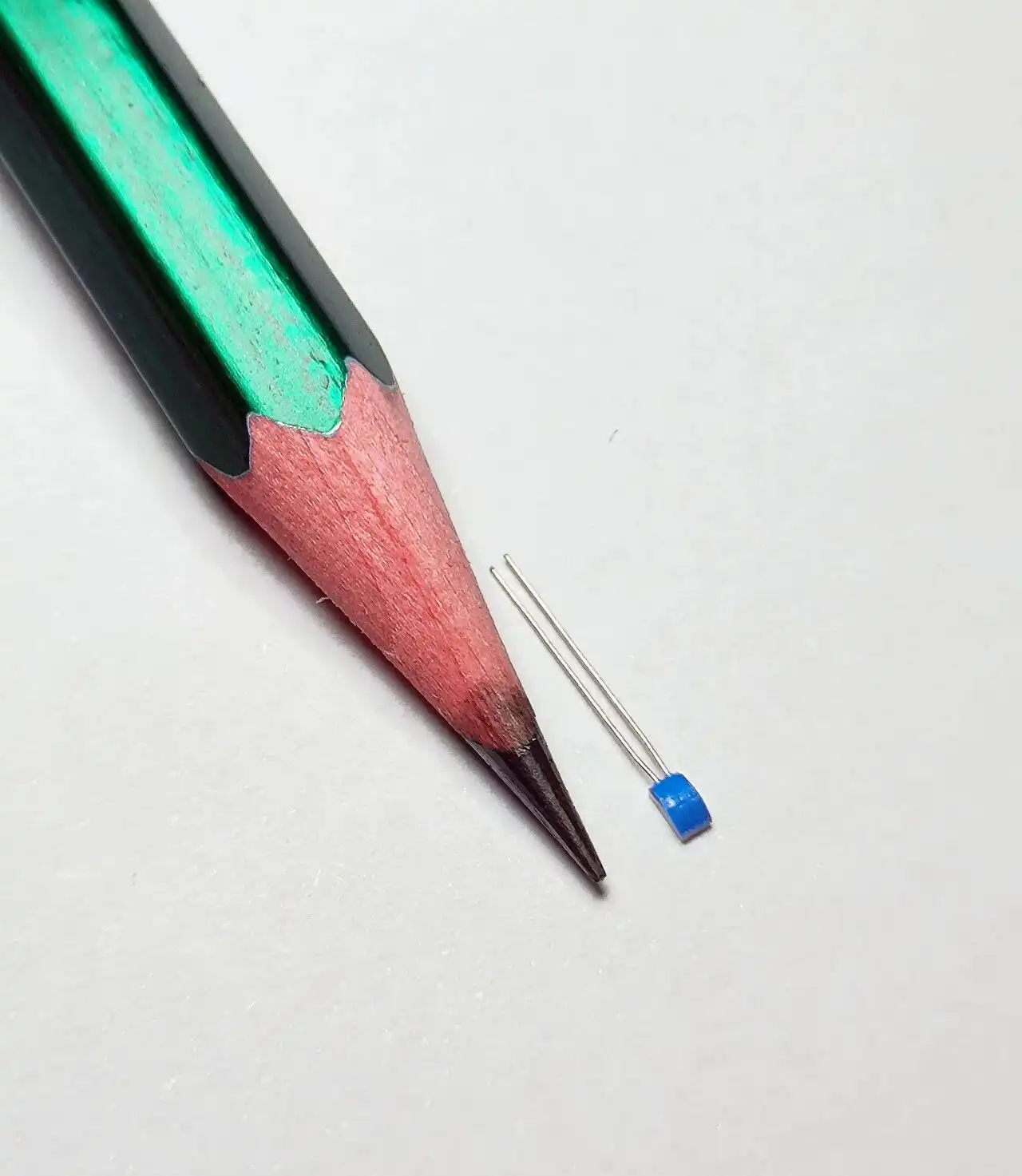
Installation, Maintenance, and Troubleshooting Tips for -200°C Temperature Sensors
When you place a sensor correctly, you protect your investment and make sure that readings are accurate for as long as the sensor is working. For instance, a -200°C temperature sensor must be carefully installed to ensure it performs reliably in cryogenic environments. A lot of sensor failures that people think are problems are actually caused by mistakes in placement or poor upkeep.
Installation Best Practices
Reduce thermal shock as much as possible during the initial cool-down by managing the rate of temperature change. Being exposed to frigid temperatures all of a sudden can break ceramic parts or hurt internal links. When possible, we suggest cooling in stages over 15 to 30 minutes. Immersion depth has a big effect on accuracy. Sensors need to be able to reach thermal balance in the medium they are measuring without causing mistakes in the way they are mounted. As a general rule, the depth of exposure should be at least 10 times the sensor's width.
Wiring and Shielding Techniques
By keeping the excitation and sensing circuitry separate, four-wire RTD links give the most accurate readings. Keep sensor connections away from high-power wires to keep electromagnetic interference to a minimum. Noise pickup is lower in industrial settings with twisted-pair structure and general shielding. Connection connections need to be kept dry and free of mechanical stress. We require strain relief at all connection places to keep wires from breaking during rounds of thermal contraction and expansion. At very low temperatures, copper wires that have been coated with silver keep their electrical purity better than copper that has not been coated.
Calibration and Maintenance Schedules
Cryogenic temperature cycling puts stress on sensor elements, which leads to drift over time. Drift is found before it affects process quality by calibrating every year against NIST-traceable standards. For important uses like medicine cryopreservation, proof may need to be done every six months. How to clean something depends on where it will be used. Sensors that are exposed to condensation need to have their junction boxes checked for ice buildup. For liquefied gas uses, purging methods may be needed to keep the gas from getting contaminated during upkeep.
Future Trends and Innovations in Cryogenic Temperature Sensing
As new materials and digital technologies make the field of cold sensors more powerful, it moves quickly forward. For example, the development of -200°C temperature sensor technologies enhances precision and reliability in extreme environments. Keeping up with new trends gives buying teams the chance to gain a competitive edge.
Advanced Material Technologies
Nanomaterial study could lead to sensors that are more accurate and last longer than ever before. Devices made of carbon nanotubes are very sensitive at very low temperatures and don't move much. These technologies are still mostly in the study stages, but they might be ready for use in businesses within the next ten years. Cryo-compatible materials give designers more options. New fluoropolymer formulas stay flexible below -200°C, which makes it possible to make sensors that weren't possible with regular materials before.
Digital Integration and IoT Connectivity
In large cryogenic sites, cable runs are not needed because of wireless sensor networks. Low-power radio protocols make it possible for sensors to run on batteries and send data constantly to tracking systems in the cloud. Trends can be found before they become problems with real-time data, which helps with predictive maintenance strategies. Digital twin technology makes virtual copies of real systems. This lets engineers test how sensors work in different situations. This feature helps you choose the best place for sensors and set them up before they are installed, which cuts down on the time and money needed for setup.
Smart Diagnostics and Self-Calibration
Next-generation sensors have processing built in so they can constantly diagnose themselves. These systems keep an eye on things like noise levels, excitement current, and lead resistance. If problems start to show up, they let workers know before the accuracy of the measurements is compromised. Some study examples use built-in reference standards to automatically correct for drift.
Conclusion
When choosing sensors for -200°C cryogenic uses, you have to think about how well they work technically, how well they work with the surroundings, and how reliable they will be in the long run. For precise tasks, RTDs are more accurate, while thermocouples are more durable for tough settings. The choice of material affects how long a sensor lasts, and for cryogenic work, special sheaths and protection are needed. For example, a -200°C temperature sensor must be designed to withstand extreme conditions while maintaining accuracy. Accuracy is maintained by installing it correctly, calibrating it regularly, and following the care instructions. New technologies offer better abilities through advanced materials and digital integration. This puts forward-thinking businesses in a good situation to benefit from higher reliability and efficiency.
FAQ
Q1: Why use an RTD instead of a thermocouple for -200°C applications?
A: When it comes to cold temperatures, RTDs are much more accurate and stable over time than thermocouples. The platinum resistance element behaves in a straight, expected way, while thermocouples have problems with nonlinearity and reference junctions. RTDs stay accurate to within ±0.1°C even after years of use, while thermocouples may change a lot.
Q2: Can standard temperature sensors function at -200°C?
A: Standard sensors don't work well in cold settings because the materials don't work well together. Normal insulation breaks down and cracks, protected sheaths get stress fractures, and sense elements stop working right. Specialized materials are used to make cryogenic sensors that can survive thermal contraction and keep their electrical integrity at very high temperatures.
Q3: How often should cryogenic sensors be recalibrated?
A: Most industrial uses only need to be calibrated once a year, but important tasks like moving LNG custody or storing drugs may need to be checked every six months. The frequency of calibration depends on how often the temperature changes, with sensors in unstable environments needing to be checked more often than those in stable environments.
Q4: What causes measurement drift in cryogenic sensors?
A: Thermal cycling forces sensor elements over and over, which changes resistance values over time. Moisture getting into insulation makes it less effective, and mechanical stress at connection points adds parasite resistances. Positive measurement mistakes can also be caused by self-heating from too much stimulation current. These effects are lessened by proper placement and upkeep.
Partner with Tongzida for Precision Cryogenic Temperature Solutions
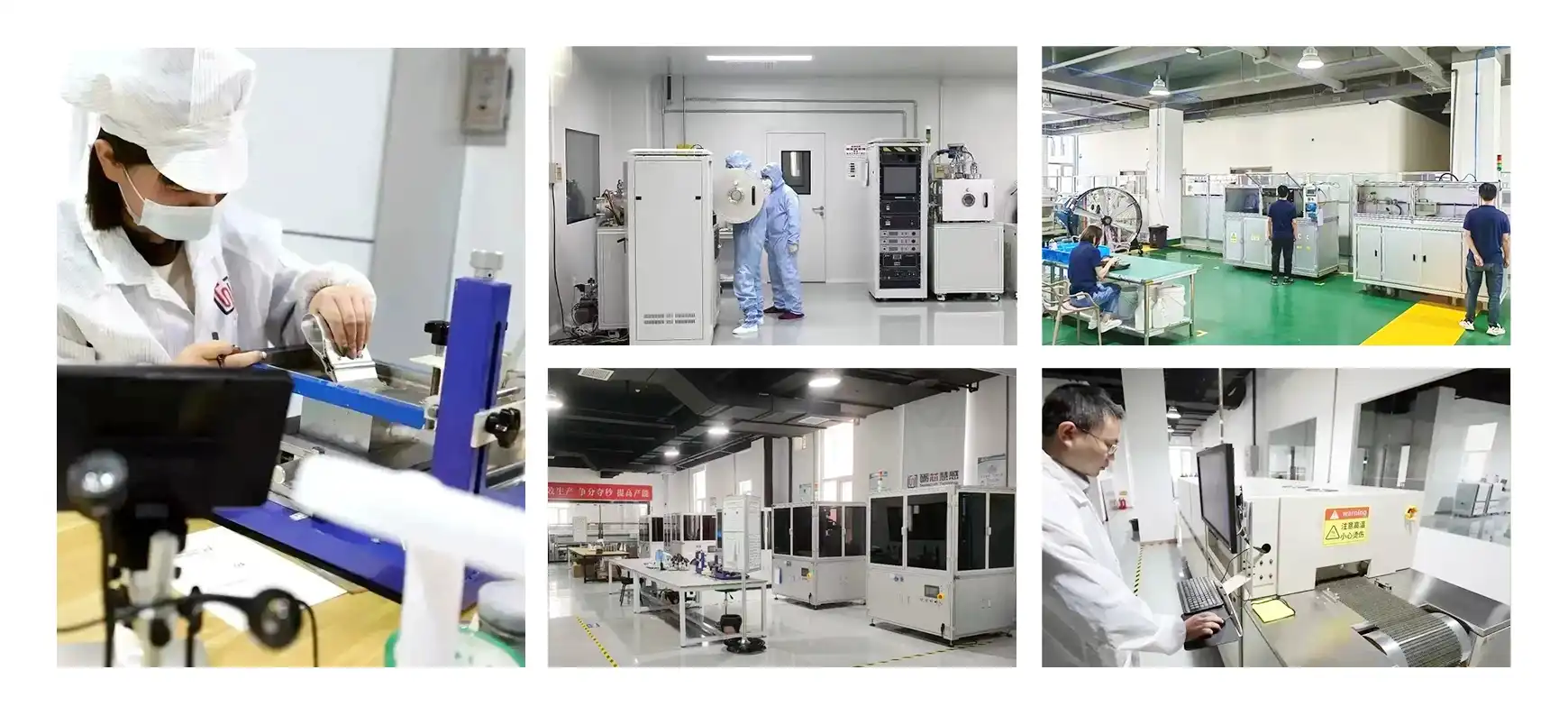
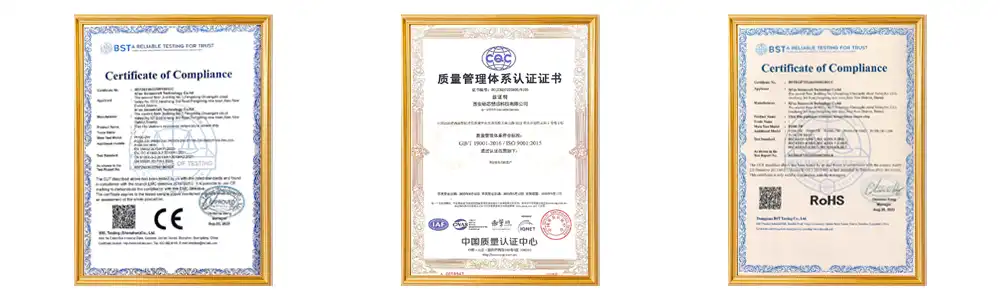
Xi'an Tongzida Technology has advanced thin-film platinum resistance sensors that were made to work with ultra-low temperatures and are ready to help you with your cryogenic measurement needs. Our factory's automated lines make -200°C temperature sensors that meet IEC60751 standards. They are accurate to ±0.01 Ω (1/30B level) and have long-term stability drift of ≤0.04%. We've established ourselves as a trusted -200°C temperature sensor manufacturer serving aerospace, medical, LNG, and industrial automation sectors globally.
Our technical team provides comprehensive FAE support throughout your evaluation process, helping you select optimal configurations for your specific application. Contact us at sales11@xatzd.com to discuss your requirements and receive a customized quote backed by our commitment to quality, reliability, and responsive service.
References
1. International Electrotechnical Commission. (2022). "Industrial Platinum Resistance Thermometers and Platinum Temperature Sensors - IEC 60751 Standard Specifications."
2. Nicholas, J.V. & White, D.R. (2021). "Traceable Temperatures: An Introduction to Temperature Measurement and Calibration, 3rd Edition." John Wiley & Sons.
3. Pavese, F. & Molinar, G. (2020). "Modern Gas-Based Temperature and Pressure Measurements, 2nd Edition." Springer International Publishing.
4. American Society of Mechanical Engineers. (2023). "Temperature Measurement in Cryogenic Applications - ASME Technical Report TR-001."
5. Quinn, T.J. (2019). "Temperature Sensing Technologies for Extreme Environments." Institute of Physics Publishing.
6. Rubin, L.G. & Brandt, B.L. (2021). "Cryogenic Thermometry: A Review of Recent Progress in Low Temperature Sensor Development." Review of Scientific Instruments, Volume 92, Issue 4.


Learn about our latest products and discounts through SMS or email