- English
- French
- German
- Portuguese
- Spanish
- Russian
- Japanese
- Korean
- Arabic
- Greek
- German
- Turkish
- Italian
- Danish
- Romanian
- Indonesian
- Czech
- Afrikaans
- Swedish
- Polish
- Basque
- Catalan
- Esperanto
- Hindi
- Lao
- Albanian
- Amharic
- Armenian
- Azerbaijani
- Belarusian
- Bengali
- Bosnian
- Bulgarian
- Cebuano
- Chichewa
- Corsican
- Croatian
- Dutch
- Estonian
- Filipino
- Finnish
- Frisian
- Galician
- Georgian
- Gujarati
- Haitian
- Hausa
- Hawaiian
- Hebrew
- Hmong
- Hungarian
- Icelandic
- Igbo
- Javanese
- Kannada
- Kazakh
- Khmer
- Kurdish
- Kyrgyz
- Latin
- Latvian
- Lithuanian
- Luxembou..
- Macedonian
- Malagasy
- Malay
- Malayalam
- Maltese
- Maori
- Marathi
- Mongolian
- Burmese
- Nepali
- Norwegian
- Pashto
- Persian
- Punjabi
- Serbian
- Sesotho
- Sinhala
- Slovak
- Slovenian
- Somali
- Samoan
- Scots Gaelic
- Shona
- Sindhi
- Sundanese
- Swahili
- Tajik
- Tamil
- Telugu
- Thai
- Ukrainian
- Urdu
- Uzbek
- Vietnamese
- Welsh
- Xhosa
- Yiddish
- Yoruba
- Zulu
What Is IEC 60751 Class A Pt100? Accuracy Guide
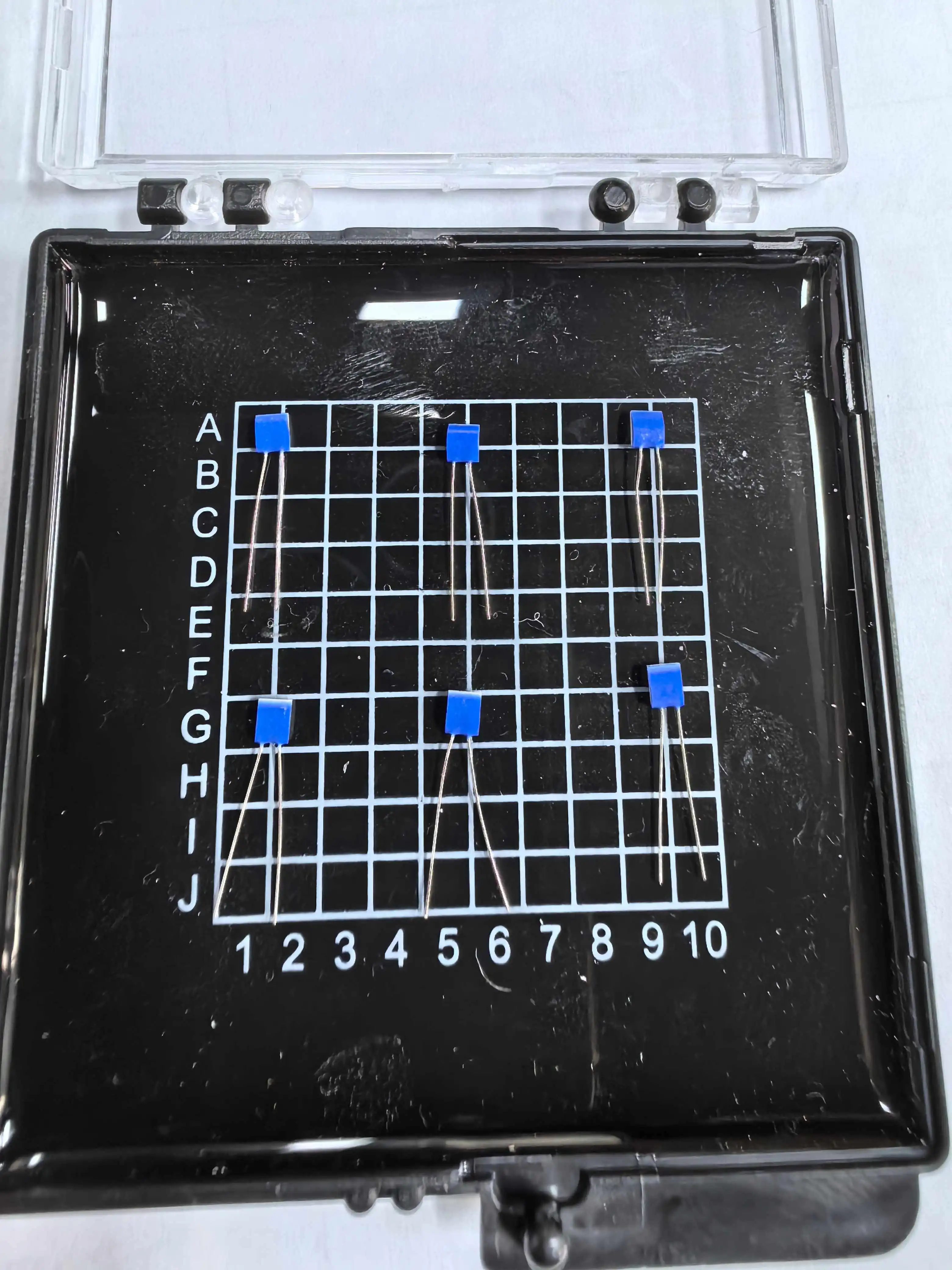
As per the well-known IEC 60751 standard, the IEC 60751 Class A Pt100 RTD sensor is a platinum resistance temperature monitor that is made to give a resistance of 100 ohms at 0°C. When something is approved for Class A, the accuracy limits are ±(0.15 + 0.002×|t|)°C, which is much stricter than what is needed for Class B. So, Class A Pt100 RTD sensors are important in factories where correct temperature readings affect worker safety, the speed of the process, and the quality of the product. Engineers and procurement managers trust these sensors because they work reliably, are stable over time, and don't let electromagnetic waves mess with them. All of these are very important for mission-critical systems that need to track temperature.
Understanding IEC 60751 Class A Pt100 Sensors
What the IEC 60751 Standard Defines?
IEC 60751 is a worldwide rulebook that tells industrial platinum resistance thermometers what they need to do. It is a key way to see how exact and effective Pt100 RTD sensors are around the world. The temperature coefficient of resistance (alpha value), limit classes, and test methods are some of the basic information in this standard.
Compliance is important because it makes sure that sensors made by different companies can work with each other and have the same level of performance in all kinds of work situations. Without this regularity, engineers would have to deal with a lot of risks, such as signal loss, problems with compatibility, and not knowing how long to wait between calibrations. All of these things make the process less safe and the end result less good.
Class A vs. Class B: Tolerance Differences That Matter
The range of limits that Class A and Class B Pt100 sensors can handle is what makes them different. Class A sensors can handle temperature changes of up to ±(0.15 + 0.002×|t|)°C, and Class B sensors can handle changes of up to ±(0.30 + 0.005×|t|)°C. In cases where even small changes in temperature can make a big difference, this difference is important.
It is because they work better and more correctly across a wider temperature range that class A sensors are so important for keeping medicines cold, for precise heat treatment processes, and for important HVAC systems. Engineers who want to make sure that a process will be stable in the long term always ask for Class A grades. If there is less error in the measurements, the batches will be more consistent and break less often.
How Platinum Resistance Temperature Detectors Work
Platinum resistance temperature sensors work on a simple idea: as the temperature goes up, the electrical resistance of platinum goes up in a straight line. There is a platinum element inside a Pt100 RTD sensor that is very well made and has a resistance of 100 ohms at 0°C and a known temperature coefficient.
The resistance can be used to get a good idea of the temperature because of the way the two numbers are related. More accurate Class A sensors are made with more pure platinum, better production standards, and more complex thin-film or wire-wound technologies. These changes to the building reduce delay, speed up response times, and extend the life of the equipment. All of these things have a direct effect on the total cost of ownership for people who buy things and care more about long-term value than price at first.
Key Performance Dimensions of IEC 60751 Class A Pt100 RTD
Temperature Range and Long-Term Stability
Sometimes, Class A Pt100 RTD sensors can work well from -200°C to +850°C. However, the exact temperature ranges rely on how they are built and what the cover is made of. These sensors are unique because they are very stable over a long period of time. In tough industrial settings, their drift rates are as low as 0.04% per year. This level of stability is very important for things like bioreactor thermal mapping and keeping an eye on the temperature of turbine bearings, where sensor drift can lead to false alarms or hide problems that are already happening.
How stable something is depends on things like how pure the platinum is, how it is built, and how well the safe sheath is sealed. Engineers who are looking at sensors should ask for long-term drift specs and look at accelerated aging test data to make sure the performance numbers match the time frame they expect the sensor to last for.
Response Time and Thermal Performance
Response time tells you how quickly a temperature sensor can pick up on a 63.2% change in temperature. This is a very important feature for controlling systems that change over time. When used in direct immersion, advanced thin-film Pt100 RTD sensors can answer in as little as 0.05 seconds. This lets you handle jobs with fast temperature changes in real time, which are common in making semiconductors and testing cars.
What makes a response happen includes how heavy the element is, how well the protective materials conduct heat, and how well the sensing element touches the thing that is being watched. People who are in charge of buying things should look at response time data in situations that are like the real-life application when they buy sensors for fast processes. Conditions like flow rates, hanging setups, and the quality of the media should be on this list.
Wiring Configurations and Signal Integrity
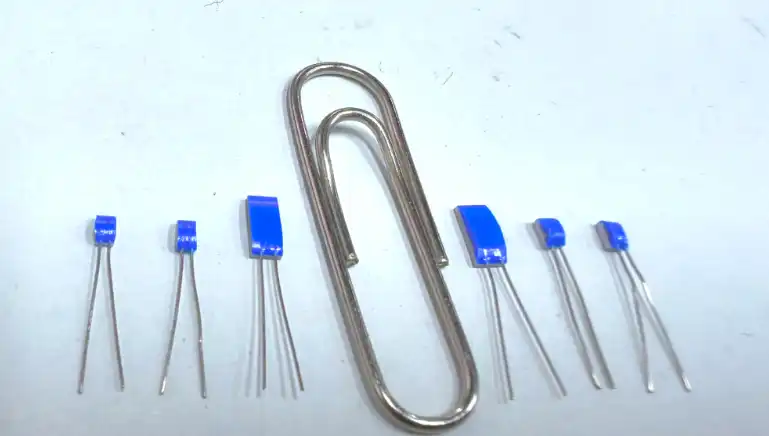
Here are the main ways that Pt100 RTD sensors can be connected, along with what each one means for business:
- Two-Wire Configuration: This is a cheap way that works well when the resistance of the lead wire is not important for getting a good reading. When line runs are short and accuracy isn't very important, two-wire sensors work well.
- Three-Wire Configuration: Each three-wire setup uses a single lead to make up for the resistance of the leads. This makes it much more accurate than two-wire designs. For most process control jobs, this setup is the best choice because it hits a good mix between price and effectiveness.
- Four-Wire Configuration: With four-wire Kelvin links, there are no effects of lead resistance, so you get the most exact results for tests and lab work. This set-up is needed to keep Class A accuracy over long wire runs or in places with a lot of electromagnetic jamming.
With these line options, engineers can find the best balance between how accurate the system is, how hard it is to set up, and how much it costs all together. The decision is based on the length of the cable, how temperature changes affect the lead's resistance, and how important it is to get exact measurements. Procurement teams can pick the best choices that don't break program standards or over-engineer them when they know about these trade-offs.
Comparison and Selection Criteria for Industrial Pt100 RTD Sensors
Pt100 vs. Pt1000 and Pt500: Resistance Value Trade-offs
At 0°C, Pt100 RTD sensors still have 100 ohms, which is the norm in the business. To keep things the same, Pt1000 sensors have 1000 ohms and Pt500 sensors have 500 ohms. Better signal-to-noise ratios and less lead resistance are caused by higher base resistance values. This is helpful when there are long wire runs or a lot of electrical noise. But Pt100 sensors are mostly used in factories because they are cheap, easy to find, and can connect to other devices. If engineers are looking at other options, they should decide if they can go against the Pt100 standard because of things like a wire length of more than 100 meters or a lot of electromagnetic interference. They should know that this could limit their choices for future suppliers and make it harder to keep track of extra parts as well.
Pt100 RTD Sensors vs. Thermocouples and Thermistors
Comparing platinum resistance thermometers to thermocouples and thermistors, which are also ways to measure temperature, makes the pros and cons of each very clear. Thermocouples react quickly and work best in places that are very hot (above 1000°C). However, they are less accurate, need to be adjusted for cold joints, and can be harmed by electromagnetic interference. There isn't a lot of money to spend on thermometers, but they are very sensitive and can only measure a small range of temps. Pt100 RTD sensors are in the middle.
They are very accurate, work well with a wide range of temperatures, but they need an outside current to get excited. Because of this, RTDs are great for handling industrial processes that need to be accurate to within 0.1°C. Their long-term stability makes up for the fact that they cost more to set up than thermocouples.
Critical Selection Criteria for Industrial Applications
There are a lot of technical and business things you need to think about when picking the right platinum resistance thermometer. The temperature range must be able to handle both regular working conditions and any changes that might happen. It is best to choose the accuracy class based on the process tolerance needs, since tighter needs cost more. Materials for building and covering are picked based on how they react to things like shock, vibration, chemicals, and loads. The need for response time changes how parts are made and how they are placed.
The layout of the wires and the output signals depend on how well they work with the current data gathering and control systems. Industrial-grade Class A solutions are available from top companies like Honeywell, Siemens, Omega, ABB, and GE. These solutions come with varying levels of expert support, customizable options, and certification paperwork. When you buy something in a controlled business that needs full traceability, you should think about all of these things.
Maintaining Accuracy – Calibration, Troubleshooting, and Best Practices
Calibration Methodology and Recommended Intervals
Following the steps in IEC 60751 testing is the only way to make sure that a Pt100 RTD sensor stays accurate to Class A standards for its whole useful life. At a number of temperature points within the working range, sensor results are compared to known reference standards in standard calibration. Most of the time, these temperature points are between 0°C, which is the point at which water freezes, and 100°C, which is the point at which water boils. How important the app is, how it's being used, and any rules or laws that apply will determine how often you need to adjust.
For pharmaceutical and medical uses, calibrations need to be done once a year. For less important business uses, it may be okay to wait 18–24 months. To get the most out of their calibration frequency, companies that use predictive maintenance should keep an eye on drift trends over time and plan recalibrations based on when performance starts to drop, not on random dates. This method keeps readings accurate while cutting down on the cost of tests that aren't needed.
Common Issues and Troubleshooting Strategies
Most of the time, resistance temperature monitors have clear problems that can be fixed in a planned way. Bad wiring is the most common issue. It can show up as open circuits, short circuits, or lines that don't always work. This could mess up data or stop sensors from working. You can quickly find these issues by checking the terminations and making sure they are consistent. Electrical noise interference can damage installations in places with a lot of EMI. You can fix this by adding better shielding, using twisted-pair wires, or moving the data lines away from the power lines.
When a sensor moves out of its normal range, it means that the platinum element is breaking down. This can happen because of dust, mechanical stress, or big changes in temperature. When moisture gets into sensor bases, it lowers the insulation resistance, which can cause errors in measurements. You can avoid this by closing and protecting the surroundings properly. Sensors last a lot longer and maintain their measurement accuracy with regular preventative maintenance like eye checks, checks for insulation resistance, and regular checks against portable calibrators.
Real-World Performance Case Studies
Using sensors in industry has shown that picking the right ones and keeping them in good shape lead to better process control. When a drug business added Class A Pt100 sensors to their lyophilization equipment, the difference in temperature between runs was cut in half. This turned the goods into more uniform ones and lowered the chances of not following the rules. Thin-film platinum resistance thermometers were replaced by thermocouples by a business that heat treated car parts. This kept the temperature more even in all parts of the oven and cut the number of scrap parts by 15%. These numbers show that correct temperature readings really do pay off because they improve quality, cut down on waste, and speed up processes.
Procurement Guide for IEC 60751 Class A Pt100 Sensors
Identifying Certified Suppliers and Quality Assurance
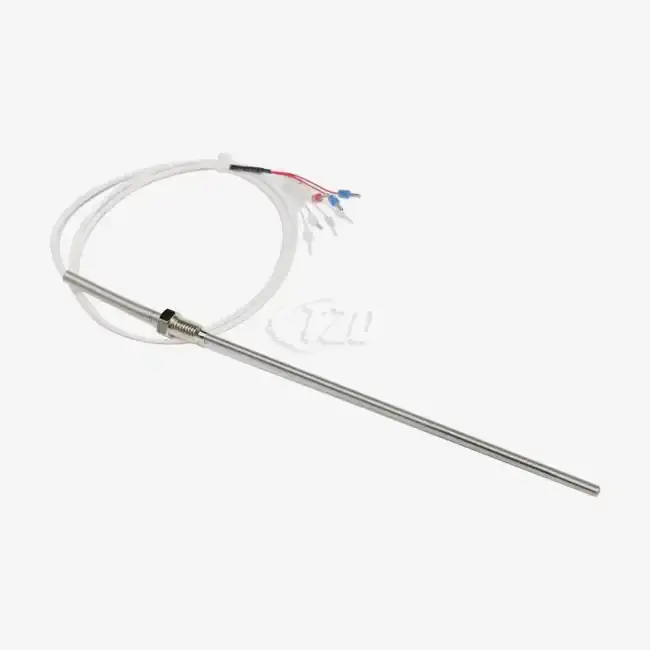
If you buy IEC 60751-approved Pt100 RTD sensors from a trustworthy source, you can be sure of their quality and compliance, which protects your business from fake parts and poor performance. Sellers you can trust will give you a lot of paperwork, such as testing certificates that can be traced back to national standards groups, material licenses for wet parts, and statements that they agree with important rules. If you want to know if a provider is qualified, you should look at their quality management system certifications, ideally ISO 9001, as well as any certificates that are important to your business within the quality management system.
So that they know the units are real, buying teams should ask for test samples before they buy a lot of them. This is very important when changing providers or adding sensors to important apps. This step checks to see if there are any issues with compatibility and confirms that the specs match how well it works in your specific environment.
Market Pricing Trends and Volume Considerations
Industrial platinum resistance thermometers will be in high demand in 2024. This shows that the supply chain is still getting back to normal after problems in the past. The price is affected by how much platinum costs, how hard it is to make the thermometers, and how many different styles are needed. Class A Pt100 sensors in common setups can range in price from low to high, depending on how well they are made and how well-known the company that makes them is.
It can save you a lot of money to buy things in bulk. Most of the time, you can save 15 to 25 percent if you buy more than 100 units. Customization options, like choosing a different cover material, wire specs that aren't common, or a specific size, cost an extra 20 to 50 percent on top of the base price. However, they may be needed in some situations. Purchasing managers shouldn't just look at the price of the item when they first buy it. They should also consider the total cost of ownership, which includes things like how often the sensors need to be calibrated, how long they are expected to last, and how much it costs to shut down the process when a sensor fails.
Manufacturer Comparison and Support Services
You need to look at technical specs, price, and customer service when picking between the best platinum resistance thermometer brands. Many times, well-known names cost more, but they have a past of being reliable, a lot of application experience, and a lot of papers. There may be cheap prices and quick local help from regional providers, but they need to be very qualified to make sure the goods are always made the same way. There is a wide range of warranty terms, from one year for most items to up to five years for high-end items.
Technical support is very important for picking the right sensors, fixing issues that come up during installation, and making apps better all the time. Getting help from field application engineers can help you figure out where to put sensors and make sure they work with control systems. These parts of the service are often what set one company apart from another more than small changes in specs. This is very important for businesses that use sensors in more than one place or task.
Conclusion
In factories, where precision, stability, and reliability are very important for the quality of the process and the final product, IEC 60751 Class A Pt100 RTD sensors are the standard for exact temperature readings. The Class A standard has better tolerance performance, which is needed in the pharmaceutical business, when testing cars, in industrial robotics, and other tough areas. To pick the correct sensor, you need to know its scientific features, such as its tolerance classes, temperature ranges, wire configurations, and how it reacts.
Then you need to make sure that these features fit the needs of your program. To make sure that numbers are correct in the long run, procurement teams also need to check the qualifications, certifications, and customer service skills of providers. When companies do regular testing and preventative maintenance on their sensors, they get the most out of them and also save money over the life of the sensors. When engineers and people who buy things use the criteria and buying tips in this guide, they can be sure that the platinum resistance thermometers they pick will meet business and research needs.
FAQ
Q1: What accuracy advantage does Class A provide over Class B?
A: In what way does Class A Pt100 RTD sensors do something better than Class B? Class A sensors can handle ±(0.15 + 0.002×|t|)°C, and Class B sensors can handle ±(0.30 + 0.005×|t|)°C. At 100°C, Class A accuracy is ±0.35°C and Class B accuracy is ±0.80°C. When consistency down to the degree level is needed, this difference has a big impact on process control.
Q2: How frequently should industrial Pt100 sensors be calibrated?
A: How often should the calibration of Pt100 sensors used in business be done? You should adjust your program as often as it is being used and how important it is. Once a year is generally enough to measure things used in medicine and pharmaceuticals. It is usual for business processes to go every 18 to 24 months. If you keep an eye on drift trends, you can plan calibrations based on the situation. This saves money and keeps measurement accuracy high.
Q3: Can Class A Pt100 RTD sensors withstand harsh industrial conditions?
A: Is it possible for Class A sensors with the right sheath materials and ingress protection grades to work in tough conditions? These devices always work in tough chemical environments, machines with high vibrations, very high temperatures, and high-pressure systems as long as they are built correctly. If you pick sensors whose specs match the forces in the outside world, they will last a long time without degrading or breaking.
Partner with Tongzida for Precision Temperature Sensing Solutions
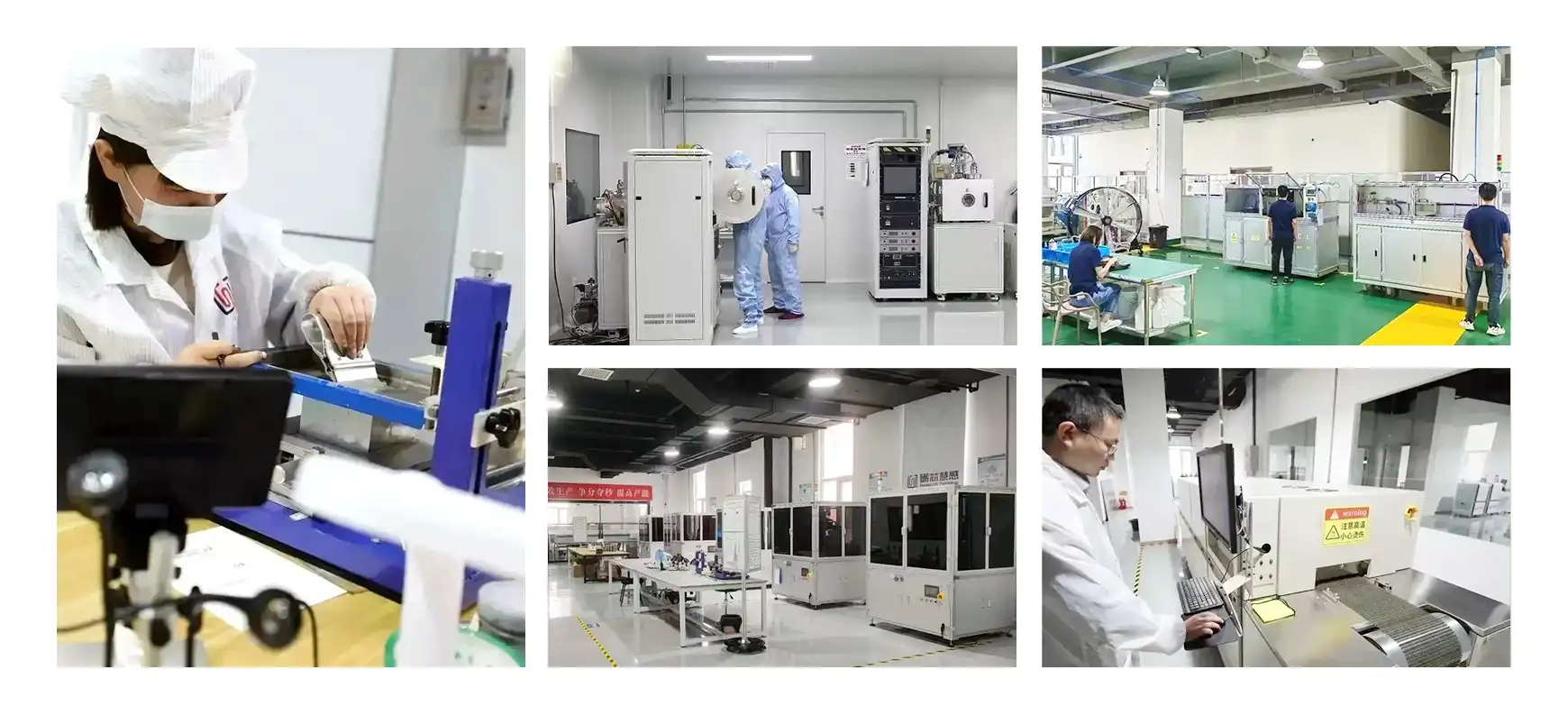
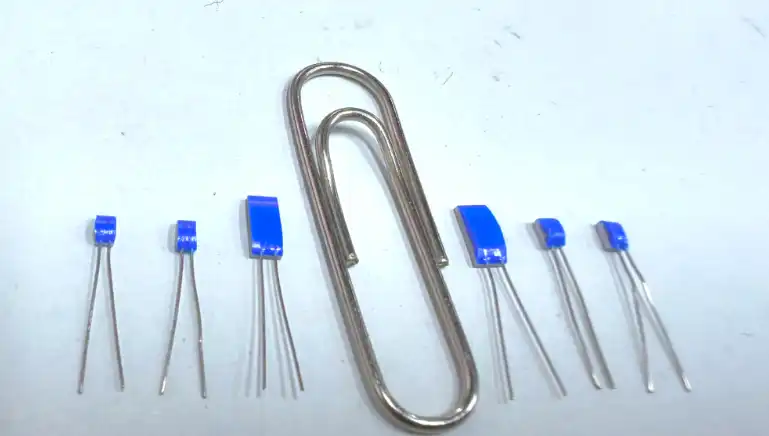
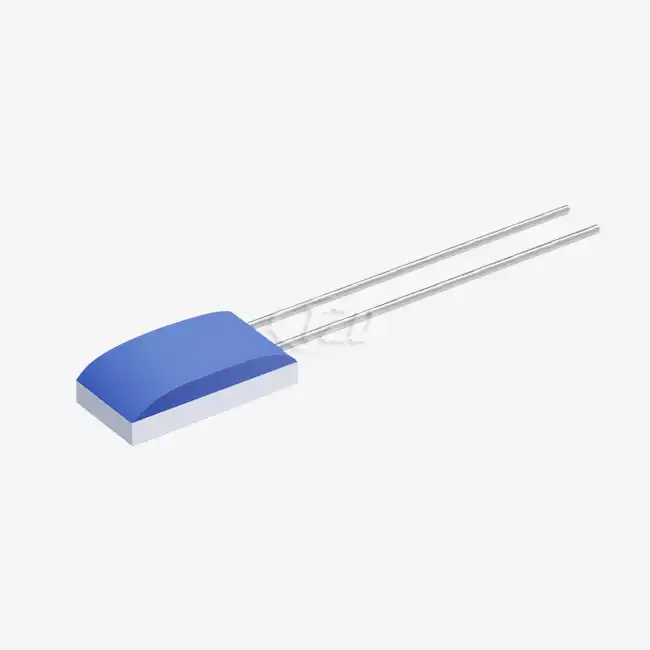
Advanced Pt100 RTD sensor options from Xi'an Tongzida Technology are made to handle tough industrial tasks that need accuracy and steadiness. We are a well-known business that makes thin-film platinum resistance thermometers. To make sensors that meet IEC 60751 standards, we have mastered difficult problems in microsensor manufacturing technology and unique packing methods. There are automatic lines in our factory that make thin-film temperature sensor chips that can work at room temperature, very high temperatures, and very low temperatures. There is a ±0.01 Ω (1/30B level) error in these chips, and their long-term stability shift is no more than 0.04%.
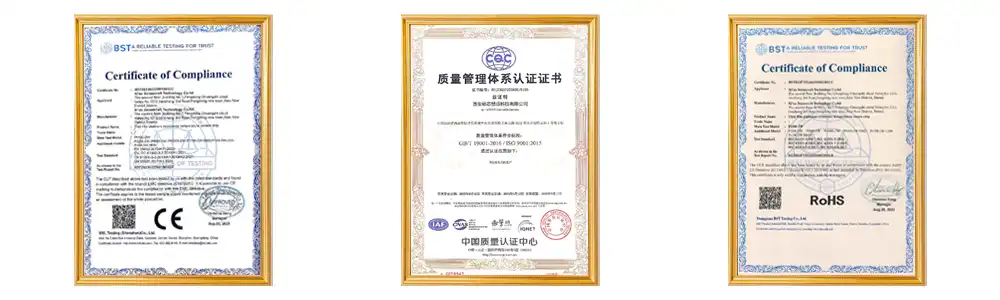
There are different sizes (1.2mm to 4.0mm), lead materials (like platinum-nickel and silver-nickel), response times (up to 0.05 seconds), and shaking resistances (up to 40g) that you can use to make your own. It has features that meet the needs of businesses like medical equipment, robotics, car electronics, and industrial automation. The fact that we have ISO 9001, ROHS, and CE certifications shows that we care about quality control and following all the rules. Email our engineering team at sales11@xatzd.com to talk about your specific temperature sensing needs, get technical information, or get price quotes for buying in bulk.
References
1. International Electrotechnical Commission. (2022). IEC 60751:2022 Industrial platinum resistance thermometers and platinum temperature sensors. Geneva: IEC.
2. Nicholas, J. V., & White, D. R. (2021). Traceable Temperatures: An Introduction to Temperature Measurement and Calibration (3rd ed.). Chichester: John Wiley & Sons.
3. Bentley, R. E. (2023). Temperature and Humidity Measurement: Theory and Practice of Industrial Sensors. Singapore: Springer Nature.
4. American Society for Testing and Materials. (2023). ASTM E1137/E1137M-20 Standard Specification for Industrial Platinum Resistance Thermometers. West Conshohocken: ASTM International.
5. Webster, J. G., & Eren, H. (2023). Measurement, Instrumentation, and Sensors Handbook: Electromagnetic, Optical, Radiation, Chemical, and Biomedical Measurement (2nd ed.). Boca Raton: CRC Press.
6. Michalski, L., Eckersdorf, K., & McGhee, J. (2022). Temperature Measurement in Industrial Applications (4th ed.). Hoboken: John Wiley & Sons.

Learn about our latest products and discounts through SMS or email