- English
- French
- German
- Portuguese
- Spanish
- Russian
- Japanese
- Korean
- Arabic
- Greek
- German
- Turkish
- Italian
- Danish
- Romanian
- Indonesian
- Czech
- Afrikaans
- Swedish
- Polish
- Basque
- Catalan
- Esperanto
- Hindi
- Lao
- Albanian
- Amharic
- Armenian
- Azerbaijani
- Belarusian
- Bengali
- Bosnian
- Bulgarian
- Cebuano
- Chichewa
- Corsican
- Croatian
- Dutch
- Estonian
- Filipino
- Finnish
- Frisian
- Galician
- Georgian
- Gujarati
- Haitian
- Hausa
- Hawaiian
- Hebrew
- Hmong
- Hungarian
- Icelandic
- Igbo
- Javanese
- Kannada
- Kazakh
- Khmer
- Kurdish
- Kyrgyz
- Latin
- Latvian
- Lithuanian
- Luxembou..
- Macedonian
- Malagasy
- Malay
- Malayalam
- Maltese
- Maori
- Marathi
- Mongolian
- Burmese
- Nepali
- Norwegian
- Pashto
- Persian
- Punjabi
- Serbian
- Sesotho
- Sinhala
- Slovak
- Slovenian
- Somali
- Samoan
- Scots Gaelic
- Shona
- Sindhi
- Sundanese
- Swahili
- Tajik
- Tamil
- Telugu
- Thai
- Ukrainian
- Urdu
- Uzbek
- Vietnamese
- Welsh
- Xhosa
- Yiddish
- Yoruba
- Zulu
What to Consider in Cryogenic Sensors for -200°C
Engineers and buying teams have to make hard choices about which sensors will work at -200°C based on material science, calibration accuracy, and long-term dependability. Cryogenic sensors are special detectors that are made to stay accurate and stable even when temperatures are very high, which is when most devices stop working. These devices have to work in temperatures from -150°C to almost absolute zero and keep their readings accurate while resisting thermal contraction, self-heating, and electromagnetic interference. Whether you're in charge of superconducting magnet tracking, LNG processing, or quantum computer systems, you need to know the technical details and performance trade-offs to make sure operations run smoothly and avoid costly system failures.
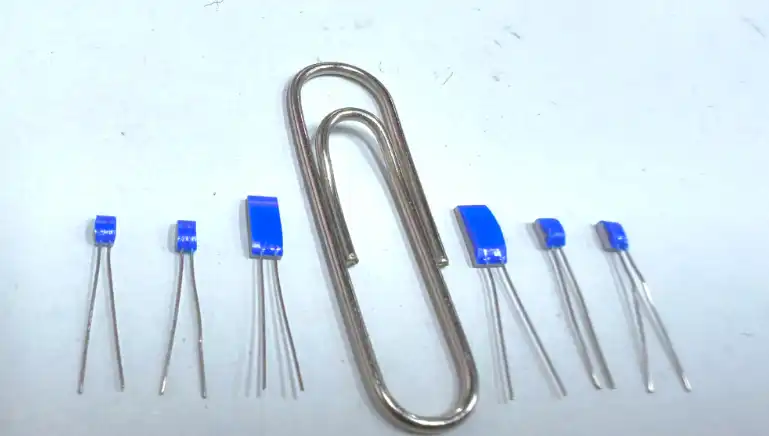
Understanding Cryogenic Sensors for -200°C
To measure temperatures at cryogenic levels, you need instruments that are very different from those used at room temperature. When exposed to very low temperatures, standard industrial sensors use materials that break easily, lose their electrical stability, or cause measurement errors that aren't acceptable. At -200°C (73 K), thermal shrinkage changes the size and resistance of things electrically in ways that make them less accurate.
Fundamental Operating Principles
To measure temperature at cold levels, you have to keep an eye on changes in the resistance of special materials. Unlike most sensors, ones made for -200°C settings use the known behavior of certain elements and compounds that keep their sensitivity close to zero. When the temperature changes at these high and low levels, platinum resistance temperature detectors (RTDs), silicon diodes, and certain ceramic materials like Cernox all react in different ways.
Key Sensor Technologies for Extreme Cold
Platinum RTDs are still the standard in the business because they can be used over and over and meet IEC60751 standards. High-purity platinum has a straight line link between resistance and temperature down to about -200°C. This makes these sensors perfect for tracking liquefied gases in industry. Silicon diodes work well in laboratory cryostats because they are very sensitive below 77 K and don't change much when they are exposed to a magnetic field. Cernox and Ruthenium Oxide sensors can measure temperatures up to a few millikelvins, which is useful for quantum computers. However, they are only used at -200°C because that's how they were designed, not because they have to.
Performance Advantages Over Standard Devices
In order to measure temperature at -200°C, sensors need to be built to withstand thermal shock, since normal systems would break when they were cooled quickly. Differential contraction fails can be avoided by using special packages with ceramic substrates and gold-plated leads. When placed correctly, these sensors have reaction times of less than 10 milliseconds in liquid settings and drift characteristics of less than 0.04% per year. In low-thermal-mass systems, measurement bias is avoided because self-heating is kept to a minimum—often in the nanowatt range. Because they are fast, stable, and don't cause much damage, they are essential for moving cargo between LNG ports, managing rocket fuel, and medical freezing equipment.
Critical Considerations When Choosing Cryogenic Sensors for -200°C
To choose the right sensor, you have to compare a number of technical factors to the needs of your application. For example, cryogenic sensors are specifically designed for extreme temperature conditions, requiring careful consideration of accuracy and durability. Engineers have to find a mix between accurate measurements and resistance to weather damage, all while planning for long-term calibration drift.
Calibration Standards and Traceability Requirements
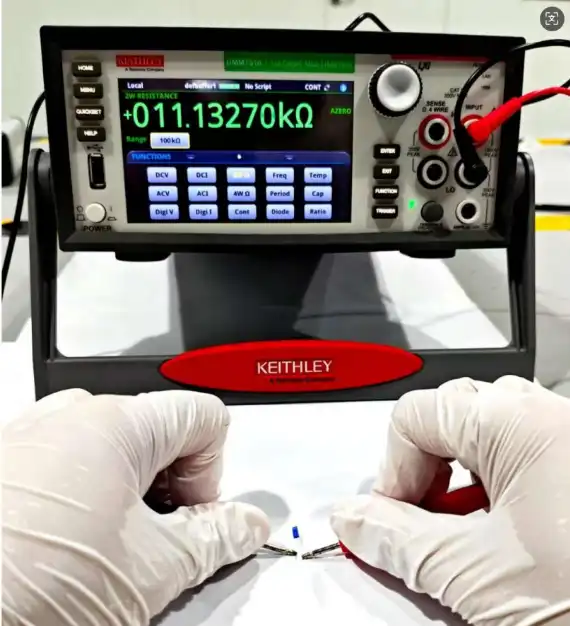
Calibration against NIST-traceable norms is the only way to get accurate results at freezing temperatures. Using triple-point-of-water (0.01°C) and liquid nitrogen (77 K) for fixed-point calibration makes reference curves, but -200°C is between these points, so they need to be interpolated. Calibration labs that are ISO/IEC 17025 certified give out certificates that show error budgets. For platinum RTDs, these budgets usually get as low as ±25 mK at 73 K. Your buying instructions should say that calibration papers are needed and that the regularity of thermal cycling and the importance of the data should determine how often the equipment needs to be re-calibrated.
Material Compatibility and Sensor Construction
The choice of material affects how long sensors last through multiple heat cycles. When borosilicate glass frits are used to connect platinum thin-film elements to alumina surfaces, the dimensions stay the same even when the temperature changes from room temperature to -200°C. Lead lines made of manganin or phosphor-bronze reduce the flow of unwanted heat while keeping the electricity flowing. Instead of plastics that weaken, packaging materials should use ceramic or metal housings with kovar-to-glass seals that keep air out. Sensor heads with diameters from 1.2mm to 4.0mm can be installed in a variety of ways, including in tight probe units and large-bore thermowells.
Environmental Factors Affecting Performance
When construction methods don't take environmental factors into account, measurement accuracy drops very quickly. When there is a vacuum, thermal grounding changes, which lets heat escape from the lead wire and throws off the real temperature by a few degrees. In aerospace uses, vibration conditions need shock rates above 100g, which means that the sensors need to be mounted in a rugged way. Noise can be caused by electromagnetic radiation from nearby power lines or RF equipment in high-impedance RTD circuits. This is why protected lead wires and grounded probe bodies are needed. To make sure that vendor offers meet these issues, procurement managers should list operating factors such as vacuum level, vibration spectrum, and EMI environment.
Comparative Analysis and Market Overview
Knowing how different kinds of sensors work at -200°C helps you make smart purchases. For instance, cryogenic sensors are specifically designed to maintain accuracy at these extreme temperatures. Performance measures are very different between systems, which has effects on costs and the supply chain.
Sensor Technology Performance Comparison
Platinum RTDs are widely available and have great long-term stability (drift under 0.05% yearly). They are used in most commercial cryogenic uses. Their linear reaction makes signal training easier, but as the temperature drops, their sensitivity goes down. Silicon diodes are more sensitive below 77 K, but they need to be fitted to a nonlinear curve and vary from batch to batch, so each one needs to be calibrated individually. Type E or Type T thermocouple joints can measure a lot of different temperatures, but they are not very sensitive at cryogenic temperatures, so they can only be used for broad tracking. In study settings, ceramic oxide sensors like Cernox offer very high resolution, but they are three to five times more expensive than industry RTDs.
Market-Leading Manufacturers and Product Lines
The market for cryogenic sensors is dominated by a few companies, each of which serves a different group of customers. Lake Shore Cryotronics focuses on high-quality study tools that can be calibrated in a variety of ways and come with personalized engineering support. Omega Engineering offers low-cost industrial sensors with faster lead times that are perfect for OEM integration.
Honeywell and Siemens both make sensors that are built into bigger automation systems. This makes them appealing to Tier 1 providers that want solutions from a single source. New companies like Tongzida Technology can make advanced thin-film devices, including platinum RTDs that meet IEC60751 (3850 ppm/°C TCR) standards and can work from -200°C to +850°C, with accuracy of up to ±0.01 Ω (1/30B tolerance class).
Procurement Channels and Pricing Structures
If you need to buy more than 1,000 units a year, direct OEM buying gives you the best prices, with savings of 20 to 35 percent compared to distributor prices. Industrial wholesalers like Grainger and Digi-Key meet the needs of development and small-batch testing. Their prices are higher per unit, but they have what you need right away. Custom sensor creation usually needs a minimum order of 500 to 1,000 units and one-time engineering fees of $5,000 to $25,000, based on how complicated the project is. Buyers who want to stick to a budget often start with standard stock items during the proof stages before committing to custom designs. This spreads out the costs of new product development over multiple years of production contracts.
Best Practices for Procurement and Use of Cryogenic Sensors
When you buy sensors, you should think about more than just the price. For example, cryogenic sensors may come with a higher initial cost, but their long-term reliability and performance at extreme temperatures can offer significant value. You should also think about the total cost of ownership, which includes calibration, upkeep, and replacement rounds.
Selection Criteria for Optimal Performance
Initial sensor selection is based on measurement range needs. Applications that only need to work at LNG temperatures (-162°C) can use less expensive Class B platinum RTDs, but applications that need to work over a wider range need more accurate Class A or 1/10 DIN devices. Environmental factors like vacuum level, magnetic field strength, and shaking patterns get rid of sensor types that aren't right. When money is tight, it's often necessary to choose between initial accuracy and long-term stability. For example, picking sensors with lower initial accuracy but better drift traits can lower the cost of calibration over their lifetime.
Maintenance and Calibration Best Practices
When working at -200°C, sensors need to be re-calibrated every 12 to 24 months, based on how often they are subjected to temperature cycling and how important the measurements are. As repeated trips speed up calibration drift, maintenance procedures should keep track of each heat cycle count. Accurate thermal coupling is ensured by using thermal cement between the sensor and the fixing surface during installation. To keep mechanical stress from building up during cool-down contractions, lead lines need strain release. When moisture gets into the insulation of the lead wire, it throws off the readings. In humid places, fully sealed sensor circuits stop this failure mode from happening.
Customization Options and Working together on development
Experienced makers can make a lot of changes that aren't in the brochure. Custom probe lengths, sheath materials, and terminating types can be made to fit the needs of each location. For better accuracy in certain working windows, specialized calibration curves that are designed for small temperature ranges are used. OEMs can combine their own signal processing with sensor parts through cooperative development programs, which makes it possible for them to make unique system solutions. Engineers should talk to possible suppliers early on in the design process and use their knowledge with similar projects to avoid common problems with integration.
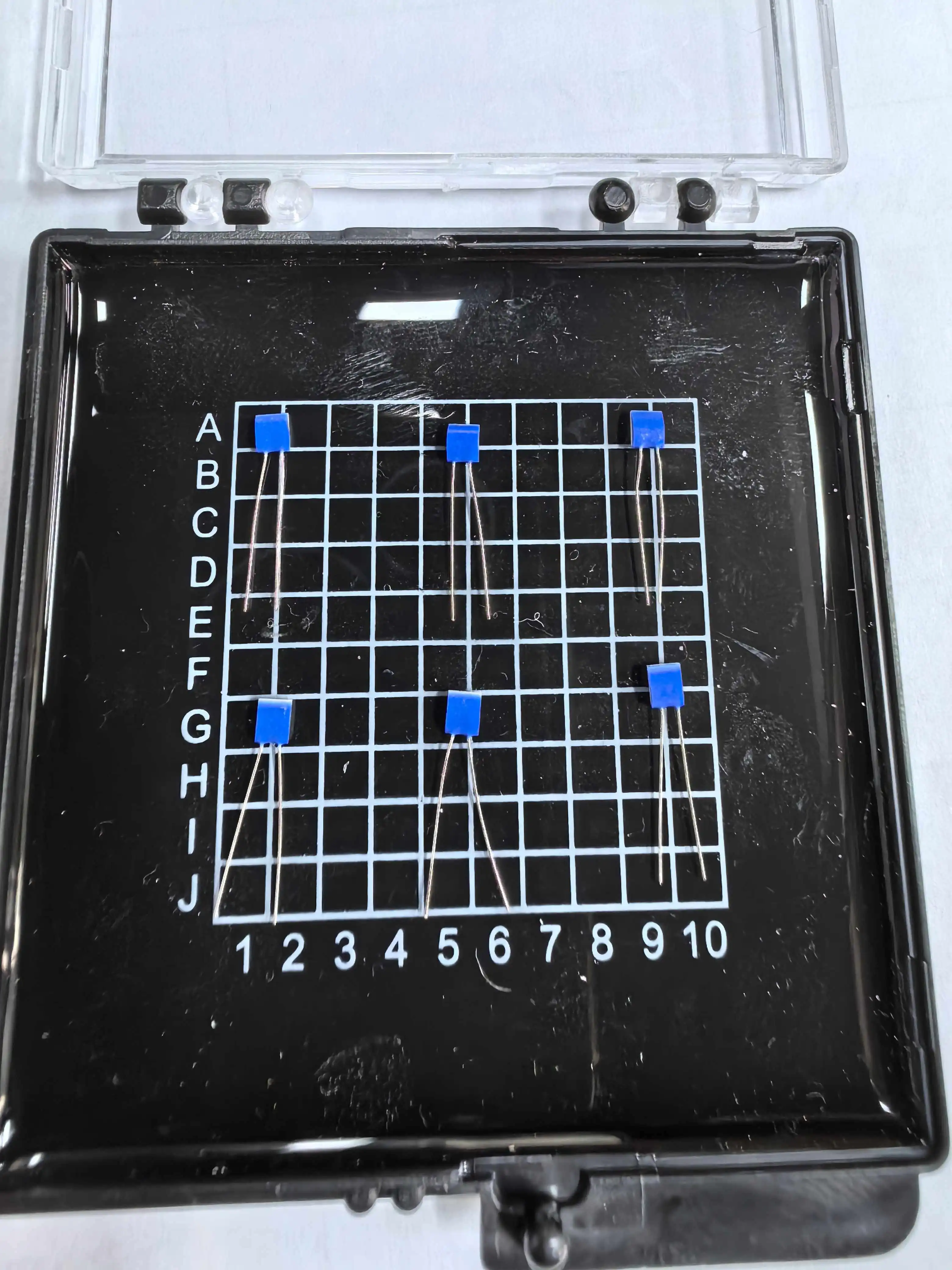
Future Trends and Innovation in Cryogenic Sensors
As new technologies come out, they offer better performance and more uses for measuring very low temperatures. Cryogenic sensors, for example, continue to evolve, providing more precise readings and broader applications in extreme environments.
Modern materials and ways of making things
Compared to wire-wound designs, platinum RTD elements made with thin-film lamination technologies have faster reaction times and better thermal coupling. Element-to-element resistance matching can now be done automatically to within ±0.01 Ω. This makes testing easier for high-volume uses. Nanostructured ceramic materials that are being developed have higher sensitivity and less dependence on magnetic fields, which meets the needs of superconducting magnet settings.
Adding more application domains
As quantum computing grows, so does the need for accurate temperature measurements below 1 K. Keeping base temperatures fixed has a direct effect on qubit coherence times. Space research projects depend more and more on liquid hydrogen propulsion, which means that sensors that can handle the harsh conditions inside launch vehicles are needed to keep an eye on propellant tanks. Accurate temperature control is needed for medical technology to move forward in cryosurgery and cryopreservation, which opens up possibilities in surgical tools and biobanking systems.
Strategies for Manufacturer Innovation
Big suppliers put a lot of money into research and development to make their products stand out. Adding smart sensors that measure temperature and use digital communication protocols (like Modbus and CANbus) makes system design easier for robots and self-driving cars. Lead wire heat leaks can no longer happen in vacuum systems with cryogenic sensors, but batteries still have a hard time lasting at low temperatures. Co-development partnerships between manufacturers and end users speed up the innovation cycle by turning application-specific needs into goods that can be bought faster than with standard development paths.
Conclusion
It takes a lot of technical know-how to choose sensors that can work at -200°C while combining accuracy, dependability, cost, and the needs of the application. Cryogenic sensors, for example, are specifically designed to perform in such extreme conditions. Platinum RTDs are still the workhorse of the industry because they are stable and meet all standards. However, specific materials are used for niche uses that need extreme performance. Understanding calibration needs, environmental factors, and long-term lifetime costs is more important than just knowing the original buy price for successful procurement. For tough uses, manufacturers that offer customization help and strong expert support are the most valuable. This is especially true when long verification cycles mean that investing in better solutions is worth it.
FAQ
Q1: How do cryogenic sensors differ from standard temperature sensors?
A: Standard sensors are made with materials and methods that work best at room temperature. At -200°C, normal parts break because of temperature shrinkage, become less sensitive, and have unacceptable drift rates. Specialized cryogenic sensors use high-purity platinum, special lead wire alloys, and ceramic surfaces that are designed to keep working even when they are exposed to very high temperatures.
Q2: What calibration frequency is recommended for sensors operating at -200°C?
A: How often you do temperature cycling and how important the application is determine how often you need to calibrate. For custody transfer cases that need to be legally tracked, the time between visits is usually between 6 and 12 months. When temperature cycling stays below 100 cycles per year, industrial process tracking can handle cycles of 12 to 24 months. Based on known stable trends, research uses that cycle rarely may be able to extend the time between cycles to 24 to 36 months.
Q3: Can sensors be customized for specific industrial applications?
A: Probe shape, sheath materials, calibration ranges, and termination styles can all be changed in a lot of ways by well-known makers. Custom development works best for high-volume uses that need more than 500 to 1,000 units per year, since this is when NRE costs can be spread out over time. When engineers work together, they can use their own signal processing and communication methods that are specially made for each system design.
Partner with Tongzida for Reliable Cryogenic Temperature Measurement
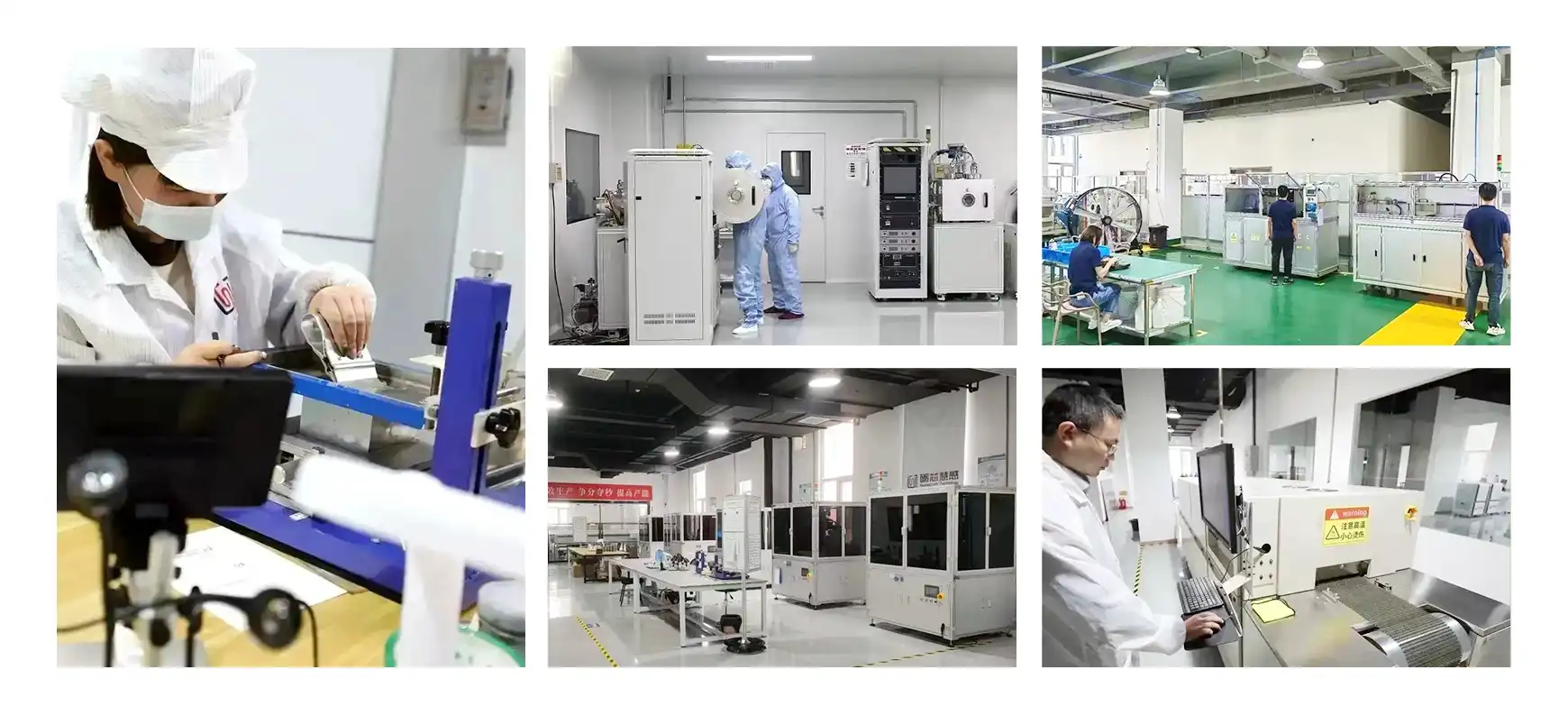
Tongzida Technology makes precise platinum resistance sensors that are made to work in harsh cold conditions as low as -200°C. Our thin-film RTD production lines make IEC60751-compliant sensors that are accurate to within ±0.01 Ω (1/30B) and have temperature coefficients of 3850 ppm/°C. Long-term stability drift of less than 0.04% and reaction times of up to 0.05 seconds mean that our sensors meet the high standards of companies that make aircraft, industrial automation, and medical equipment. Our expert team offers full FAE help throughout the whole buying process, whether you need regular catalog items or custom solutions made for specific uses. Talk to our engineering experts at sales11@xatzd.com about your needs for cryogenic sensors and find out why top OEMs choose Tongzida as their go-to maker for mission-critical temperature measurement.
References
1. Nicholas, J.V. and White, D.R. (2001). Traceable Temperatures: An Introduction to Temperature Measurement and Calibration. 2nd ed. Chichester: John Wiley & Sons.
2. Schooley, J.F. (1982). Thermometry. Boca Raton: CRC Press.
3. Rubin, L.G., et al. (1997). "Cryogenic Thermometry: A Review." Review of Scientific Instruments, 68(1), pp.1-19.
4. IEC 60751:2008. Industrial Platinum Resistance Thermometers and Platinum Temperature Sensors. Geneva: International Electrotechnical Commission.
5. White, D.R. and Saunders, P. (2002). "The Propagation of Uncertainty with Calibration Equations." Measurement Science and Technology, 13(6), pp.822-827.
6. Childs, P.R.N., Greenwood, J.R., and Long, C.A. (2000). "Review of Temperature Measurement." Review of Scientific Instruments, 71(8), pp.2959-2978.


Learn about our latest products and discounts through SMS or email