- English
- French
- German
- Portuguese
- Spanish
- Russian
- Japanese
- Korean
- Arabic
- Greek
- German
- Turkish
- Italian
- Danish
- Romanian
- Indonesian
- Czech
- Afrikaans
- Swedish
- Polish
- Basque
- Catalan
- Esperanto
- Hindi
- Lao
- Albanian
- Amharic
- Armenian
- Azerbaijani
- Belarusian
- Bengali
- Bosnian
- Bulgarian
- Cebuano
- Chichewa
- Corsican
- Croatian
- Dutch
- Estonian
- Filipino
- Finnish
- Frisian
- Galician
- Georgian
- Gujarati
- Haitian
- Hausa
- Hawaiian
- Hebrew
- Hmong
- Hungarian
- Icelandic
- Igbo
- Javanese
- Kannada
- Kazakh
- Khmer
- Kurdish
- Kyrgyz
- Latin
- Latvian
- Lithuanian
- Luxembou..
- Macedonian
- Malagasy
- Malay
- Malayalam
- Maltese
- Maori
- Marathi
- Mongolian
- Burmese
- Nepali
- Norwegian
- Pashto
- Persian
- Punjabi
- Serbian
- Sesotho
- Sinhala
- Slovak
- Slovenian
- Somali
- Samoan
- Scots Gaelic
- Shona
- Sindhi
- Sundanese
- Swahili
- Tajik
- Tamil
- Telugu
- Thai
- Ukrainian
- Urdu
- Uzbek
- Vietnamese
- Welsh
- Xhosa
- Yiddish
- Yoruba
- Zulu
What is Pt100 SMD thin film platinum resistor? The ideal choice for high-precision temperature measurement!
Accurate and stable temperature sensors are crucial in industrial temperature measurement, electronic device temperature control, and other scenarios. Pt100 SMD thin-film platinum resistors, as components that comply with DIN EN 60751 standards, have become the preferred choice in many industries due to their excellent performance. This article will provide a detailed analysis of its advantages, technical parameters, and applicable scenarios to help you determine whether it is suitable for your needs.
H2: Why is the core advantage of Pt100-SMD thin film platinum resistors far superior to similar products?
H3: Compared to NTC products, it leads in both linearity and stability
NTC sensors are prone to nonlinear deviations during temperature measurement, while Pt100 SMD thin film platinum resistors follow strict DIN EN 60751 standards, with extremely high output linearity and accurate feedback of temperature changes. At the same time, its structural strength is excellent, and it has good repeatability in long-term use, avoiding the common drift problem of NTC products, especially in continuous working scenarios, making it more reliable.
H3: Compared to lead type platinum resistors, it has more advantages in cost and process
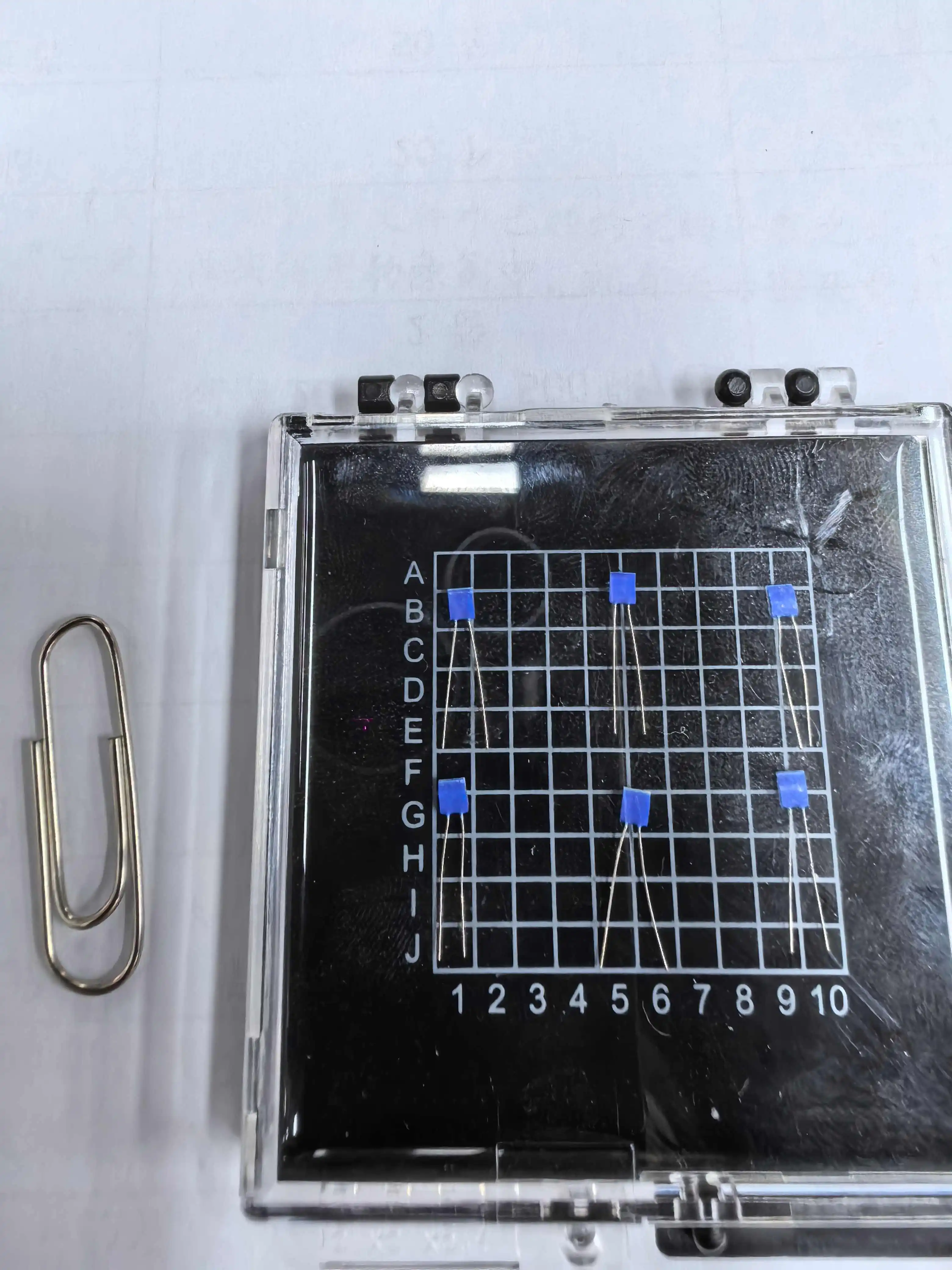
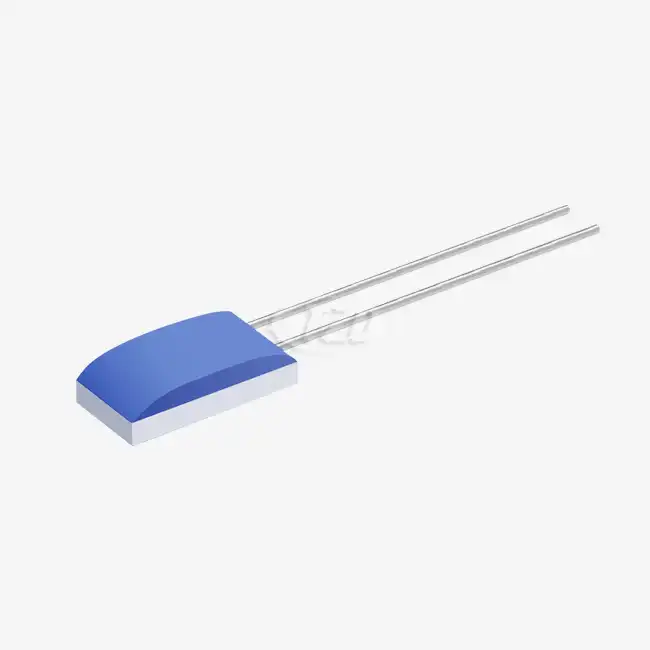
Traditional lead type thin-film platinum resistors have high costs and limited welding methods. The Pt100 SMD adopts SMD packaging design, which significantly reduces production costs and supports various soldering processes such as soldering, reflow soldering, and wave soldering. Reflow soldering and wave soldering are recommended methods, and high-temperature solder paste is used for soldering at 230-240 ℃, which is suitable for modern electronic manufacturing automation production lines and greatly expands its application range.
H3: Wide temperature range+high precision, suitable for temperature measurement needs in multiple scenarios
The temperature measurement range of Pt100 SMD covers -50 ℃~+200 ℃, and some models can meet specific requirements of 0~+150 ℃. Whether it is equipment monitoring in low-temperature environments or industrial production in medium high temperature scenarios, it can play a stable role. Its measurement accuracy is classified by level, with A level tolerance of ± (0.15+0.002 | t |), B level tolerance of ± (0.3+0.005 | t |), and 2B level tolerance of ± (0.6+0.01 | t |), with accuracy far exceeding the industry average.
H2: Key technical parameters of Pt100-SMD, understanding the selection core
H3: Basic parameters and structural design
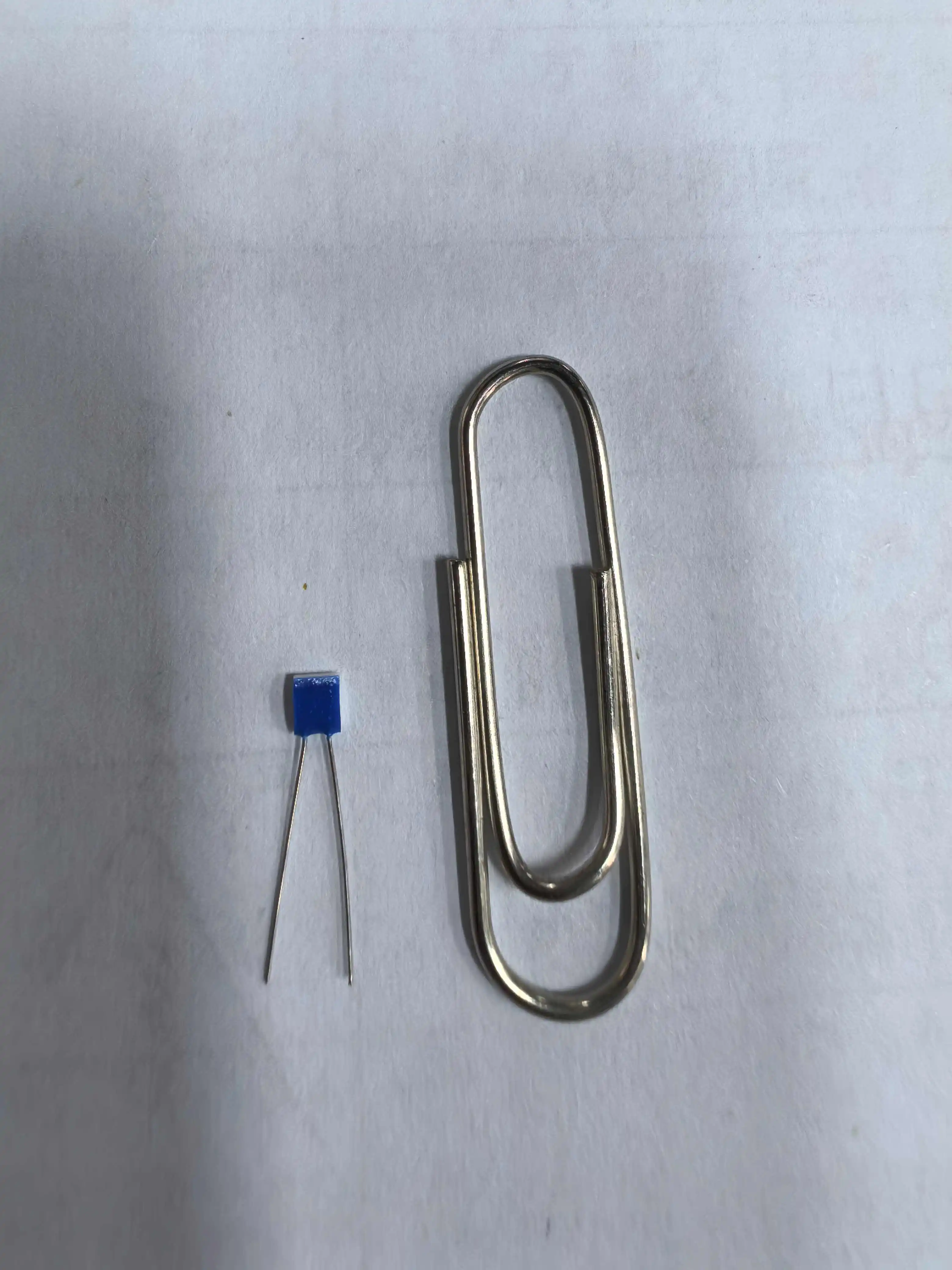
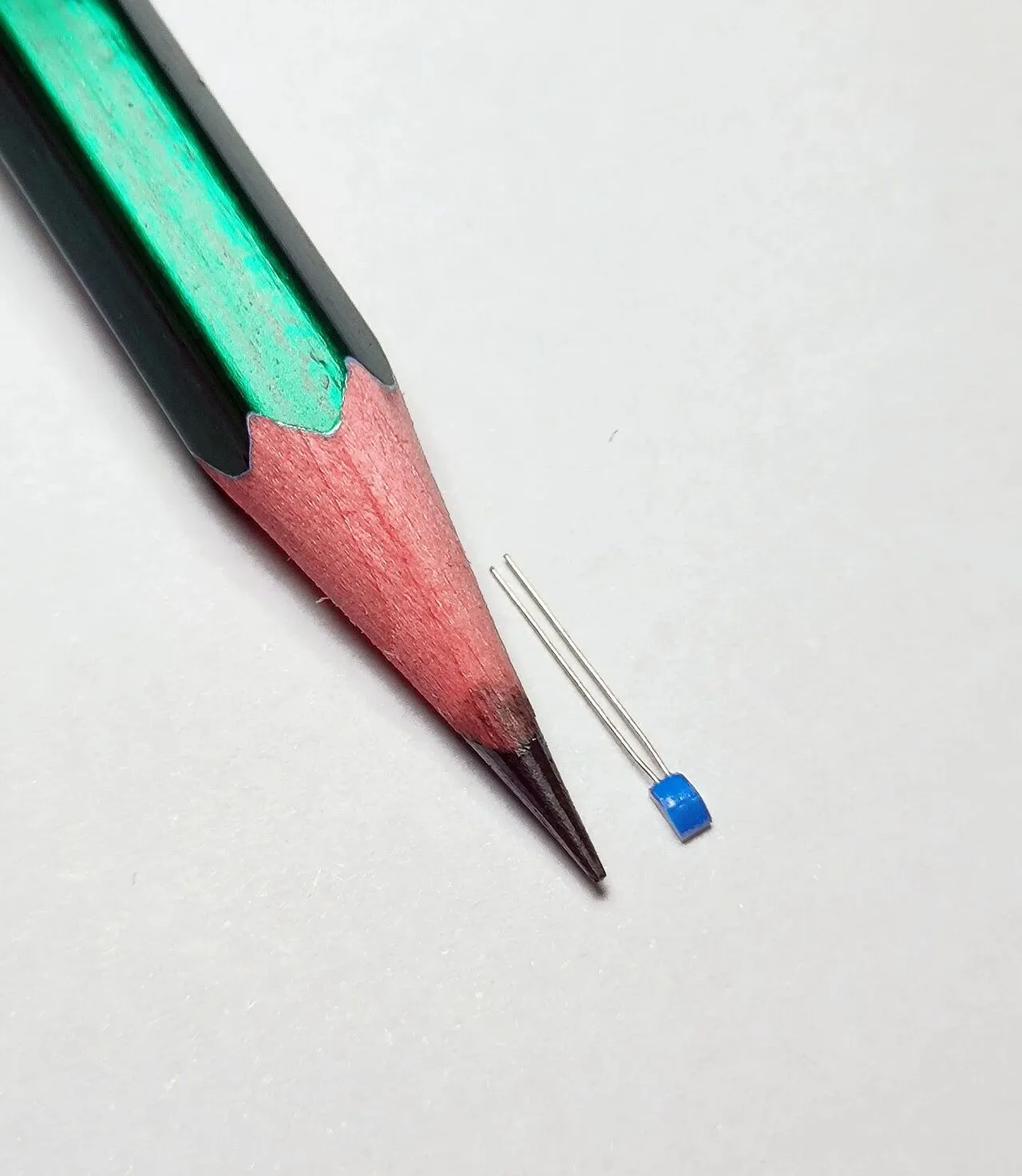
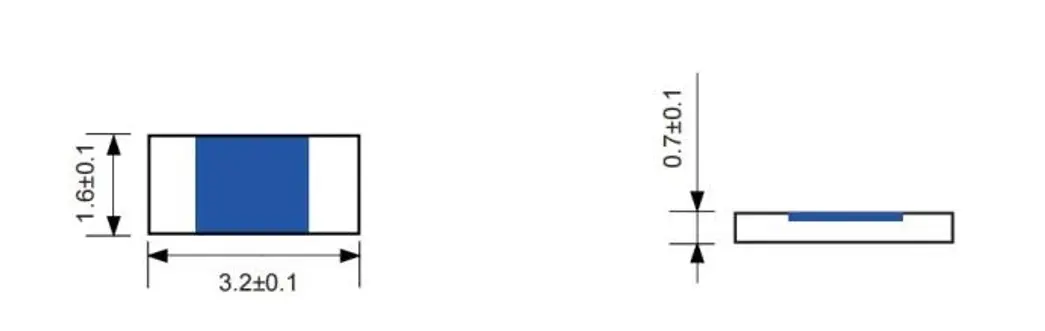
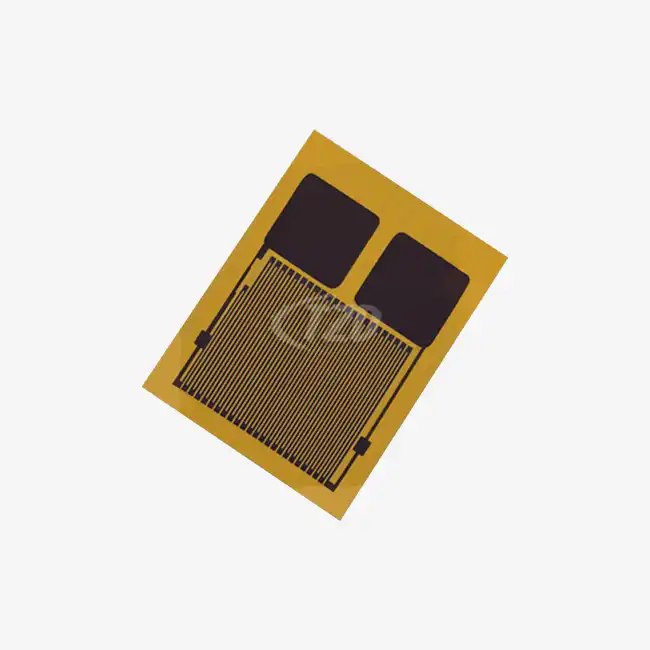
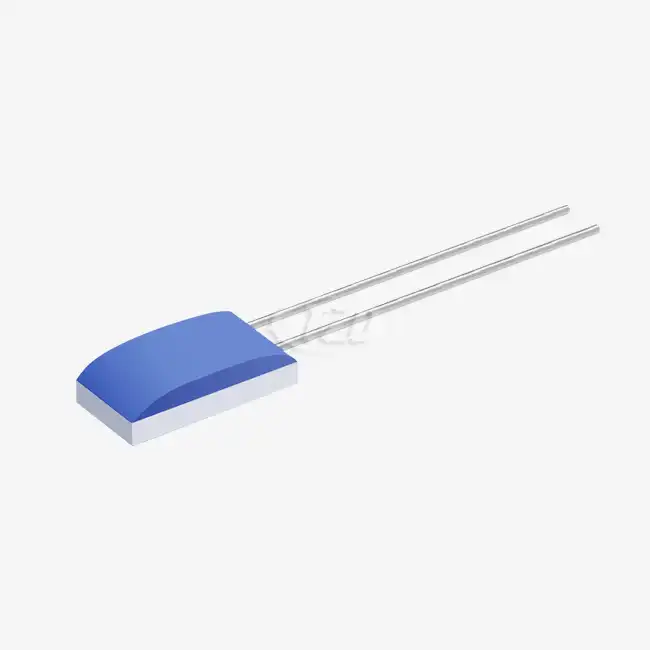
The component size of Pt100 SMD is 3.2 × 1.6 × 0.7mm, and its compact size makes it easy to integrate into various devices. Its Ro (0 ℃) resistance is 100 Ω, and the temperature coefficient of resistance is 3850ppm/℃, which meets the resistance temperature calculation formula of DIN EN 60751 standard: when t ≥ 0, R (t)=Ro * (1+At+Bt ²) (A=3.9083 × 10 ³ ℃⁻¹, B=-5.775 × 10 ⁻⁷℃⁻ ²); When t<0, R (t)=Ro * (1+At+Bt ²+C * (t-100 ℃)) * t ³ (C=-4.183 × 10 ⁻¹² ℃⁻⁴), ensuring accurate measurement across the entire temperature range.
H3: Stability and Welding, Packaging Details
Long term stability is a prominent feature of Pt100 SMD. After continuous operation at 200 ℃ for 1000 hours, the resistance drift of R (0 ℃) is ≤ 0.06%, which can maintain measurement accuracy for a long time. The product uses tin alloy terminals with strong welding compatibility; The packaging is vacuum plastic packaging, and other packaging forms can be provided according to customer requirements. Each package contains 1000 pieces, with a minimum order quantity of 1000 pieces, to meet bulk procurement needs.

H2: Typical application scenarios for PT100-SMD, which are used in various industries
H3: Industrial automation field
In scenarios such as production line equipment monitoring and industrial furnace temperature detection, Pt100 SMD can withstand a wide temperature range of -50 ℃~+200 ℃, accurately feedback equipment operating temperature, help enterprises adjust parameters in a timely manner, and avoid production failures caused by abnormal temperature. Its various welding methods are adapted to automated production lines, greatly improving production efficiency.
H3: Electronic Devices and Home Appliances Industry
The temperature control module of electronic devices such as smartphones and laptops, as well as temperature sensors of household appliances such as air conditioners and refrigerators, can all use Pt100 SMD. Its compact size does not take up too much space, and its high linearity and low drift characteristics ensure precise temperature control of the device, enhancing the product's user experience.
H3: Medical and new energy fields
The temperature monitoring in medical equipment (such as in vitro diagnostic devices) and battery temperature detection in new energy vehicles require extremely high accuracy and stability of sensors. Pt100 SMD meets industry standards and can work stably in complex environments, providing assurance for the safe operation of equipment.
H2: Pt100-SMD Model Selection Guide, Choose as needed without stepping on pitfalls
H3: Select based on temperature measurement range
M150 type: Temperature measurement range 0~+150 ℃, corresponding to model Pt100. SMD. M150.1206. A (code LX-Pt-057), A-grade accuracy, suitable for scenarios with low high temperature requirements.
M200 type: Temperature measurement range -50~+200 ℃, including B-grade (model Pt100. SMD. M200-1206. B, code LX-Pt-058) and 2B grade (model Pt100. SMD. M200-1206.2B, code LX-Pt-059), suitable for wide temperature range scenarios, can be selected according to accuracy requirements.
H3: Select according to accuracy level
Grade A: Ro (0 ℃) resistance tolerance of 100 ± 0.06 Ω, with the smallest tolerance range, suitable for scenarios with extremely high measurement accuracy requirements (such as laboratory equipment).
B-class: Ro (0 ℃) resistance tolerance of 100 ± 0.12 Ω, balancing accuracy and cost, suitable for most industrial and electronic devices.
2B level: Ro (0 ℃) resistance tolerance of 100 ± 0.24 Ω, more cost-effective, suitable for batch applications with moderate precision requirements.
FAQ
Q1: Is there a strict requirement for the soldering temperature of Pt100-SMD?
A: It is recommended to use high-temperature solder paste and control the soldering temperature at 230-240 ℃. Reflow soldering or wave soldering methods should be used to ensure firm soldering without damaging the sensor performance.
Q2: What is the long-term stability of Pt100-SMD?
A: After continuous operation at 200 ℃ for 1000 hours, the resistance drift of R (0 ℃) is ≤ 0.06%, and long-term use does not require frequent calibration, reducing maintenance costs.
Q3: What are the packaging and minimum order quantity? Can we customize packaging?
A: The standard packaging is vacuum plastic packaging, with 1000 pieces per package and a minimum order quantity of 1000 pieces; We can provide other packaging forms according to customer requirements to meet different procurement needs.
Q4: What is the core difference between PT100-SMD and NTC sensors?
A: Pt100 SMD has high output linearity, good repeatability, high temperature measurement accuracy, and excellent structural strength; NTC sensors have lower costs, but poor linearity and stability, making them suitable for scenarios with low precision requirements.
Q5: How can I confirm if Pt100 SMD is compatible with my device?
A: Corresponding models can be selected based on the temperature measurement range, accuracy requirements, installation space, and welding process of the equipment. For further consultation, please contact Xi'an Tongzida Technology Co., Ltd. for technical support.
References
Xi'an Tongzida Technology Co., Ltd Pt100 SMD Technical Specification (Version V2.0)
DIN EN 60751 standard. Technical requirements for thin-film platinum resistance temperature sensors
Pt100 SMD thin film platinum resistors have become an ideal choice for temperature measurement in various industries due to their high linearity, high precision, wide temperature range, and excellent long-term stability. Whether you are an industrial automation enterprise, electronic equipment manufacturer, or medical equipment research and development institution, you can find compatible models. Contact Xi'an Tongzida Technology Co., Ltd. now to obtain exclusive selection solutions and bulk purchase discounts, empowering your products with precise temperature measurement!

Author information
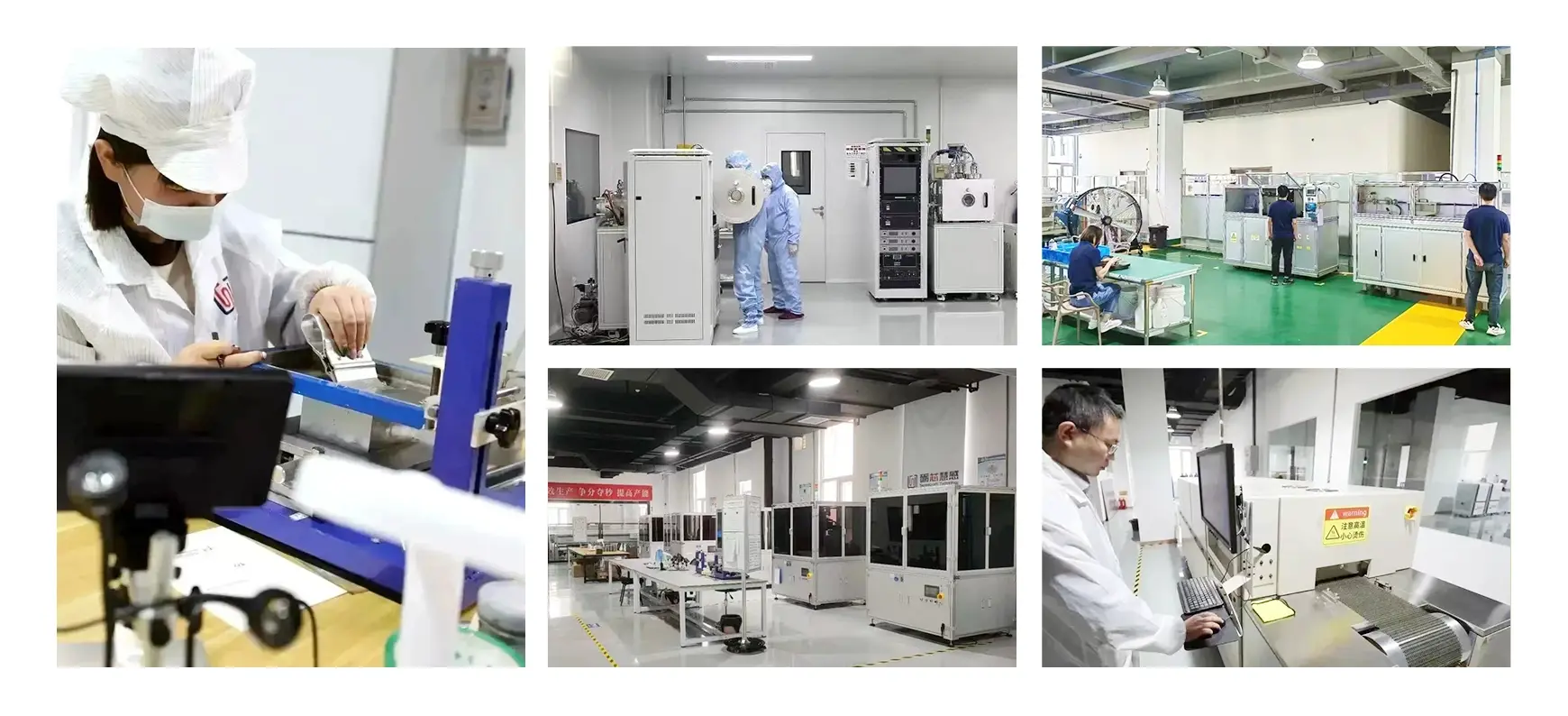
Author: Xi'an Tongzida Technology Team Introduction: Focused on the research and production of temperature sensors, with years of industry experience, we are committed to providing customers with cost-effective sensor solutions. Our products are widely used in various fields such as industry, electronics, and healthcare.
Xi'an Tongzeda Technology Co., Ltd. is a leading manufacturer and supplier of advanced thermistor technology, focusing on providing high-performance temperature sensors for demanding industrial applications. We have profound expertise in microsensor manufacturing, specific packaging technologies, and multi-sensor integration methods, which ensures the excellent performance and reliability of our thermistors. As a trusted supplier of precision temperature measurement solutions, we offer a complete thermistor system, including sensor chips, testing systems, and analysis software. Please feel free to contact our technical experts at any time. ventes11@xatzd.com Discuss your specific requirements for thermistors and learn how our advanced thermal resistor optimization and manufacturing capabilities can enhance the performance and reliability of your temperature measurement system.

Learn about our latest products and discounts through SMS or email