- English
- French
- German
- Portuguese
- Spanish
- Russian
- Japanese
- Korean
- Arabic
- Greek
- German
- Turkish
- Italian
- Danish
- Romanian
- Indonesian
- Czech
- Afrikaans
- Swedish
- Polish
- Basque
- Catalan
- Esperanto
- Hindi
- Lao
- Albanian
- Amharic
- Armenian
- Azerbaijani
- Belarusian
- Bengali
- Bosnian
- Bulgarian
- Cebuano
- Chichewa
- Corsican
- Croatian
- Dutch
- Estonian
- Filipino
- Finnish
- Frisian
- Galician
- Georgian
- Gujarati
- Haitian
- Hausa
- Hawaiian
- Hebrew
- Hmong
- Hungarian
- Icelandic
- Igbo
- Javanese
- Kannada
- Kazakh
- Khmer
- Kurdish
- Kyrgyz
- Latin
- Latvian
- Lithuanian
- Luxembou..
- Macedonian
- Malagasy
- Malay
- Malayalam
- Maltese
- Maori
- Marathi
- Mongolian
- Burmese
- Nepali
- Norwegian
- Pashto
- Persian
- Punjabi
- Serbian
- Sesotho
- Sinhala
- Slovak
- Slovenian
- Somali
- Samoan
- Scots Gaelic
- Shona
- Sindhi
- Sundanese
- Swahili
- Tajik
- Tamil
- Telugu
- Thai
- Ukrainian
- Urdu
- Uzbek
- Vietnamese
- Welsh
- Xhosa
- Yiddish
- Yoruba
- Zulu
A Complete Guide to Pt100 and Pt1000 RTD Sensing Elements
When accuracy is important, picking between Pt100 and Pt1000 RTD sensor elements is a smart choice that affects everything from the accuracy of the system to its long-term dependability. These platinum-based resistance temperature monitors are now used in medical equipment, advanced manufacturing, and car electronics as the main part of measurement systems. The Pt100 TC3750 Thin Film RTD Element is at the heart of modern thin film RTD technology. It is a big step forward in making sensors smaller and more resistant to vibrations. This makes it ideal for uses that need a small design and high stability under mechanical stress.
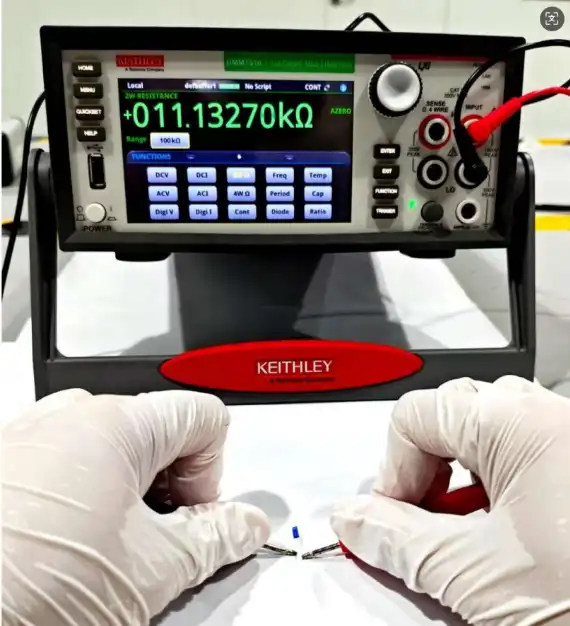
Understanding Pt100 and Pt1000 RTD Sensing Elements
The basic idea behind resistance temperature detectors is simple: as the temperature changes, platinum's electrical resistance changes in a predictable way. Their names, Pt100 and Pt1000, tell you how much resistance they have at 0°C: 100 ohms for Pt100 and 1000 ohms for Pt1000. Both use the standard Temperature Coefficient of Resistance (TCR) of 0.003851 Ω/Ω/°C, which is also known as the alpha value of 3850 ppm/°C. This makes sure that products made by different companies that follow IEC 60751 standards can be used together.
Fundamental Operating Principles
When platinum is heated, its atomic crystal structure changes. This has a direct effect on how electrons move through the material. This physical effect makes the link between temperature and resistance straight and consistent over a wide measurement range. Engineers use this ability to guess the future to create control loops that keep process temperatures within very small error ranges. This is very important for pharmaceutical batch reactors and equipment used to make semiconductors.
Key Differences Between Pt100 and Pt1000 Models
Depending on the needs of the application, the tenfold difference in resistance between these types can be very useful. When compared to Pt100 sensors, Pt1000 sensors produce ten times the resistance change per degree. This makes lead wire resistance mistakes much less common in 2-wire setups. Because of this, Pt1000 elements are very useful in building automation systems that need to have long wire runs between sensors and control screens. But Pt100 sensors are still the standard because they have a well-established supply chain, work with a lot of different instruments, and block out noise a little better in electrically noisy industrial settings.
The Pt100 TC3750 Thin Film RTD Technology
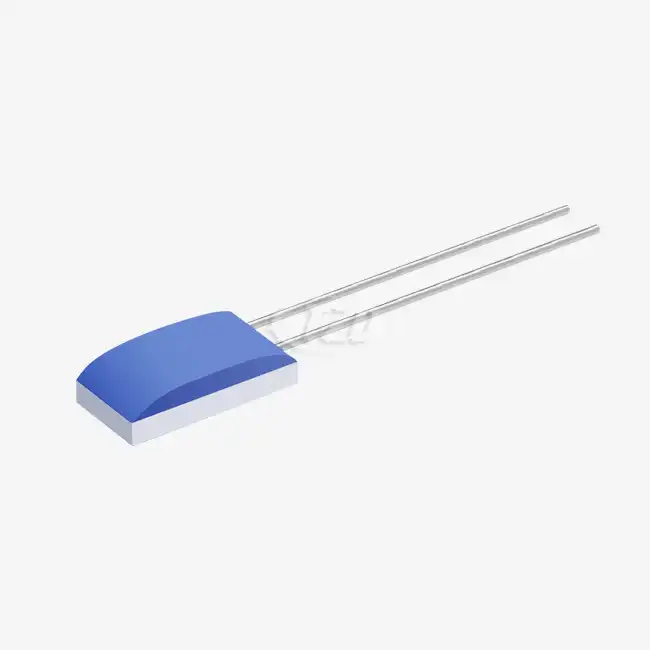
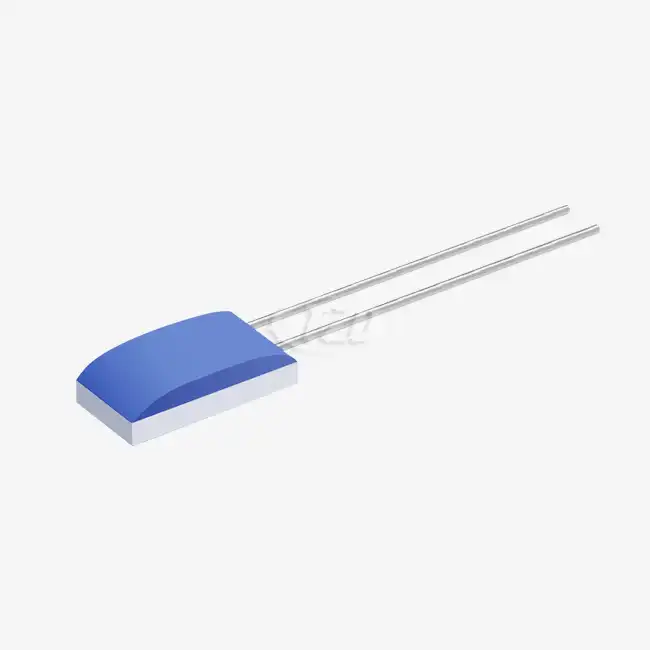
The number TC3750 refers to a certain way of making thin films. It uses vacuum sputtering technology to create a platinum layer on top of a very pure ceramic base. After that, the circuit is laser-trimmed to get exact resistance values. This method has a lot of great advantages. The ceramic base is very good at transferring heat, and the glass passivation layer keeps the platinum film safe from chemical attacks and mechanical wear. The thin film construction lets makers make sensor elements that are as small as 1.2 mm, which makes them easy to fit into applications with limited room, like medical instruments that use catheters or small sensor housings for cars.
Comparing Pt100 TC3750 Thin Film RTD Elements With Other Temperature Sensors
When buying teams know how thin film RTDs compare to other sensor technologies, they can make smart choices that combine performance needs with budget limitations and problems that are unique to each application.
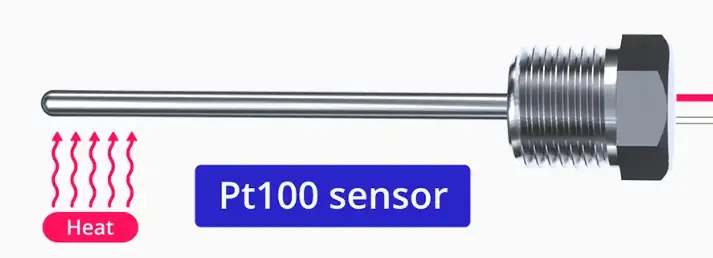
Thin Film vs. Wire-Wound RTD Construction
Wire-wound RTDs are made with platinum wire wound around a clay or glass core. This is a reliable way to build electronics that has been used for decades. Most of these sensors can work in a wider range of temperatures, and some special types can even work reliably up to 850°C. However, their mechanical design makes them prone to failures caused by vibrations, especially in mobile tools or machines with moving parts. This problem is fixed by the Pt100 TC3750 Thin Film RTD Element's one-piece design, which bonds the platinum circuit directly to the base.
This design can handle vibrations of up to 40g and shock hits of up to 100g. These are very important specs for uses like under-the-hood robotics or industrial robotics where sensors are constantly under mechanical stress. The lower cost of thin film technology is also clear when making a lot of them, because automatic manufacturing methods lower the cost per unit compared to the time-consuming wire-winding method.
Performance Comparison With Thermocouples
When two different metals are joined together and put in a temperature difference, the Seebeck effect causes a voltage to be produced. These sensors react quickly and can handle temps that are much higher or lower than what an RTD can handle, but they lose accuracy and steadiness over time. Even after testing, a Type K thermocouple could have mistakes of more than ±2°C. A Class A thin film RTD, on the other hand, stays accurate to within ±0.15°C at 0°C. When you're in charge of a pharmaceutical lyophilization process and the effectiveness of the product rests on keeping precise thermal profiles, this difference in accuracy directly means fewer batch rejects and better compliance with regulations. Because RTDs are more straight than thermocouples, they make signal processing easier because the link between resistance and temperature doesn't need as much computer work to fix it.
Sensitivity and Signal Resolution Advantages
The question of sensitivity needs to be looked at carefully because it affects how the whole system is built. A Pt100 sensor's resistance changes by about 0.385 ohms for every degree Celsius. A Pt1000 sensor's resistance changes by 3.85 ohms for every degree. This higher signal size lowers the percentage error caused by measurement electronics. With the right signal processing circuits, system designers can reach a resolution of less than 0.01°C. We've seen industry clients switch from Pt100 to Pt1000 configurations so that they don't have to use 4-wire measurement methods in their HVAC energy metering applications. This makes the installation easier and saves money on materials.
Applications and Advantages of Pt100 TC3750 Thin Film RTD Elements
Thick film platinum resistance sensors are useful in many different types of industries because they have special performance features that meet the needs of the job.
Industry-Specific Deployment Scenarios
Automobiles that run on electricity have caused a huge need for temperature tracking systems that can respond quickly and are very reliable. In electric cars, battery management systems include thin film RTDs right into circuits for tracking cells. The sensor's 0.05-second response time lets these circuits find heat problems before they cause a chain of failures. As part of the car approval tests for these sensors, they are heated and cooled thousands of times between -40°C and 150°C. This makes sure that the bond between the film and substrate is strong and doesn't break.
Medical cleaning equipment is another tough job where the benefits of thin film RTD become clear. Manufacturers of autoclaves choose Class A tolerance sensors to meet FDA approval standards. They know that the ±0.15°C accuracy at sterilization temperatures has a direct effect on the kill rates of biological indicators. Because the sensors are small, they can be built into narrow-diameter probe arrays that can fit between instrument trays while tracking cycles.
The long-term steadiness that these sensors offer is good for industrial HVAC systems. When used in building automation networks to measure the temperature of return air for economizer control, the low drift features (less than 0.04% after 1,000 hours at maximum temperature) make sure that energy management systems stay as efficient as possible for as long as they are in use. This stability is especially useful in places where changing sensors costs a lot of money and takes special tools to get to.
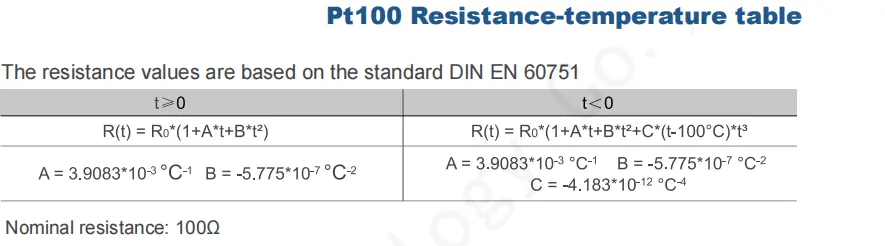
Technical Advantages Explained
Here are the main benefits of thin film RTD technology that make it so appealing for demanding industrial uses:
• Enhanced Mechanical Durability: The one-piece design gets rid of interior wire ties that usually break when the structure is vibrated. Accelerometers that were attached to these sensors during shake table tests proved that they could keep the electricity flowing even when the vibration patterns would normally cause wire-wound parts to lose their connections.
• Compact Form Factor: Sensor parts that are 1.2 mm to 4 mm in size can be used in places where regular sensors can't because of their size. We've worked with robots companies that put these sensors into joint systems that are only 8 mm in diameter. This creates thermal feedback loops that keep servo motors from getting too hot when they're working at full load.
• Rapid Thermal Response: Because thin films have very little thermal mass, they can equilibrate with the medium being monitored much faster than wire-wound options. This property is especially useful for gas flow measurement uses because it lowers the reaction time, which makes the control loop more stable when handling process conditions that change quickly.
• Cost-Effective Volume Production: The automated thin film deposition and laser trimming processes work well for high-volume production, which means that OEM equipment manufacturers who need thousands of units with consistent performance across production batches can afford to buy these sensors.
Calibration and Maintenance Best Practices
Keeping sensors accurate over their entire useful life requires paying attention to a number of things, such as the Pt100 TC3750 Thin Film RTD Element. Putting the sensor in a mix of ice and water that is 0.01°C for the ice point calibration method is a useful way to check in the field to see if the element stays within its tolerance class. Insulation resistance testing should be higher than 100 megohms at 500V DC between the lead wires and the sensor body.
This test finds moisture or contamination before it causes measurement mistakes. When sensors are working close to their highest recommended temperature, checking them against approved reference standards on a regular basis helps find any drift that could make process control less reliable. We suggest that these calibration checks be written down as part of the quality management system. This is especially important in controlled industries where being able to track measurements helps with audits and ensures compliance.
Procurement Considerations for Pt100 TC3750 Thin Film RTD Elements
There are many things to think about besides the original purchase price when choosing the right seller, especially when sensor performance has a direct effect on the quality of the product or the efficiency of the process.
Evaluating Manufacturer Capabilities
How a maker handles tolerance classification and testing procedures shows how technically skilled they are. Reliable providers give thorough calibration certificates that can be tracked back to national standards. These certificates show the real resistance values that were measured at different temperature points across the sensor's working range. Tighter tolerance classes, like 1/10 DIN or Class F0.1, show that the production process is well-controlled and regularly makes elements within small resistance bands. Manufacturing facilities that are ISO 9001 approved use regular quality management practices to lower variation from batch to batch. This is something you should think about when creating goods that will be made with these sensors for several years.
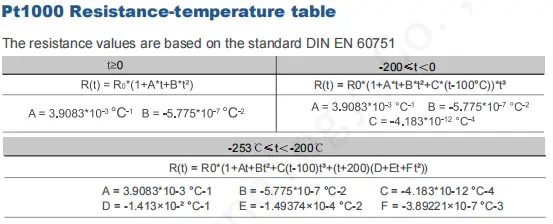
Customization and Technical Support Value
Standard stock sensors work well for many uses, but sometimes specific needs mean that they need to be customized. Choosing the right lead wire material affects how well the sensor works in different environments. For example, pure platinum leads offer the best temperature and chemical resistance, but they also cost a lot. For general industrial use, platinum-nickel or silver-nickel conductors offer a good balance of performance and cost-effectiveness. Different substrate sizes let you get the best thermal reaction. Larger substrates make things more stable by spreading heat out better, while smaller ones focus on fast response and small installation.
During the product development stages, the manufacturer's field application engineering support is very helpful because it helps your engineering team figure out how to balance different needs, such as selecting the Pt100 TC3750 Thin Film RTD Element. When testing a new medical device design or sensors for use in space, having direct access to skilled technical staff who understand measurement physics and application problems speeds up the development process by a large amount.
Supply Chain Reliability and Longevity
Because of the long verification processes that are common in high-reliability businesses, qualifying sensors costs a lot of money. After months of testing and deciding to use a certain sensor type in your product, if the provider stops making them or the specifications change, you'll have to pay a lot of money to get them re-qualified. Protect your product plan by working with makers who keep their product lines stable and let you know about any changes ahead of time. Knowing the wait times for both standard and custom orders helps you schedule the purchase of sensors with your production schedule. This is especially important when you're launching a new product or dealing with changes in seasonal demand.
Conclusion
When deciding between the Pt100 and Pt1000 RTD sensing elements, you need to carefully consider your application needs, taking into account things like the need for lead wire adjustment, the expected signal resolution, and the compatibility of the current infrastructure. The Pt100 TC3750 Thin Film RTD Element is a great choice for situations where ability to withstand vibrations, small size, and low cost mass production are all important.
Knowing the main differences between thin film and wire-wound construction, realizing that thin film technology offers better stability and mechanical durability, and choosing suppliers based on their technical skills instead of price alone will help your purchasing decision last for a long time. As time goes on, industries are required to measure temperatures in more precise ways. This means that choosing the right sensors is becoming an even more important part of developing new products and improving processes.
FAQ
What distinguishes Pt100 from Pt1000 resistance values?
The number shows the standard resistance at 0°C. For example, Pt100 reads 100 ohms and Pt1000 reads 1000 ohms. Both use platinum and have the same temperature factors. However, Pt1000 makes ten times bigger changes in resistance per degree, which lowers mistakes caused by lead wire resistance in two-wire setups.
Can thin film RTDs operate reliably in liquid media?
When properly covered, thin film parts work well in liquids. Because the glass passivation layer acts as main insulation, it can't handle direct liquid contact that could short out the circuit or break down chemicals over time. This is why the sensor needs to be housed in a sealed housing made of chemically compatible stainless steel.
How does lead wire resistance affect measurement accuracy?
Lead resistance adds straight to the sensor reading in 2-wire setups, making a mistake of about 1°C for every 0.385 ohms of lead resistance. This error can be fixed by switching to 3-wire or 4-wire measurement circuits. These circuits use reference measures to smooth out the effects of lead resistance, which is necessary for keeping accuracy in high-precision applications.
What measuring current prevents self-heating errors?
Self-heating happens when the measuring current causes I²R power loss that raises the sensor temperature above the observed medium. Limiting the excitation current to 1 milliampere or less reduces this. Lower currents lessen this effect, but they also weaken the signal, so they need to be optimized based on the heat mass of the application and the reaction time that is needed.
Partner With Tongzida for Your Temperature Sensing Requirements
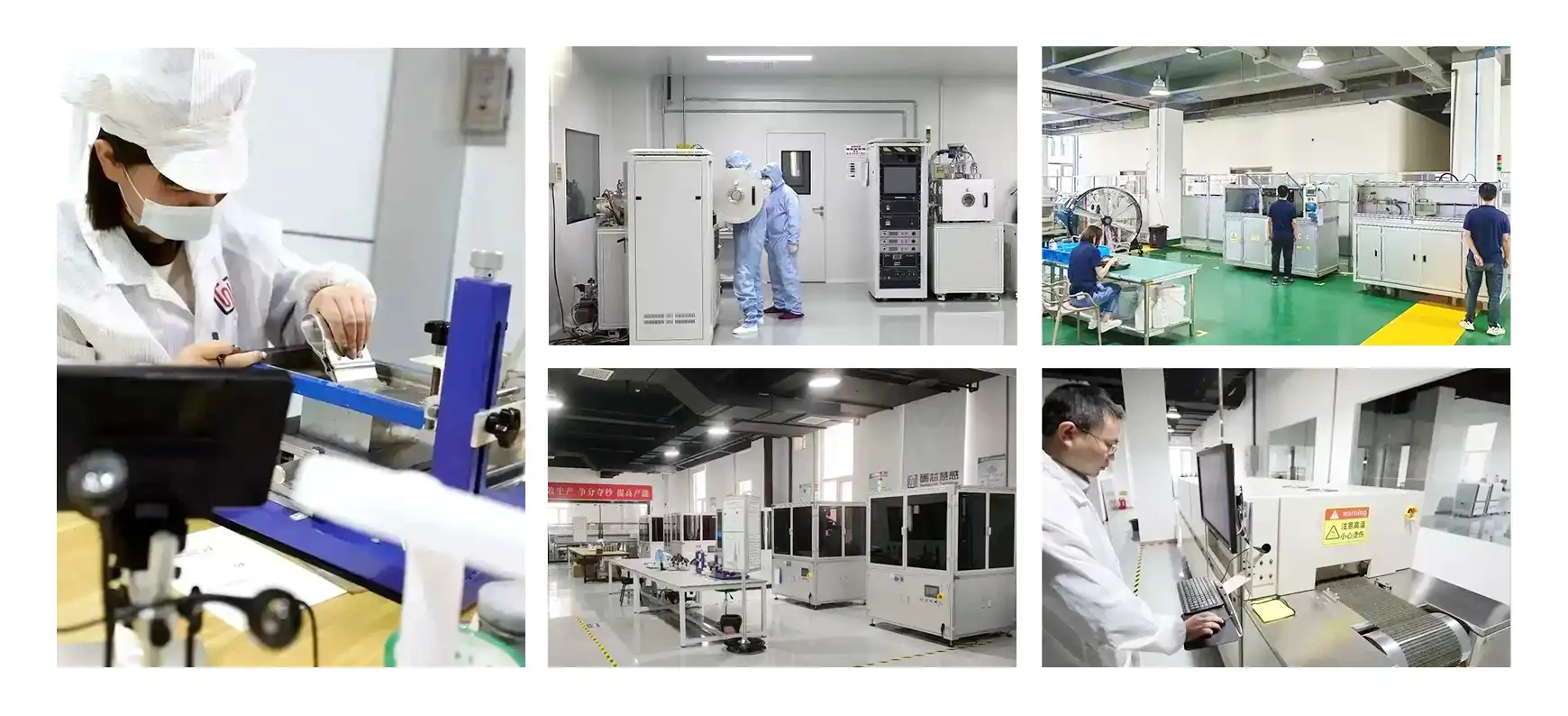
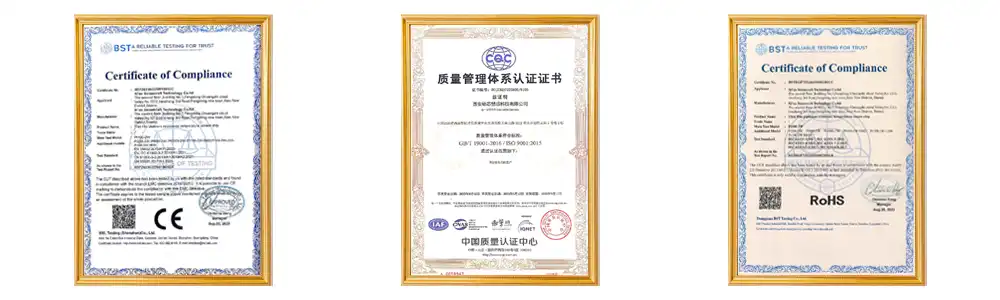
Your engineers and purchasing teams can get full thin film RTD production knowledge from Xi'an Tongzida Technology. Our automatic production lines make Pt100 TC3750 Thin Film RTD Elements that are accurate to within ±0.01 Ω (1/30B class) and keep long-term stability drift below 0.04%. These elements are certified by ISO 9001 and fully comply with ROHS and CE guidelines. We've come up with solutions that work in temperatures ranging from -200°C to +850°C, with lead materials and board sizes that can be changed to fit your unique integration needs.
As a well-known company that makes thin film platinum resistors, we can help you with the creation of your product by giving you dedicated field application engineering advice. This will help you choose the tolerance class, packing choices, and testing methods that will meet your quality goals. Email our technical team at sales11@xatzd.com to talk about buying in bulk or to look into special sensor designs that can help you with your specific measurement problems.
References
1. Nicholas, J.V., and White, D.R. (2001). Traceable Temperatures: An Introduction to Temperature Measurement and Calibration. John Wiley & Sons, Chichester.
2. Childs, P.R.N., Greenwood, J.R., and Long, C.A. (2000). Review of temperature measurement. Review of Scientific Instruments, 71(8), 2959-2978.
3. International Electrotechnical Commission. (2008). IEC 60751: Industrial platinum resistance thermometers and platinum temperature sensors. Geneva: IEC.
4. Bentley, R.E. (1998). Handbook of Temperature Measurement Vol. 3: The Theory and Practice of Thermoelectric Thermometry. Springer-Verlag, Singapore.
5. McGee, T.D. (1988). Principles and Methods of Temperature Measurement. John Wiley & Sons, New York.
6. Webster, J.G., and Eren, H. (2014). Measurement, Instrumentation, and Sensors Handbook: Spatial, Mechanical, Thermal, and Radiation Measurement. CRC Press, Boca Raton.

Learn about our latest products and discounts through SMS or email