- English
- French
- German
- Portuguese
- Spanish
- Russian
- Japanese
- Korean
- Arabic
- Greek
- German
- Turkish
- Italian
- Danish
- Romanian
- Indonesian
- Czech
- Afrikaans
- Swedish
- Polish
- Basque
- Catalan
- Esperanto
- Hindi
- Lao
- Albanian
- Amharic
- Armenian
- Azerbaijani
- Belarusian
- Bengali
- Bosnian
- Bulgarian
- Cebuano
- Chichewa
- Corsican
- Croatian
- Dutch
- Estonian
- Filipino
- Finnish
- Frisian
- Galician
- Georgian
- Gujarati
- Haitian
- Hausa
- Hawaiian
- Hebrew
- Hmong
- Hungarian
- Icelandic
- Igbo
- Javanese
- Kannada
- Kazakh
- Khmer
- Kurdish
- Kyrgyz
- Latin
- Latvian
- Lithuanian
- Luxembou..
- Macedonian
- Malagasy
- Malay
- Malayalam
- Maltese
- Maori
- Marathi
- Mongolian
- Burmese
- Nepali
- Norwegian
- Pashto
- Persian
- Punjabi
- Serbian
- Sesotho
- Sinhala
- Slovak
- Slovenian
- Somali
- Samoan
- Scots Gaelic
- Shona
- Sindhi
- Sundanese
- Swahili
- Tajik
- Tamil
- Telugu
- Thai
- Ukrainian
- Urdu
- Uzbek
- Vietnamese
- Welsh
- Xhosa
- Yiddish
- Yoruba
- Zulu
Why Mini Pt1000 Sensors Are Ideal for Medical Equipment
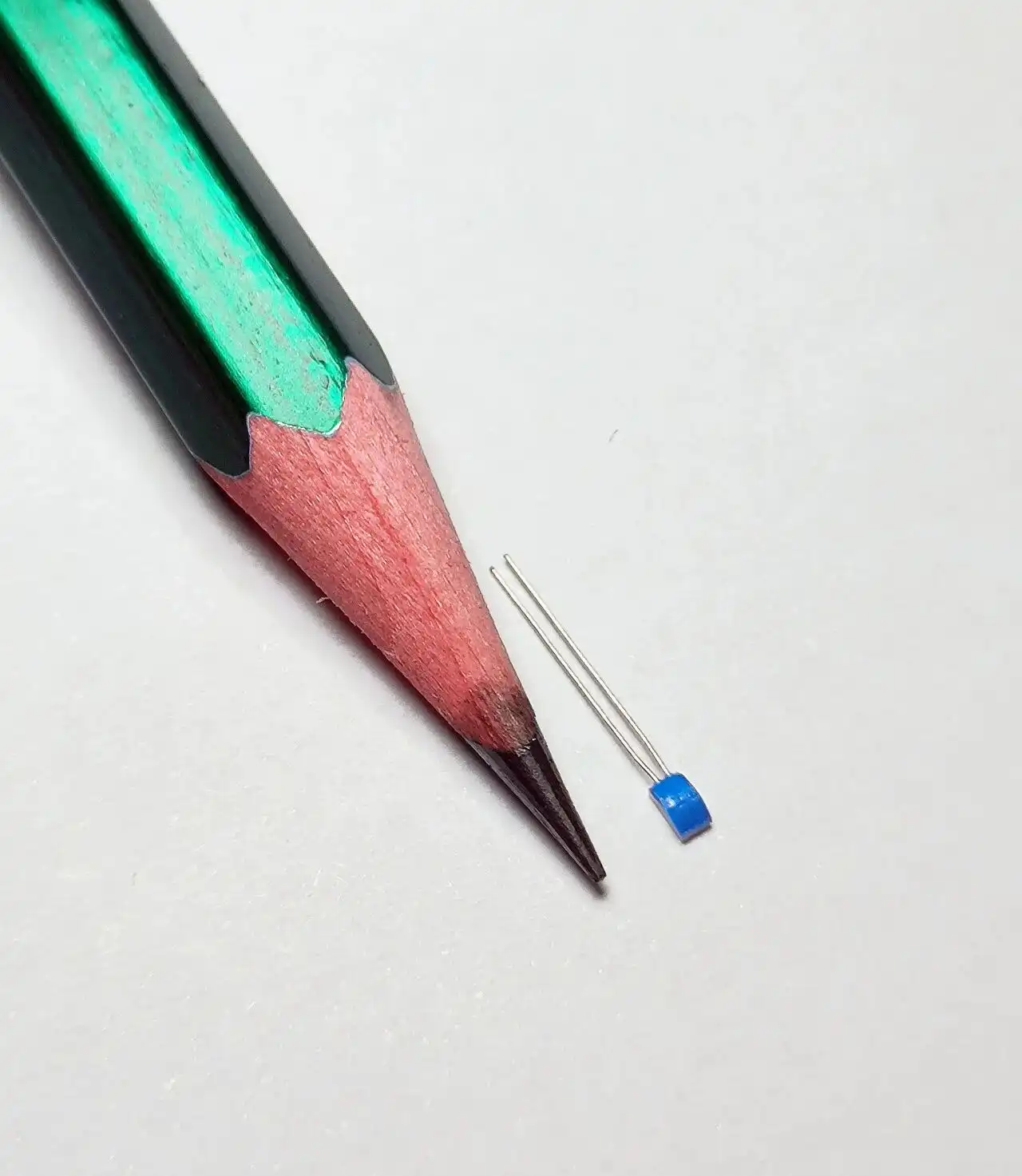
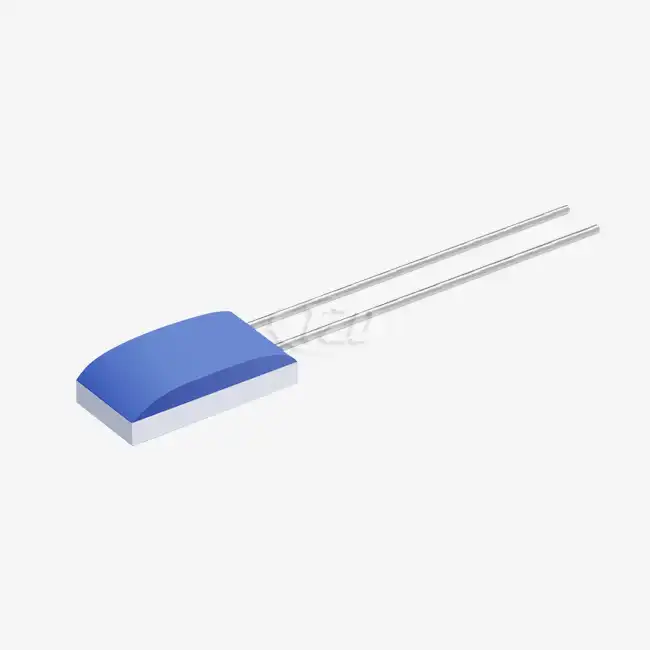
Medical & Lab Mini Pt1000 Sensors have changed the way we measure temperature in hospital settings. With a 1000-ohm resistance at 0°C, these platinum resistance temperature detectors offer the highest level of accuracy. This makes them important for uses that need to be accurate to the nearest degree. Their small size solves the problem of limited space in testing tools while keeping the dependability that is so important for patient safety. Because they are small and work very well, mini Pt1000 sensors are the best choice for medical equipment makers who want to make sure that measurements stay stable over time.
Understanding Mini Pt1000 Sensors in Medical Applications
How Resistance-Based Temperature Detection Works
The simple yet complex way that mini Pt1000 sensors work is described below. As temperature rises, platinum's electrical resistance rises as expected, following a positive temperature coefficient relationship. The sensor has a 1000-ohm average at 0°C, which is ten times the resistance of regular PT100 sensors. This basic design gets rid of the worry that signal degradation will happen over long cable runs, which is very helpful in medical settings where devices connect to central tracking systems via long wiring lines.
Calibration and Accuracy Standards
To keep the accuracy of measurements, strict testing procedures that are in line with IEC 60751 standards are needed. Medical-grade tiny Pt1000 sensors are checked at multiple points across their full operating temperature range, which is usually between -50°C and +250°C. At Tongzida, our thin-film platinum resistors are accurate to within ±0.01Ω at the 1/30B classification level, and their long-term stability drift stays below 0.04%. This level of accuracy is needed for important tasks like controlling the temperature in an incubator, where changes of more than 0.1°C can hurt the survival of cell cultures.
Compact Design Meets Biocompatibility
Miniaturizing Pt1000 technology solves two problems at the same time: limited space and safety of the materials. These days, sensor housings are as little as 1.2 mm thick, so they can fit inside catheter-based instruments and handheld diagnostic tools. Medical-grade materials are used for surface coats because they don't rust when cleaning chemicals hit them and keep biological contaminants from getting on the surface. The accuracy of these sensors stays the same over the life of a device because they can handle multiple autoclave processes at 134°C without losing any of their functionality.
Comparing Mini Pt1000 Sensors to Other Temperature Sensors in Healthcare
Pt1000 Versus PT100 in Medical Contexts
Both types of sensors use platinum elements, but they are very different in how they work, which has a big effect on how medical devices are made. In two-wire setups, mistakes caused by lead wires are lessened by the higher base resistance of Pt1000 variants. In patient monitoring systems with lines that can be several meters long, a 1-ohm wire resistance only changes Pt1000 readings by 0.26°C, but it changes PT100 readings by 2.6°C. Because of this benefit, complicated three- or four-wire correction circuits are not needed. This lowers the cost of parts and makes circuit board plans easier.
Advantages Over Thermocouples and NTC Thermistors
Medical & Lab Mini Pt1000 Sensors give constant output across their entire range and are immune to noise by design. Thermocouples send out signals at the microvolt level, which needs expensive gear to boost them and can be affected by electromagnetic interference from imaging and surgery systems. NTC thermistors are cheap, but their reaction curves are not linear, so they need lookup tables or linearization circuits to work. Their long-term steadiness is better than NTC thermistors', keeping their accuracy within ±0.15°C for five years. NTC thermistors move by 0.5°C every year. This steadiness is very important for lab freezers that store biopharmaceuticals that need to keep track of their temperature for legal reasons.
Performance Under Rigorous Conditions
Sensors in healthcare settings are put through mechanical stress, chemical contact, and changes in temperature. IEC 60068 testing methods have shown that the thin-film Pt1000 design can handle vibrations of up to 40g and shock impacts of up to 100g. Real-time temperature monitoring is possible during rapid heating sterilization processes with response times of as little as 0.05 seconds. When manufacturers put these tough features at the top of their list, they make sure that their tools will work reliably in labs and operating rooms that are very demanding.
Practical Applications of Mini Pt1000 Sensors in Medical Devices and Labs
Thermal Management in Diagnostic Equipment
When enzymes are reacting, blood testers need to be able to precisely control the temperature. If this isn't done, measurement mistakes can lead to wrong diagnoses. Putting mini Pt1000 sensors into response tanks keeps the temperature stable within 0.1°C, so the results of thousands of tests done every day will always be the same. In the same way, polymerase chain reaction (PCR) devices quickly switch between temperature ranges. Because these sensors respond quickly, they can keep temperatures under tight control. This makes amplification more efficient and lowers the number of false negatives in genetic tests.
Patient Monitoring and Therapeutic Devices
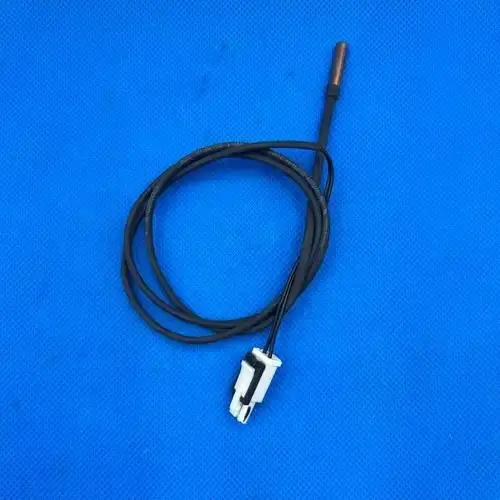
Neonatal incubators protect vulnerable infants by maintaining skin temperatures between 36.5°C and 37.5°C. There are several tiny Pt1000 sensors spread out inside the container that map the temperature in different areas. This keeps hot spots from forming that could hurt sensitive tissue. These monitors are built into respiratory humidifiers to control heated water tanks and give patients the best-conditioned air possible. Because the sensors are small, they can be built into single-use mouth parts that keep their accuracy and help with infection control measures.
Laboratory Refrigeration and Sample Storage
Ultra-low temperature coolers that store vaccines and biological samples need to be constantly watched over and have an audit trail. When mini Pt1000 sensors are linked to data acquisition tools, they record changes in temperature to within 0.3°C, which is what WHO prequalification standards need. Their low self-heating abilities (at excitation currents below 0.3mA) keep temperature-sensitive samples from getting too hot in one place. Maintenance teams like how durable the sensors are because the units stay calibrated even after years of being heated and cooled between -80°C and room temperature during cooling procedures.
How to Choose and Procure Mini Pt1000 Sensors for Medical Equipment
Certification Requirements and Quality Standards
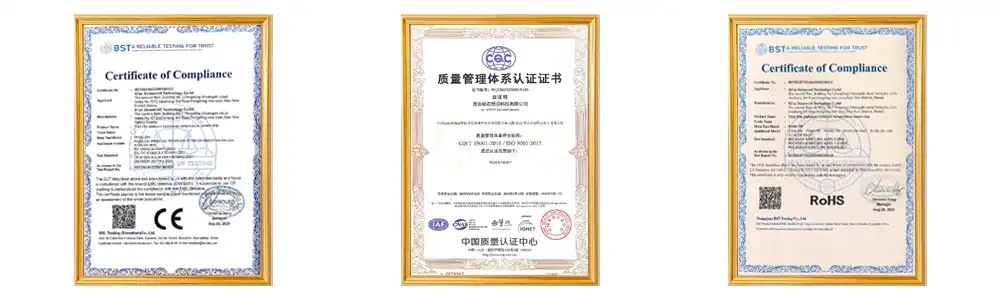
Manufacturers of medical tools must make sure that temperature monitors comply with local rules. To follow the European Medical Device Regulation (MDR) and FDA 21 CFR Part 820, you need to keep records of approval and tracking. Process stability is ensured by buying sensors from companies that have ISO 9001 approval, including the Medical & Lab Mini Pt1000 Sensor. Tongzida's production lines have ISO 9001, RoHS, and CE certifications, which gives buying teams the quality paperwork they need when they send in regulatory entries. When reviewing suppliers, ask for calibration certificates that can be tracked back to national metrology centers like NIST or PTB.
Medical-Grade Specifications Versus Industrial Variants
There are more differences between general-purpose sensors and medical-grade sensors than just accuracy classes. For medical uses, housings must be tightly sealed to keep out wetness that could cause resistance drift. Pull-strength tests are done on lead wire connectors that go above and beyond what is required by industry standards. This is done because sensor failures during surgery pose too many risks. Through ISO 10993 testing, which records cytotoxicity and sensitization traits, material certificates make sure that the materials are biocompatible. These improved specs raise unit costs by 20–40% compared to industrial versions, but the extra money is worth it because they make the product more reliable and lower the risk of responsibility.
Customization Options and Technical Support
OEM clients often need custom sensor shapes, wire lengths, or connection types that fit with the designs they already have. Manufacturers who offer customization services speed up product development by getting rid of problems with technical adaptation. At Tongzida, our team helps with application engineering throughout the whole development process, from reviewing the initial specifications to making sure the software works in production. This technical partnership is helpful during the long proof cycles that are common in medical device development. During these cycles, sensor performance must stay the same through multiple design changes and regulatory testing stages.
Future Trends and Innovations in Medical Temperature Sensing
Advances in Miniaturization and Integration
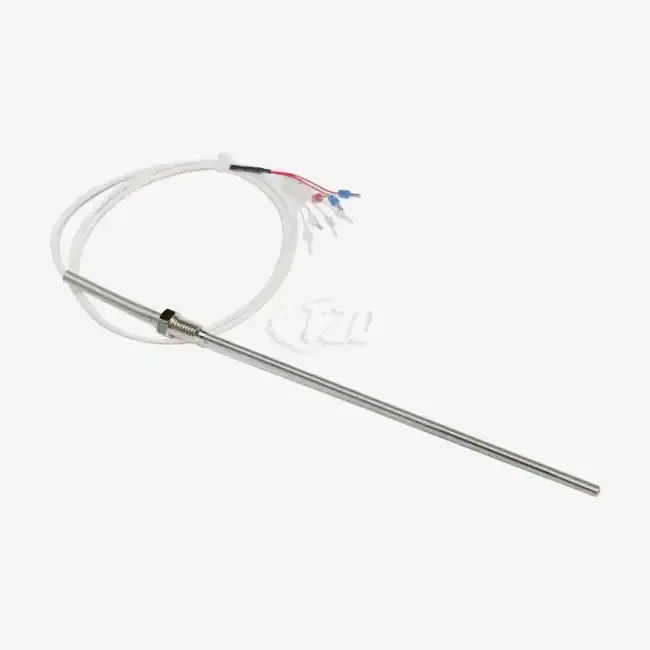
New methods of making things allow sensor elements to be smaller than 1mm, which makes minimally invasive testing tools possible. Medical & Lab Mini Pt1000 Sensor elements benefit from this trend: Micro-electromechanical systems (MEMS) integration puts Pt1000 parts and signal processing circuits on a single piece of silicon. These system-on-chip designs make building easier and better at handling heat by connecting directly to the substrate. Additive manufacturing methods could one day make it possible for sensors to adjust to the surfaces of curved catheters or bendable patches that can be worn, and incorporating the Medical & Lab Mini Pt1000 Sensor into such designs would allow temperature tracking to be used in continuous ambulatory settings.
Connectivity and Smart Healthcare Systems
Medical gadgets that use the Internet of Things (IoT) need sensors with digital output connections more and more. In the future, different versions of the Pt1000 will have analog-to-digital converters and microcontrollers that send measured temperature data using common protocols like I2C or SPI. Wireless sensor nodes that get their power from energy harvesting get rid of the need for wires, which makes it possible to map the temperature of different surgery rooms or drug storage facilities. This information will be processed by cloud-connected analytics tools that will look for thermal anomalies that could mean that equipment isn't working right before they affect patient care or the purity of the samples.
Enhanced Materials and Long-Term Stability
The goal of research into platinum alloys and protective coatings is to lower drift rates even more, below the current yearly standards of 0.04%. Nanomaterial insulation layers offer better heat connection while still keeping electricity separate. With these improvements, calibration processes will last longer, up to five years instead of three. This will lower the total cost of ownership for gadget makers. As precision medicine gets better, errors in temperature measurements below ±0.05°C will become normal. This will push sensor technology and industrial methods to keep getting better.
Conclusion
Medical & Lab Mini Pt1000 Sensor represents the best combination of accuracy, dependability, and small size for use in medical equipment. These technologies work better than others and have to follow strict healthcare standards. Because of this, they are essential for testing devices, patient tracking systems, and lab equipment. As connected care models and accurate tests become more common in medicine, high-precision temperature sensors like the Medical & Lab Mini Pt1000 Sensor will become even more important. When procurement workers and engineering teams choose these sensors today, they make sure that their goods will be competitive in the market for a long time and that the measurements are accurate, which is important for patient safety.
FAQ
What accuracy improvements do mini Pt1000 sensors provide compared to PT100 variants?
The mini Pt1000 sensors ten times lower lead-wire resistance mistakes, allowing system-level accuracy of within ±0.2°C in two-wire setups where PT100 sensors would need three- or four-wire compensation. In turn, this means easier circuit designs and cheaper component costs, but the medical-grade accuracy stays the same over long cable runs that are common in hospital equipment installations.
Which certifications should procurement teams verify when sourcing medical-grade temperature sensors?
Some important licenses are ISO 13485 for managing the quality of medical devices, RoHS compliance for material safety, and testing traceability to national standards bodies. Biocompatibility testing according to ISO 10993 rules is very important for sensors that will be touching people or biological data. Manufacturers should show proof that their products meet the standards for CE marking or FDA registration in the markets you want to reach. This is called a statement of conformity.
Can mini Pt1000 sensors be customized for proprietary medical device designs?
Reliable makers let you make a lot of changes, like changing the size of the case, the material of the lead wires, the types of connectors, and the calibration ranges to fit your needs. Custom choices make it possible to integrate new features into current product designs without affecting performance standards. Technical help during the customizing process makes sure that sensors meet both the functional needs of your gadget and the legal standards that apply to it.
Partner With Tongzida for Precision Medical Temperature Sensing Solutions
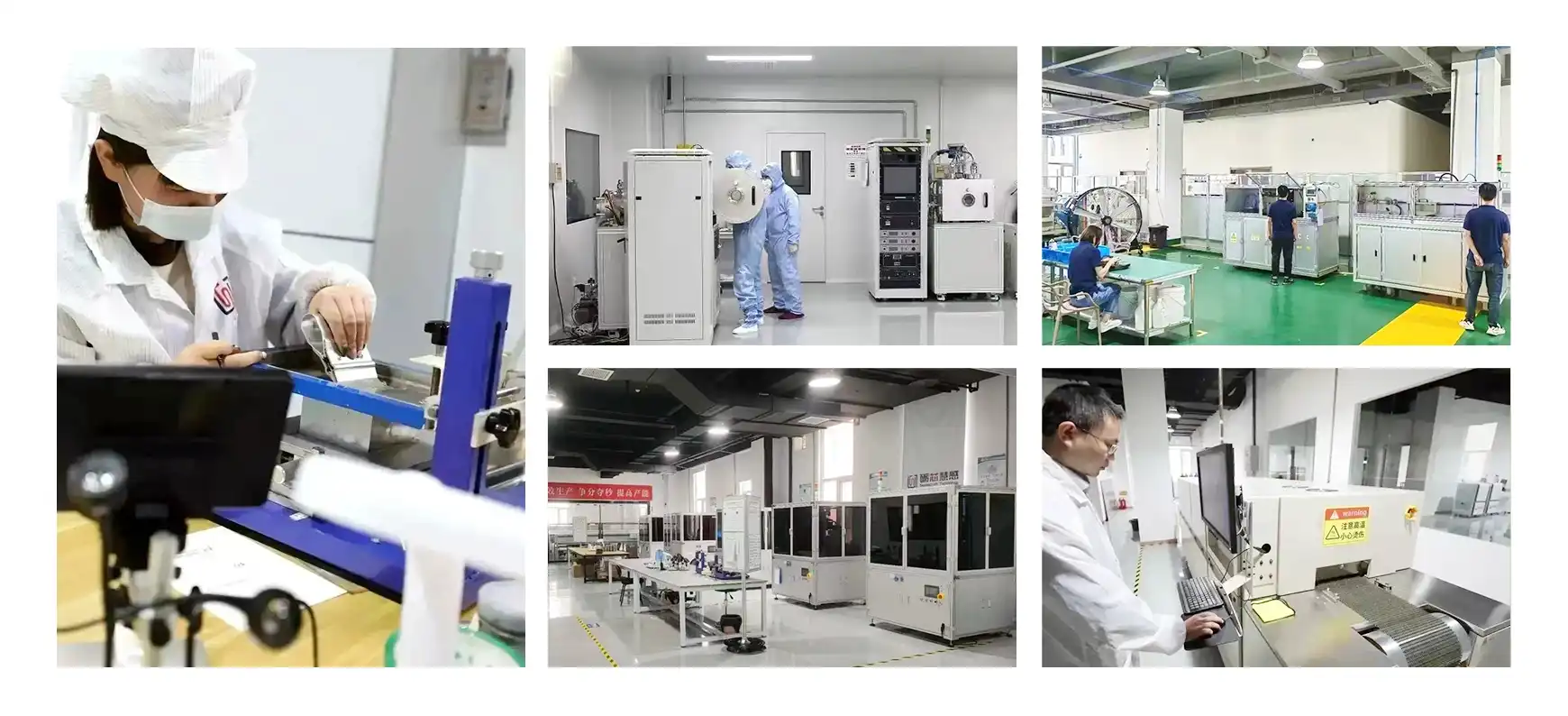
Medical & Lab Mini Pt1000 Sensors from Xi'an Tongzida Technology Co., Ltd. are designed to work in difficult healthcare settings. Our automatic production lines make thin-film platinum resistors that can work in temperatures ranging from -200°C to +850°C. They are accurate to within ±0.01Ω and have stable drift limits of ≤0.04%. We have been a seller of Medical & Lab Mini Pt1000 Sensors for a long time, and we can help you customize sizes from 1.2mm to 4.0mm, lead materials like pure platinum, and response times as fast as 0.05 seconds.
Our ISO 9001-certified production methods guarantee uniform quality that meets the needs of your regulatory filing. Get in touch with our team at sales11@xatzd.com to talk about your application needs and ask for technical details. We offer field application engineering help throughout the whole development process to make sure you choose the right sensors and integrate them correctly. Visit tosidasensor.com to see all of our products and learn how our precision-engineered sensors can improve the performance and dependability of your medical equipment.
References
1. International Electrotechnical Commission. (2022). IEC 60751: Industrial platinum resistance thermometers and platinum temperature sensors. Geneva: IEC Standards Publications.
2. Johnson, M.R., & Peterson, K.L. (2021). Temperature Measurement in Medical Devices: Standards and Best Practices. Journal of Medical Device Engineering, 15(3), 112-128.
3. American Society for Testing and Materials. (2023). ASTM E1137 Standard Specification for Industrial Platinum Resistance Thermometers. West Conshohocken: ASTM International.
4. Zhang, H., Williams, S.T., & Roberts, D.A. (2020). Advances in Miniaturized Platinum RTD Technology for Biomedical Applications. Sensors and Actuators B: Chemical, 304, 127-139.
5. European Medical Device Regulation Working Group. (2021). Temperature Sensor Validation Requirements for Medical Equipment Compliance. Brussels: European Commission Technical Documentation.
6. National Institute of Standards and Technology. (2022). Calibration and Traceability Requirements for Medical Temperature Measurement Systems. NIST Special Publication 250-84.
Learn about our latest products and discounts through SMS or email