- English
- French
- German
- Portuguese
- Spanish
- Russian
- Japanese
- Korean
- Arabic
- Greek
- German
- Turkish
- Italian
- Danish
- Romanian
- Indonesian
- Czech
- Afrikaans
- Swedish
- Polish
- Basque
- Catalan
- Esperanto
- Hindi
- Lao
- Albanian
- Amharic
- Armenian
- Azerbaijani
- Belarusian
- Bengali
- Bosnian
- Bulgarian
- Cebuano
- Chichewa
- Corsican
- Croatian
- Dutch
- Estonian
- Filipino
- Finnish
- Frisian
- Galician
- Georgian
- Gujarati
- Haitian
- Hausa
- Hawaiian
- Hebrew
- Hmong
- Hungarian
- Icelandic
- Igbo
- Javanese
- Kannada
- Kazakh
- Khmer
- Kurdish
- Kyrgyz
- Latin
- Latvian
- Lithuanian
- Luxembou..
- Macedonian
- Malagasy
- Malay
- Malayalam
- Maltese
- Maori
- Marathi
- Mongolian
- Burmese
- Nepali
- Norwegian
- Pashto
- Persian
- Punjabi
- Serbian
- Sesotho
- Sinhala
- Slovak
- Slovenian
- Somali
- Samoan
- Scots Gaelic
- Shona
- Sindhi
- Sundanese
- Swahili
- Tajik
- Tamil
- Telugu
- Thai
- Ukrainian
- Urdu
- Uzbek
- Vietnamese
- Welsh
- Xhosa
- Yiddish
- Yoruba
- Zulu
Best Temperature Sensors for HVAC: Selection Tips
To choose the best temperature sensors for HVAC systems, you need to think about how precise, reliable, and long-lasting they are. When comparing different technologies, the NTC temperature sensor stands out as the best choice because it is highly sensitive, small, and cheap. These thermally sensitive resistors have a negative temperature coefficient, which means that as the temperature rises, their resistance drops in a predictable way. This makes it possible for accurate climate control in home, business, and industrial HVAC systems. Understanding basic technical factors like accuracy, response time, and environmental durability is important for buying teams when they are looking at different sensor options. This helps them find solutions that keep operations running smoothly and lower costs over the life of the sensor.

Understanding Temperature Sensors in HVAC Systems
Modern HVAC control systems are based on temperature sensing technology, which turns changes in temperature into measured electrical signs that make automation and efficiency possible. The thermistor is a temperature-dependent sensor that reacts quickly to changes in the environment. It is at the heart of many high-performance setups.
Core Principles of NTC Sensors
NTC temperature sensor units work on a simple physical principle: as the temperature around them rises, the internal resistance drops in a way that isn't straight line but can be predicted. These devices have high signal-to-noise ratios because they are made of metal oxide ceramics like manganese, nickel, and cobalt. They do this without needing complicated amplification circuits. The Beta value, which shows the slope of the curve between two points of reference (usually B25/50 or B25/85), tells us about their resistance-temperature link. This material constant lets engineers get accurate temperature readings over a wide range of temperatures, from -50°C to +250°C. This makes bill-of-materials easier to use for mass production and makes testing simpler.
In many situations, thermistors are ten times more sensitive than platinum resistance temperature detectors (RTDs). This means that they can pick up on small changes in temperature more quickly, which is important for keeping people comfortable and saving energy. Their small size makes it possible to place them in tight spaces like evaporator coils and ducts, where more standard, bulky sensors wouldn't work.
Comparative Analysis: NTC vs. PTC and Alternative Sensor Types
Procurement experts can better match the powers of parts to the needs of systems when they know how different sensor technologies compare. PTC (Positive Temperature Coefficient) thermistors have resistance that goes up as the temperature goes up. This means that they are better for protecting against overcurrent than for precise measurement. RTDs have great linearity and long-term stability, but in normal HVAC uses, their higher cost and longer reaction times often outweigh the benefits.
The voltage that thermocouples make is related to the difference in temperature. They can work over a wider range, but they need circuits to compensate for cold junctions and improve the signal. Because they are less accurate and more likely to be affected by electromagnetic radiation, they are not as good for sites that need to be quiet. In the meantime, integrated circuit temperature sensors offer digital output and linearized reaction, but they can only work in lower temperature ranges and aren't tough enough for use in harsh HVAC settings.
NTC sensors are the best of both performance and usability. They are accurate to within ±0.05°C when they are properly chosen and set, and they last even when they are exposed to humidity, shaking, and changes in temperature. Their ability to work with basic analog-to-digital converters makes systems simpler, which is a big plus for OEMs and module makers who want to make designs that are as simple as possible without losing measurement accuracy.
Selection Criteria for NTC Temperature Sensors in HVAC
Picking the best NTC temperature sensor for HVAC uses requires careful consideration of a lot of different performance factors. Hardware engineers and technical leads have to find the right balance between different goals, such as accuracy vs. cost and response time vs. stability. They also have to think about external factors that can affect long-term dependability.
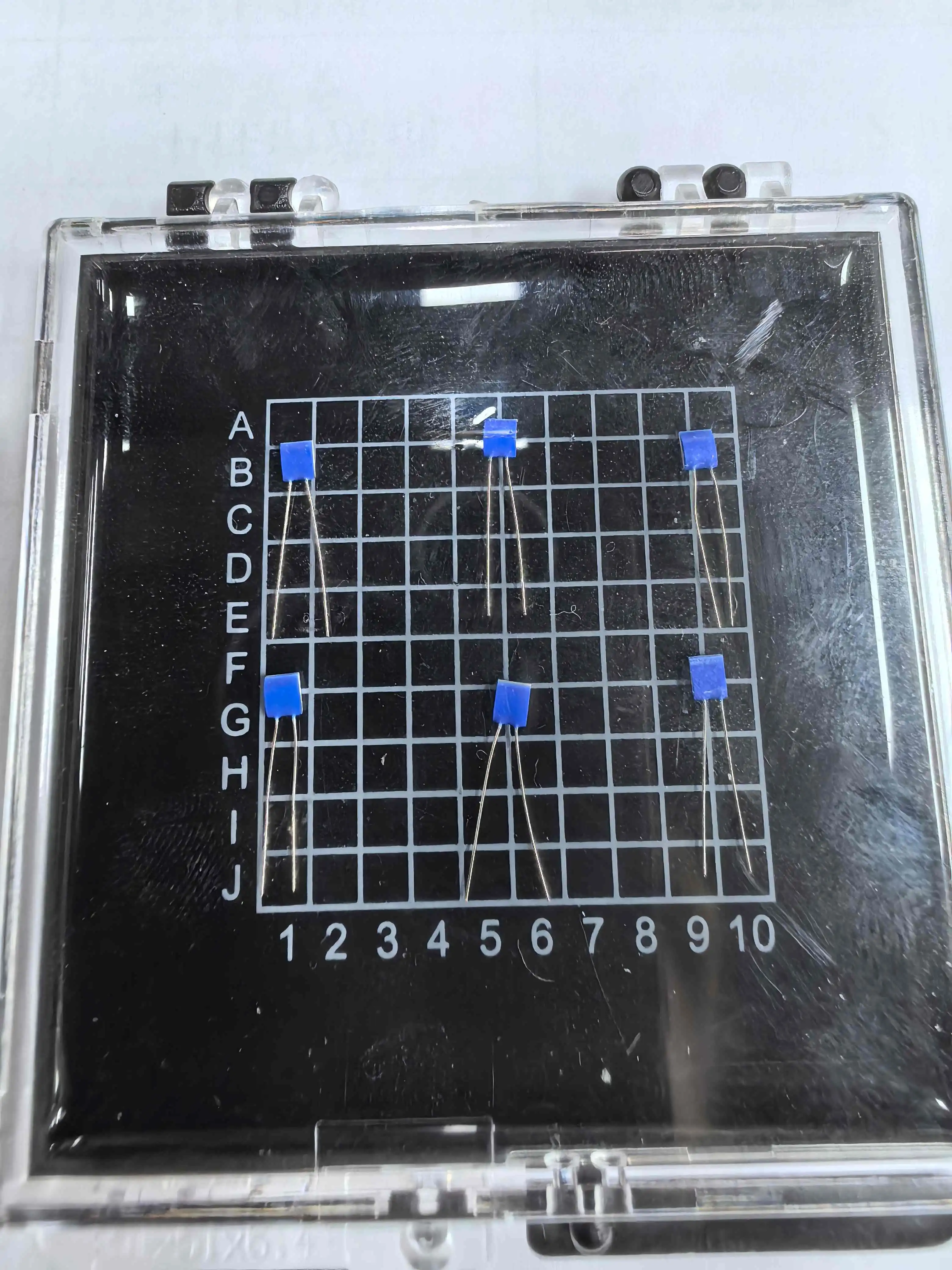
Accuracy, Temperature Range, and Response Time
The accuracy of the measurements has a direct effect on how well the system works. High-precision sensors (with tolerances of ±0.1°C or less) allow precise zone control in business buildings that need to handle setpoints very carefully for energy saving reasons. The temperature range must include both standard working conditions and the worst-case situations, such as an outdoor condenser being exposed to bad weather or equipment inside being heated up during peak loads.
Response time, which is measured by the temperature time constant (ϱ), shows how quickly a sensor can pick up changes in its surroundings. It is important to have sensors with ϱ values less than one second for fast-cycling systems like variable refrigerant flow installs, because lag makes control less stable and comfort worse. Engineers can tell the difference between products that are good for steady-state tracking and those that are better for dynamic applications that need millisecond-level responsiveness by reading the datasheet specs.
Environmental Factors: Humidity and Particulate Exposure
HVAC settings are tough, which makes it hard for sensors to last a long time. Unless safety measures are built in, condensation, foreign contaminants, and changes in temperature all speed up the breakdown process. Glass coating is better at keeping out moisture and can work up to 300°C, making it perfect for high-temperature duct uses. Epoxy over-molding is a cheap way to protect things and makes them more resistant to mechanical shocks. It's a good choice for home setups where cost is a factor.
The IP67 and IP68 closing standards protect against water getting in, which is very important for sensors that are put in humidifiers, cooling towers, or outdoor units. The people in charge of buying things should make sure that the encapsulation materials have the same thermal expansion coefficients as the lead wires. This will stop stress-induced resistance slip during thermal cycles. When sensors come into touch with liquids or harsh chemical atmospheres, stainless steel thermowells add another layer of protection.
Calibration Requirements and Datasheet Interpretation
When testing is done correctly, raw resistance readings can be turned into accurate temperature readings. Resistance at 25°C, or R25, is used as a standard. Resistance levels usually range from 2kΩ to 100kΩ, but this depends on the needs of the product. While higher resistance values lower self-heating mistakes, they also make the device more sensitive to lead wire resistance and electromagnetic pickup.
To keep calculation mistakes to a minimum, beta numbers must be in line with the main operating range. Sensors with B25/85 specifications work best in a wider range of temperatures, while sensors with B25/50 specifications work best in smaller temperature ranges. Dissipation factors, which are recorded in mW/°C, show how much excitation current is allowed before the device starts to heat up and mess up the readings. Keeping the measurement current below the dissipation level stops temperature rises that aren't real and mess up the control logic.
Comparing NTC Temperature Sensors: Market Leaders and Solutions
There are many companies in the global sensor market, and each one offers a wide range of products that can be used in different situations. For example, an NTC temperature sensor might be ideal for applications requiring precise temperature control over a narrow range. When procurement workers know what their suppliers' strengths are, they can match technical needs with what those suppliers can do. This keeps the supply chain stable and makes sure that technical help is always available.
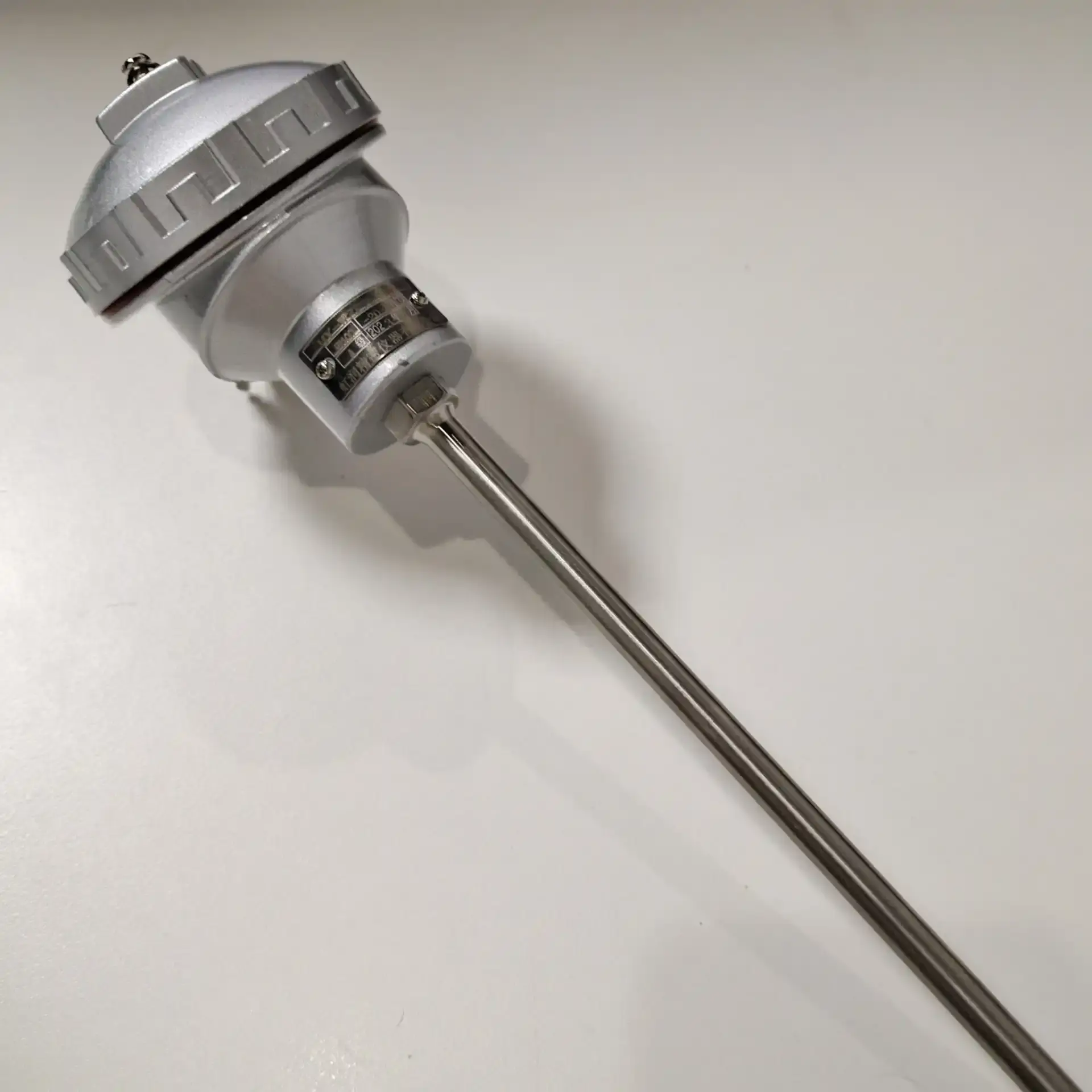
Leading Manufacturers and Product Portfolios
Well-known sensor makers like Murata, TDK, and Bourns keep huge collections of both standard and special thermistors. They sell chip-style surface-mount devices for small PCB integration, bead-type sensors for probe assemblies, and disc designs for putting on panels. Honeywell's HVAC product lines focus on pre-calibrated parts that come with built-in wires and connectors. This makes installation easier for system designers.
When supporting global activities, distribution networks are very important. When it comes to developing new products, manufacturers with regional stores and field application engineers (FAE) are very helpful because they can offer native technical support, faster shipping, and customization services. Certifications like ISO9001, ROHS, and CE compliance show that a company is committed to safety and quality management systems. This lowers the risk of buying for companies that work with controlled industries.
Trade-offs Between Low-Cost and High-Accuracy Sensors
Because of limited funds, buying common thermistors is often the only option, but this method comes with extra costs. Because low-cost sensors have bigger tolerance bands, each one needs to be calibrated individually or the overall performance must be accepted as lower. Their easier packaging might make them less durable, which could cause them to break down early and require guarantee claims and field service costs.
High-accuracy NTC temperature sensor models make it easier to swap out parts because they can be dropped in and used again without having to be calibrated. This is a huge benefit for mass-production settings where labor costs are higher than component costs. Their better long-term stability reduces drift, which means less upkeep is needed and the system lasts longer overall. When figuring out the total cost of ownership, things like the number of failures, the time it takes to calibrate, and the extra energy savings often make the extra investment in quality parts worth it.
Custom and Bulk Purchasing Strategies
Custom sensor creation is helpful for OEMs and Tier 1 sellers who want to give unique products. Off-the-shelf goods can't handle certain mechanical issues, wide temperature ranges, or complex cable setups. Customized solutions can. Working together on designs with sensor makers lets you use their knowledge of materials and production skills, which cuts down on time to market and protects your intellectual property.
When you buy in bulk, you can take advantage of economies of scale, which lowers the cost per unit through long-term supply deals and volume promises. Talking about lead times, safety stock levels, and transportation plans helps keep production schedules on track. This is especially important for goods with long life cycles, since supply problems can cause costly delays. Strategic buyers weigh the costs of keeping goods against price breaks to get the best cash flow while keeping the business freedom to adapt to changes in demand.
Practical Application Insights: How to Maximize NTC Sensor Efficiency in HVAC?
To properly deploy NTC temperature sensor technology, you need to pay attention to best practices for installation, operational rules, and lifecycle management methods. It's important to know application engineering because even high-performance parts don't work well when they're not put together correctly.
Installation Practices and Sensor Positioning
Where sensors are placed has a big effect on how accurate measurements are and how quickly the system responds. By putting sensors in typical airflow areas, away from heat-generating parts, direct sunlight, and dead air pockets, readings will show the real conditions in the zone, not just oddities in a few places. Putting sensors on return air ducts measures the average temperature of the room, and placing sensors on supply ducts checks the temperature of the release to protect the equipment.
Response time and precision are affected by the strength of the thermal contact. Using thermally conductive paste at the mounting surfaces lowers thermal resistance, which speeds up the flow of heat from the medium being measured to the sensor element. By keeping the lead wires from being mechanically stressed, you can stop resistance changes caused by stress, especially when the wires are vibrating or expanding due to heat. When moving cables, they should be kept away from electromagnetic interference sources like variable-frequency drives and high-current wires that can send noise into measurement circuits.
Common Installation Errors to Avoid
Several placement mistakes keep lowering the performance of sensors across projects. When threaded probes are overtightened, they damage ceramic elements, either breaking right away or creating cracks that spread during heat cycles. When sealing isn't done right, moisture can get in and corrode internal connections, causing resistance values to change in unpredictable ways. Self-heating mistakes happen when you use too much excitation current. This is when the sensor's own power loss raises values above room temperature.
Ignoring the lead wire lengths listed in the datasheet adds extra resistance that throws off readings unless they are fixed by calibrating or using four-wire sense methods. When you use different sensor types with different Beta values in the same system, the calibration becomes off, which makes debugging harder and requires each person to make their own adjustments. Keeping track of sensor locations, model numbers, and calibration factors during installation makes servicing easier in the future and speeds up the process of finding faults.
Lifecycle Management and Maintenance Protocols
Regular repair keeps sensors accurate over long periods of time, like years or decades. By checking against reference standards on a regular basis, drift trends can be found, which allows for preventative replacement before performance drops below acceptable levels. Cleaning sensor surfaces gets rid of dust and other particles that keep elements from responding quickly and accurately to changes in the environment.
Keeping track of resistance readings at regular service intervals sets standard trends and makes outliers that point out approaching failure. Having extra sensors on hand cuts down on downtime during unexpected replacements. This is especially important for mission-critical uses where temperature control problems can stop work or put people in danger. By getting in touch with the technical support teams of sensor makers, you can get application notes, help with fixing problems, and software updates for modules that use multiple sensors.
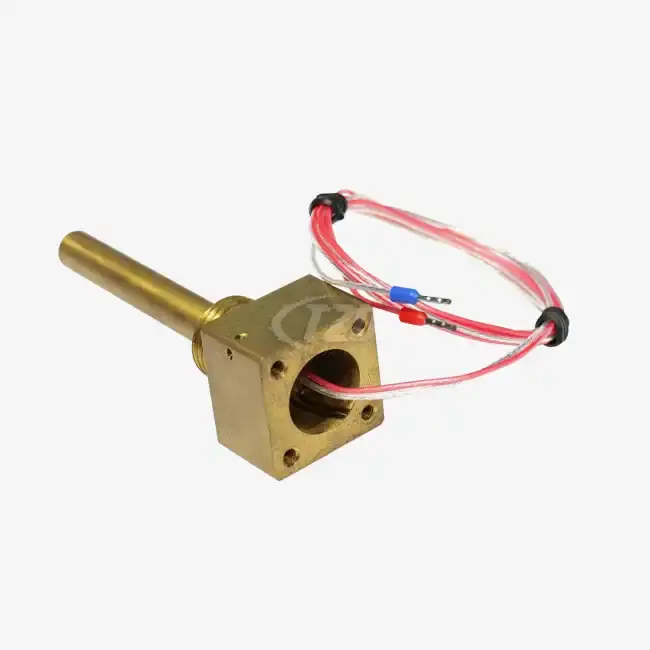
Procurement Guide: How to Choose the Best NTC Temperature Sensor Supplier?
Finding the right NTC temperature sensor provider is more than just looking at the specs of the parts. It also involves looking at the quality systems, technical support infrastructure, and stability of the supply chain. Making strategic choices about procurement lowers risks and gives you access to new ideas and customization options that make end goods stand out.
Evaluation Criteria: Certifications and Compliance Standards
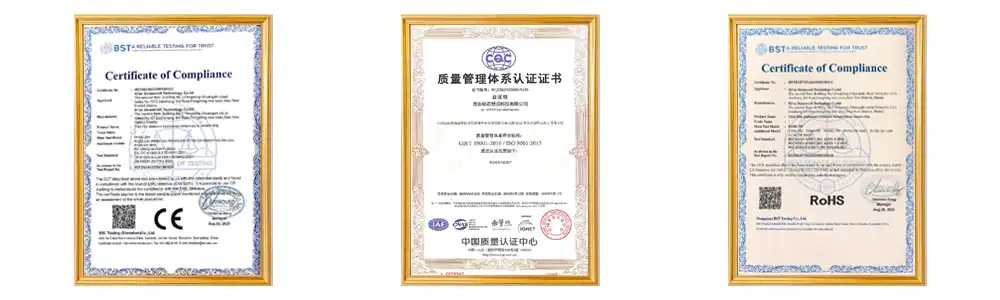
Quality badges show that a provider is committed to process controls and making things better all the time. ISO9001 approval shows that the planning, production, and testing processes are all managed in a standard way. ROHS and REACH compliance make sure that goods follow the rules about dangerous chemicals in the environment. This is very important for equipment that will be sold in Europe and North America.
Industry-specific licenses give you even more peace of mind. AEC-Q200 certification means that the product has been tested for stability at an automobile level, using thermal shock, vibration, and humidity exposure levels that go beyond what is required by law. Medical device makers give more weight to providers that are ISO13485 certified and can show they can do biocompatibility testing. Looking at source audit records, process flow diagrams, and statistical process control data can show how mature the operations are and what steps are being taken to reduce risks.
Strategic Communication and Wholesale Pricing Negotiation
Clear communication of technical needs, number projections, and quality standards is the first step in building good relationships with suppliers. When you give providers particular information like working temperature ranges, accuracy tolerances, lead wire configurations, and environmental conditions, they can suggest the best options instead of general catalog items. Sharing product roadmaps and expected volume growth makes planning together easier, which lets suppliers set aside space and buy tools for making custom parts.
To negotiate a good price, you need to know what causes costs to rise and fall. These include the cost of raw materials, the amortization of tools, the cost of testing, and the logistics. Tier pricing structures can be used with volume promises, and multi-year deals keep costs stable when the market changes. By asking for detailed quotes, you can see how much things really cost and find ways to save money by value engineering or using different materials that still do the job. Transparency in price talks builds trust, which leads to win-win situations that keep relationships going for a long time.
Managing Shipping Logistics and Lead Times
When it comes to lead times, shipping methods, and managing goods, global supply lines make things more complicated. Knowing the production processes of manufacturers—whether they make-to-stock or make-to-order—helps you set reasonable arrival dates. While expedited shipping choices can meet urgent needs, they come at extra costs that affect the project's economy. Setting up safety stock agreements is a good way to balance the costs of keeping inventory with the risks of running out. This is especially important for items with long lead times or changing demand trends.
When shipping goods across foreign borders, Incoterms make it clear who is responsible for the costs of shipping, customs taxes, and risk transfer. When goods leave the manufacturer's plant under FOB (Free On Board) terms, buyers are responsible for them. On the other hand, DDP (Delivered Duty Paid) terms make buying easier because sellers handle all logistics from start to finish. Tracking shipments through digital platforms lets you see where they are in travel, which lets you work more efficiently with production plans and reduces the chance of not having enough materials on hand.

Conclusion
It takes scientific precision, source due diligence, and lifecycle planning to choose the best NTC temperature sensor for HVAC systems. High sensitivity, quick reaction, and low cost are some of the great benefits that NTC thermistors offer. They can be used for a wide range of tasks, from controlling the temperature in a home to automating industrial processes. Professionals in buying find parts that work well even after years of constant use by balancing requirements for accuracy with requirements for environmental durability.
Strategic relationships with suppliers based on certifications, technical support skills, and open communication help lower risks while giving customers access to flexibility and new ideas. Using best practices for installation, calibration, and maintenance will get you the best return on your investment. This means that accurate sensors will save you money on energy costs and keep your business running smoothly.
FAQ
Q1: What distinguishes NTC sensors from RTDs in HVAC applications?
A: NTC sensors provide higher sensitivity and faster response times compared to RTDs, making them suitable for dynamic control scenarios. RTDs offer superior linearity and long-term stability but at higher costs, better suited for laboratory instrumentation than cost-sensitive HVAC installations.
Q2: What operating temperature range and accuracy should I expect?
A: Standard NTC sensors span -50°C to +150°C with accuracies of ±0.1°C to ±0.5°C depending on tolerance grade. High-precision variants achieve ±0.05°C within narrower ranges, appropriate for applications demanding tight setpoint control.
Q3: How do I maintain sensor durability in humid environments?
A: Select sensors with glass encapsulation or epoxy over-molding rated for IP67/IP68 ingress protection. Verify encapsulation materials match lead wire thermal expansion coefficients to prevent stress-induced failures during temperature cycling.
Q4: Can self-heating affect measurement accuracy?
A: Yes, excessive excitation current causes sensors to dissipate heat, elevating readings above actual ambient temperature. Maintain measurement current below the dissipation constant specified in datasheets to minimize self-heating errors.
Q5: How often should sensors be recalibrated?
A: Recalibration intervals depend on application criticality and environmental severity. Annual verification against reference standards suits most commercial installations, while critical systems may require quarterly checks to detect drift trends early.
Partner with Tongzida for Premium NTC Temperature Sensor Solutions
Xi'an Tongzida Technology Co., Ltd. stands ready to support your HVAC projects with advanced thermistor technology engineered for reliability and precision. Our automated production lines deliver sensors spanning room temperature to ultra-low ranges, backed by ISO9001, ROHS, and CE certifications that assure quality and compliance. Whether you require standard catalog items or custom solutions tailored to unique specifications, our field application engineers collaborate closely with your team throughout design, prototyping, and mass production phases. Reach out to sales11@xatzd.com to discuss your requirements with our technical specialists, request samples, or obtain competitive wholesale pricing for your next procurement cycle. As a trusted NTC temperature sensor manufacturer, we deliver the performance and support that transform sensor selection from procurement challenge into competitive advantage.
References
1. International Electrotechnical Commission. (2020). IEC 60539-1: Directly Heated Negative Temperature Coefficient Thermistors – Part 1: Generic Specification. Geneva: IEC Publications.
2. ASHRAE. (2019). ASHRAE Handbook – HVAC Applications. Atlanta: American Society of Heating, Refrigerating and Air-Conditioning Engineers.
3. Fraden, J. (2016). Handbook of Modern Sensors: Physics, Designs, and Applications (5th ed.). New York: Springer International Publishing.
4. Bentley, R. E. (2018). Temperature and Humidity Measurement. Singapore: Springer Nature.
5. Lipták, B. G. (Ed.). (2018). Instrument Engineers' Handbook – Volume One: Process Measurement and Analysis (5th ed.). Boca Raton: CRC Press.
6. McGhee, J., Henderson, I. A., & Sydenham, P. H. (2017). Sensor Performance and Reliability. Berlin: De Gruyter.
Learn about our latest products and discounts through SMS or email