- English
- French
- German
- Portuguese
- Spanish
- Russian
- Japanese
- Korean
- Arabic
- Greek
- German
- Turkish
- Italian
- Danish
- Romanian
- Indonesian
- Czech
- Afrikaans
- Swedish
- Polish
- Basque
- Catalan
- Esperanto
- Hindi
- Lao
- Albanian
- Amharic
- Armenian
- Azerbaijani
- Belarusian
- Bengali
- Bosnian
- Bulgarian
- Cebuano
- Chichewa
- Corsican
- Croatian
- Dutch
- Estonian
- Filipino
- Finnish
- Frisian
- Galician
- Georgian
- Gujarati
- Haitian
- Hausa
- Hawaiian
- Hebrew
- Hmong
- Hungarian
- Icelandic
- Igbo
- Javanese
- Kannada
- Kazakh
- Khmer
- Kurdish
- Kyrgyz
- Latin
- Latvian
- Lithuanian
- Luxembou..
- Macedonian
- Malagasy
- Malay
- Malayalam
- Maltese
- Maori
- Marathi
- Mongolian
- Burmese
- Nepali
- Norwegian
- Pashto
- Persian
- Punjabi
- Serbian
- Sesotho
- Sinhala
- Slovak
- Slovenian
- Somali
- Samoan
- Scots Gaelic
- Shona
- Sindhi
- Sundanese
- Swahili
- Tajik
- Tamil
- Telugu
- Thai
- Ukrainian
- Urdu
- Uzbek
- Vietnamese
- Welsh
- Xhosa
- Yiddish
- Yoruba
- Zulu
A Guide to Flexible Piezoelectric Sensors and Their Principles
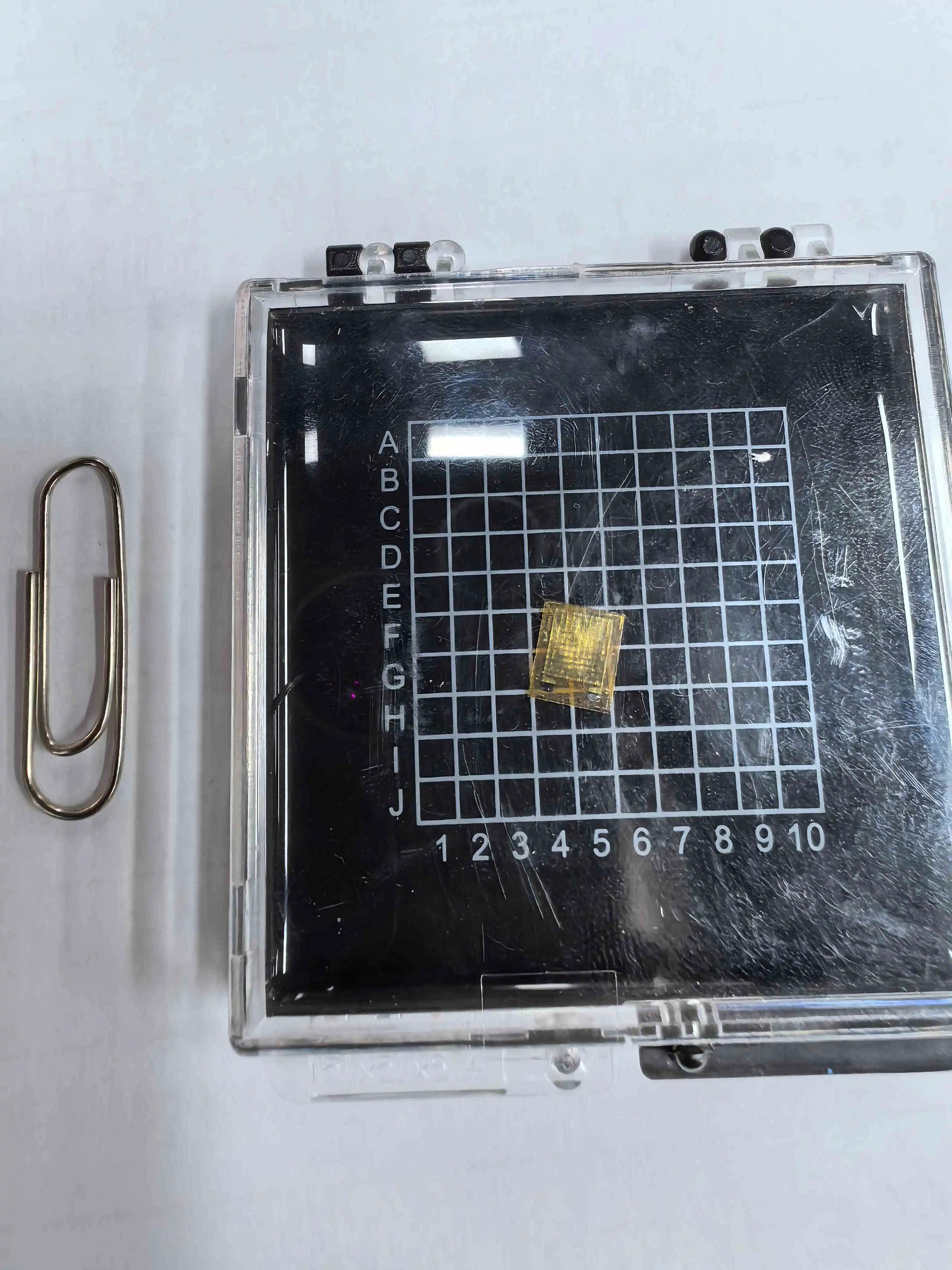
A flexible piezoelectric sensor is a high-tech electromechanical device designed to turn mechanical signals like pressure, strain, or vibration into measured electrical signals using the direct piezoelectric effect, all while keeping its shape even when it is stretched or twisted a lot. The sensors don't use hard ceramics like Lead Zirconate Titanate; instead, they use organic polymers like Polyvinylidene Fluoride (PVDF), piezoelectric composites, or nanomaterials mixed into elastomeric surfaces. This technology fills the "conformability gap" in sensors, letting very sensitive readings be taken on rough, soft, or curved surfaces where hard materials would break. Because they can do so many different things, they are essential for B2B buying workers who need reliable sensing solutions that balance performance with mechanical adaptability.
Understanding Flexible Piezoelectric Sensors
Core Operating Principles
This kind of sensors works because of the piezoelectric effect. Certain solid or polymeric materials produce an electric charge equal to the force that is given to them when they are under mechanical stress. Polymer-based materials like PVDF are used in flexible piezoelectric sensors because they have electrical qualities and can still be bent. When the material is stressed, the molecule dipoles move around, which makes a voltage difference between electrodes that are glued to the sensor surface. In many situations, this straight conversion process lets you watch in real time without any extra power sources.
Engineers like this technology because it lets sensors work without power or wires in places where those things are hard to get to. Because the piezoelectric effect can be turned around, these devices can also be used as actuators. However, their main practical use is still for detecting.
Material Composition and Structure
Flexible piezoelectric films made of PVDF are the most popular choice because they have a great mix of mechanical flexibility and a piezoelectric coefficient (d33 values range from 20 to 35 pC/N). The low Young's modulus of the material—usually between 1 and 3 GPa—allows it to adapt to complex shapes without affecting the structure of the sensor. When piezoelectric nanoparticles are mixed into rubber materials, the composite structures become even more flexible while still being sensitive enough for demanding uses.
During the film drawing and poling steps of the manufacturing process, the formation of the solid phase must be carefully controlled. The beta-phase crystalline structure in PVDF has the largest piezoelectric reaction, so it needs to be carefully treated with heat and electricity during production. Advanced sealing methods, like Atomic Layer Deposition and parylene coating, keep these structures from breaking down in tough industrial settings by protecting them from the environment.
Technical Performance Parameters
When purchasing teams look at these sensors, they should pay attention to a few important details. The piezoelectric strain constant (d33) shows how much charge is created per unit of stress. Higher numbers mean the sensor is more sensitive. The voltage constant (g33) measures the open-circuit voltage per unit stress, which is very important for uses that need to read voltage directly. Response time is usually a few microseconds, and it can handle readings of changing frequencies from 0.1 Hz to several kilohertz.
Accuracy of measurements depends on linearity across working ranges, and long-term testing needs are affected by temperature stability. When used in the temperature range they are designed for, good sensors keep their performance within ±2%. Specifications for mechanical longevity include a minimum bending radius that is often greater than 1 mm and wear resistance after thousands of bending cycles. These factors determine whether a sensor is suitable for certain industrial uses, which helps buyers make the best choice of components.
Applications and Advantages in Industry
Healthcare and Wearable Medical Devices
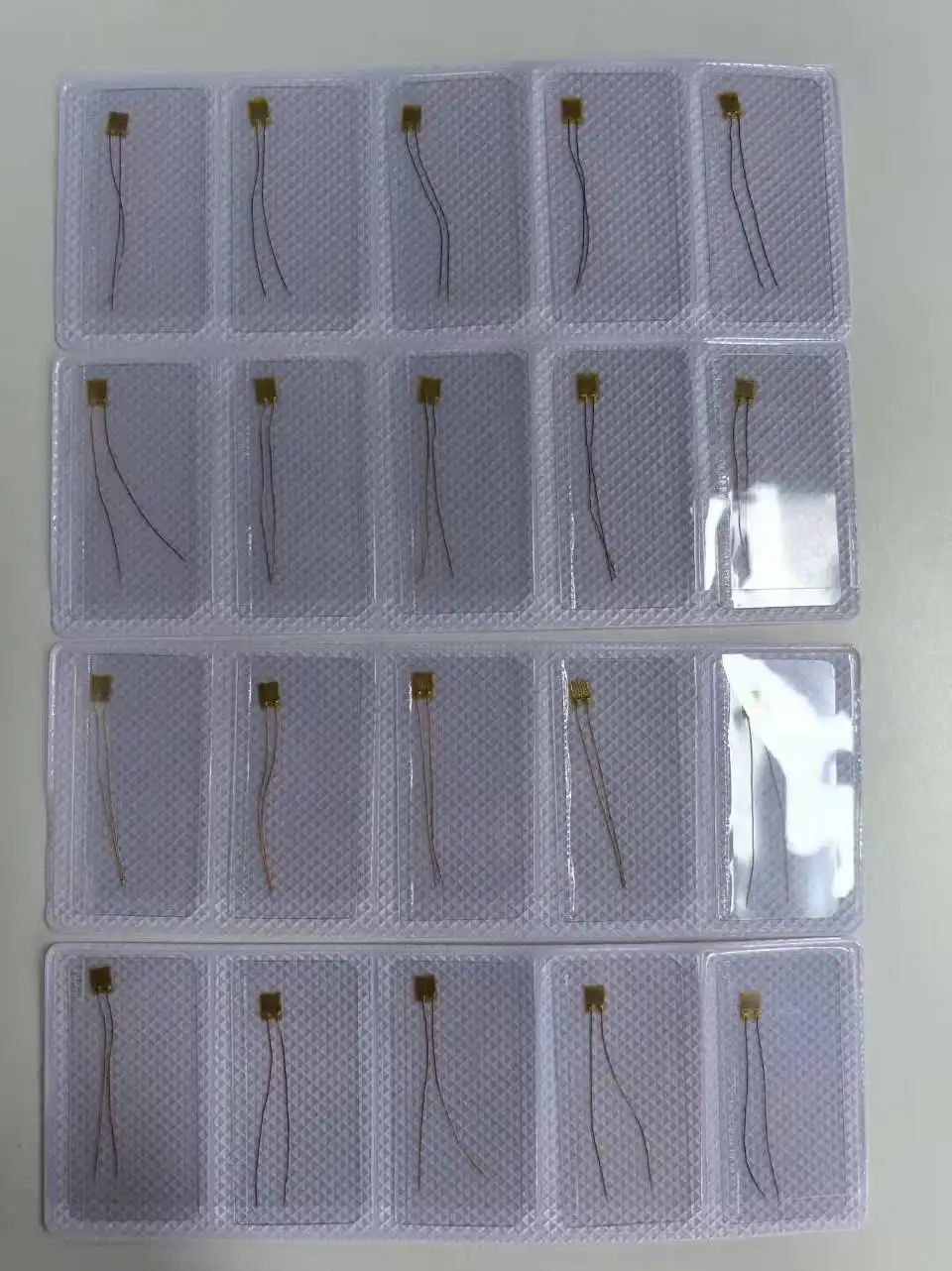
More and more, companies that make medical devices are putting flexible piezoelectric sensors into wearable tracking systems that pick up physiological signs with clinical-grade accuracy. These sensors naturally adapt to the structure of the skin. They can pick up on small arterial pulse waves and breathing patterns while blocking motion effects that can mess up rigid sensors. PVDF and similar plastics are harmless, which means they meet strict medical safety standards and can be left on the skin for a long time without causing any problems.
The sensors' ability to work without bulky power supplies makes them useful for continuous health tracking uses. This makes the devices lighter and more patient-friendly. Heart monitoring, respiratory rate tracking, and walking analysis tools all use this technology to send real-time data streams that help with preventive healthcare. The high voltage sensitivity makes it possible to pick up millinewton-level contact forces, which can pick up on small changes in the body that could be early signs of disease.
Industrial Automation and Structural Health Monitoring
These sensors are used in factories for predictive repair plans that cut down on unplanned downtime. When put on spinning equipment, conveyor systems, or robotic assemblies, they pick up on strange sound patterns that could mean that bearings are wearing out, the structure isn't aligned correctly, or it's getting old. Because the sensors are thin and don't have a lot of mass, they can be installed on curved composite surfaces that are widespread in aircraft structures. Rigid sensors would either break physically or need complicated mounting fixtures.
Monitoring of acoustic emissions is a very useful part of quality control processes. The sensors pick up sound signs that are sent out when cracks spread or layers separate in composite materials. This lets manufacturers find problems in real time while they are making things. This feature cuts down on waste and protects the quality of the product in safety-important areas like self-driving cars and ADAS parts, where sensor reliability has a direct effect on how well the system works.
Robotics and Human-Machine Interface
For soft robotics to work, the physical input systems need to be able to adapt to the way the robot is built mechanically. Robotic grippers can handle fragile items with the right amount of force by using electronic skins that are made up of flexible piezoelectric sensors. This keeps the grip secure while avoiding damage. Because the sensors have a wide dynamic range, they can be used for both soft contact recognition and strong grip verification in the same device.
These sensors are used for safety tracking and motion recognition by collaborative robots that work with human handlers. The sensors pick up on closeness and force of touch, which sets off safety reactions that keep workers from getting hurt on the job. This technology takes contact between people and machines beyond simple proximity recognition. It makes it possible for control interfaces to be easy to understand and react to changes in pressure and the direction of forces applied by users.
Comparison and Selection Guide
Flexible vs. Rigid Piezoelectric Sensors
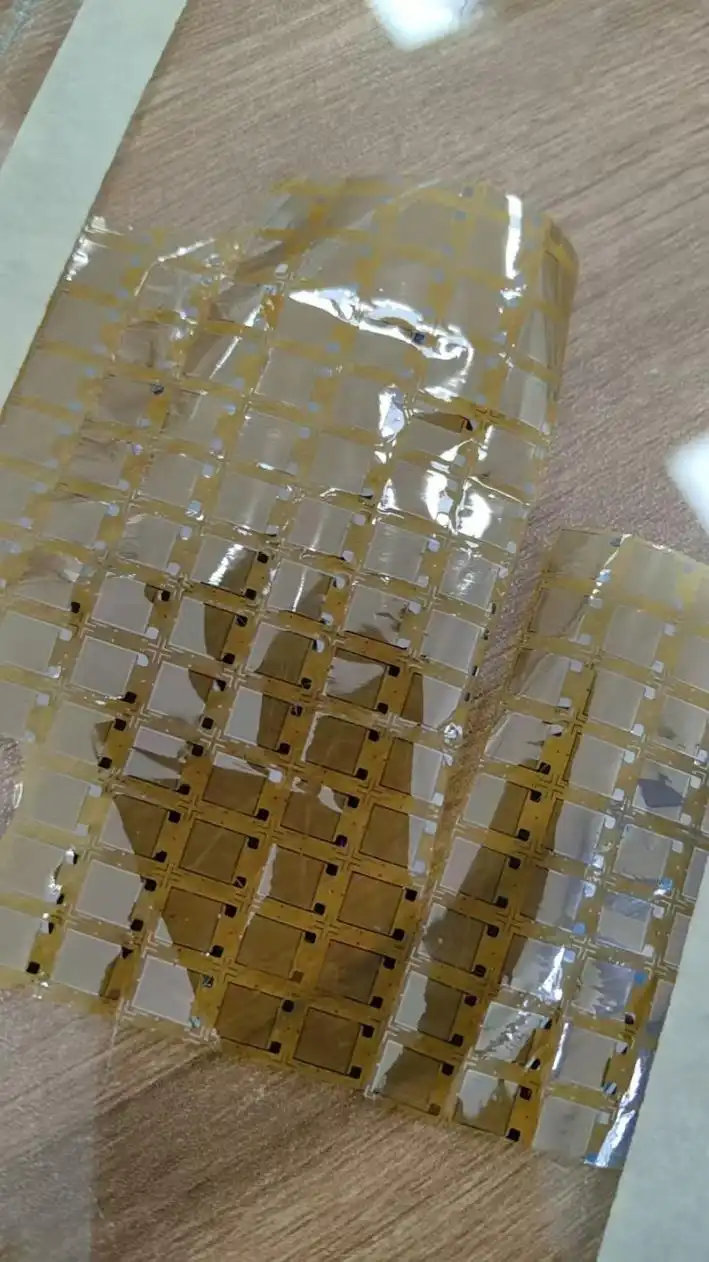
When procurement teams choose between flexible piezoelectric sensors and rigid sensor designs, they have to make important strategy decisions. Rigid ceramic sensors made from PZT materials have higher piezoelectric coefficients, often more than 500 pC/N. This makes them better for uses that need the highest sensitivity in safe mounting settings. Because they are so fragile, they can't be used on curved or moving surfaces. Instead, they can only be used at set measurement places on flat substrates.
Some sensitivity is lost in flexible versions so they can be used on surfaces with curved edges that clay sensors can't reach. They can handle repeated bending and impact loads that would break stiff options, which makes them last longer in settings that are always changing. Wearable tech, robotic joints, and machinery that vibrates naturally benefit from flexible designs, even though their piezoelectric coefficients are slightly lower than those of mass ceramics.
Alternative Sensing Technologies
Capacitive sensors are often used instead of other types of sensors for force and closeness sensing. They check how the electrical capacitance changes between conductive plates when the space or dielectric properties change because of stress on the plates. Capacitive sensors are great for measuring static electricity and finding things close by, but they need extra circuitry to get excited and usually have less bandwidth than piezoelectric sensors. Long-term testing is also hard to do because things change over time and temperature.
Traditional strain gauges made of resistive elements are very accurate for measuring static and almost static strain, but they don't have the dynamic reaction features of piezoelectric sensors. Strain gauges need bridge completion networks and amplification steps, which makes the system more complicated. They need a constant power source because they can't make their own charge, which is bad for remote or power-limited uses where self-powered piezoelectric sensing is clearly better.
Selection Criteria for Procurement
Technical needs, not just the cost of the original component, should determine which sensors are used. Piezoelectric sensors are naturally faster, which makes them better for applications that need a high-frequency reaction above 1 kHz. For static measures, strain gauge technology may be the best choice, but capacitive methods may be better for proximity sensing. Extreme temperatures, chemical contact, and mechanical shock are some of the environmental factors that affect the choice of material and the requirements for sealing.
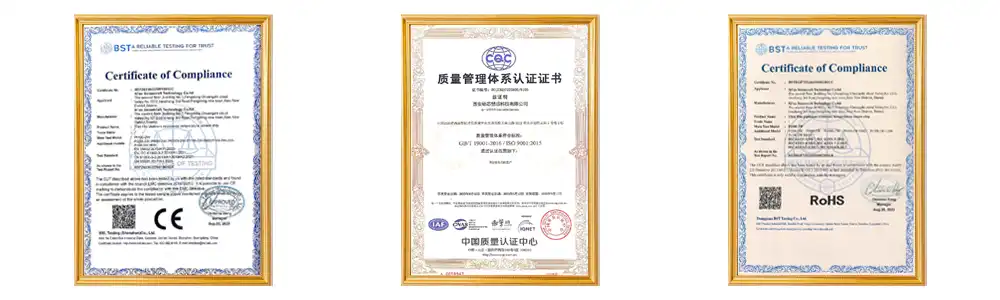
For high-volume production projects, supply chain issues are very important. Teams in charge of buying things should look at the qualifications of suppliers, such as ISO9001 quality systems, RoHS compliance, and, if necessary, CE marks. Aside from unit price, the total cost of ownership is also affected by long-term availability promises and how quickly technical help can respond. Customization options let sensors work better in certain situations, but standard goods save time and money on engineering and testing processes.
Procurement Insights for Global Buyers
Sourcing Strategy and Supplier Evaluation
When you buy from a seller of sensor technology, you have to do a lot more than just compare prices. Some signs of technical capability are the ability to develop and make things in-house, the ability to create unique mixtures of materials, and the presence of well-established quality control systems. Vertically integrated suppliers handle everything from processing raw materials to checking finished products. These suppliers usually offer better quality and faster technical help than distributors who don't know much about manufacturing.
When suppliers offer application engineering tools during product development stages, they help OEM partnerships. Field Application Engineers (FAE) are very important during the flexible piezoelectric sensor integration process because they help improve how sensors are mounted, how signals are processed, and how they are calibrated. Supplier facility checks should be a part of evaluation programs. These audits should look at the equipment's capabilities, process controls, and traceability systems to make sure that consistency from batch to batch is maintained, which is important for high-reliability uses.
Pricing Structure and Volume Economics
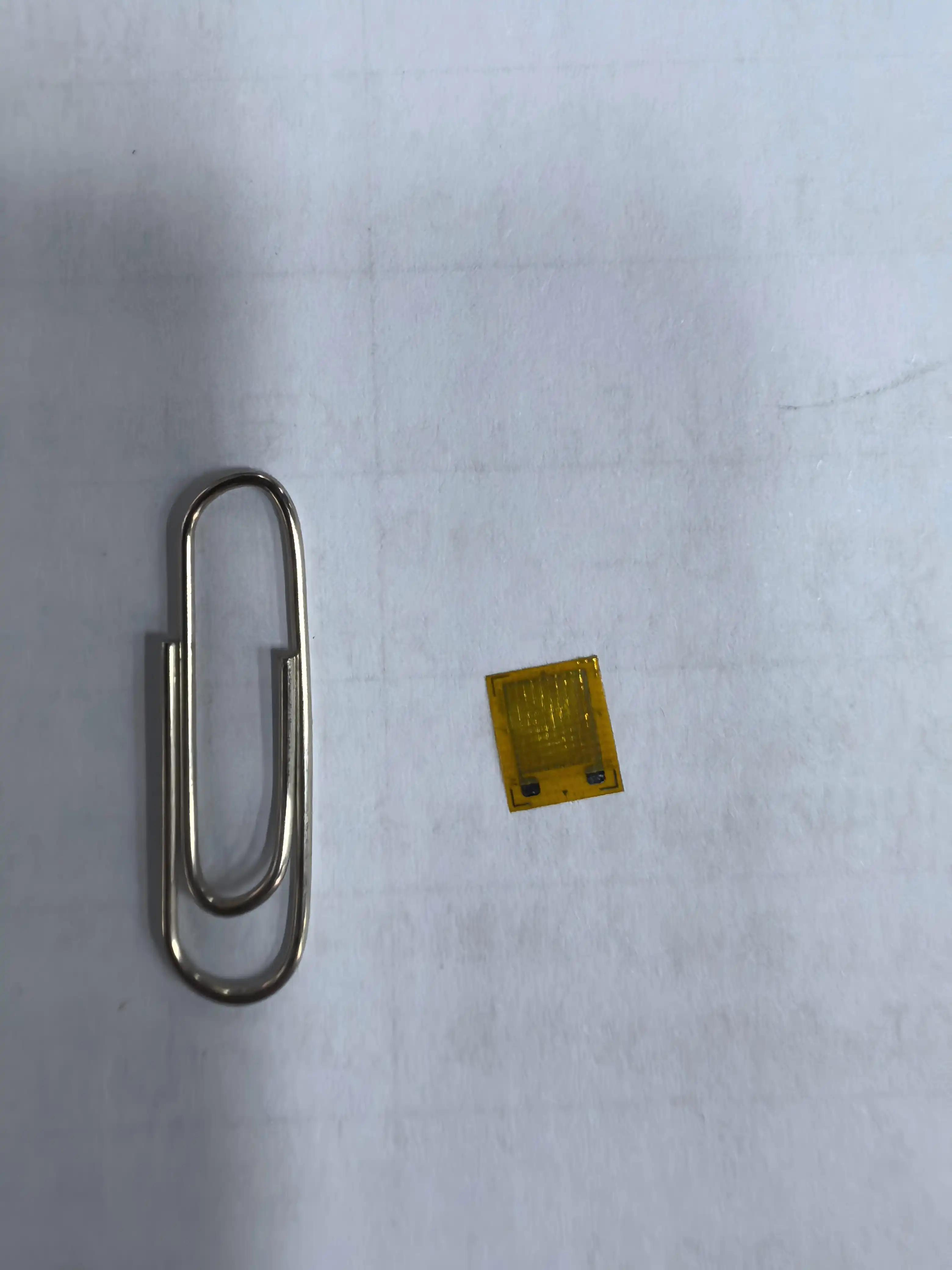
The cost of a flexible piezoelectric sensor depends on both the cost of the materials and the difficulty of making it. Standard store items usually cost between a few dollars for simple films and tens of dollars for organized multi-layer devices that have built-in signal conditioning. Customized solutions that cost more than standard products offer performance that is specific to the application that can't be achieved with standard products. This is because system-level optimization lowers total bill of materials (BOM) costs, which justifies higher unit costs.
Structures that use volume prices encourage buying in bulk and making long-term agreements. A lot of the time, annual purchasing deals get you 15–30% off compared to buying things on the spot, and they also make sure that you have enough supplies when demand is high. Costs per unit are usually higher for prototypes that allow design approval, but they save money on costly redesign processes. Global buyers should ask for thorough quotes that include volume breakpoints, gear amortization plans, and minimum order amounts. This will allow for accurate modeling of total costs across the lifecycles of a product.
Sample Evaluation and Qualification
Costly standard mismatches can be avoided by testing samples for technical accuracy. Full testing methods should check the piezoelectric coefficient by applying a standard force, checking the frequency response across the working span, and checking the temperature stability over a range of temperatures. Testing for mechanical longevity, such as cyclic bending and impact resistance, confirms reliability in real-world situations, not just in terms of the specs listed on the datasheet.
Lead times for special sensors vary a lot depending on how complicated the design is and how much capacity the seller has. Standard goods usually ship between 2 and 4 weeks, but unique designs take 8 to 16 weeks to complete, which includes engineering, making the prototype, and testing it to make sure it works. These times should be built into the procurement plan, plus extra time for qualification testing in the customer's system. Setting up framework deals with providers who have already been qualified speeds up future projects by getting rid of the need for repeated qualification processes.
Conclusion
Flexible piezoelectric sensors have special features that make them useful in healthcare, industrial automation, and robots. These features include the ability to bend, run on their own power, and respond quickly. Because they are better technically than rigid ceramics and other sensing technologies, they can't be used in situations with complicated shapes or tough mechanical conditions. A successful procurement relies on carefully evaluating all suppliers, making sure that specifications match application needs, and forming strategic relationships that allow for customization and quick technical support. Knowing about the properties of materials, performance factors, and new innovations helps buying teams make smart choices that maximize return on investment (ROI) while meeting strict technical requirements.
FAQ
Q1: How durable are flexible piezoelectric sensors in harsh industrial environments?
A: When chosen and placed correctly, these sensors can handle a lot of mechanical stress. PVDF-based sensors can work in temperatures ranging from -40°C to +80°C. Specialized versions can work in temperatures as low as -200°C or as high as +150°C. Chemical resistance rests on the quality of the covering. Parylene and polyimide films are great at keeping industrial solvents, oils, and humidity out. Most designs can handle more than 40g of vibration, and strengthened ones can handle up to 100g of impact. Fatigue testing shows that the working life is more than 10 million bending cycles when the bending radius is bigger than what the maker recommends.
Q2: Can these sensors be customized for specific applications?
A: Physical measurements, electrode patterns, sensitivity setting, and built-in signal filtering are all things that can be changed to make it unique. Manufacturers change the width of the piezoelectric film, the strength of the poling, and the composite formulations to get the best performance for certain frequency ranges and force ranges. Different mounting needs can be met by lead wires of different materials, lengths, and connection ways. Custom sealing solves problems that only happen in certain environments, like those with high pressure, extreme temperatures, or chemicals that break down materials.
Q3: What factors most influence sensor sensitivity?
A: The main factor that determines sensitivity is the piezoelectric coefficient (d33), which is affected by the type of material used and how it was processed. How much charge is generated depends on the width of the film. Thicker films generate more charge but are less flexible. How well an electrode collects charges depends on how it is designed and how well it is bonded. Changing the material qualities at operating temperature has a big effect on sensitivity, so in precision uses, temperature compensation is needed. The functional sensitivity is changed by mechanical preload and mounting methods that change how stress is transferred from the object being monitored to the detecting element.
Partner with Tongzida for Advanced Flexible Sensing Solutions
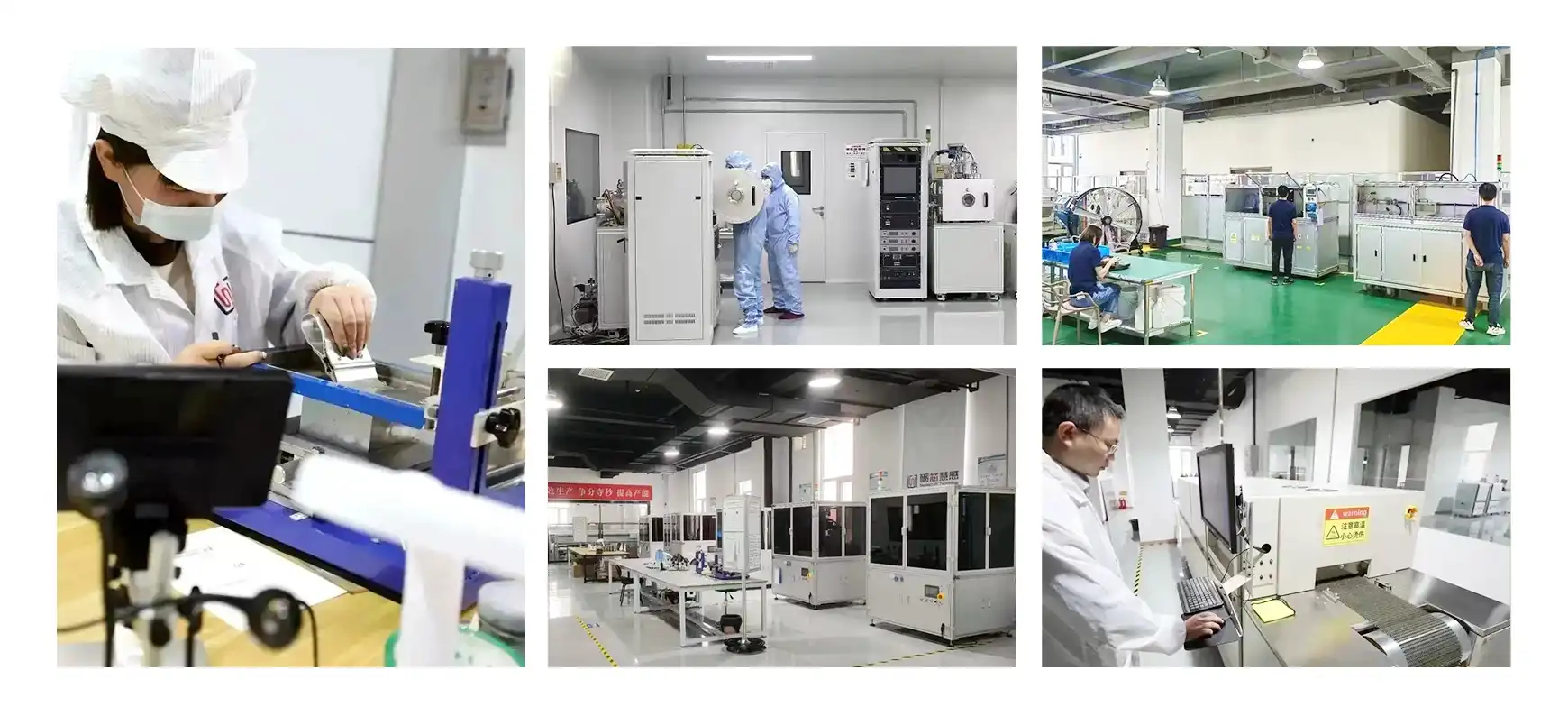
Xi'an Tongzida Technology has decades of experience making microsensors and putting them together with other systems. They specialize in making high-performance sensors. We are best at making platinum resistance temperature sensors that are accurate to within ±0.01Ω from -200°C to +850°C. We also know a lot about sensor physics and how to make precision parts, which makes us a great source of flexible piezoelectric sensors for tough jobs. Our quality systems are ISO9001-certified, we follow CE rules, and we can automate production to give B2B clients the stability and dependability they need.
Our integrated method, which includes chip design and testing system development, helps procurement teams that need unique sensing solutions. We know the technical problems that companies in fields like medical device manufacturing and car ADAS systems have to deal with. We offer FAE help throughout the product development cycle. You can email our technical experts at sales11@xatzd.com to talk about your unique needs, ask for evaluation samples, or look into OEM business possibilities. Tongzida is your reliable partner in sensor technology because we care about stable supply chains, building long-term relationships with customers, and quick expert help.
References
1. Harrison, J. S., & Ounaies, Z. (2002). Piezoelectric Polymers. Encyclopedia of Polymer Science and Technology. Wiley-Interscience.
2. Kim, D. H., et al. (2011). Epidermal Electronics: Flexible Electronic Systems for Biomedical Applications. Advanced Materials, 23(34), 4178-4203.
3. Huang, Y. R., et al. (2019). Flexible Piezoelectric Sensors for Dynamic Monitoring of Physiological Signals. IEEE Sensors Journal, 19(20), 9232-9240.
4. Toprak, A., & Tigli, O. (2014). Piezoelectric Energy Harvesting: State-of-the-Art and Challenges. Applied Physics Reviews, 1(3), 031104.
5. Smith, R. B., et al. (2020). Structural Health Monitoring Using Flexible Piezoelectric Sensors: Applications in Aerospace Composite Structures. Journal of Intelligent Material Systems and Structures, 31(7), 985-1001.
6. Chen, X., et al. (2021). Recent Advances in Flexible Piezoelectric Sensors for Soft Robotics and Human-Machine Interfaces. Advanced Functional Materials, 31(18), 2010398.


Learn about our latest products and discounts through SMS or email