- English
- French
- German
- Portuguese
- Spanish
- Russian
- Japanese
- Korean
- Arabic
- Greek
- German
- Turkish
- Italian
- Danish
- Romanian
- Indonesian
- Czech
- Afrikaans
- Swedish
- Polish
- Basque
- Catalan
- Esperanto
- Hindi
- Lao
- Albanian
- Amharic
- Armenian
- Azerbaijani
- Belarusian
- Bengali
- Bosnian
- Bulgarian
- Cebuano
- Chichewa
- Corsican
- Croatian
- Dutch
- Estonian
- Filipino
- Finnish
- Frisian
- Galician
- Georgian
- Gujarati
- Haitian
- Hausa
- Hawaiian
- Hebrew
- Hmong
- Hungarian
- Icelandic
- Igbo
- Javanese
- Kannada
- Kazakh
- Khmer
- Kurdish
- Kyrgyz
- Latin
- Latvian
- Lithuanian
- Luxembou..
- Macedonian
- Malagasy
- Malay
- Malayalam
- Maltese
- Maori
- Marathi
- Mongolian
- Burmese
- Nepali
- Norwegian
- Pashto
- Persian
- Punjabi
- Serbian
- Sesotho
- Sinhala
- Slovak
- Slovenian
- Somali
- Samoan
- Scots Gaelic
- Shona
- Sindhi
- Sundanese
- Swahili
- Tajik
- Tamil
- Telugu
- Thai
- Ukrainian
- Urdu
- Uzbek
- Vietnamese
- Welsh
- Xhosa
- Yiddish
- Yoruba
- Zulu
Top Advantages of Pt1000 Sensors in Industrial Applications
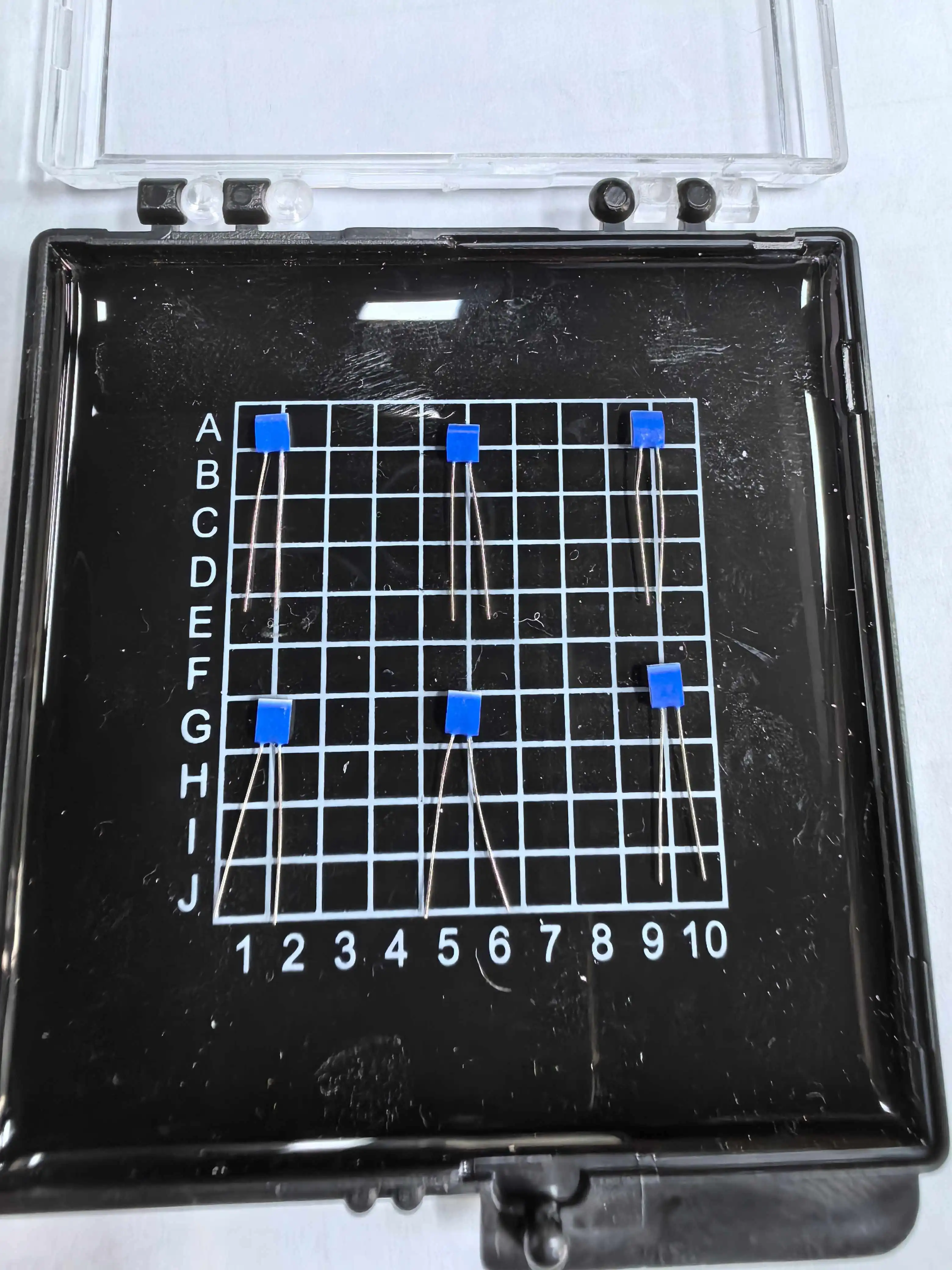
The industrial Pt1000 sensor is a major step forward in the technology used to measure temperatures accurately in harsh factory settings. With a resistance of 1000 ohms at 0°C, these platinum-based Resistance Temperature Detectors solve important problems in the industry, such as keeping signals strong over long cable runs, using little power in battery-powered systems, and keeping electromagnetic interference out of factories. Their higher base resistance—ten times higher than regular Pt100 sensors—basically gets rid of measurement errors caused by lead-wire resistance. This makes them essential for technical leaders looking at sensor technologies for mission-critical uses in the medical equipment, industrial automation, and automotive electronics sectors.
Understanding Pt1000 Sensors: Core Principles and Working Mechanism
Platinum resistance temperature monitors use the fact that changes in platinum's electrical resistance are constant and can be predicted. This basic idea makes it possible to measure things very accurately and consistently. The industrial Pt1000 sensor works by turning heat energy into electrical signs that can be measured. As the temperature rises, so does the resistance.
The Technical Foundation of Platinum RTD Technology
Platinum is the best material for sensing because it doesn't react with chemicals and has a stable temperature index. According to IEC 60751, the material has a standard Temperature Coefficient of Resistance of 0.003851 Ω/Ω/°C. This means that a change of one degree Celsius causes a change in resistance of about 3.85 ohms. This allows for high-resolution data collection with little need for amplification. Engineers who are choosing sensors for ADAS systems or machine vision applications really like how sensitive they are by nature. This makes it possible to precisely control the temperature of semiconductor imaging components where even small changes in temperature can affect performance.
Construction Methods and Physical Architecture
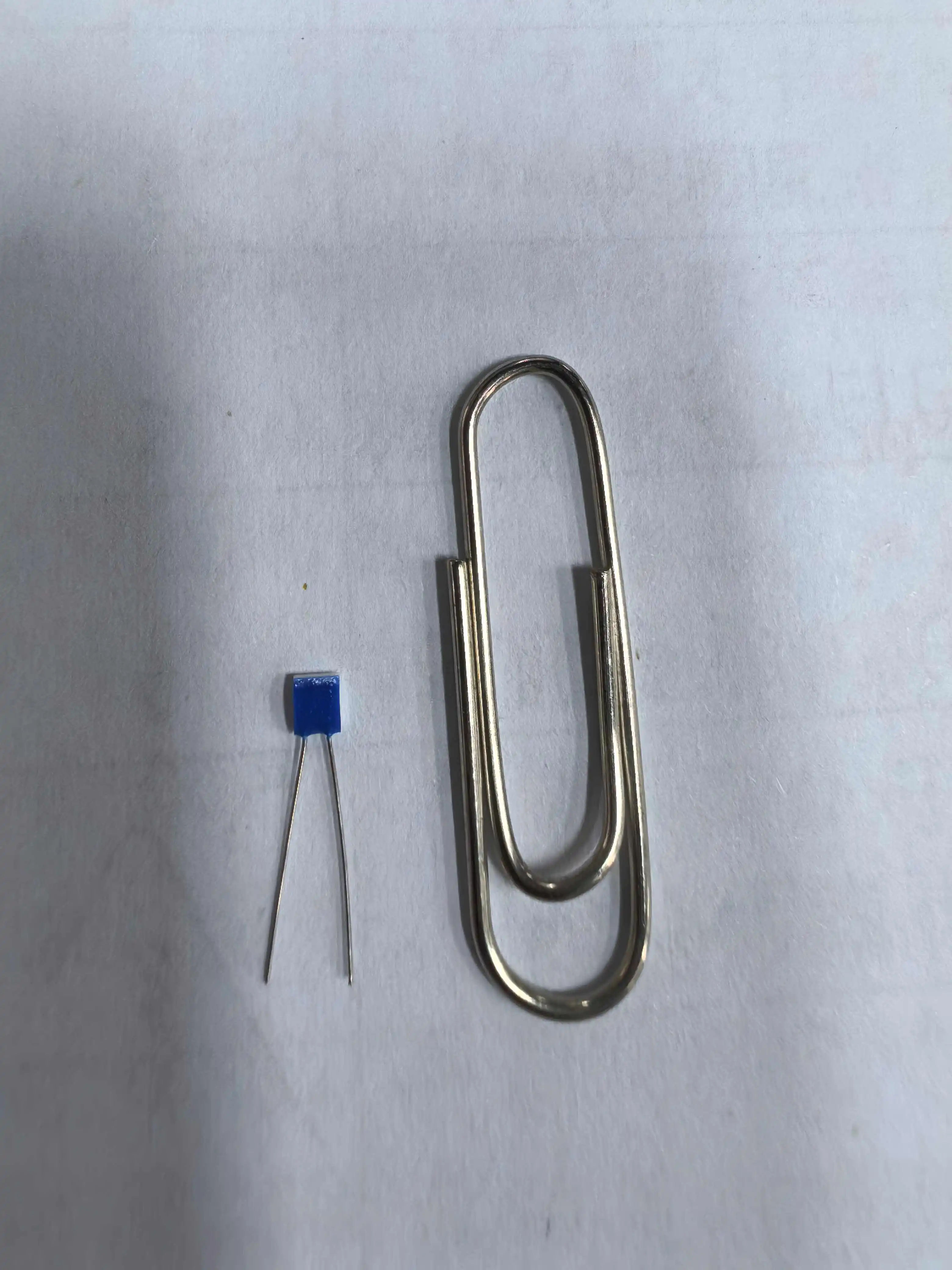
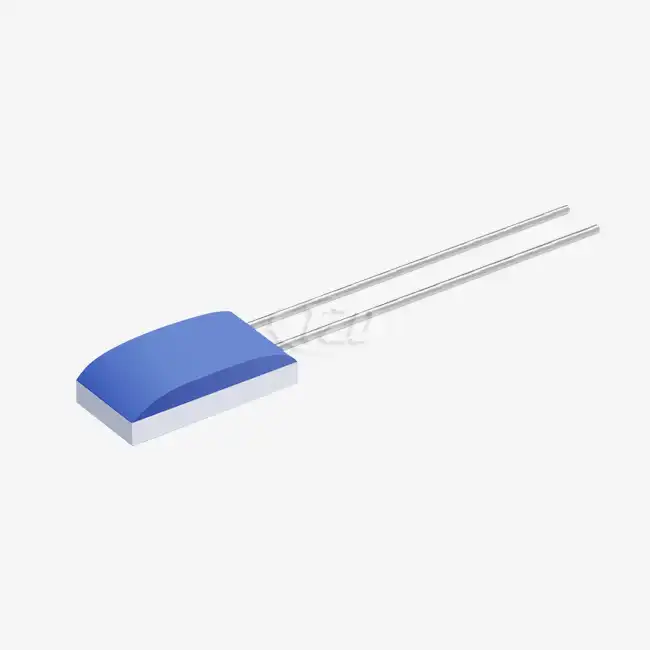
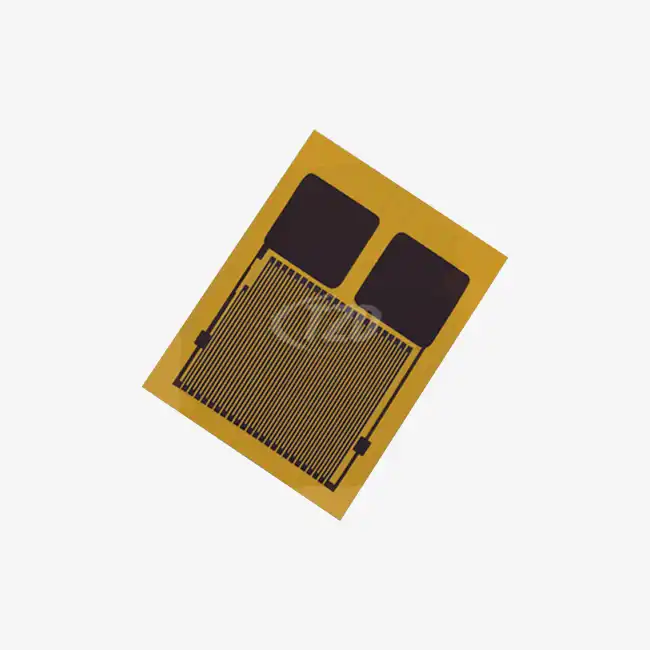
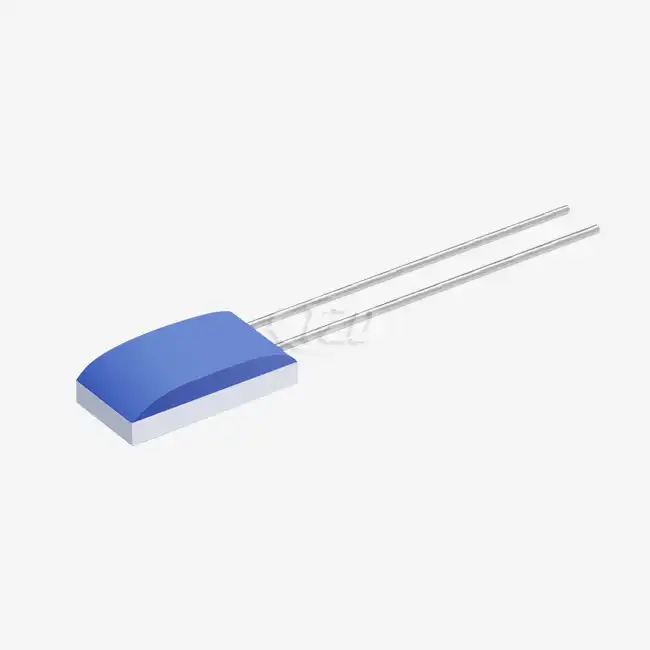
Modern thin-film Pt1000 sensors use improved platinum deposition methods on ceramic surfaces to make strong sensing elements that can withstand mechanical stress and environmental contamination. This way of building is very different from standard wire-wound designs. It has faster reaction times and better resistance to vibration. The thin-film design works especially well for robots and drones that need to respond quickly to changes in temperature and last a long time while being constantly moved. Protective encapsulation makes the material chemically neutral, so it can be used in tough process settings like those used to make cars and automate factories.
Operational Range and Performance Parameters
Most of the time, these sensors can work in temperature ranges from -200°C to +850°C, but some uses may need smaller or more specific ranges. Response times can be as short as 0.05 seconds in the best setups. This lets battery management systems and high-speed industrial processes watch temperatures in real time. Because the base resistance is high, two-wire designs can be used without having to use complicated lead-wire adjustment circuits. This makes system integration easier while keeping the accuracy of the measurements. This trait answers a big question about buying that system managers have when they're planning spread sensing networks for big factories.
Top 5 Advantages of Pt1000 Sensors in Industrial Applications
When technical leaders look at temperature sensing options, they always put performance measures that have a direct effect on product quality, system stability, and the total cost of ownership at the top of their lists. Because of these benefits, industrial Pt1000 sensor with 1000-ohm base resistance has become the best choice for tough industrial applications.
Superior Measurement Accuracy and Long-Term Stability
Tolerance classes from Class B (±0.30°C) to high-precision Class AA (±0.10°C) let you choose the right accuracy for the job. After 1,000 hours of operation at highest temperature, high-quality industrial sensors show drift below 0.05%. This means that they can be used for more than ten years in stable circumstances. This long-term steadiness is very important for making medicines and medical devices, since the number of times they need to be calibrated has a direct effect on how much it costs to comply with regulations. Process engineers who are in charge of quality control know that consistent accuracy lowers differences between batches and boosts the results of statistical process control.
Reduced Lead-Wire Error in Extended Cable Installations
When used in spread sensing systems, the 1000-ohm base resistance makes a huge difference. When using Pt1000 sensors, cable resistance errors that greatly affect Pt100 readings are almost eliminated. This means that three- or four-wire setups are often not needed in standard industrial settings. Simplified wiring methods are very helpful for HVAC system builders who are putting thermal energy meters in large building complexes. The scientific truth is simple: if lead lines add 5 ohms of resistance, that's a 5% error in a Pt100 system but only a 0.5% error in a Pt1000 system. This makes measurements much more reliable without the need for extra compensation circuitry.
Minimized Self-Heating and Power Consumption
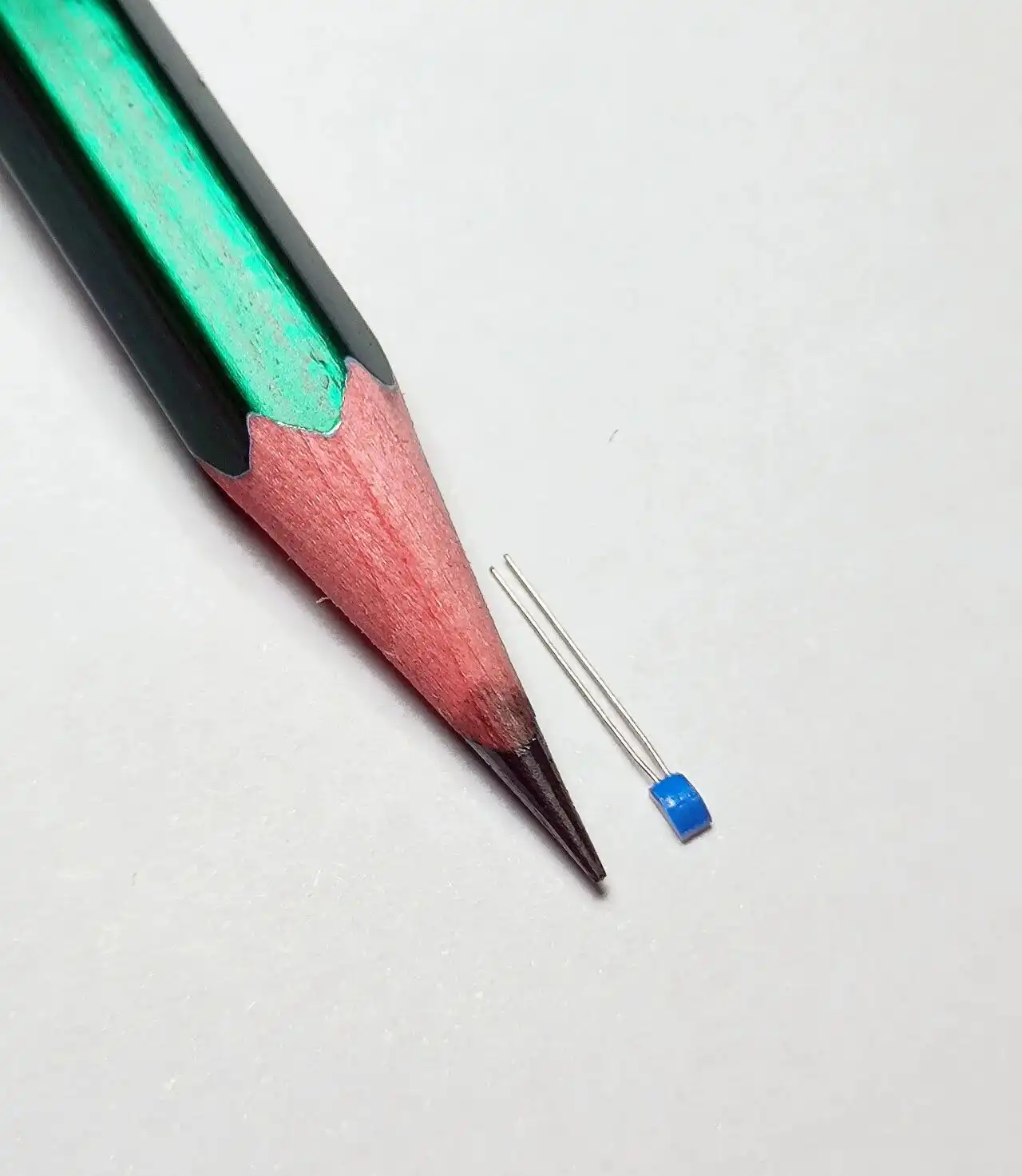
Self-heating effects that falsely raise temperature readings are greatly reduced when measuring current needs are kept below 1 mA. This quality is very important in battery management systems for electric cars and renewable energy storage, where big battery stacks need to be constantly checked for temperature changes without adding heat that would make the measurements less accurate. When AIoT detecting nodes are limited in the amount of power they can use, the batteries last longer while the measurements stay accurate. Standards for dissipation constant testing show that Pt1000 sensors add the least amount of thermal load compared to lower-resistance options. This keeps the tracked systems' normal thermal state.
Exceptional Electromagnetic Interference Immunity
Variable frequency drives, moving power sources, and wireless communication systems all make a lot of electromagnetic noise in factories. When compared to devices with lower resistance, 1000-ohm sensors are better at blocking noise because they have higher signal levels. Security tracking systems and machine vision applications that work in places with a lot of electrical noise can keep measurements accurate without having to use a lot of filtering. This benefit lowers the cost of installation while also making the system more reliable, which is something that buying teams always look for when they are evaluating suppliers.
Broad Industry Applicability and Proven Reliability
These sensors can work in a wide range of harsh conditions, from storing liquid nitrogen at very low temperatures in food processing to watching high temperatures in car exhaust systems. Process cooling uses long-term drift resistance at very low temperatures, which makes sure that the pharmaceutical and food businesses follow the cold chain rules. The design of a thin-film sensor can handle vibrations of up to 40g and shock hits of up to 100g, which is in line with IEC 60068-2-6 standards for installing industrial machinery. This mechanical strength is appreciated by module makers who put sensors into complicated systems because it lowers the number of failures in the field and guarantee claims.
Pt1000 Sensor vs. Alternatives: Making the Right Choice
To choose the right temperature sensor technology, you need to carefully compare its performance features to the needs of your application. Each type of sensor has its own benefits that work best in certain situations and are limited by tech limitations. For example, the industrial Pt1000 sensor is known for its high accuracy and stability, making it a great choice for precise temperature measurements in demanding industrial environments.
Comparative Analysis: Pt1000 vs. Pt100 and Pt500 Sensors
Even though all platinum RTDs work in pretty much the same way, the resistance values make them very different in real life. Pt100 sensors with a 100-ohm base resistance are still widely used because the system is well-established and they are easy to find. But because they can make mistakes with the lead wires, they need to be set up with three or four wires for precision uses, which makes installation more difficult and costs more. For a middle ground option, Pt500 sensors work okay, but Pt1000 devices work best in two-wire setups with long line runs. When building new systems, hardware engineers are choosing Pt1000 sensors more and more because they make circuit layout easier and measurement accuracy better. This is especially true in remote monitoring designs that cover large facilities.
Thermocouples vs. Platinum Resistance Thermometers
Because they have a small thermal mass and a wide working range, thermocouples are great for measuring very high temperatures and quick changes in temperature. But compared to platinum RTDs, they give up accuracy and long-term steadiness. Most thermocouples are accurate to within ±1°C to ±2°C, but industrial Pt1000 sensor models can get as accurate as ±0.10°C in Class AA setups. This difference in accuracy is very important when making medicines, semiconductors, or medical equipment because tight temperature control has a direct effect on product quality and following the rules. The cost saves of thermocouples at first must be weighed against the long-term value of platinum RTD accuracy and stability by CTOs looking at sensor systems for new product development.
Decision Framework for Procurement Managers
The best sensor choice is based on the needs of the application. Choose Pt1000 sensors for projects that need accurate results over many years of use, easy installation in spread systems, or low power use in battery-powered devices. Thermocouple solutions can still be used in places with very high temperatures that are too hot for platinum RTDs or in situations where they need to respond in less than a second to sudden changes in temperature. When procurement teams have to balance technical requirements with the total cost of ownership, this choice process helps them choose parts that are in line with both.
Procurement Guide: Buying Pt1000 Sensors for Industrial Use
Comparing unit prices is only one part of effective sensor buying. You also need to look at the capabilities, quality assurance, and technical support infrastructure of the suppliers to make sure a smooth deployment and long-term operating success.
Evaluating Supplier Capabilities and Certifications
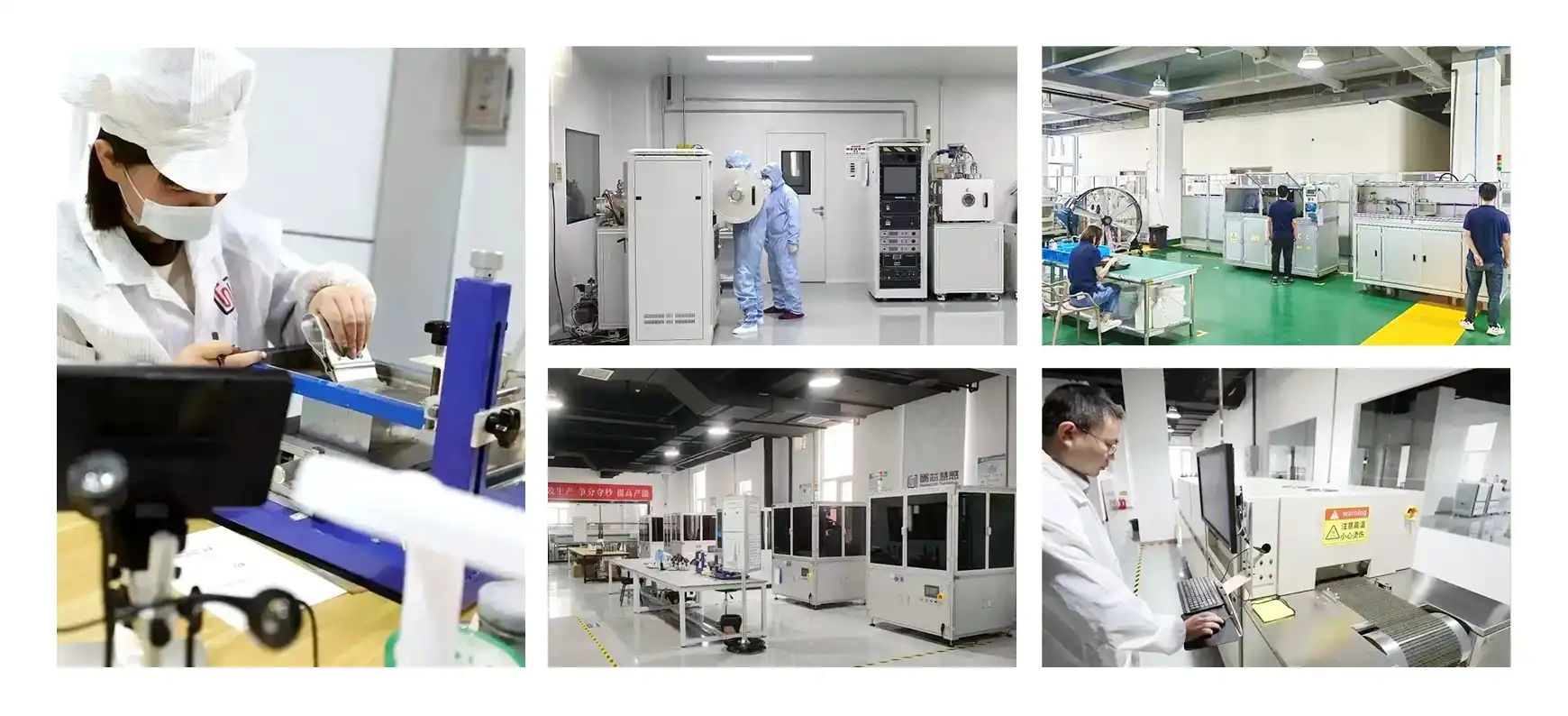
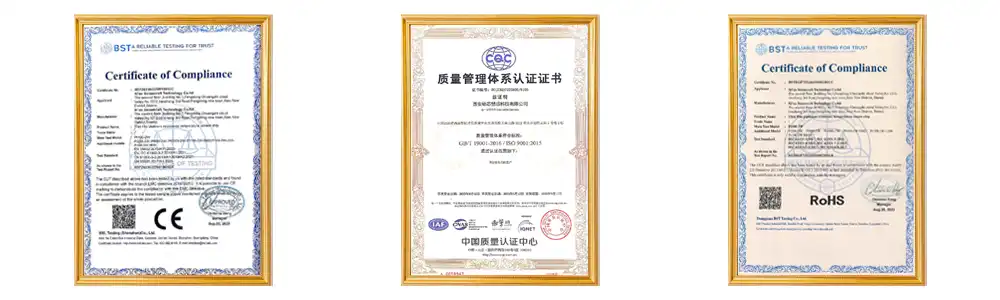
Quality management system certificates, such as ISO9001, are a basic way to make sure that the production process is controlled and that the products are always the same. Conformity with regulations is important for foreign missions, as shown by CE marking and RoHS compliance. Tier 1 system providers should make sure that any possible suppliers do their own design, processing, and testing instead of selling goods made by other companies. This vertical unity makes it possible to respond quickly to customer needs and keep quality control uniform. Xi'an Tongzida Technology is a good example of this all-around approach because they have dedicated thin-film temperature sensor chip production lines that can handle applications at room temperature, high temperatures, and very low temperatures. These lines have shown accuracy of up to ±0.01 Ω (1/30B level) and long-term stability drift below 0.04%.
Customization Support and Technical Collaboration
Standard off-the-shelf sensors can be used in a lot of situations, but for more complex ones, they often need to be resized, have special lead wire materials used, or come in special packages. When suppliers offer platinum-nickel, silver-nickel, or pure platinum leads, they can be optimized for different chemical conditions and connection needs. Different sensor sizes, from 1.2mm to 4.0mm, can be used in a wide range of spaces, from small computer assemblies to big industrial process equipment. OEMs and module makers should give more weight to providers who have dedicated Field Application Engineering support and can work with them to validate designs and fix problems during prototype builds.
Lead Times and Supply Chain Reliability
Long verification processes are common in medical equipment and electronics for cars. These industries need stable, regular supply of parts. Standard sensors, such as the industrial Pt1000 sensor, usually ship within a few weeks, but special setups may need several months to make sure the plan works and get them ready for production. Building relationships with makers and keeping enough inventory and flexible production capacity on hand can help keep supplies flowing smoothly as you move from trying small batches to buying in bulk. Purchasing teams should check the financial health and production capacity of suppliers to make sure that multi-year supply agreements are in line with the needs of the product throughout its lifecycle.
Value Analysis Beyond Unit Price
When technology drives procurement choices, efficiency and dependability are more important than starting cost. Better long-term steadiness in sensors lowers the number of recalibrations needed and the costs that come with them. More accuracy lets you keep a closer eye on the process, which cuts down on waste and raises output rates. Field failure rates and guarantee costs go down when something is mechanically sturdy. A full cost-performance study shows that even though they cost more to buy, premium sensors usually have lower total costs of ownership. Instead of focusing on minimum unit prices, which could hurt quality and support, negotiation tactics should focus on long-term partnerships and volume commitments.
Conclusion
Industrial Pt1000 sensor models offer strong technical benefits that directly meet the performance, dependability, and lifecycle cost needs of demanding uses in advanced manufacturing, medical equipment, automotive electronics, and industrial automation. Because they are more accurate, less likely to make lead-wire mistakes, don't self-heat much, and are very resistant to electromagnetic interference, they are the best choice for technology-driven companies that care about measurement purity.
Because they work in a wide range of temperatures, are mechanically strong, and stay stable over time, these sensors can be used with confidence in tough industrial settings where failure would have big practical and financial effects. Companies that regularly check their suppliers' skills, follow the right procedures for installation and upkeep, and use advanced manufacturing partnerships can stay ahead of the competition thanks to better process control and product quality.
FAQ
Q1: Why choose Pt1000 over Pt100 for industrial applications?
A: Pt1000 sensors have a higher base resistance, which makes them better for two-wire setups and low-power systems. With 1000-ohm sensors, cable resistance, which causes big mistakes in Pt100 setups, is almost nonexistent. This makes wiring easier while keeping accuracy. When measurement current needs are lower, self-heating effects are lessened, and battery life in handheld tracking equipment is increased.
Q2: How does self-heating affect measurement accuracy?
A: When measurement current flows through sensor elements, it creates heat that makes temperature numbers look higher than they really are. Pt1000 sensors need a lot less current—usually less than 1 mA—than options with lower resistance, which makes them much less likely to overheat. During sensor approval, dissipation constant testing makes sure that thermal loading stays within acceptable ranges for certain uses.
Q3: What typical lifespan can be expected from quality sensors?
A: After 1,000 hours of operation at highest temperature, high-quality industrial Pt1000 sensors show drift below 0.05%. In stable settings, they can last for more than ten years. The actual service life relies on how often the temperature changes, how much mechanical stress there is, and how dirty the surroundings is. The useful life of a sensor is extended by installing it correctly and checking its setting on a regular basis.
Q4: Can these sensors withstand high vibration environments?
A: When used correctly, thin-film platinum resistance thermometers have great resistance to shaking. Good sensors that pass the IEC 60751 acceleration test can handle vibrations of up to 40g and shock hits of up to 100g. This mechanical strength works well for both fixed pieces of industrial gear and mobile uses like robots and systems that are placed on vehicles.
Partner with Tongzida for Premium Industrial Temperature Sensing Solutions
Xi'an Tongzida Technology has built up a wide range of skills, including designing thin-film temperature sensor chips, automating production, and following strict testing methods that ensure high performance in difficult situations. Our high-tech production lines make sensors that can work in temperatures ranging from -200°C to +850°C. These sensors are accurate to within ±0.01 Ω and have a long-term stability shift of no more than 0.04%.
As an expert industrial Pt1000 sensor maker, we offer a wide range of customization choices, such as different sensor sizes, different lead-wire materials, and different vacuum packaging configurations that can be made to fit your needs. During design approval, prototype testing, and the move to volume production, our technical team works directly with hardware engineers and CTOs. Email our applications engineering team at sales11@xatzd.com to talk about your temperature sensing needs and find out how our tried-and-true sensor options can improve the speed and reliability of your system.
References
1. International Electrotechnical Commission, "Industrial Platinum Resistance Thermometers and Platinum Temperature Sensors - IEC 60751," Fourth Edition, 2022.
2. Webster, J.G., "The Measurement, Instrumentation and Sensors Handbook: Spatial, Mechanical, Thermal and Radiation Measurement," CRC Press, 2020.
3. Childs, P.R.N., "Practical Temperature Measurement: Resistance Temperature Detectors in Industrial Applications," Butterworth-Heinemann Scientific Publishers, 2021.
4. Nicholas, J.V. and White, D.R., "Traceable Temperatures: An Introduction to Temperature Measurement and Calibration," Second Edition, Wiley Publishing, 2019.
5. Bentley, R.E., "Temperature and Humidity Measurement: Platinum Resistance Sensor Technology and Applications," Springer Technical Publications, 2020.
6. Omega Engineering Technical Staff, "Temperature Measurement Theory and Practice: RTD Sensor Selection and Implementation Guide," Omega Press Industrial Series, 2021.
Learn about our latest products and discounts through SMS or email