- English
- French
- German
- Portuguese
- Spanish
- Russian
- Japanese
- Korean
- Arabic
- Greek
- German
- Turkish
- Italian
- Danish
- Romanian
- Indonesian
- Czech
- Afrikaans
- Swedish
- Polish
- Basque
- Catalan
- Esperanto
- Hindi
- Lao
- Albanian
- Amharic
- Armenian
- Azerbaijani
- Belarusian
- Bengali
- Bosnian
- Bulgarian
- Cebuano
- Chichewa
- Corsican
- Croatian
- Dutch
- Estonian
- Filipino
- Finnish
- Frisian
- Galician
- Georgian
- Gujarati
- Haitian
- Hausa
- Hawaiian
- Hebrew
- Hmong
- Hungarian
- Icelandic
- Igbo
- Javanese
- Kannada
- Kazakh
- Khmer
- Kurdish
- Kyrgyz
- Latin
- Latvian
- Lithuanian
- Luxembou..
- Macedonian
- Malagasy
- Malay
- Malayalam
- Maltese
- Maori
- Marathi
- Mongolian
- Burmese
- Nepali
- Norwegian
- Pashto
- Persian
- Punjabi
- Serbian
- Sesotho
- Sinhala
- Slovak
- Slovenian
- Somali
- Samoan
- Scots Gaelic
- Shona
- Sindhi
- Sundanese
- Swahili
- Tajik
- Tamil
- Telugu
- Thai
- Ukrainian
- Urdu
- Uzbek
- Vietnamese
- Welsh
- Xhosa
- Yiddish
- Yoruba
- Zulu
Advantages of thin film RTD elements compared to wire-wound RTDs
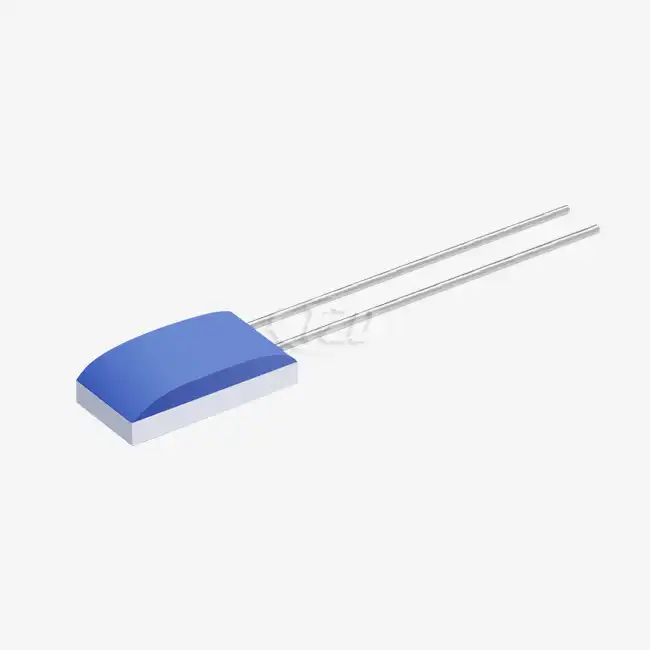
Engineers have to decide between thin film and wire-wound RTD technology when they need to select high-performance temperature sensors for use in medical equipment, car electronics, or industrial automation. The Pt100 TC3750 Thin Film RTD Element is a big step forward because it has better resistance to vibration, smaller sizes, and faster thermal reaction than standard wire-wound designs. It uses vacuum sputtering to carefully deposit platinum onto ceramic surfaces, making it possible to achieve resistance tolerance classes from F0.1 to F0.3 while keeping long-term stability drift below 0.04%. When buying managers and technical leads know about these benefits, they can make decisions that improve system stability and lower total ownership costs.
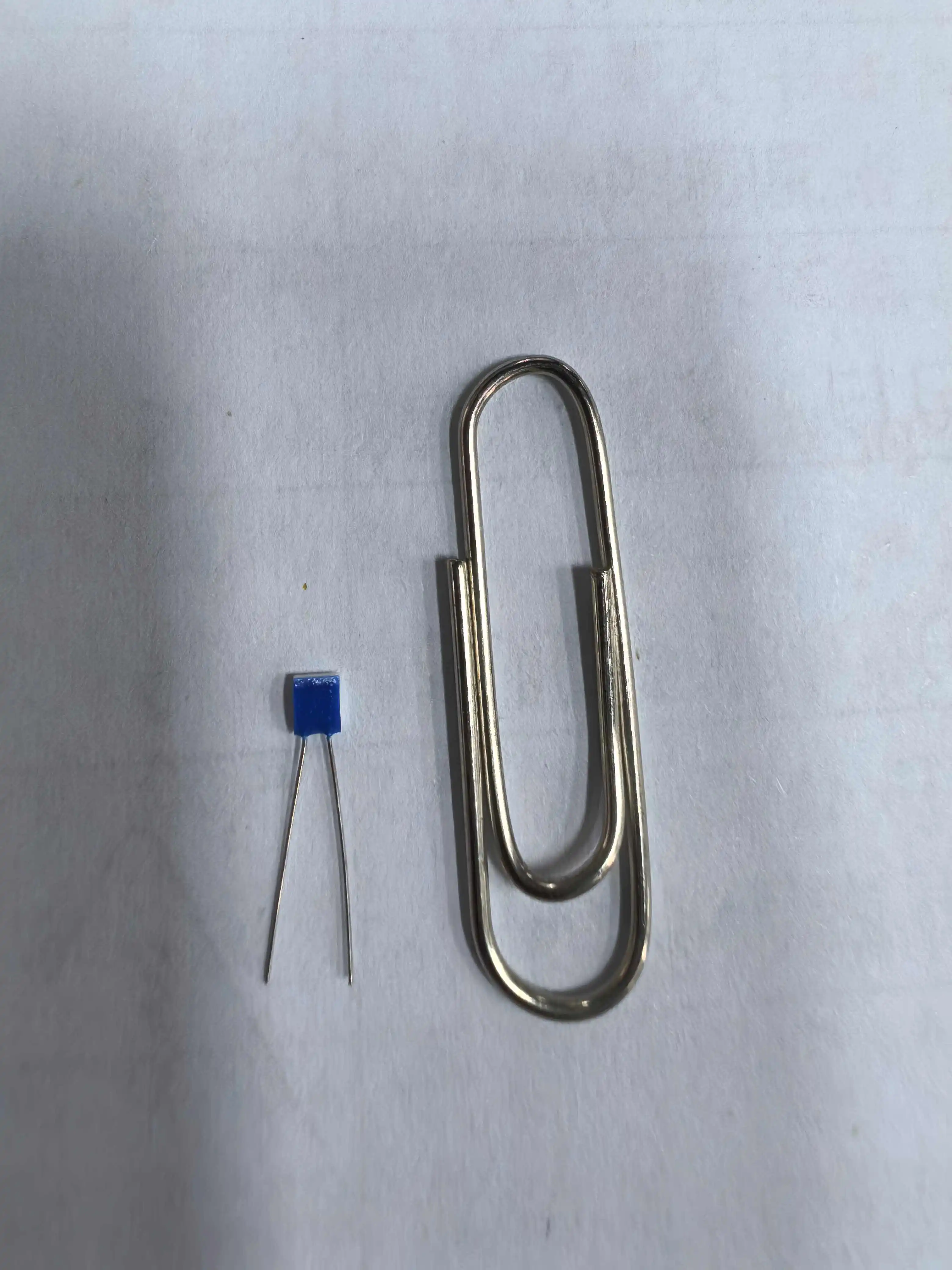
Understanding Thin Film RTD Elements and Wire-Wound RTDs
Core Technology Behind Thin Film RTD Construction
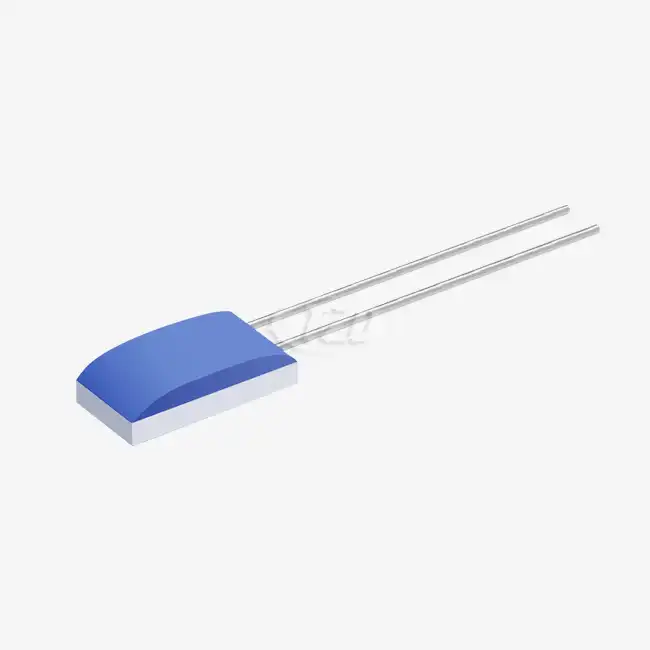
Traditional wire-wound design is very different from the way thin film resistance temperature monitors are made. Our thin film RTD elements use advanced vacuum blasting to put a very thin layer of platinum on top of very pure ceramic substrates, which are usually alumina (Al₂O₃) that is 96–99.6% pure. After laser cutting, the resistance is carefully set to 100 ohms at 0°C, which is in line with IEC 60751 standards and has a temperature coefficient of resistance (TCR) of 3851 ppm/K. This deposition method makes a platinum film that is very uniform in thickness—usually just 1-2 micrometres. This helps with fast thermal equilibrium and very little self-heating.
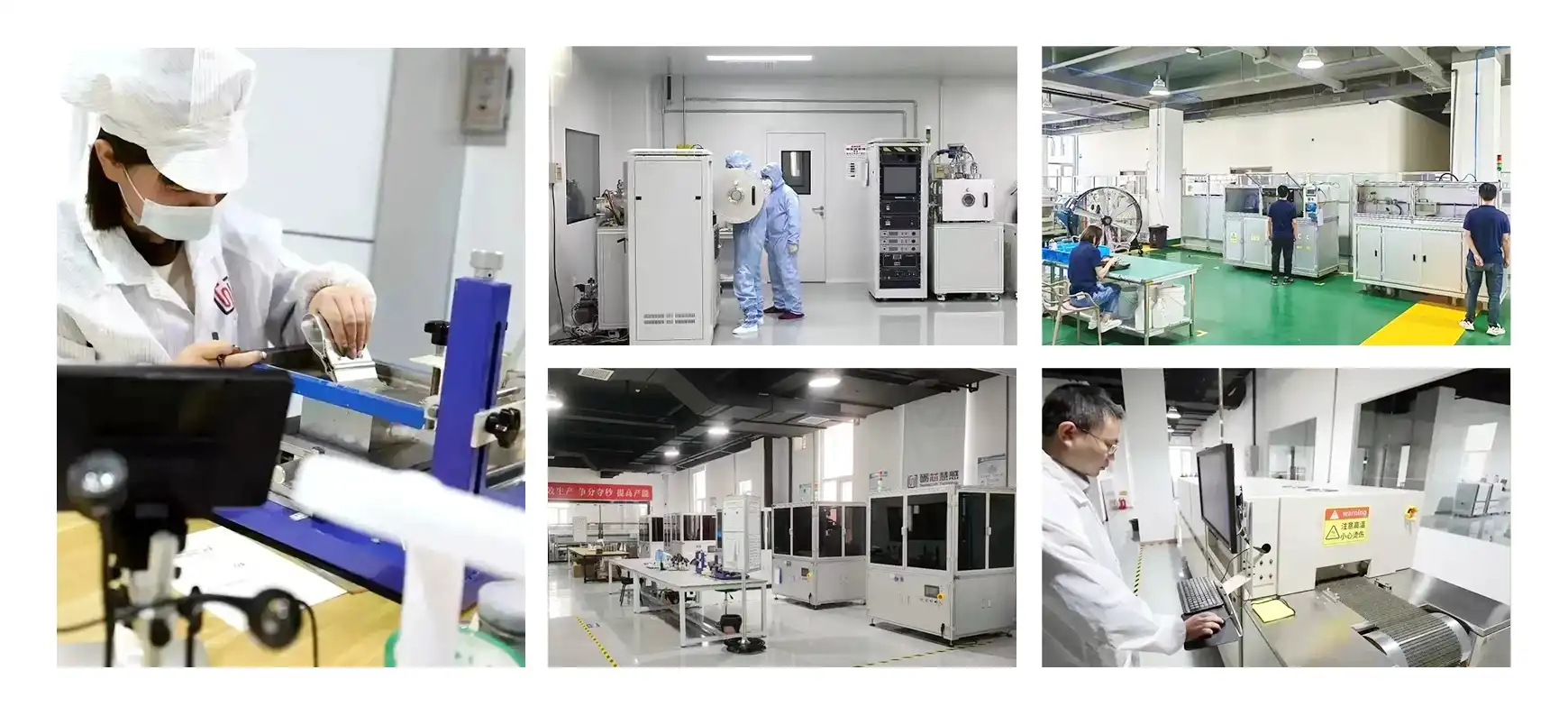
A glass passivation layer is added to the finished element to protect the platinum film from chemical attack and mechanical wear. This layered structure allows for extreme miniaturisation, with parts as small as 1.2mm × 1.6mm. This makes them ideal for direct PCB integration in applications with limited room, like ADAS modules and robotic control systems. The whole production process takes place in cleanrooms, which make sure that the surfaces are free of contamination and have an insulation resistance of more than 100MΩ at room temperature.
How Wire-Wound RTDs Differ in Design and Application
Traditional wire-wound RTD sensors are made up of a ceramic or glass mandrel wrapped in a thin platinum wire that is usually 25 to 50 micrometres in diameter. The wire is then encased in a protective housing. This way of building, which dates back decades, naturally makes sensor packages that are bigger and usually measure 3–6 mm in diameter. The coiled wire structure works well at high temperatures—some wire-wound versions work reliably up to 850°C—but it makes the structure more vulnerable to damage. Repeatedly changing the temperature causes stresses to grow and shrink, and the shape of the coil doesn't fight vibrations well, especially when the acceleration is higher than 20g.
Manual or semi-automated wrapping methods are needed to make wire-wound elements, which limits production scalability and raises unit costs in high-volume situations. Because wire-wound structures have a bigger thermal mass, their reaction times (t0.5) in moving air are usually between 1.0 and 3.0 seconds, while thin film variants' are only 0.1 to 0.5 seconds. Because of these basic design differences, wire-wound RTDs are not as good for monitoring changing temperatures in automated production lines or for medical diagnostics that need to be accurate to the millisecond level.
Core Advantages of Pt100 TC3750 Thin Film RTD Elements Over Wire-Wound RTDs
Choosing the right RTD technology has a direct effect on the accuracy of measurements, the longevity of the system, and the ease of integration. Our comparison shows that thin film platinum resistance sensors have a number of clear benefits for OEM manufacturers and Tier 1 system providers in industries with high demand.
Superior Vibration and Shock Resistance
Thin film RTD elements like the Pt100 TC3750 Thin Film RTD Element are very strong mechanically; they can handle vibrations of up to 40g and shock loads of up to 100g, which is not possible with regular wire-wound designs. Platinum bonds directly to the ceramic substrate at the molecular level in the monolithic construction, which gets rid of the small movements and fatigue failures that happen a lot in coiled wire structures. This resistance to vibration is very important for tracking the powertrain in cars, where the sensors have to deal with constant engine vibrations, or for industrial robots where high-speed moves have to be done over and over again.
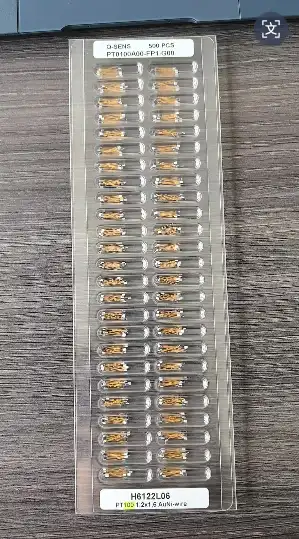
According to MIL-STD-202 testing, thin film elements keep their resistance tolerance within ±0.05Ω even after 10 million shaking cycles at frequencies between 20Hz and 2kHz. When the same conditions are used, wire-wound replacements usually show drift greater than ±0.20Ω, which means that they need to be calibrated early or the whole sensor needs to be replaced. This increased dependability directly transfers into lower maintenance costs and a longer mean time between failures (MTBF) that can reach over 100,000 hours in harsh settings.
Rapid Thermal Response for Dynamic Measurements
Thin film platinum resistors have very little thermal mass, which means they can respond as quickly as 0.05 seconds (t0.5) in moving air and 0.1 seconds in liquid media that doesn't move. The very thin platinum layer (often less than 2 micrometres) quickly takes on the temperature of the media around it, which is what causes this fast thermal equilibrium. This responsiveness is very helpful for engineers who are making closed-loop temperature control systems because it lets them set tighter process control windows and get the system back to normal faster after thermal disturbances.
Think about using a pharmaceutical steriliser, where the temperature must stay the same during sterilisation rounds and not vary by more than 0.5°C. Control lag is caused by the slow response time of wire-wound sensors, which is usually between 2 and 4 seconds in similar conditions. This means that conservative setpoint margins are needed, which extends cycle times and uses more energy. Thin film RTDs get rid of this lag, which lets active control algorithms cut cycle times by 15 to 20 percent while keeping confirmed thermal profiles. The quick reaction is also very useful in battery management systems for electric cars, where finding thermal runaway events microseconds earlier can keep them from going wrong in a big way.
Compact Form Factor Enabling Advanced Integration
Miniaturised sense solutions that fit perfectly on printed circuit boards and don't take up valuable space are needed for modern electronic systems. Compared to wire-wound assemblies, which are usually 3–6 mm across and 10–25 mm long, our thin film RTD elements are as small as 1.2 mm by 1.6 mm by 0.6 mm. This smaller size makes it possible to use standard pick-and-place tools for surface-mount technology (SMT) assembly, which cuts assembly costs by a huge amount and speeds up production.
The low-profile design lets engineers put temperature sensors just millimetres away from heat-generating parts like microprocessors, power semiconductors, or LED panels. This lets the sensors pick up thermal differences that bigger wire-wound probes can't reach. Miniaturisation also lowers the sensor's thermal capacitance, which keeps self-heating errors to a minimum even when measuring currents get close to the 1mA limit that is recommended. It is very important for precision medical devices and lab equipment to keep measurement errors below ±0.03°C that they have this property.
Production Scalability and Cost Efficiency at Volume
Thin film deposition technology uses the same principles used in semiconductor manufacturing, which makes production highly automated and very repeatable. Batch fabrication processes make thousands of RTD elements on large ceramic wafers at the same time, which greatly lowers the cost of making each unit compared to the time-consuming winding processes needed for traditional sensors. This flexibility advantage becomes more important when buying more than 10,000 units a year, which is common for companies that make cars or consumer goods.
The automatic production method also guarantees high stability from one unit to the next, with resistance tolerances kept within ±0.01Ω without the need for individual calibration for Class B elements. Wire-wound manufacturing needs resistance sorting and matching after production, which adds steps to the process and could cause problems with quality control. When procurement teams are planning long-term ties with suppliers, the manufacturing stability of thin film technology helps them. This is because it supports stable supply lines with little change in lead times across multi-year production contracts.
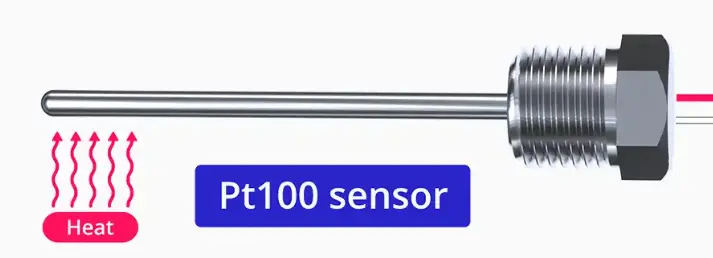
Applications and Industry Use Cases for Pt100 TC3750 Thin Film RTD Elements
Autonomous Driving and Advanced Driver Assistance Systems
Modern ADAS units have a lot of image processors, radar transceivers, and lidar systems packed into small spaces. These systems generate a lot of heat. Our Pt100 TC3750 Thin Film RTD Elements keep an eye on the key junction temperatures inside these modules. They send thermal data to ECUs, which change the processing loads or turn on cooling systems based on the data. Because it doesn't shake and has a small size, it can be directly mounted on camera module PCBs or radar frontend parts, which are places where wire-wound probes can't go.
Leading Tier 1 suppliers to the automotive industry have tested thin film RTDs at temperatures ranging from -40°C to +125°C over 3,000 cycles and found that they drifted less than 0.03% overall, meeting the strict AEC-Q200 automotive qualification standards. The quick response time is very important when temperatures change quickly, like when the car starts up in sub-zero temperatures, because accurate temperature compensation keeps the image from becoming distorted or false objects from being detected.
Industrial Automation and Machine Vision Systems
Stable thermal conditions are important for keeping dimensional limits and process consistency in precision industrial equipment. Our thin film temperature monitors are built right into servo motor windings, hydraulic valves, and spindle bearings. They give real-time thermal feedback that keeps equipment from overheating and increases its life span. Because they can handle constant shaking in CNC machining centers or robotic assembly lines, these sensors don't fail as often as wire-wound ones do.
For high-resolution cameras used in machine vision systems, the temperature must be kept within ±0.1°C so that the focal length doesn't change and the calibration stays accurate. When placed close to imaging sensors, thin film RTDs allow for precise temperature control, which is needed for applications like metrology and flaw inspection where accuracy of measurements at the sub-pixel level is important. One European company that makes industrial equipment said that switching from wire-wound to thin film temperature tracking cut down on vision system downtime by 40%.
Medical Equipment and Laboratory Instrumentation
For legal compliance and patient safety, clinical testing equipment needs to be very accurate at measuring things and stable over time. Our thin film sensors are compliant with ISO 80601-2-56 standards for medical equipment and offer Class AA accuracy (±0.10°C at 0°C), which is necessary for controlling the temperature in incubators, thermal cyclers, and blood analysers. The biocompatible glass passivation layer doesn't react with chemicals that are used for sterilisation or with bodily fluids, so the calibration stays accurate throughout the device's lifetime.
Thin film RTDs are used for validation maps in laboratory autoclaves and environmental rooms. During qualification processes, multiple sensors record the temperature distribution at the same time. The good matching between sensors (usually within ±0.02Ω at 0°C) gets rid of the need for tedious individual calibration processes that come with wire-wound options. This cuts down on approval time and paperwork.
Comparison and Procurement Considerations for B2B Clients
Technical Specifications That Drive Selection Decisions
When purchasing teams look at RTD technologies, they should put a number of important factors that match the needs of the product at the top of their list. The main thing to think about is the operating temperature range. Thin film elements can usually handle temperatures between -70°C and +500°C, while wire-wound versions can handle temperatures up to +850°C for very high-temperature tasks like making glass or aerospace propulsion systems. Tolerance class selection is based on the level of accuracy needed. For example, Class F0.1 (±0.03°C + 0.0005|t|) is best for precise uses, while Class F0.3 (±0.10°C + 0.0017|t|) is best for general industrial tracking.
Specifications for response time must take into account both thermal mass and the way the installation is set up. When put in a stainless steel thermowell with thermal grease, the same thin film element that has t0.5 = 0.15s in water may have t0.5 = 0.8s. Instead of relying on bare-element specifications, engineers should ask for response time data that matches the way their components are mounted. Self-heating coefficient—usually 0.2 to 0.4 K/mW for thin film and 0.8 to 1.2 K/mW for wire-wound—becomes important when measurement current goes over 1mA or when sensing in places with static air that don't have good convective cooling.
Supplier Partnership and Post-Sales Support
Building partnerships with RTD makers like Pt100 TC3750 Thin Film RTD Element that offer full Field Application Engineering (FAE) help is key to making sure that temperature sensing systems work well. Tongzida offers expert technical advice at all stages of the product development process, from choosing the first sensors to testing the prototypes and starting mass production. Our FAE team helps with thermal modelling, designing mounting fixtures, and optimising measurement circuits. These are all services that are especially useful when using RTDs in new ways or in tough environments.
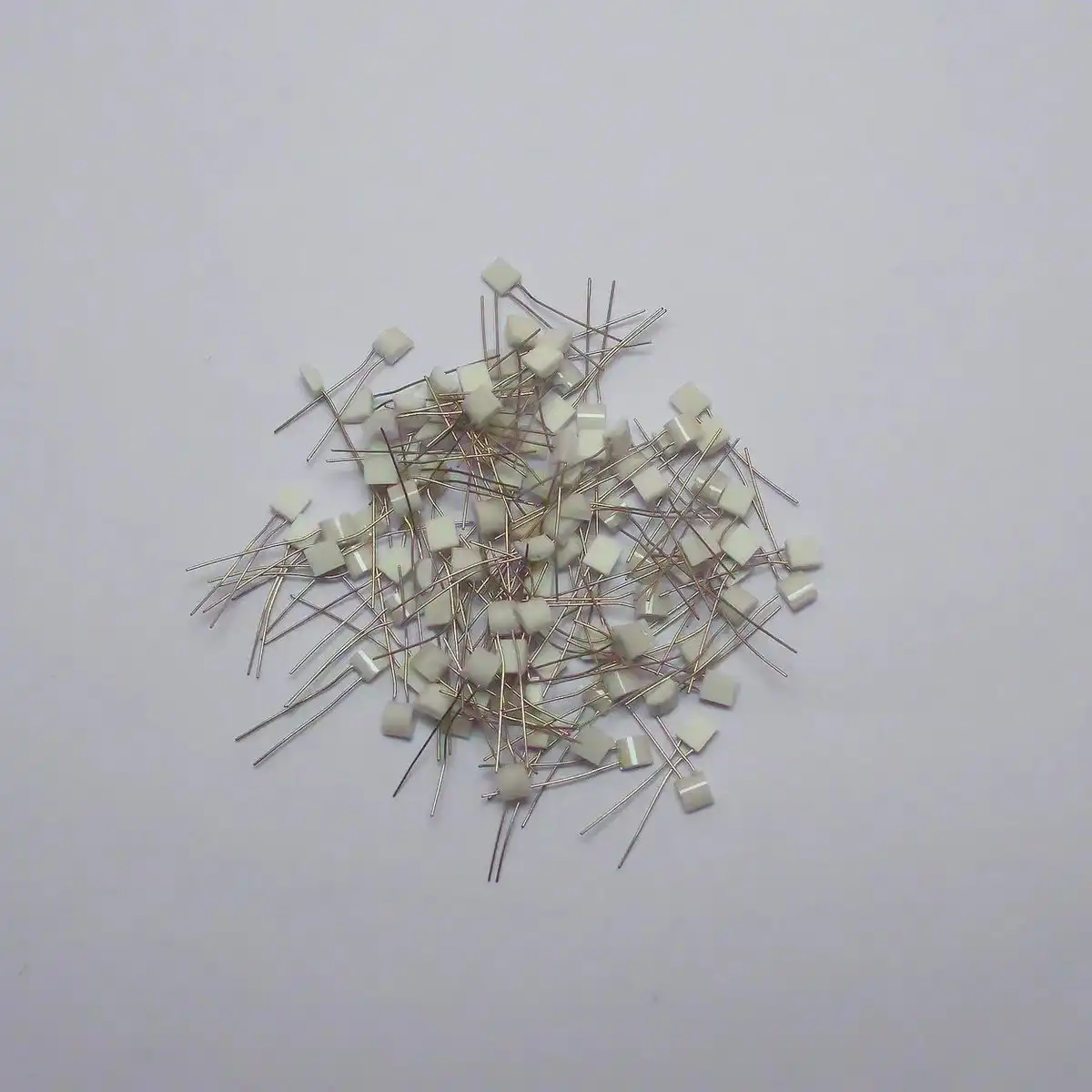
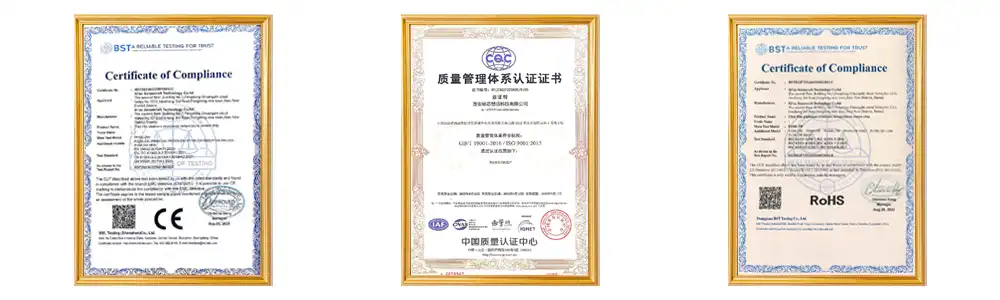
Long-term supply stability is very important because qualification cycles in the aerospace, medical, and automotive industries can last for years. We keep our quality management systems and ROHS/CE compliance paperwork up to date with ISO 9001 standards. This helps us meet customer audit requirements and government submissions. With typical lead times of 6–8 weeks for standard configurations and 10–12 weeks for fully customised solutions, our automated production lines make sure that our products are always available. This lets you plan your supply chain more efficiently without having to keep too much safety stock on hand.
Calibration and Maintenance Best Practices for Optimal Performance
Establishing Accurate Calibration Procedures
Using the right calibration method makes sure that thin film RTDs stay accurate for as long as they are used. The usual three-point calibration procedure checks the resistance at the ice point (0°C), the boiling point (100°C), and one middle temperature that is useful to the application's working range. The temperature standard is set by reference-grade platinum resistance thermometers (SPRTs) that can be traced back to national measurement institutes. The sensor being tested is defined by precision resistance bridges that can measure to 0.001Ω resolution.
How often you calibrate depends on how important the application is and how it is being used. Medical and aerospace applications usually need to be recertified every year. In industrial process control systems that work in safe temperature ranges, the time between certifications can be extended to 24 to 36 months. Thin film RTDs seem to be very stable, with drift rates below 0.02°C over 5,000 hours at their highest recommended temperatures. This is a big improvement over wire-wound alternatives, which may move between 0.1 and 0.15°C under the same thermal stress.
Installation Techniques That Preserve Measurement Integrity
How the sensor is mounted directly affects how accurate the measurements are and how long the sensor lasts. Applying thermal interface compound (preferably silver-loaded formulas) reduces thermal resistance and speeds up response time when putting RTD elements into thermowells or protective sheaths. It is important that the sensor doesn't put too much mechanical stress on the bottom of the thermowell. If it does, strain-gauge effects can happen that change the resistance readings.
The shape of the lead line has a big effect on how accurate the measurement is. Two-wire connections cause lead resistance errors of about 1°C for every 0.385Ω of wire resistance, which is fine for monitoring that isn't very important. Three-wire configurations—two leads connected to one sensor terminal and one lead connected to the other terminal—allow the transmitter circuits to account for lead resistance, which lowers mistakes to ±0.05°C. Four-wire (Kelvin) connections get rid of all lead resistance errors, which is important for precise lab work or when cables are longer than 10 meters.
Conclusion
Thin film RTD technology is a big step forward in measuring temperatures accurately, especially in situations where shaking resistance, fast response, and small integration are needed. The Pt100 TC3750 Thin Film RTD Element performs better than wire-wound alternatives in three important areas: mechanical robustness (40g vibration resistance), thermal response (0.05s in moving air), and production scalability, which makes buying in bulk cheaper. Engineers who select sensors for self-driving cars, factory automation systems, or medical devices have an edge over their competitors because the sensors are more reliable and better control temperature. Thin film RTDs are the best choice for technology-driven companies that value long-term supplier partnerships and accurate measurements because they meet IEC 60751 standards, offer Class F0.1 accuracy options, and can be manufactured automatically.
FAQ
Q1: What temperature range can Pt100 TC3750 thin film RTDs measure?
A: Standard thin film platinum resistance sensors work reliably from -70°C to +500°C, which is a wide range of temperatures that are used in most industrial and automotive settings. When joined with advanced ceramic substrates and protective coatings, specialised high-temperature versions raise the top temperature range to +600°C. Physical limitations don't cause the lower temperature limit; instead, it comes from the IEC 60751 calibration standard. For science and military uses, custom cryogenic versions can be characterised down to -200°C.
Q2: How do lead wires affect thin film RTD accuracy?
A: The amount of measurement mistake caused by lead wire resistance depends on the length and size of the line. A two-wire connection over 10 meters long with 22 AWG copper wire adds about 0.35Ω of resistance, which leads to an error of +0.90°C. Through compensation circuits, three-wire setups lower this error to ±0.05°C, and four-wire Kelvin connections get rid of all lead resistance effects. This is the best way to do tests for lab work that needs ranges below ±0.02°C.
Q3: Can thin film RTDs withstand harsh chemical environments?
A: The glass passivation layer is very good at protecting against most industrial environments, weak acids, and alkaline solutions. But being submerged directly in harsh chemicals needs protective sheaths made of stainless steel, Inconel, or PTFE, depending on the compatibility of the media. The glass coating's main job is to block electricity, not chemicals completely. This means that choosing the right building is very important for acidic process uses.
Partner with Tongzida for Advanced Temperature Sensing Solutions
As a top Pt100 TC3750 Thin Film RTD Element maker, Xi'an Tongzida Technology Co., Ltd. is committed to improving accurate temperature readings in a wide range of tough industry sectors. Our fully combined production processes include designing chips, vacuum deposition, laser trimming, and automated testing. This makes sure that the quality is always the same, from the raw materials to the final review. We provide a lot of customisation options, such as tolerance classes ranging from 1/30 Class B (±0.01Ω) to standard Class B, temperature ranges from -200°C to +850°C, and form factors ranging from 1.2mm miniature elements to 4.0mm high-power versions.
Technical support is still a big part of what we offer, and our experienced Field Application Engineers are ready to help you with things like choosing the right sensors, modelling thermal issues, and figuring out how to integrate them. Our ISO 9001, ROHS, and CE standards help you meet the rules set by regulators, and our automated production lines provide stable supply chains and short wait times. Tongzida has the technical know-how and manufacturing ability to help you get the most out of your temperature measurement systems, whether you need a few prototypes for testing purposes or more than 100,000 units per year. You can talk to our technical sales team at sales11@xatzd.com about your specific needs and get personalised suggestions based on a lot of performance data.
References
1. International Electrotechnical Commission. Industrial Platinum Resistance Thermometers and Platinum Temperature Sensors: IEC 60751 Standard, 4th Edition, 2022.
2. Nicholas, J.V. and White, D.R. Traceable Temperatures: An Introduction to Temperature Measurement and Calibration, 2nd Edition. John Wiley & Sons, 2001.
3. Bentley, R.E. Handbook of Temperature Measurement Vol. 3: The Theory and Practice of Thermoelectric Thermometry. Springer Science & Business Media, 1998.
4. McGee, T.D. Principles and Methods of Temperature Measurement. John Wiley & Sons Industrial Instrumentation Series, 1988.
5. Childs, P.R.N., Greenwood, J.R., and Long, C.A. "Review of Temperature Measurement." Review of Scientific Instruments, Vol. 71, No. 8, pp. 2959-2978, 2000.
6. Michalski, L., Eckersdorf, K., Kucharski, J., and McGhee, J. Temperature Measurement, 2nd Edition. John Wiley & Sons, 2001.

Learn about our latest products and discounts through SMS or email