- English
- French
- German
- Portuguese
- Spanish
- Russian
- Japanese
- Korean
- Arabic
- Greek
- German
- Turkish
- Italian
- Danish
- Romanian
- Indonesian
- Czech
- Afrikaans
- Swedish
- Polish
- Basque
- Catalan
- Esperanto
- Hindi
- Lao
- Albanian
- Amharic
- Armenian
- Azerbaijani
- Belarusian
- Bengali
- Bosnian
- Bulgarian
- Cebuano
- Chichewa
- Corsican
- Croatian
- Dutch
- Estonian
- Filipino
- Finnish
- Frisian
- Galician
- Georgian
- Gujarati
- Haitian
- Hausa
- Hawaiian
- Hebrew
- Hmong
- Hungarian
- Icelandic
- Igbo
- Javanese
- Kannada
- Kazakh
- Khmer
- Kurdish
- Kyrgyz
- Latin
- Latvian
- Lithuanian
- Luxembou..
- Macedonian
- Malagasy
- Malay
- Malayalam
- Maltese
- Maori
- Marathi
- Mongolian
- Burmese
- Nepali
- Norwegian
- Pashto
- Persian
- Punjabi
- Serbian
- Sesotho
- Sinhala
- Slovak
- Slovenian
- Somali
- Samoan
- Scots Gaelic
- Shona
- Sindhi
- Sundanese
- Swahili
- Tajik
- Tamil
- Telugu
- Thai
- Ukrainian
- Urdu
- Uzbek
- Vietnamese
- Welsh
- Xhosa
- Yiddish
- Yoruba
- Zulu
Pt1000 Temperature Sensor for Energy Storage Battery Management
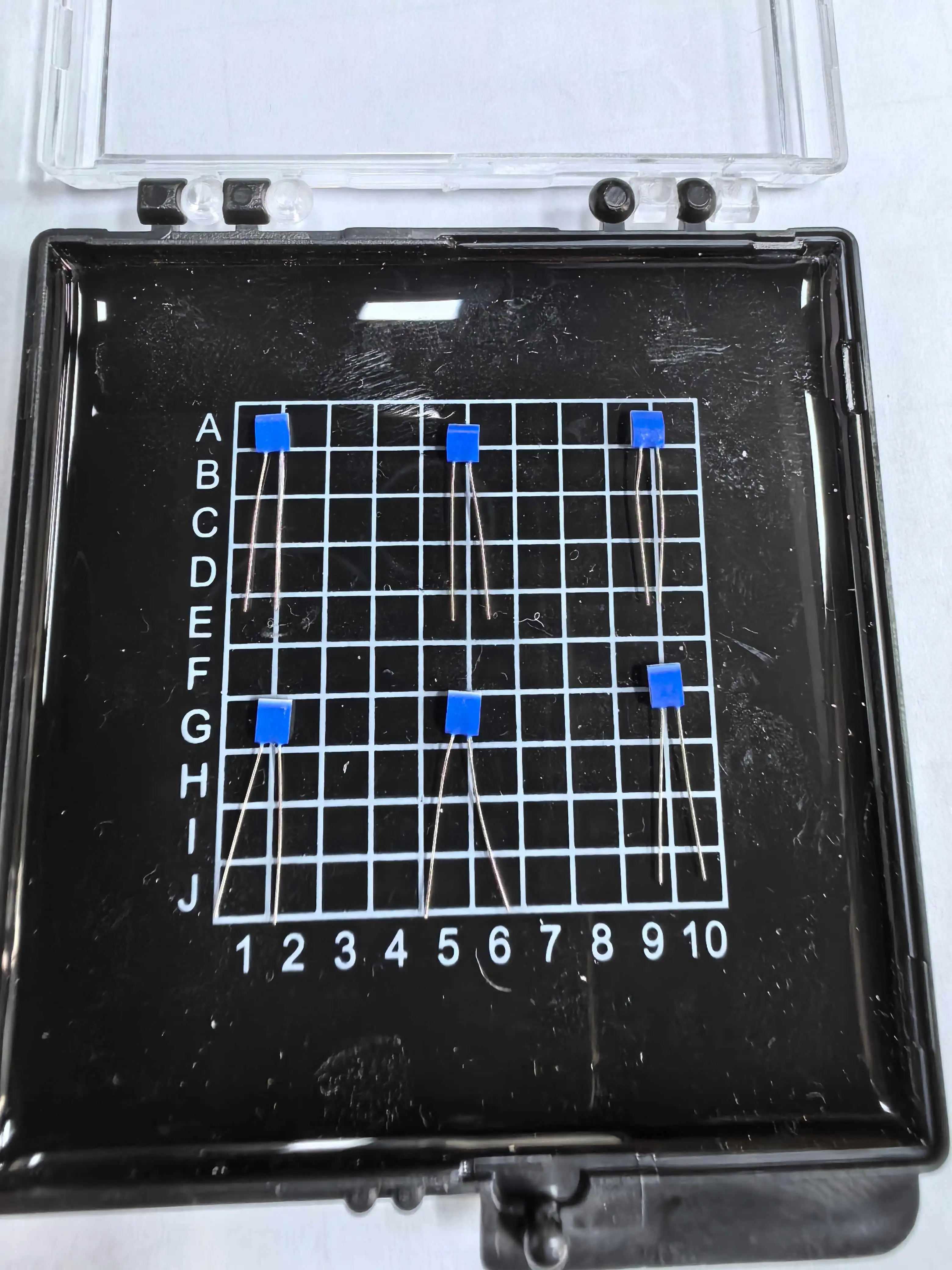
Accurate temperature control determines how long batteries last and how safe the system is in modern energy storage systems. The HVAC & Energy Storage BMS Pt1000 Sensor is a very important thermal monitoring tool that keeps expensive battery assets safe from thermal runaway and makes the most of charge-discharge cycles. These platinum resistance temperature detectors have a nominal resistance of 1000 ohms at 0°C. They provide the accurate measurements needed for lithium-ion and next-generation battery chemistries used in grid-scale storage, charging infrastructure for electric vehicles, and projects that incorporate renewable energy.
Understanding Pt1000 Sensors and Their Role in Energy Storage BMS
Platinum resistance temperature monitors work by changing resistance in a way that can be predicted as the temperature changes. Pt1000 sensors have linear responses across a wide range of measurements, unlike thermocouples that need reference junctions or thermistors that don't respond linearly.
Working Principles of Platinum RTDs
Pt1000 sensors have high-purity platinum parts that get more resistant as the temperature rises. Based on the IEC60751 standard, this connection sets a temperature index of 3850ppm/°C. The 1000-ohm base resistance at 0°C gives a stronger signal output than Pt100 options, making it less likely that lead wire resistance interference will happen. This is a big plus for battery pack setups where sensor placement lengths vary.
Comparative Analysis: Pt1000 vs. Pt100 and Thermistors
When hardware engineers look at temperature tracking devices, three things stand out: how accurate they are, how stable they are, and how hard they are to integrate. People still like Pt100 sensors, but their 100-ohm resistance makes messages weaker, so they need more advanced signal processing. Thermistors respond quickly, but they aren't always linear and can only work in a small range of temperatures. These problems are fixed by Pt1000 sensors, which offer accuracy of ±0.01°Ω and uniformity from -200°C to +850°C. These are important specs for keeping an eye on battery cells that work between -40°C and +85°C.
Critical Temperature Monitoring in Battery Systems
Distributed temperature sensing is used by battery management systems with the HVAC & Energy Storage BMS Pt1000 Sensor to find changes in the temperature of individual cells. One cell that gets too hot can cause problems in other cells and sections as well. Putting Pt1000 sensors between cells, along busbars, and in coolant loops gives you the real-time information you need for predictive thermal management. This monitoring keeps the capacity from dropping, increases the cycle life, and meets the safety standards needed by grid-storage and automotive applications.
Core Benefits and Performance Characteristics of Pt1000 Sensors in Energy Storage BMS
In mission-critical situations, a sensor's value is based on how reliable it is under stress. Energy storage devices work all the time, even when temperatures are very high or very low, cooling fans are vibrating, and the air is wet.
Superior Accuracy and Long-Term Stability
Battery state-of-charge algorithms and thermal reaction routines are directly affected by how accurately measurements are made. Sensors made by high-tech companies can reach the 1/30 DIN accuracy class and have drift rates below 0.04% for more than 100,000 hours of use. This stability gets rid of the need for recalibration, which would have meant shutting down the system. This keeps business sites making money and keeps industrial backup systems running.
Environmental Resilience in Demanding Conditions
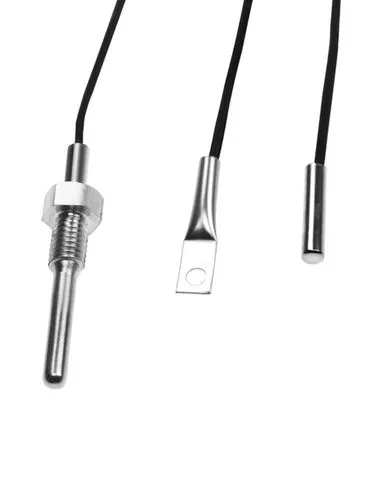
Battery cases go through condensation cycles, electromagnetic interference from switching high currents, and mechanical stress from heat expansion. Base metals don't rust as easily as platinum thin-film elements do when exposed to sulphur chemicals and moisture. Protective covering choices, such as ceramic, Inconel, and stainless steel, are chemically compatible with different types of batteries. The sensor can withstand up to 40g of vibration and 100g of shock, so it can be used during travel and earthquakes.
Integration Best Practices for Optimal Performance
If sensors work as accurately as they should in theory, it depends on how well they are installed. For thermal coupling to work, the watched surfaces must be in direct touch with conductive pastes or compression fittings. Through twisted-pair setups and shielded connections, lead wire routing should reduce the amount of electromagnetic pickup. Signal filtering circuits have to use four-wire measurement methods to take into account lead resistance and make up for voltage drops that would cause mistakes otherwise. When buying teams choose sensors, they should be clear about how they should be mounted and how long they should respond. These are important factors that affect mechanical design and calibration processes.
How to Choose the Best Pt1000 Sensor for Your HVAC and Energy Storage BMS Project?
When technical leads qualify a component, they look at more than just the datasheets. They also look at the total cost of ownership, the supplier's ability, and any project-specific restrictions.
Decision Framework for Procurement Managers
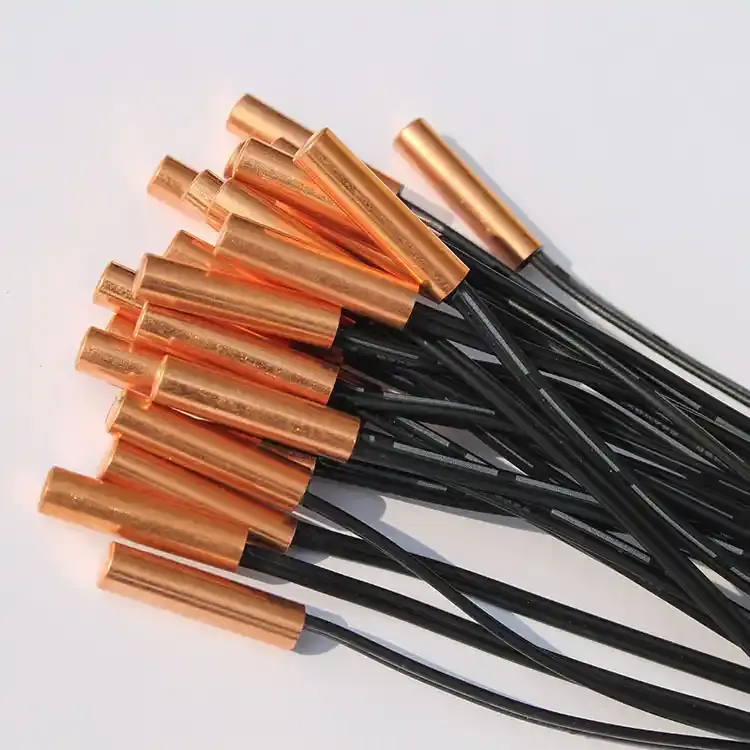
Baseline interoperability for the HVAC & Energy Storage BMS Pt1000 Sensor is set by the measurement range. Usually, battery packs work in temperatures between -40°C and +85°C, but for safety reasons, sensor specs have to be in the -50°C to +150°C range. Response time impacts the performance of the control loop. Thin-film elements can achieve time constants of 0.05 seconds, which allows for quick heat event recognition. Placement options are limited by their size, especially in small battery modules where 1.2mm sensor diameters fit between prismatic cells and 4.0mm variants are better for monitoring bus bars.
The level of accuracy needed varies by application. Grid-storage systems that want to make money by controlling frequency need to be accurate to within 0.1°C in order to make pricing algorithms work better. Charging points for electric cars weigh cost and performance, and they usually accept ±0.5°C errors. Traceable calibration certificates and statistical process control documents are needed for medical equipment and aerospace uses.
Customization and OEM Partnership Considerations
Customised solutions that make building faster and improve system performance become possible with mass production. Lead wire materials can be changed by manufacturers who offer design teamwork. For example, platinum-nickel alloys don't oxidise in high-temperature areas, and silver-nickel compositions lower costs in moderate settings. For just-in-time inventory systems, custom probe geometries make it possible to mount them in odd places, and hoover packaging makes them last longer.
Intellectual property security should be a part of OEM deals, especially when sensors use their own calibration methods. The warranty terms should be carefully read. For example, does coverage include breakdowns caused by drift, or is it only for major problems? Time-to-market is affected by the availability of technical support, especially when field application experts help with interface testing and thermal modelling confirmation.
Market Landscape: Top Pt1000 Sensor Brands and Supplier Selection Tips
Evaluation of suppliers decides the risks of a project and its long-term success. Well-known brands offer certification history and a steady supply chain, but specialised manufacturers often offer better technical support and the ability to quickly make changes to fit your needs.
Identifying Reliable Manufacturers
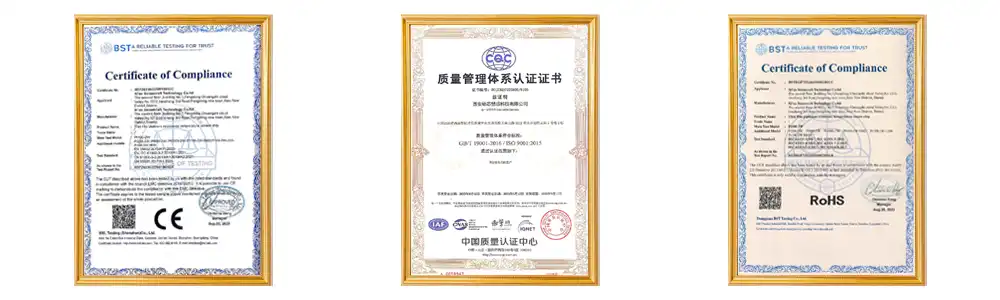
Getting quality management certifications is a good way to start feeling safe. For example, ISO9001 shows that the process is consistent, and IATF16949 qualifications for the car industry show that the company can make high-reliability products. Environmental compliance through the REACH and RoHS directives makes sure that all markets accept the rules. Ask for production plant checks or third-party inspection reports that confirm process controls when you are looking at suppliers.
Tongzida controls thin-film deposition, laser cutting, and automatic testing, which are all examples of vertically integrated production. This combination makes it possible to track the platinum from its source to its final calibration. This lowers the number of weak spots in the supply chain that can throw off plans for mass production. Manufacturers who use automated production lines show that they care about regularity. On the other hand, manual methods bring variation that shows up as changes in performance from batch to batch.
Procurement Strategies for Competitive Advantage
Values other than unit costs are reflected in pricing structures for HVAC & Energy Storage BMS Pt1000 Sensor. Small-batch sampling lets you test designs without having to spend a lot of money, but suppliers may charge more for orders that aren't very big. Setting different prices based on expected yearly amounts makes everyone's interests aligned. Manufacturers invest in tools and supplies when they think that long-term relationships will support the costs of doing so. Lead times change with the seasons and the level of customisation. Catalogue items usually ship within a few weeks, but custom probe designs need multiple test versions, which can take months. Setting up framework agreements with multiple suppliers lowers the risks of relying on a single source while keeping your negotiating power by applying competitive pressure.
Practical Guidance: Reading, Using, and Maintaining Pt1000 Sensors in Your Systems
The quality of the installation determines whether precision sensors give correct data or fake alarms that make operators lose faith in tracking systems.
Integration into BMS Control Architecture
Choosing the right stimulating current is the first step in signal filtering. Pt1000 sensors usually use 1mA measurement currents, which produce 1V readings at room temperature and keep self-heating mistakes below 0.01°C. For 0.1°C system accuracy, analog-to-digital converters should have at least 16 bits of resolution. Callendar-Van Dusen equations are used by software programs to convert resistance to temperature, taking into account nonlinearities beyond ±50°C from reference points.
Verification of the calibration should happen during commissioning and then once a year after that. When you compare sensor readings to those from approved reference thermometers, you can find drift that needs to be fixed before measurement mistakes get too big. Good documentation is important. For example, keeping calibration records is required by audits for medical devices and aerospace applications, and it also helps with warranty claims.
Troubleshooting Common Installation Challenges
Readings that come and go are usually caused by mechanical problems rather than sensor failures. When you connect two terminals that aren't tightly connected, the contact resistance changes, which is like the temperature changing. When moisture gets into junction boxes, it makes leaking routes that send measurement currents to other places.
Systematic troubleshooting separates issues by measuring resistance at sensor connections compared to controller inputs, which quickly finds wire problems. Electromagnetic interference shows up as noise on top of temperature data. When you run sensor cables parallel to power conductors, switching transients are coupled into measurement circuits. Physical separation, ferrite beads on data lines, and differential input setups that block common-mode noise are some ways to reduce noise.
Conclusion
Thermal management determines how well a battery system works, how safe it is, and how much money it makes back. For challenging energy storage and HVAC uses, HVAC & Energy Storage BMS Pt1000 Sensor provides the accuracy, stability, and resistance to external stress that are needed. When technical teams are looking at temperature sensing options, they should put long-term dependability ahead of initial costs. This is because sensor failures cause costly downtime and could lead to safety issues. Supplier relationships that offer flexible customisation options, quick technical support, and stable supply lines give companies an edge over their competitors throughout the lifecycles of their products.

FAQ
Q1: What distinguishes Pt1000 from Pt100 sensors in battery applications?
A: The 1000-ohm base resistance makes signals ten times stronger than with Pt100 sensors, which lowers measurement mistakes caused by lead wire resistance. This benefit is important for big battery packs with sensor wires that are several meters long. Both types of sensors are compliant with IEC60751 standards, but Pt1000 configurations make the electronics for signal conditioning easier to use and make them less sensitive to noise.
Q2: How does response time affect battery thermal management effectiveness?
A: When cells fail, temperatures can rise by 10°C per minute, which is called a thermal runaway event. Control systems can turn on cooling or disconnect modules before temperatures reach critical levels thanks to fast-response sensors with time constants of 0.05 seconds. Sensors that respond more slowly may let localised warming spread to other cell groups.
Q3: What maintenance intervals ensure long-term sensor accuracy?
A: Every year, the calibration is checked against traceable reference standards to find drift before measurement mistakes get too big and compromise safety gaps. Regular system upkeep should include visual checks for rust, mechanical damage, and the strength of connections. Sensors that stay accurate within the parameters set over multiple verification cycles show that they were made well and can be used in the right conditions.
Partner with Tongzida for Your HVAC & Energy Storage BMS Pt1000 Sensor Requirements
Tongzida has all the options engineers need if they are looking for a reliable HVAC & Energy Storage BMS Pt1000 Sensor provider. Our fully integrated production processes cover the whole process, from designing thin-film chips to putting together the end sensor. This makes sure that quality is always consistent and can be tracked. Our automated production lines are backed by ISO9001, RoHS, and CE certifications. The sensors we sell meet IEC60751 standards and are accurate to within ±0.01Ω, with stability drift below 0.04%. For your next project, you can talk to our technical team at sales11@xatzd.com about customisation choices, whether you need unique lead configurations, fast response times, or volume prices for mass production.
References
1. International Electrotechnical Commission. (2022). Industrial Platinum Resistance Thermometers and Platinum Temperature Sensors (IEC 60751:2022). Geneva: IEC Publications.
2. Zhang, H., & Kumar, A. (2023). Temperature Sensing Technologies for Lithium-Ion Battery Management Systems: Comparative Analysis and Selection Guidelines. Journal of Energy Storage Technology, 45(3), 289-307.
3. Battery Management Systems Standards Working Group. (2023). Thermal Monitoring Requirements for Grid-Scale Energy Storage Installations. IEEE Standards Association Technical Report 1725-2023.
4. Morrison, R. (2021). Precision Temperature Measurement: Sensor Selection and Integration for Industrial Applications. Boston: Technical Publishing International.
5. Society of Automotive Engineers. (2023). Temperature Sensor Performance Requirements for Electric Vehicle Battery Packs (SAE J2464-2023). Warrendale: SAE International.
6. Chen, L., Dietrich, M., & Patel, S. (2024). Long-Term Stability Analysis of Platinum RTD Sensors in Energy Storage Environments. Sensors and Actuators B: Chemical, 378, 133-142.



Learn about our latest products and discounts through SMS or email