- English
- French
- German
- Portuguese
- Spanish
- Russian
- Japanese
- Korean
- Arabic
- Greek
- German
- Turkish
- Italian
- Danish
- Romanian
- Indonesian
- Czech
- Afrikaans
- Swedish
- Polish
- Basque
- Catalan
- Esperanto
- Hindi
- Lao
- Albanian
- Amharic
- Armenian
- Azerbaijani
- Belarusian
- Bengali
- Bosnian
- Bulgarian
- Cebuano
- Chichewa
- Corsican
- Croatian
- Dutch
- Estonian
- Filipino
- Finnish
- Frisian
- Galician
- Georgian
- Gujarati
- Haitian
- Hausa
- Hawaiian
- Hebrew
- Hmong
- Hungarian
- Icelandic
- Igbo
- Javanese
- Kannada
- Kazakh
- Khmer
- Kurdish
- Kyrgyz
- Latin
- Latvian
- Lithuanian
- Luxembou..
- Macedonian
- Malagasy
- Malay
- Malayalam
- Maltese
- Maori
- Marathi
- Mongolian
- Burmese
- Nepali
- Norwegian
- Pashto
- Persian
- Punjabi
- Serbian
- Sesotho
- Sinhala
- Slovak
- Slovenian
- Somali
- Samoan
- Scots Gaelic
- Shona
- Sindhi
- Sundanese
- Swahili
- Tajik
- Tamil
- Telugu
- Thai
- Ukrainian
- Urdu
- Uzbek
- Vietnamese
- Welsh
- Xhosa
- Yiddish
- Yoruba
- Zulu
Pt1000 TC3750 Thin Film RTD Element Achieves Class A Accuracy
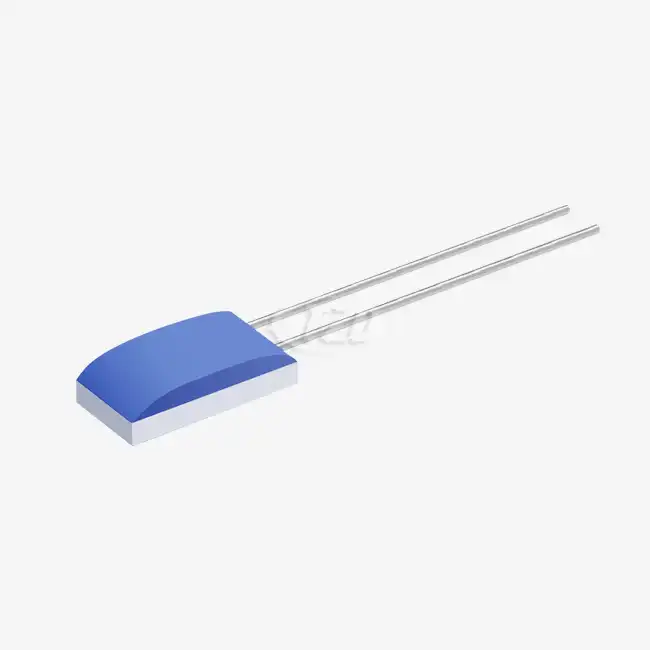
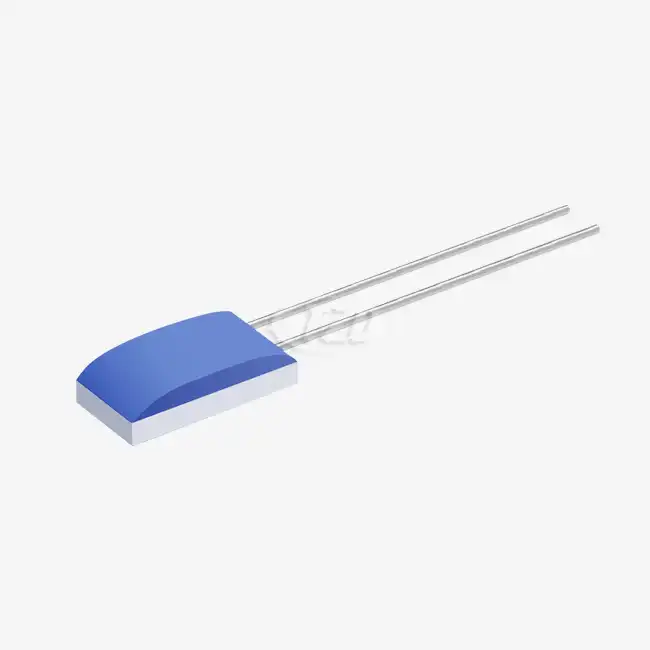
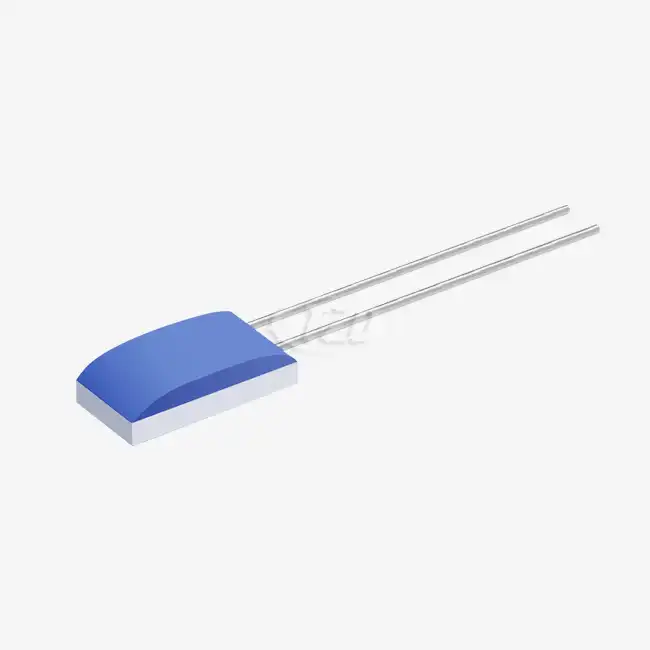
For uses that need to be very precise and measurement accuracy can't be sacrificed, the Pt1000 TC3750 Thin Film RTD Element is the perfect temperature sensing option. The platinum-based resistance temperature monitor has a 1000-ohm resistance at 0°C and the TC3750 temperature coefficient. It has Class A accuracy tolerances that meet strict industry standards. While engineers and purchasing managers are looking at temperature sensing technologies, they know that this setup is especially useful for uses that need to keep the signal strong over long wire runs while also being very stable at high temperatures in harsh working conditions.
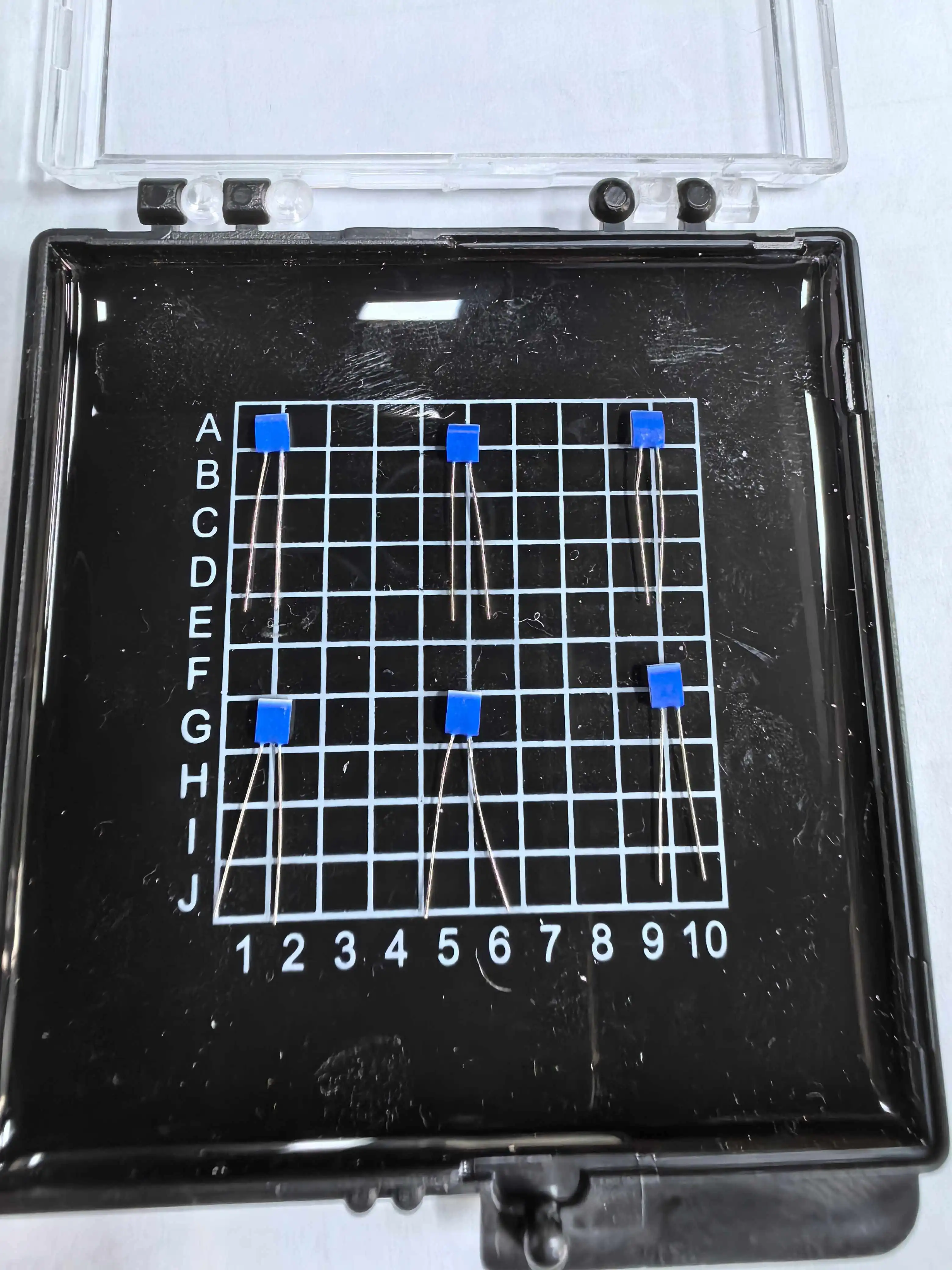
Understanding Pt1000 TC3750 Thin Film RTD Element
Core Operating Principle
Resistance temperature monitors use the known link between platinum resistance and temperature to do their job. As the temperature rises, the chemical movements in the platinum film get stronger, making it harder for electrons to move through. The Pt1000 TC3750 Thin Film RTD Element configuration sets a base resistance of 1000 ohms at the ice point. This resistance grows as expected across the operating temperature range. This tenfold resistance advantage over standard Pt100 sensors greatly lowers measurement mistakes caused by lead wire resistance. This is especially helpful in situations where the distance between the sensor and processor is more than a few meters.
TC3750 Temperature Coefficient Characteristics
The number TC3750 means that the temperature coefficient of resistance is 3750 ppm/°C. This is the rate at which resistance changes for every degree Celsius. The more common TC3850 coefficient is in line with IEC 60751 standards. However, TC3750 sensors are better in some industrial control systems where older instruments need this response curve. During the component selection process, engineers must make sure that the coefficients will work with current temperature transmitters and data acquisition systems. This is done to make sure that the temperature conversion methods are correct.
Thin Film Construction Benefits
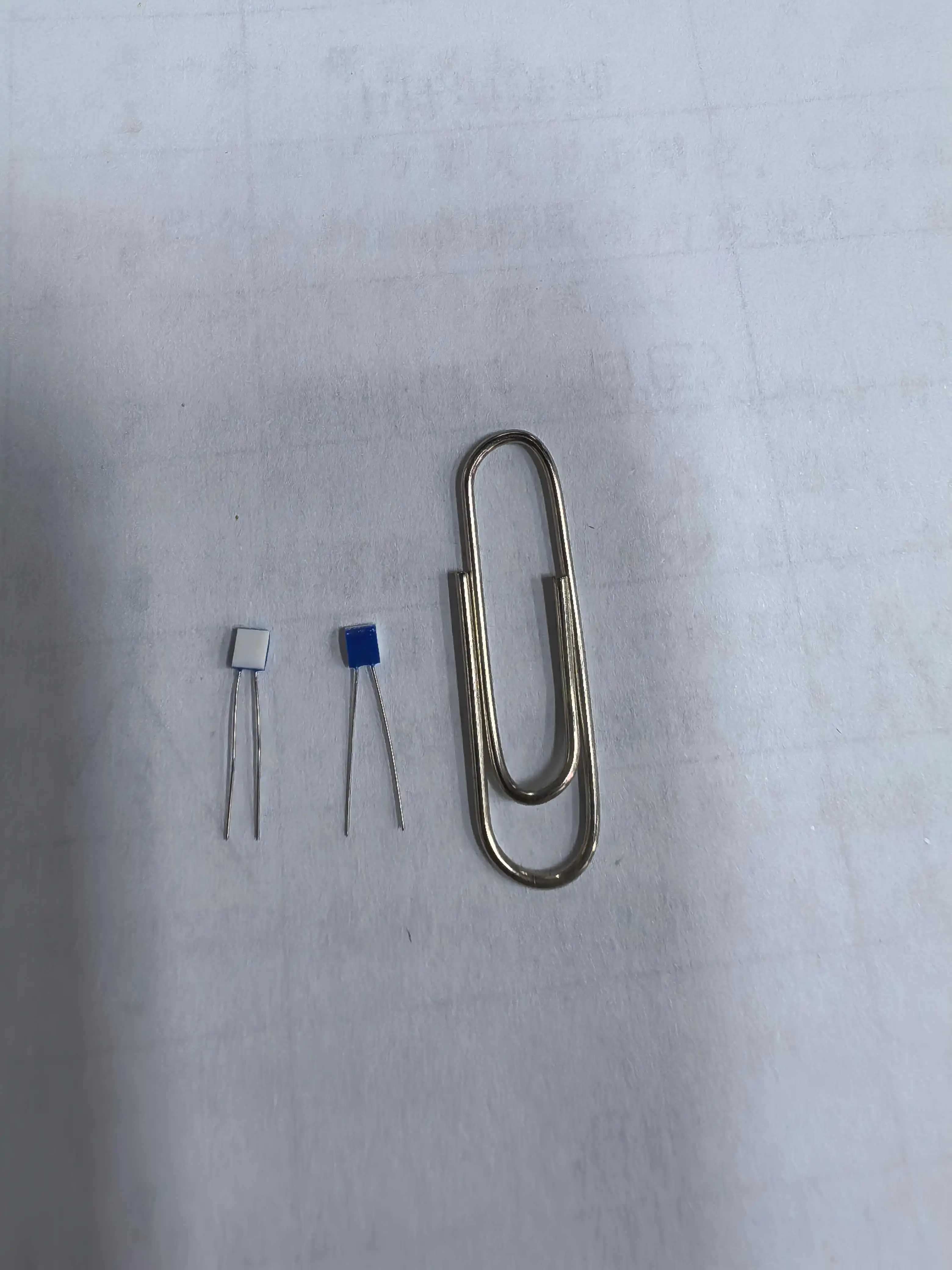
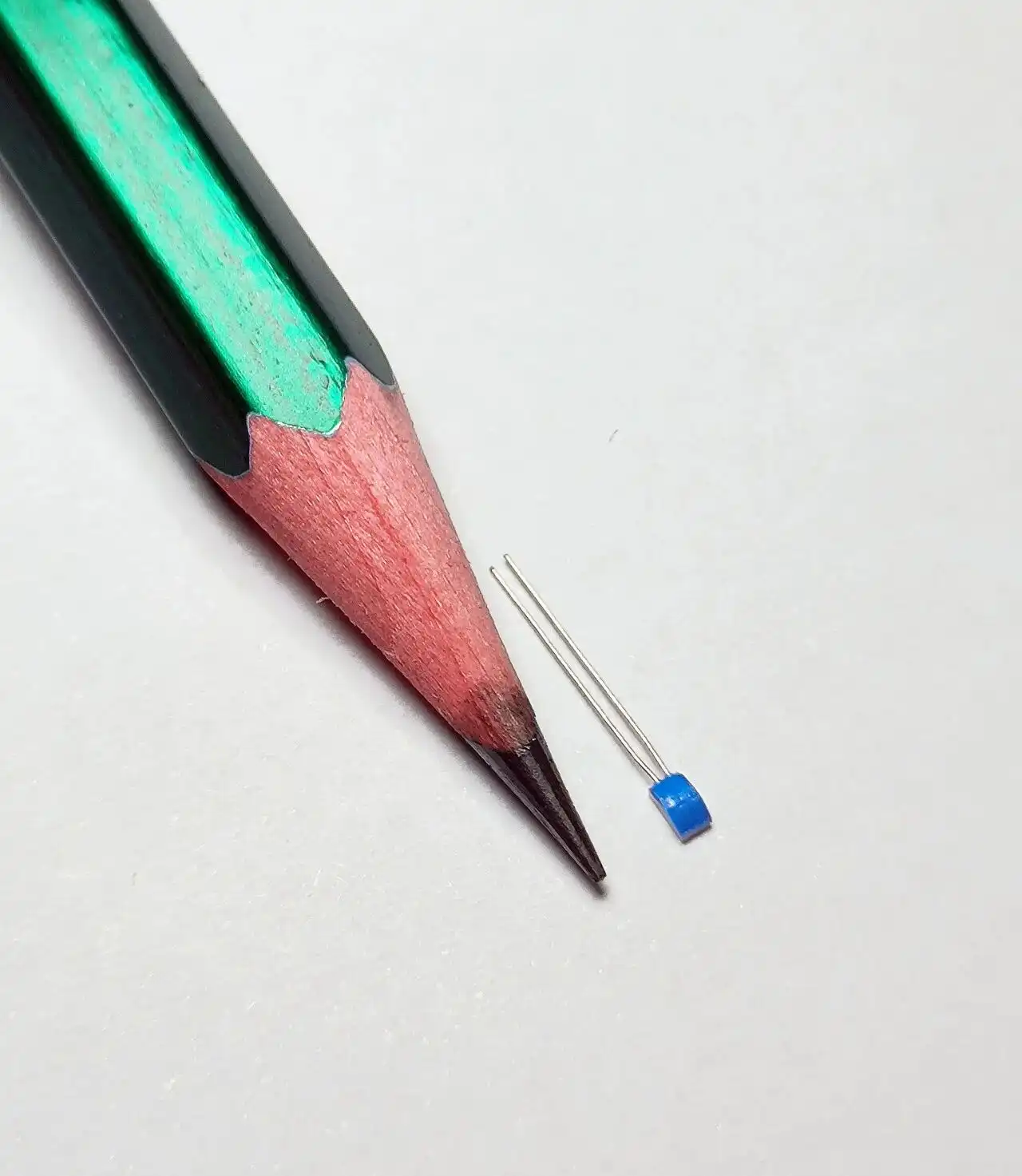
Modern thin film RTD manufacturing uses blasting or photolithography to place platinum onto ceramic surfaces. This makes sensor elements that are very strong mechanically. This way of building makes devices that are as short as 1.2 mm and have temperature response times that are close to 0.05 seconds in moving water. That's because the single-piece structure can handle vibrations of up to 40g and shocks of up to 100g, which is something that regular wire-wound structures can't do. Because of these qualities, thin film elements work really well in applications where room is limited and mechanical stress is a constant problem, like battery management systems in cars, robotic temperature tracking, and instruments used in spacecraft.
Advantages and Applications of Pt1000 TC3750 Thin Film RTD Elements
You need to know how certain design features translate into working benefits in your application setting in order to choose the right temperature sensor. Due to their better stability, consistency, and measurement linearity compared to other technologies, platinum RTD elements are widely used in businesses that need precision.
Here are the main benefits that these tools bring to business settings:
- Enhanced Measurement Resolution: The higher base resistance makes the signal-to-noise ratios better in electrical circuits, so changes in temperature as small as 0.01°C can be consistently picked up without the need for expensive signal conditioning gear.
- Reduced Installation Complexity: Two-wire measurement setups are possible without a big drop in accuracy, because the lead wire resistance doesn't add much to the 1000-ohm sensor impedance. This makes installation easier in the field and lowers the cost of the materials.
- Long-Term Stability Performance: Platinum thin film elements show drift characteristics below 0.04% after 1000 hours at the highest rated temperature. This means that calibration intervals can be extended to yearly verification rounds instead of the three-monthly checks that are usual with thermocouples.
- Broad Temperature Coverage: Operational ranges from -200°C to +850°C allow for a wide range of uses, from tracking industrial furnaces to cryogenic research applications. This gives designers more freedom when designing for different temperature settings.
These performance traits directly address problems that hardware engineers and quality teams have when they have to check that sensor specifications match application needs. When mechanical toughness and electrical accuracy work together, measurement trust grows, which lets long verification rounds happen without adding project risk.
Industrial Application Scenarios
Controlling the manufacturing process is likely the most common place where accurate platinum RTDs are used. Pt1000 TC3750 Thin Film RTD Elements are needed for systems that need to be accurate and repeatable, like those that control the temperature of chemical reactors, handle the heat in semiconductor fabrication, and pasteurize food. More and more business buildings' HVAC systems use Pt1000 sensors for energy management tasks. These sensors must be able to measure differences in temperature across heat exchangers with an accuracy of 0.15°C or better in order to meet utility billing standards and make the system as efficient as possible.
Medical equipment makers put these sensors in things like sterilization tools, lab warmers, and diagnostic tools that need to be able to show that they were calibrated correctly and that there is some measurement error. The auto industry has adopted thin film platinum RTDs for managing the temperature of electric car batteries. Accurate tracking of cell temperature stops thermal runaway conditions and improves charging algorithms to make batteries last longer.
Pt1000 TC3750 vs. Other RTD Elements: Informed Decision Criteria
Comparing Temperature Coefficients
It is important to know the changes between TC3750, TC3850, and TC3916 factors when adding Pt1000 TC3750 Thin Film RTD Elements to control systems that are already in place. The TC3850 coefficient is the world standard set out in IEC 60751, and it works with the most commercial temperature sensors and industrial controls. The TC3916 factors make the detector a little more sensitive, but they need special signal filtering to work. TC3750 sensors are used in situations where older systems expect a certain reaction curve. They keep things compatible with older systems without having to reprogramme or recalibrate the processor.
Pt1000 Versus Pt100 Considerations
A lot of the time, engineers argue about whether Pt1000 or Pt100 designs are better for their applications. Standardization and wide emitter compatibility have made Pt100 sensors the most popular choice for industrial installs. However, Pt1000 elements are useful when working with two-wire setups where cable lengths are longer than 10 meters, when using battery-powered data loggers where lower excitation currents lower power usage, or when directly connecting to high-resolution analog-to-digital converters. The tenfold increase in resistance directly leads to better measurement sharpness without the need for extra steps of amplification that add more error sources.
Thin Film Versus Wire-Wound Trade-offs
Wire-wound RTD design is more stable over time at high and low temperatures, especially above 600°C, where thin film bonding may break down. Thin film devices, on the other hand, respond faster to changes in temperature, have smaller sizes, and can handle vibrations better. When making a purchase choice, you should think about what's best for each application. For example, wire-wound is best for very stable lab standards and high-temperature industrial furnaces, while thin film is best for dynamic measures, small installations, and places with mechanical stress.
How to Measure Temperature with Pt1000 TC3750 Thin Film RTD Elements
Wiring Configuration Selection
For Class A accuracy in field setups, the right wiring method must be used, taking into account the length of the line and the level of accuracy needed for measurements. For Pt1000 TC3750 Thin Film RTD Elements, two-wire setups work fine as long as the total cable resistance stays below 5 ohms and Class B standards are met. Three-wire arrangements are the usual in the industry. Balanced bridge circuits inside temperature sensors cancel out lead resistance errors. Four-wire measurement is the most accurate because it provides excitation current and measuring voltage drop independently. This takes lead resistance out of the measurement equation completely.
Calibration and Maintenance Protocols
To keep Class A tolerance over the course of a working lifetime, the device must be checked against traceable temperature standards on a regular basis. For safe industrial settings, once a year calibration is usually enough, but for important uses, every six months validation may be needed. Checking the calibration should be done at a number of different temperature points across the working range. This is especially important at process control setpoints where accuracy has a direct effect on the quality of the product. Resistance values, estimated temperatures, and differences from reference standards should all be recorded in the documentation so that drift trends can be used to figure out how often calibrations need to be done.
System Integration Considerations
Modern industrial control systems can take RTD inputs through special temperature input units that offer accurate constant-current excitation and accurate measuring of resistance. Programmable logic devices usually have RTD input cards that can be set up to work with a variety of sensor types and wire setups. Engineers need to make sure that the input units they choose either work with TC3750 temperature conversion tables or can be customized to provide linearization. Using the right grounding methods stops ground loop currents from adding to measurement noise, and using protected cable lowers electromagnetic interference in places where electricity is noisy at work.
Procurement Guide: Buying Pt1000 TC3750 Thin Film RTD Elements for Industrial Use
Supplier Qualification Criteria
When looking for temperature sensors for precise uses, you need to look at more than just price when comparing sources. Quality management system standards, like ISO 9001, give you peace of mind about the controls and tracking of the manufacturing process. Documentation for RoHS and REACH compliance makes sure that gadgets sold in Europe and North America meet environmental rules. The ability to provide technical support, especially field application engineering help during the merging and debugging stages, is often a bigger factor in a project's success than the difference in cost between components for the Pt1000 TC3750 Thin Film RTD Element.
Customization and OEM Solutions
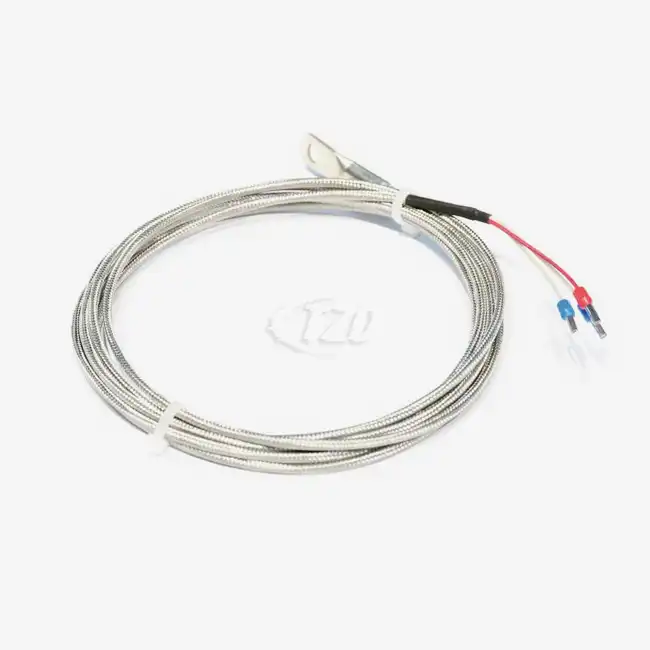
Many temperature sensing needs can be met by standard catalog items, but sometimes unique solutions are needed because of the special needs of the application. Lead wire materials, widths, and termination types can be chosen to fit the placement space and the way it will connect to other devices. Sensors can be made to work with different chemicals, pressure levels, and mechanical installation limitations by changing their housings, mounting methods, and protection covering. Reputable companies have design engineering teams that can make custom solutions for OEM customers who need special shapes or performance requirements that go beyond what is offered by the company's standard products.
Quality Verification and Testing
When inspection standards come in, they should check the resistance values at known temperatures, like room temperature and ice point. Insulation resistance testing at 500V DC confirms values greater than 100 megohms, which stops leaking currents from messing up readings. By switching between very high and very low temperatures, thermal shock testing verifies that the platinum film bonding and lead wire links are mechanically sound. Pull strength testing on lead lines makes sure that connections can handle the stresses of installation without failing sometimes, which can be annoying when there are reliability issues in the field.
Conclusion
Class A accuracy platinum resistance temperature sensors give precise measurements, long-term stability, and mechanical strength that tough industrial uses need. When you know how the Pt1000 TC3750 Thin Film RTD Element, TC3750 temperature coefficients, and thin film building properties fit with your application's needs, you can make smart purchase choices that balance performance needs with project limitations. Installing these sensors correctly, making sure the wiring is set up correctly, and checking their accuracy on a regular basis will make sure they keep working as expected for a long time. This helps with process improvement and quality assurance goals in many different industries.
FAQ
What defines Class A accuracy for platinum RTDs?
Class A tolerance says that the biggest difference that can happen is ±(0.15 + 0.002|t|)°C, where t is the temperature in degrees Celsius. This allows a mistake of ±0.15°C at 0°C and ±0.55°C at 200°C. This stricter standard, which has twice as many error limits as Class B tolerance, is good for situations where measurement error has a direct effect on the quality of the product or the speed of the process for the Pt1000 TC3750 Thin Film RTD Element.
Can TC3750 sensors interface with standard industrial transmitters?
Compatibility depends on how the emitter can be set up. Custom linearization tables that can fit TC3750 response curves can be found in a lot of current receivers. However, connection problems can be avoided by making sure that the products are compatible before buying them. For correct temperature conversion, transmitters that don't have custom coefficient setting need TC3850 standard sensors.
What excitation current prevents self-heating errors?
Self-heating effects that cause measurement error are lessened by keeping the stimulation current at or below 0.3 mA. Lower currents of about 0.1 mA make things even more accurate, but they may lower signal-to-noise ratios in places where there is a lot of electrical noise. To find a good balance between these different factors, you need to know about the installation conditions and the accuracy needs.
How does vibration resistance benefit industrial applications?
It is much better for thin film platinum elements to handle vibration and mechanical shock than wire-wound constructions. This keeps connections from breaking down and premature failures from happening in transportation, monitoring rotating machinery, and mobile equipment where continuous mechanical stress is a problem.
Partner with a Trusted Pt1000 TC3750 Thin Film RTD Element Manufacturer
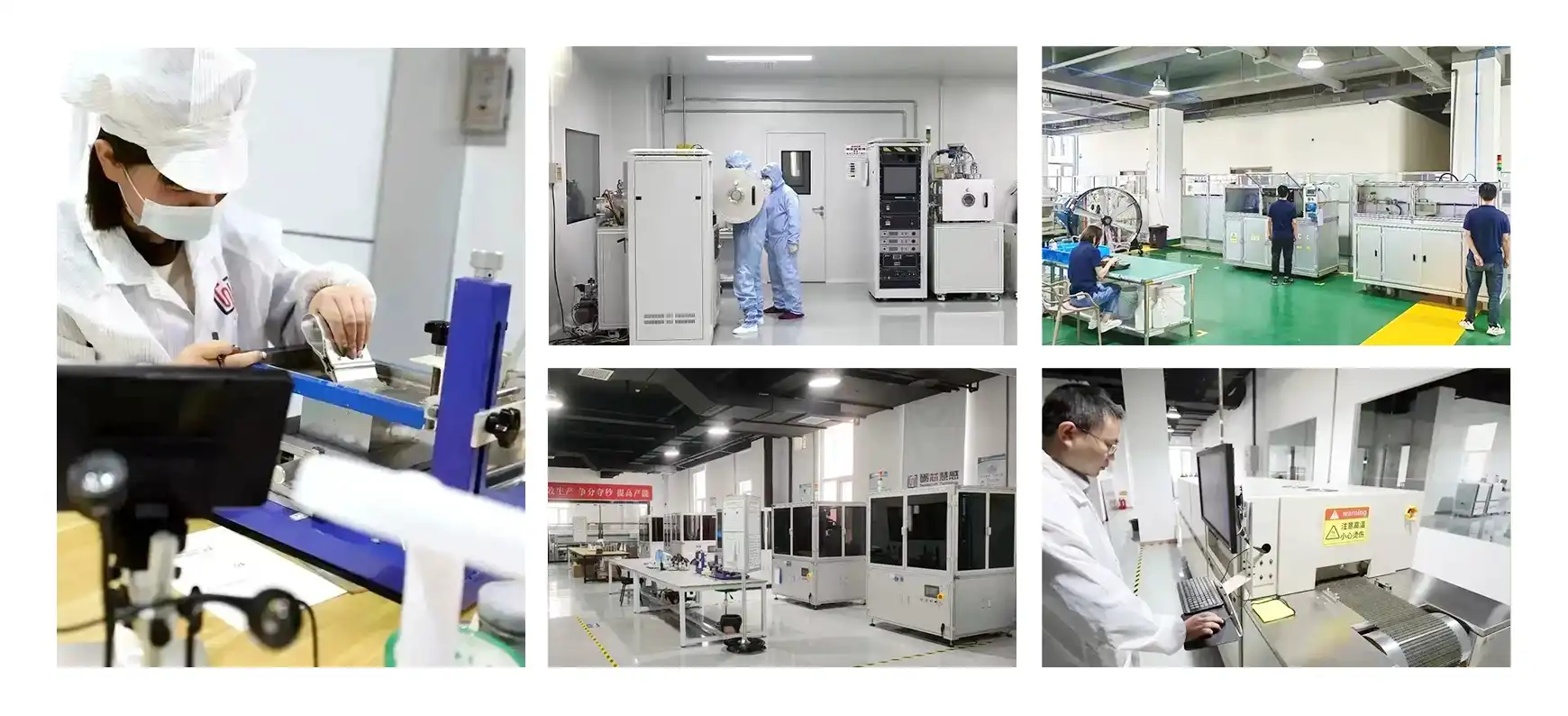
Xi'an Tongzida Technology offers temperature sensing solutions that are carefully designed and backed by a wide range of production skills and scientific knowledge. Our Pt1000 TC3750 Thin Film RTD Element production uses automated manufacturing methods, strict quality control protocols, and the ability to be customized to meet the specific needs of customers in the aerospace, medical equipment, automotive electronics, and industrial automation sectors.
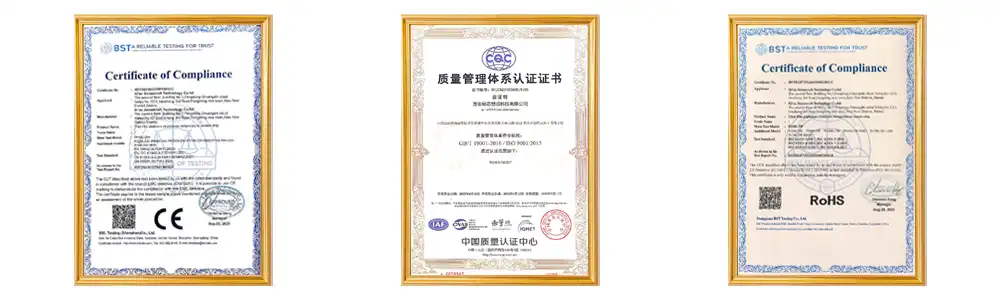
Our sensors meet international quality standards because they are ISO 9001 certified, RoHS compliant, and CE marked. Our field application engineering team also helps you with technical issues as you build and integrate your products. Tongzida can help your project succeed by providing stable supply chains, short lead times, and expert advice. This is true whether you need a small number of prototypes for proof testing or a large number of production units for OEM integration.
Contact our team at sales11@xatzd.com to talk about your temperature monitoring needs with application engineers who have a lot of experience and know what high-performance industrial apps need. Find out how working with a reputable supplier can make your buying process easier and make sure that your measurements are accurate across the full range of temperatures that your business will be using.
References
1. International Electrotechnical Commission (2008). Industrial Platinum Resistance Thermometers and Platinum Temperature Sensors. IEC 60751 Standard, Third Edition.
2. Bentley, R.E. (2005). Handbook of Temperature Measurement Vol. 3: The Theory and Practice of Thermoelectric Thermometry. Springer-Verlag Singapore.
3. Childs, P.R.N., Greenwood, J.R., and Long, C.A. (2000). Review of Temperature Measurement. Review of Scientific Instruments, 71(8), 2959-2978.
4. Michalski, L., Eckersdorf, K., Kucharski, J., and McGhee, J. (2001). Temperature Measurement Second Edition. John Wiley & Sons, Chichester, England.
5. Nicholas, J.V. and White, D.R. (2001). Traceable Temperatures: An Introduction to Temperature Measurement and Calibration Second Edition. John Wiley & Sons, Chichester, England.
6. Webster, J.G. and Eren, H. (2014). Measurement, Instrumentation, and Sensors Handbook: Spatial, Mechanical, Thermal, and Radiation Measurement Volume Two. CRC Press, Boca Raton, Florida.
Learn about our latest products and discounts through SMS or email