- English
- French
- German
- Portuguese
- Spanish
- Russian
- Japanese
- Korean
- Arabic
- Greek
- German
- Turkish
- Italian
- Danish
- Romanian
- Indonesian
- Czech
- Afrikaans
- Swedish
- Polish
- Basque
- Catalan
- Esperanto
- Hindi
- Lao
- Albanian
- Amharic
- Armenian
- Azerbaijani
- Belarusian
- Bengali
- Bosnian
- Bulgarian
- Cebuano
- Chichewa
- Corsican
- Croatian
- Dutch
- Estonian
- Filipino
- Finnish
- Frisian
- Galician
- Georgian
- Gujarati
- Haitian
- Hausa
- Hawaiian
- Hebrew
- Hmong
- Hungarian
- Icelandic
- Igbo
- Javanese
- Kannada
- Kazakh
- Khmer
- Kurdish
- Kyrgyz
- Latin
- Latvian
- Lithuanian
- Luxembou..
- Macedonian
- Malagasy
- Malay
- Malayalam
- Maltese
- Maori
- Marathi
- Mongolian
- Burmese
- Nepali
- Norwegian
- Pashto
- Persian
- Punjabi
- Serbian
- Sesotho
- Sinhala
- Slovak
- Slovenian
- Somali
- Samoan
- Scots Gaelic
- Shona
- Sindhi
- Sundanese
- Swahili
- Tajik
- Tamil
- Telugu
- Thai
- Ukrainian
- Urdu
- Uzbek
- Vietnamese
- Welsh
- Xhosa
- Yiddish
- Yoruba
- Zulu
Choosing Corrosion Resistant Pt1000 Sensors for Water Plants
Choosing the right temperature sensor for water treatment plants is a big choice that can have a big effect on how well they work and how much they cost in the long run. At Water Treatment Pt1000 Waterproof Sensor, we offer one of the most reliable ways to keep an eye on important process factors in harsh water settings. When compared to other sensing technologies, these precision platinum resistance detectors are more accurate and last longer, especially when they are made to be resistant to rust. Water plants have to deal with special problems, like chemicals, water getting in, and changing pH levels. They need strong measuring tools that can stay accurate for a long time without needing to be replaced or re-calibrated all the time.
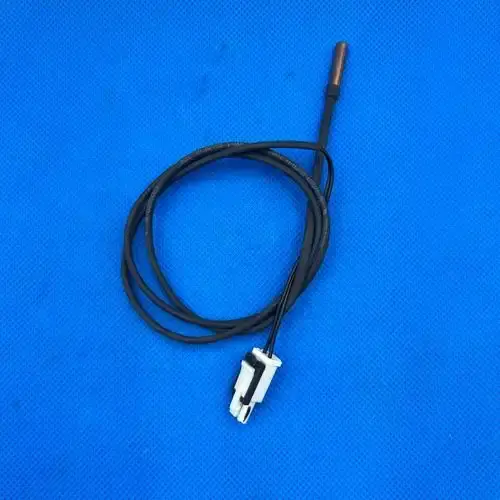
Understanding Pt1000 Waterproof Sensors in Water Treatment
Working Principles of Platinum Resistance Technology
Platinum resistance temperature monitors work on the principle that the electrical resistance of platinum changes in a way that can be predicted as the temperature changes. The Pt1000 label means that the sensor has a resistance of 1000 ohms at 0°C, which is ten times higher than the normal Pt100 sensor. This basic difference is very helpful in water treatment uses where cables need to be run for long distances. Because the base resistance is higher, lead-wire resistance doesn't cause as many mistakes. This means that readings can be accurate even when sensors are far from control systems. The IEC 60751 standard says that temperature and resistance are related linearly, with a temperature coefficient of 3850 ppm/°C that lets you do accurate estimates over a wide range of temperatures.
Advantages of Corrosion Resistance in Aqueous Environments
Sensors in water treatment plants are exposed to chlorine, acids, alkalis, and other harsh chemicals that break down cheap materials very quickly. Corrosion-resistant sensors make operating lifespans last from months to years, which greatly reduces the number of replacements needed and the labor costs that come with them. Protected platinum elements keep their measurement accuracy even when they are in water that has a lot of minerals in it or whose pH levels change. Moisture getting in would cause electrical shorts, signal loss, or even failure if the build wasn't waterproof. These safety steps directly improve the accuracy of the sensor over its entire useful life, preventing the costly downtime that comes with sensors failing during important treatment processes.
Key Technical Specifications for Procurement Decisions
When buying teams look at different sensor choices, they should look at a few key factors that describe how well they will work. Temperature range is fundamental—quality Pt1000 sensors typically operate from -200°C to +600°C, though water treatment applications generally require a narrower range. Under IEC 60751, accuracy is categorized as Class AA (±0.1°C + 0.0017|t|), Class A (±0.15°C + 0.002|t|), or Class B (±0.3°C + 0.005|t|).
Response time, which is the amount of time needed to make a 63.2% change in a step, can be anywhere from 0.05 seconds to several seconds, based on the construction. Chemical compatibility is based on the protective sheath's material makeup. For most water treatment situations, stainless steel 316L is very resistant to corrosion, while specific metals or ceramic coatings offer better protection in harsh conditions.
Critical Factors When Choosing Corrosion Resistant Pt1000 Sensors
Material Quality and Housing Construction
Whether a sensor will last years of contact or only a few months depends on the protected housing that surrounds the platinum element. Stainless steel 316L is now the standard material for water treatment because it is so resistant to pitting and crevice rust caused by salt. Hastelloy, titanium, or PTFE layers offer better chemical inertness and can be used on sensors that are meant to be used in harsh settings. The way it was made—thin-film or wire-wound—affects both how long it lasts and how well it works.
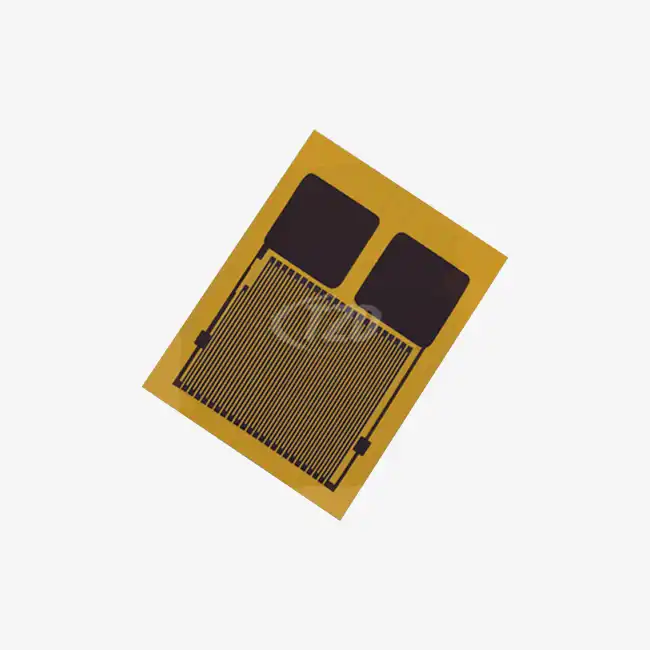
Platinum is deposited onto a ceramic base to make thin-film sensors. These sensors have faster response times and better vibration resistance, which makes them perfect for installs that are subject to mechanical stress. Wire-wound sensors used to be a little more stable over time at very high and very low temperatures, but newer thin-film designs are slowly replacing them because they work just as well or better.
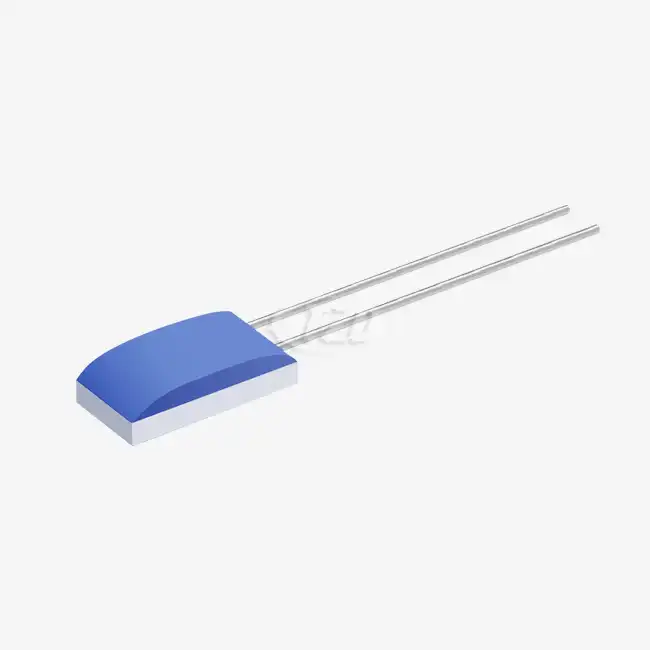
In addition to the main building material, sealing technology is also very important for keeping things from breaking down too soon. High-quality sensors have many ways to keep moisture out, such as glass-to-metal covers at key points and hermetic casings that keep moisture out when the pressure is on. The IP rating system gives consistent details about levels of security. For example, IP68-rated sensors can handle being submerged in water all the time, which is necessary for sensors that are placed directly in water flows instead of in thermowells.
Calibration Standards and Verification Methods
For measurements to stay accurate, calibration procedures must be followed throughout the sensor's useful life. All devices that are compliant with IEC 60751 must follow the relationship between resistance and temperature that it describes. However, production tolerances and exposure to the environment cause this relationship to slowly change over time. Instead of just saying that something fits into a tolerance class, procurement rules should require factory calibration certificates that can be tracked back to national standards. These certificates should show the real resistance values at several temperature points.
During the decision process, you should think about the ability to do testing on-site. Some water treatment plants keep calibration baths for regular checks, while others use calibration services offered by outside vendors. Periodic testing is easier with sensors that have connection heads that can be reached without having to be completely removed from the process pipes. The amount of time between calibrations varies on the type of application. For example, sensors in clean water loops might need to be checked once a year, while sensors that are exposed to harsh chemicals should be checked every three months to find drift before it affects process control.
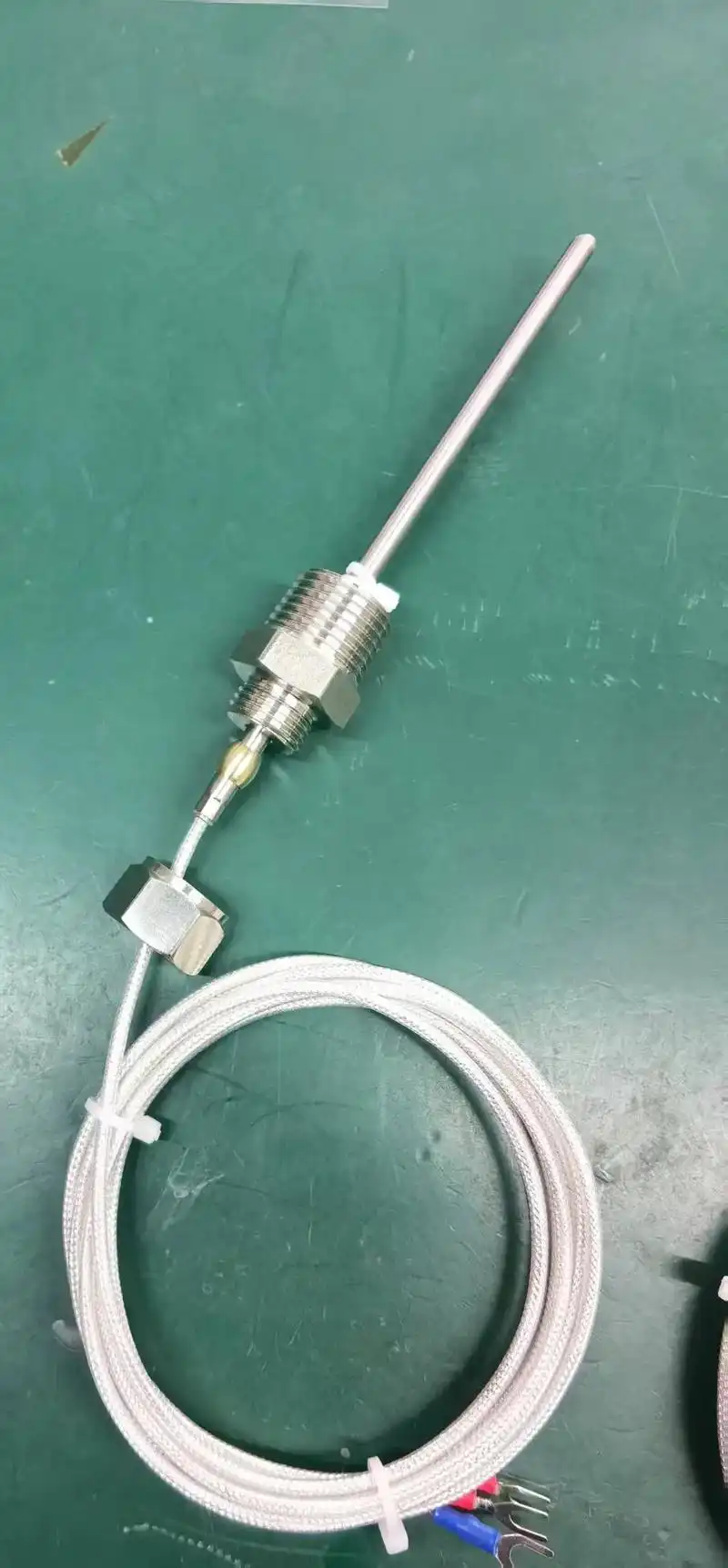
Installation Practices for Maximum Longevity
If it's not put correctly, even the best monitor won't work as well as it should. Immersion depth has a big effect on how accurate a measurement is. For a Water Treatment Pt1000 Waterproof Sensor, the sensitive element needs to be fully submerged in the thing being measured, and the entry length needs to be long enough to stop heat from moving along the sensor body and throwing off readings. To keep the temperature even, sensors used in water treatment usually need to be submerged at least 10 times their thickness.
Thermowells protect against mechanical damage and let you change sensors without stopping the process, but they add thermal mass that makes response time slower. The space between the sensor and the thermowell should be kept as small as possible. To do this, thermally conductive paste is often used to fill the gap. Orientation is also important. When liquids are flowing, horizontal systems work better than vertical ones that might trap air pockets. Extra care needs to be taken at the points where cables enter because connections that aren't properly sealed let water in and around the sensor's waterproof case.
Comparing Pt1000 Sensors with Other Waterproof Temperature Sensors
Pt1000 versus Pt100 Performance Characteristics
It can be hard for buying teams to decide between Pt1000 and Pt100 sensors because they both use platinum resistance technology and meet the same IEC 60751 standard. The main change is the base resistance, which is 1000 ohms at 0°C compared to 100 ohms. This tenfold rise makes Pt1000 sensors much more useful in situations where cables need to be run for a long distance. For example, sensors may be placed hundreds of feet away from control rooms in large water treatment plants.
Lead-wire resistance, which is usually between 0.1 and 0.5 ohms per wire, makes measurements less accurate, and the mistakes are much worse with Pt100 sensors. With a Pt100 sensor, a 1-ohm lead resistance causes an error of about 2.6°C. With a Pt1000 sensor, the same resistance only causes an error of 0.26°C. Because of this feature, accurate 2-wire setups can be used with Pt1000 sensors in many situations where Pt100 sensors would need more complicated 3-wire or 4-wire designs. Pt1000 sensors need less current—usually 0.1 to 0.3 mA compared to 1 mA for Pt100—so they don't get self-heating mistakes that can happen when reading temperature in water that isn't moving or is still.
Thermocouples and Alternative Technologies
When it comes to water treatment, thermocouples are the main option to RTD technology. They have their own pros and cons. Type K and Type T thermocouples are much cheaper than platinum resistance sensors and can measure higher temperatures. However, their accuracy of ±1°C to ±2°C is not good enough for processes that need to keep temperatures very close to the mark. Because the voltage-temperature link of thermocouples is not linear, signal filtering is more complicated than with Pt1000 sensors, whose resistance changes linearly.
Thermistors are very sensitive at certain temperature levels, but they don't have the wide operating range or long-term steadiness of platinum resistance sensors. Because their resistance changes exponentially with temperature, they aren't accurate over wide temperature ranges. This means they can't be used in water treatment plants, where a single type of sensor should be able to handle multiple tracking points. Platinum sensors are more linear, stable, and interchangeable. If both sensors meet the same accuracy class, a Pt1000 sensor can be swapped out without having to re-calibrate the whole measurement system.
Cost-Benefit Analysis for Long-Term Operations
When looking at temperature monitors for vital infrastructure, the initial purchase price is only a small part of the total costs of ownership. A good corrosion-resistant Water Treatment Pt1000 Waterproof Sensor might cost three to five times more than a simple thermocouple, but it usually pays for itself in the first year of use thanks to its longer life and lower upkeep needs. Unexpected sensor failures in water treatment plants have costly effects that go beyond the cost of replacement. Process changes may require more chemicals to be used, reports to the government, or even short capacity cuts that cost thousands of dollars each time they happen.
In lifecycle estimates, the number of calibrations, the estimated service life, and the effects of failure should all be taken into account. When used correctly, platinum resistance sensors can last for five to ten years before they need to be replaced. In the same conditions, thermocouples may need to be replaced every 12 to 24 months. Because Pt1000 sensors are more accurate, they allow for better process control. This can lower the amount of energy used for heating or cooling and reduce the amount of variation in chemical doses. These changes to operations often lead to saves that are much greater than the extra costs of the sensors.
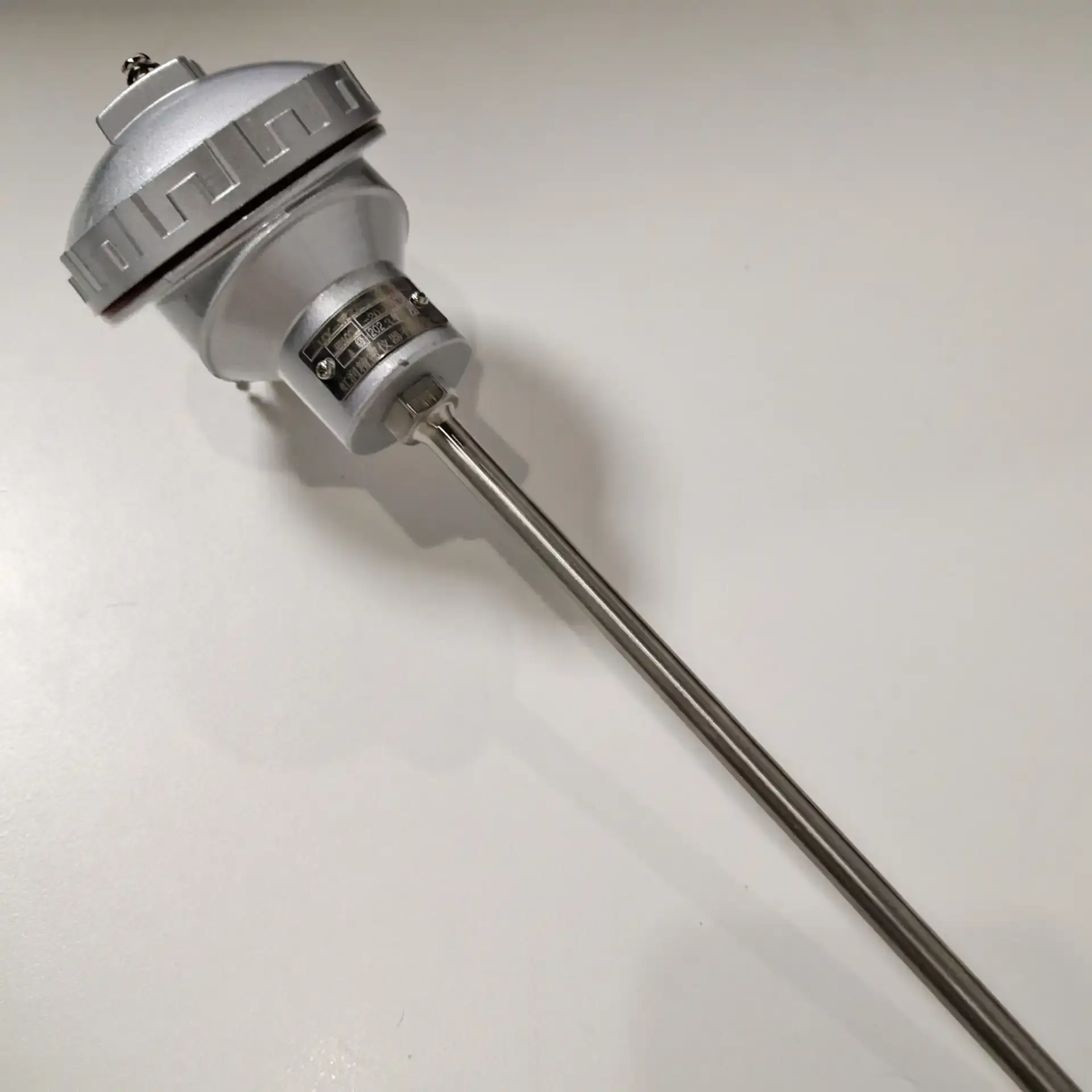
Procurement Guide for Corrosion Resistant Pt1000 Sensors
Sourcing Strategies and Supplier Selection
Finding trustworthy suppliers is a big part of buying things, especially for places that need unique setups or long-term supply partnerships. Direct connections with makers like Tongzida Technology have benefits such as technical help from Field Application Engineers, the ability to make changes, and the guarantee of real parts instead of fakes that sometimes make it through the distribution channels. Partners in manufacturing who have ISO 9001 certification show they are dedicated to quality management systems that lower variation from batch to batch.
Authorized wholesalers add value by keeping stock locally, cutting down on wait times, and letting you place one order for multiple product lines. The trade-off is a little higher per-unit cost compared to buying directly from the maker and maybe not as much professional support for solving problems that are unique to an application. Procurement teams should look at more than just price when evaluating suppliers. Support after the sale, managing warranties, and expert advice are often more useful than small price differences, especially during the initial stages of adoption or when adding new applications.
Customization Options and Bulk Ordering Benefits
Standard stock sensors meet basic needs, but they might not work at their best in certain water treatment situations. Custom setups let procurement teams choose the exact immersion lengths, connection types, wire materials, and accuracy classes that work with the limitations of the installation. To find the best mix between reaction time and mechanical durability, the sheath diameter and material make-up can be changed. Custom calibration points within the predicted working range improve accuracy only where it matters, not across the whole range of what the sensor can do.
Volume purchasing deals can help you save money while still making sure you have enough supplies for ongoing operations and repair programs. Negotiated price structures usually go into effect when more than 50 to 100 units are ordered each year, with bigger promises getting bigger savings. Along with lower unit prices, bulk deals often include services that add value, like custom labeling, pre-programmed identification chips for digital sensors, or scheduled delivery programs that lower the cost of keeping inventory and make sure it's available for planned maintenance.
Certification Requirements and Quality Assurance
Different places and uses have different rules about following them, but for water treatment temperature sensors, a few licenses are now almost always needed. IP grades describe how well something keeps solids and liquids out. For example, IP68 approval means that it can be submerged continuously under certain pressure conditions. IEC 60751 conformance makes sure that the resistance-temperature properties match international standards. This lets measurement tools from different makers work together.
Water Treatment Pt1000 Waterproof Sensor when sensors come into contact with drinkable water, material certifications are very important because regulatory agencies need proof that materials meet safety standards for human usage. Sensor materials won't release dangerous chemicals into cleaned water if they are approved by the FDA, NSF/ANSI 61, or a similar organization.
Some European markets may need CE marking, and some businesses need ATEX approval for installs in areas that could be explosive. Warranty periods should last at least 12 to 24 months after installation and should only cover problems with the way it was made and not damage caused by poor installation or use outside of the stated limits.
Troubleshooting and Maintenance Tips for Pt1000 Sensors
Common Failure Modes and Environmental Stressors
Knowing how things usually break down helps maintenance teams take steps to keep things from breaking down and spot early warning signs before a full sensor failure stops activities. Corrosion is still the main way things break down over time. It shows up as pits in the protective sheath that finally break through the waterproof seal.
As wetness gets into internal links in the early stages of corrosion, signal instability may happen from time to time. This problem will get worse until the whole thing fails. Most rust problems can be avoided by checking the chemical compatibility during the initial selection process. However, process changes or accidental chemical spills can put sensors in situations that are outside of their design limits.
When the delicate platinum element is hit or vibrated too much, it breaks or the internal connections become loose, which can lead to quick signal loss or numbers that aren't consistent. Sensors that are placed in areas with fast flow or that are likely to experience water hammer events need extra mechanical safety, like thermowells or stronger construction.
Rapid temperature changes of more than 50°C in seconds are called thermal shock. They can break ceramic surfaces or cause stress fractures in glass-to-metal seals. If you change a process that changes how temperature cycles, you may need to improve the sensors to ones that are more durable and can handle the new temperature setting.
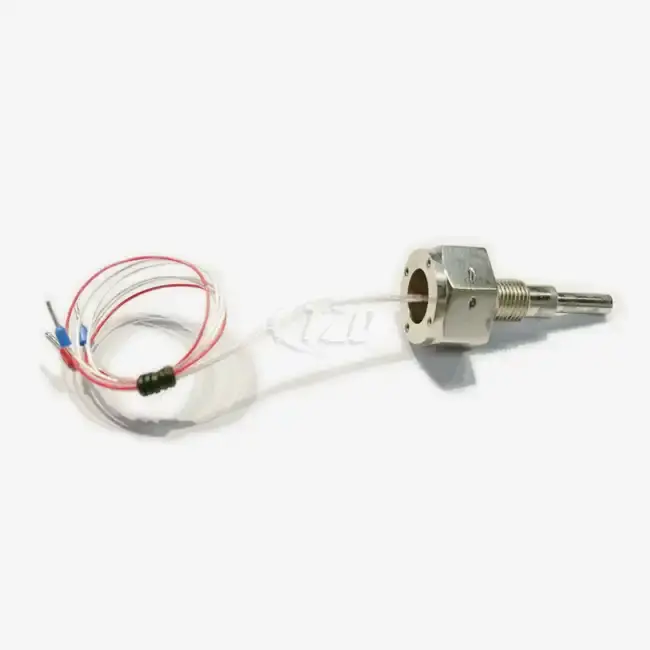
Preventive Maintenance and Calibration Schedules
Preventative repair programs greatly increase the life of sensors while keeping their accuracy. Visual checks every three months find external rust, broken wires, or connection heads that aren't tight enough before they cause the sensor to fail. Every year, portable calibration baths or comparisons with laboratory-grade reference sensors are used to check for drift, which slowly lowers the accuracy of measurements. If sensors move more than half of their accuracy class limit, they need to be re-calibrated or replaced because process control will soon be compromised if they keep getting worse.
How to clean depends on what kind of scale or biofilm is building up at different placement places. Mild detergents and soft brushes can get rid of surface dirt without hurting protected coats. For stubborn deposits, you may need to carefully control acid cleaning according to the manufacturer's instructions. If you clean the sensor in an aggressive way, you might damage the surface or let dirt into protected areas through broken seals. Writing down maintenance tasks, calibration results, and any strange things seen makes history records that help with planned maintenance and find sensors or places that are likely to fail early.
Sensor Replacement and Upgrade Considerations
Even sensors that are well taken care of will eventually break down and need to be replaced. For each application, decision criteria should weigh the amount of risk that can be tolerated against the amount of accuracy that can still be achieved. For example, critical process control points should replace sensors while they are still within specification to get rid of the failure risk, while less critical monitoring points might keep using them until the accuracy drops below what is acceptable. When you replace something, you can get newer, better technologies that might work better or last longer than the ones that were installed the first time.
When buying new sensors, procurement teams should think about whether the original specs are still the best or if practical experience shows that different configurations would work better. Over the past ten years, improvements in thin-film production technology have made sensors much more stable and faster to respond. This means that new sensors are much better than ones that were put five to ten years ago. When you upgrade to sensors that use digital communication protocols like HART or Profibus PA, you can do more advanced diagnostics and save money on installation costs because you don't have to wire each sensor separately. However, these benefits come at a higher initial cost and require infrastructure that works with these protocols.
Conclusion
To pick corrosion-resistant Pt1000 sensors for water treatment uses, you need to weigh the benefits of technical performance, long-term dependability, and total ownership costs. For a Water Treatment Pt1000 Waterproof Sensor, platinum resistance technology is worth the money for vital process monitoring because it is more accurate and stable. Its corrosion-resistant build also means that it will work well for years in harsh chemical environments. Instead of just looking at the original purchase price, choices about what to buy should focus on the quality of the materials, the standards for calibration, and the skills of the provider.
When sensors are installed correctly and regularly, they last longer and continue to give accurate readings that are needed for water treatment operations to run smoothly. Facility managers can set up temperature tracking systems that give accurate data for years to come by carefully considering the needs of the application and choosing sensors with the right specs and certifications.
FAQ
How does Pt1000 accuracy compare to Pt100 sensors in water treatment?
Both types of sensors are compliant with IEC 60751 and come in the same accuracy classes (AA, A, or B), which means that their basic accuracy is the same. The biggest difference is in how sensitive the sensors are during installation. In real life, Pt1000 sensors are more likely to stay accurate even when there are long cable runs, while Pt100 sensors may show extra errors due to lead-wire resistance unless 3-wire or 4-wire setups are used.
What certifications are essential for water treatment sensor procurement?
The IP68 grade confirms that the device can withstand being submerged in water, and IEC 60751 compliance confirms that the resistance-temperature characteristics are normal. For use with potable water, products must be certified by NSF/ANSI 61 or a similar organization to show that they meet safety standards for drinking water. If a manufacturer has ISO 9001 certification, it means that they have quality control methods in place to make sure that production standards are always met.
Can Pt1000 sensors be customized for unique plant requirements?
Some of the things that reputable makers let you change are the length of the immersion, the thickness of the sheath, the types of connections, the materials of the cables, and coatings that are specially made for harsh chemical environments. For some uses, custom calibration certificates at certain temperature points within the working range make the accuracy better where it means the most.
What is the typical replacement interval for quality corrosion-resistant sensors?
If you choose and install Pt1000 sensors correctly, they should last five to ten years before they need to be replaced, as long as they are regularly calibrated and the process conditions are right. Some sensors may need to be replaced more often if they are exposed to harsh chemicals or temperatures, while sensors that are kept in mild conditions can last longer than ten years.
Partner with Tongzida for Superior Temperature Sensing Solutions
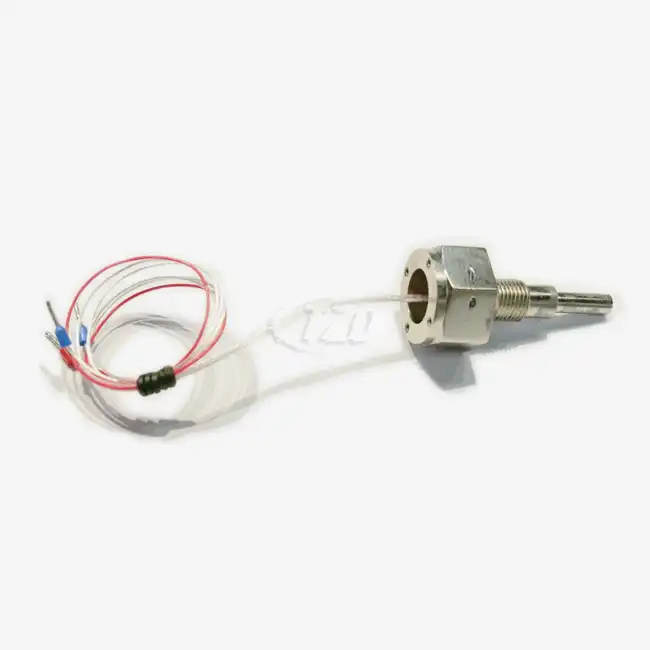
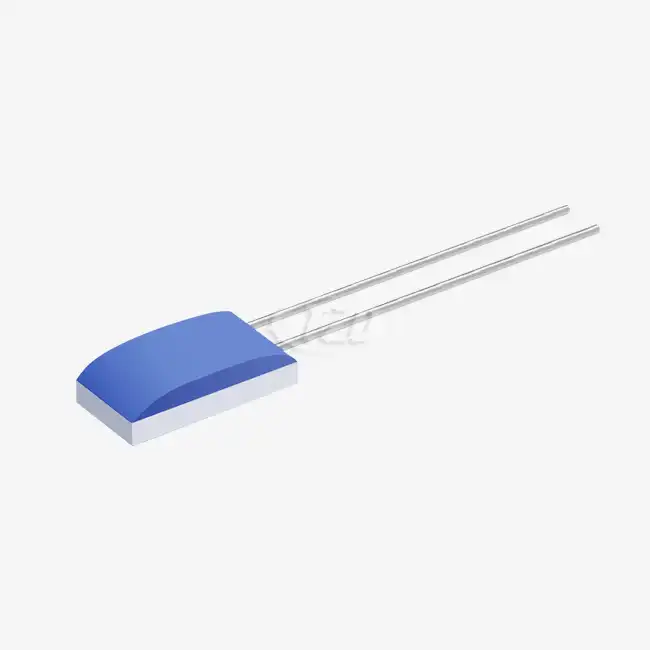
Xi'an Tongzida Technology stands as a trusted Water Treatment Pt1000 Waterproof Sensors manufacturer, delivering advanced platinum resistance sensors specifically engineered for demanding water treatment environments. Our thin-film sensors comply with IEC 60751 standards and offer exceptional accuracy up to ±0.01Ω (1/30B class), with long-term stability drift limited to ≤0.04%.
The comprehensive temperature range from -200°C to +850°C, combined with rapid 0.05-second response times and robust construction withstanding 40g vibration and 100g impact, ensures reliable performance across diverse applications. Customization options include multiple dimensions from 1.2mm to 4.0mm and specialized lead materials including platinum-nickel, silver-nickel, or pure platinum configurations tailored to your specific chemical compatibility requirements.
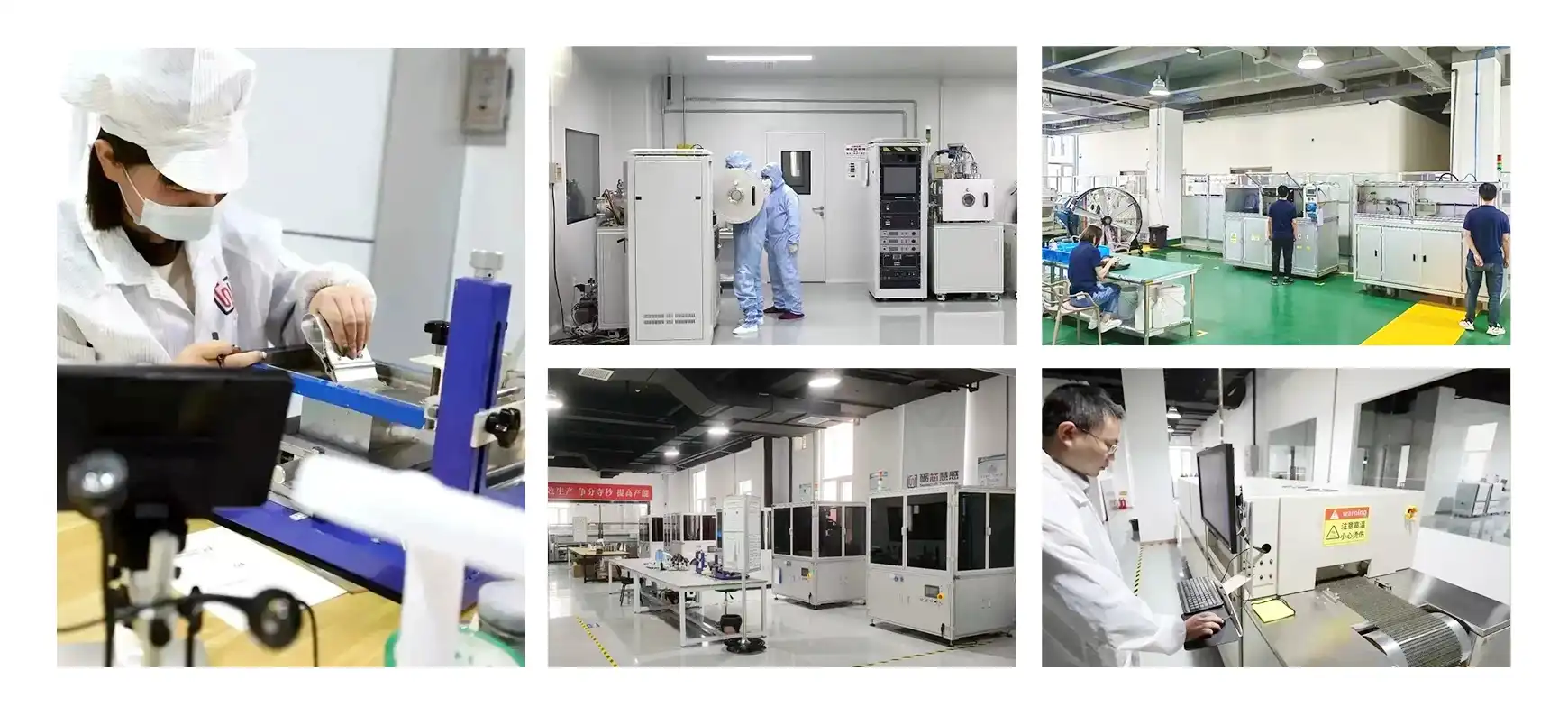
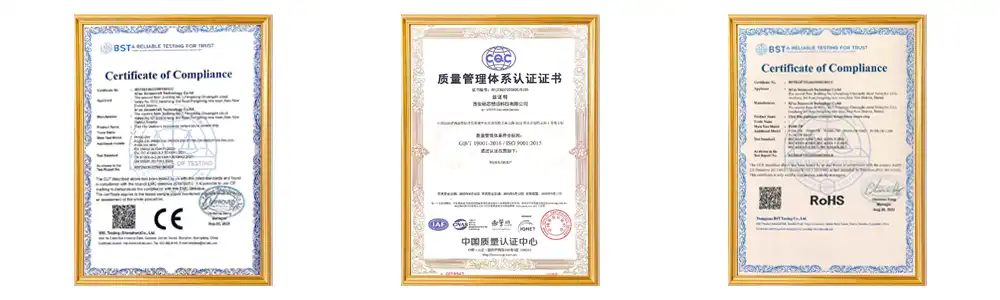
Backed by ISO 9001, ROHS, and CE certifications, Tongzida's automated production platform guarantees consistent quality across every sensor we manufacture. Our Field Application Engineering team provides comprehensive technical support throughout the selection, installation, and maintenance lifecycle, ensuring optimal performance for your critical temperature monitoring needs. Contact our sales team at sales11@xatzd.com to discuss your water treatment application requirements and receive a detailed quotation on corrosion-resistant Pt1000 sensors designed to enhance your operational efficiency and measurement reliability.
References
1. International Electrotechnical Commission. (2022). IEC 60751: Industrial Platinum Resistance Thermometers and Platinum Temperature Sensors. Geneva: IEC Publications.
2. American Water Works Association. (2021). Water Treatment Plant Instrumentation and Control Systems: Design and Implementation Guidelines. Denver: AWWA Press.
3. Liptak, B.G. (2020). Temperature Measurement in Industrial Process Control. In Instrument Engineers' Handbook, Volume 1: Process Measurement and Analysis, 5th Edition. Boca Raton: CRC Press.
4. National Institute of Standards and Technology. (2019). Guidelines for Realizing the International Temperature Scale of 1990 (ITS-90): Platinum Resistance Thermometry. NIST Technical Note 1265. Washington: U.S. Department of Commerce.
5. Childs, P.R.N. (2021). Practical Temperature Measurement: Platinum Resistance Thermometry in Industrial Applications. Oxford: Butterworth-Heinemann Scientific Publications.
6. Water Environment Federation. (2020). Instrumentation and Control for Water and Wastewater Treatment Plants: Standards and Best Practices. Alexandria: WEF Technical Practice Committee Reports.
Learn about our latest products and discounts through SMS or email