- English
- French
- German
- Portuguese
- Spanish
- Russian
- Japanese
- Korean
- Arabic
- Greek
- German
- Turkish
- Italian
- Danish
- Romanian
- Indonesian
- Czech
- Afrikaans
- Swedish
- Polish
- Basque
- Catalan
- Esperanto
- Hindi
- Lao
- Albanian
- Amharic
- Armenian
- Azerbaijani
- Belarusian
- Bengali
- Bosnian
- Bulgarian
- Cebuano
- Chichewa
- Corsican
- Croatian
- Dutch
- Estonian
- Filipino
- Finnish
- Frisian
- Galician
- Georgian
- Gujarati
- Haitian
- Hausa
- Hawaiian
- Hebrew
- Hmong
- Hungarian
- Icelandic
- Igbo
- Javanese
- Kannada
- Kazakh
- Khmer
- Kurdish
- Kyrgyz
- Latin
- Latvian
- Lithuanian
- Luxembou..
- Macedonian
- Malagasy
- Malay
- Malayalam
- Maltese
- Maori
- Marathi
- Mongolian
- Burmese
- Nepali
- Norwegian
- Pashto
- Persian
- Punjabi
- Serbian
- Sesotho
- Sinhala
- Slovak
- Slovenian
- Somali
- Samoan
- Scots Gaelic
- Shona
- Sindhi
- Sundanese
- Swahili
- Tajik
- Tamil
- Telugu
- Thai
- Ukrainian
- Urdu
- Uzbek
- Vietnamese
- Welsh
- Xhosa
- Yiddish
- Yoruba
- Zulu
Industrial Buyers Guide to Pt1000 Thin Film RTD Components
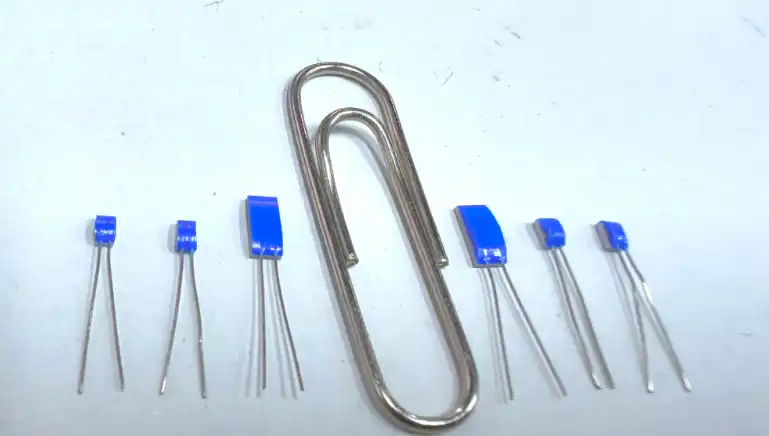
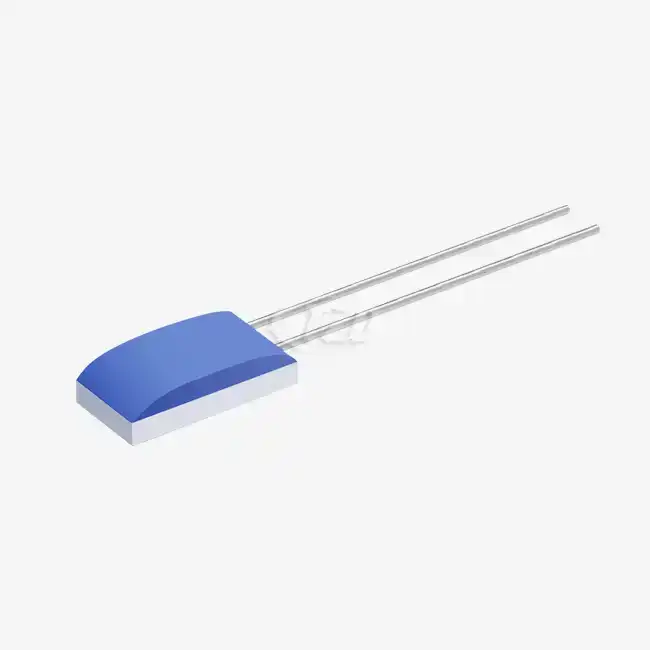
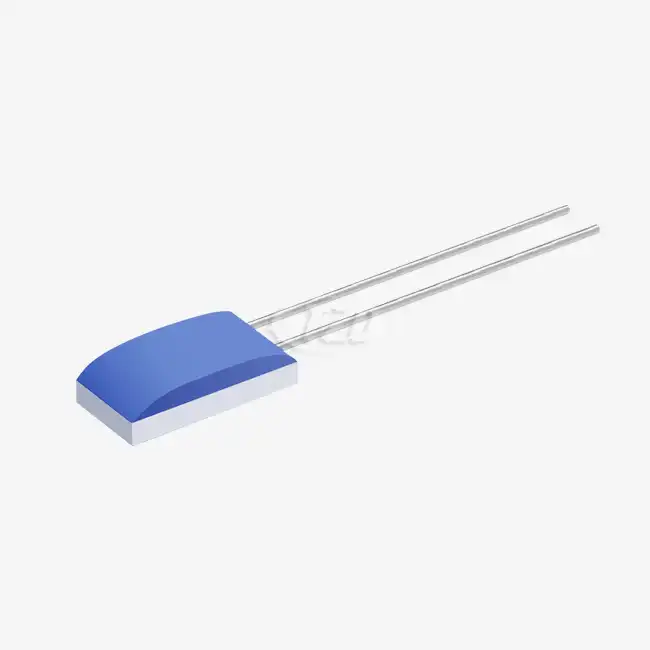
When looking for temperature sensors for important commercial uses, the Pt1000 TC3750 Thin Film RTD Element stands out as the best way to get accurate readings. The standard resistance of this component is 1000 ohms at 0°C, and its temperature coefficient is 3750 ppm/°C. It solves the problem of signal degradation in long wire runs while providing outstanding accuracy. More and more, procurement managers and hardware engineers in the medical equipment, industrial automation, and car electronics sectors are asking for these platinum-based sensors to meet strict performance standards where dependability cannot be compromised.
Understanding Pt1000 TC3750 Thin Film RTD Elements
The Core Technology Behind Platinum RTD Sensors
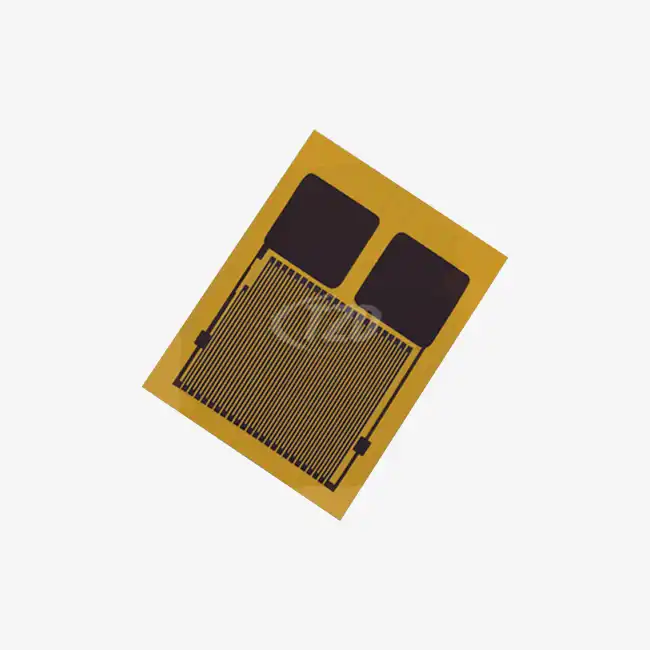
Because platinum's electrical resistance changes with temperature in a reliable way, platinum resistance temperature monitors use this to their advantage. The base resistance of the Pt1000 configuration is ten times stronger than that of normal Pt100 sensors. This makes the lead wire resistance much less of an issue. Our thin film RTD technology puts a very thin layer of platinum on top of a ceramic or glass base. This makes a strong sensor structure that can work in tough industrial settings and still keep its accuracy.
The number TC3750 stands for the temperature coefficient value, which is about 3750 ppm/°C and shows how strongly the resistance changes when the temperature does. For business-to-business (B2B) uses, this coefficient strikes a good mix between the need for a wider temperature range and higher measurement accuracy. Thin film construction is better mechanically than wire winding options. It can withstand vibrations up to 40g and shocks up to 100g, which makes it perfect for robots platforms and ADAS systems in cars.
Temperature Range and Application Flexibility
Modern thin film platinum sensors can work in very wide temperature ranges, from -200°C to +850°C, based on the materials they are made of and how they are packaged. This wide operating window lets it be used in a lot of different situations, from high-temperature industrial furnaces to cryogenic study tools. The fast thermal response is especially helpful for battery management systems in electric cars. Some setups can reach a 50% temperature step response in less than 0.1 seconds when they are properly combined.
The IEC 60751 international standard is used for calibration. It sets out deviation classes, such as F0.1 (Class AA), F0.15 (Class A), and F0.3 (Class B). When hardware engineers choose parts for precision instruments, they usually ask for Class AA or A tolerance to make sure that measurement uncertainty stays within acceptable system error ranges. The long-term stability performance—with drift levels usually below 0.04% after 1,000 hours at the highest temperature—lowers the need for recalibration, which lowers the overall cost of ownership.
Comparison and Selection: Choosing the Right RTD Element for Industrial Use
Performance Differences Among RTD Configurations
Knowing the differences between Pt1000 TC3750, TC3850, PT500, and Pt100 sensors helps you choose the right parts. As a result of its 3850 ppm/°C coefficient and adherence to the more usual European standard, the TC3850 model has slightly different resistance-temperature graphs. PT500 sensors offer a resistance value in the middle that takes into account both lead wire mistake and signal processing complexity. Pt100 is still widely used in older systems, but in precision uses, it needs to be set up with three or four wires to account for link resistance.
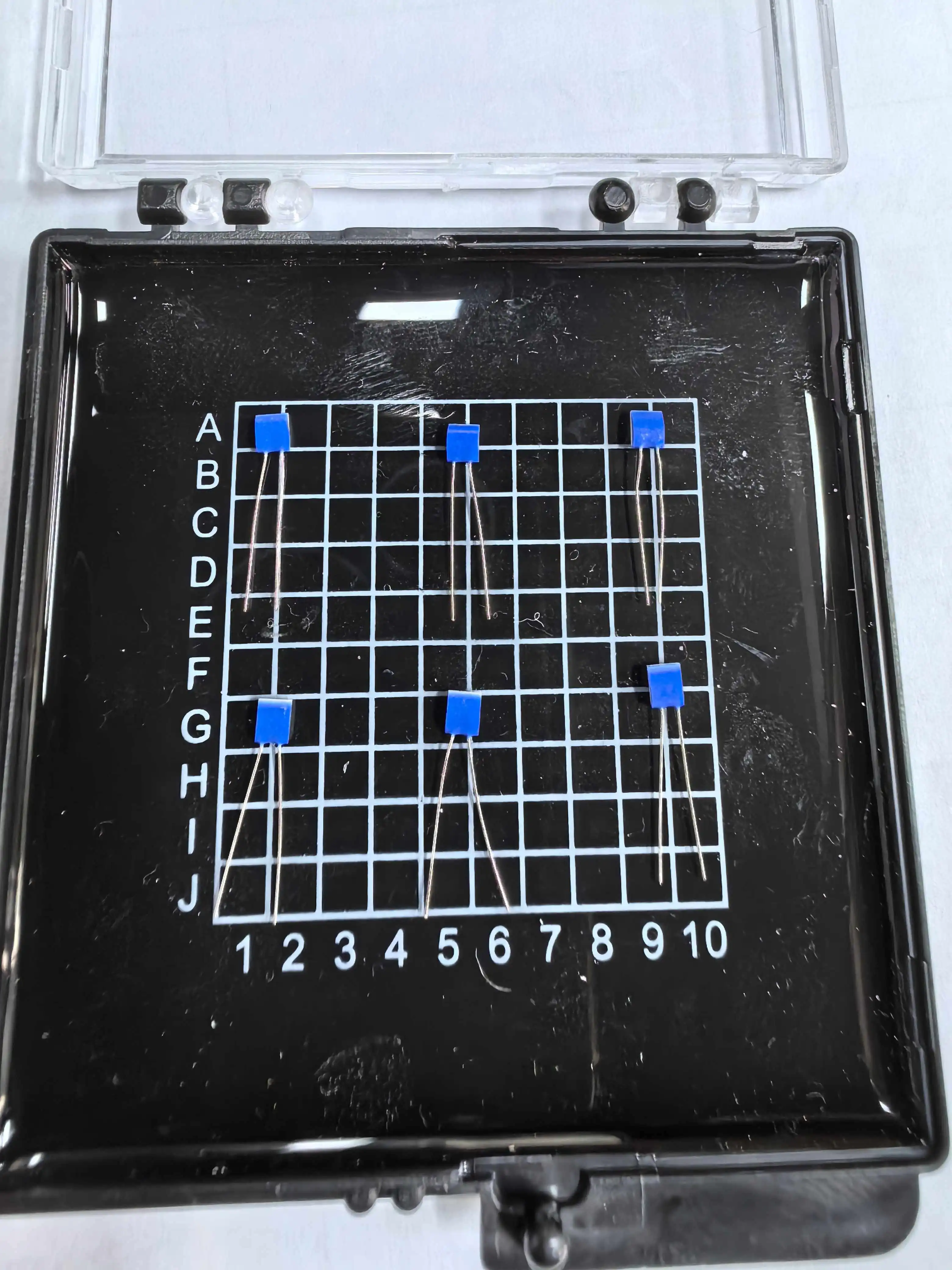
In a number of important ways, thin film RTDs always work better than wire wound types. The manufacturing process makes the sensor size smaller—our product line ranges from 1.2mm to 4.0mm—so it can fit into tight spaces like those found in medical devices and consumer electronics. The solid-state construction gets rid of the mechanical weaknesses that come with coiled wire designs. This makes them last longer in places with a lot of vibration, like industrial robots and drone tracking systems.
Sensor Technology Trade-offs
By comparing RTDs and thermocouples, we can see that their strengths support each other. Thermocouples can handle higher temperatures and are cheaper per unit, but they don't offer the accuracy and steadiness that are needed for precise industrial processes. Pt1000 TC3750 Thin Film RTD Element is one example of a modern RTD that balances these demands. Ceramic RTD substrates are better at resisting chemicals, while glass substrates are better at handling heat shock. When technical leads are looking at their choices, they have to compare the qualities of the materials to the stresses of the specific application. Corrosive environments, the rate of thermal cycling, and the amount of electromagnetic interference can all affect the best sensor choice.
Wire wound RTDs still have benefits in ultra-high accuracy measurement uses, but they have longer response times and are more likely to break. The decision matrix should include the whole system design. Because Pt1000 has higher resistance, two-wire connections are possible, which makes wiring harnesses easier to use in remote sensor networks. This is especially important to think about when installing energy meters and automation systems in buildings, where the cost of work is high.
Procurement Insights and Best Practices for Pt1000 TC3750 RTD Components
Cost Structure and Volume Economics
Knowing the economic factors that affect the purchase of thin film RTD helps you make better budget plans. Different manufacturers have different minimum order amounts, but they are usually between 500 and 5,000 units, based on how they need to be customized. When you buy more than 10,000 units, you can get big savings. This is because automatic production lines use economies of scale. Standard lead times are 6 to 8 weeks, but special lead times can be 12 to 16 weeks if you need unique lead materials like platinum-nickel, silver-nickel, or pure platinum lines.
Because of the long verification processes that come with technology-driven procurement, sample evaluation programs are important. By asking for pre-production samples, hardware teams can test for thermal shock, confirm hysteresis, and measure insulation resistance before committing to large-scale production. This method for lowering risk fits with the usual pattern of going from small-batch tests to bulk purchases that describes the use of industrial sensors.
Supplier Qualification and Quality Assurance
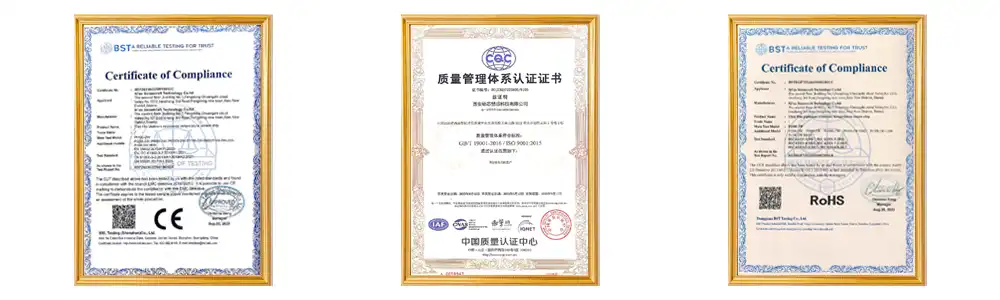
To find reliable platinum resistor manufacturers, you need to look at a number of trustworthiness signs. ISO 9001 quality management certification shows that processes are controlled in a planned way, and ROHS and CE compliance shows that safety and environmental rules are followed. It's important to look at more than just a supplier's certifications when it comes to their professional help. For example, when integrating a Pt1000 TC3750 Thin Film RTD Element, help from field application engineering (FAE) during the integration stages can cut down on costly design iterations and speed up time-to-market.
Authorized distribution outlets make the supply chain clear and ensure the accuracy of the product, which is very important for medical and automobile uses that need to be able to track the product. Quality control procedures should include checking the R0 resistance at the ice point (to within 0.01°C), testing the insulation resistance to be higher than 100 MΩ at 500V DC, and checking the pull strength to make sure the lead-to-chip link is solid. These inspection factors have a direct effect on the field effectiveness of ADAS sensor modules and machine vision systems. When a sensor fails, it can cause problems at the system level.
Building Trust: Top Manufacturers and Brand Comparison of TC3750 RTD Elements
Evaluating Manufacturing Excellence
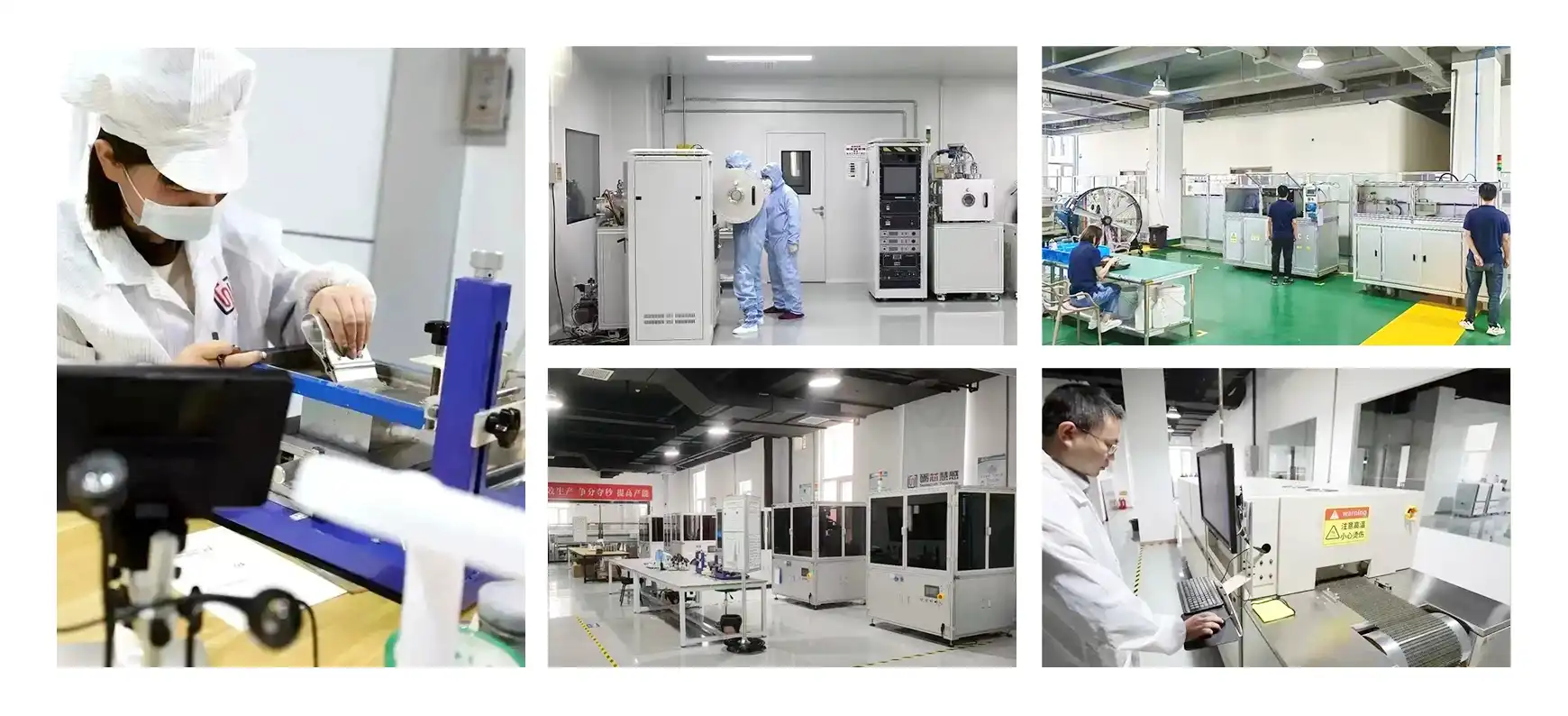
Vertical integration lets the best thin film RTD providers set themselves apart by offering chip design, automatic production, and full testing platforms. Xi'an Tongzida Technology Co., Ltd. is a good example of this method because they overcame problems with making microsensors and special packaging technology to make sensors that meet the high standards of OEMs for self-driving cars and medical equipment. Our automatic production lines can reliably make sensors that work at room temperature, high temperatures, and very cold temperatures.
Performance standards that can be measured show that a manufacturing process is excellent. For instance, with the Pt1000 TC3750 Thin Film RTD Element, we get accuracy values of ±0.01 Ω (1/30B class), which is about three times better than what normal Class AA sensors can do. Response time optimization gets down to 0.05 seconds in the best setups, which is very important for closed-loop temperature control in semiconductor processing equipment and high-performance computer thermal management. These abilities come from special thin film coating methods and precise laser cutting technology that makes resistance values even better after the product is made.
Custom Solutions and Partnership Value
When you work with makers who offer customization support, you can meet the specific needs of industrial uses. There are choices for vacuum packaging that protect sensors in places that are sensitive to moisture, and special lead designs that work with a variety of electrical input standards. Miniaturized sensor profiles are good for security tracking systems, but industrial automation may want more rugged construction with better pressure relief.
When companies put money into learning about the limitations of end-use applications, they move from being a seller of parts to a strategic partner. Technical talks about thermal time constants, self-heating mistakes under certain excitation currents, and EMI protection show that the person knows a lot about that particular application. This consultative method works especially well for Tier 1 system providers and module makers making next-generation goods where sensor performance has a direct effect on how they stand out from the competition.
Conclusion
To get the right thin film RTD components, you have to balance scientific performance requirements with supply chain issues and the chance of forming a long-term relationship. The Pt1000 TC3750 Thin Film RTD Element solves important measurement problems in situations where precision, dependability, and steadiness can't be sacrificed. Procurement teams can find temperature sensing solutions that help differentiate products and ensure operational excellence over longer product lifecycles by systematically evaluating suppliers, following quality control protocols, and working together with manufacturers who allow customization.
FAQ
Why choose Pt1000 over Pt100 sensors?
The higher base resistance of Pt1000 sensors—1000 ohms vs. 100 ohms—lowers the relative mistake caused by the resistance of the lead wire. This advantage is very important in two-wire setups or installations with cable runs longer than 10 meters. The better signal-to-noise ratio also helps low-power IoT devices and handheld tools that can only use 0.1mA to 0.3mA of excitation current because of battery life concerns.
What defines TC3750 versus TC3850 coefficients?
The temperature coefficient tells you how much the resistance changes for every degree Celsius. TC3850 follows the DIN EN 60751 standard, which is widely used in European markets, while TC3750 follows a different set of rules. Both have great linearity, but the coefficient that works best with a certain tool may determine which one to use. During the buying process, verification makes sure that the new temperature sensors and data acquisition systems will work with the old ones without any problems.
How does stability compare in extreme environments?
Thin film platinum sensors are very stable over the temperature range that they are designed to work in. Thermal cycling between -40°C and +150°C causes little hysteresis, and resistance returns to within acceptable limits once the temperatures are balanced. Platinum RTDs can handle many industrial solvents and light corrosives that are used in process control because they are more chemically stable than base metal thermistors.
Partner with Tongzida for Precision Temperature Sensing Solutions
Xi'an Tongzida Technology has the best Pt1000 TC3750 Thin Film RTD Element options in the business to meet your platinum resistor needs. Our all-in-one platform combines designing core-sensitive chips, making microsensors, testing systems, and application software to offer full temperature measurement solutions. As a well-known company that supplies electronics for cars, medical equipment, and factories around the world, we have the production capacity and technical knowledge to handle both testing prototypes and making a lot of them.
Our engineering team is committed to helping you with FAE throughout the whole development process, from choosing the first sensors to making sure they are ready for production. We offer solutions that are backed by ISO 9001, ROHS, and CE certifications, whether your application needs standard parts or unique designs with special lead materials and packaging. You can email our technical sales team at sales11@xatzd.com to talk about your specific needs, ask for product samples, or look into ways that we can work together on new projects that use our experience in making sensors to make your instruments more reliable.
References
1. International Electrotechnical Commission. "Industrial Platinum Resistance Thermometers and Platinum Temperature Sensors." IEC 60751 Standard, 2022 Edition.
2. Webster, John G. "The Measurement, Instrumentation and Sensors Handbook: Temperature and Flow Measurement." CRC Press, 2021.
3. Bentley, Robert E. "Theory and Practice of Thermoelectric Thermometry: Platinum Resistance Thermometry." Springer Temperature Measurement Series, 2023.
4. ASTM International. "Standard Test Method for Industrial Platinum Resistance Thermometers." ASTM E1137-20 Standard Specification, 2020.
5. McGee, Thomas D. "Principles and Methods of Temperature Measurement: RTD Technology in Industrial Applications." John Wiley & Sons, 2022.
6. European Metrology Society. "Advances in Contact Thermometry: Thin Film Sensor Technology and Calibration Protocols." Conference Proceedings, 2023.
Learn about our latest products and discounts through SMS or email