- English
- French
- German
- Portuguese
- Spanish
- Russian
- Japanese
- Korean
- Arabic
- Greek
- German
- Turkish
- Italian
- Danish
- Romanian
- Indonesian
- Czech
- Afrikaans
- Swedish
- Polish
- Basque
- Catalan
- Esperanto
- Hindi
- Lao
- Albanian
- Amharic
- Armenian
- Azerbaijani
- Belarusian
- Bengali
- Bosnian
- Bulgarian
- Cebuano
- Chichewa
- Corsican
- Croatian
- Dutch
- Estonian
- Filipino
- Finnish
- Frisian
- Galician
- Georgian
- Gujarati
- Haitian
- Hausa
- Hawaiian
- Hebrew
- Hmong
- Hungarian
- Icelandic
- Igbo
- Javanese
- Kannada
- Kazakh
- Khmer
- Kurdish
- Kyrgyz
- Latin
- Latvian
- Lithuanian
- Luxembou..
- Macedonian
- Malagasy
- Malay
- Malayalam
- Maltese
- Maori
- Marathi
- Mongolian
- Burmese
- Nepali
- Norwegian
- Pashto
- Persian
- Punjabi
- Serbian
- Sesotho
- Sinhala
- Slovak
- Slovenian
- Somali
- Samoan
- Scots Gaelic
- Shona
- Sindhi
- Sundanese
- Swahili
- Tajik
- Tamil
- Telugu
- Thai
- Ukrainian
- Urdu
- Uzbek
- Vietnamese
- Welsh
- Xhosa
- Yiddish
- Yoruba
- Zulu
Stainless Steel Pt1000 Sensors for Industrial Applications
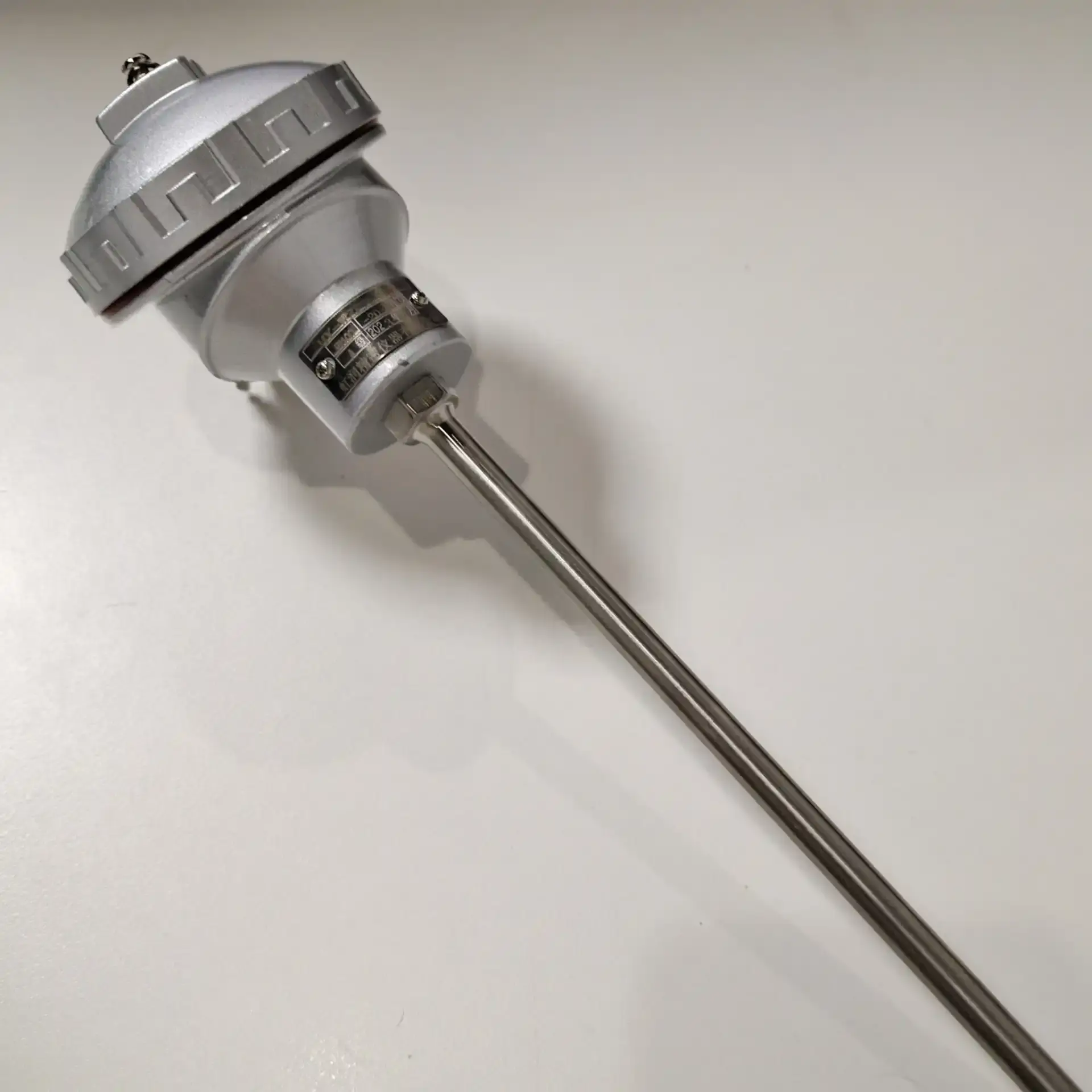
Stainless steel Pt1000 sensors are the best for tracking industrial pipelines because they measure temperature accurately and last a long time. These high-tech resistance temperature detectors (RTDs) use both platinum and stainless steel. Platinum has a reliable thermal reaction, and stainless steel is strong mechanically. The Industrial Threaded Pt1000 Pipeline Sensor is designed to solve problems that engineers face every day, like keeping the signal strong over long wire runs, making sure measurements are accurate in toxic environments, and keeping the sensor stable over time without having to re-calibrate it often. With a resistance of 1000 ohms at 0°C, these sensors offer ten times the resistance of standard Pt100 models. This makes mistakes caused by lead wire resistance much less likely to happen in real-world applications.
Understanding Stainless Steel Pt1000 Pipeline Sensors
The Foundation of Platinum Resistance Technology
Platinum resistance technology takes advantage of the metal's high level of uniformity and reliability over a wide range of temperatures. Platinum's resistance changes by about 3.85 ohms per degree Celsius, which is in line with the IEC 60751 standard temperature coefficient of resistance (TCR) of 0.003851 ©/©/°C. Because these numbers are always the same, engineers can easily turn measurements of resistance into accurate readings of temperature. In contrast to semiconductor-based sensors, which have nonlinear reactions, platinum keeps this relationship from very cold temperatures (below -200°C) to very hot temperatures (above 850°C).
One thing that makes Pt1000 sensors different is that their baseline resistance is bigger. This basic feature lowers the relative effect of lead wire resistance, which is an ongoing issue when sensors are placed hundreds of feet away from control systems. In real life, a 2-ohm cable resistance only affects 0.2% of a Pt1000 sensor's reading, but 2% of a Pt100 sensor's reading. This means that two-wire setups don't need to have complicated adjustment circuits.
Why Stainless Steel Dominates Industrial Sensor Construction
Stainless steel containers offer the best protection in harsh industrial settings where chemicals, physical force, and changes in pressure can damage sensors. The chromium oxide layer of the material naturally stops rusting from acids, alkalis, and organic solvents that are common in process pipes. The oxide layer heals itself when oxygen is present, so this inactive defense works even if the surface gets scratched.
In addition to being resistant to chemicals, stainless steel is also very strong, which is important for high-pressure uses. Pressures higher than 3000 PSI are common for pipeline sensors, which keep hermetic walls around their detecting elements. The thermal conductivity of the material is just right—it's fast enough to pick up changes in temperature but stable enough to keep measurement errors to a minimum when the process changes quickly.
Working Principles of Threaded Installation
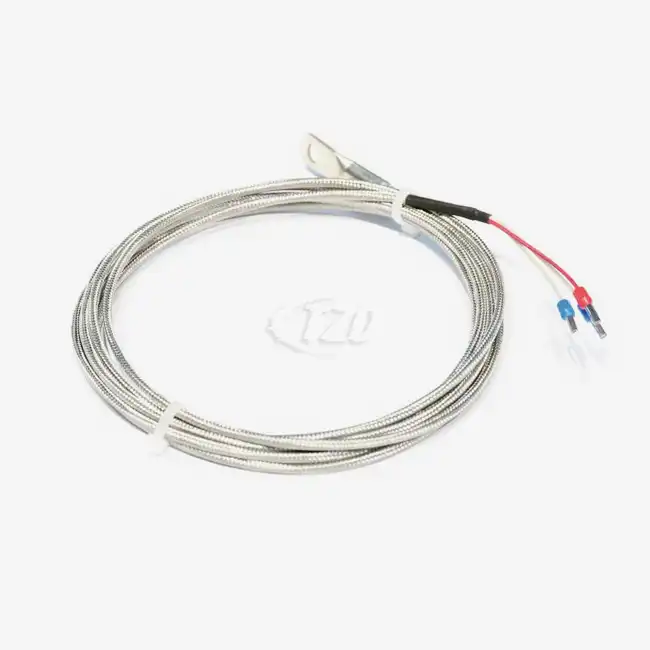
Threaded mounting systems use standard pipe thread links to make direct heat contact between the process media and the sensing elements. The NPT (National Pipe Thread) and metric thread standards make fitting safe and able to handle shaking and changes in temperature. The threaded sheath goes through the pipe wall and places the platinum element right in the flow stream, which lets it respond quickly to changes in temperature. This arrangement gets rid of the heat resistance that thermowells have by design, but it needs to be sealed properly to keep leaks from happening.
The platinum element is linked to receivers or control systems by insulated lead lines that send signals. Different accuracy needs can be met by two-wire, three-wire, and four-wire designs. The Pt1000's high resistance makes even simple two-wire setups work for many tasks.
Performance Characteristics That Matter
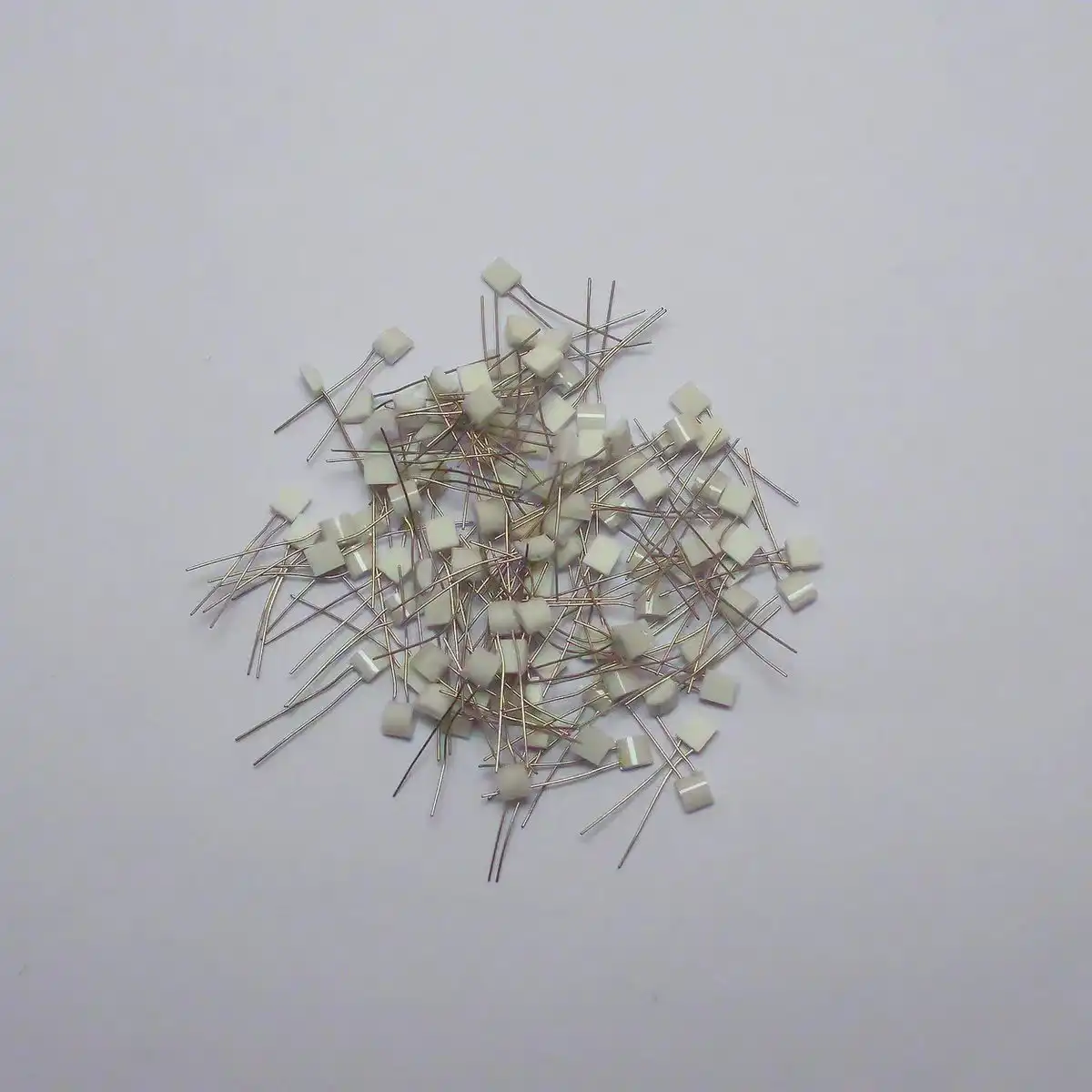
For commercial Pt1000 sensors, the accuracy ranges from Class B (±0.30°C) to precision Class AA (±0.10°C). Our production platform can reach ±0.01© tolerances, which is the same as 1/30B classification. This accuracy is very important when making medicines, semiconductors, and other things where small changes in degree affect the quality of the product or its safety.
Response time depends on how the sensor is built. For exposed-element designs, it can be milliseconds, but for protected designs, it can be several seconds. Response times for our advanced thin-film platinum elements are as low as 0.05 seconds, which lets you control processes in dynamic systems in real time. This fast thermal reaction works with a wide temperature range, so the same sensor design can keep an eye on everything from storing liquid nitrogen at -196°C to steam processes that are getting close to 400°C.
Comparing Pt1000 Sensors with Other Industrial Temperature Sensors
Pt1000 versus Pt100: Understanding the Sensitivity Advantage
The tenfold difference in resistance between Pt1000 and Pt100 sensors directly leads to better measurement accuracy. Both meet the same TCR standards, but the Pt1000 has a higher resistance change per degree (3.85Ω vs. 0.385Ω), which lets analog-to-digital converters handle smaller changes in temperature without needing to boost amplifier gain. This natural sensitivity makes it less sensitive to electronic noise, which is a huge plus in noisy industrial settings with motor drives, grinders, and high-frequency generators.
These sensors are also different because they need less measuring power. Pt1000 devices usually work with activation currents below 1mA, while Pt100 sensors need between 1 and 5mA. This makes self-heating mistakes much less likely. This difference stops measurement errors that happen when the sensor changes the temperature being recorded, which can happen when tracking fluids or gases with a low thermal mass.
Thermocouples and NTC Sensors: Alternative Technologies
Thermocouples make electricity through metal joints that are not the same. They can measure a wider range of temperatures but are much less accurate. Even when everything is perfect, Type K thermocouples have mistakes of ±2.2°C, which means they can't be used for precise process control. Their main benefit is that they are built to last and respond quickly in temperatures that are far below what platinum RTDs can handle.
Negative Temperature Coefficient (NTC) thermistors are very sensitive in small temperature ranges, but they don't work linearly and change over time. The link between their resistance and temperature is hard to figure out using polynomials, and their stability drops quickly above 150°C. Because of these problems, NTC sensors can only be used in household gadgets and HVAC systems, not in tough industrial processes, Industrial Threaded Pt1000 Pipeline Sensor is instead well-suited for such demanding applications due to its linear response and long-term stability.
Installation Type Considerations: Threaded versus Flanged Sensors
Threaded sensors work great in small spaces where controlling the depth of the pipe entry is important. Their standard threads make it possible to change them in the field without welding or taking the whole thing apart, which cuts down on maintenance downtime. The straight mounting method works great for thermal coupling, but you have to be careful with the force during installation to keep the threads from galling or the housing from warping.
When threaded connections aren't possible because of high pressure or big diameter pipes, flanged sensors are a better choice. The sealing forces are spread out more evenly and the bolted flange contact can handle temperature expansion better than threads. But flange systems are more expensive, heavier, and could lead to leaks than threaded options. Engineers weigh these pros and cons based on the process conditions. Threaded sensors are most common in situations with pipe diameters less than 6 inches and middling pressure values.
How to Install and Calibrate Industrial Threaded Pt1000 Pipeline Sensors
Pre-Installation Pipeline Preparation
Preparing the threads and checking the pipe surface are the first steps to a successful sensor placement. Thoroughly clean the threaded port to get rid of any scale, dirt, or old sealant that might be stopping the threads from fully engaging. Check the threads for damage by looking at them or using thread gauges. Deformed threads can affect both the stability of the seal and the accuracy of the sensor setting. For standard sensor housings, the pipe wall thickness around the port needs to be at least 3 mm thick to provide enough structural support.
Choosing the right thread sealer material stops leaks and allows for heat expansion. PTFE tape can be used in most situations below 260°C as long as it is wrapped around the male thread end two to three times clockwise. When temperatures are high or chemicals are harsh, anaerobic thread sealants work better because they cure without air in the formed joint.
Threading Techniques and Torque Management
To get thread contact and sealing without damaging sensor parts, controlled pressure must be applied. Tighten the sensor by hand until the resistance goes up a lot, then use a wrench to apply the torque that matches the thread size, which is usually 40–60 Nm for 1/2" NPT connections. Be careful not to use too much torque, because that can deform the housing or put stress on the sensing elements inside, which can change the readings and affect the sensor's long-term stability.
If you want to get a more accurate reading of the temperature of the fluid, you should insert the sensor tip deeper into the pipe. For flowing media, place the tip at the centerline of the pipe, and for still fluids where thermal stratification happens, place it one-third of the way from the wall. The thread configuration naturally limits the depth, but adjustable compression fittings let you fine-tune the position when it's necessary.
Calibration Standards and Verification Procedures
Temperature calibration makes sure that the product meets international standards by comparing it to reference thermometers in controlled thermal environments. The ice point test at 0°C is a basic check that is done by submerging the sensor in a slurry of ice and water and making sure that the resistance is 1000.0Ω within the tolerance bands. Multi-point calibration checks the product's performance across a wider range of temperatures by using precision temperature baths at 50°C, 100°C, and higher setpoints that are needed for different applications.
Our manufacturing platform includes automated calibration using NIST-traceable references, and calibration certificates that show the measured resistance at key temperatures. Accuracy is maintained over time by recalibration once a year, but high-quality thin-film sensors show drift below 0.04% after thousands of hours at maximum operating temperature. During calibration, checking the insulation resistance (usually more than 100MΩ at 500V DC) ensures sheath integrity and stops moisture from getting in, which speeds up drift.
Maintenance Protocols and Troubleshooting
Regular maintenance extends the life of sensors and keeps measurements accurate. Check cable entry points every three months for seal degradation, especially in high-vibration areas where flexing wears down sealing materials. Resistance measurements at control system terminals show cable faults or connection corrosion before they stop the process. Comparing readings to redundant sensors or portable reference standards shows accuracy degradation that needs to be fixed or replaced.
Open circuits from mechanical shock, short circuits from insulation breakdown, and resistance drift from element contamination are all common ways for electronics to fail. During commissioning, thermal cycling tests expose manufacturing flaws by putting sensors through repeated temperature changes that speed up latent failures. Industrial Threaded Pt1000 Pipeline Sensor is designed to withstand such stresses, and our sensors go through strict aging protocols and vibration testing according to IEC 60068-2-6 standards, showing that they can handle 40g vibration and 100g shock loads that are common in mobile machinery and high-speed process equipment.
Procurement Guide: Buying Industrial Threaded Pt1000 Pipeline Sensors
Quality Certifications and Compliance Requirements
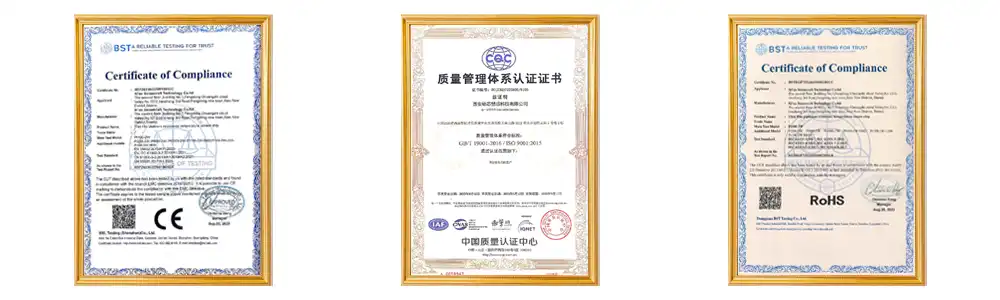
IEC 60751 international RTD standards should be required by procurement specifications to make sure that sensors from different manufacturers can work together and perform consistently. This standard sets out resistance values, tolerance classes, and TCR requirements that make it possible for sensors from different manufacturers to be used in control systems. ISO9001 certification shows that the supplier can manage quality, and ROHS compliance shows that the sensors don't contain any hazardous materials that are needed for European and North American markets.
Industry-specific certifications are useful in regulated areas. For example, FDA compliance is important for pharmaceutical and food processing applications, while ATEX or IECEx ratings allow deployment in explosive environments. Medical device manufacturers need sensors that meet ISO 13485 quality standards, and aerospace applications need sensors that meet AS9100 certification. Make sure that the supplier's paperwork includes material certificates, calibration data, and records that can be traced back to the batch production.
Evaluating Supplier Credibility and Technical Support
Field application engineering (FAE) support shows how technically knowledgeable a supplier is. Quickly responding FAE teams help choose the best sensor configurations for each process, give installation instructions, and fix performance problems either remotely or on-site. This knowledge is very useful during the long verification cycles that are common in OEM product development, where integrating sensors requires months of testing in a variety of temperature, pressure, and environmental conditions.
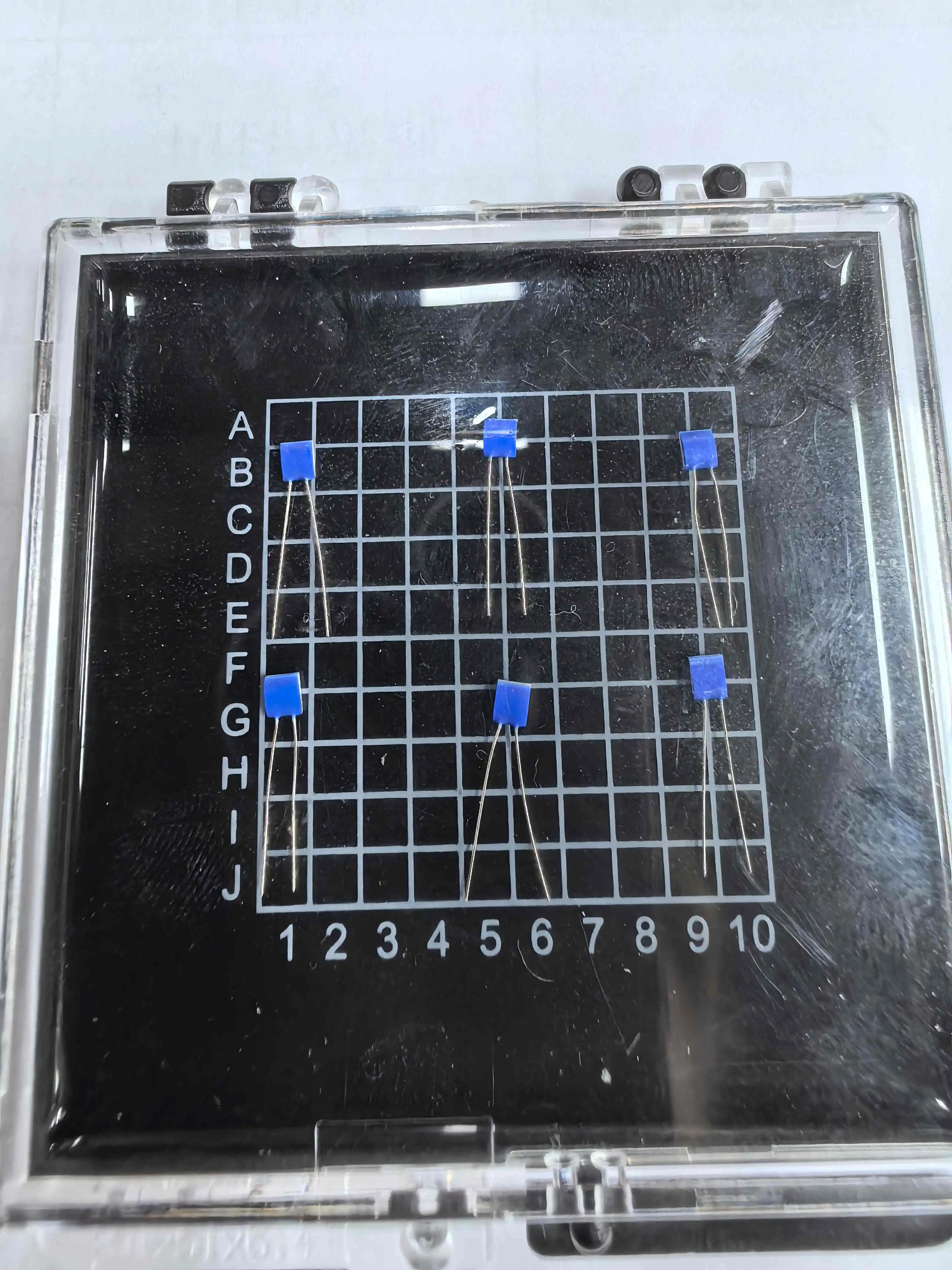
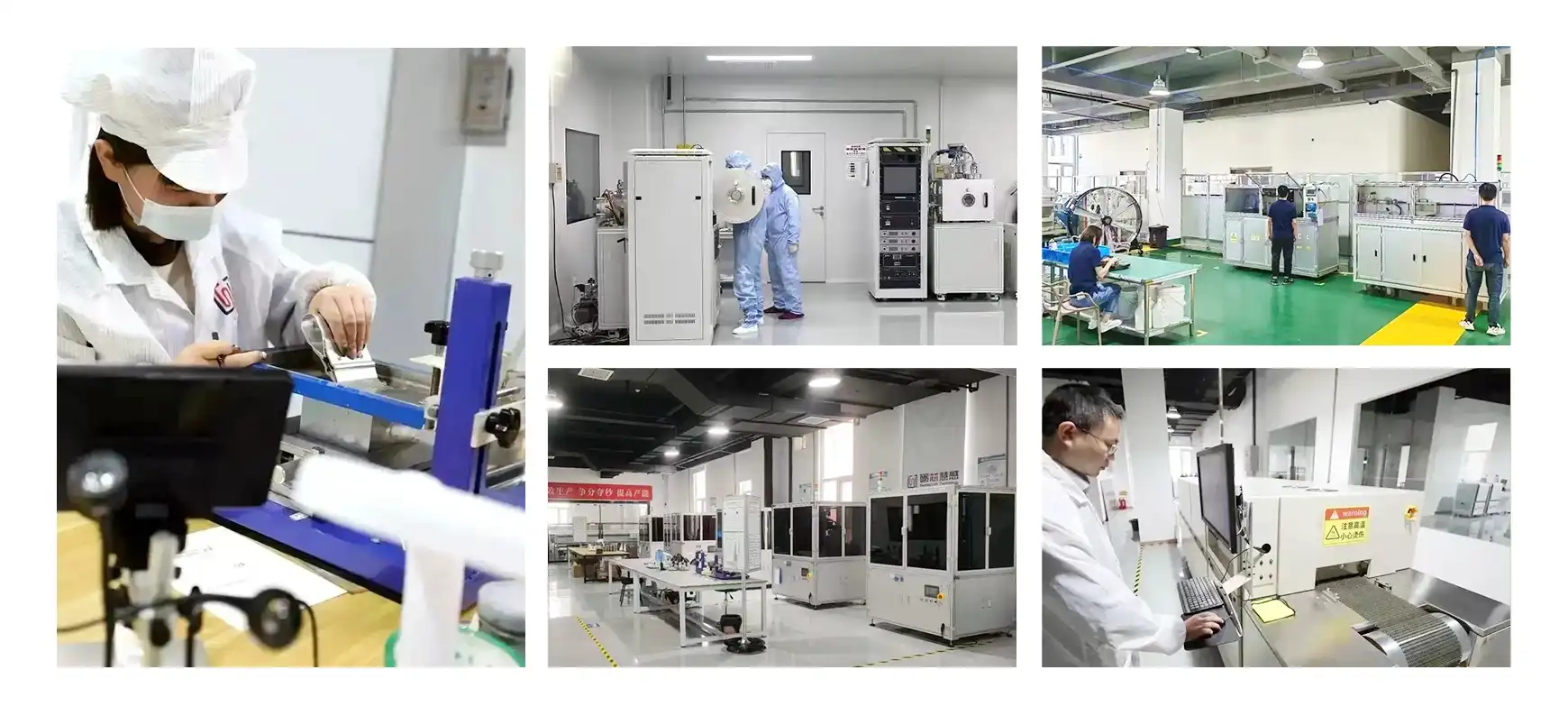
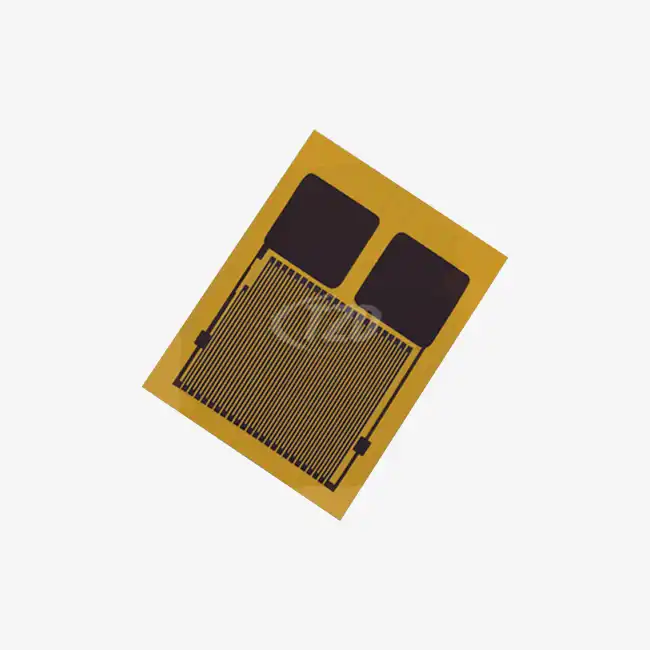
For long-term partnerships, manufacturing skills show supply stability. Automated production lines make sure consistency across batch quantities, from small prototypes to full-scale production runs. Our facility uses dedicated thin-film deposition equipment to make platinum sensing elements with sub-micron thickness control, followed by laser trimming to achieve tight resistance tolerances. This vertical integration gets rid of the need to rely on outside component suppliers that could mess up delivery schedules.
Customization Options and Specifications Tailoring
Standard catalog sensors meet common needs, but customizing them improves performance for specific uses. Different thread types and lengths work with different pipe systems, and cable materials include standard PVC, high-temperature silicone, and PTFE. Sheath materials go beyond stainless steel and include Inconel for extreme corrosion resistance or titanium for aerospace installations that need to be light.
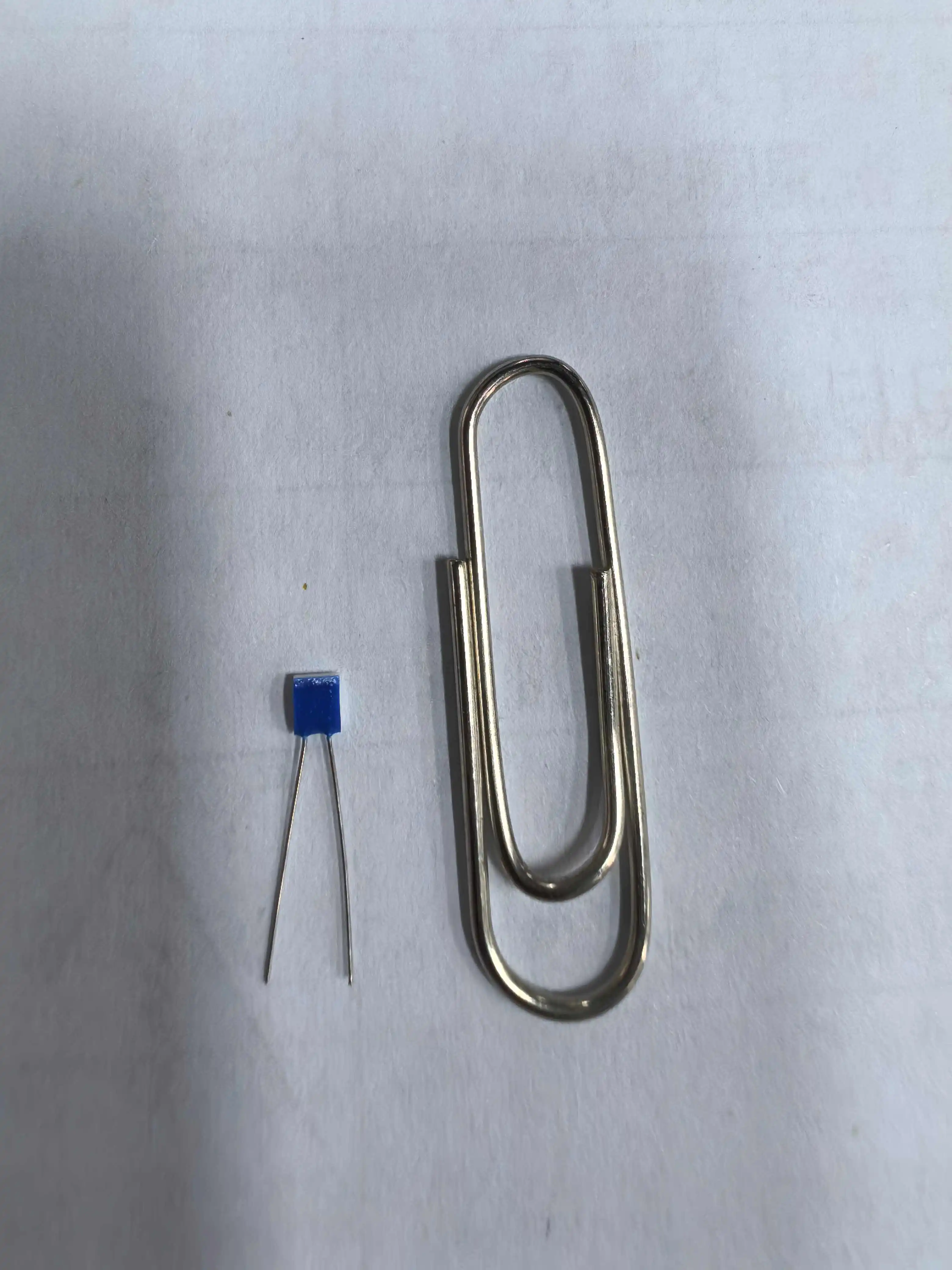
Another way to customize is by the way the sensing elements are packaged. Industrial Threaded Pt1000 Pipeline Sensor exemplifies this flexibility: standard thin-film elements on ceramic substrates offer great stability, while wire-wound configurations offer faster response in situations that need very little thermal mass. We support custom lead wire materials like platinum-nickel, silver-nickel, and pure platinum conductors that stay accurate at very high temperatures, where copper conductors cause unwanted thermocouple effects.
Pricing Models and Bulk Purchase Benefits
Unit prices reflect how hard it is to make. For example, basic configurations for Class B tolerance sensors with standard thread sizes start at about average prices. Precision Class AA sensors cost more because they have more steps in the manufacturing process and stricter quality controls. Custom specifications add to the cost of engineering, but they become cheaper as order quantities rise because the costs of tooling and setup are spread out over more orders.
Volume pricing structures encourage long-term partnerships, which are common in OEM relationships. Annual blanket orders with scheduled releases make it possible to plan production, which cuts costs compared to spot purchases. Our pricing strategy takes into account the high average order values and long verification cycles that are typical of buying industrial sensors, so we offer prototype quantities at production pricing to allow for thorough testing before going into mass production.
Advantages and Future Outlook of Stainless Steel Pt1000 Sensors in Industrial Applications
Durability That Reduces Total Cost of Ownership
It's measurable that stainless steel construction saves money because it lasts longer and needs less maintenance. Unlike sensors with polymer housings that break down when exposed to UV light or chemicals, stainless steel stays structurally sound for decades in outdoor settings and chemically aggressive process environments. This is especially important in situations where replacing sensors costs thousands of dollars per hour of production downtime.
The material's resistance to vibration and shock keeps mobile equipment and fast machinery from breaking down too soon. Our sensors can handle continuous 40g vibration levels that would quickly wear out brazed or soldered connections in less durable designs. This mechanical robustness combined with corrosion resistance makes stainless steel Pt1000 sensors the best choice for industries that value reliability over initial cost.
Integration with Industry 4.0 and IoT Ecosystems
Smart sensor integration is the next step from measuring temperature to using predictive maintenance platforms. Modern Pt1000 transmitters have microprocessors built in that can self-diagnose and find problems like drift, noise, or connection degradation before they affect process control. Digital communication protocols like HART, Modbus, and industrial Ethernet standards make it easy for data to flow to SCADA systems and cloud analytics platforms.
IoT connectivity turns temperature sensors into nodes in large condition monitoring networks. Battery-powered wireless transmitters paired with Pt1000 sensors keep an eye on remote assets without having to install expensive cabling. The sensor's low power consumption extends battery life to multiple years, making monitoring points that weren't possible before economically viable. Machine learning algorithms look at temperature patterns to predict equipment failures, plan maintenance ahead of time, and make manufacturing facilities use the least amount of energy possible.
Market Expansion in Emerging Applications
Autonomous driving systems need precise thermal management to keep sensor and computer hardware in the best temperature ranges. For example, our automotive-grade Pt1000 sensors check the temperatures of battery packs in electric vehicles to make sure they don't overheat and to get the best charge rates. ADAS camera assemblies need temperature compensation to keep their optical performance even when the temperature outside is very cold or very hot.
Platinum RTDs are being used more and more in renewable energy systems to improve efficiency. For example, Pt1000 sensors are used in solar thermal installations to monitor the temperatures of the heat transfer fluid, even when they are exposed to the elements and the temperature changes. Arrays of sensors are used in battery energy storage systems to monitor the temperatures of each cell, and the Pt1000's low excitation current stops artificial temperature rise that would mess up measurements in tightly packed assemblies.
Validated temperature monitoring is needed during the sterilization of medical equipment to kill pathogens and protect delicate instruments. Our pharmaceutical-grade sensors have electropolished stainless steel surfaces that don't get contaminated and make cleaning easier, meeting the strict FDA requirements for process analytical technology.
Conclusion
If you buy good Pt1000 sensors, they will pay for themselves many times over in better process control, less downtime, and longer operational life. Industrial Threaded Pt1000 Pipeline Sensor is a prime example of this value, as it combines tried-and-true platinum resistance technology with modern manufacturing precision. Its increased sensitivity, reduced cable error sensitivity, and mechanical durability all solve important problems in industrial temperature measurement. As businesses go digital through IoT integration and predictive analytics, these sensors change from simple measurement devices to smart nodes in full asset management ecosystems.
FAQ
What technical advantages do Pt1000 sensors offer compared to Pt100 models?
At 0°C, Pt1000 sensors have ten times higher resistance (1000© vs. 100©), which means they can change resistance by about 3.85© per degree compared to 0.385© for Pt100 devices. This higher sensitivity lets you take more accurate measurements and greatly reduces errors caused by lead wire resistance in long cable runs. The higher resistance also lets you use lower excitation currents (usually less than 1mA), which reduces self-heating effects that can cause measurement errors in low thermal mass applications.
How often should industrial Pt1000 pipeline sensors be calibrated?
How often should Industrial Threaded Pt1000 Pipeline Sensors be calibrated? Calibration intervals depend on how important the application is and how it is being used. Good thin-film Pt1000 sensors show drift below 0.05% after 1000 hours at maximum operating temperature, and they can stay accurate for years in stable environments. Most industrial quality systems only need to check their results against reference standards once a year, but pharmaceutical and aerospace applications may need to do it every three months. Smart transmitters that continuously diagnose themselves can extend calibration intervals by finding drift before it affects process control.
Can stainless steel Pt1000 sensors withstand high-pressure pipeline environments?
When properly specified, Pt1000 sensors can work reliably in high-pressure situations exceeding 3000 PSI because they are made of stainless steel. The pressure ratings must match for the sensor housing and thread engagement, with extra safety margin for pressure changes and water hammer effects that are common in industrial piping. Hermetic sealing techniques keep moisture from getting into the internal sensing elements, which would lower insulation resistance and measurement accuracy over time.
Partner with Tongzida for Your Temperature Sensing Needs
Selecting the right Industrial Threaded Pt1000 Pipeline Sensor supplier determines your project's success through prototype development, qualification testing, and volume production. Tongzida combines manufacturing expertise with responsive technical support that hardware engineers and CTOs value throughout extended verification cycles. Our ISO9001-certified facility produces sensors spanning -200°C to +850°C with accuracy reaching ±0.01Ω, backed by automated testing that ensures every unit meets specification before shipment.
Whether you need standard configurations or customized solutions for demanding applications in automotive electronics, industrial automation, or medical equipment, our FAE team provides application-specific guidance from initial specification through long-term supply partnership. Connect with us at sales11@xatzd.com to discuss your temperature measurement requirements with an experienced Industrial Threaded Pt1000 Pipeline Sensor manufacturer committed to your success.
References
1. International Electrotechnical Commission (2008). IEC 60751: Industrial Platinum Resistance Thermometers and Platinum Temperature Sensors, Third Edition.
2. Nicholas, J.V., White, D.R. (2001). Traceable Temperatures: An Introduction to Temperature Measurement and Calibration, Second Edition. John Wiley & Sons, Chichester.
3. Bentley, R.E. (1998). Handbook of Temperature Measurement Volume 3: The Theory and Practice of Thermoelectric Thermometry. Springer-Verlag, Singapore.
4. Liptak, B.G. (2003). Instrument Engineers' Handbook, Fourth Edition: Process Measurement and Analysis. CRC Press, Boca Raton.
5. McGhee, J., Henderson, I.A., Kulesza, A. (2002). Analyzing the Performance Characteristics of Industrial Platinum Resistance Thermometers. IEEE Transactions on Instrumentation and Measurement, 51(4), 877-882.
6. Childs, P.R.N., Greenwood, J.R., Long, C.A. (2000). Review of Temperature Measurement Technologies and Calibration Methods for Industrial Applications. The Review of Scientific Instruments, 71(8), 2959-2978.
Learn about our latest products and discounts through SMS or email