- English
- French
- German
- Portuguese
- Spanish
- Russian
- Japanese
- Korean
- Arabic
- Greek
- German
- Turkish
- Italian
- Danish
- Romanian
- Indonesian
- Czech
- Afrikaans
- Swedish
- Polish
- Basque
- Catalan
- Esperanto
- Hindi
- Lao
- Albanian
- Amharic
- Armenian
- Azerbaijani
- Belarusian
- Bengali
- Bosnian
- Bulgarian
- Cebuano
- Chichewa
- Corsican
- Croatian
- Dutch
- Estonian
- Filipino
- Finnish
- Frisian
- Galician
- Georgian
- Gujarati
- Haitian
- Hausa
- Hawaiian
- Hebrew
- Hmong
- Hungarian
- Icelandic
- Igbo
- Javanese
- Kannada
- Kazakh
- Khmer
- Kurdish
- Kyrgyz
- Latin
- Latvian
- Lithuanian
- Luxembou..
- Macedonian
- Malagasy
- Malay
- Malayalam
- Maltese
- Maori
- Marathi
- Mongolian
- Burmese
- Nepali
- Norwegian
- Pashto
- Persian
- Punjabi
- Serbian
- Sesotho
- Sinhala
- Slovak
- Slovenian
- Somali
- Samoan
- Scots Gaelic
- Shona
- Sindhi
- Sundanese
- Swahili
- Tajik
- Tamil
- Telugu
- Thai
- Ukrainian
- Urdu
- Uzbek
- Vietnamese
- Welsh
- Xhosa
- Yiddish
- Yoruba
- Zulu
How to choose a pt1000 tc3750 thin film RTD element for industrial temperature measurement
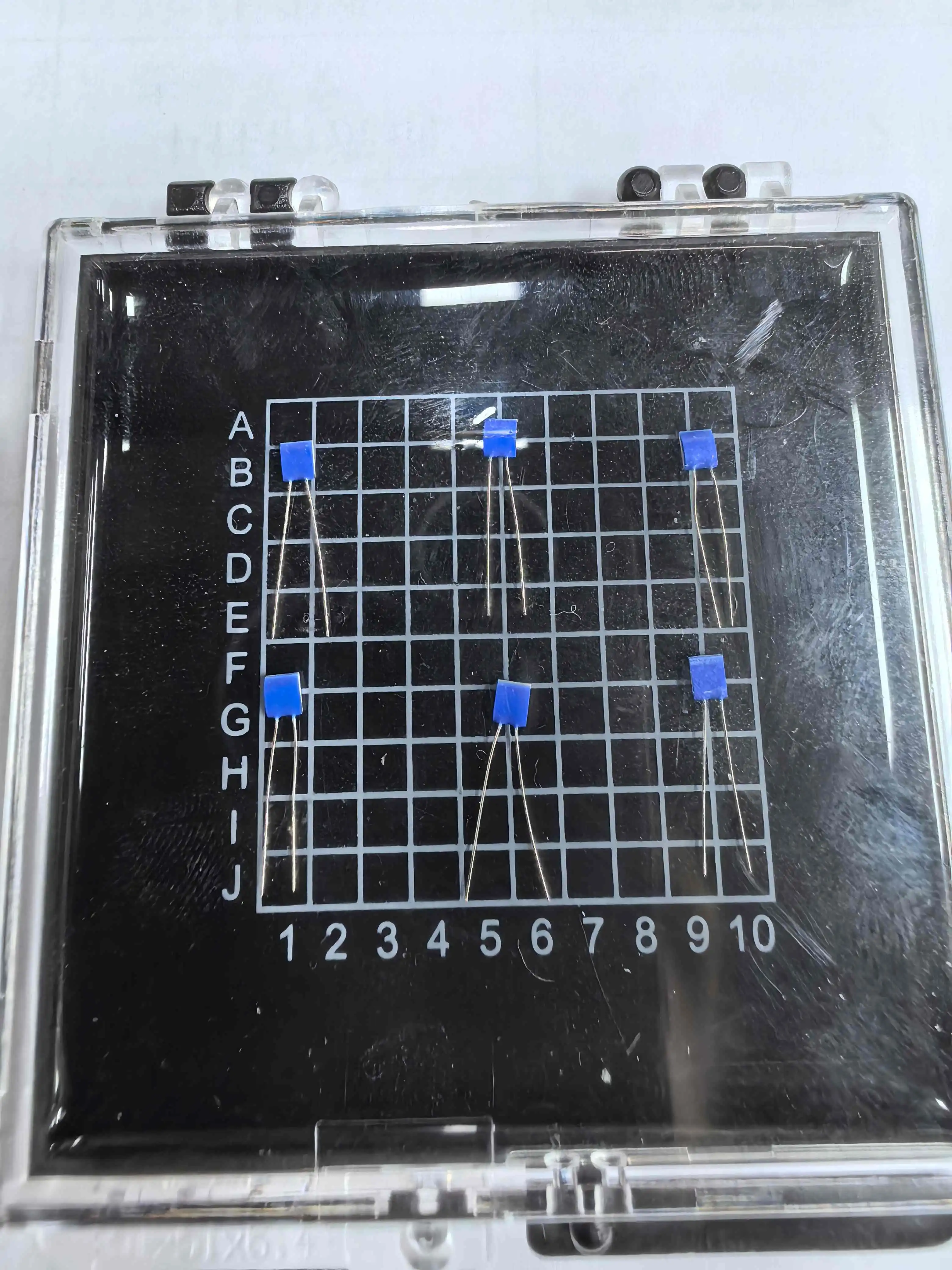
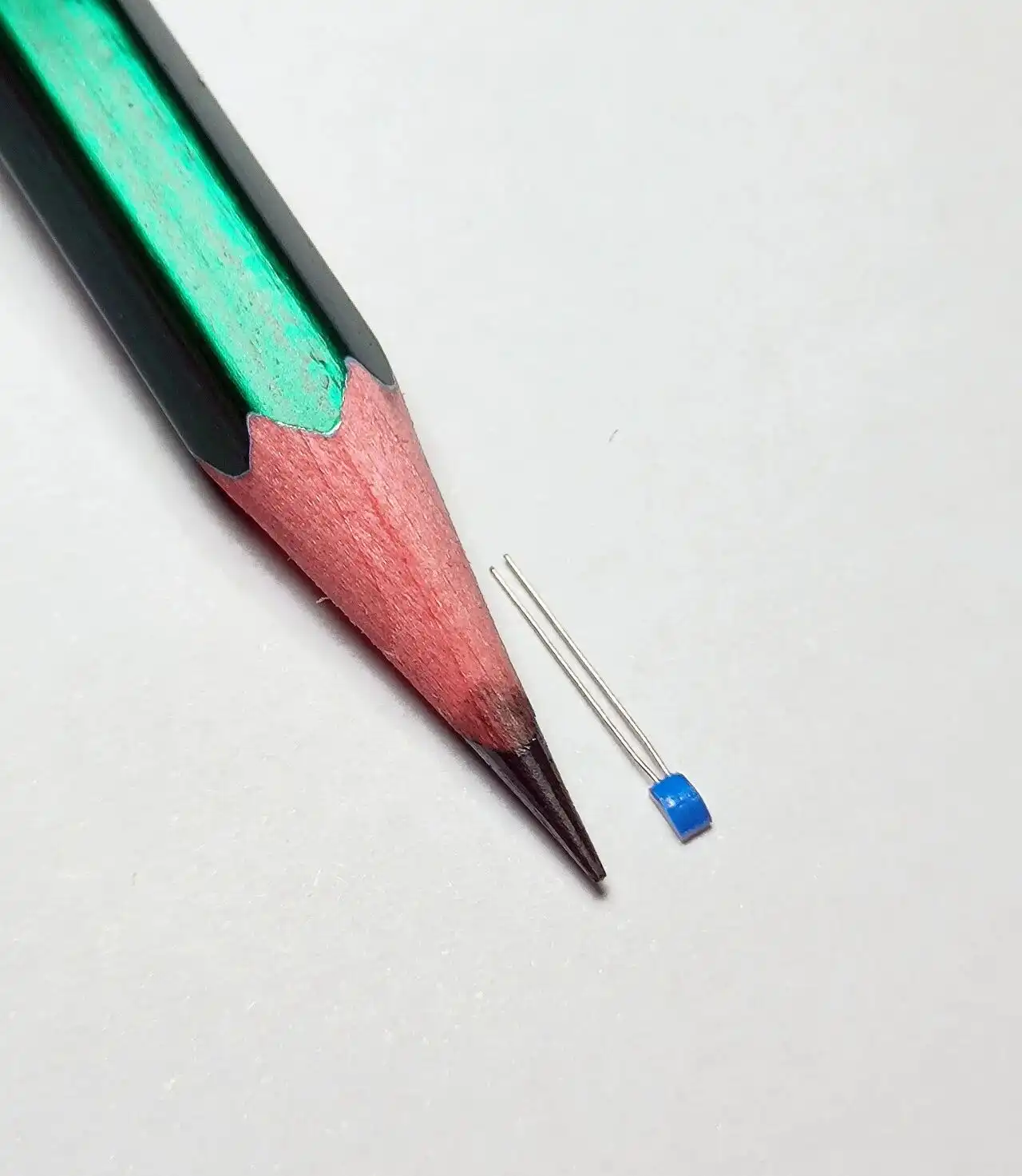
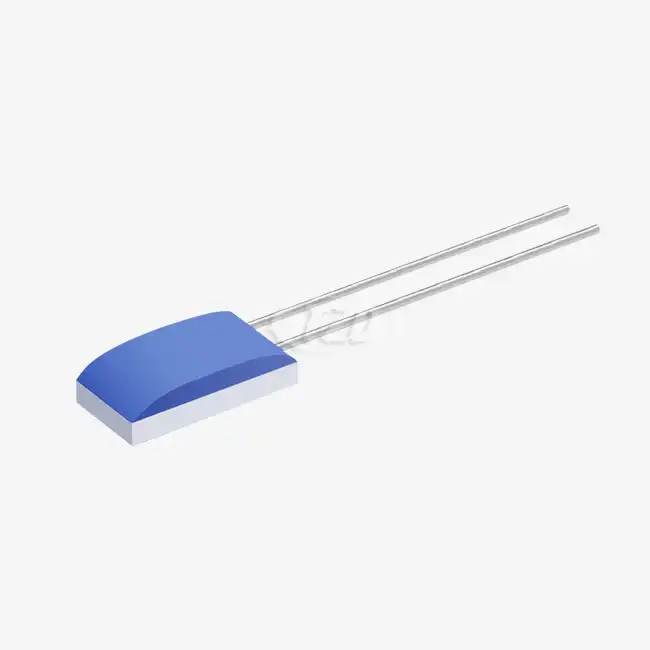
It is important to carefully consider technical specs, environmental factors, and long-term dependability when picking the right Pt1000 TC3750 Thin Film RTD Element for measuring temperatures in commercial settings. This platinum resistance temperature monitor has a resistance of 1000 ohms at 0°C and follows the TC3750 temperature coefficient curve, which means it is very accurate in a wide range of difficult industrial settings. The higher base resistance of the Pt1000 sensor, compared to the standard Pt100 sensor, reduces errors caused by lead wire resistance. This makes it especially useful for 2-wire configurations and long cable runs in harsh environments.
Understanding the Pt1000 TC3750 Thin Film RTD Element
What Makes the TC3750 Coefficient Unique?
The platinum element's response to changes in temperature is shown by the TC3750 temperature coefficient, which is a common relationship between resistance and temperature. This curve is a little different from the more usual TC3850 standard because it has a temperature coefficient of resistance (TCR) of about 0.003750 Ω/Ω/°C. The Pt1000 TC3750 Thin Film RTD Element makes linearity predictable over a wide range of temperatures. This means that measurement circuits don't need to use complicated linearisation algorithms. When putting monitors into older systems or programs that don't have a lot of computing power, this feature comes in handy.
Pt1000 Versus Pt100: Technical Distinctions
The tenfold difference in resistance between Pt1000 and Pt100 sensors makes real-world installations much better. When cables run across factory floors or through the infrastructure of a building, they cause measurement errors due to lead wire resistance. There is a 1% error in a Pt100 sensor with a 1-ohm lead resistance at 0°C, but there is only a 0.1% error in a Pt1000 setup with the same wire resistance. Because of this basic difference, Pt1000 elements are perfect for managing batteries in electric vehicles, HVAC networks that are spread out, and remote industrial monitoring stations that don't need cable compensation circuits, which can be expensive and hard to set up.
Accuracy Classes and Temperature Ranges
IEC 60751 standards say that thin film platinum resistance monitors must follow certain tolerance classes that control how accurate measurements are. Class AA sensors are accurate to within ±(0.1 + 0.0017|t|)°C, Class A sensors can vary by ±(0.15 + 0.002|t|)°C, and Class B sensors can vary by ±(0.3 + 0.005|t|)°C. For thin film constructions, the normal temperature range is from -200°C to +600°C. However, some special materials can work at temperatures up to +850°C. Class AA elements are often specified by medical equipment makers for monitoring patients, while Class B sensors are often used in industrial automation systems where saving money is more important than accuracy.
Industrial Applications Across Sectors
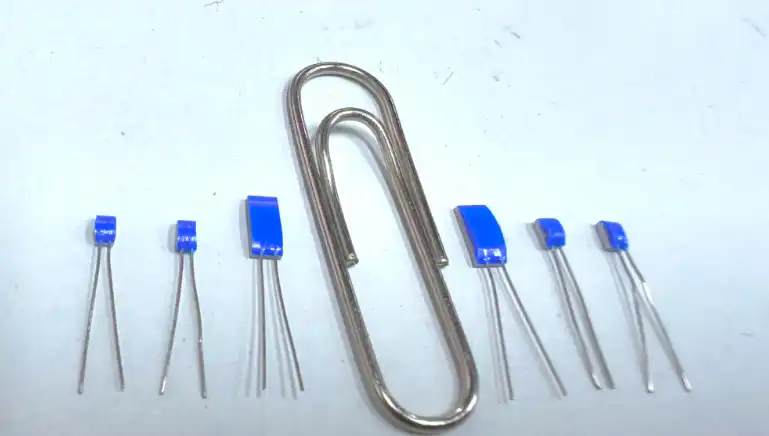
Different businesses have different needs when it comes to thin film RTD parts. These sensors are used in battery temperature management systems in cars. Their small size and ability to withstand vibrations make them effective even when the car is moving all the time. They are used in industrial automation systems in machine vision equipment, where stable temperatures have a direct effect on the performance of optical parts and the quality of the images they produce. Security monitoring devices use their low power needs for outdoor cameras that work in all kinds of weather. Thin film designs are great for robotics and drones because they are small and strong, which is important for applications where weight limits and mechanical stress require strong sensing solutions.
Key Criteria for Selecting the Right Pt1000 TC3750 RTD Element
Assessing Your Measurement Environment
More than anything else, the environment determines which Pt1000 TC3750 Thin Film RTD Element is used. Extreme temperatures test how well the base material can expand and contract with platinum film. Humidity conditions need hermetic closing to keep moisture out, which damages electrical wiring. Vibration and mechanical shock need a strong bond between the platinum layer and the ceramic substrate. Thin film technology is better at this than wire-wound options in these situations. Cleaning agents, process fluids, or airborne contaminants can damage sensors. To keep them working properly for as long as they're supposed to, they need to be protected with the right coatings or housing materials.
TC3750 Versus TC3850: Choosing the Right Curve
Which TC3750 or TC3850 coefficient to use depends on how well they work with other systems and what people in your area like. TC3850 sensors are the most popular in Europe and other countries because they meet DIN EN 60751 standards and have a slightly better sensitivity of 3.85 ohms per degree Celsius change at 0°C. TC3750 parts are more common in industrial setups in North America and older systems that were built to older standards. When replacing sensors on old equipment, matching the original coefficient keeps the measurements consistent and stops problems with calibration. The wider acceptance of TC3850 in the industry is good for new system designs, unless specific interface needs require compatibility with TC3750.
Specification Checklist for Procurement Teams
Hardware experts who are in charge of choosing sensors should check the resistance tolerance at the reference temperature and make sure that the numbers are within the class limits. Long-term drift is shown by stability parameters. For example, after 1,000 hours at the highest temperature, quality sensors show less than 0.04% resistance change. Response time specifications, which are usually given as t0.5 or t0.9 numbers, show how quickly the sensor can track changes in temperature, which is important for process control apps that need to get input quickly. Mounting dimensions and lead wire configurations must match the limitations of the installation space. Calibration certificates prove compliance with ISO 17025 traceability requirements, which quality departments need for audit records.
Procurement Strategies for Pt1000 TC3750 Thin Film RTD Elements
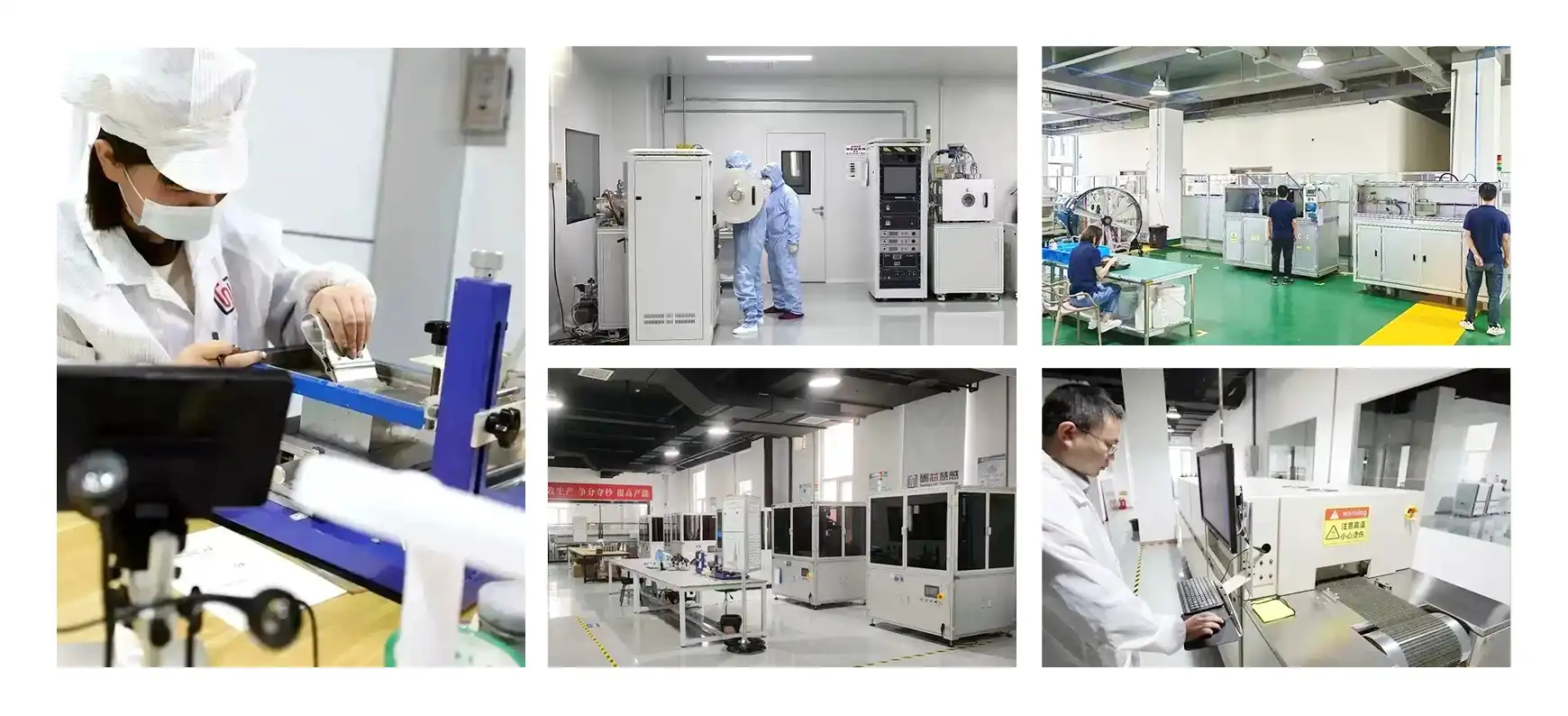
To find reliable Pt1000 TC3750 Thin Film RTD Elements, you have to look at more than just price when comparing suppliers. OEM makers who have their own thin film deposition and laser trimming facilities can keep a better eye on the process than wholesalers who buy from a lot of different suppliers. Referrals from customers in related businesses can help you figure out how consistent your products are and how good your customer service is after the sale. Being clear about lead times helps with planning production, especially for testing small batches before placing large orders. Customisation services from suppliers let you change the materials of the lead wires, how they are mounted, and the protective coats they use to meet the needs of a specific application without having to make design sacrifices.
Volume price models reward partnerships that last while still letting you choose the right amount of prototypes. Reliable suppliers list clear minimum order amounts and price tiers, which helps procurement managers correctly model the total cost of acquisition. Knowing the supplier's quality management system certification—ISO 9001, IATF 16949 for autos, or ISO 13485 for medical devices—makes sure that they meet the rules in your industry. Access to technical help, such as field application engineering tools, speeds up integration troubleshooting and lowers the risks that come with bringing complex sensor solutions to market.
Technical Support and Installation Best Practices
Proper Wiring and Connection Methods
The right way to put something starts with the right wiring methods that keep measurements accurate. When cable resistance is less than 10 ohms, two-wire configurations work well with Pt1000 TC3750 Thin Film RTD Elements. For more precise applications, three-wire and four-wire configurations completely get rid of lead resistance errors. When used in places with a lot of electrical noise, like motor drives and power switching equipment, shielded wires cut down on electromagnetic interference. To keep the temperature of a solder joint from damaging the detecting element, you need to be very careful. For crimp connections, you need to choose the right tool so that the mechanical and electrical bonds are strong and there are no cold-welding flaws.
Calibration and Verification Procedures
To be sure of a measurement, it needs to be calibrated and recorded against traceable temperature references. Verifying the ice point is a simple way to make sure that the temperature is 0°C, and certified temperature baths let you calibrate more than one point across the operational range. The amount of time between calibrations depends on how important the application is and how much change has been seen. For most corporate quality systems, an annual check is enough. By saving calibration data, you can set a standard for finding degradation trends that mean the end of the product's useful life is getting close. This kind of proactive tracking stops failures that come up out of the blue and mess up production plans and product quality.
Common Installation Mistakes to Avoid
When too much measurement current raises the temperature of the sensor above what is being watched, self-heating mistakes happen. This effect is lessened when the pulse current is 0.3 mA or less, especially in low-mass setups with poor thermal coupling. When mounting hardware is too tight or lead wire routing is too stiff, mechanical stress can break platinum films, leading to random breakdowns that make it hard to figure out what's wrong. If there isn't enough thermal contact between the sensor and the surface being measured, it causes lag and lowers accuracy. This can be fixed by using thermal interface materials or making sure the thermowell is installed properly.
Case Studies and Real-World Applications
A Tier 1 automotive supplier that was putting together battery thermal management systems for electric vehicles had trouble because Pt100 sensors were making mistakes that were not acceptable over 15-meter cable runs to central monitoring units. When they switched to Pt1000 TC3750 Thin Film RTD Elements, the error in measurements dropped from ±1.2°C to ±0.3°C without adding wire adjustment circuits. This saved $4.50 per measurement channel and made the system more reliable. The vibration resistance of the thin film construction stopped wire-wound alternatives from failing early in this high-shock environment. This increased the sensor's lifespan from 3 years to over 8 years in accelerated testing.
A company that makes medical equipment was working on the next generation of patient tracking systems and needed something accurate up to Class AA that was small enough to work with disposable sensor units. Thin film Pt1000 elements that are only 2.0mm × 2.0mm gave the needed accuracy and met strict biocompatibility standards with special coats. With a reaction time of only 0.08 seconds, fevers could be found in real time with clinical-grade accuracy, which helped the FDA approve the end product. Manufacturing costs went down by 23% compared to older wire-wound designs, which increased profits while keeping the quality standards that are important for the success of medical devices.
An industrial automation system developer that works with semiconductor production facilities needed temperature sensors that could handle being exposed to corrosive gases and chemical vapour deposition chambers that got as hot as +400°C. In accelerated life testing, custom thin film Pt1000 elements with alumina substrates and platinum-rhodium lead wires showed stable operation for more than 5,000 hours. During this time, measurement error stayed within ±0.05°C, which met the strict process control needs that make sure chip yield goals are met. The system that was made cut temperature-related errors by 18%, which saved the client's production line more than $2.3 million a year.
Conclusion
To choose the best Pt1000 TC3750 Thin Film RTD Element, you have to weigh the technical requirements against the needs of the environment and your long-term reliability goals. Concerns about lead wire errors are taken care of by the higher base resistance, and the thin film construction makes the parts smaller and better at resisting vibration. Partnering with manufacturers who can show proven quality systems, customisation options, and ongoing expert help throughout the lifecycles of their products is key to successful procurement. Pay close attention to how these precision sensors are installed and how they are calibrated to get accurate readings that support important industrial processes in the medical, automobile, industrial automation, and new technology sectors.
FAQ
Q1: What distinguishes TC3750 from TC3850 coefficient sensors?
A: The temperature coefficient for TC3750 sensors is about 0.003750 Ω/Ω/°C, and the temperature coefficient for TC3850 elements is 0.003851 Ω/Ω/°C, which is what IEC 60751 says should be done. The TC3850 curve is more sensitive and is used in most industry standards today. Different versions of the Pt1000 TC3750 Thin Film RTD Element are still needed to keep old systems and area standards compatible. Both coefficients provide good linearity, but system designers need to make sure that the curve matches readout processors that have been tuned for that particular feature.
Q2: How does thin film construction compare to wire-wound RTDs?
A: Thin film sensors use deposition and photolithography to attach very thin layers of platinum to ceramic substrates. This makes small devices that are very resistant to vibration and have quick response times. Wire-wound elements have platinum wire wrapped around mandrels. They are slightly more stable over time at high temperatures, but they are bigger and more likely to break. Thin film technology is best for situations with shock, vibration, or limited space. Wire-wound designs, on the other hand, may be better for monitoring ultra-high temperature processes.
Q3: Can I use standard readout electronics with TC3750 sensors?
A: For accurate readings, temperature measurement circuits need to match the resistance-temperature curve of the sensor. If instruments that were calibrated for TC3850 sensors are linked to TC3750 elements, they will make mistakes all the time unless they are recalibrated. Universal input transmitters with user-selectable curve configurations work with both standards, so they can be used with a variety of sensors. Check the suitability of the interfaces during purchase to avoid having to make expensive changes in the field.
Partner with Tongzida for Precision Temperature Measurement Solutions
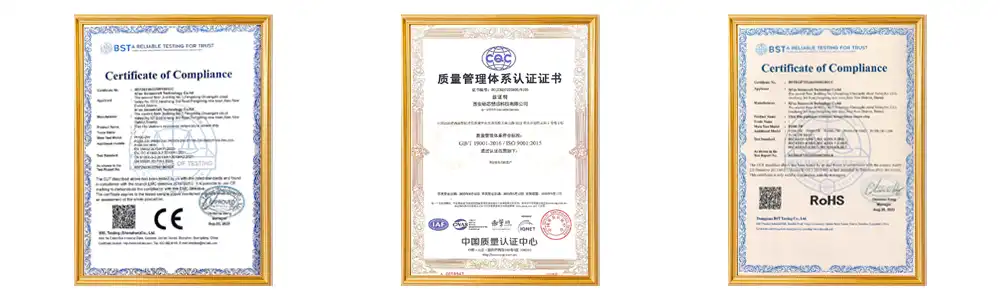
Xi'an Tongzida Technology Co., Ltd. is a reliable company that makes Pt1000 TC3750 Thin Film RTD Elements for OEMs and system developers in the robotics, medical equipment, industrial automation, and car electronics industries. Our automated production lines make thin film platinum resistance sensors that can work in temperatures from -200°C to +850°C and are accurate to within ±0.01Ω. These sensors are certified by ISO 9001, RoHS, and CE. We offer unique sensor designs that are made to fit your mounting needs, lead wire materials, and environmental protection needs. Contact our technical team at sales11@xatzd.com to get full datasheets, low bulk prices, and field application engineering help that cuts down on the time it takes to make your product.
References
1. IEC 60751 Ed. 3.0 (2022). Industrial platinum resistance thermometers and platinum temperature sensors. International Electrotechnical Commission.
2. Nicholas, J.V., and White, D.R. (2001). Traceable Temperatures: An Introduction to Temperature Measurement and Calibration. 2nd ed. Chichester: John Wiley & Sons.
3. Bentley, R.E. (1998). Theory and Practice of Thermoelectric Thermometry. Handbook of Temperature Measurement Vol. 3. Singapore: Springer.
4. Childs, P.R.N., Greenwood, J.R., and Long, C.A. (2000). Review of temperature measurement. Review of Scientific Instruments, 71(8), pp.2959-2978.
5. Kester, W., and Bryant, J. (2005). Practical Design Techniques for Sensor Signal Conditioning. Analog Devices Application Note AN-202.
6. Ripka, P., and Tipek, A. (2007). Modern Sensors Handbook. London: ISTE Ltd.
Learn about our latest products and discounts through SMS or email