- English
- French
- German
- Portuguese
- Spanish
- Russian
- Japanese
- Korean
- Arabic
- Greek
- German
- Turkish
- Italian
- Danish
- Romanian
- Indonesian
- Czech
- Afrikaans
- Swedish
- Polish
- Basque
- Catalan
- Esperanto
- Hindi
- Lao
- Albanian
- Amharic
- Armenian
- Azerbaijani
- Belarusian
- Bengali
- Bosnian
- Bulgarian
- Cebuano
- Chichewa
- Corsican
- Croatian
- Dutch
- Estonian
- Filipino
- Finnish
- Frisian
- Galician
- Georgian
- Gujarati
- Haitian
- Hausa
- Hawaiian
- Hebrew
- Hmong
- Hungarian
- Icelandic
- Igbo
- Javanese
- Kannada
- Kazakh
- Khmer
- Kurdish
- Kyrgyz
- Latin
- Latvian
- Lithuanian
- Luxembou..
- Macedonian
- Malagasy
- Malay
- Malayalam
- Maltese
- Maori
- Marathi
- Mongolian
- Burmese
- Nepali
- Norwegian
- Pashto
- Persian
- Punjabi
- Serbian
- Sesotho
- Sinhala
- Slovak
- Slovenian
- Somali
- Samoan
- Scots Gaelic
- Shona
- Sindhi
- Sundanese
- Swahili
- Tajik
- Tamil
- Telugu
- Thai
- Ukrainian
- Urdu
- Uzbek
- Vietnamese
- Welsh
- Xhosa
- Yiddish
- Yoruba
- Zulu
How to Ensure Waterproof Sealing on a Water Treatment Pt1000
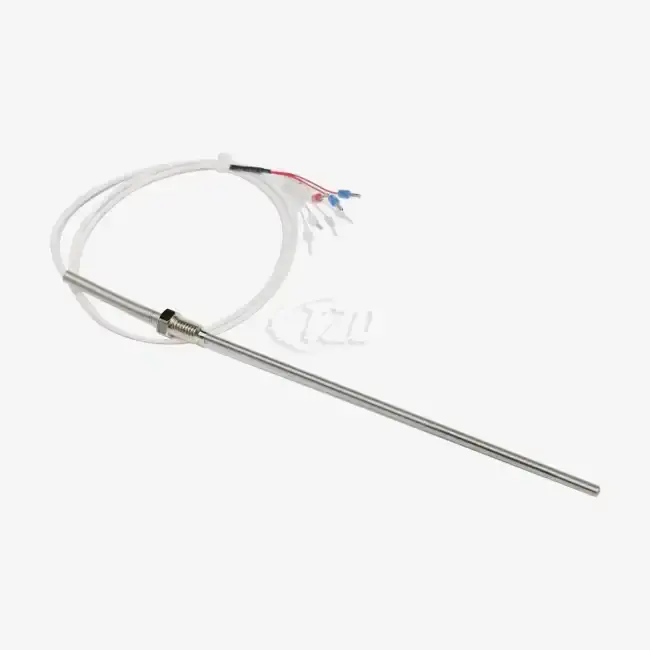
Three important things must be done to make sure that a Water Treatment Pt1000 Waterproof Sensor is waterproof: choose sensors with certified IP67 or IP68 ingress protection ratings; use the right installation methods, which include anti-wicking lead wire barriers and chemical-resistant potting compounds; and set up regular maintenance schedules that check the integrity of the seal through insulation resistance testing. When used in water treatment plants where sensors are constantly exposed to water, chemicals, and changes in temperature, these steps stop the most common failure modes that hurt measurement accuracy and system reliability. These modes are moisture getting into the platinum element housing, insulation breaking down, and signal drift.
Understanding the Waterproof Sealing Challenge for Pt1000 Sensors
Normal temperature monitors can't handle the problems that come up in water treatment settings. Working with city water systems and industrial treatment plants has taught us that normal RTD configurations fail within months instead of years when they are exposed to chemicals, high humidity, and being submerged every once in a while.
Why Water Treatment Demands Specialized Waterproofing?
For water treatment systems to work, they have to be exposed to saturated conditions all the time. In contrast to lab settings that are carefully controlled, these industrial settings expose sensors to chlorine water, pH stabilizers, and solids in the air that can get inside normal sensor housings. We've seen that platinum sensing elements in sensors that aren't properly sealed corrode electrolytically. This shows up as resistance drift and eventually fails to calibrate. The cost effects go beyond replacement costs; temperature errors that aren't caught can make cleaning less effective and make it harder to follow the rules.
Common Failure Points in Sensor Sealing
After careful field research, we've found three main ways that things can go wrong. The weakest spot is where the cables enter, especially when normal compression fittings are used without moisture protection. Cavities can pull water into the sensor head through even the smallest holes. Another important point is where the sensing element meets the protected sheath. This is especially true when temperature cycling causes different materials to expand at different rates. Lastly, we have examples of situations where the wrong choice of potting solution caused chemical problems with treatment additives, which caused the seal to break down within the first year of service.
Working Principles and Sealing Requirements
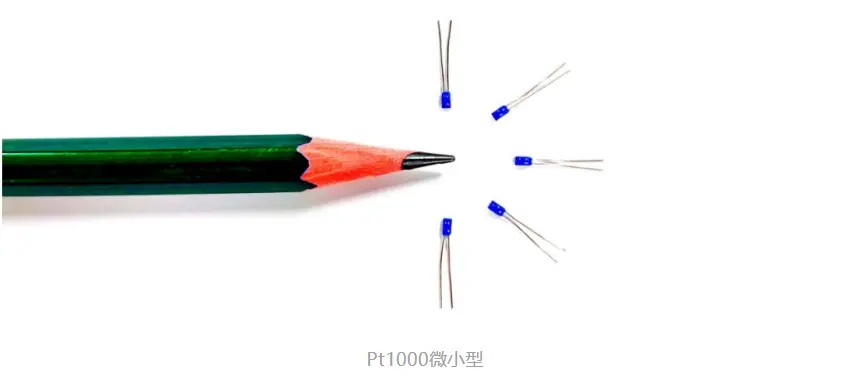
The Pt1000 sensor works on the idea that platinum's resistance rises with temperature in an expected way. At 0°C, the reference point, the resistance is 1000 ohms. This tenfold resistance edge over Pt100 setups means that lead wire compensation is not needed as much, which makes it perfect for installations with long cable runs. This electrical path must stay intact, and the waterproof seal must keep water from touching the platinum element or its link points. This is possible with our thin film platinum resistor technology, which encapsulates the resistors hermetically in Grade 316L stainless steel sheaths and pots them in fluoropolymer, which keeps their insulation resistance above 100MΩ even when they are completely submerged in water.
Core Principles of Ensuring Effective Waterproof Sealing for Pt1000 Sensors
To get solid waterproof performance, you need to know how sealing technology, material science, and stresses specific to the application work together. Our method was created after hundreds of deployments in a wide range of water treatment setups.
Selecting Appropriate Sealing Technologies
For different types of Water Treatment Pt1000 Waterproof Sensor applications, different sealing methods work best. Epoxy potting is a great way to keep water out, and it works well in static setups with little shaking. We make our epoxy materials so that they don't break down when exposed to chlorine and ozone, which are common in the cleaning steps.
Gel-filled casings are more flexible and still offer IP68 protection for uses that involve mechanical stress or heat shock. O-ring seals work well in sensor setups that can be removed, but they need to be checked and replaced every so often. When proposing sealing methods, our engineering team looks at things like the highest temperature that the system can handle, the chemicals it will be exposed to, and how easy it will be to do upkeep.
Understanding Waterproof Rating Standards
The IP grade system sets standard levels of safety, but it's more important to know what those levels mean in real life than to just give them a number. The IP67 rating means that the device will be safe from temporary immersion up to a depth of one meter for thirty minutes. This makes it ideal for sensors that may be flooded or cleaned from time to time.
IP68 adds constant submersion under pressure, which is what we suggest for sensors that are put in pipes or permanently placed below liquid surfaces. IP69K is a less common specification that covers high-pressure, high-temperature washdown situations that happen in food-grade treatment plants. Our production line uses automated tests to make sure that these scores are correct on every unit, not just sample runs. This makes sure that the performance is always the same in the field.
Factory Calibration and Pre-Deployment Testing
Before any unit leaves our plant, we calibrate it at multiple NIST-traceable points across the temperature range that the sensor specifies. This process makes sure that the platinum element meets the standards set by IEC60751 Class A or Class AA. Our best units are accurate to within ±0.01Ω at the 1/30B level. Submerged insulation resistance testing confirms that the waterproof integrity.
The fully built sensor works in a heated water bath for at least twenty-four hours while we watch for electrical separation. Finding helium leaks involves finding tiny holes in welds or seals that could let water move through in the future. These quality control steps answer the main question that B2B customers have, which is whether the monitor will provide accurate data for the full expected service life without breaking down early.
Step-by-Step Guide to Installing Pt1000 Waterproof Sensors in Water Treatment Systems
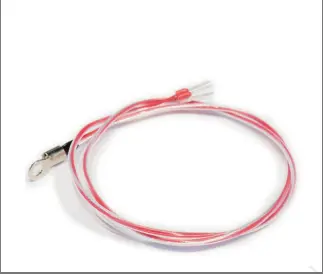
It turns out that good fitting methods are just as important for long-lasting sealing efficiency as good sensor design. These steps have been made better by our field application experts working with system integrators and plant workers.
Pre-Installation Assessment and Preparation
Before we install any Water Treatment Pt1000 Waterproof Sensor, we carefully check out the area where it will be installed. This includes using accelerometers to measure the level of shaking in the environment, writing down the chemicals that are in the process fluids, and figuring out the temperature swing ranges when things are normal and when things aren't. We've learned that seemingly small things, like being close to the pump output or being in full sunlight, have a big effect on how long a seal lasts.
The place where the sensor is mounted should have enough water depth to give a good reading of the temperature, and it should be kept away from areas with a lot of turbulent flow that could put mechanical stress on the sensor body. As part of the preparation process, it is also important to make sure that the cable length fits the real installation needs. This is because making changes to sealed cable assemblies in the field can compromise their waterproof integrity.
Applying Best Practices During Installation
When using threaded process links, you need to pay close attention to thread activity. We give minimum contact depths and torque values that squeeze the sealing interface without putting too much stress on the sensor case. Using thread sealant that is rated for the temperature and chemicals used in the process adds another protection against wetness.
Drip loops should be used to route the cables so that water doesn't run along them toward the sensor connection point. When projects need conduit, we make sure that the openings are properly sealed and choose conduit materials that are safe for the environment. We check the thermal conductivity specs for thermowell setups and suggest conductive paste to get rid of air gaps that could slow response time and possibly trap moisture.
Post-Installation Validation and Maintenance Protocols
We measure the insulation resistance between the sensor element and ground right after placement to get a starting point for future comparisons. When it's working at room temperature, a sensor that is properly protected should keep values above 100MΩ. We write down the first temperature reading and check its correctness by comparing it to a reference device.
Regular maintenance plans should include checking the entry points for cables visually every three months and trying the insulation's strength once a year. If the values drop below 10MΩ, we suggest replacing the sensor right away to avoid measurement mistakes or electrical problems. Keeping detailed repair logs lets you look at patterns that can help you find general problems before they affect a lot of machines.
Comparing Pt1000 Waterproof Sensors: Choosing the Best Sensor for Your Water Treatment Needs
When choosing a sensor, you have to look at a lot of technical factors and compare them to your application needs and the total cost of ownership. Our job as a skilled manufacturer lets us know which success traits are most important in real-world settings.
Evaluating Sensor Types and Configurations
Pt100 sensors are still commonly used in older systems, but the Water Treatment Pt1000 Waterproof Sensor design is better for water treatment uses. The higher base resistance makes it less sensitive to changes in the resistance of the lead wires. This makes it possible to make accurate two-wire connections that make wiring easier and lower the cost of installation.
This is especially helpful for retrofit jobs that can use the wire equipment that is already there. Thermocouple alternatives have faster response times but are less accurate and require specialized signal conditioning. NTC thermistors are cheaper, but they don't have the linearity and temperature range that are needed to track all steps of water treatment, from cold water systems to pasteurization stages.
Manufacturer Capabilities and Certification Requirements
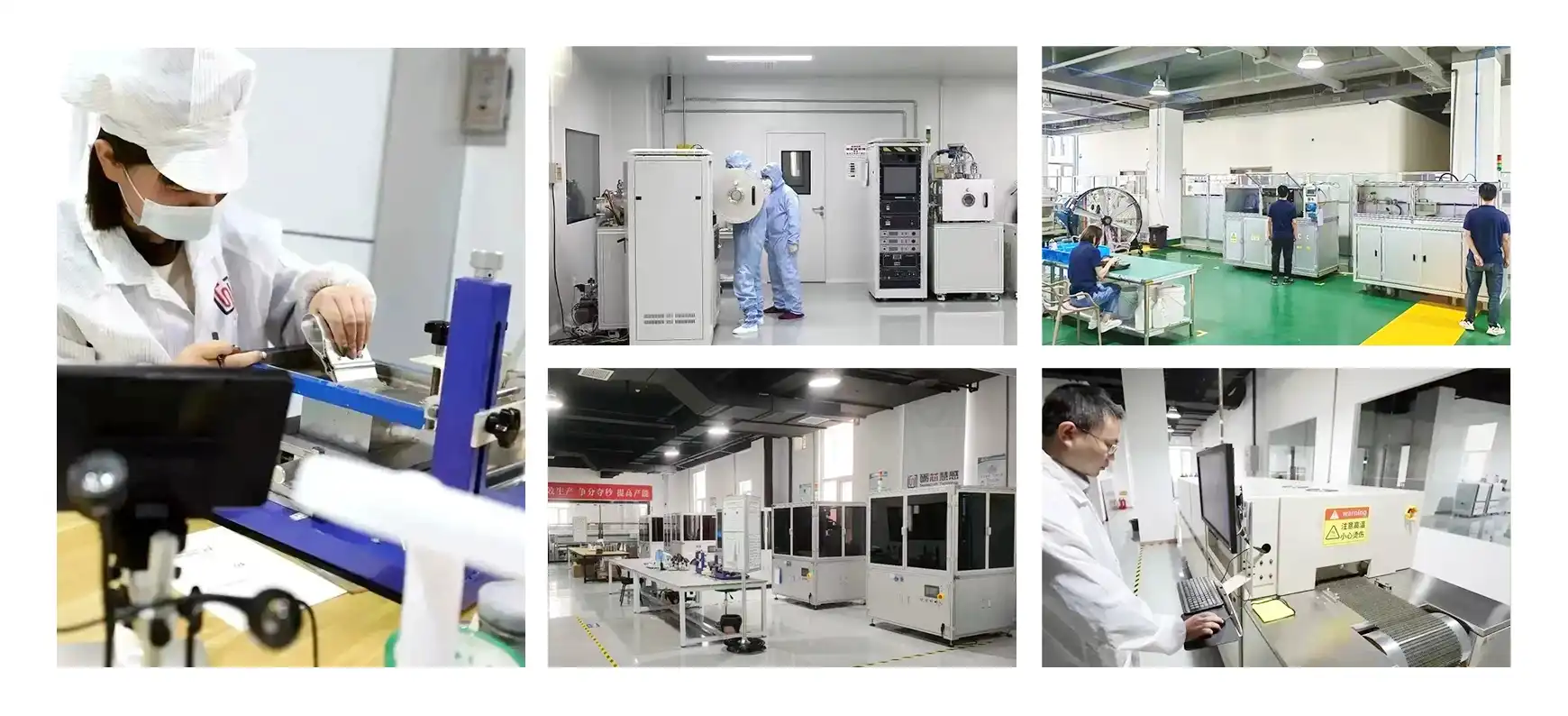
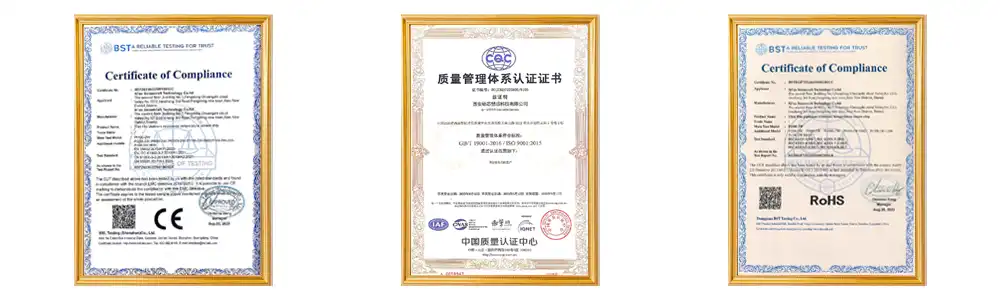
When procurement teams look at sources, they should make sure that makers do not outsource important parts of the production process but instead keep full control over them. Our vertically integrated building has environmental testing rooms for validation, automatic laser welding stations for hermetic sealing, and thin film deposition tools for making platinum elements. This interface makes sure that the quality is always the same and lets you quickly change things to fit the needs of each program. Certifications like ISO9001, ROHS, and CE give you some peace of mind, but we suggest that you ask for thorough test reports with real IP rating validation data and calibration certificates with measurement error statements.
Total Cost Analysis and Supply Chain Considerations
The initial buying price is only one part of the total cost of owning. Customers are encouraged to look at sensor dependability data, which affects how often they need to be replaced and how much they have to pay for unexpected repair. Consistent lead times are very important for planning output. Our automated manufacturing line keeps standard setups in stock and can deliver custom configurations in two weeks.
For purchases of a lot of items, we offer tailored field application engineering support and consignment stocking programs that lower customers' carrying costs while making sure that products are available right away during planned maintenance shutdowns. Long-term supply security is especially important for OEMs and system designers who need to know that sensors will always be available for their equipment.
Ensuring Long-Term Reliability: Maintenance, Calibration, and Sensor Lifespan
To get the best return on investment, you need to pay attention to things that make sensors last longer and keep their accuracy over time. Our method includes both preventative maintenance and reasonable assumptions about how it will affect the environment.
Establishing Calibration Schedules and Procedures
Platinum RTD sensors like the Water Treatment Pt1000 Waterproof Sensor are more stable over time than other options, but water treatment conditions can speed up drift through chemical attack and temperature stress, among other things. We suggest checking the calibration once a year with portable temperature calibrators or by comparing the results to reference devices.
During the testing process, resistance values should be recorded at a number of temperatures across the sensor's working range. This way, non-linear drift patterns that show a broken seal or contaminated element can be found. When sensors move past the acceptable range, which for water treatment is usually ±0.2°C, it is cheaper to replace them than to try to re-calibrate protected units in the field.
Environmental Factors That Affect the Strength of a Seal
One of the most difficult things for waterproof covers is thermal cycling. The stainless steel case, the platinum element, and the potting solution all expand and contract at different rates every day because of changes in temperature. When we choose materials, we put thermal expansion compatibility at the top of the list to keep this effect to a minimum. At different steps of treatment, chemical contact changes a lot. Chlorination zones, pH adjustment tanks, and sludge dewatering systems all have their own problems. We've created special seal mixtures that work well in certain chemical environments. This makes sensor life last longer than the usual 18 to 24 months, up to more than five years in harsh conditions.
Warranty Coverage and Technical Support
Our normal guarantee covers problems with the way the product was made for 36 months, which shows that we trust the quality of our production. After the warranty time is over, we still offer thorough failure analysis services that help customers figure out why things break down before they should. Our ideas and production processes are always getting better thanks to this feedback loop.
As part of technical support, you can talk to field application experts who can help with installation, troubleshooting, and making unique specifications. We've found that companies that give full after-sales help are more likely to believe in the reliability of their products and care about their customers' success than companies that see sensors as just another product.
Conclusion
For Water Treatment Pt1000 Waterproof Sensor components to remain waterproof in water treatment systems, the materials used, how they are installed, and how they are maintained must all be carefully chosen and followed. Because these places are very rough—they are always wet, contain chemicals, and have changing temperatures—sensors that are designed to work in these situations are needed instead of using general industrial designs.
Operators can get accurate temperature readings that help with regulatory compliance and process optimization by choosing sensors with confirmed IP ratings, installing them in a way that protects the seal, and setting up regular maintenance plans. Partnering with manufacturers that offer full expert help and track records of good performance in the field lowers the total cost of ownership and keeps operations running as smoothly as possible.
FAQ
Q1: How can I verify the waterproof rating of a Pt1000 sensor before deployment?
A: Ask the maker for thorough test reports that show how the IP rating was actually checked. Legitimate testing includes measuring the insulation resistance before and after the test, as well as the length of time the item is submerged and the amount of water pressure used. We include serialized sensor identification in these records so that they can be linked to specific production runs. You can also do field testing by submerging the sensor in room-temperature water and using a megohmmeter to measure the insulation resistance.
Q2: What makes seals break most often in water treatment applications?
A: About 40% of the early failures we've looked into were caused by chemical differences between sealing materials and treatment agents. Another thirty percent are caused by bad fitting methods, especially threads that aren't engaged properly or being over-torqued, which breaks sensor housings. The rest of the cases involve flaws in the production process or running beyond what was intended.
Q3: Are wireless waterproof Pt1000 sensors as reliable as wired versions for industrial water treatment?
A: Wireless setups make things more complicated when it comes to sealing batteries and sending radio waves through metal structures that are popular in water treatment plants. Although technology is always getting better, wired devices are still the most reliable way to make sure that important measurements are taken over the long run. We suggest wireless options for short-term tracking or places where routing cables would be hard.
Partner with Tongzida for Reliable Water Treatment Temperature Measurement
As its name suggests, Xi'an Tongzida Technology Co., Ltd. makes Water Treatment Pt1000 Waterproof Sensor products that are designed to work in harsh industrial settings. Our production plant is vertically integrated, which means that it handles every step of the sensor-making process, from depositing the thin film platinum element to making sure the sensor is completely sealed and tested to make sure it works. We've made improved lead wire barriers that don't wick and chemical-resistant potting materials that fix the specific types of failure that happen in water treatment applications.
Our automatic production line makes sure that the quality is the same at room temperature, high temperature, and ultra-low temperature. It all meets IEC60751 standards and is certified by ISO9001. As a committed maker of Water Treatment Pt1000 Waterproof Sensors, we can make probe sizes, lead wire materials, and mounting configurations that are exactly what you need for your installation. Get in touch with our engineering team at sales11@xatzd.com to talk about the details of your application and get full technical advice along with volume prices for both prototype quantities and production volumes.
References
1. International Electrotechnical Commission. (2008). Industrial Platinum Resistance Thermometers and Platinum Temperature Sensors (IEC 60751:2008). Geneva: IEC Publications.
2. Childs, P.R.N., Greenwood, J.R., & Long, C.A. (2000). Review of Temperature Measurement. Review of Scientific Instruments, 71(8), 2959-2978.
3. Nicholas, J.V. & White, D.R. (2001). Traceable Temperatures: An Introduction to Temperature Measurement and Calibration (2nd ed.). Chichester: John Wiley & Sons.
4. Bentley, R.E. (1998). Handbook of Temperature Measurement Vol. 3: The Theory and Practice of Thermoelectric Thermometry. Singapore: Springer.
5. American Water Works Association. (2017). Water Treatment Plant Design (5th ed.). New York: McGraw-Hill Education.
6. Lipták, B.G. (2003). Instrument Engineers' Handbook: Process Measurement and Analysis (4th ed., Vol. 1). Boca Raton: CRC Press.
Learn about our latest products and discounts through SMS or email