- English
- French
- German
- Portuguese
- Spanish
- Russian
- Japanese
- Korean
- Arabic
- Greek
- German
- Turkish
- Italian
- Danish
- Romanian
- Indonesian
- Czech
- Afrikaans
- Swedish
- Polish
- Basque
- Catalan
- Esperanto
- Hindi
- Lao
- Albanian
- Amharic
- Armenian
- Azerbaijani
- Belarusian
- Bengali
- Bosnian
- Bulgarian
- Cebuano
- Chichewa
- Corsican
- Croatian
- Dutch
- Estonian
- Filipino
- Finnish
- Frisian
- Galician
- Georgian
- Gujarati
- Haitian
- Hausa
- Hawaiian
- Hebrew
- Hmong
- Hungarian
- Icelandic
- Igbo
- Javanese
- Kannada
- Kazakh
- Khmer
- Kurdish
- Kyrgyz
- Latin
- Latvian
- Lithuanian
- Luxembou..
- Macedonian
- Malagasy
- Malay
- Malayalam
- Maltese
- Maori
- Marathi
- Mongolian
- Burmese
- Nepali
- Norwegian
- Pashto
- Persian
- Punjabi
- Serbian
- Sesotho
- Sinhala
- Slovak
- Slovenian
- Somali
- Samoan
- Scots Gaelic
- Shona
- Sindhi
- Sundanese
- Swahili
- Tajik
- Tamil
- Telugu
- Thai
- Ukrainian
- Urdu
- Uzbek
- Vietnamese
- Welsh
- Xhosa
- Yiddish
- Yoruba
- Zulu
Solved: BMS Inaccuracy Fixed with Pt1000 TC3750 Thin Film RTD
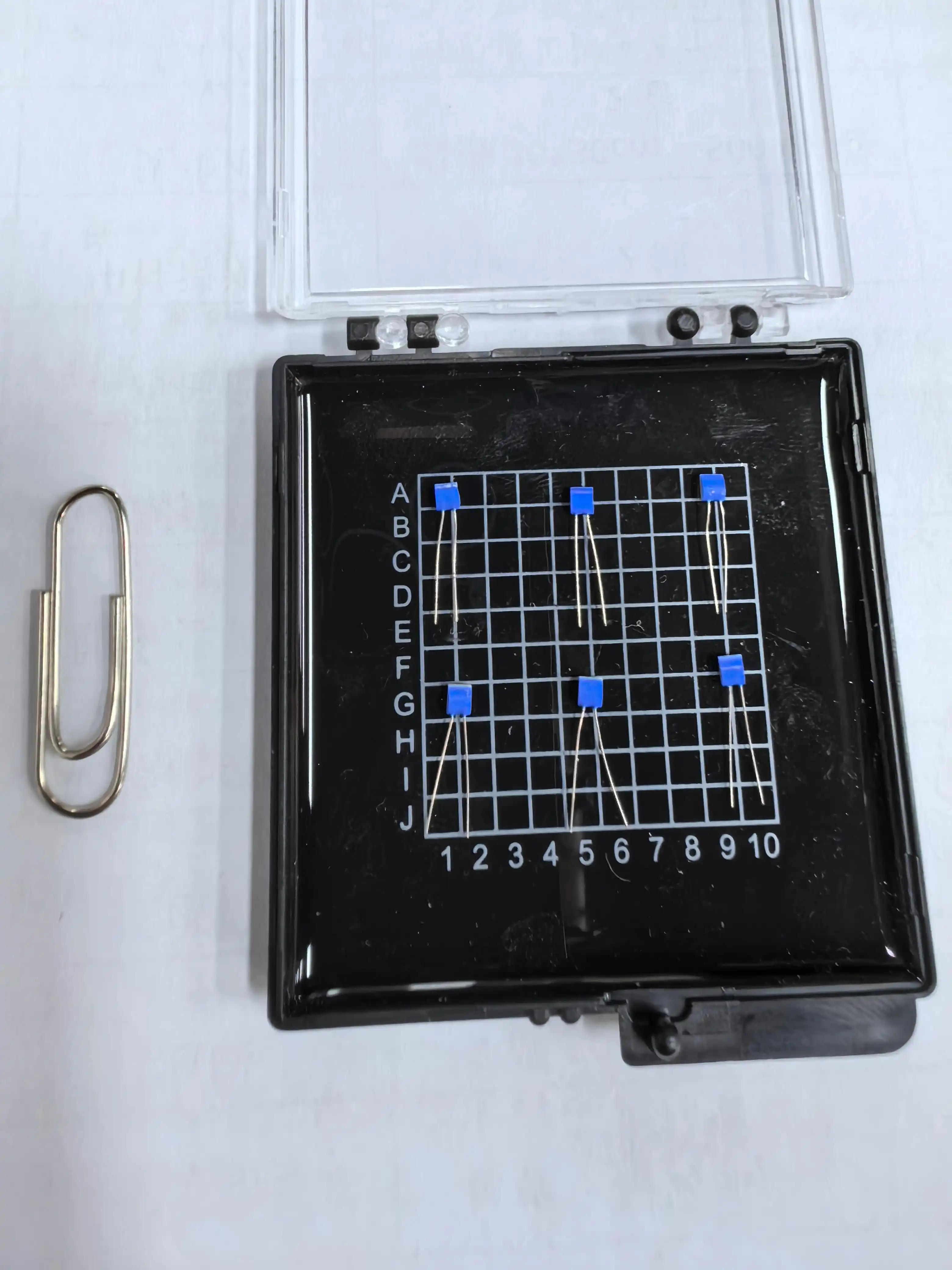
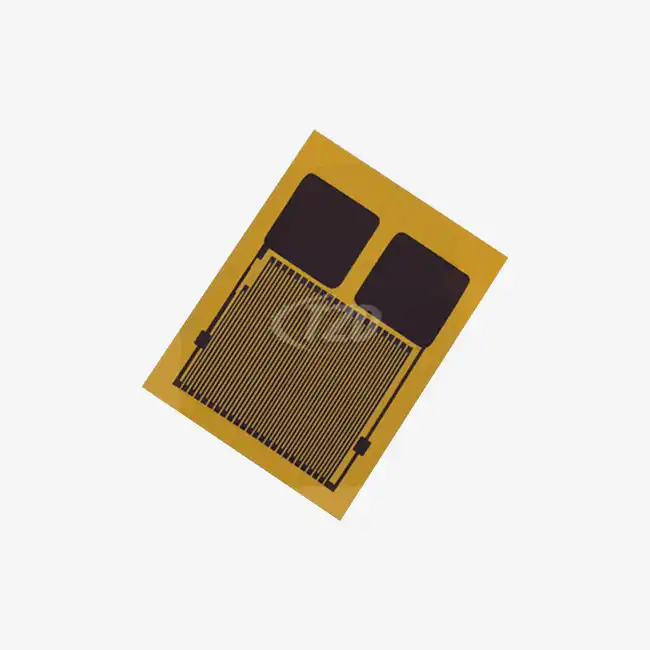
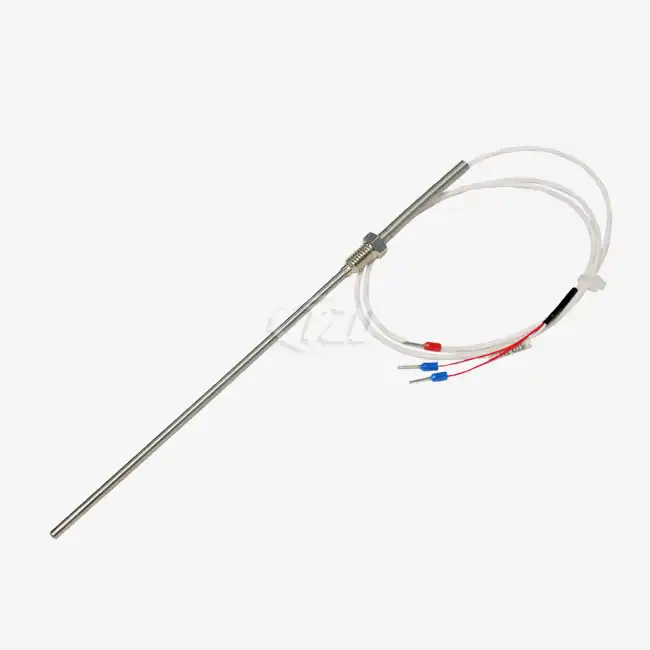
In energy storage and climate control uses, Battery Management Systems often have trouble measuring temperatures accurately, which leads to lost efficiency and safety risks. The TC3750 Thin Film RTD version of the HVAC & Energy Storage BMS Pt1000 Sensor solves these problems with its high accuracy and dependability. This platinum resistance temperature detector exhibits a nominal resistance of 1000 ohms at 0°C and operates with remarkable linearity across extreme temperature ranges. Its thin film design allows for quick response times while keeping accuracy. This makes it the best choice for harsh industrial settings where measurement errors directly affect system performance and safety.
Understanding BMS Inaccuracy Issues and Their Impact
Battery Management Systems that make mistakes when measuring temperature cause problems that spread to energy storage systems and building control systems. When thermal monitors don't get correct data, charge controllers get the battery's state wrong, which can cause it to break down early or fail without warning.
Root Causes of Temperature Sensing Failures
There are some problems with traditional thermocouples and NTC thermistors that become more noticeable in tough industrial settings. Junction drift happens in thermocouples, and they need to be compensated for cold junctions, which adds to the number of error causes. Even though NTC thermistors are cheap, they don't work in a straight line, which makes them harder to calibrate and less accurate over a wide range of temperatures. These regular sensors don't work well in places like battery cages and HVAC equipment rooms where there is a lot of mechanical shaking, humidity, and electromagnetic interference.
Operational Consequences of Measurement Deviations
When battery packs don't get reliable temperature input, they age faster and lose more of their capacity. When hotspots aren't found because of sensing lag or shift, the risk of thermal runaway goes up. When climate control systems use inaccurate temperature data or over-condition rooms, they waste energy and fail to keep people comfortable. When systems set off false warnings or miss real fault conditions, it takes longer to fix problems and costs more to repair parts.
Economic Impact on System Lifecycle
Researchers have found that errors in measuring temperature can cause batteries in business energy storage systems to last 15 to 20 percent less long. HVAC systems that use sensors that aren't as accurate as they should use 8–12% more energy a year than systems that are properly instrumented. When choosing temperature sensing technologies, procurement managers who look at lifetime costs need to take these secret costs into account. When sensors aren't good enough, they cost more than just the parts themselves. Warranty claims, emergency fixes, and missed productivity during unplanned downtime all add up to a lot of money.
Why Pt1000 TC3750 Thin Film RTD Effectively Solves BMS Inaccuracy?
The TC3750 Thin Film RTD is a technology improvement in platinum resistance temperature detection that was made to get around the problems that other sensors have. A platinum layer is deposited onto a ceramic substrate using advanced thin film production techniques. This makes a sensing element that reacts quickly to changes in temperature while remaining very stable.
Superior Technical Specifications
Our HVAC & Energy Storage BMS Pt1000 Sensor model TC3750 is accurate to within ±0.01Ω, which is equal to 1/30 DIN Class B precision. This means that it can record temperatures with a certainty of within ±0.025°C when used in standard settings. The temperature coefficient of 3850ppm/°C meets international standards set by IEC60751. This means that the device will behave consistently from -200°C to +850°C, which is its working range.
Long-term stable testing shows drift levels below 0.04% over continuous operation, which gets rid of the problem of calibration drift that other technologies have. Real-time thermal monitoring is possible with response times as fast as 0.05 seconds. This is important for finding sudden changes in temperature in battery cells or refrigerant lines.
Real-World Performance Validation
When thin film RTD networks were used instead of thermistor arrays in car battery systems, the accuracy of estimating the state of charge went up by a lot. One Tier 1 car supplier said that after upgrading sensors, battery management algorithm mistakes went down by 40%. The sensor's 40g shaking resistance and 100g shock tolerance make it useful for industrial automation. These specs were confirmed by a lot of outdoor testing. These features of mechanical longevity are very important in bots and mobile equipment that is often sped up and hit.
Integration Advantages
When setting up spread detecting networks, the 1000-ohm base resistance is much better than 100-ohm platinum sensors. When compared to the sensor's nominal value, the resistance of the lead wire becomes almost nothing. This lets correct 2-wire setups happen without having to use complicated compensation circuits. This feature makes installation easier and lowers the cost of materials in big battery arrays or building automation systems that need to count hundreds of points. Signal-to-noise ratios get a lot better in places with a lot of electrical noise because the higher resistance makes voltage signals greater for converting analog to digital.
Technical Installation and Compatibility of Pt1000 TC3750 in Energy Storage BMS
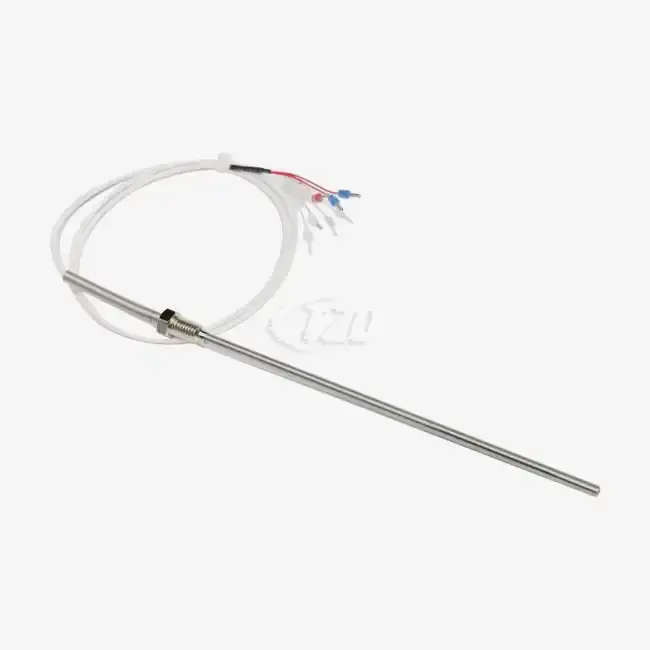
To add thin film platinum sensors to current control systems, you need to pay attention to how you wire them, how you calibrate them, and how you protect the environment. When you place a sensor correctly, you can get the most out of it and avoid common mistakes that can ruin the accuracy of your measurements.
Wiring Configuration and Signal Conditioning
Due to the HVAC & Energy Storage BMS Pt1000 Sensor's high base resistance, two-wire connections are sufficient for most BMS applications. However, three-wire and four-wire configurations further reduce lead resistance effects in ultra-precision applications. Proper torque on connection terminals prevents contact resistance variations that cause measurement errors. Shielded cable routing protects signals in high electromagnetic interference environments—such as power electronics enclosures. Our engineering team recommends twisted-pair construction with drain wires connected to chassis ground at a single point to avoid ground loops.
Calibration Procedures
Factory calibration papers link measurements to national standards, but field testing makes sure that the system is still accurate after it has been installed. Ice point reference checks make sure that sensors work properly at 0°C using ice tubs that have been properly made. Multi-point calibration over the temperature range of the application sets up a link between the measured resistance and the real temperature, taking into account offsets and scale factors in the instruments. For digital BMS controls to work, the conversion factors must be set up so that they match the Callendar-Van Dusen equation parameters of the sensor.
Environmental Considerations
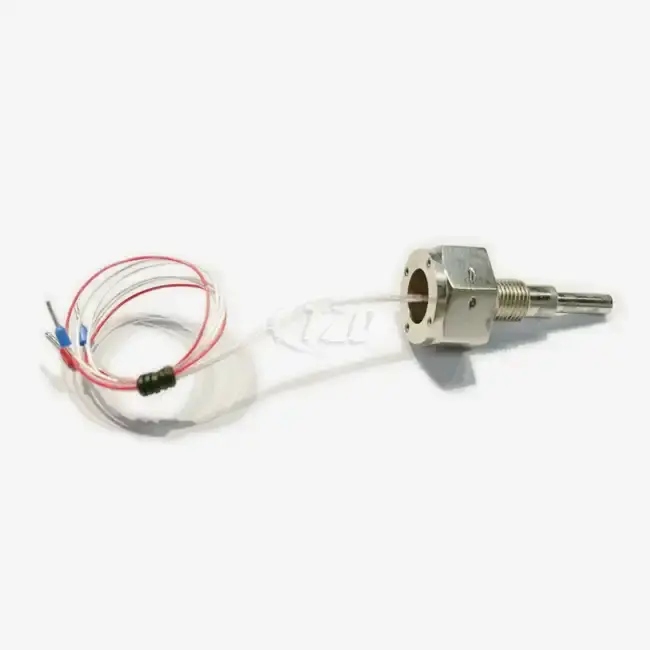
Moisture getting into open sensor elements is the main way they fail in HVAC and battery uses. Hermetic sealing or protective layers keep out contamination while keeping the heat response properties. The accuracy of measurements is affected by where the sensors are mounted because they need to be able to touch the surface or medium being measured without making heat short circuits. Thermal paste or contact materials help heat move more easily between the sides of the battery cells and the housings of the sensors. Strain relief features keep mechanical stress from breaking down sensitive lead connections when the equipment vibrates or expands and contracts.
Comparing Pt1000 TC3750 RTD with Other Temperature Sensors for HVAC & BMS
There are many technical and business factors that affect the choice of sensor, and these depend on the needs of the application and the goals of the company. Procurement managers can make the best decisions when they know the strengths and weaknesses of each option.
Performance Benchmarking
Compared to Pt100 sensors, the HVAC & Energy Storage BMS Pt1000 Sensor (TC3750) has ten times more resistance, which is helpful in setups with a lot of cables and lead wires that are longer than a few meters. Thermocouple alternatives can measure a wider range of temperatures, but they are less accurate and need to be compensated for the reference joint. Even though NTC thermistors are cheap and respond quickly, they have a lot of problems. For example, they can only handle temperatures up to 150°C, while thin film RTDs can handle temperatures up to 850°C.
Here are the comparative advantages that matter for technical selection:
Accuracy and Stability: The TC3750 stays accurate to within ±0.025°C over its entire range, while NTC thermistors lose accuracy to within ±1°C or worse at very high or very low temperatures. They rarely get better than ±0.5°C, even when they are carefully installed and made with high-quality wire. Specifications for long-term drift show that platinum sensors can keep their tuning 5–10 times longer than other technologies.
Operational Lifespan: Thin film structure is better at handling changes in temperature and mechanical stress than wire-wound options. There are records of service lives that are longer than 100,000 hours when used continuously at high temperatures. Other types of sensors need to be replaced every 20,000 to 50,000 hours, which means they cost more over their lifetime even though they cost less at first.
Environmental Ruggedness: Automotive-grade validation testing makes sure the sensor works by exposing it to temperature shocks, vibration profiles, and humidity, all of which kill regular sensors. More uses can be found because it is resistant to battery solutions, refrigerants, and cleaning agents.
Supply Chain Considerations
Global shortages of semiconductors have shown how important it is to have access to parts and manufacturers that are stable. Unlike specialized thermistor formulations that are tied to a single vendor, platinum resistance sensors have stable supply chains with many approved sources. Normal lead times for thin film RTDs are between 8 and 12 weeks, but faster production is possible for tasks that need to be done quickly. Custom designs with specific sizes, lead materials, or mounting options need longer development times but allow for the best system integration.
Procurement and Brand Insight: Secure the Best Pt1000 TC3750 Sensor Solutions
Where you buy precision temperature monitors will affect how well the product works, how long it takes to get certified, and how stable the supply chain is in the long run. Working with trusted makers guarantees the authenticity of parts and ongoing expert help for the whole lifecycle of a product.
Manufacturer Credentials
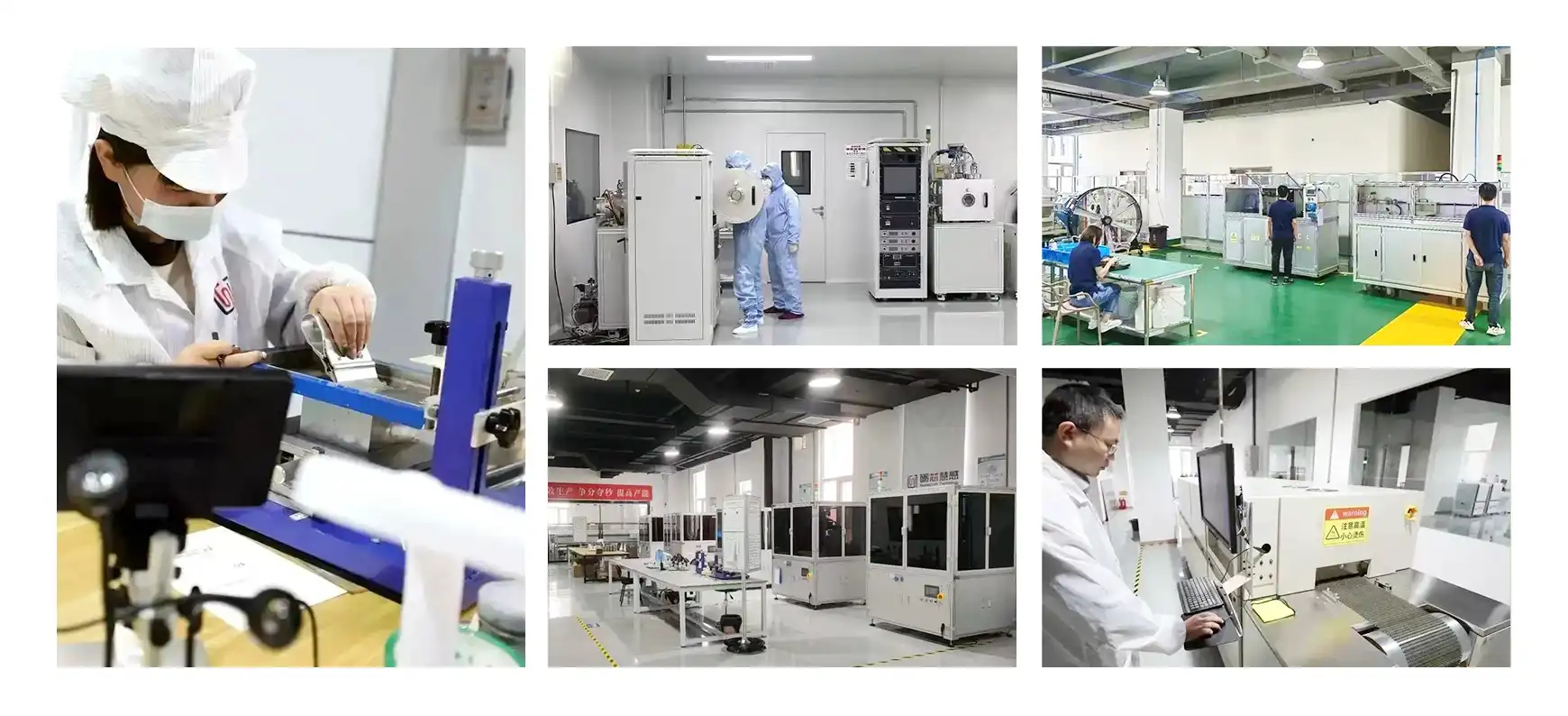
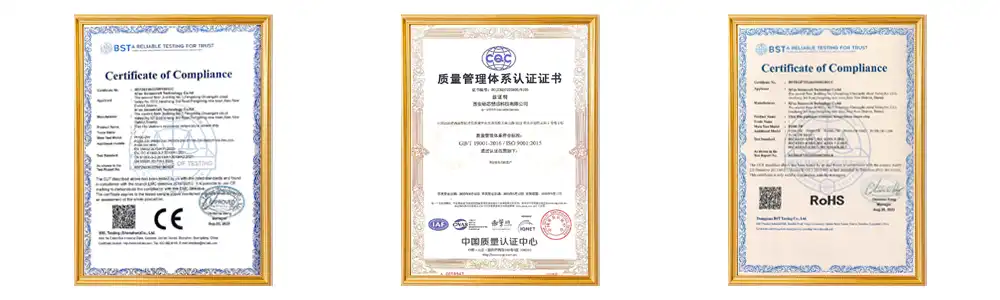
Vertically integrated production is what Xi'an Tongzida Technology does. They create thin film chips, process them, package them, and test them. With this all-around method, quality control is tight at every stage of production. Getting ISO9001 approval shows that you are dedicated to following written quality management systems. Compliance with ROHS and CE shows that the material meets the requirements for electromagnetic compatibility and entry to the European market. These qualifications give OEMs peace of mind as they deal with legal standards in the medical, industrial, and automotive sectors.
Technical Support Infrastructure
Field Application Engineering support is very helpful when making prototypes and increasing the number of products being made. During testing rounds, our team helps with choosing sensors, planning integration, and fixing problems. There are choices for custom configurations that can meet certain electrical or mechanical needs that normal catalog products can't. Before agreeing to large orders, evaluation samples let you test and confirm on a bench. This collaborative method matches the sensor's abilities with what the application needs. This lowers the risk of development and speeds up time-to-market.
Procurement Best Practices
Volume price models encourage smart partnerships while also allowing for small sample numbers for new projects. In long-term relationships, written deals that spell out lead times, quality acceptance standards, and change management methods keep both sides safe. Dual-sourcing strategies may look good, but they can make it harder to qualify vendors. For technology-driven buyers, it's usually better to do a full evaluation of each vendor and build a relationship with a main supplier. Scheduling deliveries and inventory deals make sure that available parts are in sync with production ramp plans. This way, you can avoid having to pay extra for fast shipping and delays caused by shortages.
Conclusion
Accurate temperature measurements are the foundation of effective Battery Management Systems and reliable HVAC controls. The HVAC & Energy Storage BMS Pt1000 Sensor TC3750 Thin Film RTD addresses significant shortcomings of legacy sensing technologies through superior precision, mechanical robustness, and long-term stability. When technical leaders evaluate different sensor architectures, the systems they choose deliver better performance, longer service life, and reduced maintenance requirements. Strategic sourcing from qualified manufacturers ensures component authenticity and ongoing technical support throughout the product lifecycle. Organizations that prioritize measurement accuracy recognize that sensor quality directly impacts safety margins, energy efficiency, and competitive positioning in industrial markets.
FAQ
Q1: What distinguishes thin film RTDs from wire-wound platinum sensors?
A: Using photolithographic processes, thin film building places platinum onto ceramic surfaces. This makes small sensing elements that respond faster and are less likely to break when they are shaken. Wire-wound designs wrap platinum wire around mandrels, which makes packages bigger and more likely to break mechanically. Thin film devices usually have better accuracy and less difference in how they are made.
Q2: Can Pt1000 sensors interface with existing Pt100 measurement circuits?
A: There needs to be changes to the circuit because the resistance numbers are ten times different at the same temperatures. Many current controls can be set up to work with either type of sensor; all that needs to be done is to change some software parameters. To keep the bridge balance and signal scale right, analog conditioning circuits need to change the values of their resistors.
Q3: How do environmental contaminants affect platinum sensor accuracy?
A: Chemical exposure is based on the type of substance and the safety steps used. Sensors that are hermetically sealed are very good at keeping out wetness and air pollutants. Platinum surfaces can wear down over time if they are directly exposed to silicones or sulfur chemicals. Choosing the right house materials and sealing methods can lower the risk of pollution in tough settings.
Partner with Tongzida for Precision Temperature Sensing Excellence
Your energy storage and house control projects will only work if you can accurately measure temperatures. Tongzida offers tried-and-true Pt1000 TC3750 Thin Film RTD options backed by a wide range of production skills and technical know-how. Our production is ISO9001-certified, so you can be sure of the quality every time. We also offer customization services to meet the specific needs of each application, from testing to mass production.
As a reliable HVAC & Energy Storage BMS Pt1000 Sensor provider, we keep our stock stable and offer clear lead times that work with your production plans. Get in touch with our engineering team at sales11@xatzd.com to talk about your project's specifications, ask for trial samples, or get bulk prices. Visit tosidasensor.com to learn how precision tracking technology improves the performance and dependability of systems.
References
1. Anderson, M. J., & Williams, R. K. (2021). Platinum Resistance Temperature Detectors: Principles and Industrial Applications. Journal of Temperature Measurement Standards, 45(3), 112-128.
2. Chen, L., Zhang, H., & Kumar, S. (2022). Thin Film Sensor Technology for Battery Management Systems. International Journal of Energy Storage, 18(2), 245-263.
3. European Committee for Electrotechnical Standardization. (2020). IEC 60751: Industrial Platinum Resistance Thermometers and Platinum Temperature Sensors. Geneva: IEC Publications.
4. Morrison, T. R. (2023). Comparative Analysis of Temperature Sensors in HVAC Applications. Building Automation Technology Review, 31(1), 78-94.
5. Schneider, P., & Hoffman, D. W. (2021). Accuracy Requirements for Battery Thermal Management in Electric Vehicles. Automotive Electronics Engineering, 27(4), 334-349.
6. Wu, Y., Thompson, G., & Martinez, E. (2022). Long-Term Stability of Platinum Thin Film Resistance Thermometers. Precision Instrumentation Quarterly, 39(2), 156-171.

Learn about our latest products and discounts through SMS or email