- English
- French
- German
- Portuguese
- Spanish
- Russian
- Japanese
- Korean
- Arabic
- Greek
- German
- Turkish
- Italian
- Danish
- Romanian
- Indonesian
- Czech
- Afrikaans
- Swedish
- Polish
- Basque
- Catalan
- Esperanto
- Hindi
- Lao
- Albanian
- Amharic
- Armenian
- Azerbaijani
- Belarusian
- Bengali
- Bosnian
- Bulgarian
- Cebuano
- Chichewa
- Corsican
- Croatian
- Dutch
- Estonian
- Filipino
- Finnish
- Frisian
- Galician
- Georgian
- Gujarati
- Haitian
- Hausa
- Hawaiian
- Hebrew
- Hmong
- Hungarian
- Icelandic
- Igbo
- Javanese
- Kannada
- Kazakh
- Khmer
- Kurdish
- Kyrgyz
- Latin
- Latvian
- Lithuanian
- Luxembou..
- Macedonian
- Malagasy
- Malay
- Malayalam
- Maltese
- Maori
- Marathi
- Mongolian
- Burmese
- Nepali
- Norwegian
- Pashto
- Persian
- Punjabi
- Serbian
- Sesotho
- Sinhala
- Slovak
- Slovenian
- Somali
- Samoan
- Scots Gaelic
- Shona
- Sindhi
- Sundanese
- Swahili
- Tajik
- Tamil
- Telugu
- Thai
- Ukrainian
- Urdu
- Uzbek
- Vietnamese
- Welsh
- Xhosa
- Yiddish
- Yoruba
- Zulu
Industrial Threaded Pt1000 Sensors for Pipeline Monitoring
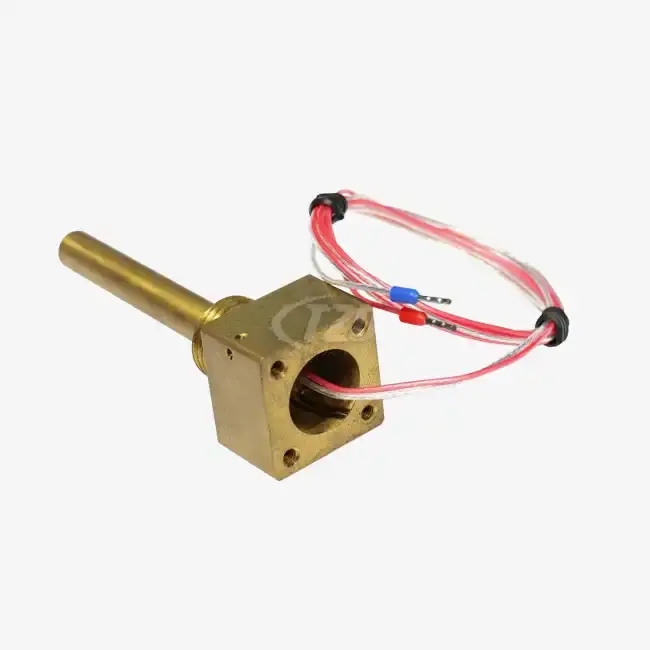
Industrial Threaded Pt1000 Pipeline Sensors are a special type of platinum resistance temperature monitors that were made to keep an eye on pipeline systems' temperatures all the time. The platinum element in these sensors is perfectly measured and has an electrical resistance of 1000 ohms at 0°C. This means that the signals are about ten times stronger than in regular Pt100 devices. Technicians can use standard NPT or metric thread fittings to place these sensors directly into pipe walls. This makes a leak-tight seal that can be used in systems with pressure fluids. Their high base resistance effectively reduces errors caused by long cable runs in large pipeline networks. This makes them essential for engineers who are in charge of process control in chemical plants, water distribution infrastructure, and oil transport operations, where accurate temperature data has a direct effect on safety rules and operational efficiency.
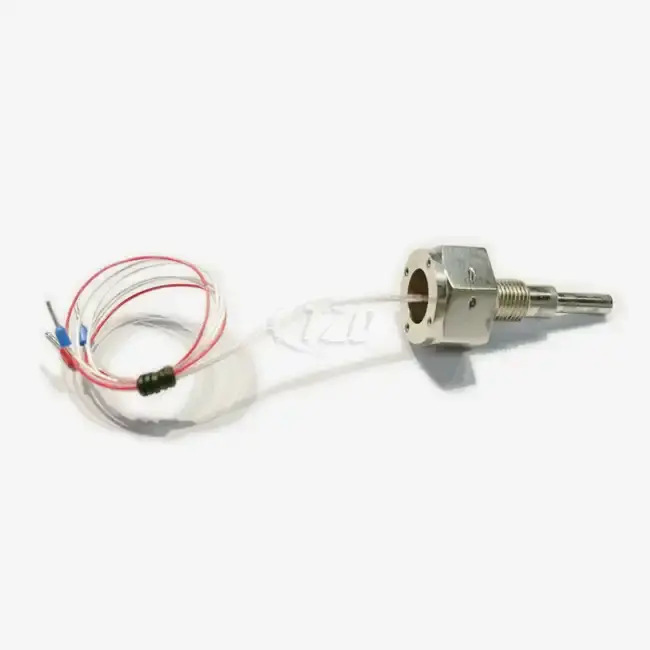
Understanding Industrial Threaded Pt1000 Pipeline Sensors
Platinum resistance temperature monitors work on a simple scientific principle: as the temperature rises, so does the electrical resistance of pure platinum. The Industrial Threaded Pt1000 Pipeline Sensor configuration is different because its baseline reading at the ice point is 1000 ohms, which gives it major technical benefits over options with lower resistance. This higher resistance means that the signal output is stronger, and it stays stable even when sent over hundreds of meters of wire, which happens a lot when big pipelines are installed.
How Resistance Temperature Detection Works in Pipeline Environments?
The platinum sensor element inside these gadgets responds very linearly to changes in temperature. IEC 60751 says that the temperature index is 3850 ppm/°C, which means that resistance goes up by about 3.85 ohms for every degree Celsius that the temperature goes up. When the sensor is built into systems that keep an eye on pipelines, it constantly checks the temperature of fluids moving through the pipes and sends that information to control systems as electrical signs that they can understand. This real-time input lets heating, cooling, or flow rates be changed automatically, keeping process parameters within narrow specification ranges.
Material Selection for Harsh Pipeline Conditions
Sensors are often exposed to harsh chemicals, high pressures, and mechanical vibrations in pipelines. Good Industrial Threaded Pt1000 Pipeline Sensors have sheaths made of 316L stainless steel or Inconel, which doesn't rust in acidic or alkaline environments. Mineral-insulated cable (MIC) types are common on the inside. Magnesium oxide powder covers the platinum element and lead wires, protecting them from both electrical and mechanical damage. Because they are built so well, these devices can safely work in temperatures ranging from -200°C (cryogenic) to +600°C (high temperature), which covers almost all industrial pipeline situations.
Thread Standards and Installation Considerations
Depending on the pipe size and entry depth needs, the threaded mounting interface can be either American NPT (National Pipe Thread) or European metric. The width ranges from 1/4" to 1" on average. When used with PTFE tape or thread sealant, the shape of the thread makes a mechanical seal that stops fluid leaks even when the system pressure is very high. Engineers have to figure out the right amount of immersion for the detecting element so that it hits the thermal border layer of the moving fluid without sticking out too far, which could cause turbulence or mechanical stress points.
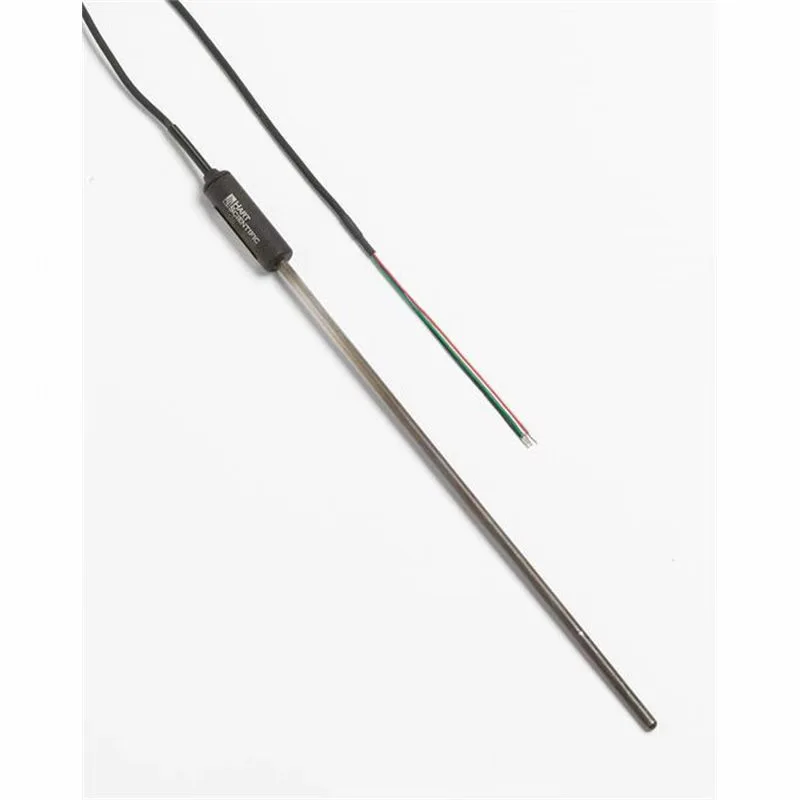
Comparing Pt1000 Sensors with Other Industrial Temperature Sensors
There are a number of competing methods to measuring temperature, and each one works in a different way. When buying teams and technical leads know about these differences, they can make choices that are best for their pipeline tracking needs.
Pt1000 Versus Pt100: Signal Strength and Wiring Economics
The easiest way to compare them is with Industrial Threaded Pt1000 Pipeline Sensors and Pt100 sensors, which are both platinum-based RTDs and only vary in their standard resistance. The tenfold resistance benefit of Industrial Threaded Pt1000 Pipeline Sensors makes the relative mistake caused by lead wire resistance much smaller. A Pt100 sensor would have a measurement error of about 1% in a normal 100-meter cable run with 0.5 ohms per wire, but a Pt1000 sensor would only have a 0.1% error in the same situation. Because of this feature, two-wire designs are easier to use in many situations, as they don't need the more complicated three- or four-wire correction circuits that are more expensive and harder to install.
Performance Against Thermocouples in Pipeline Applications
Thermocouples use the Seebeck effect to create voltage signs at the points where two different metals meet. They can respond faster and measure higher temperatures than RTDs. Monitoring a pipeline, on the other hand, usually puts long-term safety and accurate measurements ahead of speed. Industrial Threaded Pt1000 Pipeline Sensors are accurate to within ±0.10°C (Class AA limit), while thermocouples are usually accurate to within ±1°C or more.
The drift properties also favor RTDs—platinum sensors stay calibrated for years, but thermocouples may need to be checked every year because of changes in the metal's structure in hard settings. Response time is the trade-off. Thermocouples reply in milliseconds, while RTDs react in seconds. However, the difference in response time is usually not important for process control purposes because of the thermal mass of the pipeline.
Pt1000 Compared to Thermistors and Semiconductor Sensors
Thermistors have a narrow temperature range and are not linear, but they are very sensitive because their resistance changes quickly. Semiconductor sensors have digital output and built-in signal processing, but they are not as stable as platinum elements. The platinum RTD design is still the best for important pipeline monitoring where sensors should last ten years and should be recalibrated as little as possible. Because platinum is a stable material, measurements can be made over and over again in a way that semiconductor junction physics can't. This is especially true when temperatures change a lot, like when a pipeline is seasonal or a process starts up and stops down.
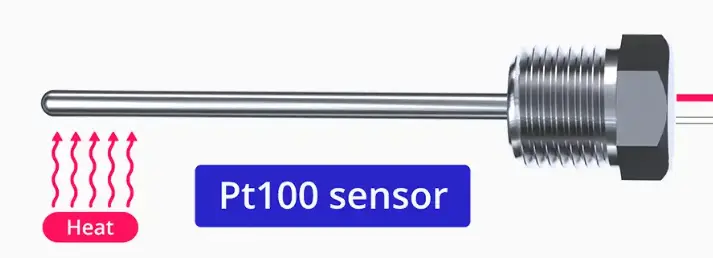
Installation, Calibration, and Maintenance Guide for Industrial Threaded Pt1000 Sensors
The accuracy of measurements and the life of sensors are directly affected by how they are put together. Any Industrial Threaded Pt1000 Pipeline Sensor, no matter how good it is, will not work well if it is placed wrong or not properly kept over its lifetime.
Best Practices for Threaded Sensor Installation
When techs put Industrial Threaded Pt1000 Pipeline Sensors into active pipelines, they should first choose the right insertion length. The sensing element needs to go past the thermal gradient in the pipe wall and into the flow of fluid being recorded. As a general rule, the depth of exposure should be at least 10 to 15 times the width of the sensor.
To make a threaded connection, you need to clean the threads, choose the right sealer based on the process media, and carefully tighten the connection without putting too much mechanical stress on the internal element. The direction of installation is also important. For example, mounting sensors at 45-degree angles instead of straight on to the flow cuts mechanical stress from fluid pressure while keeping thermal touch.
Calibration Protocols for Pipeline Temperature Measurement
Platinum RTDs are very stable, but they need to be checked every so often to make sure they stay accurate. During testing, reference standards that can be traced back to national metrology institutes should be used for the first assessment. A common procedure is to check sensor values against approved reference thermometers at a number of temperature levels within the device's range of operation.
Class AA sensors may only need to be checked every two to three years in normal situations, but they may need to be checked every year in harsh chemical conditions or when they are subjected to mechanical shaking. A lot of businesses set up duplicate sensor setups, which let them compare two parallel units online to find drift without having to shut down the whole system. Traceability records for calibration data should be kept in a way that meets the needs of a quality management system like ISO 9001.
Maintenance Strategies and Troubleshooting Common Issues
Pipeline sensors are damaged in a number of ways. Chemical attack can eat away at protected sheaths, so they need to be looked at every so often for pitting or staining. Internal links can be broken by mechanical vibration, which usually shows up as readings that come and go or quick changes in resistance. Another common problem is fouling, which happens when deposits build up on sensor surfaces and keep the element from contacting the process fluid.
This can lead to measurement lag or offset mistakes. As long as the process chemistry allows it, maintenance plans should include taking sensors out on a regular basis to check and clean them physically. Using precision ohm meters to check for electrical problems can find worn-out lead wires before they break completely. Using trending resistance values for predictive maintenance helps find gradual drift, so replacements can be planned for planned shutdowns instead of emergency fixes for unexpected outages.
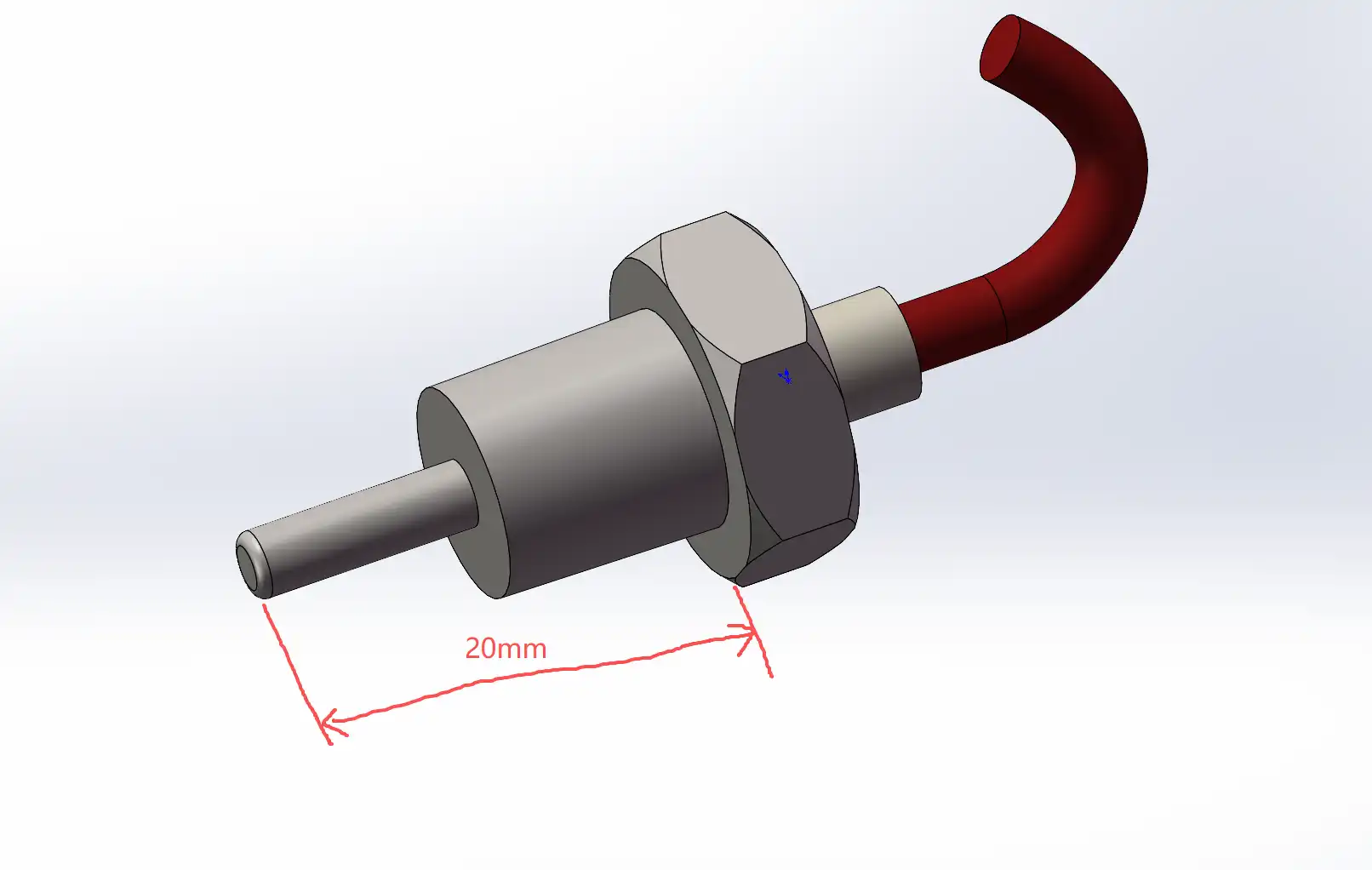
Procurement Insights: Buying Industrial Threaded Pt1000 Pipeline Sensors
When buying Industrial Threaded Pt1000 Pipeline Sensors strategically, you need to look at more than just unit prices. You need to look at scientific specs, supplier skills, and the total cost of ownership. Because industrial automation usually has long verification cycles and implementation promises, it needs a full review up front.
Critical Specifications for Pipeline Temperature Monitoring
Engineers should check that sensor datasheets follow the IEC 60751 standard by making sure the 3850 ppm/°C temperature coefficient and the right limit class (Class B, Class A, or Class AA) are shown. The temperature range must include both standard and abnormal situations that the pipeline could go through. Response time requirements are less important for systems with a lot of thermal mass, but they become very important when you need to quickly find temperature changes.
The protection grade (IP67, IP68, etc.) shows how well the seals protect against the environment. This is especially important for sites that will be open to weather. With the right safety factors, pressure levels must be higher than the maximum system pressure. Also, the ways that cables can be terminated—with bare leads, terminal heads, or built-in transmitters—should fit the infrastructure and upkeep methods that are already in place.
Evaluating Supplier Capabilities and Support Infrastructure
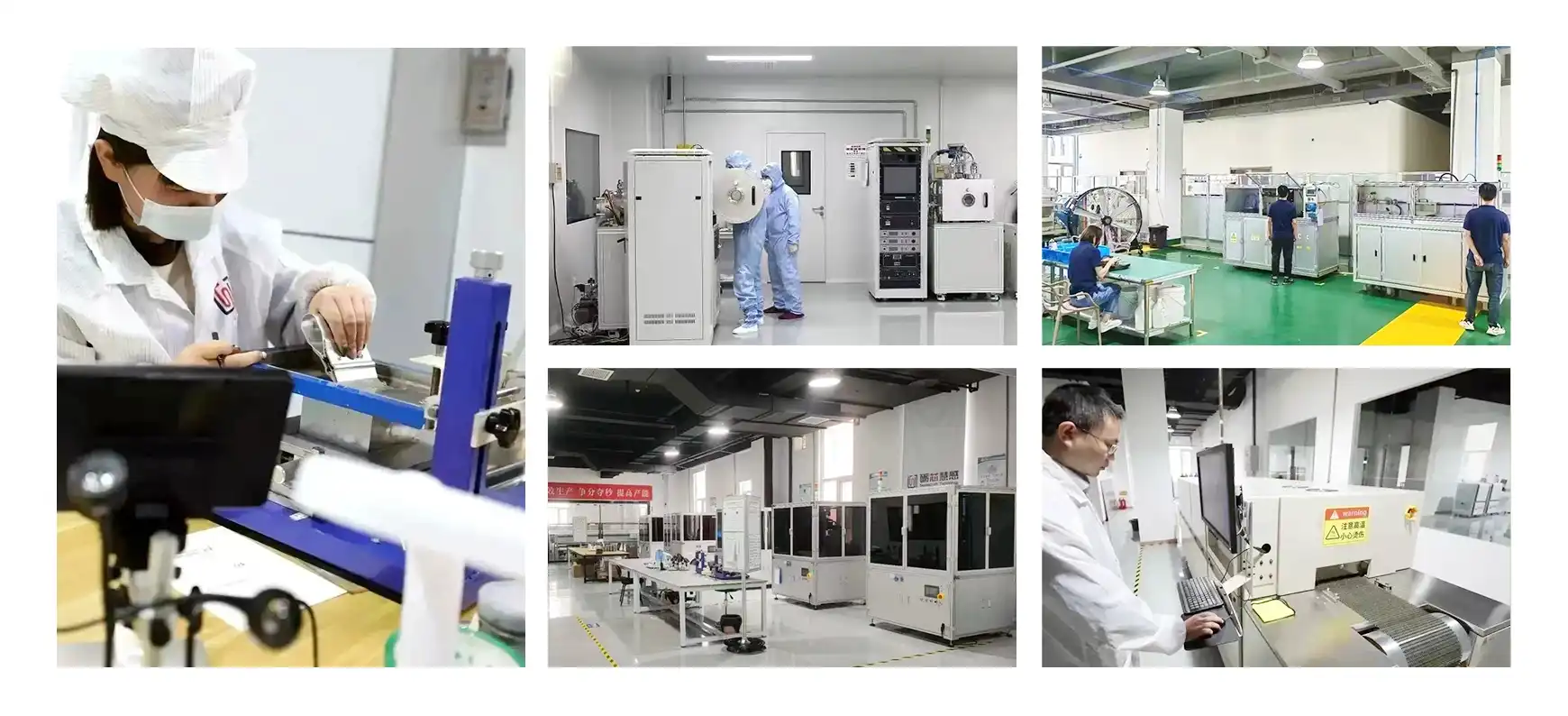
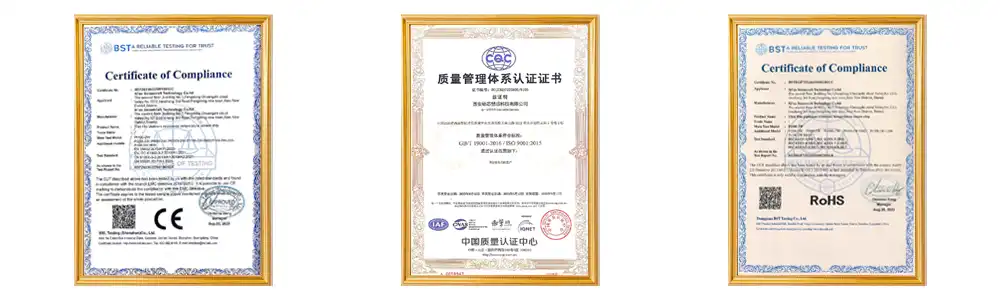
Along with product specs, a supplier review should look at how well they can make the product and how well they handle quality control. Vendors with ISO 9001-certified sites have standardized their quality control processes. ROHS and CE approvals show that a product meets safety and environmental standards that apply to foreign trade. Having access to technical help is very important during integration.
Field application engineers (FAE) who know both sensor technology and specific industry uses can fix installation problems and make the system work better. Because industrial projects last for a long time, supply chain security is very important. Suppliers with automatic production lines and safe platinum supply contracts can ensure availability throughout implementation cycles that last for many years.
Customization Options and Sample Evaluation
Standard stock sensors can be used in a lot of pipeline applications, but custom options are often better for more complicated setups. Some manufacturers, like Tongzida, let you choose the probe length, thread size, wire length, and style of terminating. Material improvements like high-temperature cable insulation or sheaths made of unusual alloys make it possible for cables to work in more difficult situations. Requesting sample units for suitability testing lets you make sure they work in real-world situations before committing to large purchases.
When a sample is being evaluated, it should go through thermal cycle tests, vibration tests that match the conditions of the pipeline, and long-term operation tracking to make sure it stays stable. This verification phase adds time to the buying process, but it lowers the risk in large-scale operations where sensor failure could affect safety systems or production flow.
Why Choose Industrial Threaded Pt1000 Sensors? Advantages and Business Value
Choosing the right temperature tracking technology has effects on many areas of a business that go beyond its basic technical functions. The benefits of Industrial Threaded Pt1000 Pipeline Sensors translate into practical benefits that make up for the cost of their adoption through higher safety standards, better efficiency, and lower lifecycle costs.
The main benefits these monitors bring to systems that watch over pipelines meet both technology needs and business goals. High signal-to-noise ratio lets devices work reliably in electrically noisy factory settings where motor drives, welding equipment, and power distribution systems cause electromagnetic interference. The strong mechanical design can handle vibrations from pumps and turbulent flow, keeping the accuracy of the measurements when weak sensors would fail. Leak-proof threaded fitting gets rid of possible release points, which helps meet environmental compliance goals. These expert skills work together to bring value to the business in a number of ways.
When temperature tracking systems give accurate, reliable data for process control and alarm functions, operational safety goes up. In chemical processing systems, workers can stop catastrophic failures before they happen by noticing changes in temperature that mean a reaction is going off the rails or equipment isn't working right. Temperature profiles are used to find leaks in oil pipelines. Unexpected cooling along a pipeline section means fluid is leaking out into the environment. The accuracy of Pt1000 sensors' measurements makes them more sensitive to detection, which cuts down on fake alarms and makes sure that real dangers get the right reaction.
Maintenance costs go down because sensors last longer and are more stable. Platinum RTDs usually work for 10 to 15 years in industrial settings, which is a lot longer than the 2 to 5 years that thermocouples last in the same situations. Longer calibration times lower the costs and downtime of proof. When sensors need to be replaced, threaded mounting makes it easy to do so quickly and without having to change the plumbing system or do a lot of welding. This cuts down on downtime and production costs.
Precise temperature control makes the process more efficient by letting chemical reactions, heat transfer operations, and energy use be optimized. If you change the temperature control from ±5°C to ±1°C in a chemical synthesis process, the yield may change a lot and energy may be wasted. Because quality Pt1000 sensors are more accurate at measuring, control bands get smaller. This has a direct effect on product quality measures and resource use. In district heating networks or industrial cooling water systems, energy management systems adjust pump speeds and valve positions based on differences in temperature. This is made possible by accurate sensors.
Long-term relationships with dependable sensor providers offer strategic benefits that go beyond buying individual parts. When manufacturers offer a lot of customization options, they become like research teams, working together to find solutions that are best for each application instead of just selling standard goods. Technical help from experienced FAE teams speeds up the execution and fixing of projects.
Supply lines that are stable and information that is clear make buying less uncertain, which lets project planners stick to schedules with trust. These relationship factors are especially helpful for system managers and equipment makers who are making pipeline monitoring solutions. This is because sensor performance has a direct effect on how happy the end customer is and how likely they are to buy from them again.
Conclusion
Industrial Threaded Pt1000 Pipeline Sensors provide the accurate measurements, high mechanical strength, and long-lasting steadiness needed for important pipeline temperature tracking in a wide range of industries. Their better signal characteristics cut down on mistakes in big setups, and their simpler wiring designs lower the cost and difficulty of installation. The right choice of materials based on the environment, careful installation following best practices, and smart buying from reliable suppliers like Tongzida all work together to make temperature monitoring systems that are reliable and help with operational safety, process optimization, and following the rules. As automation technologies improve and industry standards change, platinum resistance temperature monitors continue to show their value by being flexible and working well in tough situations where accurate measurements have a direct effect on safety and efficiency.
FAQ
Q1: What distinguishes Pt1000 sensors from Pt100 sensors in pipeline applications?
A: In pipeline uses, what makes Industrial Threaded Pt1000 Pipeline Sensors different from Pt100 sensors? The main difference is the resistance at 0°C, which is 1000 ohms vs. 100 ohms. This tenfold difference cuts down on measurement mistakes caused by lead wire resistance in long cable runs that are common in pipeline installs. Pt1000 sensors send out stronger signals, which makes them better at blocking noise in places with bad electricity and allows for easier two-wire setups that lower the cost of installation.
Q2: How frequently should industrial Pt1000 pipeline sensors undergo calibration verification?
A: How often you need to calibrate Industrial Threaded Pt1000 Pipeline Sensors depends on how important the application is, how bad the surroundings is, and what the rules say. In harmless situations with stable chemistry and low mechanical stress, it might be enough to check every two to three years. But in harsh chemical settings or for safety-critical tasks, it might be necessary to check every year. A lot of places use parallel multiple sensors and compare the results from each unit to find drift without taking the sensors out of service.
Q3: Can Pt1000 sensors function reliably in extreme pipeline temperature conditions?
A: With the right design, high-quality Industrial Threaded Pt1000 Pipeline Sensors can work in a wide range of temperatures, from cryogenic uses at -200°C to high-temperature processes hitting +600°C or higher. The platinum sensing element stays the same over this range, but the sheath materials, wire insulation, and ways for closing must be right for the job. For cryogenic uses, you need to be careful about which materials you choose so that they don't become brittle, and for high-temperature use, you need special insulation and maybe even ceramic construction.
Partner with Tongzida for Your Pipeline Temperature Monitoring Needs
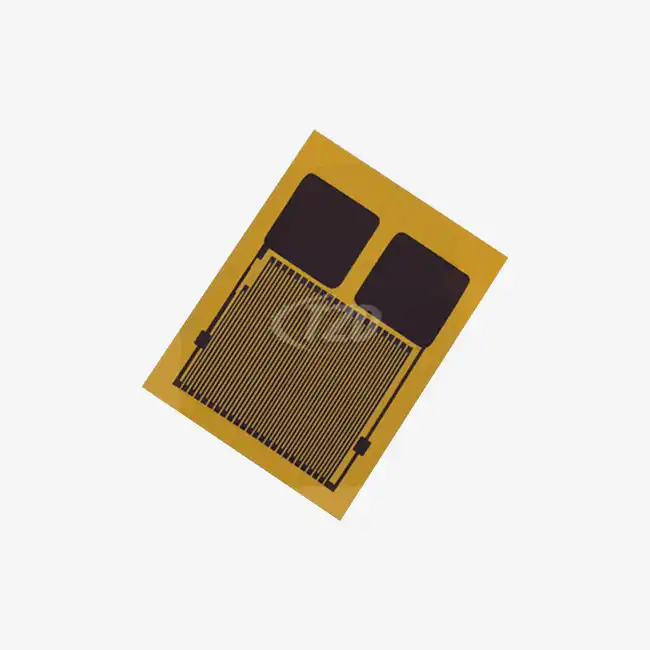
Xi'an Tongzida Technology is a full-service sensor manufacturer that can meet the complex needs of industrial pipeline tracking uses. We know everything about the whole process, from designing sensitive chips to putting them together in a system. This makes us more of a strategic partner than just a seller of parts. The company has advanced thin-film manufacturing facilities that can make platinum resistance elements with an accuracy of up to ±0.01 Ω (1/30B tolerance class), which is better than what is required by standard specs for high-accuracy uses. These features allow for customization in a number of areas, such as probe shapes ranging from 1.2mm to 4.0mm in diameter, immersion lengths that fit specific pipeline installations, thread standards that meet global needs, and lead wire materials such as platinum-nickel, silver-nickel, and pure platinum configurations that work best in a variety of temperature and environmental conditions.
Our production lines keep up with certifications like ISO 9001 for quality management systems, ROHS for environmental compliance, and CE for safety compliance. This makes sure that our goods meet foreign standards that are needed for exporting and working on projects with other countries. The automated production system ensures uniform quality from batch to batch, and it can handle both small quantities for design testing and large quantities for large-scale deploys. Our engineering team helps with choosing sensors, installation, and fixing throughout the lifetime of a product, acting as an extension of the customer's technical staff. Technical support doesn't end when the product is delivered.
If the temperature readings in your pipeline tracking system need to be accurate, Tongzida could be your Industrial Threaded Pt1000 Pipeline Sensor provider. Get in touch with our expert sales team at sales11@xatzd.com to talk about your unique needs and find out how our customization options can make your temperature sensing solution work better. We offer quick help that fits the technical-driven buying processes that are common in car electronics, industrial automation, and process control. This is true whether you need samples for approval testing or quotes for large quantities for production.
References
1. International Electrotechnical Commission. IEC 60751: Industrial Platinum Resistance Thermometers and Platinum Temperature Sensors. Geneva: IEC Publications, 2022.
2. American Society for Testing and Materials. ASTM E1137/E1137M-20: Standard Specification for Industrial Platinum Resistance Thermometers. West Conshohocken: ASTM International, 2020.
3. Liptak, Bela G. Temperature Measurement in Process Control Applications. Fourth Edition. Boca Raton: CRC Press, 2019.
4. Baker, H. D. Temperature Measurement in Engineering Volume II: Resistance Thermometry for Industrial Applications. London: Institute of Measurement and Control, 2018.
5. Nicholas, J. V. and White, D. R. Traceable Temperatures: An Introduction to Temperature Measurement and Calibration. Second Edition. Chichester: John Wiley & Sons, 2021.
6. Omega Engineering Technical Reference. Platinum RTD Sensing Elements: Design, Construction and Application Guidelines for Industrial Temperature Measurement. Stamford: Omega Engineering Inc., 2020.

Learn about our latest products and discounts through SMS or email