- English
- French
- German
- Portuguese
- Spanish
- Russian
- Japanese
- Korean
- Arabic
- Greek
- German
- Turkish
- Italian
- Danish
- Romanian
- Indonesian
- Czech
- Afrikaans
- Swedish
- Polish
- Basque
- Catalan
- Esperanto
- Hindi
- Lao
- Albanian
- Amharic
- Armenian
- Azerbaijani
- Belarusian
- Bengali
- Bosnian
- Bulgarian
- Cebuano
- Chichewa
- Corsican
- Croatian
- Dutch
- Estonian
- Filipino
- Finnish
- Frisian
- Galician
- Georgian
- Gujarati
- Haitian
- Hausa
- Hawaiian
- Hebrew
- Hmong
- Hungarian
- Icelandic
- Igbo
- Javanese
- Kannada
- Kazakh
- Khmer
- Kurdish
- Kyrgyz
- Latin
- Latvian
- Lithuanian
- Luxembou..
- Macedonian
- Malagasy
- Malay
- Malayalam
- Maltese
- Maori
- Marathi
- Mongolian
- Burmese
- Nepali
- Norwegian
- Pashto
- Persian
- Punjabi
- Serbian
- Sesotho
- Sinhala
- Slovak
- Slovenian
- Somali
- Samoan
- Scots Gaelic
- Shona
- Sindhi
- Sundanese
- Swahili
- Tajik
- Tamil
- Telugu
- Thai
- Ukrainian
- Urdu
- Uzbek
- Vietnamese
- Welsh
- Xhosa
- Yiddish
- Yoruba
- Zulu
Why Threaded Pt1000 Probes Are Used in Process Industries
For important temperature readings, process industries rely on threaded Pt1000 probes because these sensors are both very accurate and mechanically reliable. At 0°C, the standard resistance of the Industrial Threaded Pt1000 Pipeline Sensor is 1000 ohms. This is ten times the resistance of regular Pt100 sensors. This higher base resistance cuts down on mistakes caused by cables when signals are sent over long distances, which is especially helpful in big process facilities. The threaded housing design lets you mount the sensor securely and leak-proof directly into pipeline systems. This keeps the accuracy of the measurement even in harsh environments where constant temperature tracking is needed to ensure product quality and working safety.
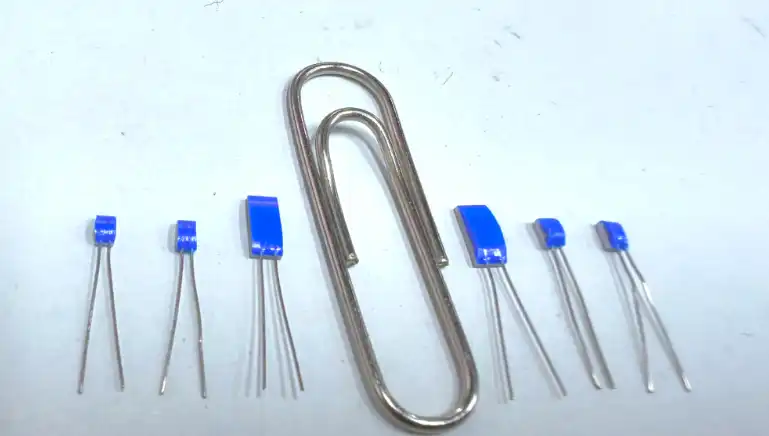
What Is a Threaded Pt1000 Temperature Sensor and How Does It Work?
Understanding RTD Technology and Platinum Resistance Principles
The Pt1000 works as a Resistance Temperature Detector by using the well-known electrical qualities of platinum. The sensing element has a resistance of 1000 ohms at exactly 0°C. When the temperature goes up, the platinum atoms move more strongly, which stops electrons from moving and raises the resistance in the same way. According to IEC 60751 standards, this connection follows a Temperature Coefficient of Resistance (TCR) of 0.003851 Ω/Ω/°C. This means that resistance rises by about 3.85 ohms for every degree Celsius.
This physical event changes heat energy into electrical signals that can be measured. A small current, usually less than 1 milliampere, is sent through the platinum element by process control devices to excite it. The temperature is directly related to the voltage drop across the sensor. The higher base resistance of Pt1000 sensors compared to Pt100 versions greatly reduces measurement errors caused by lead wire resistance in 2-wire configurations. This makes them especially useful for adding to old systems without having to do a lot of rewiring.
Key Design Features of Threaded Pipeline Sensors
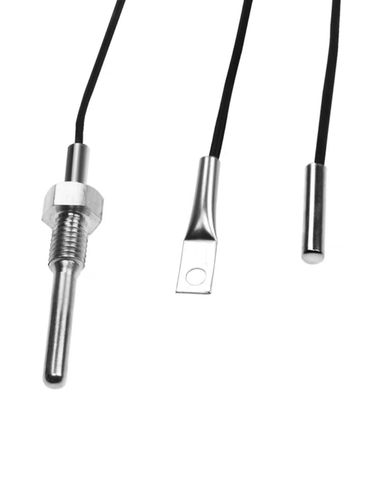
There are several important design features that set threaded Pt1000 probes apart from laboratory tools. The detecting element is enclosed in a protective case made of stainless steel 316L, which protects it from process media that are acidic. Thread standards are based on NPT, BSP, or metric measurements. This makes sure that they work with the pipeline infrastructure that is already in place at different production facilities in the area.
How deeply the sensor goes into the process stream is controlled by the immersion length. Engineers choose this dimension based on the diameter of the pipe and how the flow behaves so that the sensing element reaches a normal temperature instead of measuring the effects of the pipe wall. In harsh settings, connection heads house terminal blocks that keep electrical junctions safe from water and mechanical damage. This keeps the purity of the signal.
Operating Conditions and Performance Parameters
Modern industrial Pt1000 sensors like the Industrial Threaded Pt1000 Pipeline Sensor can work in temperatures ranging from -200°C to +850°C, though some types are designed to work in smaller temperature ranges that are better for certain tasks. Putting down a thin layer of platinum on ceramic surfaces lets them respond quickly to heat, with time constants hitting 0.05 seconds in some designs. This responsiveness is very important for batch processing, where temperature ramps need to follow exact profiles.
The levels of accuracy are based on the tolerance classes in IEC 60751. The accuracy of Class B sensors stays within ±0.30°C at 0°C, while that of high-precision Class AA units is within ±0.10°C. When choosing between tolerance classes, cost and process needs are weighed against each other. Class AA precision is usually needed for pharmaceutical sterile processing, but Class B sensors and the right calibration protocols may work fine for bulk chemical heating.
Practical Applications Across Process Industries
Threaded Pt1000 probes are used in reactor tanks, distillation columns, and heat exchanges in chemical processing plants. The sensors keep an eye on exothermic processes to see if changes in temperature could cause things to get out of hand. In polymerisation processes, the molecular weight distribution and properties of the final product depend on how well the temperature is controlled.
These sensors are used by companies that make food and drinks during the pasteurisation and sterilisation cycles. Regulatory agencies need written proof that goods were at certain temperatures for certain amounts of time. Threaded pipeline sensors give you the measurement trust you need to meet HACCP and FDA validation standards, and they can also handle being cleaned in place on a regular basis. Pt1000 sensors are used to measure thermal energy and control heat pumps in big business and industrial buildings. Because the resistance is high, the signal doesn't get weak over long cable runs from equipment on rooftops to control panels. These measurements are used by energy management systems to find the best places to put equipment and find places where installations on a campus are losing energy.
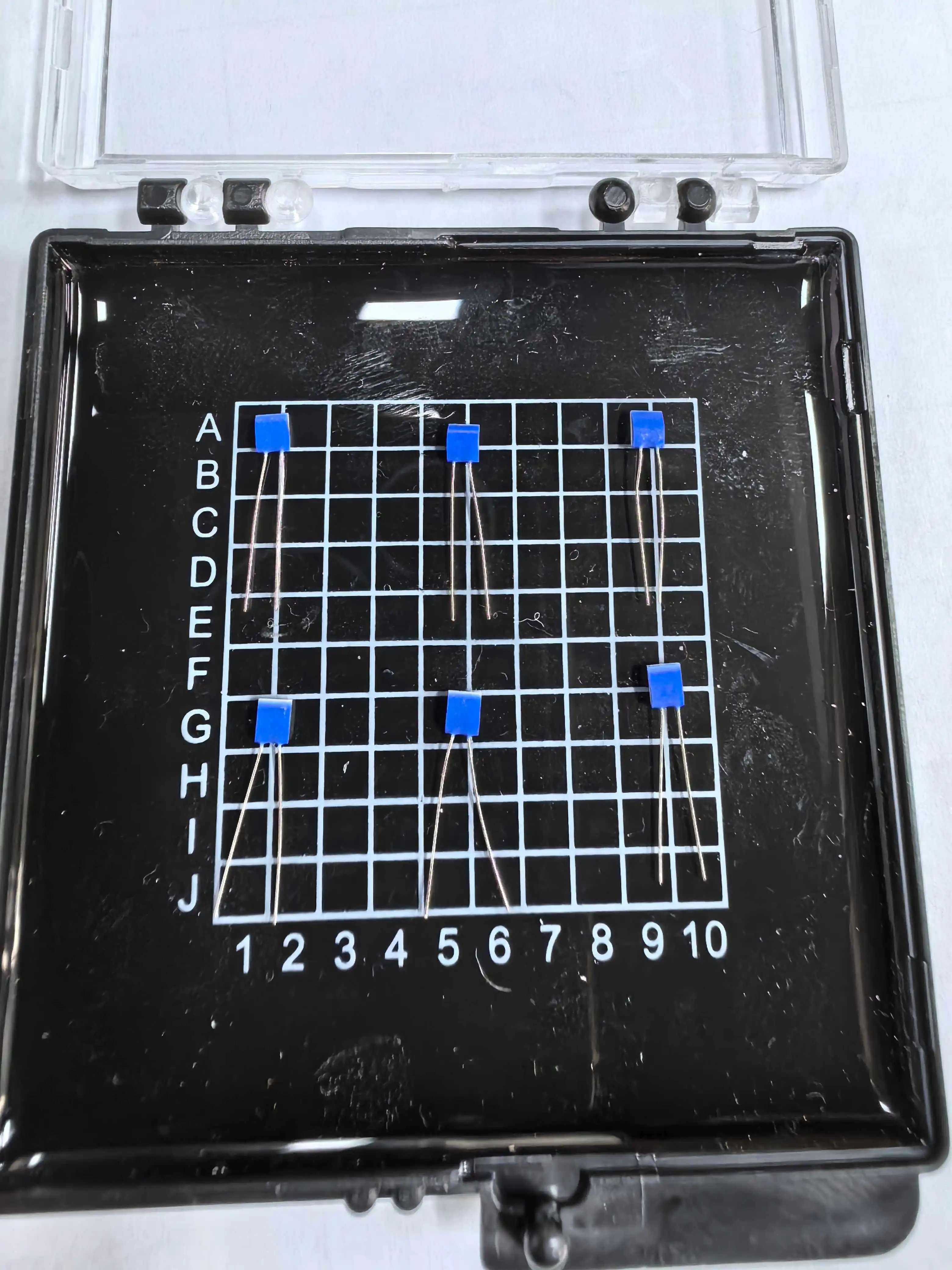
Advantages of Using Threaded Pt1000 Probes in Industrial Pipelines
Superior Accuracy and Long-Term Stability
Platinum is very chemically neutral and stable in its solid form. Base metal thermocouples move because of oxidation and changes in the metal's structure. But Pt1000 sensors that were made correctly show drift rates below 0.05% after 1,000 hours at full operating temperature. This steadiness means that calibration times can be longer, which cuts down on upkeep costs and production stops.
In terms of signal-to-noise ratios, the higher resistance number is naturally better. Measurement circuits can get noise from variable frequency drives, welding tools, and heavy machines that send out electromagnetic waves. The strong signal from Pt1000 elements keeps readings clearer in electrically noisy factory settings than alternatives with lower resistance. With the right protected wiring and grounding, these sensors give accurate readings even when they are close to high-power electrical equipment.
Mechanical Reliability Through Threaded Installation
Threaded fixing makes a strong mechanical link between the sensor and the pipeline. This direct coupling makes sure that the sensing element stays in the same place in the process stream, so measurements don't change because the sensor moves. When a pump is running or there is movement in the fluid, the pipeline may shake. Threaded probes stay firmly attached, but compression fittings or sticky mounting methods may come loose over time.
The threaded link also makes servicing easier. Technicians can take sensors off to check the calibration without having to cut pipes or mess up equipment nearby. Thread seals that work with process media stop leaks and let you take parts apart safely. This makes it faster to fix problems during planned maintenance windows or when sensors stop working without warning. Another mechanical benefit is that it is easy to install. Engineers can choose the right submerging depth for each test site. Shallow immersion in small-diameter lines keeps the flow from getting blocked, while deep immersion in big vessels gets to normal temperatures without the effects of the walls. This ability to be customised makes sure that measurement works well in a variety of pipeline configurations within the same facility.
Reduced Self-Heating Errors in Low-Flow Applications
Excitation current creates heat within the sensing device of the Industrial Threaded Pt1000 Pipeline Sensor, which falsely raises the recorded temperature above what it should be under normal process conditions. Because the Pt1000 has more resistance, it needs less current to make voltage signs that work. Excitation currents for these sensors are usually between 0.5 and 1 milliampere, while for Pt100 sensors they are between 1 and 5 milliamperes. This lower current cuts down on self-heating effects, which is especially helpful when tracking gases or fluids that don't move very well when they get hot.
This is a feature that process engineers who work with cryogenic liquids, speciality solvents, or vacuum environments like. Pt1000 technology gives more accurate readings than thermocouples in situations where even fractions of a watt of heat loss could throw off the balance of heat. Battery-powered monitoring systems also gain from needing less current, which means they last longer between repair rounds.
How to Select the Best Threaded Pt1000 Sensor for Your Pipeline Needs?
Critical Performance Specifications to Evaluate
More than anything else, accuracy needs determine which sensors are used. Set a budget for the amount of measurement uncertainty that you can handle based on the needs of process control. For example, pharmaceutical batch records may need tracking to within 0.1°C, while HVAC monitoring works fine at 0.5°C. Remember that the accuracy of the system depends on the whole measurement chain, including the sensor, transmitter, cable, and controller. Make sure that error budgets are properly distributed among all of these parts.
Response time requirements need to match how the process works. For sensors to work well with fast changes in temperature, they need to have low thermal mass and good heat transfer. It takes less time for thin-film RTD elements on ceramic substrates to respond than wire-wound designs. Thermal time constants are also changed by the sheath material and thickness. While stainless steel is tough, it responds more slowly than metals that are specifically designed to conduct heat.
Ratings for pressure and temperature set safe operating ranges. During startup, shutdown, or upset conditions, the process sometimes goes beyond its normal operating points. Choose monitors that are rated for the widest range of possible trips instead of ones that are rated for normal conditions. Safety factors between 20 and 30 percent provide operational margin without cost penalties that are too high.
Thread Compatibility and Physical Dimensions
The thread specifications must fit the pipeline infrastructure that is already in place or that is expected to be built. European installations like parallel BSPP (British Standard Pipe Parallel) or metric ISO threads, while North American installations like NPT (National Pipe Thread) tapered threads. When you mix thread types, you need adapters, which can cause leaks and make installation harder.
When figuring out the immersion length, the pipe diameter, flow speed, and temperature differences are all taken into account. As a general rule, the plunge depth should be equal to the pipe width when the flow is turbulent. If you use computational fluid dynamics to look at laminar flow or layers that aren't connected, you may need to make changes. Longer immersion lengths lower pipe wall conduction mistakes, but they also raise pressure drop and the chance of mechanical stress from vibrations caused by flow.
Materials used for process connections are put through harsh chemicals, high temperatures, and mechanical stress. Hastelloy or titanium are used in very corrosive conditions, while stainless steel 316L is good for most basic uses. The choice of material affects both the initial cost and the reliability over time. For total cost of ownership optimisation, careful specification is necessary.
Certification Requirements for Regulated Industries
Quality certifications are written proof that the way something is made is consistent. Systematic quality management is shown by ISO 9001 approval, while industry-specific standards like ATEX (for dangerous atmospheres) or 3-A Sanitary Standards (for food processing) deal with specific application risks. For FDA compliance, pharmaceutical companies need sensors that can track the materials they use and have proof documents. Calibration certificates from approved labs show that measurements can be linked to national standards. During facility approval, NIST-traceable calibration data is added to the procedures for qualifying equipment. For some uses, recalibration is required at set times, so buying from sellers who offer calibration services along with sensor sales is a good way to keep buying sensors.
Customization Capabilities and Technical Support
Standard catalogue items can be used for common tasks, but custom sensor designs like the Industrial Threaded Pt1000 Pipeline Sensor are often better for more specialised tasks. If a manufacturer offers technical support, they can change the materials used for the sheath, the lengths of the immersions, or the addition of special connection ends. This ability to be customised is especially useful when designing new equipment, since sensor specs can be made to fit the specific job instead of being taken from general options.
The availability of technical support affects the choice of supplier, especially when installing or fixing something complicated. During the planning, installation, and start-up steps, field application engineers who know about both sensor technology and process needs can be very helpful. This knowledge is especially important when putting sensors into automated control systems, since the wrong setup could make measurements less accurate or the system less stable.
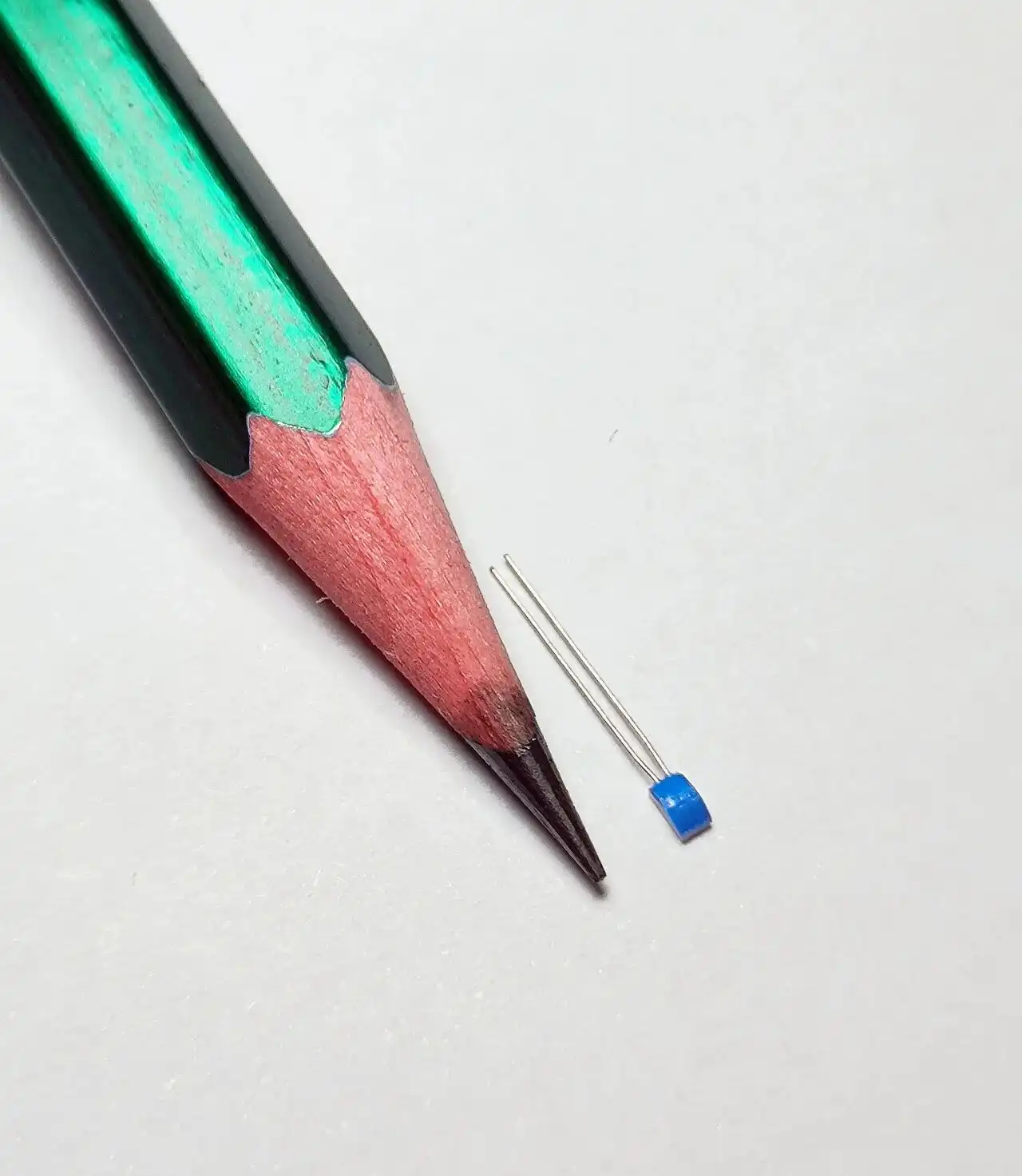
Installation Guide for Industrial Threaded Pt1000 Pipeline Sensors
Pre-Installation Preparation and Considerations
Cleaning the threaded port very well is the first step in getting the pipeline ready. Metal chips, cutting oil residue, or leftover pipe sealant can stop threads from engaging properly, which can lead to leaks or sensors that aren't lined up right. Wire brushes that are the right size for the thread diameter get rid of debris without damaging the thread profiles. Particles that might get in the way of temperature contact between the sheath and the process media are flushed out with compressed air or a liquid.
Checks for material suitability stop problems like rust and contamination. Thread sealants have to be able to handle high temperatures and chemical attacks from the fluid being measured. PTFE tape is useful for many tasks, but it can break down in some liquids or at high temperatures. Anaerobic sealants work better in places with no oxygen, but they need to cure for the right amount of time before they can be pressed. Always make sure that the sealer works with both the process media and the sensor materials.
Step-by-Step Installation Procedure
Start by adding thread sealant as directed by the maker, usually 1.5 to 2 turns away from the end of the thread to keep the sealant from getting into the process stream. At first, thread the sensor by hand to make sure it is lined up correctly and stop cross-threading. Before using wrenches, hand tightening sets up the initial engagement.
Instead of holding the sheath directly, use the right wrench flats on the sensor connection head. Too much torque can damage threads or crush sealing surfaces, while too little torque lets leaks happen. Follow the torque recommendations given by the sensor's maker. For NPT threads, these are usually 25 to 40 ft-lbs, but this can change based on the size. Because tapered threads don't use compression rings to seal, you have to be very careful with the pressure to get a good seal without damaging the threads.
Care must be taken when making electrical links. Remove the covering from the wire without damaging the circuits. When you tighten terminal screws, be careful not to overtorque them, because that can break stranded wires or crack terminal blocks. In 3-wire or 4-wire configurations, make sure the right lead identification is made so that the measuring tool can properly compensate for lead resistance. Systematic mistakes that can't be fixed by testing are caused by bad wiring.
Post-Installation Testing and Calibration Verification
Insulation resistance testing should be done after installation but before measurement circuits are turned on. Megohm meters that put 500V DC between the RTD element and the sheath should show that the resistance is higher than 100 megohms. Lower numbers mean that the sensor needs to be replaced before the system goes into service because they indicate that the insulation or moisture has been damaged.
To make sure the measurements are correct for the Industrial Threaded Pt1000 Pipeline Sensor, compare the numbers from fixed sensors to those from portable reference thermometers. Place a calibrated reference probe next to where the sensor is installed. Allow enough time for both instruments to get used to the process conditions, usually between 5 and 10 time constants. To set a baseline for future drift analysis, write down any differences between the measurements that were installed and those that were used as a reference.
System integration testing makes sure that sensors and control systems can talk to each other correctly. Check that the engineering units, alarm setpoints, and control loop tuning parameters are correct. To make sure the controller responds the way it was supposed to, you can simulate temperature changes that stay within safe limits. This thorough checkout keeps things from going wrong during production.
Where and How to Procure Industrial Threaded Pt1000 Pipeline Sensors?
Identifying Qualified Suppliers and Distribution Channels
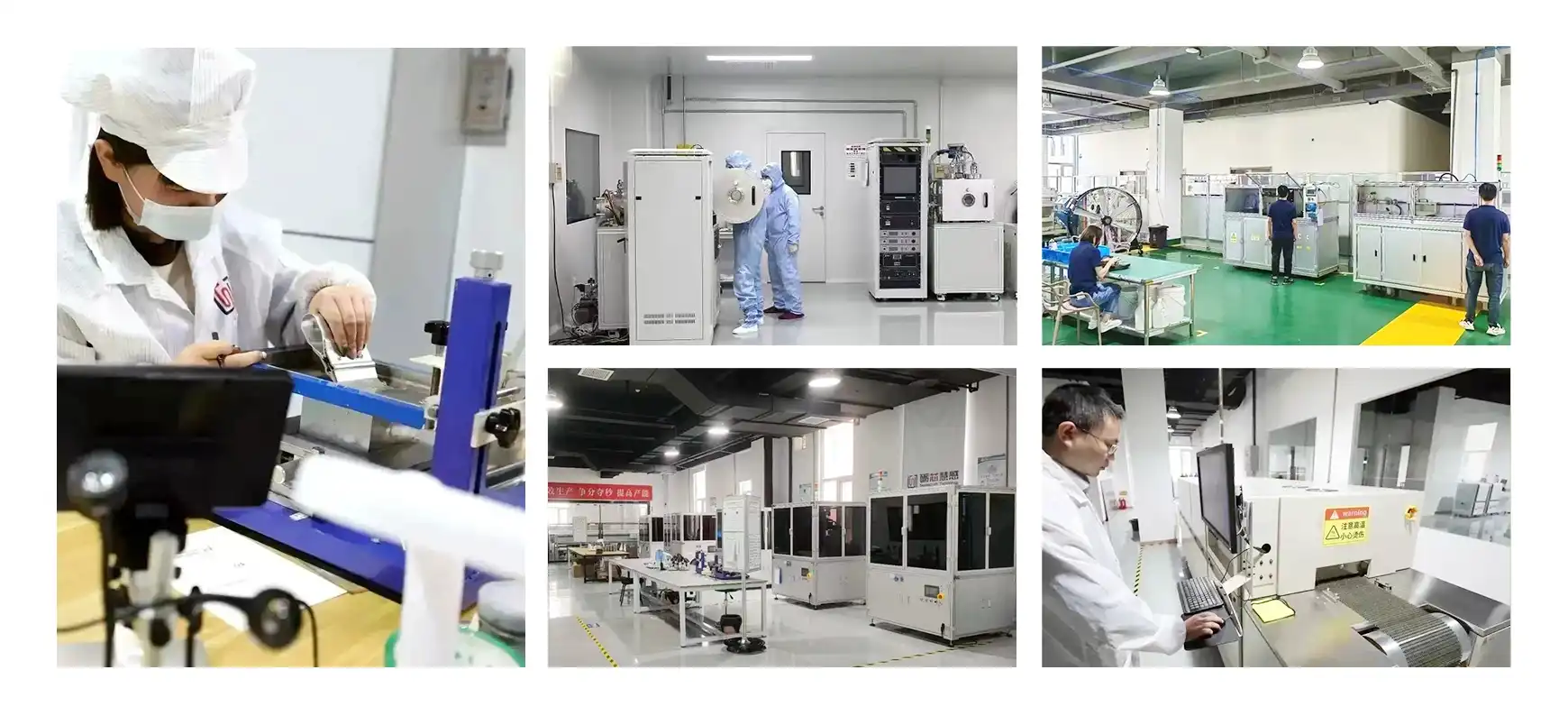
The process of buying things starts with qualifying suppliers to make sure they have the right technical skills and quality standards. Vertical integration helps with customisation and quality control when manufacturers can develop, process, and test their own products. Companies that use automatic production lines to make thin-film RTD chips have better process controls than companies that only use bought parts for assembly.
Certifications are an objective way to show that a system is good. Registration under ISO 9001 means that quality methods have been written down, and agreement with RoHS and CE standards means that installations in other countries are legal. Carefully read through certification ranges to make sure they cover the exact types of products you want to buy and not other activities that have nothing to do with the products. When buying in bulk or with specific needs in mind, having direct relationships with manufacturers can be helpful. OEM relationships give engineers help during the planning phase, making sure that sensors meet the needs of the application before the equipment is built. When supply is limited, volume commitments can often unlock price benefits and better assignment of priorities.
Understanding Pricing Structures and Lead Times
How much a sensor costs depends on its accuracy class, its materials, and how hard it is to customise. Standard catalogue items in common configurations cost less per unit than custom designs that need engineering work and tooling changes. Volume price starts at amounts of 50 to 100 units, and big savings are available for yearly deals that cover multiple deliveries. Lead times are very different for stock things and unique setups. When distributors keep popular sensor types in store, they may be able to ship within days. However, engineering, prototyping, and production for fully customised designs take 6 to 12 weeks. Planning when to buy things around when to get equipment keeps sensors from becoming critical path items on building jobs.
Services for testing and calibration add to wait times but are worth it because they make it possible to track things back to where they came from. When sensors are shipped with NIST-traceable calibration certificates, they need more time to be measured and documented. Allow an extra one to two weeks on top of normal production times when calibration certificates are required as part of the purchase order.
Evaluating Technical Documentation and Support Resources
Product datasheets should have all the scientific information about a product, such as its accuracy class, temperature coefficient, immersion length choices, and building materials. Mechanical designers can plan fixing holes using dimensional models that include tolerances. Electrical link images keep installers from making mistakes with the wires. Application notes and installation guides show that the supplier knows what they're doing and help customers succeed. Companies that spend money on technical documentation usually have support staff that knows a lot about the software and can answer application questions. When evaluating a supplier, look at the tools they offer to get an idea of the amount of help you can expect throughout the lifecycle of the product.
Warranty terms and return rules keep investments in buying safe. Standard warranty periods of 12 to 24 months cover flaws in the manufacturing process but usually don't cover damage caused by incorrect use or installation. Before you buy, make sure you understand what the guarantee covers and how to file a claim. This will help you avoid problems when the sensor fails, which doesn't happen very often.
Conclusion
Threaded Pt1000 probes like the Industrial Threaded Pt1000 Pipeline Sensor provide the accuracy of measurements that are needed in process industries where temperature control affects both the quality of the product and the safety of the workers. When you combine the accuracy of platinum RTD with the strength of a threaded mounting, you get reliable measuring points all along pipeline systems. Higher base resistance compared to Pt100 versions lowers cable mistakes and self-heating effects, and it also makes noise protection better in industrial settings with a lot of electromagnetic noise.
To choose the right sensor, you have to weigh the technical specs against the needs of the application and the budget. While buying teams talk about prices, wait times, and seller support, engineers have to look at accuracy classes, reaction times, material compatibility, and certification needs. Because industrial applications usually have long verification cycles, choosing the right seller at the start is very important to avoid expensive approval efforts with other vendors.
FAQ
Q1: What makes Pt1000 sensors preferable to Pt100 variants in pipeline applications?
A: The 1000-ohm base resistance cuts down on measurement mistakes caused by lead wire resistance, which is especially helpful in 2-wire setups that are popular in retrofit applications. When measuring gases or liquids with low flow, lower stimulation currents reduce the effects of self-heating. The better signal-to-noise ratio makes readings easier in industrial settings with a lot of electrical noise.
Q2: Can threaded Pt1000 probes withstand high-pressure chemical processing conditions?
A: When properly designed and rated for a certain combination of pressure and temperature, sensors can reliably work in harsh chemical environments. Sheaths made of stainless steel 316L can handle most industrial chemicals, and special alloys can handle media that are very corrosive. Check the pressure levels at the working temperature, since the pressures that are allowed drop as the temperature rises.
Q3: How do you verify sensor accuracy after pipeline installation?
A: Install a calibrated reference temperature next to the measurement point and compare the numbers from the sensors that are already there. Allow enough time for temperature balance to reach a stable state. Write down any differences as starting points for future tracking of drift. You could also take the sensor off and check the performance with calibration equipment that meets national standards.
Q4: What distinguishes Class AA from Class B tolerance ratings?
A: At 0°C, Class AA sensors are accurate to within ±0.10°C. From -50°C to +250°C, they get more accurate to within ±0.07°C or wider to within ±0.38°C. Class B allows ±0.30°C at 0°C and between ±0.23°C and ±1.13°C over the same range. Class AA is usually used for applications that need tight process control or to make sure they follow the rules.
Partner With Tongzida for Precision Temperature Sensing Solutions
We at Xi'an Tongzida Technology can make advanced thin-film RTD chips and offer full customisation, which makes us a reliable supplier of Industrial Threaded Pt1000 Pipeline Sensors for tough process applications. Our automatic production lines are very consistent with sensors that work at room temperature, high temperatures, and very low temperatures. We've solved difficult problems in microsensor production and multi-sensor integration to provide measurement solutions that work from -200°C to +850°C and are accurate to within ±0.01Ω.
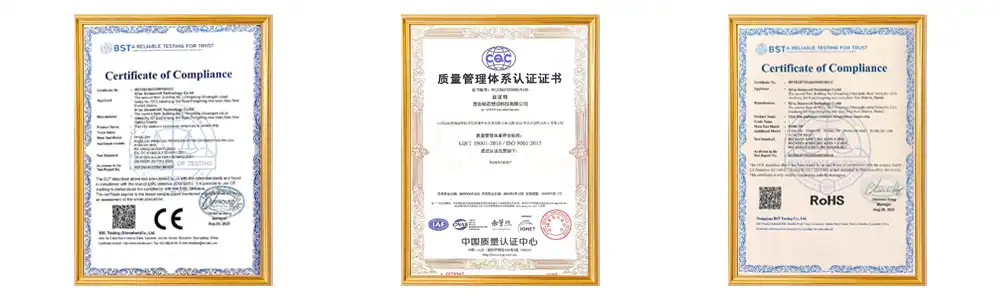
Our thin-film platinum resistors meet IEC 60751 standards; they can handle temperature changes of 3850ppm/°C and have a long-term stable shift of no more than 0.04%. Our quality management systems and compliance with regulations are backed up by ISO 9001, RoHS, and CE certifications. Engineering support helps choose the right sensor, and customisation options let you meet specific needs for things like immersion length, sheath materials, and connection configurations.
Our applications team can help you with the planning, procurement, and testing steps of any project involving sensors for pharmaceutical validation, chemical process control, or industrial HVAC systems. Talk to our sales team at sales11@xatzd.com about your temperature tracking needs and find out how Tongzida's high-precision instruments can help your business run smoothly.
References
1. International Electrotechnical Commission. (2022). IEC 60751: Industrial Platinum Resistance Thermometers and Platinum Temperature Sensors. Geneva: IEC Publications.
2. Nicholas, J.V., & White, D.R. (2001). Traceable Temperatures: An Introduction to Temperature Measurement and Calibration (2nd ed.). Chichester: John Wiley & Sons.
3. Liptak, B.G. (Ed.). (2018). Instrument Engineers' Handbook, Volume One: Process Measurement and Analysis (5th ed.). Boca Raton: CRC Press.
4. Bentley, R.E. (2005). Temperature and Humidity Measurement. Singapore: Springer Science & Business Media.
5. McGee, T.D. (1988). Principles and Methods of Temperature Measurement. New York: John Wiley & Sons.
6. Childs, P.R.N., Greenwood, J.R., & Long, C.A. (2000). Review of Temperature Measurement. Review of Scientific Instruments, 71(8), 2959-2978.
Learn about our latest products and discounts through SMS or email