- English
- French
- German
- Portuguese
- Spanish
- Russian
- Japanese
- Korean
- Arabic
- Greek
- German
- Turkish
- Italian
- Danish
- Romanian
- Indonesian
- Czech
- Afrikaans
- Swedish
- Polish
- Basque
- Catalan
- Esperanto
- Hindi
- Lao
- Albanian
- Amharic
- Armenian
- Azerbaijani
- Belarusian
- Bengali
- Bosnian
- Bulgarian
- Cebuano
- Chichewa
- Corsican
- Croatian
- Dutch
- Estonian
- Filipino
- Finnish
- Frisian
- Galician
- Georgian
- Gujarati
- Haitian
- Hausa
- Hawaiian
- Hebrew
- Hmong
- Hungarian
- Icelandic
- Igbo
- Javanese
- Kannada
- Kazakh
- Khmer
- Kurdish
- Kyrgyz
- Latin
- Latvian
- Lithuanian
- Luxembou..
- Macedonian
- Malagasy
- Malay
- Malayalam
- Maltese
- Maori
- Marathi
- Mongolian
- Burmese
- Nepali
- Norwegian
- Pashto
- Persian
- Punjabi
- Serbian
- Sesotho
- Sinhala
- Slovak
- Slovenian
- Somali
- Samoan
- Scots Gaelic
- Shona
- Sindhi
- Sundanese
- Swahili
- Tajik
- Tamil
- Telugu
- Thai
- Ukrainian
- Urdu
- Uzbek
- Vietnamese
- Welsh
- Xhosa
- Yiddish
- Yoruba
- Zulu
HVAC Temperature Sensor Selection Guide for Beginners
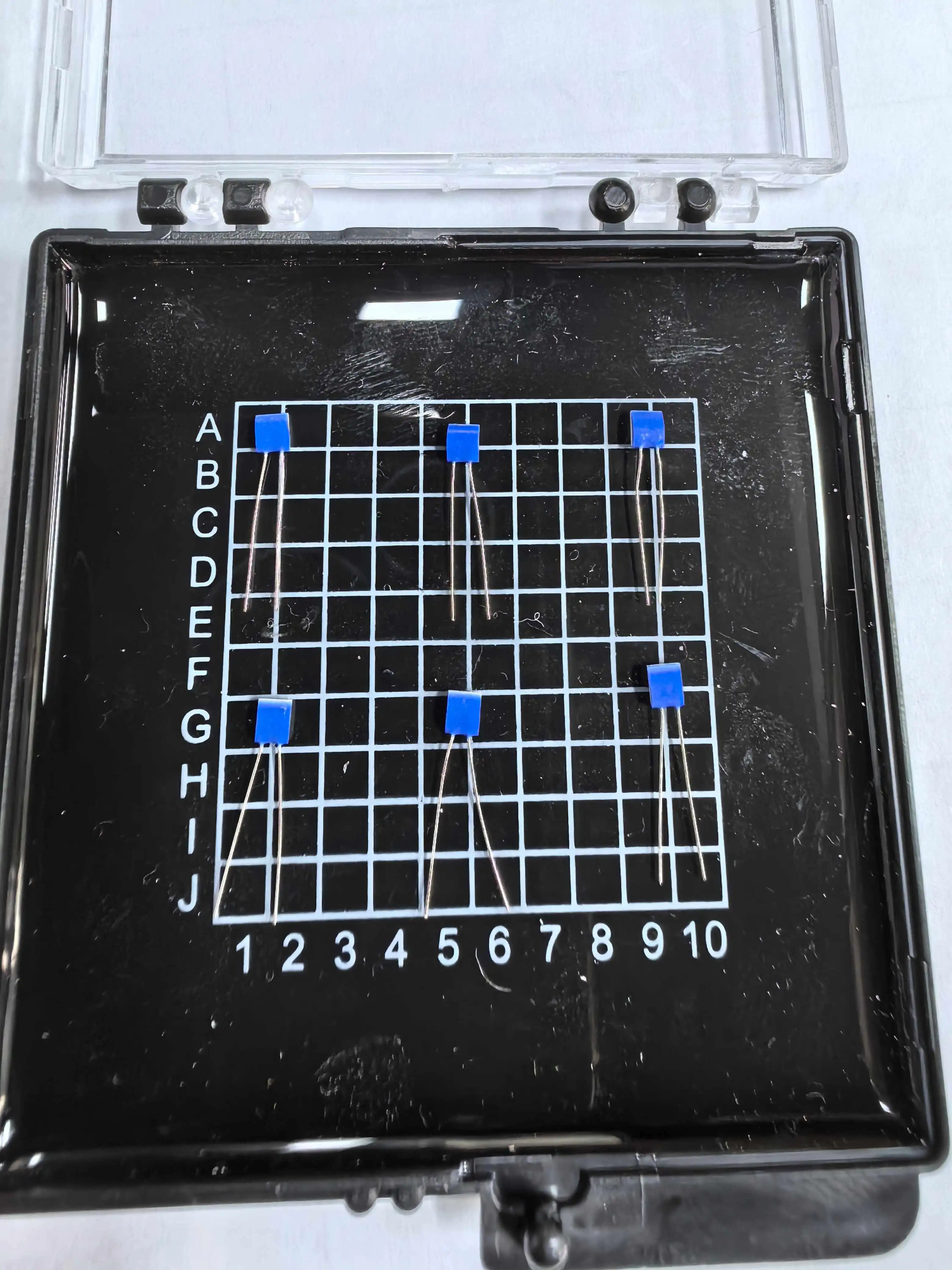
For experts who are new to temperature control systems, choosing the right HVAC sensors can be hard. A room temperature sensor is the most important part of keeping an eye on the environment because it turns the heat in the room into standard electrical signals that control smart home systems. You can use this guide to help you choose sensors that will work well for years by going over technical issues, how to put them, and how to buy them. If you know the basics of sensors, you can make sure you don't make mistakes that cost a lot of money when designing systems for business or industrial buildings. You can also make sure that the systems work reliably and efficiently.
Understanding Room Temperature Sensors: Types and Functional Principles
Temperature sensor technology has come a long way and now offers a wide range of choices that can be used in a variety of HVAC situations. When you know how these devices work, you can better match their technical specs to the needs of your project.
How Temperature Sensors Convert Thermal Energy?
Modern temperature sensors pick up changes in the temperature of the environment and turn them into electrical signals that can be measured. Resistance Temperature Detectors (RTDs) work by changing their electrical resistance in a way that can be predicted as the temperature changes. Platinum-based RTDs are especially good at being linear over a wide range of temperatures.
Since transistors are more sensitive in small temperature ranges, they are a good choice for normal comfort cooling tasks. These passive sensors need an outside current to get excited. Active digital sensors, on the other hand, have signal filtering circuits built in so they can directly output standard protocols like I2C or Modbus directly. The correctness of the conversion rests on the quality of the elements. Compared to wire-wound elements, precision-manufactured thin film elements have drift rates below 0.04% per year.
Digital Versus Analog Signal Outputs
Usually, 0-10V or 4-20mA ranges are used for analog sensors to send out constant voltage or current signals that are proportional to temperature. These signals work perfectly with older HVAC controls, but they get messed up by electrical noise when they are sent over long cables. Digital sensors send temperature data as binary data over communication protocols.
This keeps the signal from getting weak and lets multiple drops network together. Diagnostics and calibration can also be done remotely with digital tools, which cuts down on upkeep work. But analog sensors are still the best choice for safety-critical uses where fail-safe current loop tracking can find faults right away. Which output type is best for your deployment depends a lot on your system design and the resources you already have in place.
Common Sensor Technologies in HVAC Applications
Because they are stable and meet IEC 60751 standards, RTDs with platinum elements (Pt100, Pt1000) are the most common type of HVAC equipment in commercial settings. Negative Temperature Coefficient (NTC) thermistors respond quickly and have small sizes, so they can fit into air movers and pipes. Infrared sensors let you measure temperatures without touching them, which is useful for keeping an eye on the surface temperatures of equipment without touching it.
Thermocouples can handle wide ranges of temperatures that aren't usual for HVAC systems, but they aren't precise enough for controlling comfort. Installing wireless sensors with WiFi or Bluetooth makes it easier to make changes in old buildings where running new wires would not be realistic. However, battery life and signal reliability need to be carefully planned for.
Accuracy Specifications and Calibration Requirements
How well sensors work has a direct effect on how well zones are controlled and how much energy is used. Professional sensors have Class A or Class B grades based on DIN EN 60751 norms and tolerances of up to ±0.3°C at 25°C. Self-heating errors happen when the current used to excite the sensor creates heat. These errors can be fixed by making sure the housing has enough ventilation and limits the current flow. The frequency of calibration depends on how important the application is.
For example, HVAC systems for general comfort can go two years between rounds, but pharmaceutical cleanrooms need to be checked against reliable standards every year. Different types of sensors have different drift properties. Thin-film sensors are more stable over time than thick-film or wire-wound types. When you buy sensors for regulated settings, you should always ask for calibration certificates that show they can be tracked back to national metrology centers.
Key Factors When Selecting HVAC Room Temperature Sensors
When picking the right sensor, you have to think about how well it works technically, how it will work in the surroundings, and how well it will work with your system. For instance, a room temperature sensor might be a key component to ensure the comfort and efficiency of indoor environments. These decision factors will help you find solutions that meet your current wants as well as your plans for growth in the future.
Compatibility with Building Management Systems
That your sensor can talk to control systems that are already in place or that are planned to be built. Most industrial building automation uses the BACnet, Modbus, or LonWorks protocols. However, some proprietary systems may need special sensor models. Check the voltage compatibility—24VAC is the most common voltage for HVAC systems in North America, while 230VAC is more common in Europe. Mounting flexibility is also important, since standard electricity boxes make installation easier but some sensors need special cases. When using distributed control, the type of network affects the choice of sensors. For example, star networks work best with analog sensors, while digital bus designs let you connect multiple sensors to the same wire, which lowers the cost of installation.
Response Time and Thermal Lag Considerations
Response time is a measure of how quickly sensors pick up changes in temperature, which is important for keeping variable air volume systems from overshooting. It says in the specs how long it takes to hit 90% of a step temperature change (T90 times). Low thermal mass sensor elements can respond in less than 10 seconds, which avoids the delay that makes people uncomfortable and wastes energy. The way a sensor is housed has a big effect on its reaction; parts that are exposed answer faster than parts that are buried in plastic. Fast-responding sensors are needed in places where the load changes quickly, like labs with changing fume hood airflows. In normal office settings, slower reaction times are okay, and stronger housings that protect sensors from dust can make them last longer.
Wired Versus Wireless Deployment
Wired sensors work reliably and without delay, and you don't have to worry about replacing the batteries. They work well for new development, where the pipe is installed while the building is going on. In retrofit projects, wireless sensors get rid of the need to pull cables, which cuts installation time by 60% in some business upgrades. Depending on the regularity of communication and the temperature, battery-powered wireless models need to be replaced every three to seven years.
Energy-harvesting portable sensors that use thermoelectric generators don't need to be charged or changed batteries, but they cost a lot more. Check to see how much your building's WiFi technology can handle. Adding dozens of sensors can overwhelm existing WiFi networks if access points are not planned properly. Flexibility and dependability are both good in hybrid methods that use wireless sensors that connect to wired ports.
Environmental Durability and Enclosure Ratings
The amounts of security that are needed depend on the operating conditions. Standard setups inside need IP20-rated enclosures that keep fingers from touching the connections by mistake. Places that are damp, like natatoriums or commercial kitchens, need IP54 ratings or higher to protect against wetness. In places with a lot of vibration, sensors need to have mechanical damping and strong terminal links that have been proven to withstand 40g of vibration.
Specialized coats or stainless steel housings are needed for things that are exposed to chemicals in processing plants. Temperature range requirements must be higher than the expected peaks in the environment. For example, sensors set to 85°C can handle normal HVAC conditions, but boiler rooms or industrial ovens need high-temperature versions that can withstand 150°C of continuous exposure. EMI shielding is very important near radio stations or variable frequency drives to keep results from being wrong.
Installation and Maintenance Best Practices
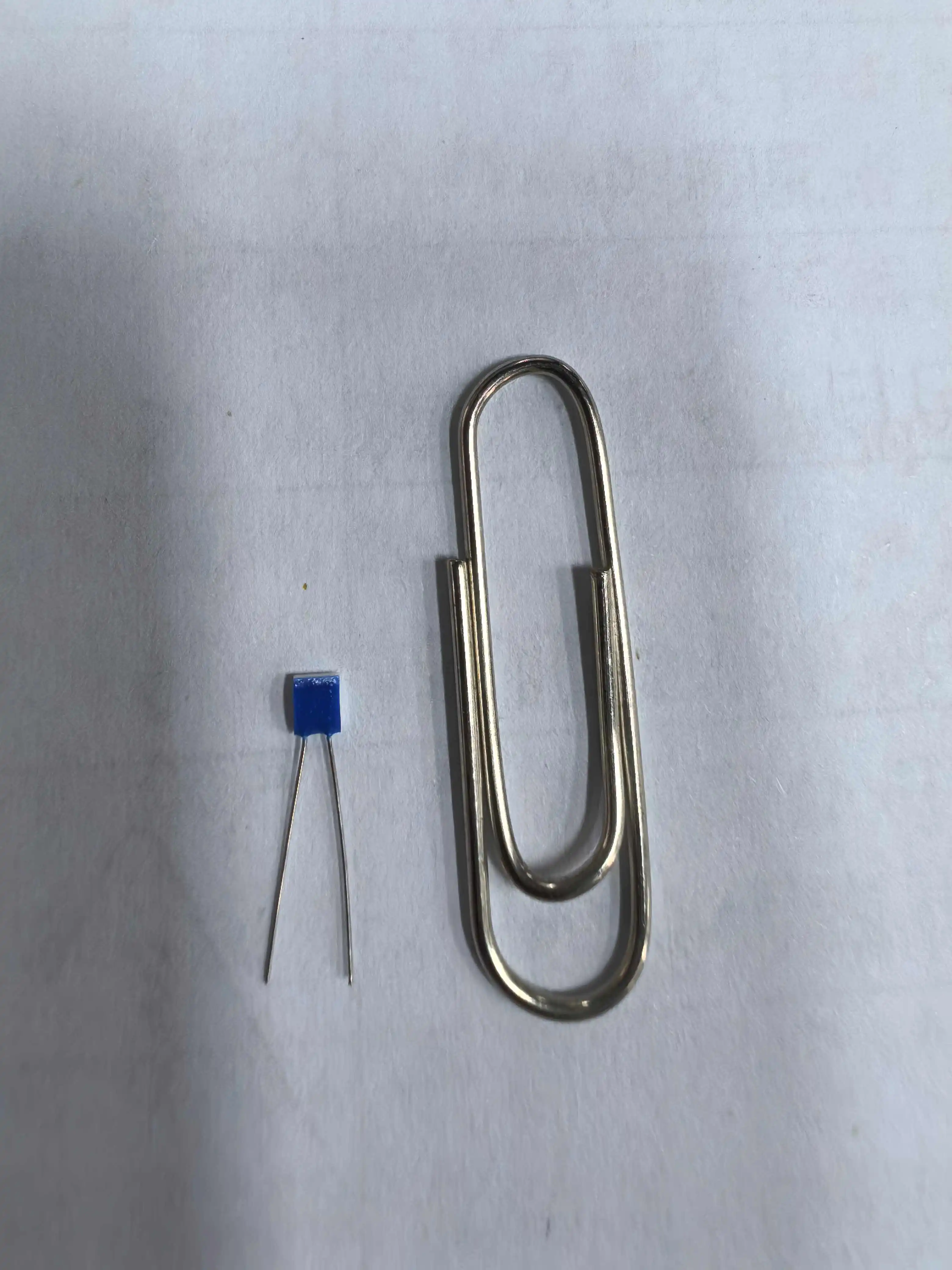
The accuracy of measurements and the life of sensors are both greatly affected by how well they are installed. For example, a room temperature sensor must be placed correctly to ensure reliable readings. Common problems that hurt HVAC function can be avoided by following organized steps. Proper installation minimizes errors and maximizes the sensor’s performance, ensuring long-term efficiency.
Pre-Installation Planning and Site Assessment
Before buying sensors, look at the mounting area. Find sources of heat, like light fixtures, office supplies, or windows, that could change results by letting solar heat pass through them. Figure out the patterns of airflow—stagnant air spots give wrong temperature readings, and fast-moving air streams lead to mistakes in convective cooling. Check the materials that will be used for fixing because drywall doesn't conduct heat as well as metal screws do.
Check to see if the electrical equipment can handle wired sensors and if there are any conduits available. Keep track of where the sensors are now and any performance problems that have happened in the past to help you make better placing decisions. If you make installation plans ahead of time that show where the sensors will go, how the wires will be routed, and how the network is set up, you can avoid confusion and extra work in the field.
Optimal Sensor Placement Strategies
Place sensors in the breathing zone, which is about 1.5 meters above the floor and where temperatures show how comfortable people are. Avoid putting outer walls in places where they will experience thermal bridging from the weather. Keep supply air diffusers and return grilles at least 1 meter apart to avoid short-cycling. Keep sensors away from windows that let full sunlight in, as this heats the sensors and makes the values several degrees higher than the real air temperature.
Spread out multiple sensors instead of counting on a single point of measurement in big open spaces. This is especially important in high-ceilinged areas where thermal stratification is happening. Locations in hallways often give accurate readings of zone temperatures without being affected by people's actions. To keep sensors from getting damaged by mistake, put them away from areas where people walk and where equipment often collides.
Wiring and Connection Procedures
To keep voltage drop or resistance mistakes from happening in analog signals, use wire gauges that were recommended by the maker. Electromagnetic interference from power lines close can be lessened with twisted pair or shielded wires. Keep a distance of at least 50 mm between yourself and high-voltage wires as required by the electrical code. Permanent labels should be used to clearly mark all wire terminations so that there is no service misunderstanding later on. For RTD sensors, use 3-wire or 4-wire designs that account for the resistance of the lead wire, especially when the cable run is longer than 10 meters.
Make sure the connections are tight enough by using the right amount of torque. Terminals that are too tight can damage sensor leads, and connections that are too open can cause intermittent problems. Put strain support on the wire to keep the stress from moving to sensitive parts. Before turning on circuits, check for continuity and insulation resistance. This way, installation mistakes can be found and fixed before they damage expensive equipment.
Routine Maintenance and Calibration Schedules
Set the time between calibrations based on the needs of the program and the rules set by the government. Most office buildings adjust their equipment every two years, but FDA-regulated drug companies have to do it once a year. Use dry-block calibrators or movable calibration baths that give you traceable reference temperatures. Record the calibration results, including the numbers as-found and as-left, so that you can use trend analysis to find slow drift.
In order to prevent measurement mistakes, sensor housings should be cleaned on a regular basis. During routine upkeep, check the ends of the wires for rust or looseness. Keep digital sensors' code up to date so they can work with new versions of BMS software. Instead of recalibrating units over and over again with worsening performance, replace sensors whose drift goes beyond what the maker recommends.
Market Overview and Procurement Tips for B2B Buyers
By understanding the supply chain, you can get reliable sensors at prices that are competitive and build relationships with companies you can trust.
Sourcing Channels and Supplier Types
OEM manufacturers, such as Tongzida, give customers direct access to technical knowledge and the ability to customize products for unique uses that need non-standard specifications. Distributors offer a wider range of products, so you can buy from a single source for multiple brands. This makes managing vendors easier. Online B2B sites make it easier to compare prices, but buyers need to be very sure that the sellers are trustworthy and that the products they sell are real.
Established sellers keep enough stock on hand so that projects don't get held up by stock-outs. When compared to buying directly from far away, regional agents offer faster warranty service and expert help. Look at the supplier's ISO 9001 quality systems and other industry-specific approvals to make sure that the quality of the products they make is always the same.
Evaluating Total Cost of Ownership
The purchase price is only a small part of the total cost. Think about the cost of work for installation—wireless sensors cut down on cable costs, which makes up for higher unit costs. For example, a room temperature sensor can reduce the need for extensive wiring, improving overall system efficiency. Figure out how much upkeep is needed over the expected service life, taking into account the cost of calibration and the supply of replacement parts. When sensor precision affects HVAC runtime, energy efficiency affects running costs.
There are a lot of different warranty terms. A three-year warranty gives you more safety than a normal one-year warranty. For more complicated installations, extended support deals that include expert help and firmware updates are worth the extra money. When you buy in bulk, you can get volume savings, but keeping too much inventory on hand wastes money and could make you obsolete as technology changes. Before placing a big order, ask for sample units to be tested in your particular environment as a pilot project.
Trusted Manufacturers and Product Lines
Established names have a history of being reliable and have been used in a wide range of situations. Honeywell sensors work perfectly with their own building control systems, so they can provide full ecosystem solutions. Precision sensing ICs made by Texas Instruments power a lot of OEM sensor goods. Sensirion makes digital sensors with strong ways to talk to each other. Bosch makes sensors for hard industrial settings that are made for use in cars. OMRON has a strong foothold in the Asian market and offers a wide range of sensors.
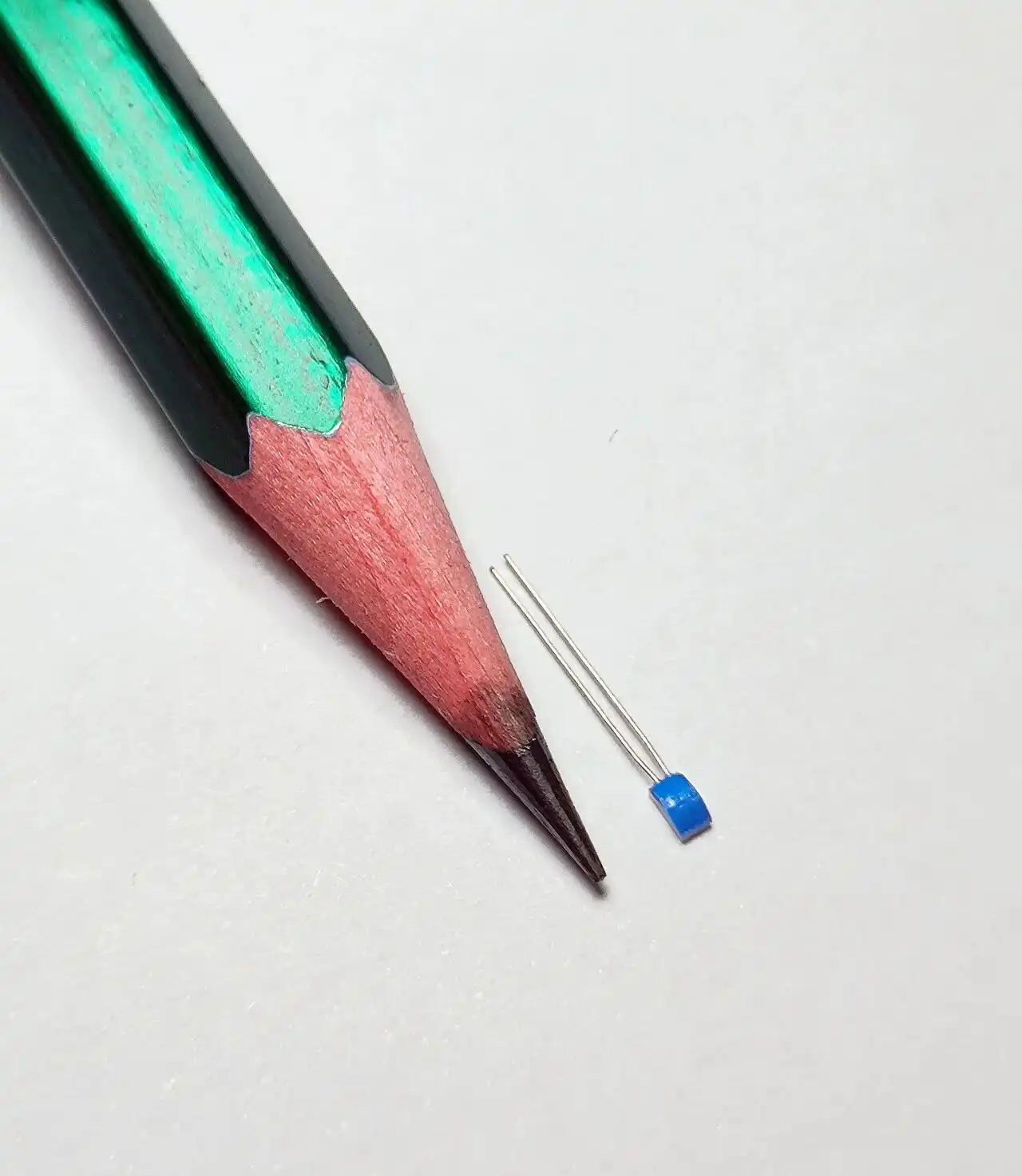
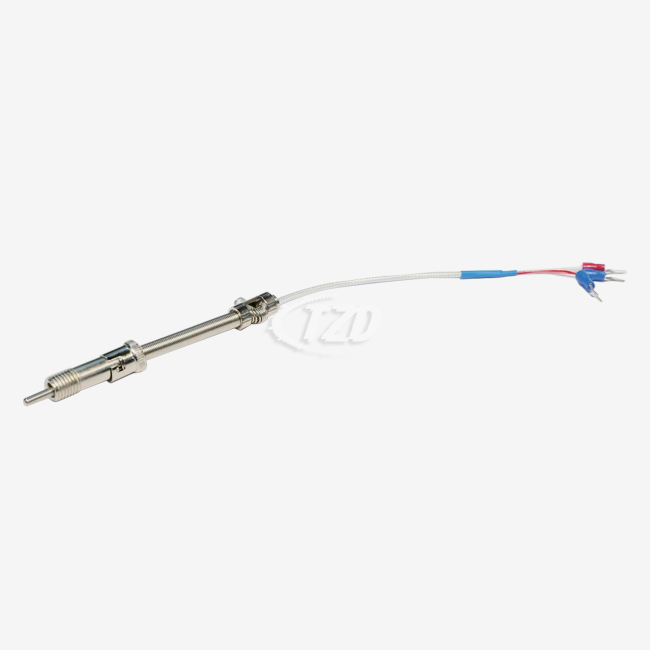
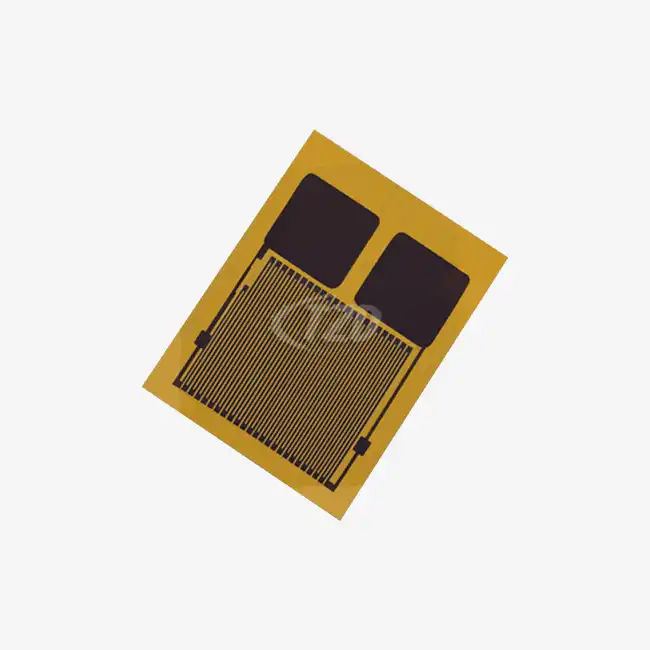
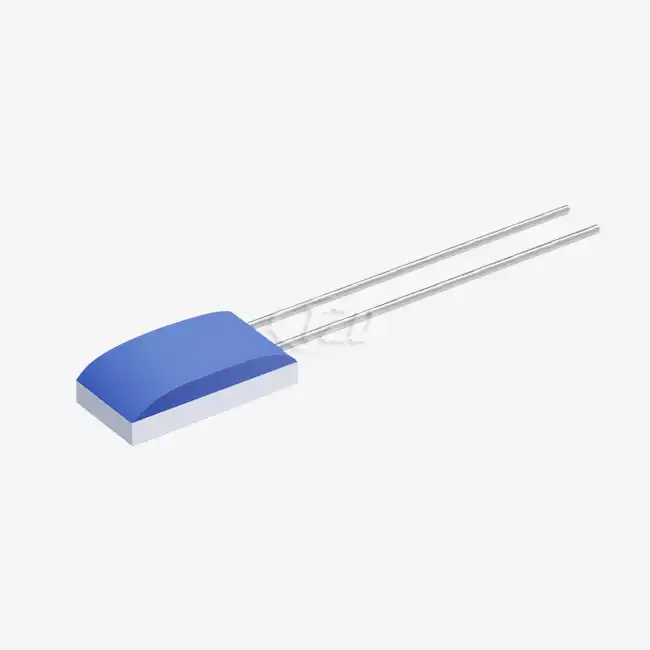
Tongzida is an expert in thin film platinum resistance elements and has advanced production skills. They can make sensors that meet IEC 60751 standards and are accurate to within ±0.01Ω and have long-term stability drift of less than 0.04%. Their automatic production lines can handle temperatures from -200°C to +850°C, and they can use lead materials that can be changed. They can also respond in just 0.05 seconds, which makes them perfect for high-performance uses.
How Room Temperature Sensors Enhance HVAC Energy Efficiency?
Accurately tracking temps cuts down on energy use and makes people more comfortable. Having this knowledge about the benefits makes buying good tracking technology a good idea.
Enabling Precise Climate Control
Temperature dead bands that cause too much heating or cooling can't happen with high-accuracy sensors. By reducing overshoot and hunting, a 0.3°C improvement in accuracy can cut HVAC delay by 8–12% in warm climates. Rapid reaction sensors quickly pick up changes in usage and heat loads, so systems can make changes before anyone gets uncomfortable. Distributed sensing is needed for zoned control methods because it gives accurate temperature readings in different parts of a building that are used in different ways. Pharmaceutical factories show this idea: to keep ±0.5°C limits in the production areas, they need sensors that are Class A accurate and have been shown to be stable. This keeps expensive batches from being rejected because of changes in temperature.
Facilitating Intelligent Load Balancing
When multiple sensors are used, predictive control methods can be used to make the best use of equipment setup. Building management systems look at the temperatures in different zones and send more air to areas that are busy while lessening service to areas that are empty. Variable air volume systems change the positions of the dampers based on feedback from sensors. This matches the airflow to the demand rather than static design assumptions.
Accurate temperature tracking is needed for night setback tactics to figure out the best times to start recovering, pre-cooling rooms before they are used without wasting energy on over-cooling. Intelligent sensing works well in data centers because watching temperatures at the rack level stops hot spots and lets the whole building stay warmer, which cuts cooling needs by 20–30% compared to methods that use uniform temperatures.
Long-Term Performance and Sustainability Benefits
Good sensors stay calibrated for longer, which lowers the cost of upkeep and the time that the system is down. Stable sensors stop the slow slip that causes systems to use more and more energy as they try to fix wrong results. Green building standards, such as LEED, give points to measurement and verification methods that use accurate temperature sensors. A 15% drop in HVAC energy use in a 10,000-square-meter office building saves about 50 metric tons of CO2 per year, which is why sensor-driven optimization is beneficial for reducing carbon footprint. When building managers use detailed sensor data to find inefficient equipment and bad control methods during testing, they can save enough energy to quickly recoup the costs of the sensors.

Conclusion
To choose the right HVAC temperature sensors, you have to weigh the technical specs, fitting issues, and long-term costs. For demanding uses, RTDs offer accuracy and steadiness, while thermistors are a cost-effective way to control normal comfort. Room temperature sensor solutions, for example, can provide reliable readings in indoor environments where precise climate control is needed. Digital sensors allow for more advanced networking, but in many setups, analog outputs are still stable.
Sensors give accurate data for the duration of their useful lives if they are placed correctly and maintained regularly. Working with well-known makers gives you access to engineering help and quality control tools that help your system work well for a long time. Accurate temperature control saves energy, so it's worth spending money on professional-grade sensors that stay calibrated and work reliably for years of constant use.

FAQ
Q1: What accuracy do I need for commercial HVAC applications?
A: Standard comfort cooling systems work well with sensors that are accurate to within 0.5°C and meet Class B standards. In dangerous places like labs, data centers, and drug factories, Class A sensors with a ±0.15°C limit at 0°C are needed. It costs more to get higher accuracy, but it keeps you in line with regulations in controlled settings and stops energy waste from big changes in temperature.
Q2: How do I prevent false readings from external heat sources?
A: Place the sensors away from direct sunlight, light sources, and things that make heat. Use housings with vents to keep air between the sensor elements and the fixing surfaces. This will stop heat from moving through conductors. Place sensors in airflow-representative paths instead of still corners. Backplates that are thermally protected keep sensors from being affected by changes in the wall temperature. This is especially important for walls that are outside.
Q3: What's the difference between 2-wire, 3-wire, and 4-wire RTD configurations?
A: Two-wire RTDs measure lead resistance, which can go wrong on long cable runs. Balanced circuits in three-wire setups make up for the resistance of the leads, and they are good for most applications that are less than 100 meters. Separate current and voltage routes in four-wire RTDs get rid of all lead resistance, which is needed for very precise uses or very long cable runs. It costs more to add more wires, but they are more accurate.
Q4: Can wireless sensors match wired sensor reliability?
A: With the right network setup, modern wireless sensors that use industrial protocols can reliably send messages 99.9% of the time. Depending on the regularity of communication and the temperature of the area, the battery can last anywhere from three to seven years. Wireless solutions work well for retrofitting or short-term setups, but mission-critical systems usually choose wired sensors because they don't need to be replaced as often and can't have connection problems.
Partner with Tongzida for Your Temperature Sensing Needs
To get accurate temperature control, you must first choose sensors that are reliable and are made by companies with a history of doing well. Tongzida is an expert in advanced thin film temperature sensor technology, and its goods meet the most stringent needs of businesses and industries. Our automatic production lines make platinum resistance elements that meet IEC 60751 standards. These elements are accurate to within ±0.01Ω and very stable over time, with drift below 0.04%. We offer different mounting choices, temperature ranges from -200°C to +850°C, and response times of up to 0.05 seconds that are perfect for dynamic HVAC uses.
As a well-known room temperature sensor manufacturer, we welcome OEM relationships and direct purchases, and we offer full expert support for both. Our ROSH-compliant and ISO 9001-certified quality systems make sure that all of our products work the same way from one production batch to the next. Check out all of our sensors and talk to our engineering team about your unique project needs at sales11@xatzd.com.
References
1. American Society of Heating, Refrigerating and Air-Conditioning Engineers. ASHRAE Handbook: Fundamentals, 2021 Edition. Atlanta: ASHRAE, 2021.
2. International Electrotechnical Commission. IEC 60751: Industrial Platinum Resistance Thermometers and Platinum Temperature Sensors, 3rd Edition. Geneva: IEC, 2008.
3. U.S. Department of Energy. Advanced Sensors and Controls for Building Applications: Market Assessment and Potential R&D Pathways. Washington: DOE Office of Energy Efficiency and Renewable Energy, 2020.
4. Building Performance Institute Europe. Energy Performance in Buildings: Temperature Control and Sensor Technology. Brussels: BPIE Technical Report, 2022.
5. National Institute of Standards and Technology. Temperature Sensor Calibration: Guidelines for Industrial Applications, NIST Special Publication 250-81. Gaithersburg: NIST, 2019.
6. International Society of Automation. ISA-75.25.01: Test Procedure for Control Valve Response Measurement from Step Inputs. Research Triangle Park: ISA Standards and Practices, 2018.
Learn about our latest products and discounts through SMS or email