- English
- French
- German
- Portuguese
- Spanish
- Russian
- Japanese
- Korean
- Arabic
- Greek
- German
- Turkish
- Italian
- Danish
- Romanian
- Indonesian
- Czech
- Afrikaans
- Swedish
- Polish
- Basque
- Catalan
- Esperanto
- Hindi
- Lao
- Albanian
- Amharic
- Armenian
- Azerbaijani
- Belarusian
- Bengali
- Bosnian
- Bulgarian
- Cebuano
- Chichewa
- Corsican
- Croatian
- Dutch
- Estonian
- Filipino
- Finnish
- Frisian
- Galician
- Georgian
- Gujarati
- Haitian
- Hausa
- Hawaiian
- Hebrew
- Hmong
- Hungarian
- Icelandic
- Igbo
- Javanese
- Kannada
- Kazakh
- Khmer
- Kurdish
- Kyrgyz
- Latin
- Latvian
- Lithuanian
- Luxembou..
- Macedonian
- Malagasy
- Malay
- Malayalam
- Maltese
- Maori
- Marathi
- Mongolian
- Burmese
- Nepali
- Norwegian
- Pashto
- Persian
- Punjabi
- Serbian
- Sesotho
- Sinhala
- Slovak
- Slovenian
- Somali
- Samoan
- Scots Gaelic
- Shona
- Sindhi
- Sundanese
- Swahili
- Tajik
- Tamil
- Telugu
- Thai
- Ukrainian
- Urdu
- Uzbek
- Vietnamese
- Welsh
- Xhosa
- Yiddish
- Yoruba
- Zulu
How to Replace a Failed Pipeline Pt1000 Sensor in 5 Minutes
You don't have to stop everything for hours to replace a pipeline temperature sensor that isn't working. A methodical approach lets repair teams get accurate temperature tracking back up and running in about five minutes when working with an Industrial Threaded Pt1000 Pipeline Sensor. This fast replacement method keeps measurements accurate across key transportation systems while minimizing production stops. If you know the right way to remove things, how much torque to use, and how to connect electrical parts, you can turn what seems like a hard job into a simple repair procedure that keeps your industrial processes running smoothly.
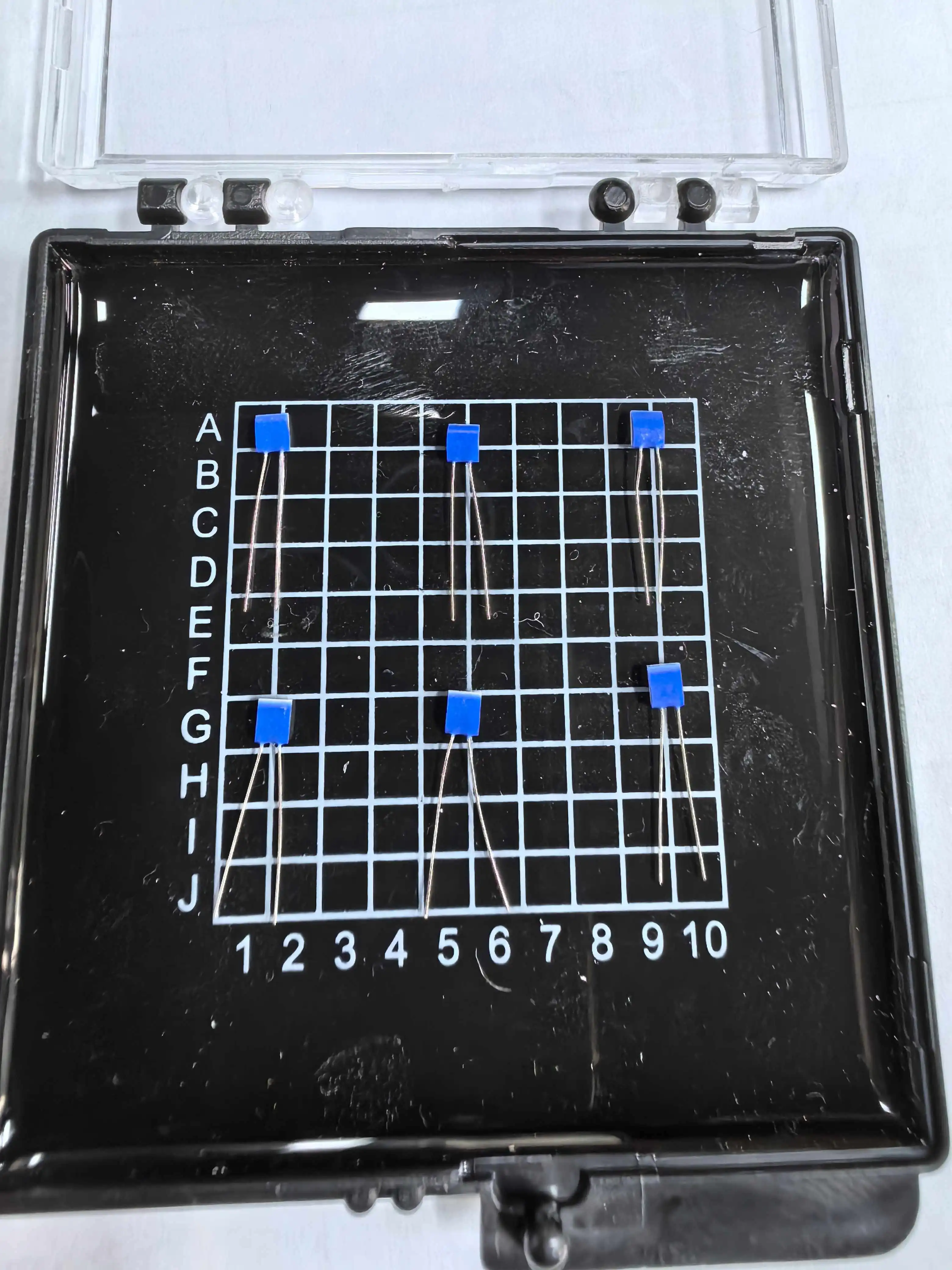
Introduction
Monitoring the temperature in industrial pipelines is a must in the robots, car electronics, process automation, and medical equipment making industries. The Pt100 and Pt1000 sensors are the most important parts of this tracking system. They provide accurate readings that keep the quality of the products and workers safe. When these sensors fail without warning, it costs more than just to replace them. There are also delays in production, rejected batches, and increased safety risks.
This guide is for hardware engineers, technical leads, procurement managers, and quality assurance teams who need to know how to change sensors and do it right away. We know that price isn't the only thing that affects your buying choices. You also care about performance efficiency, supply chain stability, and the availability of expert help. The five-minute replacement method described here strikes a good mix between speed and accuracy, making sure that your applications have as little downtime as possible while still getting the measurements they need.
The ideas in this article can be used for sensors in self-driving cars, machine vision tools, or the production of medical devices. They work in all temperature ranges, from very cold to very hot. We've set up this material so that it can help with both urgent problems and long-term planning for strategic procurement and supplier partnerships.
Understanding Pipeline Pt100 Sensors and Common Failure Causes
Working Principles and Industrial Applications
Resistance Temperature Detectors operate on a simple principle: the electrical resistance of platinum changes predictably with temperature. An Industrial Threaded Pt1000 Pipeline Sensor has a resistance of 1000 ohms at 0°C, while a Pt100 sensor registers 100 ohms at the same point. This tenfold resistance difference significantly impacts cable length capability and signal noise rejection—both critical in industrial installations spanning hundreds of meters.
Threaded sensor designs dominate pipeline applications, offering secure mechanical connection via standard NPT or metric threads. Their straightforward installation enables field technicians to perform replacements without specialized welding equipment or pipeline modification. Temperature measurement ranges typically span from -200°C for pharmaceutical cryogenic storage to +850°C for industrial burner exhaust monitoring.
Mechanical and Environmental Failure Modes
Sensor problems almost never happen without any signs. Too much vibration in pump setups puts stress on the wires at the end connections, which wears them down over time and raises the contact resistance until the circuit breaks completely. Exposure to corrosive chemicals breaks down protection sheaths, letting water in that causes shorts or open circuits that happen from time to time. Temperature reports that are all over the place cause process control systems to get confused.
Thermal cycling speeds up calibration drift, especially in situations where the system starts up and shuts down a lot. The metal sheath and the platinum element's protected ceramic base expand and contract at different rates. This causes tiny stress cracks to form. Over months or years, this drift causes readings to fall outside of the allowed ranges set by IEC 60751 Class A or Class AA standards.
Impact on Production and Quality Systems
Errors in measuring temperature have effects on production systems that are far from where the monitor is located. In testing parts for self-driving cars, a sensor that moves around could wrongly confirm temperature management systems, which could cause them to fail in harsh weather. Sterilization processes for medical equipment depend on exact temperature profiles. If the sensor isn't accurate, patient safety could be at risk and regulations could be broken.
Process automation systems don't always have sophisticated health tracking for sensors, so operations go on with measures that are getting worse until catastrophic breakdowns happen. This reactive method costs a lot more than planned repair times. By noticing trends in failures, procurement teams can set up predictive replacement plans that keep planned downtime from happening and make the best use of extra parts inventory.
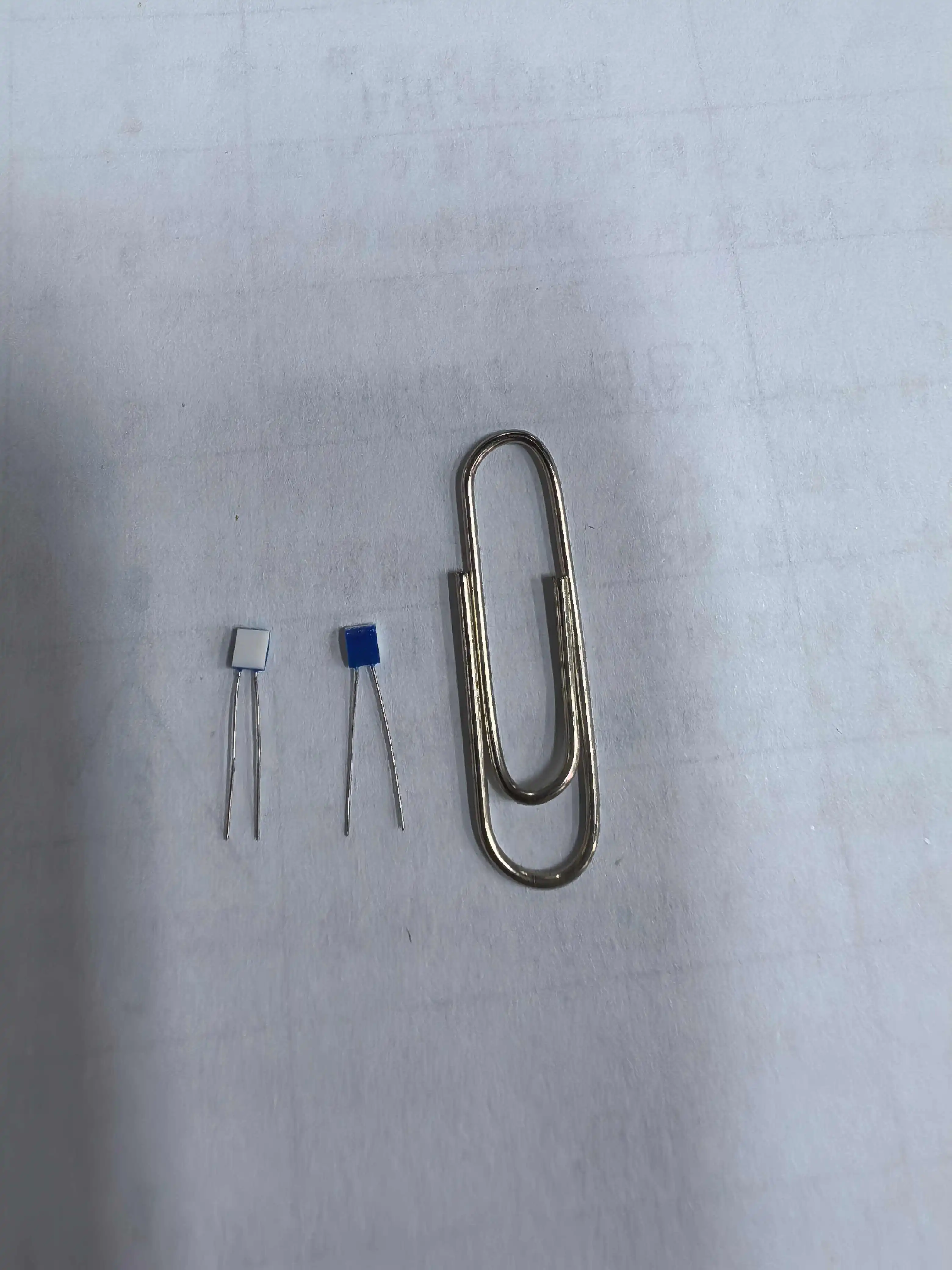
Step-by-Step Replacement Process for Threaded RTD Sensors
Safety Protocols and Preparation
To replace an Industrial Threaded Pt1000 Pipeline Sensor, first isolate the pipeline section. Verify that gauges properly indicate zero pressure and that temperature has dropped below 50°C for safe handling. Lockout-tagout procedures prevent accidental system energization during maintenance. Gather the replacement sensor, calibrated torque wrench, thread sealant appropriate for your process fluid, wire strippers, and a digital multimeter for continuity verification.
Photograph the existing sensor's wiring configuration before disconnecting. This simple step prevents connection errors that waste troubleshooting time. Document wire colors, terminal assignments, and any shielding arrangements used for noise rejection in electrically noisy environments. Confirm that the replacement sensor matches not only the resistance specification but also probe length, thread size, and temperature rating.
Removal of the Failed Sensor
If the sensor has been in place for a long time, use penetrating oil around the threaded link. Let the oil move into the thread gaps for five minutes. This will lower the power needed for removal and keep the threads from galling. Use the right-sized wrench on the hexagonal fitting. Do not hold on to the sensor body or transmitter case, as they are not strong enough to handle the torque needed to remove them.
Use steady pressure instead of impact force to turn backward. If something hits the thermowell or pipeline threads quickly, it could damage them, turning an easy sensor replacement into a difficult pipe fix. As you take the sensor out of its place, look for any thread damage, gasket wear, or dirt buildup that could affect the seal quality of the new installation. A wire brush and compressed air can be used to clean the threads very well.
Installation of the Replacement Sensor
Cover the male threads with a thin, even layer of the right thread sealer. Do not cover the first two threads, as this will keep the sealant from being pushed into the pipeline during installation. Hand-thread the new sensor until the resistance goes up, making sure that the orientation stops the threads from crossing. This step of hand-tightening keeps precision threads from getting damaged, which could lead to leaks in the future.
Tighten the sensor to the manufacturer's specifications, which are usually between 30 and 50 Newton-meters, using the measured torque wrench. The exact numbers rely on the thread size and material combination. Too much torque crushes sealing surfaces and creates stress clusters that speed up failure; not enough torque lets vibrations cause loosening and leaks to form. Reconnect the wires according to the setup that was written down, making sure that the terminal screws make good contact without being too tight, which can damage the wire strands.
Verification and System Integration
Before turning the measurement circuit back on, use the digital voltmeter to check the resistance at the sensor contacts. Compare this reading to the number that you would expect from normal resistance-temperature tables when the temperature is room temperature. If there are big differences, it means there are issues with the connections, the sensors were damaged during installation, or the new part wasn't properly described. Slowly raise the pressure in the pipeline while keeping an eye out for leaks around the threaded connection.
Check the temperature number against other sensors nearby or portable tools that have been calibrated. A lot of modern distributed control systems have sensor readings that show when lead resistance or measurement noise patterns aren't normal. Check these diagnostic settings to make sure that the new sensor works within the expected electrical range. Write down the date of installation and the serial number of the new sensor in the maintenance logs so that future quality checks can find the originals.
Comparing Pt100 and Pt1000 Sensors for Pipeline Applications
Resistance Characteristics and Measurement Accuracy
The primary distinction between sensor types lies in their nominal resistance values. An Industrial Threaded Pt1000 Pipeline Sensor exhibits 1000 ohms at 0°C, providing a signal change of approximately 3.85 ohms per degree Celsius—ten times the signal magnitude of Pt100 sensors. This amplified signal reduces the percentage error contribution from lead wire resistance, enabling accurate two-wire configurations in applications where three-wire or four-wire installations prove impractical.
Measurement precision scales proportionally with signal intensity. When interfaced with 16-bit analog-to-digital converters—common in industrial control systems—Pt1000 sensors achieve resolutions better than 0.01°C without requiring expensive signal conditioning amplifiers. This accuracy level proves essential in pharmaceutical and electronics manufacturing, where product yield depends on maintaining temperatures within tight tolerances.
Installation Configuration Advantages
Threaded sensor designs work great for retrofitting and places where the sensor needs to be taken out every so often for cleaning or checking. The standard thread engagement ensures constant seal compression and thermal contact, which helps make measures more accurate over many installation rounds. Thread sizes from 1/4-inch NPT to M16 can fit a range of pipeline widths and pressure levels.
Flange-mounted options are better at stopping vibrations in fluid systems with high speeds, but they need to be soldered into thermowells, which raises the cost of setup and makes it harder to change sensors in the future. Whether you choose one setup over another relies on whether you need maximum mechanical stability or installation freedom. As required by ASTM E1137 testing procedures, flange fitting is needed in places where vibrations are constant and higher than 40g. This is true even though it is harder to maintain.
Environmental Durability Considerations
Ratings that say something is waterproof keep sensor electronics from getting wet in wet process areas or outside setups that are open to the weather. Enclosures with an IP68 rating can handle being submerged for a short time, while IP67 protection is enough for splashes. When measuring superheated steam or furnace exhaust gases, high-temperature versions use ceramic insulation and special platinum wire bonding methods that keep the measurements stable.
Chemical compatibility goes beyond the material that covers the sensor and includes terminal seals, wire jackets, and transmission housings. If you choose the wrong materials for acidic process fluids, the sensor will fail early, no matter how well it works electrically. Material compatibility charts from companies like Tongzida show how resistant a sensor is to common industrial chemicals across a range of concentrations and temperatures. This helps design decisions that make the sensor last as long as possible.
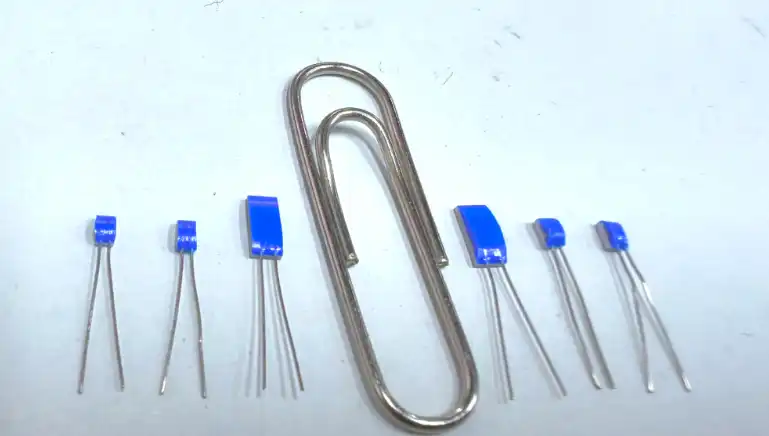
Choosing the Right Industrial Pt1000 Pipeline Sensor: Procurement Strategy
Manufacturer Selection and Quality Certifications
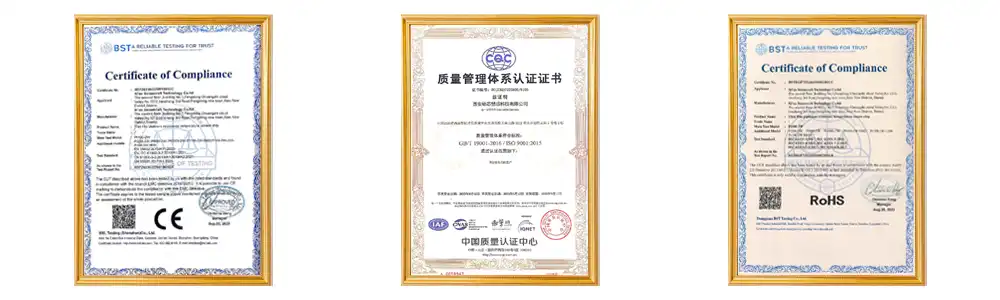
When buying sensors, it's not enough just to compare specification sheets; you also have to look at how well the seller can meet your long-term output needs. Maintaining ISO 9001 quality management systems is a disciplined way for manufacturers to make sure that their products work the same way across all production lots. ROHS and CE approvals show that the equipment meets the safety and environmental rules that apply to products sold around the world.
Companies like Honeywell and Emerson have a lot of application knowledge and a wide range of products to meet the needs of many industries. However, their price structures are built on volume, which might not work with the small-batch testing needs of new product development. When it comes to OEM qualification processes, which take a long time to complete, regional suppliers often offer more customizable choices and quick expert help.
Customization and Technical Support Requirements
Standard stock Industrial Threaded Pt1000 Pipeline Sensor configurations satisfy common application requirements, but optimal performance may demand customized lead lengths, specialized lead wire materials, or application-specific calibration certifications. Field Application Engineer support from suppliers accelerates integration challenges, particularly when interfacing sensors with proprietary measurement electronics. This technical collaboration proves invaluable during the months-to-years validation phases preceding volume procurement.
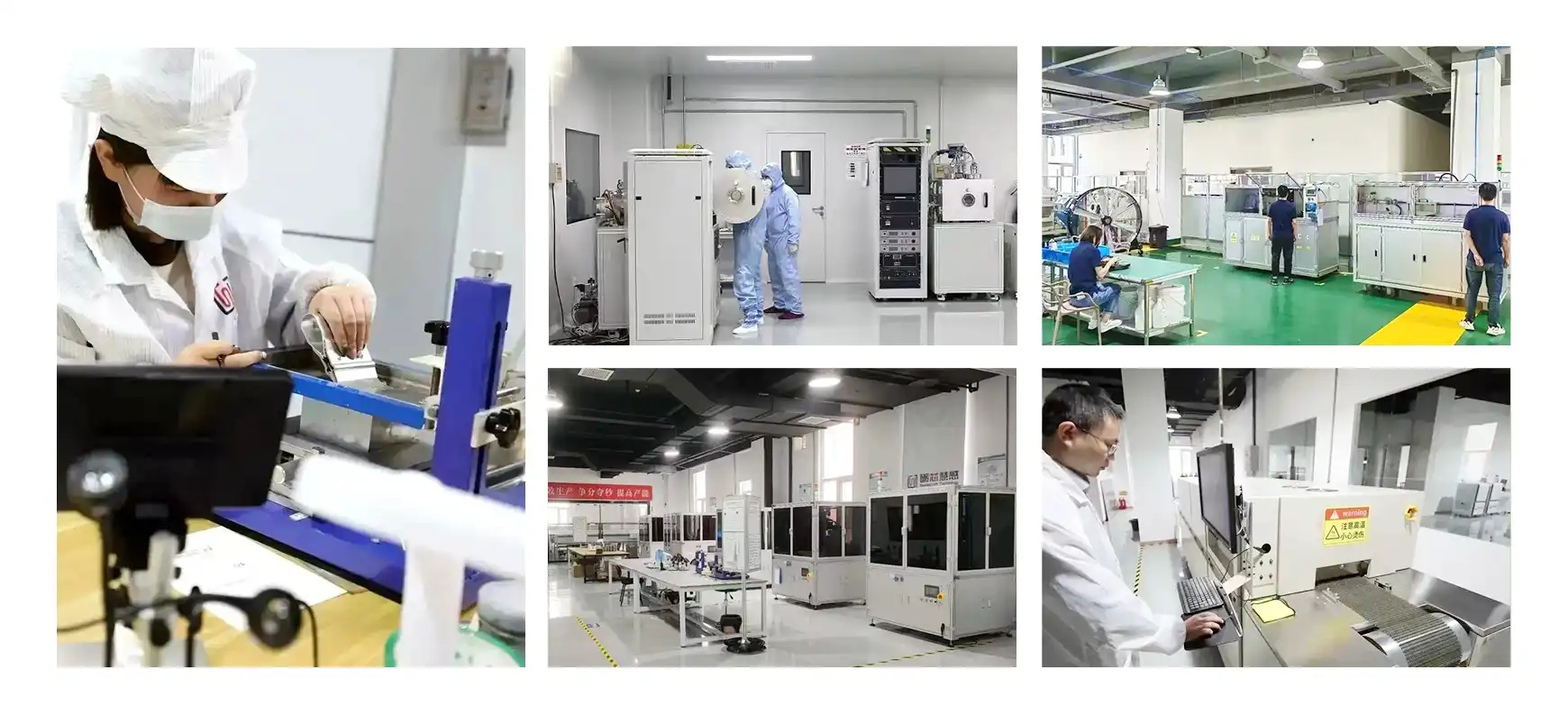
Xi'an Tongzida Technology exemplifies full vertical integration—manufacturing thin-film platinum chips through final sensor assembly. Their automated production lines, spanning room temperature to cryogenic ranges, maintain quality consistency across diverse applications. Thin-film platinum resistor technology achieves accuracy levels reaching ±0.01Ω (1/30B class) with long-term stability drift ≤0.04%—performance metrics meeting demanding automotive electronics and medical device specifications.
Cost-Effectiveness and Supply Chain Stability
When figuring out the total cost of ownership, you have to take into account more than just the unit price. In precise manufacturing, where temperature differences of 0.1°C can lead to batch rejects that cost thousands of dollars, sensor accuracy has a direct effect on product yield. Durability affects how often things need to be replaced and how much it costs to do the upkeep. Financial safety against early fails is provided by warranty terms that show the manufacturer's faith in the product's dependability.
Supply chain consistency is very important for OEM uses where sensors stopping production in the middle of a run would require expensive requalification of other sources. Stable production planning is possible when manufacturers show that parts will be available for many years of a product's existence. Bulk purchasing deals with planned delivery releases balance the costs of keeping inventory against the savings that come from buying in bulk. This makes the best use of working capital while still making sure that production needs are met with the right parts.
Troubleshooting and Calibration of Pipeline Temperature Sensors
Common Electrical and Connection Issues
Sensor readings that come and go are usually caused by loose wire connections instead of a broken sensor element. Screws slowly come loose because of vibration, which raises contact resistance and shows up as shaky readings. By checking the terminal torque during regular maintenance times, this problem can be fixed before it gets so bad that the sensor has to be replaced. When wire ends are properly crimped, the compression forces are spread out evenly, making the links stable over time.
Signal noise, which shows up as quick changes on top of the real temperature signal, usually comes from electromagnetic radiation coupling into sensor lines that aren't protected. This problem can be fixed by keeping sensor wires away from motor drives, variable frequency drives, and power lines. If physical separation isn't possible, common-mode noise can be blocked well with shielded twisted-pair wire and proper grounding at the measurement tool end.
Calibration Procedures and Intervals
Calibration testing checks the accuracy of the sensor against known standards that can be tracked without taking the gadget out of service. On-site validation is possible by comparing sensor readings to steady standard temperatures that are made by portable temperature calibrators. Deviations that are bigger than the sensor's accuracy class standard mean that there is drift, which means that the sensor needs to be replaced or re-calibrated in a lab.
Calibration intervals depend on how serious the application is and what the rules say. Medical equipment usually needs to be checked once a year, but tracking of industrial processes may go back 24 or 36 months based on data from past drift. Recording patterns in calibration data shows that sensors are getting close to their limits before they affect the quality of the product. This helps with predictive maintenance strategies that figure out the best time to replace them.
Maintenance Best Practices for Extended Service Life
Unexpected fails during important production runs can be avoided by doing regular checks that find early signs of wear and tear. A visual inspection shows any rust, mechanical damage, or loss of wire insulation that needs to be fixed right away. Electrical tests that measure the resistance of the lead and the insulation to ground find flaws before they cause measurement mistakes.
By avoiding common placement mistakes, you can make sensors last a lot longer. Do not go deeper than the maximum insertion depth rate. Doing so will subject the sensor to temperatures or pressures that are higher than what was intended. Use enclosures that are approved for the building area to keep electrical lines dry. Using the right anti-seize chemicals during installation makes it easier to remove the thermowell later without damaging the threads. This lowers the lifecycle costs by allowing the thermowell to be used more than once.
Conclusion
Efficient sensor replacement for an Industrial Threaded Pt1000 Pipeline Sensor balances speed with accuracy—maintaining production uptime while ensuring measurement integrity. The five-minute replacement protocol described here depends on being well-prepared, choosing the right tools, and following a set of steps for checking that common mistakes are not made. Understanding the differences in performance between the Pt100 and Pt1000 sensors lets you make smart upgrades that improve reliability over the long term.
Strategic buying looks at more than just the original price. It also looks at how well the provider can support technical issues, how flexible they are with adaptation, and how stable the supply chain is. When it comes to OEM uses and precise manufacturing, where sensor performance has a direct effect on product quality, these factors become even more important. Setting up structured calibration and repair plans for sensors extends their useful life and guarantees accurate measurements over time, which supports operating excellence.
FAQ
Q1: How can you identify Pt100 sensor failure signs before complete breakdown?
A: Early signs of failure include measurements slowly moving away from nearby sensors that are also tracking the same process, signal noise levels rising, and link problems that cause readings to be lost for short periods of time. Drift can be found before it affects the quality of the result through regular adjustment checks.
Q2: Can you substitute Pt100 with Pt1000 sensors in existing pipeline systems?
A: For direct replacement to work, the measuring tools must be compatible and able to handle the different resistance bands. Through configuration settings, many modern receivers can work with both types of sensors. This makes updates easy. Make sure that the input units of your control system can handle the 1000-ohm baseline resistance, and change the scale settings to match the Pt1000 temperature coefficient.
Q3: What are typical lead times and bulk order options for industrial threaded Pt1000 sensors?
A: Standard setup sensors usually ship within two to three weeks. However, if you need unique modifications, the wait time could be up to six to eight weeks. With blanket purchase orders, scheduled releases, and bulk purchasing deals, you can better control your goods and get better prices by buying in bulk. Manufacturers like Tongzida offer OEM customization programs that meet the needs of specific applications and offer specialized technical help during the qualification and production stages.
Partner with Tongzida: Your Industrial Threaded Pt1000 Pipeline Sensor Supplier
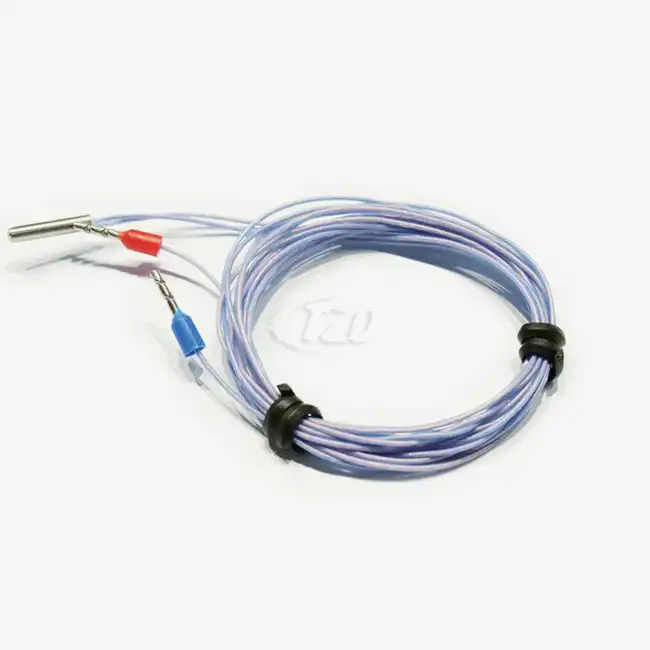
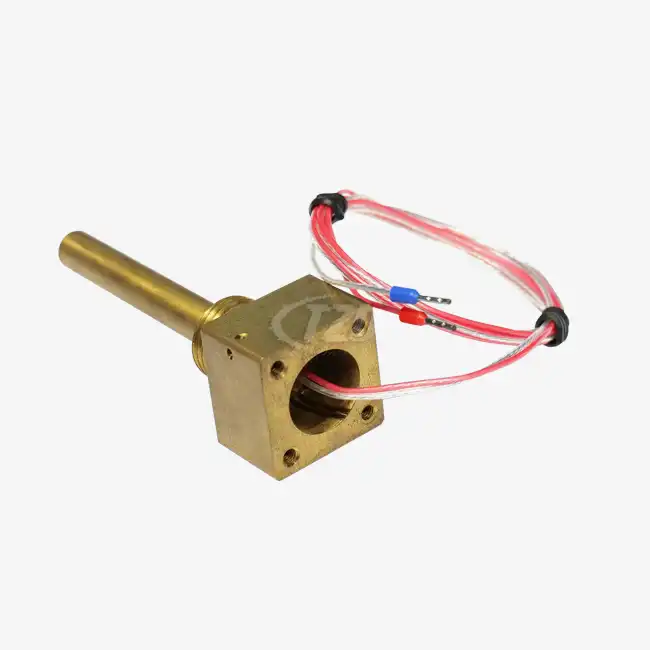
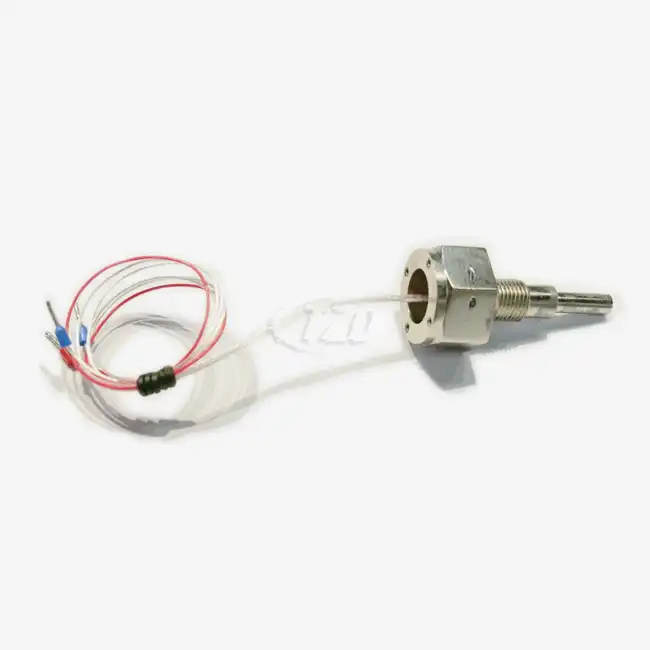
Picking the right temperature sensor provider will affect the efficiency of your production for years after you buy the sensors. Tongzida has a wide range of skills, including designing thin-film platinum chips, making sensors automatically, and following strict testing procedures that ensure quality that meets international IEC 60751 standards. Our range of temperature sensors can be used in harsh conditions ranging from -200°C to +850°C, and their accuracy can reach ±0.01Ω. They meet the strict needs of industries like car electronics, medical devices, and industrial automation.
We know that when you make a purchase choice based on technology, you need more than just catalog specs. You need quick technical help, the ability to make changes, and the reliability of the supply chain. During the whole validation process, our Field Application Engineers work with you to make changes to the dimensions, create custom lead wire setups, and create custom calibration certificates that speed up the approval process. Our Industrial Threaded Pt1000 Pipeline Sensor options can be tailored to your needs, whether you're working on next-generation self-driving cars or making the manufacturing of medicines more efficient.
Contact our team at sales11@xatzd.com to discuss your temperature tracking needs and get expert advice that is specific to your situation. Find out how Tongzida's experience in making sensors can give your important applications the performance reliability and supply chain relationship they need. Visit tosidasensor.com to see all of our products and ask for full specs that will help you make a decision about which ones to buy.
References
1. IEC 60751:2022, Industrial Platinum Resistance Thermometers and Platinum Temperature Sensors, International Electrotechnical Commission, Geneva, Switzerland.
2. ASTM E1137/E1137M-20, Standard Specification for Industrial Platinum Resistance Thermometers, ASTM International, West Conshohocken, PA.
3. Liptak, B.G., Temperature Measurement in Industrial Process Control: A Practical Guide to RTD and Thermocouple Selection and Installation, CRC Press, Boca Raton, FL, 2022.
4. Bentley, R.E., Handbook of Temperature Measurement Volume 3: The Theory and Practice of Thermoelectric Thermometry, Springer Science & Business Media, Singapore, 2021.
5. Nicholas, J.V. and White, D.R., Traceable Temperatures: An Introduction to Temperature Measurement and Calibration, Second Edition, John Wiley & Sons, Chichester, UK, 2021.
6. Childs, P.R.N., Practical Temperature Measurement in Industrial Applications: Sensor Selection, Installation, and Calibration Techniques, Butterworth-Heinemann, Oxford, UK, 2023.
Learn about our latest products and discounts through SMS or email