- English
- French
- German
- Portuguese
- Spanish
- Russian
- Japanese
- Korean
- Arabic
- Greek
- German
- Turkish
- Italian
- Danish
- Romanian
- Indonesian
- Czech
- Afrikaans
- Swedish
- Polish
- Basque
- Catalan
- Esperanto
- Hindi
- Lao
- Albanian
- Amharic
- Armenian
- Azerbaijani
- Belarusian
- Bengali
- Bosnian
- Bulgarian
- Cebuano
- Chichewa
- Corsican
- Croatian
- Dutch
- Estonian
- Filipino
- Finnish
- Frisian
- Galician
- Georgian
- Gujarati
- Haitian
- Hausa
- Hawaiian
- Hebrew
- Hmong
- Hungarian
- Icelandic
- Igbo
- Javanese
- Kannada
- Kazakh
- Khmer
- Kurdish
- Kyrgyz
- Latin
- Latvian
- Lithuanian
- Luxembou..
- Macedonian
- Malagasy
- Malay
- Malayalam
- Maltese
- Maori
- Marathi
- Mongolian
- Burmese
- Nepali
- Norwegian
- Pashto
- Persian
- Punjabi
- Serbian
- Sesotho
- Sinhala
- Slovak
- Slovenian
- Somali
- Samoan
- Scots Gaelic
- Shona
- Sindhi
- Sundanese
- Swahili
- Tajik
- Tamil
- Telugu
- Thai
- Ukrainian
- Urdu
- Uzbek
- Vietnamese
- Welsh
- Xhosa
- Yiddish
- Yoruba
- Zulu
Key Regulations for Medical Flexible Temperature Sensors
Key rules for medical flexible temperature sensors make sure that patients are safe and that data is correct in all clinical situations. International standards like ISO 13485 and ISO 80601-2-56, which outline performance requirements and quality management guidelines, must be followed by a medical temp sensor used in healthcare. In the US, getting FDA approval means a lot of testing to make sure the product is accurate, safe for humans, and electrically safe. These rules protect patients when they need to be closely watched, like in newborn intensive care units or during surgery, where even small changes in temperature can have dangerous medical effects. Compliance protects not only the health of patients, but also makers' entry to the market and the safety of buying for OEMs and healthcare centers.
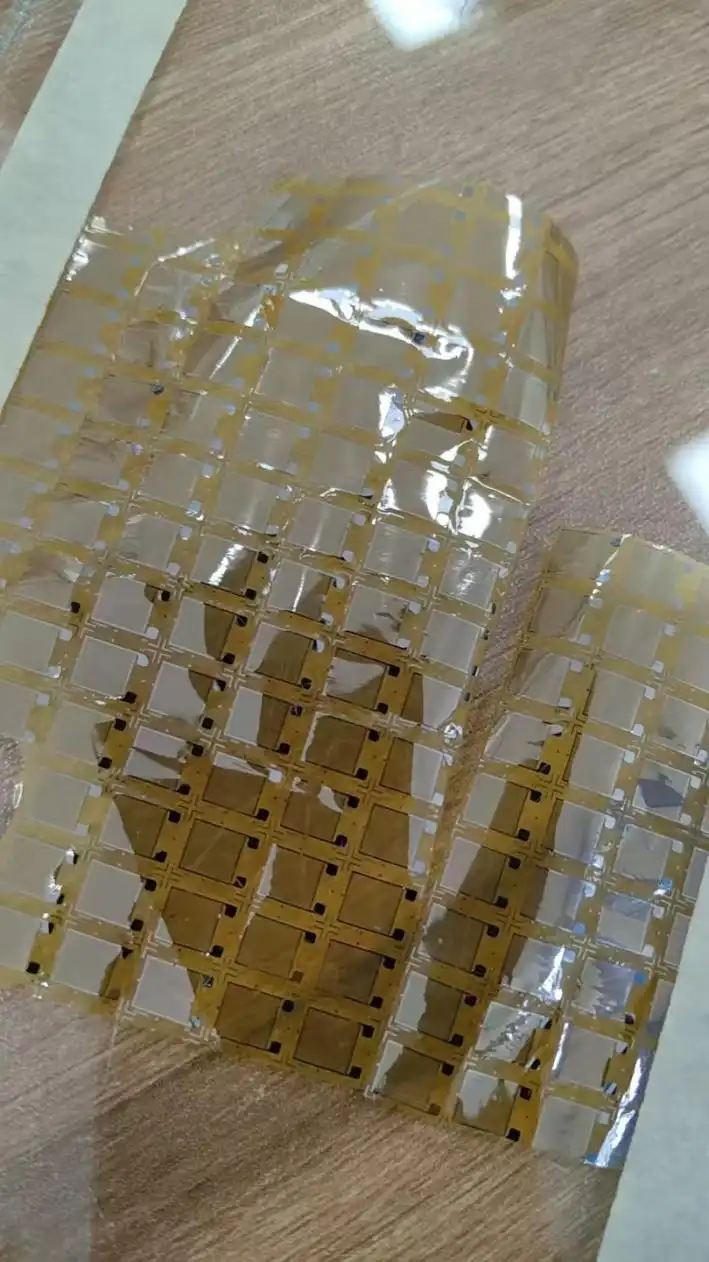
Overview of Medical Flexible Temperature Sensors and Regulatory Importance
Flexible medical temperature sensors are now an important part of modern healthcare settings. From urgent care units to operating rooms, these precise tools keep an eye on temperatures all the time, which has a direct effect on the decisions doctors make. In contrast to stiff industrial temperature detectors, flexible medical sensors can conform to the shape of a patient's body while still measuring accurately to within a few degrees.
Types and Clinical Applications
In healthcare, tracking temperature includes a number of different types of sensors that are made for specific tasks. During surgery, contact sensors connect directly to skin or nasal membranes and send real-time information to anesthesiologists. Infrared versions that don't require touching allow for quick screening in emergency rooms without the risk of cross-contamination. In high-throughput settings, disposable single-use sensors get rid of the need to worry about sterilization, while reuse probes are useful for long-term tracking in ICUs. Each design meets a different set of clinical needs while keeping accuracy, reaction time, and infection control rules in mind.
Regulatory Impact on Procurement Decisions
When procurement workers look at temperature sensing options, they need to know how the legal environment works. The level of compliance decides whether devices can legally enter target areas like the EU or the US. In addition to letting manufacturers get into new markets, following the rules shows that they are dedicated to quality control methods that make sure all of their production batches work the same way. Verified regulatory status cuts down on approval times and lowers legal risks for hardware engineers and technical leads who are in charge of integrating sensors. Certification paperwork helps quality teams speed up the approval process within the company. This makes regulatory credentials a useful gatekeeper in the seller qualification process.
Core Regulatory Standards Governing Medical Flexible Temperature Sensors
Medical temp sensors have to meet different but overlapping rules set by international and regional regulatory groups. To get around in this world, you need to know about both global standards and local laws that affect how products are made and how they are bought.
International Standards Framework
In ISO 80601-2-56, performance standards are set for clinical thermometers. These standards say that measurements must be accurate to within ±0.1°C across the physiological range. This standard talks about electrical safety both when things are working normally and when something goes wrong. It makes sure that sensors can handle the electromagnetic interference that is common in operating rooms with electrosurgical tools. In addition to these technical requirements, ISO 13485 requires quality control systems that keep track of where parts come from, how they were calibrated, and data from after the product has been sold.
Manufacturers that use ISO 13485 show that they handle risks in a systematic way throughout the lifespan of a product. This is an important thing for OEMs that want to build long-term supply partnerships to know. These guidelines make sure that everyone in the market knows what is expected of them, but local governments usually add extra checks before letting a market open.
FDA Regulatory Pathway for U.S. Market Access
Most medical temp sensor units are considered Class II products by the Food and Drug Administration and need to be notified of 510(k) before they can be sold. This process needs strong proof of similarity against candidate devices that have already been approved for sale in the U.S. Manufacturers send in a lot of technical information, including design validation, biocompatibility testing according to ISO 10993 series standards, and clinical performance data that shows the accuracy of measurements in the settings they expect to be used. IEC 60601-1 says that electrical safety must be met, with extra care given to patient separation and leaking current limits.
The FDA carefully checks the software methods in digital sensors and needs verification and validation procedures that keep track of code testing and failure mode analysis. Approval times are usually several months long, which shows how important it is to plan for regulations early on in the product development process.
CE Marking Requirements for European Distribution
In order to get into the European market, a medical device must have the correct CE marking. This is required by the Medical Device Regulation (MDR 2017/745), which replaced older guidelines and made post-market monitoring requirements stricter. Notified Bodies are hired by manufacturers to check that products meet Essential Requirements for safety and performance. The technical paperwork needs to show that there are design controls, risk management that follows ISO 14971, and clinical evaluations that back up promises of accuracy and dependability.
Testing for biocompatibility looks at things like cytotoxicity, the chance of exposure, and how the material breaks down during cleaning processes. For CE marking, unlike FDA approval, makers must keep their technical files up to date and report any problems through the European Database on Medical Devices (EUDAMED). This model of ongoing oversight changes how procurement teams think about the security of the supply chain when they are looking at long-term vendor partnerships.
Critical Performance and Safety Criteria
Regulatory standards require performance goals that can be measured and have a clear effect on clinical usefulness. In order to meet accuracy standards, measurement errors must be less than ±0.2°C across the 25°C to 45°C range of body temperatures. Tougher limits are needed for important tasks like finding fevers. Response time requirements make sure that sensors get stable readings within seconds of moving between temperature zones, which is very important during routines for quick patient assessments. Biocompatibility validation checks for cytotoxicity, skin irritation, and systemic toxins in materials that come into touch with tissue.
Electrical safety testing makes sure that leakage currents stay below 10 microamperes when everything is working normally and 50 microamperes when there is a single problem. This keeps patients from getting shocked by electricity in places where many devices are connected at the same time. Sensors are put through environmental longevity testing that simulates years of clinical use by changing temperature, humidity, and mechanical stress. This ensures that measurements stay stable over the life of the device.
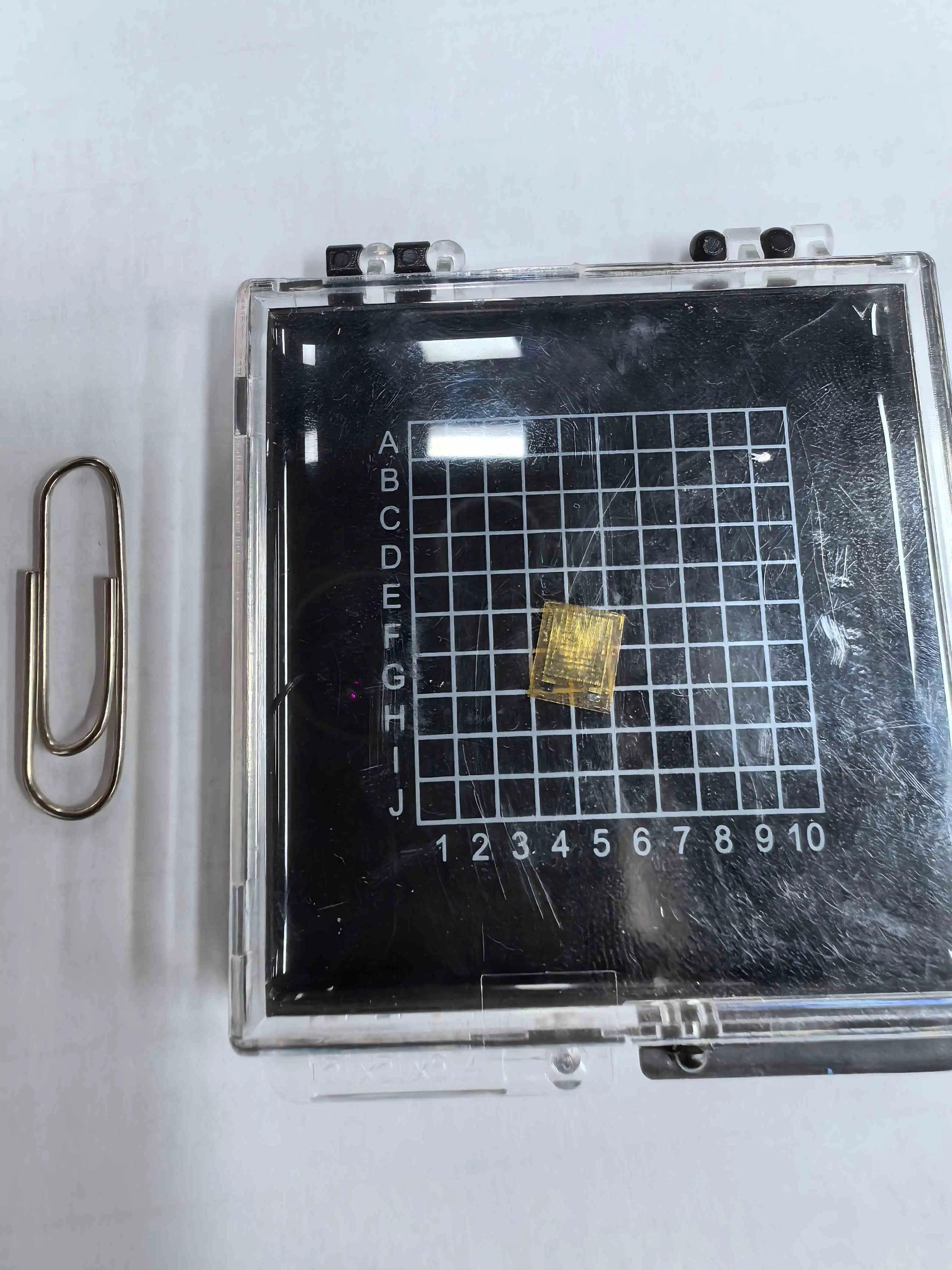
Compliance Challenges and Solutions in Sensor Design and Procurement
Getting and staying in line with regulations is always hard for both producers and procurement workers. When technical difficulties in sensor design meet the facts of the supply chain, compliance gaps may appear that need effective management strategies.
Common Technical Compliance Issues
In medical temp sensor design, calibration shift is a problem that never goes away. Because of thermal stress and material aging, NTC thermistors' resistance changes over time. This could cause readings to be off from what is considered normal accuracy. Even when shielding is used, electromagnetic radiation from MRI machines, electrosurgical units, and wireless communication devices can mess up sensor data.
Material variation in polymer encapsulants changes heat conductivity and reaction times, making it harder to prove compliance with regulations from one batch to the next. When moisture gets into wire systems, it weakens the electrical isolation. This creates safety risks for patients that require field repair actions. Because of these technology facts, designs must be strong enough to withstand accelerated life testing and ongoing quality tracking during production.
Supplier Qualification Best Practices
Compliance risks are reduced by procurement teams using strict processes for evaluating suppliers. The first part of verification is reviewing the sellers' certifications to make sure they are still registered for ISO 13485 and have all the necessary product-specific clearances for the target markets. On-site checks look at quality paperwork systems, controls for the manufacturing process, and the ability to track calibrations.
Before sensors are used in production, they are checked by programs that check important factors like resistance values, reaction times, and insulation resistance. Setting up approved seller lists with regular review periods makes sure that supply chain partners stay in line with safety standards as long as they work together. This organized method lowers the chance of non-conforming material problems that cause product starts to be delayed or lead to expensive field actions.
Documentation Requirements for Traceability
Having complete paperwork is important for following the rules and making sure that ties with suppliers work well. Manufacturers give statements called "Declarations of Conformity" that say they follow all the rules and standards that apply. Calibration certificates with NIST-traceable reference standards show that measurements were accurate at certain test places. The certificates also include uncertainty budgets that show how much overall measurement error there is.
Material Safety Data Sheets list the chemicals that are used in biocompatibility tests and environmental dumping rules. Electrical safety tests, outdoor stress tests, and accelerated aging tests are all included in test results that show the depth of design validation. Keeping these records up to date throughout the lifetime of a product helps with guarantee claims and responding quickly to regulatory queries. Specifications for purchases should make it clear that suppliers must provide full documentation packages. This will make it clear who is responsible for meeting compliance responsibilities.
Installation, Calibration, and Maintenance Regulations
Regulatory compliance includes more than just validating the device for the first time. It also includes proper installation, regular testing, and planned upkeep throughout the device's useful life. These ongoing duties make sure that sensors keep meeting performance standards in real-world settings.
Installation Protocols and Device Compatibility
Making sure that measurement devices and tracking systems are compatible is the first step in installing sensors correctly. To keep connection mistakes from messing up temperature readings, connector details must match interface standards. By keeping signal lines away from power wires and radiofrequency sources, cable routing keeps electromagnetic pickup to a minimum. Different types of sensors have different ways of sterilizing them. Disposable units don't need to be reprocessed at all, but reusable probes do go through approved cleaning and disinfection processes.
High-level cleaning with glutaraldehyde or hydrogen peroxide mist needs to make sure that the materials are compatible so that they don't break down too quickly. User training programs teach hospital staff the right way to connect devices, prepare sites, and fix problems in a way that keeps measurement integrity. Standard operating practices help with quality audits and regulatory reviews by writing down the steps for installing a medical temp sensor.
Calibration Requirements and Methods
Calibration frequency suggestions strike a balance between measurement accuracy and operating disturbance. Most clinical applications only need to be calibrated once a year, but high-criticality uses like tracking the cold chain for pharmaceuticals may need to be checked every three months. Certified reference thermometers that can be traced back to national metrology institutes make sure that the accuracy of testing moves from main standards to working instruments.
Automated calibration systems with temperature-controlled baths are better for repeatability and have less human impact. For smaller device populations, manual methods that compare to reference standards can still be used. Calibration certificates show the numbers that were found and left, as well as any out-of-tolerance situations and the changes that were made. Failure of acceptance criteria sensors needs to be looked into to see if drift trends show systemic problems that need a design review or if they just need to be replaced because they have reached the end of their useful life.
Maintenance Schedules and Performance Monitoring
Preventive maintenance programs keep sensors working longer and find problems before they become so bad that patient care is compromised. Visual check rules find broken cables, corroded connectors, and housing cracks that could affect electrical safety or closing against the environment. Electrical safety testing done on a regular basis makes sure that leakage currents and insulator resistance stay within the acceptable range. This is especially important for devices that go through a lot of sterilization processes.
Using calibrated reference sources to check sensor performance proves that sensors stay accurate between official calibration events. Deviation reporting systems keep track of data that are out of range and start root cause investigations when trends point to problems that happen all the time. Warranty deals should spell out what the seller is responsible for when it comes to calibration support, fix response times, and making sure that replacement units are available during service periods so that there is as little downtime as possible.
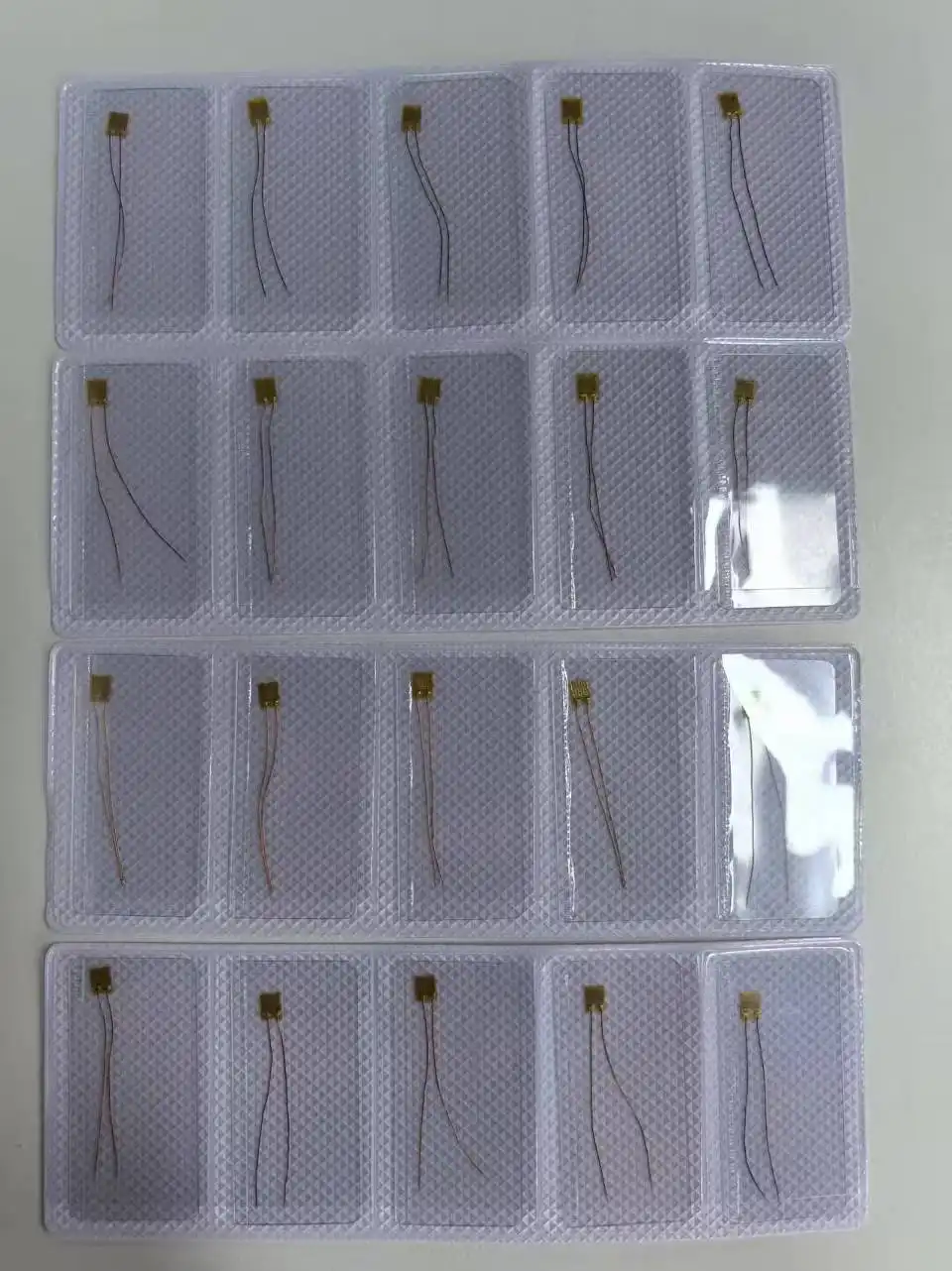
Procurement Insights: Selecting Compliant Medical Flexible Temperature Sensors
Checking for legal compliance, evaluating technical performance, and figuring out the total cost are all important parts of making good procurement choices. With this multidimensional evaluation, providers who can meet long-term business needs while lowering compliance risks are found.
Evaluation Criteria for Sensor Selection
The technical part of procurement specs is made up of performance factors. Usually, measurement accuracy needs to be within ±0.1°C for important tasks and within ±0.3°C for general tracking. Tighter limits need better sensors and more frequent calibration. Response time standards between 0.5 and 3 seconds affect how well it works in situations where fast temperature change detection is needed. A sensor range of at least 25°C to 45°C can detect both normal and hyperthermic body temperatures.
Longer ranges are also available for tracking the surroundings in warming cabinets and refrigeration units. In addition to the main features, the total cost of ownership includes the price you pay for the item at first, the fees for tuning services, the length of the guarantee, and how long you expect it to work. While cheaper medical temp sensor options may seem like a good deal at first, they end up being more expensive in the long run because they don't last as long and need more upkeep.
Leading Suppliers and Certification Credentials
Medical equipment companies that have been around for a while bring legal knowledge and good infrastructure that lowers the risk of procurement. Companies with various market clearances show that they understand how regulations work in different countries, which makes it easier to launch their products across borders. Product development times are cut down by strong technical support networks that include field application engineers who know how to deal with problems that come up when integrating sensors.
Customization makes it possible to create solutions that meet specific performance needs or form factor limitations that off-the-shelf goods can't meet. Long production lifecycles and stable component sources make sure that extra parts are available years after they were bought, which is very important for medical equipment that needs to last for ten years.Xi'an Tongzida Technology is a great example of advanced temperature sensor manufacturing.
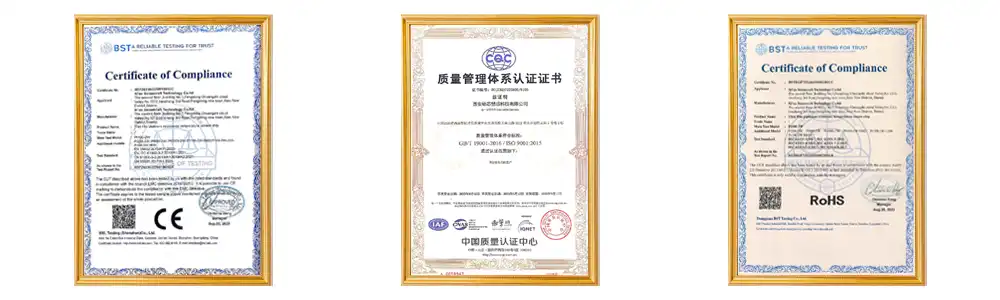
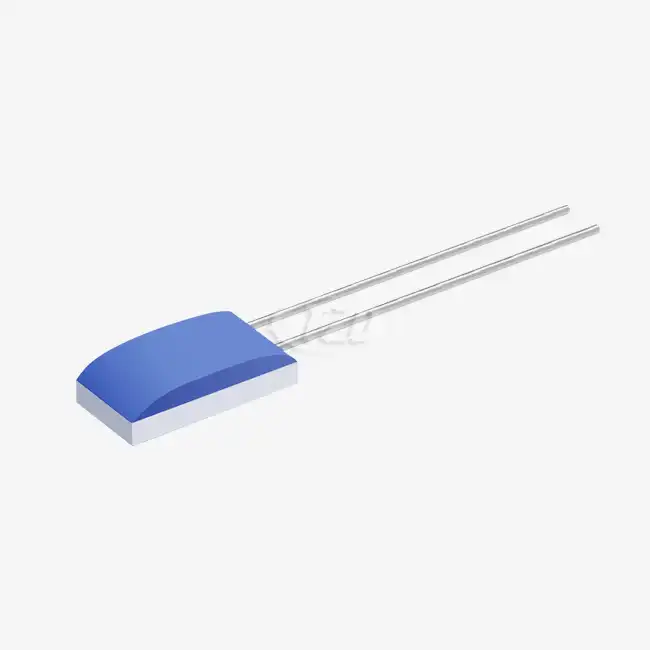
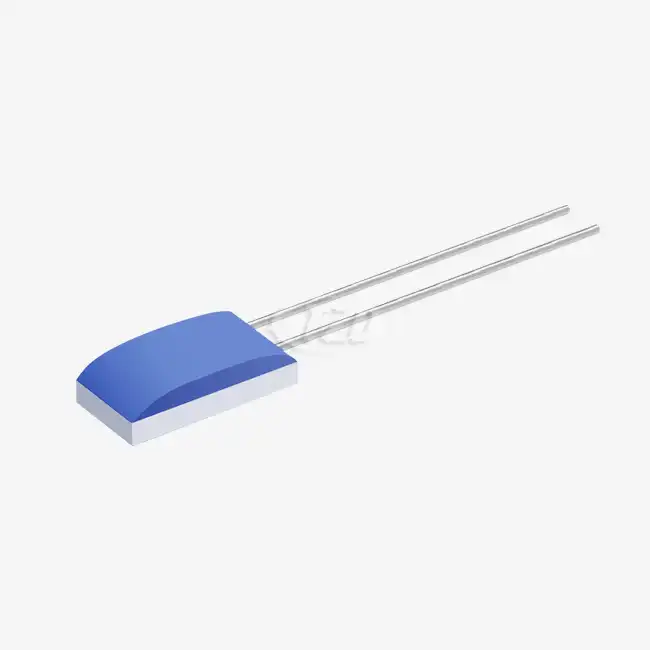
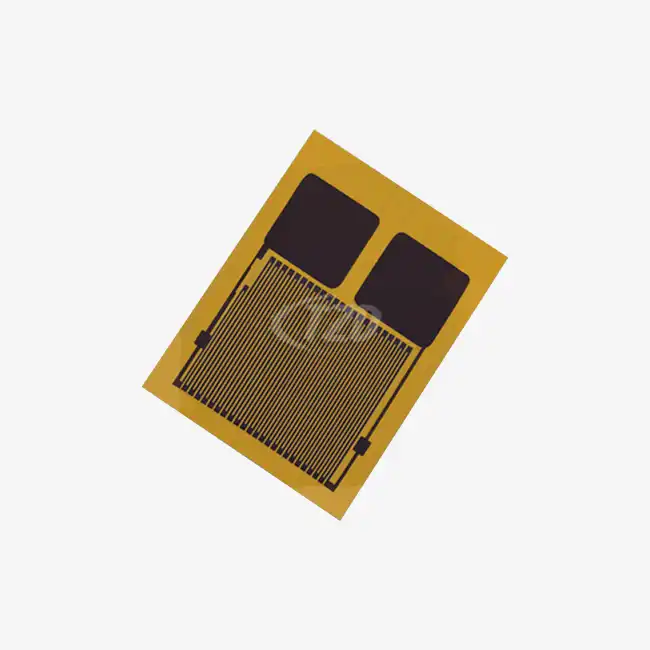
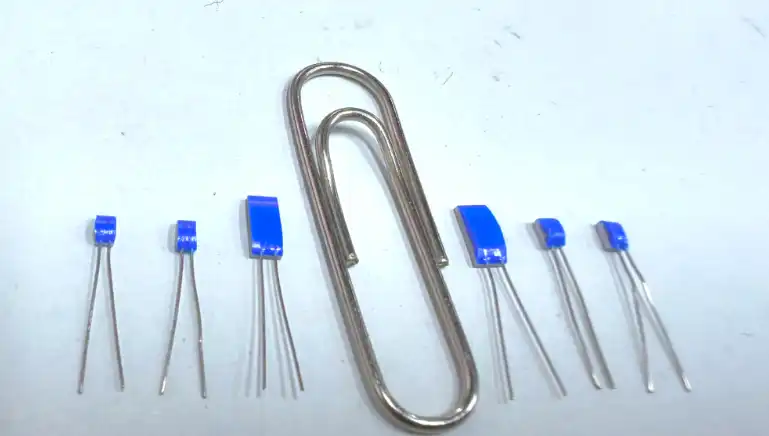
Our platforms for thin film platinum resistors are made with precise methods that allow for accuracy of ±0.01Ω and temperature coefficients of 3850ppm/°C from -200°C to +850°C. Adhering to the IEC 60751 standard guarantees compatibility and consistent performance, which is important for governmental approval. Rapid reaction times of up to 0.05 seconds support applications that need to identify instant changes in temperature, and the mechanical sturdiness can handle the 40g vibration and 100g shock conditions that are common in portable medical devices. Certifications like ISO 9001, CE marking, and RoHS approval show that the company uses structured quality management to meet the needs of foreign regulations.
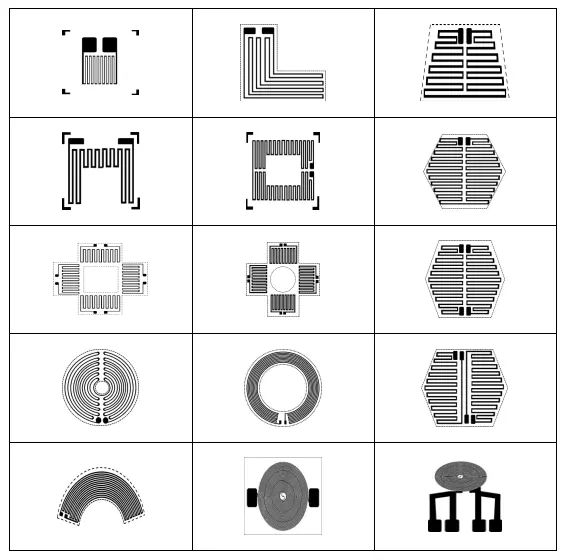
Practical Procurement Considerations
Logistics for bulk orders have a big effect on project delays and the cost of keeping supplies. Lead times for basic setups are usually between 6 and 12 weeks, and they can go up to 16 weeks for fully customized designs that need machine development. Minimum order numbers are based on how much it costs to make something. For example, for custom specs, commitments of 500 to 1,000 units are often needed to cover setup costs. The delivery terms should include guidelines for how to safely package fragile sensor parts during shipping.
For digital versions with built-in circuits, this should include security against electrostatic discharge. Installation support and calibration services given by the supplier lower the need for internal resources during product launches. This is especially helpful for companies that don't have their own metrology infrastructure. Payment terms that balance cash flow management with supplier financial security help long-term partnerships. For example, in complex customization projects, payments are often made in stages based on development goals.
Conclusion
To meet the rules for medical bendable temperature sensors, you need to know a lot about technology, be careful with your suppliers, and handle your compliance in a planned way. ISO standards, FDA guidelines, and CE marking requirements all work together to protect patient safety through quality and performance systems that are checked. When choosing sensors, people in charge of procurement have to weigh the legal qualifications, technical specs, and total costs of ownership.
They also have to make sure that the seller can do more than just deliver the medical temp sensor; they have to make sure they can provide calibration support and long-term availability. Problems with compliance, like measuring drift and material variability, need to be managed proactively by working with qualified suppliers and keeping good records. Regulatory compliance is maintained throughout the lifetime of a device through proper installation, regular calibration, and preventative maintenance. This protects both patient results and the organization's liability risk.

FAQ
What certifications should medical flexible temperature sensors possess before procurement?
Medical temperature sensors need to be certified by ISO 13485 to show that they comply with a quality management system. They also need to get market-specific approvals, such as FDA 510(k) for sales in the US or CE marking under MDR 2017/745 for sales in Europe. IEC 60601-1 approval makes sure that electricity safety rules are followed and that clinical thermometers meet ISO 80601-2-56 performance standards.
How frequently should medical temp sensors undergo calibration to maintain compliance?
Most legal requirements and clinical quality standards are met by calibration times of once a year. However, some uses may need more frequent verification. For high-criticality uses like pharmaceutical storage or study methods, calibration is sometimes needed every three months. Extreme temperature changes or regular cleaning may mean that the medical temp sensor needs to be checked every six months because they age faster.
Can flexible temperature sensors safely operate alongside sensitive medical equipment like MRI or electrosurgical units?
Medical-grade temperature sensors are tested for electromagnetic compatibility according to IEC 60601-1-2 standards. This makes sure that they don't get messed up by typical medical equipment. Shielding and filtering are built into sensors made for surgery settings to keep the signal integrity during electrosurgical activation. To be compatible with MRI machines, certain non-ferromagnetic materials must be used in the building, and radiofrequency filtering must be used.
Partner with Tongzida for Compliant Medical Temperature Sensor Solutions
Medical device makers and OEM system developers need temperature sensor providers who are both knowledgeable about regulations and on the cutting edge of technology. Tongzida makes high-precision thin film platinum resistors that are designed for tough medical uses. These resistors are accurate to within ±0.01Ω and meet the requirements of the IEC 60751 standard, which makes regulatory approval easier. Our ISO 9001 quality management system and CE approval guarantee consistent performance across production runs.
Customization options meet specific form factors and performance needs that standard components can't meet. Rapid response times of 0.05 seconds support important tracking tasks, and wide temperature ranges from -200°C to +850°C meet a variety of clinical and laboratory needs. To discuss your medical temp sensor needs, please contact our tech team at sales11@xatzd.com. As a well-known medical temp sensor maker, we offer technical documentation, calibration support, and application advice to speed up the time it takes to make your product and make sure it meets all legal requirements.
References
1. International Organization for Standardization. (2020). ISO 80601-2-56:2017 Medical electrical equipment — Part 2-56: Particular requirements for basic safety and essential performance of clinical thermometers for body temperature measurement. Geneva: ISO.
2. U.S. Food and Drug Administration. (2018). Clinical Electronic Thermometer Guidance for Industry and FDA Staff. Silver Spring: FDA Center for Devices and Radiological Health.
3. European Commission. (2017). Regulation (EU) 2017/745 of the European Parliament and of the Council on medical devices. Official Journal of the European Union, L117/1-175.
4. International Electrotechnical Commission. (2015). IEC 60601-1:2005+AMD1:2012+AMD2:2020 Medical electrical equipment — Part 1: General requirements for basic safety and essential performance. Geneva: IEC.
5. Association for the Advancement of Medical Instrumentation. (2019). ANSI/AAMI/IEC 80601-2-56:2017 Medical electrical equipment — Part 2-56: Particular requirements for basic safety and essential performance of clinical thermometers. Arlington: AAMI.
6. International Organization for Standardization. (2016). ISO 13485:2016 Medical devices — Quality management systems — Requirements for regulatory purposes. Geneva: ISO.
Learn about our latest products and discounts through SMS or email