- English
- French
- German
- Portuguese
- Spanish
- Russian
- Japanese
- Korean
- Arabic
- Greek
- German
- Turkish
- Italian
- Danish
- Romanian
- Indonesian
- Czech
- Afrikaans
- Swedish
- Polish
- Basque
- Catalan
- Esperanto
- Hindi
- Lao
- Albanian
- Amharic
- Armenian
- Azerbaijani
- Belarusian
- Bengali
- Bosnian
- Bulgarian
- Cebuano
- Chichewa
- Corsican
- Croatian
- Dutch
- Estonian
- Filipino
- Finnish
- Frisian
- Galician
- Georgian
- Gujarati
- Haitian
- Hausa
- Hawaiian
- Hebrew
- Hmong
- Hungarian
- Icelandic
- Igbo
- Javanese
- Kannada
- Kazakh
- Khmer
- Kurdish
- Kyrgyz
- Latin
- Latvian
- Lithuanian
- Luxembou..
- Macedonian
- Malagasy
- Malay
- Malayalam
- Maltese
- Maori
- Marathi
- Mongolian
- Burmese
- Nepali
- Norwegian
- Pashto
- Persian
- Punjabi
- Serbian
- Sesotho
- Sinhala
- Slovak
- Slovenian
- Somali
- Samoan
- Scots Gaelic
- Shona
- Sindhi
- Sundanese
- Swahili
- Tajik
- Tamil
- Telugu
- Thai
- Ukrainian
- Urdu
- Uzbek
- Vietnamese
- Welsh
- Xhosa
- Yiddish
- Yoruba
- Zulu
Choosing HVAC Temperature Sensors for Better Efficiency
Choosing the right temperature sensors for heating, ventilation, and air conditioning systems can have a huge effect on how much energy they use and how much they cost to run. You should carefully think about the system needs, the climate, and how reliable you want the solution to be in the long term before choosing between digital ports, analog outputs, and solutions with built-in humidity and temperature sensor products. Modern HVAC systems use sensors that are more and more accurate to within a few degrees and stay stable over years of constant use. This makes sure that building management systems get the exact data they need for the best temperature control and the least amount of energy waste.
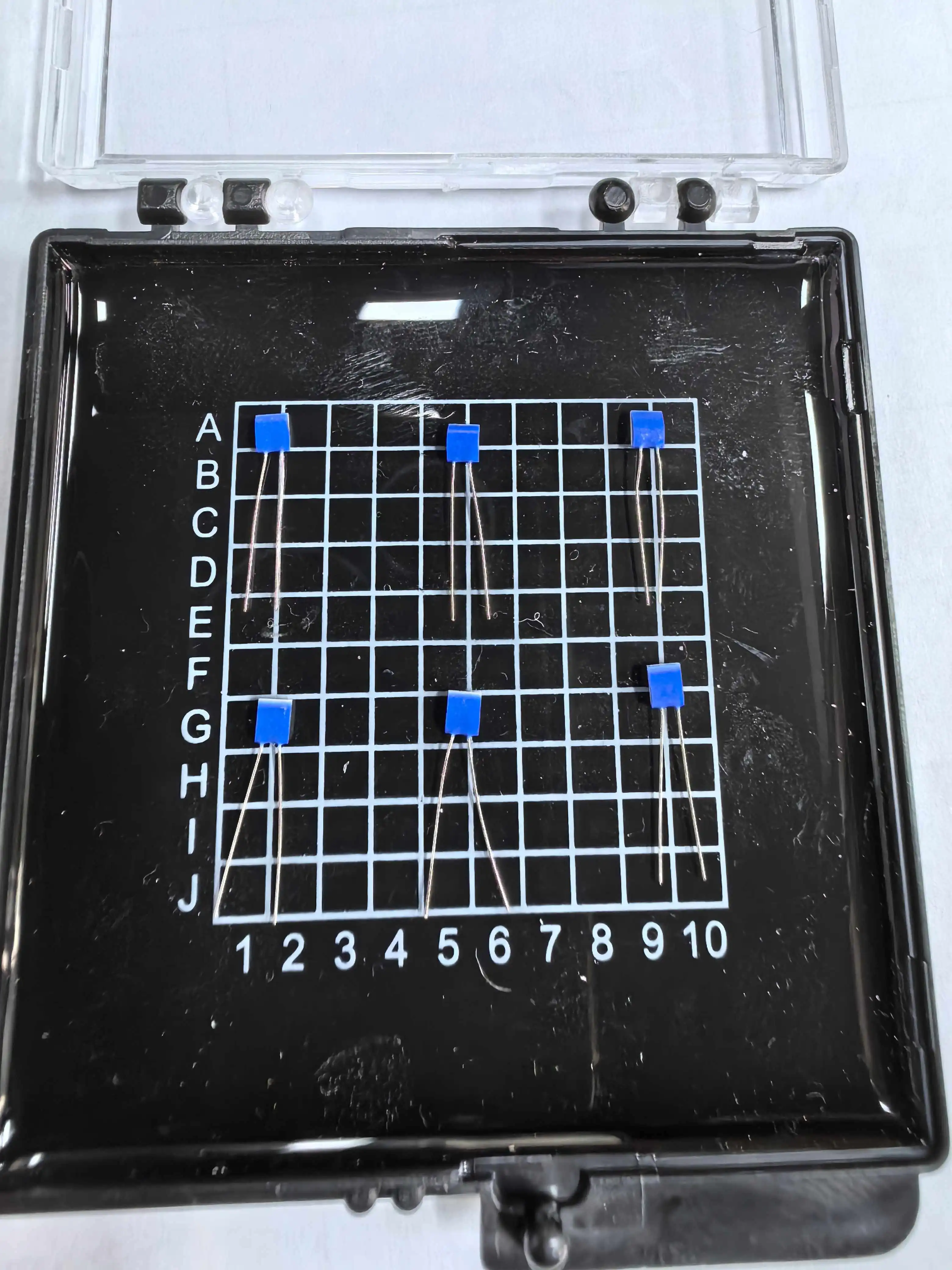
Understanding HVAC Temperature Sensors and Their Role in Efficiency
HVAC temperature sensors are like the brains of the climate control system. They take temperature readings and turn them into data that can be used to control fan speeds, compressor cycles, and damper positions. Even the smartest control algorithms can't reach their efficiency goals if they don't get correct temperature input.
Digital vs. Analog Temperature Sensing Technologies
Standardized standards like I2C, SPI, or Modbus let digital temperature sensors send measurement data. This blocks noise and makes it easy to connect to programmable logic devices. These devices do the analog-to-digital change on the inside, so they don't need any extra hardware and are easier to install. On the other hand, analog sensors send out constant voltage or current signs that change in response to temperature. Receiving equipment has to figure out what these changes mean. In older installations, analog connections are still common, but digital solutions are becoming more popular in new installs because they are more accurate and can do more diagnostics.
Combined Environmental Monitoring Solutions
Integrated humidity and temperature sensor units are used in places where the amount of wetness affects both comfort and the performance of equipment. Synchronized readings of humidity and temperature are needed to correctly determine dew point and avoid problems caused by condensation in places like data centers, pharmaceutical storage facilities, and precision manufacturing settings. These two-parameter devices get rid of the calibration drift problems that happen when different sensors age at different rates. This makes sure that environmental control systems keep the exact relationships between temperature setpoints and relative humidity goals for as long as they are in use.
Impact on Energy Consumption and System Lifespan
Accuracy in measuring temperature has a direct effect on energy economy because it changes the control deadbands and cycle frequency. A sensor that is accurate to within 0.5°C can control the setpoint more precisely than one that is accurate to within 2°C. This means that heating and cooling processes that aren't needed waste less energy and speed up the wear and tear on the parts. Building automation experts have found that increasing the accuracy of sensors from ±1.5°C to ±0.3°C can cut the amount of energy used by HVAC systems in businesses by 8–12%. Accurate temperature control not only saves energy right away, but it also increases the life of the compressor by reducing the number of start-stop cycles and the stress that heat exchangers and refrigerant lines are put under.
Key Criteria for Choosing HVAC Temperature Sensors
When buying industrial-grade temperature sensing equipment, the total cost of ownership, which includes verification rounds that last several years and the ultimate mass rollout, is taken into account along with the initial purchase price.
Accuracy Specifications and Calibration Requirements
Measurement accuracy includes a lot of different things, such as exact error, repetition, and interchangeability. Absolute error is the difference between the measured temperature and the real temperature across the sensor's range. Repeatability, on the other hand, is how consistently the same temperature is measured over and over again. Interchangeability tells you if sensors can be switched out without having to be calibrated again, which is very important for big setups.
For high-performance HVAC uses, exact accuracy of ±0.2°C to ±0.5°C with little hysteresis is usually needed. The amount of time between calibrations depends on the type of drift. For example, premium thin-film platinum sensors may stay in specification for 5–10 years with drift below 0.04%, but lower-grade devices need to be re-calibrated every year to make sure they meet the needs of building automation systems.
Sensor Technology Comparison: Thermistors, RTDs, and Silicon Devices
There are three main sensor methods used to measure temperature in HVAC systems, and each has its own benefits. Thermistors are very sensitive and respond quickly, but their resistance-temperature curves are not straight and they can only work in a few temperature ranges. Resistance Temperature Detectors (RTDs), especially platinum-based ones that meet IEC60751 standards, work very accurately and steadily from -200°C to +850°C, with temperature ratios of 3850ppm/°C.
Silicon-based integrated circuit sensors can be calibrated in the plant and give digital outputs, but they usually only work in a smaller range of temperatures. RTDs are best for mission-critical uses that need long-term stability and calibration that can be tracked, while thermistors are better for low-cost setups that only need reasonable accuracy, such as humidity and temperature sensor applications.
Environmental Durability and Protection Ratings
During system operation, HVAC sensors have to deal with tough conditions like being exposed to moisture, dust, and sudden changes in temperature. Protection rates based on IP (Ingress Protection) standards show how resistant something is to solid particles and liquids. For example, IP65-rated enclosures keep dust out and can handle low-pressure water jets, while IP67 devices can be submerged for a short time. In addition to static protection, vibration resistance is very important for air handlers, pumps, and compressors because mechanical stress can break sense elements or damage wire connections. Industrial-grade sensors list their shock resistance (often 100g) and vibration tolerance (40g constant) to make sure they work well in harsh environments.
Communication Protocols and Building Management System Integration
Standardized communication methods, such as BACnet, Modbus RTU/TCP, and LonWorks, let modern industrial HVAC systems talk to Building Management Systems. How easy it is to setup and how big the system can get depend on how well the sensors work with these protocols. Digital sensors that support native protocols get rid of the need for separate receivers or interface units. This cuts down on failure spots and makes commissioning easier.
Using Zigbee, LoRaWAN, or custom mesh networks for wireless sensors lets you place them in different places and add them later on when wires installation isn't possible. During the review of sensors, technical managers should check for protocol compliance, the ability to update, and diagnostic features to make sure they can work with current infrastructure without any problems.
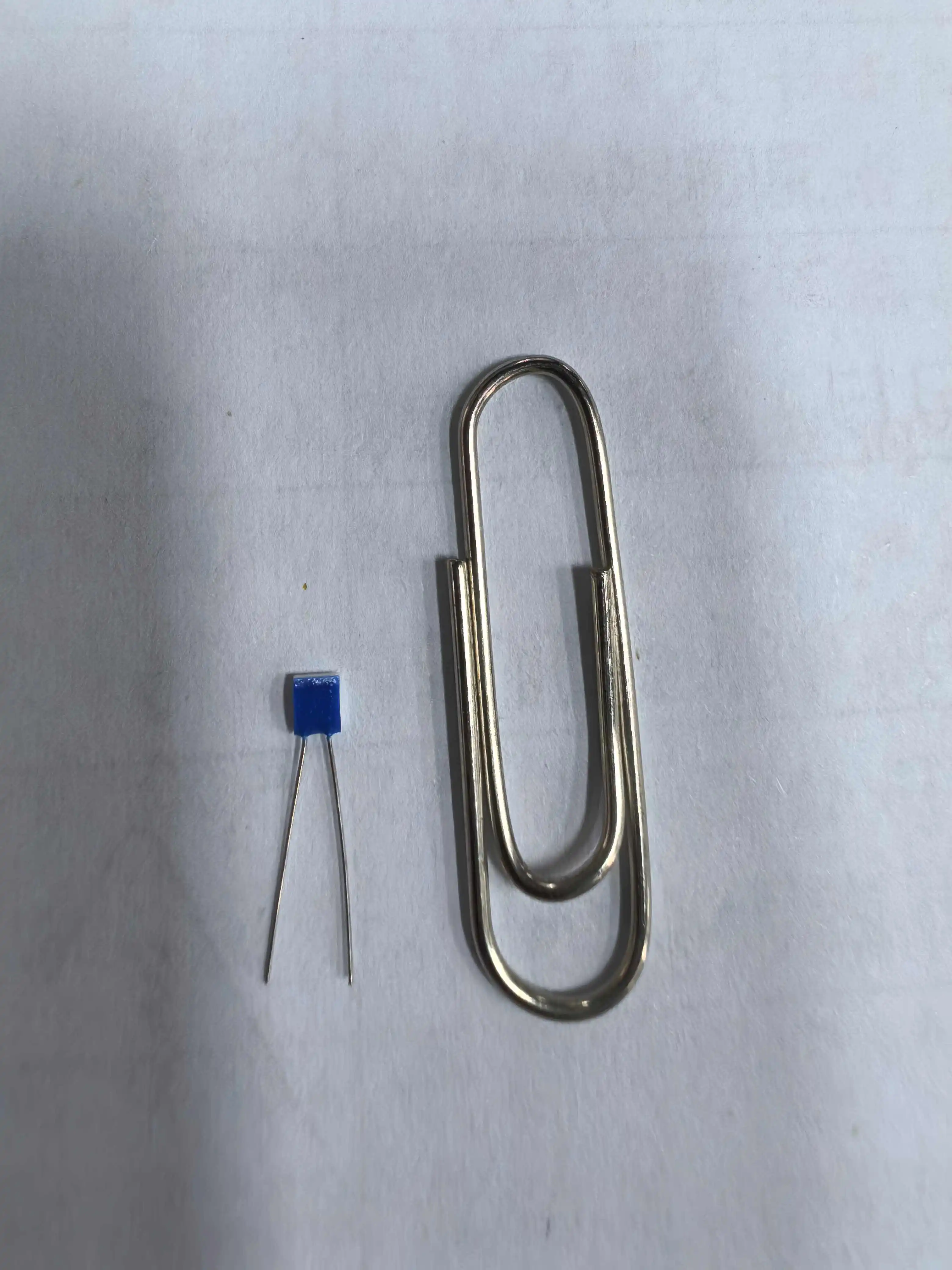
Comparison of Leading HVAC Temperature Sensors in 2026
There are a lot of different kinds of sensors on the market right now, from consumer-grade devices that can be used in homes to industrial-grade instruments that are made for cleanrooms in pharmaceutical companies and factories that make semiconductors.
Established Industry Leaders and Their Offerings
Large companies keep extensive sensor collections that meet a wide range of HVAC needs. These businesses put a lot of money into developing manufacturing processes, quality systems, and help for applications engineers. Sensors from well-known manufacturers usually come with NIST-traceable calibration, multi-point factory proof, and a lot of technical information like wire diagrams, installation instructions, and troubleshooting steps. In many of their product lines, there are different types of sensors that work best with certain installation options, temperature ranges, and communication ports, including humidity and temperature sensor models.
Emerging Smart Sensor Technologies
Internet of Things (IoT) sensors are the next big thing in measuring temperature in HVAC systems because they can do processing locally, use predictive maintenance algorithms, and talk to the cloud. These smart devices look at past weather trends to find outliers that point to impending failures. This lets maintenance happen before the system goes down. Machine learning techniques make calibration better by taking into account weather and age effects without any help from a person. Installing control wires costs money, but wireless smart sensors don't have that problem. They can be set up and checked from afar using mobile apps or web interfaces.
Balancing Cost and Performance for Procurement Planning
To do a price-performance analysis, you need to look at the total cost of ownership instead of just the unit buy price. A $35 sensor that stays stable for five years and doesn't move much might have a lower lifetime cost than a $15 sensor that needs to be calibrated every year and replaced every three years. When you buy in bulk from qualified suppliers, you can often get price cuts of 15 to 25 percent for orders over 100 units. However, the minimum order quantities should match testing methods and phased rollout plans. Technical specs should meet the needs of the application. For example, requiring ±0.1°C accuracy for applications that can handle ±0.5°C wastes money, and under-specifying sensors for precision applications leads to expensive performance issues.
Installation Best Practices and Calibration for Optimal Sensor Performance
If they are not put or kept properly, even high-end sensors will not work as expected. Paying attention to where sensors are mounted, how they are wired, and how they are calibrated decides how accurate they are over long service lives.
Strategic Sensor Placement and Mounting Considerations
The placement of a sensor has a big impact on the accuracy of measurements and the quality of system control. When sensors are placed near heat sources, in direct sunlight, or in air pockets that don't move, they give inaccurate readings that trick control algorithms. The best places have typical airflow conditions away from discharge vents, windows, and thermal mass that causes temperature changes in certain areas. In areas with good air movement, wall-mounted sensors should be placed at breathing height (about 1.5 meters). In big pipes where temperature differences happen, duct-mounted sensors need averaging elements or more than one place to take measurements. Outdoor sensors need cases that can withstand the weather and have radiation screens to keep sun heating from messing up the readings of the outdoor temperature.
Wiring Techniques and Interference Prevention
Signal loss that affects measurement accuracy can be avoided by using the right connecting techniques. Lead resistance mistakes happen in sensors that use resistance-based measurement (RTDs) unless four-wire links get rid of wire resistance effects. Motors, variable frequency drives, and switching power sources cause electromagnetic interference that can be cut down with shielded twisted-pair wire.
Putting at least 30 centimeters between sensor wires and high-voltage power lines stops electrostatic coupling, which adds noise. It's important to pay attention to termination resistors, pull-up configurations, and the right way to ground digital sensors in relation to the controller common. Different protocols have different length limits. Analog signals get weaker after 100 meters without being amplified, but RS-485 digital transmission works consistently over 1200 meters, especially with humidity and temperature sensor setups.
Calibration Procedures and Maintenance Schedules
Throughout its useful life, sensor precision is maintained by routine calibration checks. Multi-point calibration finds offset and slope mistakes by comparing the sensor output to reference standards at a number of temperatures within the working range. Ice-point proof at 0°C makes single-point checking possible without the need for special tools. By moving sensors through temperature-controlled rooms and keeping track of any changes, automated calibration systems cut down on the cost of workers in big setups.
How often you calibrate relies on how important the application is and how good the sensors are. For example, pharmaceutical settings may need to be checked every three months, while business buildings usually do it once a year. Predictive maintenance and quality audits are made easier by systems that keep track of calibration records, drift trends, and events that are outside of tolerance.
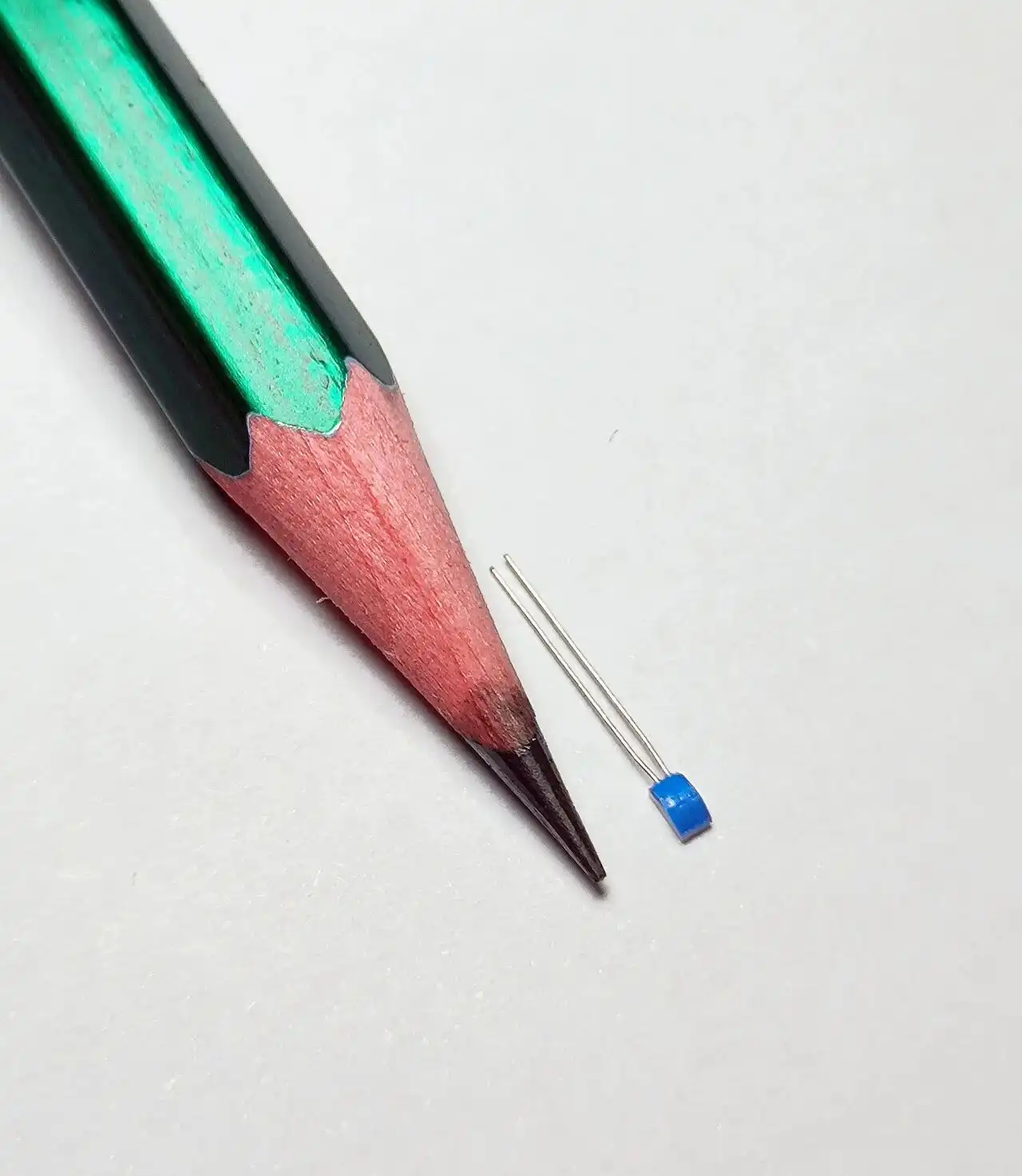
Procurement Strategy: Where and How to Buy HVAC Temperature Sensors
Strategic buying guarantees the quality of sensors, the dependability of the supply chain, and expert help for many years or decades into the future.
Evaluating Vendor Capabilities and Support Infrastructure
Supplier selection includes more than just the specs of the product. It also includes the supplier's ability to manufacture, their quality systems, and their software engineering tools. Qualified sellers keep their ISO 9001 certification, which shows that they follow frameworks for process control and ongoing growth. Field Application Engineer (FAE) access is very important for helping with choosing sensors, installing them, fixing problems, and making them work better.
When you place an order for a decent amount of goods, vendors who offer customization can change standard products to fit your specific mounting needs, temperature ranges, or output requirements without charging you extra for tools. The quality of technical documents like datasheets, application notes, and connection guides shows how knowledgeable and dedicated the engineering team is to the success of their customers.
Bulk Purchasing Advantages and Supply Chain Considerations
When you negotiate for a lot of items, you can get better deals and build ties with favorite suppliers that give you priority when parts are in short supply. Long-term supply deals lock in prices for projects that will last more than one year and ensure that products will be available and meet the same standards as designs change. Escrow programs, in which makers keep extra stock just for big customers, keep production from stopping when demand suddenly rises somewhere else in the supply chain. For big projects, flexible shipping plans like consignment goods, planned releases, and just-in-time delivery save money on warehouse costs and working capital.
Sourcing Industrial-Grade Environmental Sensors
Companies that focus on industrial-grade humidity and temperature sensor technologies can help with applications that need to track the environment in more than one way. These makers know how to deal with the specific problems that come up, such as chemical resistance for volatile organic compound exposure, fast response times for dynamic environmental control, and low hysteresis to keep measurements accurate during cycles.
In high-humidity settings, waterproof screens or built-in heaters can protect sensors from condensation, which makes them last longer. Standard sensors would not work in sealed enclosures or pressurized pipes, but pressure-rated probe systems can. When you work with sellers who know a lot about environmental sensing, you can get specialized product versions and application-specific advice that you can't get from generalist shippers.
Conclusion
The choice of temperature sensor has a big effect on how well an HVAC system works, how much it costs to run, and how long the equipment lasts. When comparing options, people who work in procurement should put accuracy specs, long-term stability, and environmental durability ahead of the original buy price. RTD-based sensors that meet IEC60751 standards work very well in industrial settings, and integrated environmental tracking systems take care of installations that are sensitive to humidity.
Strategic relationships with vendors that offer customization help, technical support, and stable supply chains make it possible for successful rollout from testing to mass production. Proper installation, regular calibration, and preventative maintenance are the best ways to make sure that sensors work at their best for many years, giving tough industrial settings the efficiency gains and dependability they need.
FAQ
How often should HVAC temperature sensors undergo calibration verification?
The frequency of calibration varies on the type of sensor used and the needs of the application. In business HVAC uses, platinum RTD sensors that are industrial-grade and have drift rates below 0.25% RH per year usually need to be checked once a year. Checks may need to be done every six months or three months in critical areas like medicine storage or semiconductor cleanrooms. Automated testing systems keep up with regulations while cutting down on human costs.
What causes discrepancies between multiple temperature sensors in the same zone?
changes in measurements are caused by changes in calibration, mounting location effects, sensor age, and the way air flows through the sensor. Sensors that are close to walls, corners, or other obstacles measure conditions in a small area instead of temperatures that are typical for the whole zone. When thermal mass comes from things like concrete, equipment, or windows, it causes temperature differences that are too big for sensors to accurately measure.
Can wireless temperature sensors match the reliability of wired installations?
When used correctly, modern wireless sensor technologies that use mesh networking and multiple communication lines can be as reliable as cable systems. Battery-powered gadgets need to have repair plans that include replacement of the power source every so often. Under normal conditions, lithium batteries last between 5 and 10 years. When it comes to retrofitting, historically difficult sites, and short-term tracking, wireless installations work best. In mission-critical situations, wired sensors are often used for main control, while wireless devices are used for extra tracking and confirmation.
How do combined environmental sensors improve HVAC control compared to separate devices?
Integrated humidity and temperature sensor modules get rid of differences in calibration between different instruments. This makes sure that the dew point estimates are correct, which is necessary to stop condensation. When data are taken at the same time in the same sensing element, they show the real conditions of the surroundings without any delay. Installing a single device cuts down on work costs, growing complexity, and places where things could go wrong. Through unified communication interfaces, combined sensors make it easier to integrate BMS and lower the amount of controller input needed in big systems.
What protection rating is necessary for outdoor HVAC temperature sensors?
Installations outside need to have at least IP65 protection to keep dust and water spray out. Places that are exposed to direct rain benefit from IP67-rated shelters that can handle short-term soaking. Radiation shields stop solar heating from messing up readings of the ambient temperature. In full sunlight, sensors that aren't protected may read 5 to 15°C higher than the real air temperature. In cold places, sensors need to be rated for the coldest temps that can be predicted, which in the north is usually -40°C. UV-resistant materials keep enclosures from breaking down after years of being in the sun.
Partner with Tongzida for Advanced Temperature Sensing Solutions
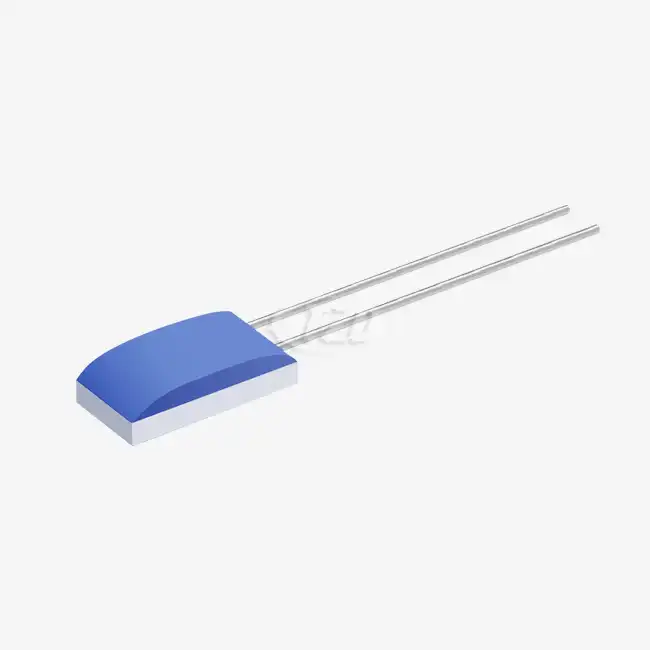
Tongzida offers precise thin-film platinum RTD technology that meets the most exacting needs for measuring temperature in HVAC systems. Our automated production methods can make sensors that work at room temperature, high temperatures, and very low temperatures. These sensors are accurate to within ±0.01Ω (1/30B level) and have long-term stability drift of less than 0.04%, so they will work well for years without needing to be re-calibrated. For engineers looking for humidity and temperature sensor makers that offer a wide range of customization options, our variable sizes (1.2mm to 4.0mm), choice of lead materials, and very fast response times of 0.05 seconds make us the best choice for precise climate control applications.
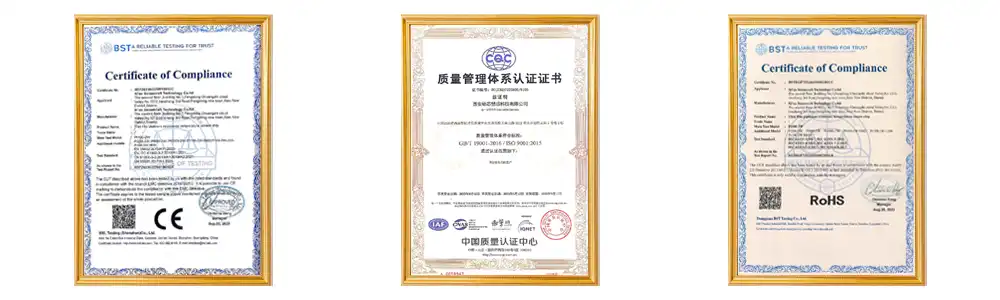
Our sensors meet international quality standards and are certified by ISO9001, RoHS, and CE. During the procurement and integration steps, our experienced applications engineering team offers technical support. Please email our team at sales11@xatzd.com to talk about your unique needs and find out how our knowledge of microsensor manufacturing technology and multi-sensor integration methods can help your HVAC system work better.
References
1. American Society of Heating, Refrigerating and Air-Conditioning Engineers. (2021). ASHRAE Handbook—Fundamentals. Atlanta: ASHRAE Publications.
2. International Electrotechnical Commission. (2022). IEC 60751: Industrial Platinum Resistance Thermometers and Platinum Temperature Sensors. Geneva: IEC Publications.
3. Building Performance Institute. (2023). Technical Standards for Building Analyst Professional. Malta: BPI Publications.
4. National Institute of Standards and Technology. (2020). Temperature Measurement Uncertainty and Calibration Procedures. Gaithersburg: NIST Special Publication Series.
5. HVAC Excellence. (2023). Employment Competency Standards for HVAC Service Technicians. Mt. Prospect: HVAC Excellence Educational Foundation.
6. Energy Systems Laboratory. (2022). Continuous Commissioning of HVAC Systems: Sensor Performance and Energy Impact Analysis. College Station: Texas A&M University Engineering Publications.
Learn about our latest products and discounts through SMS or email