- English
- French
- German
- Portuguese
- Spanish
- Russian
- Japanese
- Korean
- Arabic
- Greek
- German
- Turkish
- Italian
- Danish
- Romanian
- Indonesian
- Czech
- Afrikaans
- Swedish
- Polish
- Basque
- Catalan
- Esperanto
- Hindi
- Lao
- Albanian
- Amharic
- Armenian
- Azerbaijani
- Belarusian
- Bengali
- Bosnian
- Bulgarian
- Cebuano
- Chichewa
- Corsican
- Croatian
- Dutch
- Estonian
- Filipino
- Finnish
- Frisian
- Galician
- Georgian
- Gujarati
- Haitian
- Hausa
- Hawaiian
- Hebrew
- Hmong
- Hungarian
- Icelandic
- Igbo
- Javanese
- Kannada
- Kazakh
- Khmer
- Kurdish
- Kyrgyz
- Latin
- Latvian
- Lithuanian
- Luxembou..
- Macedonian
- Malagasy
- Malay
- Malayalam
- Maltese
- Maori
- Marathi
- Mongolian
- Burmese
- Nepali
- Norwegian
- Pashto
- Persian
- Punjabi
- Serbian
- Sesotho
- Sinhala
- Slovak
- Slovenian
- Somali
- Samoan
- Scots Gaelic
- Shona
- Sindhi
- Sundanese
- Swahili
- Tajik
- Tamil
- Telugu
- Thai
- Ukrainian
- Urdu
- Uzbek
- Vietnamese
- Welsh
- Xhosa
- Yiddish
- Yoruba
- Zulu
Pt100 vs Pt1000: Which RTD Element Fits Your Application Best
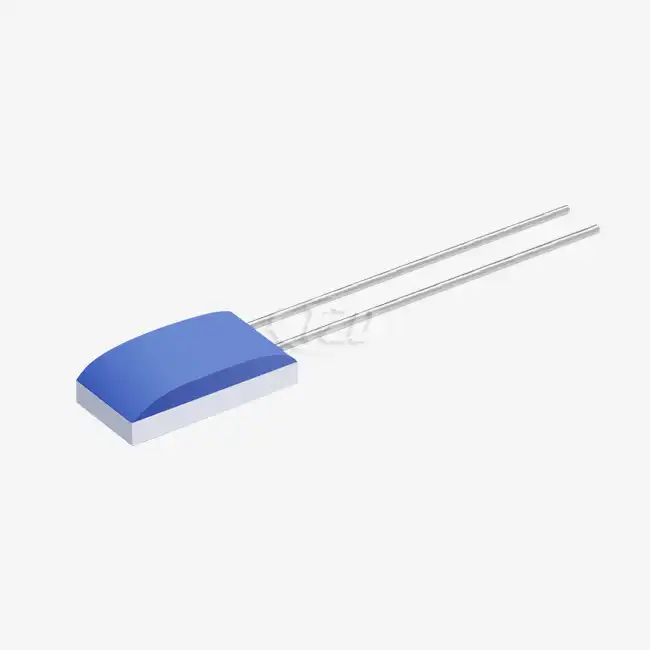
Picking the correct resistance temperature detector (RTD) for your precise measurement task can have a big effect on how well and reliably your system works in the long run. If you have to choose between Pt100 and Pt1000 sensors, the Pt100 TC3750 Thin Film RTD Element is the best one for tough industrial uses. These devices are very accurate, respond quickly, and are very stable across a wide range of temperatures. The TC3750 designation means that the temperature coefficient of resistance (TCR) is 3750 ppm/K. This makes it more sensitive than standard TC3850 elements, which makes it ideal for applications that need accurate thermal tracking in medical equipment, automotive electronics, and industrial automation systems.
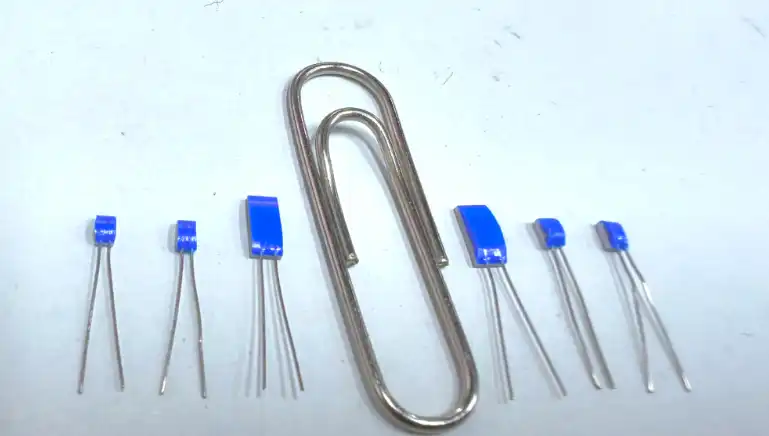
Comprehending Pt100 and Pt1000 RTD Elements
Fundamental Operating Principles
RTD devices work on a simple physical principle: the electrical resistance of platinum changes steadily with temperature. When heat energy goes up, platinum atoms move more strongly, making it harder for electrons to flow and raising resistance. The sensing element in both the Pt100 and Pt1000 devices is made of high-purity platinum, but their average resistance values at 0°C are very different: 100Ω for the Pt100 and 1000Ω for the Pt1000.
The performance is different because of this tenfold change in resistance. The higher base resistance of Pt1000 sensors can help lower the effects of lead wire resistance, especially in situations where the cables are long. The Pt100, on the other hand, is still the widely accepted standard in most industrial areas because it works better with existing control and instrumentation systems.
Construction Methods and Their Impact
Compared to older wire-wound systems, thin film RTD technology is a big step forward. During the manufacturing process, advanced vacuum deposition methods are used to place an extremely thin layer of platinum onto a ceramic substrate, which is usually alumina. This way of building sensors makes them very light and heat-resistant, so they can respond as quickly as 0.05 seconds in moving air.
Wire-wound RTDs, on the other hand, have a clay or glass core wrapped in platinum wire. It is possible for these devices to be very accurate, but their bigger size and higher thermal mass make them respond more slowly. Thin film sensors can withstand up to 40g of continuous shaking and 100g of shock, which makes them perfect for use in robots, mobile equipment, and cars where mechanical stress is constant.
Temperature Coefficient Standards
IEC 60751 sets the TC3750 standard, which says that resistance changes by 3750 ppm per degree Kelvin. This is a little less than the more usual TC3850 standard, which says that resistance changes by 3851 ppm/K. This difference changes the linearity and reactivity across the whole working range. TC3750 elements make things more stable in certain temperature ranges and lessen the effects of self-heating in some circuit arrangements. This is especially helpful in applications that need precise medical instruments and testing standards.
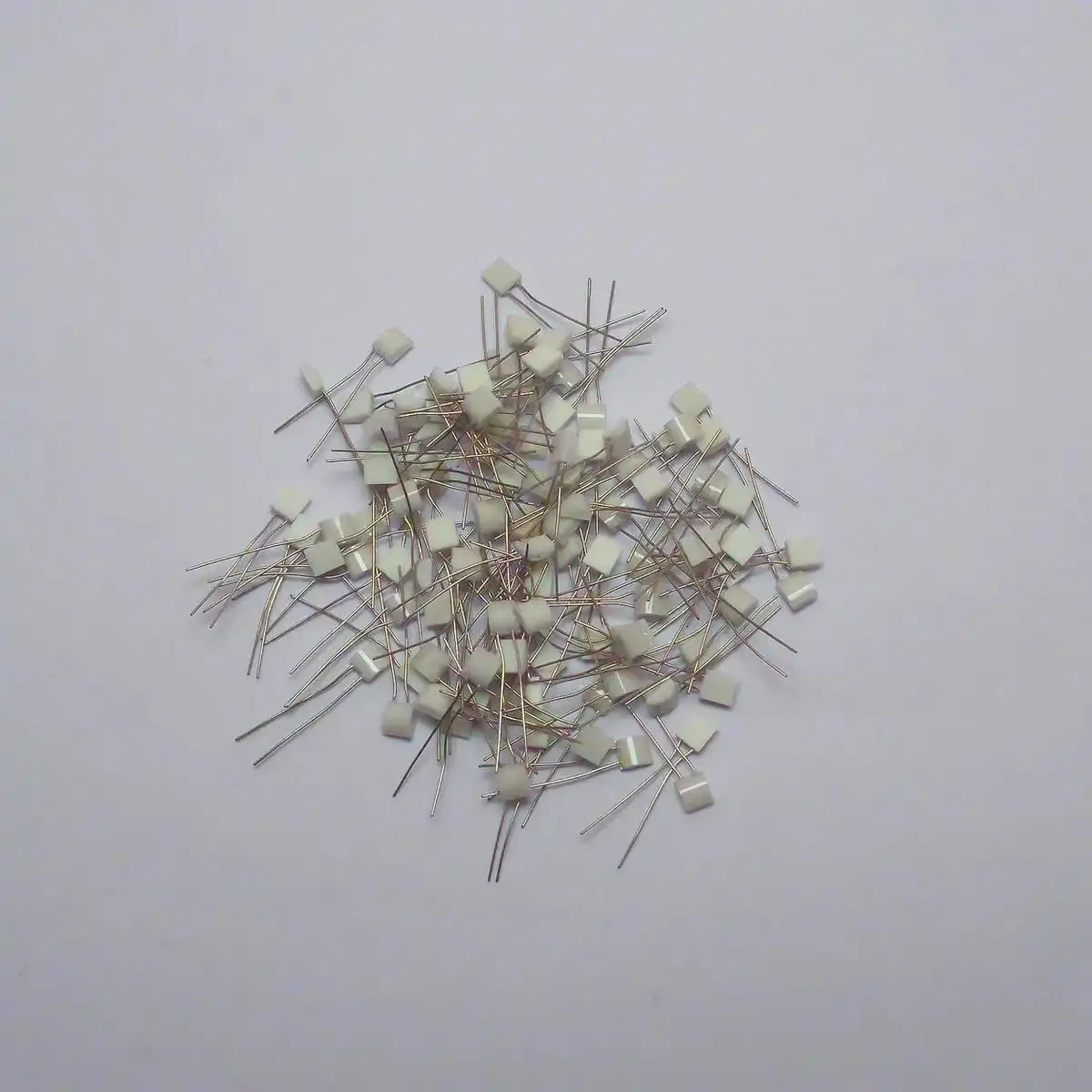
Comparing Pt100 and Pt1000: Key Factors for Application Fit
Accuracy and Long-Term Stability
Specifications for accuracy are only one part of the story when choosing a Pt100 TC3750 Thin Film RTD Element for critical measurement tasks. Total cost of ownership is often based on long-term drift traits, especially in systems that need to be recalibrated during production breaks. Thin film Pt100 sensors that meet the requirements of IEC 60751 Class F0.1 stay accurate to within ±0.03°C at 0°C and have drift rates below 0.04% after 1,000 hours at the highest temperature.
In theory, Pt1000 sensors are better in some situations, especially when reducing lead wire error is very important. Copper extension lines add a percentage mistake, but the higher resistance signal lowers it. For Pt100 uses, though, this isn't really a problem anymore thanks to new transmitter technology and four-wire sensor setups. Pt100 sensors are the practical choice for most engineering teams because they work with a wider range of instruments and have a lot of test data available.
Operating Temperature Range Performance
Different industries have very different temperature range needs. For example, aerospace uses may need cryogenic performance down to -200°C, while making glass in industry needs steadiness above +850°C. Standard thin film Pt100 sensors work successfully from -70°C to +500°C. Specialized versions can work up to +850°C thanks to extra glass passivation layers.
The glass covering protects the platinum sensor element from chemical pollution and oxidation, so the reading stays accurate even when the weather is bad. This chemical inertness is very important in clean rooms for making semiconductors, making medicines, and processing chemicals, because if the sensor gets dirty, it can affect both the quality of the product and the accuracy of the measurements.
Response Time and Sensitivity Analysis
The way thermal reaction behaves has a direct effect on how well a control loop works in dynamic processes. Thermal testing rooms, injection molding machines, and semiconductor processing equipment are all examples of places where temperatures change quickly and need monitors that can track these changes with little delay. The temperature time constants (t0.5) for thin films are as low as 0.1 seconds in water and 0.5 seconds in still air.
Because thin film parts have less thermal mass, they can reach equilibrium with the measurement object more quickly. This flexibility makes it possible to better direct the process, shorten the time needed for settling during tests, and make heating and cooling systems use less energy. Response speed can keep expensive parts from breaking down in driverless car battery management systems and advanced driver assistance systems (ADAS), where monitoring temperatures keeps them safe.
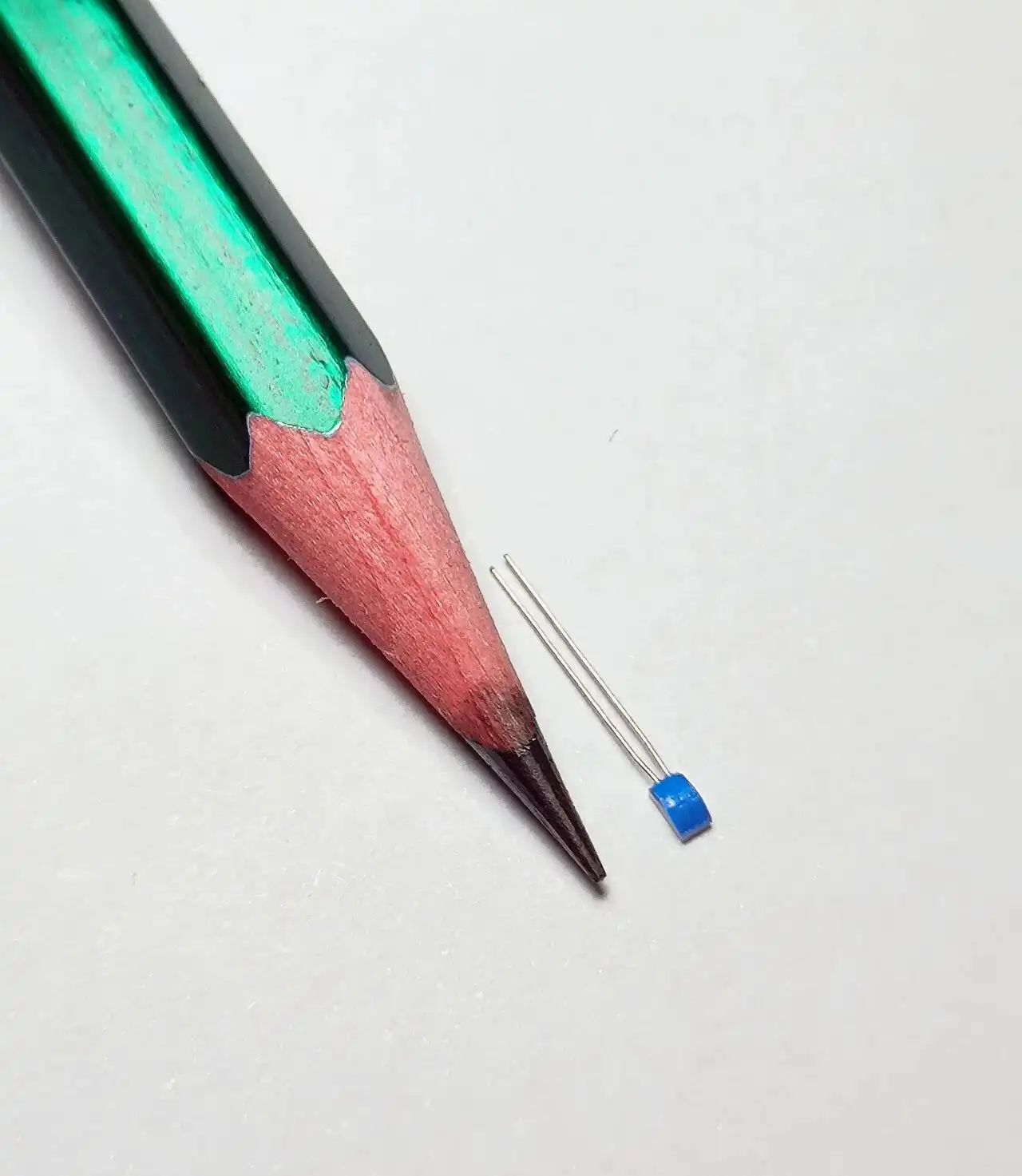
Advantages of Pt100 TC3750 Thin Film RTD Elements Over Other RTDs
Precision and Repeatability Excellence
Uncertainty is not acceptable in business measurement uses where accuracy is important. Precision medical tools, calibration standards labs, and aircraft testing facilities need measurement systems that can be tracked back to their sources and have low uncertainty costs. Pt100 TC3750 Thin Film RTD Elements made to TC3750 standards have very good reliability, with hysteresis effects below 0.02°C over a number of thermal cycles.
When you compare these levels of performance to other tracking systems, you can see that they are much better. Type K thermocouples are cheap and durable, but they can only measure temperatures accurately to within ±1.5°C and have problems with cold junction adjustment. Thermistor devices are very sensitive, but they are not straight and can only measure a small range of temperatures. Because it is accurate, stable, and standardized across the industry, the Pt100 is the standard for validation and approval procedures.
Mechanical Durability in Harsh Environments
Industrial equipment works in tough conditions that would damage less sensitive sensors. Constant shaking from moving parts, going from very hot to very cold, and being in environments that are acidic all put a sensor's build to the test. When thin film elements are attached to ceramic surfaces, they can handle mechanical stresses that would break wire-wound designs. They also keep their electrical properties after millions of vibration cycles.
The airtight glass passivation layer adds another layer of protection against water, chemicals, and electric discharge. These safety steps make sensors last longer in a wide range of settings, from tools for finding oil under the sea to machines that make semiconductors. The shorter maintenance periods and unplanned downtime that follow give operations teams that are in charge of big sensor placements a clear return on investment (ROI).
Calibration and Maintenance Best Practices
To keep measurements accurate, they need to be checked against traceable standards on a regular basis. Because thin film Pt100 sensors are stable, they don't need to be calibrated as often as other technologies, which lowers their operational costs. Organizations that follow the ISO 9001 quality management system or the FDA's rules for medical devices can make risk-based calibration plans that balance accurate measurements with efficient operations.
Using precision resistance bridges or automated calibration systems, comparison readings are usually taken at key temperatures within the working range as part of calibration processes. Certified reference standards should be used to show that the documentation can be tracked back to national measurement bodies. Drift analysis from calibration records lets you plan ahead for upkeep, which means you can replace sensors before their accuracy drops too far.
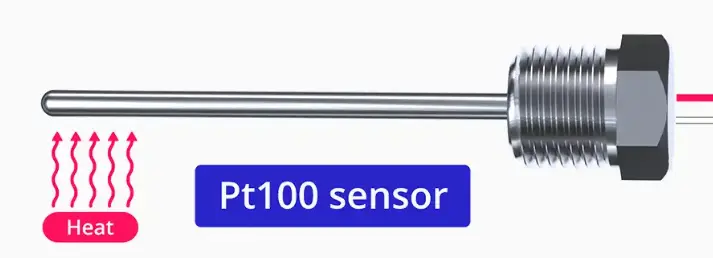
Procurement Considerations for Pt100 and Pt1000 RTD Elements
Supplier Selection and Qualification
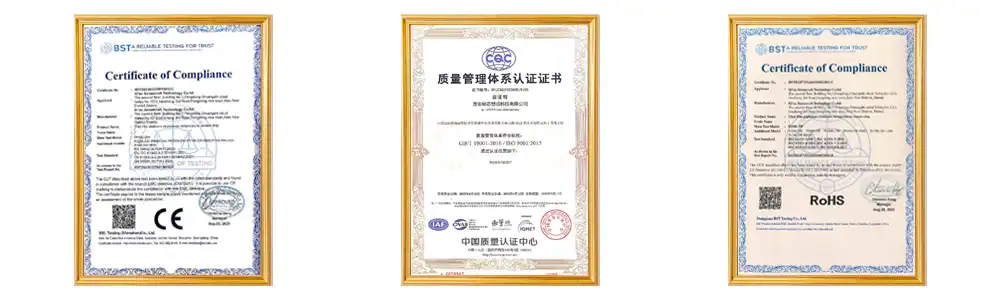
Comparing prices isn't the only thing that goes into B2B buying choices for important tools. Engineering teams need providers that can offer expert help at all stages of a product's lifecycle, from the original design consultation to mass production and long-term availability. Manufacturers that have been around for a while keep track of their process controls, statistical process capability data, and quality management system standards like ISO 9001, ROHS, and CE marks.
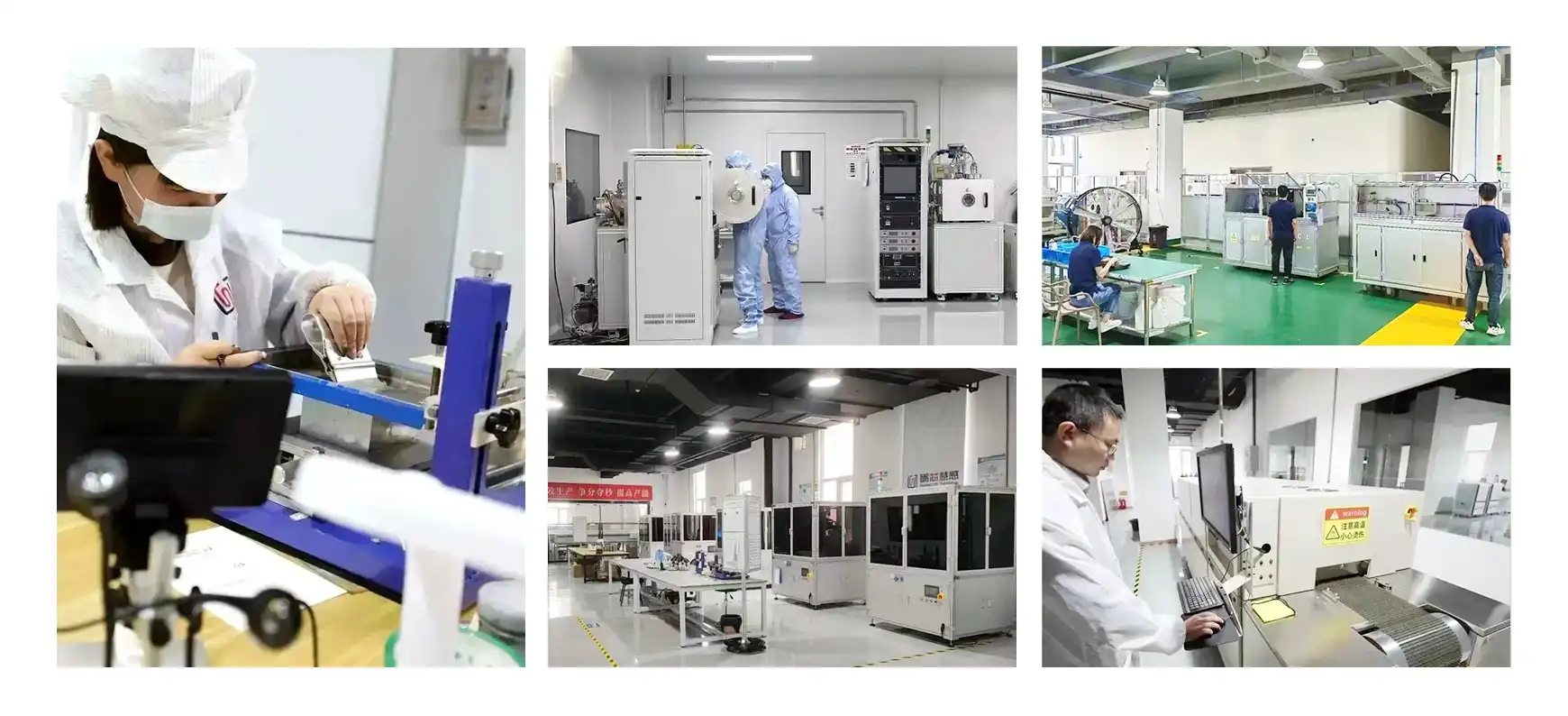
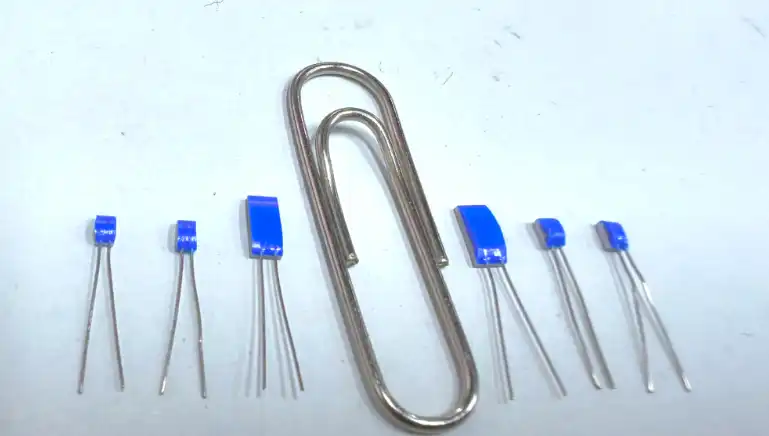
This all-around method is shown by Xi'an Tongzida Technology Co., Ltd., which makes thin film platinum RTD elements on automated production lines and can build, process, package, and test them all. The company's vertical merger makes sure that quality and supply are always the same, which is very important for OEM makers and Tier 1 system providers that manage product lifecycles that last for many years. Different sizes (1.2mm to 4.0mm) and lead materials (platinum-nickel, silver-nickel, and pure platinum) can be customized to meet different assembly needs.
Cost Analysis and Volume Considerations
The initial price of a Pt100 TC3750 Thin Film RTD Element is only a small part of the total cost of ownership. When engineering teams compare options, they should look at things like performance specs, predicted working life, calibration times, and failure rates. When you make a yearly promise, volume price structures often offer big discounts. This is especially helpful for module makers and industrial equipment builders who know when they need to make things.
Lead times depend on how customized the product needs to be and how many orders are placed. Standard catalog items may ship within a few weeks, but it may take several months for customized setups that need special tolerance classes, temperature ranges, or packing choices. Getting suppliers involved early on in the planning phase keeps schedules from getting thrown off and lets prototypes be tested with sensors that are similar to those used in production.
Quality Assurance and Compliance Requirements
Parts providers have to meet strict qualifications to work with medical equipment, car electronics, and aerospace uses. Tolerance class verification, temperature cycle performance, vibration testing, and long-term stability proof should all be part of the procurement requirements. Material certificates, process control data, and statements of compliance with important industry standards are usually included in supplier quality paperwork packages.
For safety-critical apps, the proof cycle can last for months or even years, and it includes a lot of testing in real-world situations. This qualification process can be sped up a lot for suppliers with a history of trust and written data on it. Technical support tools, such as field application engineers (FAE), are very helpful when there are problems integrating and fixing things.
Case Studies: Real-World Application Scenarios
Industrial Automation and Process Control
A major company that makes tools for chemical processing had problems with sensors that kept breaking in systems that checked the temperature of reactors. Traditional wire-wound RTDs were killed within months by corrosive fumes and constant vibration from agitators, which put people at risk and stopped production. When you switch to thin film Pt100 TC3750 elements with better glass passivation, the sensor lasts longer than three years, and the drift rates stay within the acceptable range the whole time. The increase in stability got rid of unexpected repair events and cut the cost of keeping spare parts in stock by 60%.
Energy Sector and HVAC Applications
Thermal power plants keep an eye on hundreds of temperature points in their turbines, heat exchanges, and equipment that controls emissions. A utility worker who was changing old equipment looked at both the Pt100 and Pt1000 sensor networks. The small benefits of Pt1000 technology were not as important for their use as the fact that they already had the infrastructure, the control systems could work with the sensors, and the technicians were already familiar with the Pt100 sensors. Standardizing on thin film Pt100 elements made it easier to handle spare parts and train people, and they met all the accuracy standards for regulatory compliance reports.
Quality Assurance in Calibration Laboratories
To keep up with national temperature standards, metrology labs need reference sensors that are very stable and easy to track. A place that tests medical devices improved its calibration system by adding ultra-precision Pt100 TC3750 Thin Film RTD Elements that meet Class F0.1 requirements. Multiple testing rounds showed that the sensors could repeat within 0.01°C, which allowed them to be certified to ISO/IEC 17025 standards. This measurement ability made it possible for more testing services to be offered to pharmaceutical and science clients who needed records that could be tracked back to NIST standards.
Conclusion
To choose between Pt100 and Pt1000 RTD elements, you need to carefully weigh the needs of your application against the practicalities of standards, instrument compatibility, and the community of suppliers. For tough jobs in the car electronics, industrial automation, medical equipment, and robotics industries, the Pt100 TC3750 Thin Film RTD Element is the best pick. Its quick response, long-lasting mechanical strength, and long-term stability meet the main needs of technology-driven purchasing choices where dependability is more important than original cost. When making goods that need to last for more than one year, engineering teams can use Pt100 technology's large amount of validation data, wide range of instrument support, and proven field performance.
FAQ
Q1: Besides resistance values, what makes Pt100 sensors different from Pt1000 sensors?
A: Besides having a tenfold difference in average resistance, Pt100 sensors are more widely used in many industries, work with a wider range of instruments, and have decades of field performance data to back them up. In some situations, Pt1000 sensors can lower lead wire resistance mistakes. However, they need instruments that are specifically made to work with their higher resistance range. Most industrial control systems, data gathering gear, and transmitters already have Pt100 inputs built in and don't need to be changed.
Q2: Can Pt100 TC3750 thin film elements work in places with high temperatures?
A: Standard thin film Pt100 elements work effectively up to +500°C, and special versions can reach +850°C with the help of improved coatings that protect them. The glass passivation layer protects the platinum sensor element from rust and chemical contamination, so it stays accurate even when the air is rough. Applications that are getting close to these temperature limits should check how well thermal cycling works and list the right tolerance classes for the working range.
Q3: How often do you have to do calibrations to keep measurements accurate?
A: How often you have to calibrate relies on how important the application is, how it is used, and any rules or regulations that apply. For many industry uses, once a year validation is enough. But for medical tools and calibration standards, every three or six months validation may be needed. Sensors that work in harsh settings or at high or low temperatures should be checked more often. Risk-based interval changes can be made by analyzing drift from calibration records.
Partner with Tongzida for Superior Temperature Sensing Solutions
Tongzida makes thin film platinum RTD elements that are precisely designed to meet the high standards of OEM makers, system integrators, and industrial equipment builders around the world. Our range of Pt100 TC3750 Thin Film RTD Elements can work in temperatures from -200°C to +850°C and have accuracy levels of up to ±0.01Ω (1/30B level). They also have long-term stability drift standards below 0.04%. Customized lead configurations, vacuum packing choices, and dimensional needs specific to an application are all things that can be made.
As a company that makes platinum resistors and is certified by ISO 9001, ROHS, and CE, we can guarantee a stable supply and provide specialized FAE support throughout the entire product development process. Get in touch with our expert team at sales11@xatzd.com to talk about how you need to measure temperature and look into unique solutions that are made to fit your needs.
References
1. International Electrotechnical Commission, "IEC 60751: Industrial Platinum Resistance Thermometers and Platinum Temperature Sensors," 2022 Edition.
2. ASTM International, "ASTM E1137/E1137M-20: Standard Specification for Industrial Platinum Resistance Thermometers," 2020.
3. Nicholas, J.V., and White, D.R., "Traceable Temperatures: An Introduction to Temperature Measurement and Calibration," John Wiley & Sons, 2001.
4. Childs, P.R.N., "Practical Temperature Measurement," Butterworth-Heinemann, 2001.
5. Bentley, R.E., "Handbook of Temperature Measurement Vol. 3: The Theory and Practice of Thermoelectric Thermometry," Springer Science & Business Media, 1998.
6. Kerlin, T.W., and Shepard, R.L., "Industrial Temperature Measurement," ISA-The Instrumentation, Systems and Automation Society, 1982.
Learn about our latest products and discounts through SMS or email