- English
- French
- German
- Portuguese
- Spanish
- Russian
- Japanese
- Korean
- Arabic
- Greek
- German
- Turkish
- Italian
- Danish
- Romanian
- Indonesian
- Czech
- Afrikaans
- Swedish
- Polish
- Basque
- Catalan
- Esperanto
- Hindi
- Lao
- Albanian
- Amharic
- Armenian
- Azerbaijani
- Belarusian
- Bengali
- Bosnian
- Bulgarian
- Cebuano
- Chichewa
- Corsican
- Croatian
- Dutch
- Estonian
- Filipino
- Finnish
- Frisian
- Galician
- Georgian
- Gujarati
- Haitian
- Hausa
- Hawaiian
- Hebrew
- Hmong
- Hungarian
- Icelandic
- Igbo
- Javanese
- Kannada
- Kazakh
- Khmer
- Kurdish
- Kyrgyz
- Latin
- Latvian
- Lithuanian
- Luxembou..
- Macedonian
- Malagasy
- Malay
- Malayalam
- Maltese
- Maori
- Marathi
- Mongolian
- Burmese
- Nepali
- Norwegian
- Pashto
- Persian
- Punjabi
- Serbian
- Sesotho
- Sinhala
- Slovak
- Slovenian
- Somali
- Samoan
- Scots Gaelic
- Shona
- Sindhi
- Sundanese
- Swahili
- Tajik
- Tamil
- Telugu
- Thai
- Ukrainian
- Urdu
- Uzbek
- Vietnamese
- Welsh
- Xhosa
- Yiddish
- Yoruba
- Zulu
Best Pt1000 Waterproof Sensors for Water Monitoring Systems
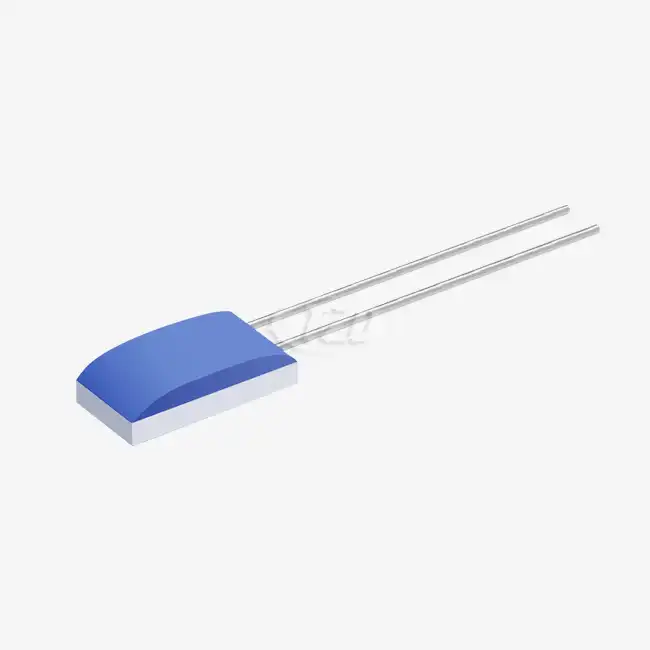
When looking for the best Pt1000 waterproof sensors for water tracking systems, the most important things to look for are accuracy and dependability. A Water Treatment Pt1000 Waterproof Sensor is a platinum resistance temperature monitor that has a 1000-ohm resistance at 0°C and is made with tightly sealed parts that can withstand being submerged in water for a long time. These sensors have Grade 316L stainless steel sheaths and advanced moisture-proof potting compounds. They provide millikelvin-level stability, which is needed for automated dosing control, monitoring thermal stratification, and following strict EPA water quality rules in municipal treatment facilities.
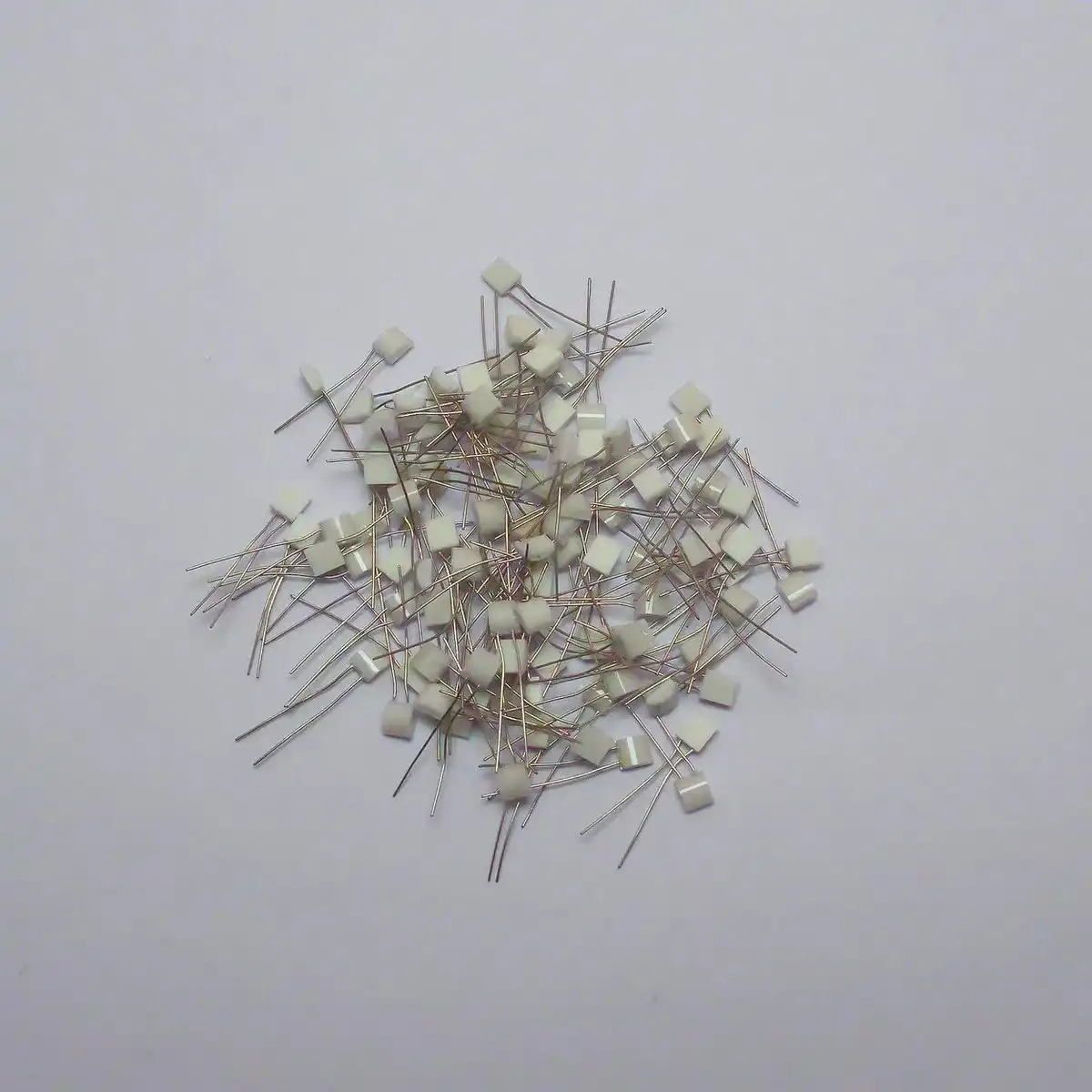
Introducing Pt1000 Waterproof Sensors for Water Treatment
There is a special group of Resistance Temperature Detectors called Water Treatment Pt1000 Waterproof Sensors that are made to work continuously in harsh water settings where regular instruments would break within weeks. According to IEC60751 standards, the platinum sensing element has a positive temperature coefficient of 3850ppm/°C. It is enclosed in secure assemblies with IP67 or IP68 entry protection ratings to keep electrolytic rust and insulation resistance breakdown from happening.
Fundamental Operating Principles
The platinum resistance part works with an easy-to-understand straight connection between temperature and electrical resistance. The sensor reads exactly 1000 ohms at 0°C and goes up in a straight line as the temperature rises. This tenfold resistance advantage over Pt100 variants greatly lowers signal loss over long wire runs. This makes the technology especially useful for tracking networks in big water treatment plants where sensors may be more than 500 feet away from control panels.
Comparative Analysis with Alternative Technologies
When you compare Pt1000 sensors to thermocouples, you can see that they are much more accurate. Type K thermocouples can only be off by ±2.2°C, but Class A Pt1000 sensors can be off by only ±0.15°C at 0°C. Compared to Pt100 options, the higher base resistance makes two-wire designs easier to use without having to use complicated lead-wire compensation circuits. This cuts installation costs by about 30% in retrofit situations. The Pt500 version is in the middle, but it doesn't have the wide range of tuning tools that the Pt1000 version does.
Waterproofing Technology Essentials
Dual-barrier security systems are used in high-quality waterproof building. The inner layer is usually made up of MgO powder that is packed down around the platinum element. This keeps electricity from moving while still letting heat move. Fluoropolymer or epoxy potting materials are used in the upper layer to make hermetic seals that stop moisture from moving through cable entry points. Modern designs have anti-wicking shields that stop capillary action along wire strands. This keeps the insulation resistance above 100MΩ at 500V DC even after being submerged in harsh chemicals for months at a time.
How to Choose the Best Pt1000 Waterproof Sensor for Water Treatment Applications?
To choose the best Water Treatment Pt1000 Waterproof Sensor, you need to carefully look at a lot of technical and business factors. Instead of general requirements, the decision system should put application-specific requirements first.
Critical Performance Specifications
Different water treatment uses have very different needs for measurement accuracy. To keep chlorination working properly, disinfection tracking systems usually need Class AA tolerance (±0.1°C at 0°C). On the other hand, Class B tolerance (±0.3°C at 0°C) may be enough for thermal load balancing in cooling towers. In fast thermal cycling situations, reaction time is very important. Thin-film designs can respond in 0.05 seconds, while wire-wound designs need 1-2 seconds. The operating temperature range needs to be able to handle process extremes. Depending on the lead wire insulation material, quality sensors can work in temperatures ranging from -200°C to +450°C.
Material Compatibility and Durability
Long-term survival in acidic water treatment settings depends on how resistant the material is to chemicals. Grade 316L stainless steel sheaths guard well against chlorinated water and light acids. Hastelloy or titanium versions, on the other hand, are resistant to strong oxidizing agents that are used in advanced oxidation processes. Specifications for shock resistance of 100g and vibration resistance of 40g protect the integrity of sensors in pump stations and high-speed flow lines where mechanical stress speeds up failure modes.
Integration and Customization Considerations
Total implementation costs are affected by how well they work with current control systems. Standardized 2-wire or 4-wire sensors work well with programmable logic devices from big automation vendors. On the other hand, proprietary interfaces can lead to vendor lock-in. The ability to customize sets product sellers apart from solution partners. We've seen that applications that need non-standard probe lengths, thread configurations, or calibration points gain a lot from makers that let them make changes without setting minimum order amounts that are too high.
When making a procurement choice, the wait time standards and quality verification procedures are also taken into account. Standard versions that are kept in stock by suppliers can be shipped within two to three weeks, while unique designs usually take six to eight weeks to make. By weighing the pros and cons of instant availability vs. application-optimized performance, you can avoid making expensive trade-offs that hurt system performance over long periods of time.
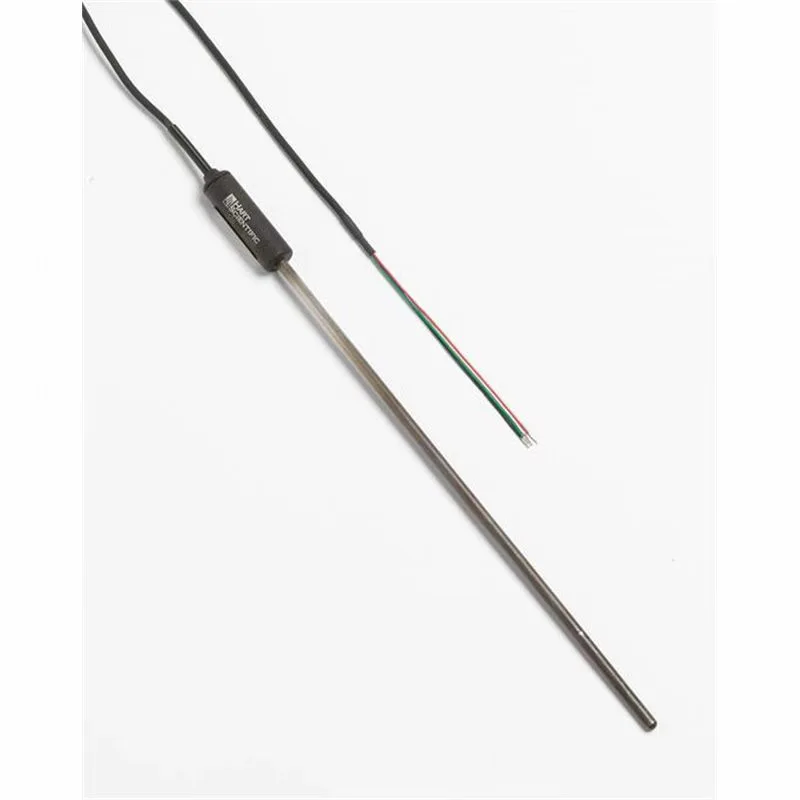
Installation and Troubleshooting of Pt1000 Waterproof Sensors in Water Treatment
The accuracy of measurements and the life of Water Treatment Pt1000 Waterproof Sensors are directly affected by how they are installed. We have proof that about 60% of early sensor failures are caused by mistakes in fitting rather than problems with the way the sensors were made.
Step-by-Step Installation Protocol
The first step in preparing a site is to make sure that the submerging depth is right. To get rid of mistakes in the signal transmission through the mounting structure, the sensing element needs to be fully submerged at least three to four times the width of the probe. By putting sensors in typical flow areas, you can avoid thermal stratification blind spots and make sure there is enough motion across the detecting tip to meet response time requirements. The way the probe is mounted should keep air bubbles from getting trapped around the tip, which forms insulation layers that weaken thermal coupling.
Signal strength is based on how well the electrical link works. When professionals take off cable jackets, they should be careful not to cut the wire strands, which leaves holes that allow water to get in. For solid contact without damaging the terminal blocks, terminal connections need the right torque specs, which are usually between 5 and 7 inch-pounds. To keep electromagnetic interference from messing up millivolt-level resistance readings, cable route must stay away from high-voltage power lines that are more than 120VAC. When used in electrically noisy industrial settings, pipe systems with the right grounding and protection keep signals intact.
Common Failure Modes and Diagnostic Approaches
When waterproofing fails, the insulation resistance slowly drops until there is no signal at all. Regular testing of insulation resistance with 500V DC megohmmeters finds moisture early; results below 10MΩ mean that seals are broken and need to be replaced right away. If the signal drifts more than 0.5°C every six months, it means that the platinum film is contaminated with elements or has mechanical stress cracks. Usually, readings that come and go or changes that aren't logical mean that the end connections are loose or that the wire is damaged at flex points close to where the probe goes in.
Structured methods are used for systematic fixing. By disconnecting the sensor and using precision multimeters to measure the resistance, you can tell the difference between sensor faults and wiring problems. By comparing results to ice-point reference tubs (0°C), you can be sure that the calibration is accurate within the tolerance bands that were given. Using known-good sensors helps tell the difference between failed parts and problems with how the system works together, so you don't have to replace things that aren't broken when fixing mistakes in the controller setup upstream.
Leading Pt1000 Waterproof Sensor Brands and Suppliers for Water Treatment
On the global market for precision temperature monitors, there are both well-known companies that have been making them for decades and new companies that are coming up with competitive options. Understanding the different value offers across this landscape of suppliers is helpful for procurement strategies.
Established Industry Leaders
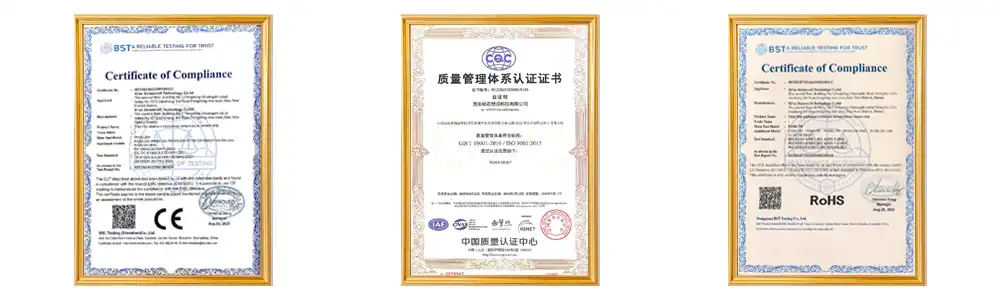
Traditional sensor makers usually have a lot of certifications, such as ISO9001 for quality control, ROHS for environmental compliance, and CE marks for European markets. These companies stay vertically integrated from depositing the platinum film to the final testing. This makes sure that the process is tightly controlled and that the accuracy is the same from batch to batch. Their technical support system includes field application engineers who help with custom integration problems and provide on-site testing support. This is especially helpful for setups that are complicated in water treatment plants that serve big cities.
Specialized Chinese Manufacturers
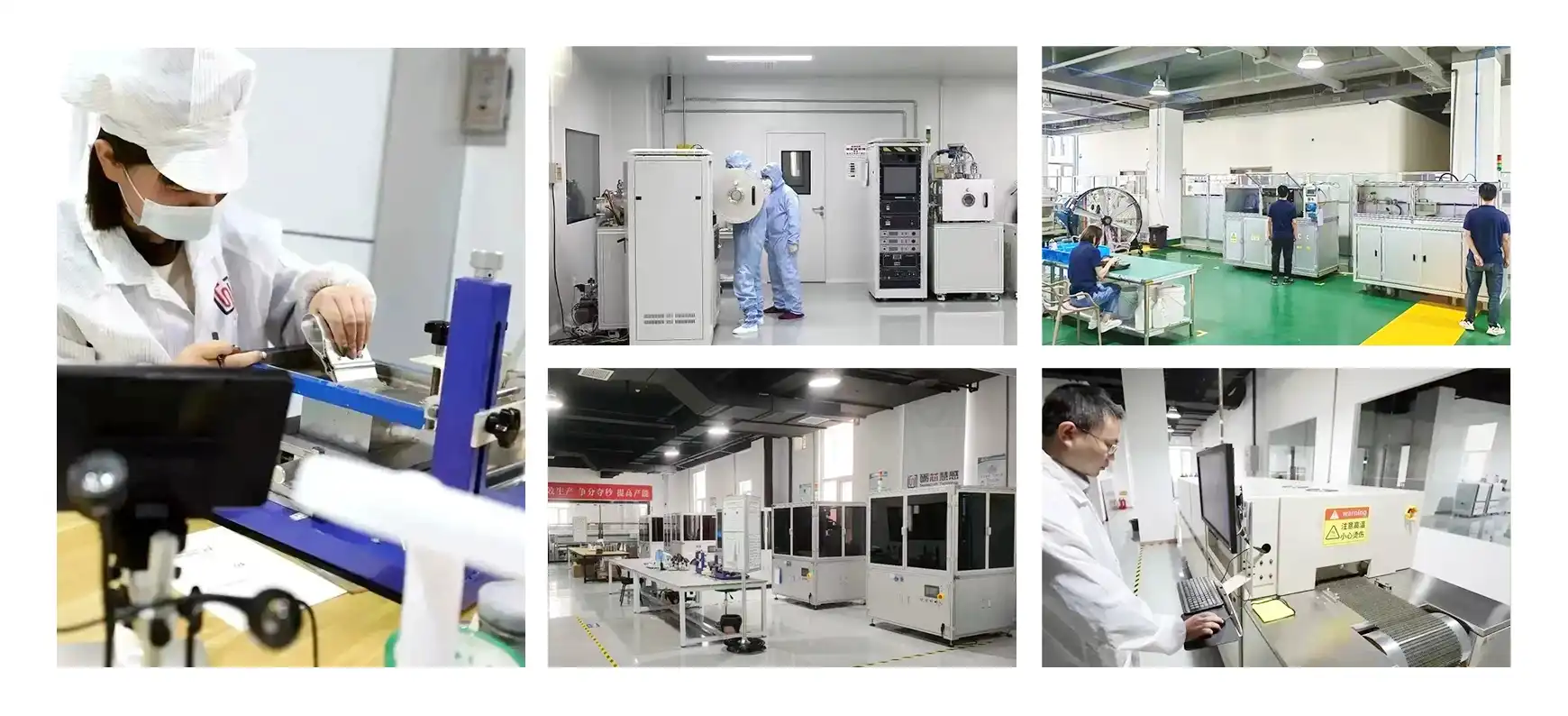
Companies like Tongzida have put money into advanced thin-film production technologies for Water Treatment Pt1000 Waterproof Sensor components that can compete with Western companies at prices that are hard to resist. Tongzida has automatic production lines that can handle uses at room temperature, high temperatures, and very low temperatures, and their accuracy requirements reach ±0.01Ω (1/30B level).
The fact that their long-term stable specs show shift of less than 0.04% shows that their manufacturing maturity is getting closer to industry standards. Customization options include probe sizes ranging from 1.2 mm to 4 mm and lead materials such as platinum-nickel, silver-nickel, and pure platinum alloys. This lets customers meet a wide range of application needs without being forced into standard configurations that lower performance.
Procurement Strategy Recommendations
Business-to-business buyers should set up seller approval rules that go beyond what is listed in a catalog. By asking for NIST-traceable calibration certificates, claims of accuracy can be checked by a third party. Documentation from helium leak tests proves the waterproofing's stability under pressure conditions that are like years of use compressed into short test cycles. The results of a thermal cycle stress test show that bonds between different materials that expand and contract at different rates can last for a long time.
Strategies for buying in bulk take advantage of savings of scale and keep supply chain risks under control. By dividing orders between primary and secondary sources, you can keep the competition high and make sure that business keeps going even if there are quality problems with one source. Framework deals with yearly volume guarantees ensure better price and guaranteed allocation during times when manufacturing capacity is low. This is especially important for key projects with set dates for launching.
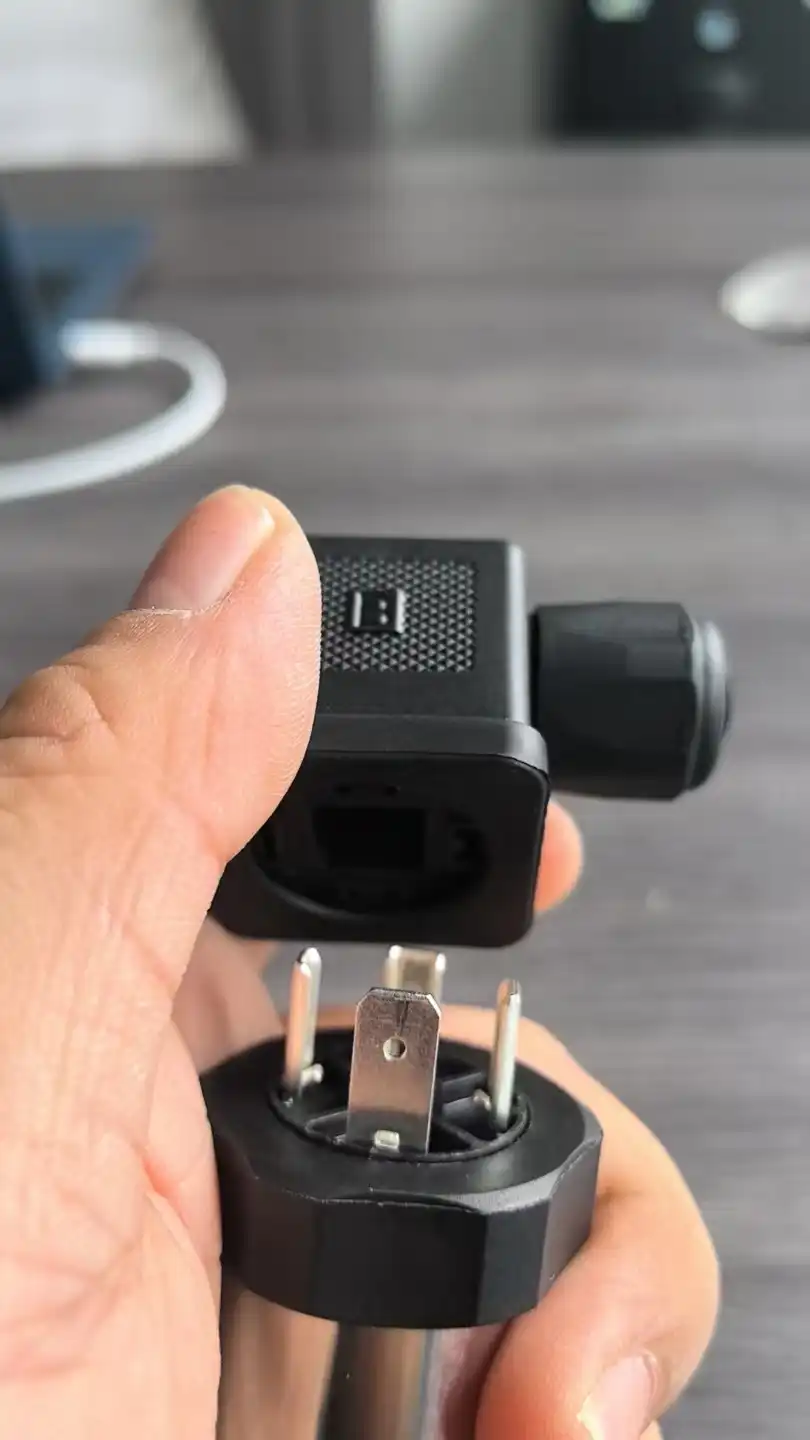
Future Trends and Innovations in Pt1000 Sensors for Water Monitoring Systems
Smart Sensor Integration
IoT-enabled temperature monitors now have microprocessors built in that process data locally. These microprocessors automatically compensate for cold junctions and linearize raw resistance measurements into temperature readings. These smart devices talk to each other using industrial protocols like Modbus RTU, Profibus, and wireless mesh networks. This gets rid of the need for specific wiring infrastructure and lets tracking be spread out. Predictive maintenance algorithms look at patterns of measurement drift to guess when calibrations will need to be done and spot early signs of failure weeks before major sensor failures stop operations.
Regulatory and Sustainability Drivers
Environmental laws are getting stricter, which means that tracking has to be more accurate. The EPA's standards for disinfecting drinking water include more and more details about keeping the maximum measuring error below 0.3°C. This is to make sure that estimates for pathogen inactivation keep enough safety gaps. Energy efficiency rules encourage the use of more accurate sensors that improve the performance of heat exchangers by measuring the difference in temperatures more accurately. This cuts thermal energy waste by 3–5% in big facilities that handle millions of gallons of fluid every day.
Materials Innovation
Next-generation waterproof encapsulation materials made from advanced fluoropolymer formulations make operating lifespans longer, from the usual 5–7 years to 10 years or more when submerged in water all the time. Biocompatible coatings don't let biological fouling happen in wastewater uses, where organic buildup usually makes heat response worse. With longer upkeep times, these improvements make measurements more reliable while lowering the costs over the whole life cycle.
Conclusion
It's important to balance technical specs with operational facts and business concerns when choosing the right Water Treatment Pt1000 Waterproof Sensor. This technology is better than other ways of measuring temperature because it is more accurate, keeps the signal strong over long wire runs, and is easier to set up. Systematically evaluating application-specific needs, such as chemical compatibility, response time needs, and integration architecture limits, leads to successful solutions.
Buying strategies that focus on a supplier's technical skills, ability to adapt to specific needs, and long-term support infrastructure usually work better than ones that are only driven by cost. This is especially true for mission-critical water treatment applications where sensor failures can lead to regulatory violations and expensive process interruptions. Smart sensors and advanced materials are changing all the time, which means that performance will keep getting better, which is a good reason to make strategic investments in high-end sensing solutions.
FAQ
Q1: How does the accuracy of the Pt1000 sensor compare to that of the Pt100 sensor in water treatment?
A: When made to IEC60751 standards, Pt1000 sensors offer the same levels of accuracy as Pt100 versions. The real benefit comes from how accurately the sensors are placed, not just how accurate they are. The 1000-ohm base resistance cuts lead-wire resistance mistakes from about 0.5°C in 100-foot cable runs with Pt100 sensors to almost nothing (0.05°C) with Pt1000 sensors.
Q2: What kinds of customizing choices work best in different water treatment settings?
A: Manufacturers with a good reputation let you make a lot of changes to the probe's size, sheath material, thread design, and wire terminations. Probe lengths usually run from 50 mm pocket sensors for installing in pipes to 500 mm or more immersion probes for use in tanks. The choice of material is based on how well it reacts with chemicals. For example, 316L stainless steel is good for drinking water, while titanium or Hastelloy versions can handle harsh oxidizers in advanced treatment methods.
Q3: How long should something last if it is constantly exposed to water?
A: If you place quality Pt1000 waterproof sensors correctly, they will stay waterproof and calibrated for 5 to 7 years under normal city water treatment conditions. Chemically aggressive environments or high temperatures can shorten service life to three to five years. On the other hand, mild potable water tracking uses can sometimes last ten years or more. Every 12 to 24 months, the calibration is checked to see if the drift is outside of the acceptable range.
Partner with Tongzida for Precision Water Temperature Monitoring Solutions
Tongzida has a track record of producing high-quality Water Treatment Pt1000 Waterproof Sensors. They use cutting-edge thin-film platinum resistor technology and strict quality control to meet the exact needs of industrial water monitoring systems. Our automated production powers cover temperatures from -200°C to +850°C, so you can be sure that the sensors you receive will be exactly what you need for your job, whether it's checking the effectiveness of chlorination in drinking water plants or the thermal profiles in industrial cooling systems.
Our sensors give you the measurement trust you need for legal compliance and process optimization. Their accuracy specs go up to ±0.01Ω and their long-term stability drift is less than 0.04%. We help your engineering teams by giving them full technical advice, designing custom sensors, and setting cheap bulk price structures that are made for OEM partnerships and large-scale system integrations. Get in touch with our engineering team at sales11@xatzd.com to talk about your specific tracking problems with water treatment and find out how our custom sensor solutions can help you improve your operations.
References
1. International Electrotechnical Commission (2008). IEC 60751: Industrial Platinum Resistance Thermometers and Platinum Temperature Sensors. Geneva: IEC Publications.
2. Childs, P.R.N. (2001). Practical Temperature Measurement. Oxford: Butterworth-Heinemann.
3. Liptak, B.G. (Ed.) (2003). Instrument Engineers' Handbook: Process Measurement and Analysis, Volume 1, Fourth Edition. Boca Raton: CRC Press.
4. Nicholas, J.V. & White, D.R. (2001). Traceable Temperatures: An Introduction to Temperature Measurement and Calibration, Second Edition. Chichester: John Wiley & Sons.
5. American Water Works Association (2017). Water Treatment Plant Design, Fifth Edition. Denver: AWWA Publications.
6. Webster, J.G. & Eren, H. (Eds.) (2014). Measurement, Instrumentation, and Sensors Handbook: Electromagnetic, Optical, Radiation, Chemical, and Biomedical Measurement, Second Edition. Boca Raton: CRC Press.

Learn about our latest products and discounts through SMS or email