- English
- French
- German
- Portuguese
- Spanish
- Russian
- Japanese
- Korean
- Arabic
- Greek
- German
- Turkish
- Italian
- Danish
- Romanian
- Indonesian
- Czech
- Afrikaans
- Swedish
- Polish
- Basque
- Catalan
- Esperanto
- Hindi
- Lao
- Albanian
- Amharic
- Armenian
- Azerbaijani
- Belarusian
- Bengali
- Bosnian
- Bulgarian
- Cebuano
- Chichewa
- Corsican
- Croatian
- Dutch
- Estonian
- Filipino
- Finnish
- Frisian
- Galician
- Georgian
- Gujarati
- Haitian
- Hausa
- Hawaiian
- Hebrew
- Hmong
- Hungarian
- Icelandic
- Igbo
- Javanese
- Kannada
- Kazakh
- Khmer
- Kurdish
- Kyrgyz
- Latin
- Latvian
- Lithuanian
- Luxembou..
- Macedonian
- Malagasy
- Malay
- Malayalam
- Maltese
- Maori
- Marathi
- Mongolian
- Burmese
- Nepali
- Norwegian
- Pashto
- Persian
- Punjabi
- Serbian
- Sesotho
- Sinhala
- Slovak
- Slovenian
- Somali
- Samoan
- Scots Gaelic
- Shona
- Sindhi
- Sundanese
- Swahili
- Tajik
- Tamil
- Telugu
- Thai
- Ukrainian
- Urdu
- Uzbek
- Vietnamese
- Welsh
- Xhosa
- Yiddish
- Yoruba
- Zulu
Why Choose TC3750 Thin Film RTD Elements for Precision Sensing
Choosing the right sensor is very important for business uses that need to measure temperatures accurately. The 3750 ppm/°C temperature coefficient and strong thin film design of the Pt1000 TC3750 Thin Film RTD Element make it very accurate. Unlike most platinum resistance thermometers, this sensor strikes a good mix between sensitivity and noise immunity. This makes it perfect for harsh environments in medical equipment, car electronics, and industrial automation. Its 1000-ohm base resistance at 0°C reduces lead wire mistakes in long-cable setups, which is a very important benefit when signal integrity can't be compromised.
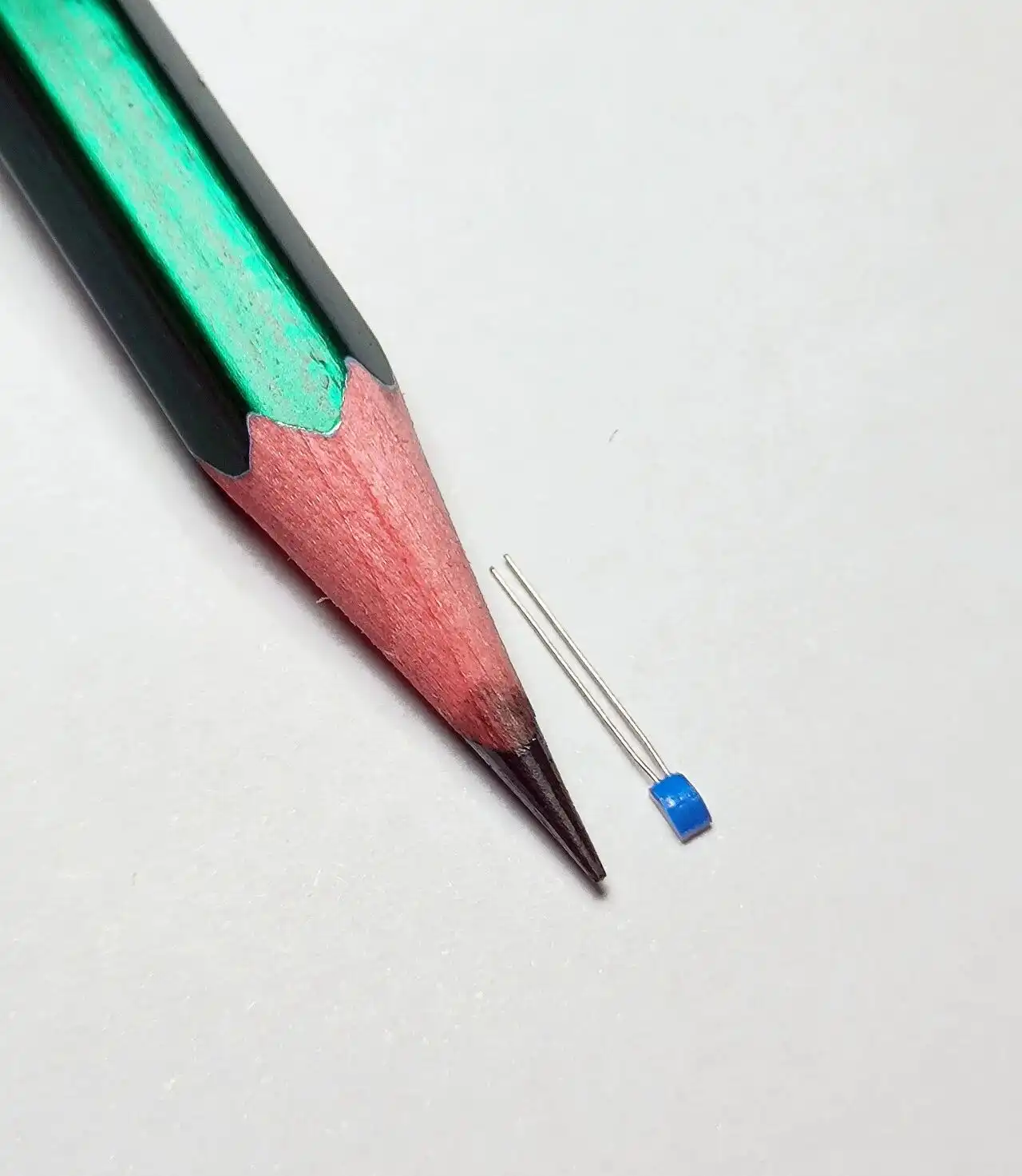
Comprehending TC3750 Thin Film RTD Elements
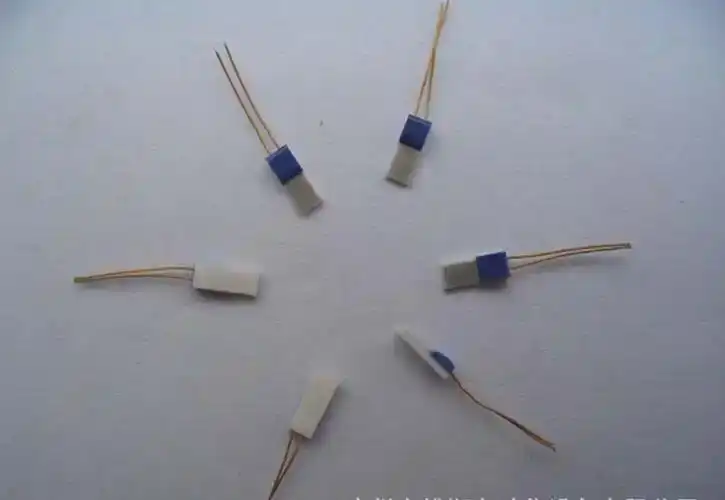
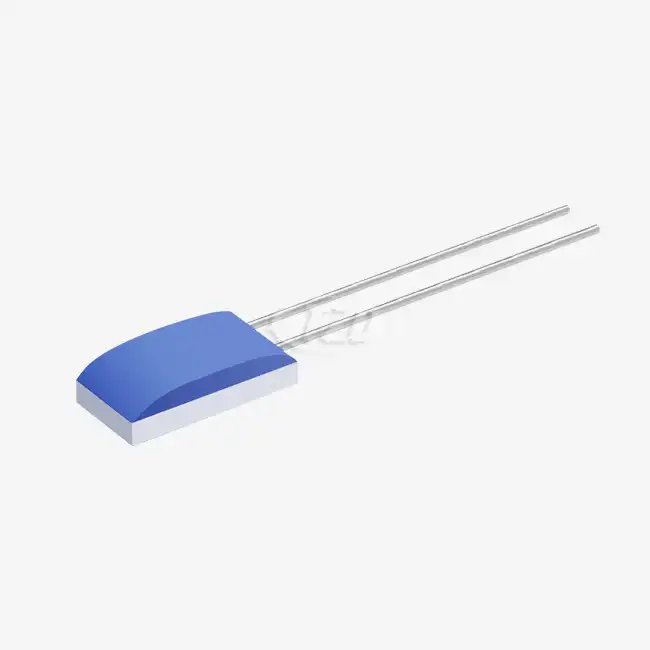
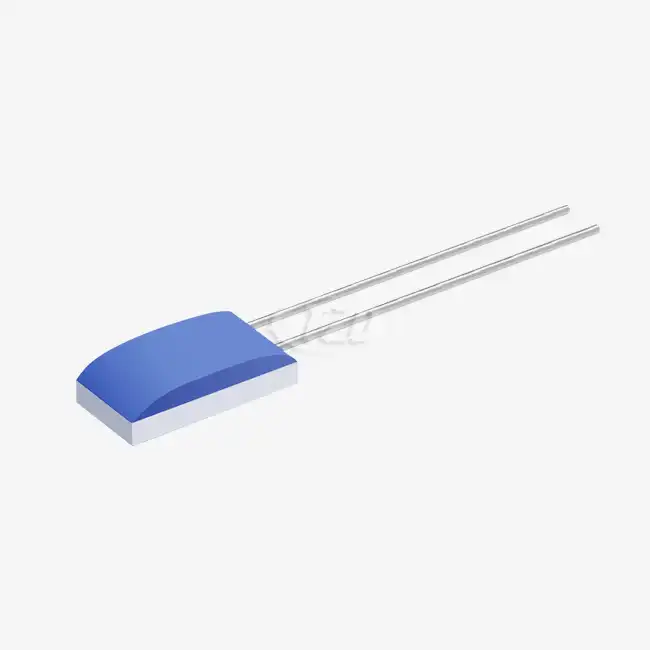
When it comes to accuracy, platinum resistance temperature monitors are the best, and the Pt1000 TC3750 Thin Film RTD Element model is especially useful for commercial settings. This sensor works by using a thin layer of platinum placed on top of a clay base. This makes a small but strong sensing element that reacts consistently to changes in temperature.
Operating Principle and Core Characteristics
The Pt1000 TC3750 Thin Film RTD Element thin film structure uses a platinum layer that is only a few microns thick and has been carefully designed to have a resistance of 1000 ohms at 0°C, which is the standard temperature. Platinum atoms move more strongly as the temperature rises, which raises electrical resistance at a steady rate of 3750 parts per million per degree Celsius. This coefficient is the best of both worlds—it's high enough to give great clarity for changes in temperature and stable enough to avoid the noise disturbance that happens with higher coefficients.
Pt1000 Versus Pt100 Configuration
The 1000-ohm base resistance is better than the more common 100-ohm parts in real ways. Copper cable resistance can cause big mistakes in measurements in real-world setups with lead lines that are meters or tens of meters long. For example, 0.5 ohms of lead resistance could cause a mistake of almost 1.3°C on a Pt100 sensor, but only 0.13°C on a Pt1000 sensor, which is ten times better. Because of this, the Pt1000 TC3750 Thin Film RTD Element is very useful in remote sensing networks, which are popular in chemical processing plants and HVAC systems.
Thin Film Construction Advantages
Vacuum deposition and photolithographic printing are methods used to make these sensors that come from making semiconductors. The result is very high mechanical strength and resistance to temperature cycles. The platinum film molecularly links to the ceramic base, which gets rid of the problem of vibration sensitivity that comes with wire-wound designs. This design can work in temperatures ranging from -50°C to +300°C and keeps its shape, which is important for accurate measurements.
Advantages of TC3750 Thin Film RTD Elements for Precision Sensing
Accuracy in measuring temperature has a direct effect on the quality of the output and the speed of the process. When engineers choose sensing options, they have to look at a lot of performance factors and compare them to how things work in the real world. The Pt1000 TC3750 Thin Film RTD Element takes these things into account by having well-balanced design features.
Superior Measurement Accuracy
In industrial settings, measurement uncertainty is usually caused by sensor range, calibration drift, and interference from the surroundings. Our Pt1000 TC3750 Thin Film RTD Elements are accurate to within ±0.01 © at the 1/30B tolerance level, which means they can measure temperatures with an error of less than ±0.03°C close to the reference point. This level of accuracy makes it possible to tightly control the process in areas like making medicines and semiconductors, where temperature changes of just 0.1°C can damage the quality of the finished product.
Stability over time is just as important as accuracy at the start. Accelerated aging tests show that the resistance drifts by less than 0.04% over 1000 hours at high temperature. This means that the sensor stays calibrated for a much longer time than wire-wound options. Because it is stable, it doesn't need to be recalibrated as often, which lowers the total cost of ownership while keeping measurement accuracy high.
Robust Environmental Performance
In industrial settings, sensors are exposed to vibrations, mechanical shocks, changes in temperature, and toxic air. The thin film structure can handle vibrations of up to 40g and mechanical shocks of up to 100g, which are tough conditions for wire-wound sensors to handle. This durability is very important in testing areas for cars and mobile machinery, where constant shaking would wear out regular sensing elements.
In optimal packages, the thermal reaction time can reach 0.05 seconds, which lets you watch processes that are changing quickly in real time. When exothermic processes happen quickly, they don't get too hot, and temperature changes are caught before they damage goods or equipment. The ceramic substrate effectively transfers heat to the platinum film while electrically separating the sensing element. This allows for both fast reaction and high voltage separation when needed.
Calibration and Maintenance Efficiency
Standardized testing methods are helpful for B2B clients who have more than one production line. The Pt1000 TC3750 Thin Film RTD Element's resistance changes with temperature in a way that follows the Callendar-Van Dusen equation, with very precise values. When you calibrate at three reference points, usually 0°C, 100°C, and 200°C, you get adjustment factors that work for the whole working range. Automated calibration systems can quickly process these sensors, which cuts down on the time needed to set up new tools or replace sensors in current ones.
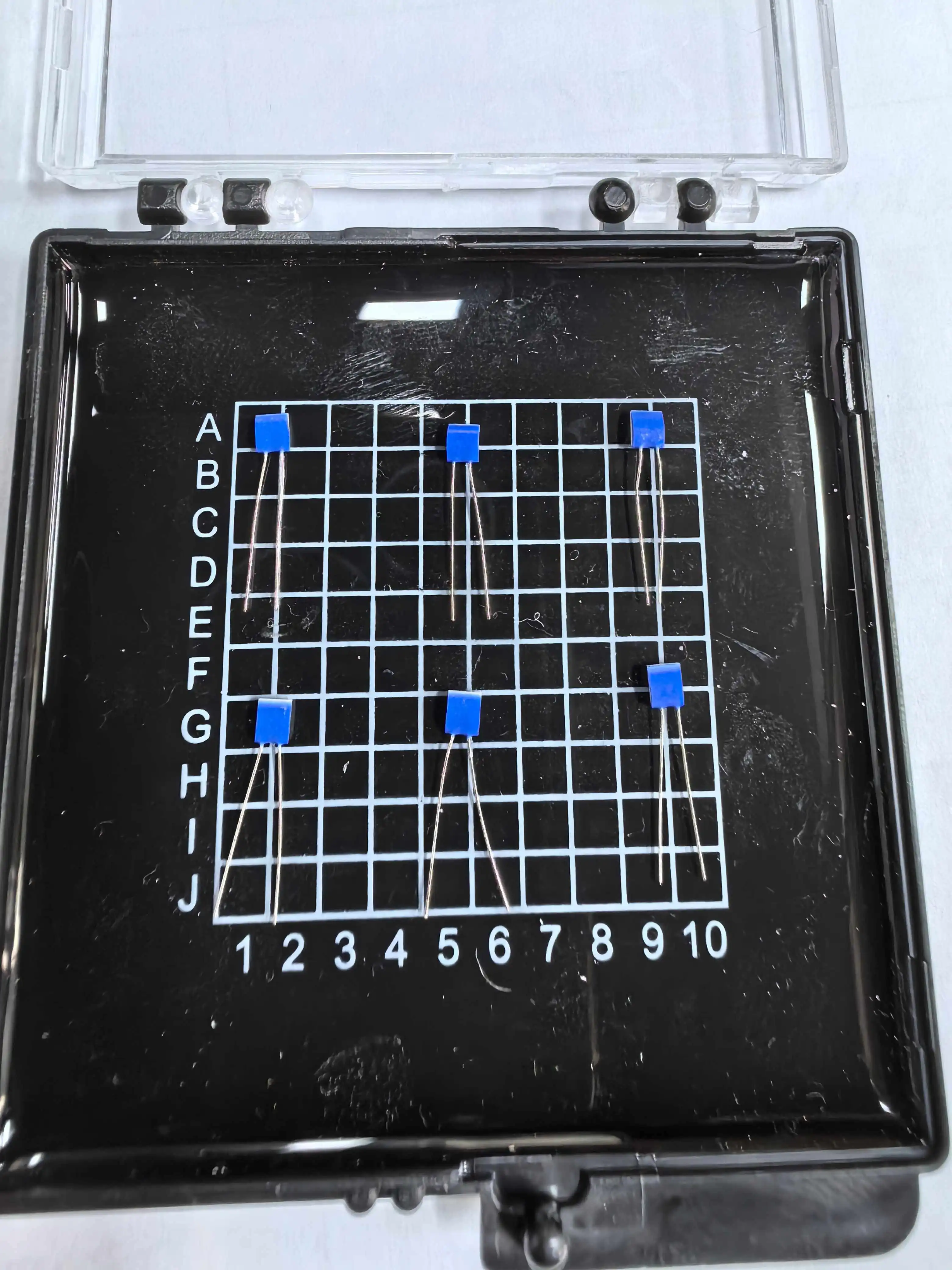
Comparing TC3750 Thin Film RTD with Alternative Sensing Solutions
Before making a purchase choice, it's important to know how different sensing devices work in different situations. When it comes to precision temperature sensors, the Pt1000 TC3750 Thin Film RTD Element stands out because it has features that other options can't fully match.
TC3750 Versus TC3850 Temperature Coefficient
The more popular TC3850 coefficient has a slightly higher sensitivity (3850 ppm/°C vs. 3750 ppm/°C), which means it has a slightly better temperature resolution. There are, however, some downsides to this. The Pt1000 TC3750 Thin Film RTD Element's lower coefficient makes it better at blocking noise in places with a lot of electrical noise, like motor drives, switching power sources, and radio frequency equipment. The difference of 100 ppm/°C lowers the chance of electromagnetic interference by about 2.5%. This is important in situations where measurement steadiness is more important than final resolution.
The difficulty of calibration is also slightly different for each variable. To keep the accuracy across a wide range of temperatures, the Callendar-Van Dusen polynomial needs more adjustment terms for the TC3850 curve. The Pt1000 TC3750 Thin Film RTD Element has a softer resistance-temperature slope, which makes curve-fitting easier. This could lead to better accuracy when using simpler calibration models in low-cost situations.
Advantages Over Thermocouples
Microvolt readings from thermocouples need to be amplified a lot, which adds noise and shift. RTD signals have a better signal-to-noise ratio because they measure in millivolts or even hundreds of millivolts, based on the stimulation current. The Pt1000 TC3750 Thin Film RTD Element meets accuracy standards that are a thousand times tighter than those for Type K thermocouples and stays stable for years instead of months.
Thermocouple cold junction correction makes things more complicated and could lead to mistakes. RTD measures are still accurate; they only need to be corrected for lead wire resistance. This can be made easier with four-wire measurement or completely removed by the Pt1000's naturally low lead wire error sensitivity.
Thin Film Versus Wire-Wound Construction
The carefully wound platinum wire in wire-wound RTDs gives them great accuracy, but their mechanical weakness limits what they can be used for. The structure of the coils works like a spring and can be worn down by vibrations and resonance effects. Thin film elements can handle mechanical stress that would damage wire-wound sensors forever. This makes them last longer in uses that are mobile or have a lot of vibration.
Scalability in manufacturing works in favor of thin film technology. With photolithographic patterning, thousands of similar sensor elements are made in each production batch. This level of accuracy is hard to achieve with wire wrapping by hand. This consistency helps module makers who use automatic calibration methods for large-scale output.
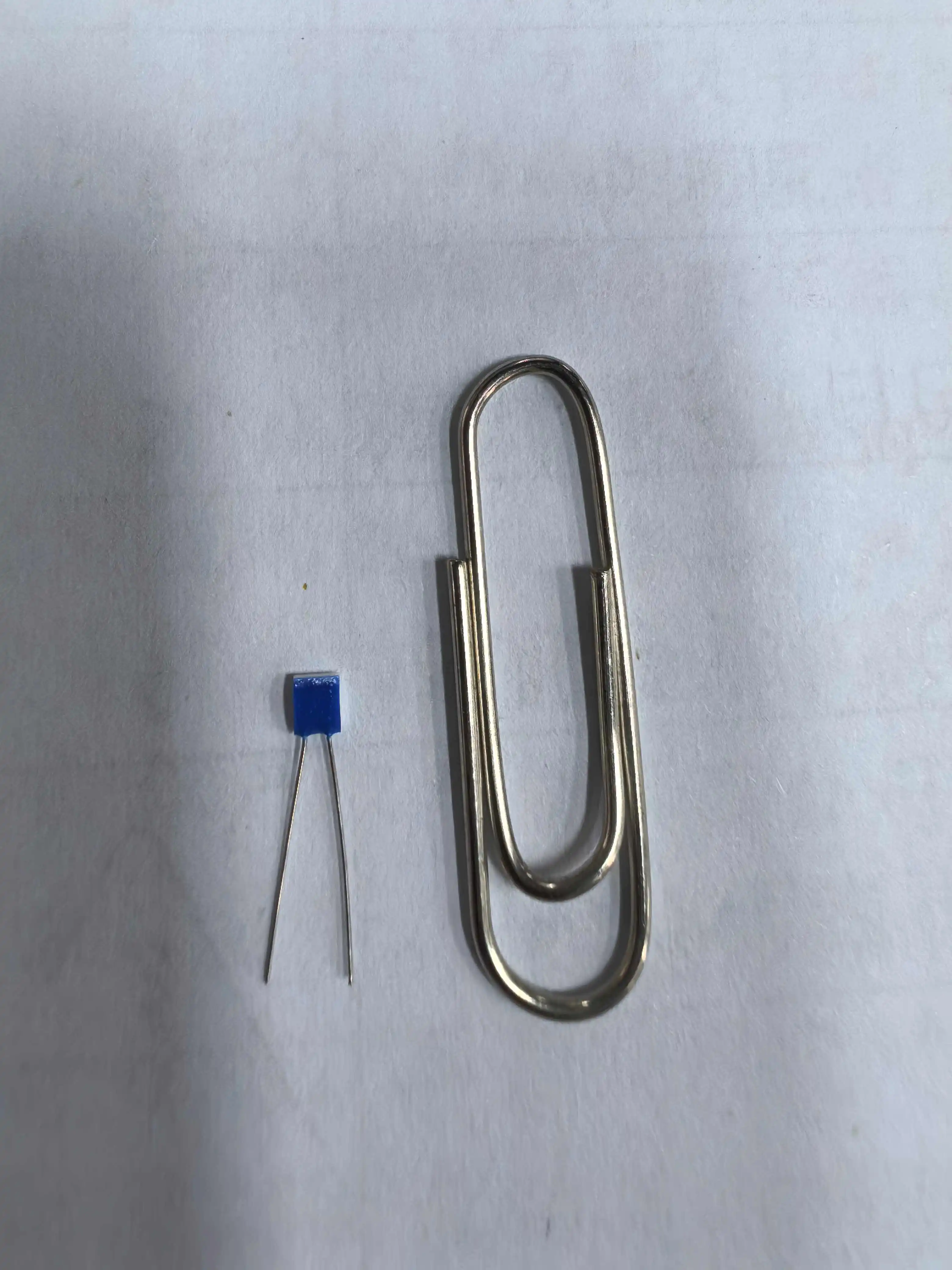
Procurement Considerations for Pt1000 TC3750 Thin Film RTD Elements
To find suppliers of precision sensors, you have to look at more than just the list specs. Because of the long verification processes that are common in medical equipment and automotive electronics, companies need to work with makers that can support development timelines that last for years and decades.
Supplier Qualification and Certifications
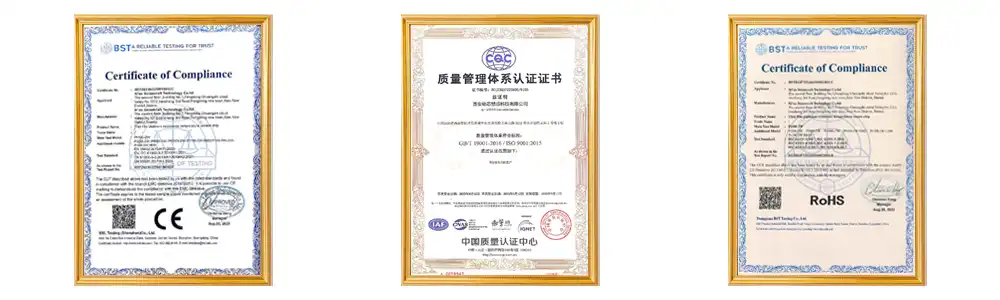
Xi'an Tongzida Technology uses ISO9001 quality management systems that are compliant with ROHS and CE. This shows that they are responsible for the environment and process control. These certificates give you a basic level of confidence, but a more thorough review looks at the manufacturing skills that are directly related to making Pt1000 TC3750 Thin Film RTD Elements.
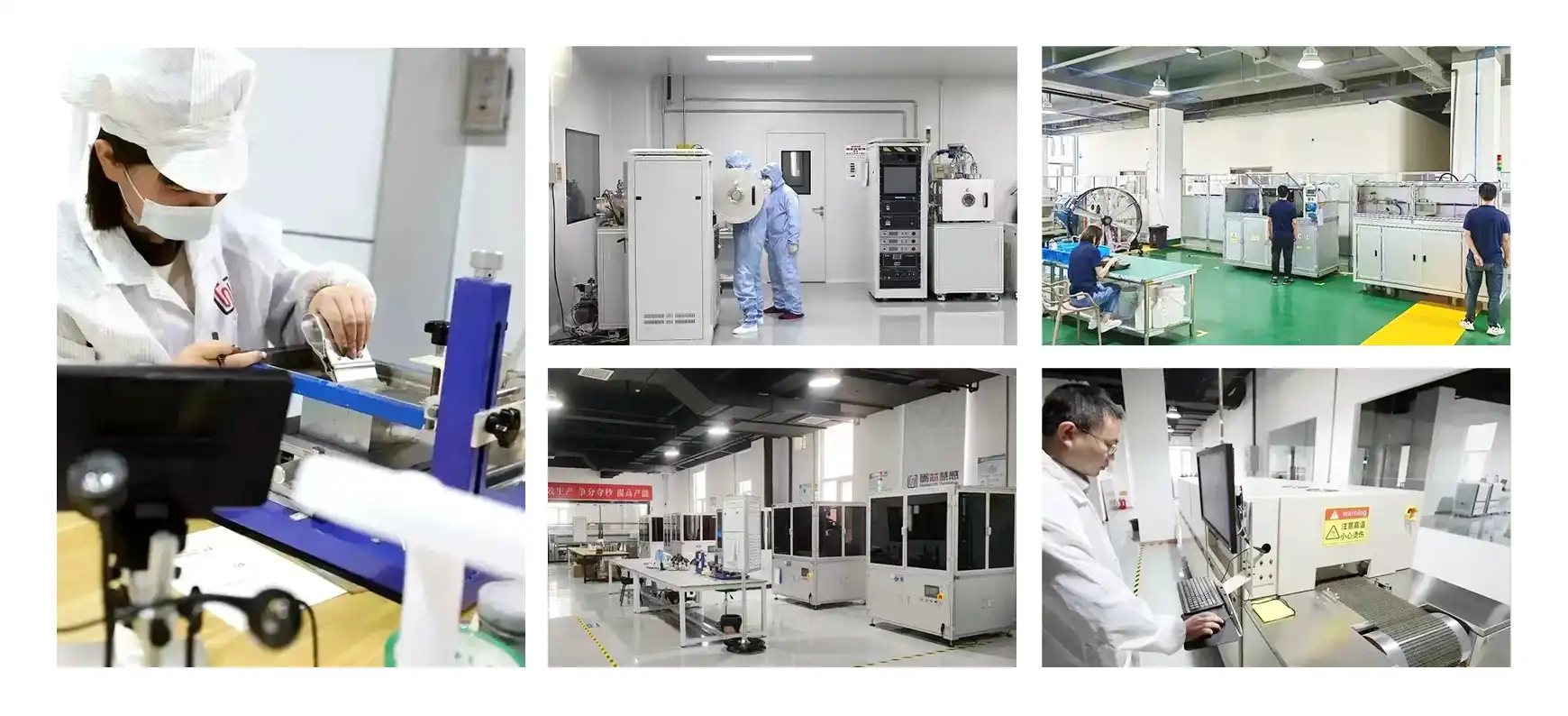
Investing in quality uniformity is shown by automated production lines that include design, photolithography, packing, and testing. Tongzida's platform includes sensor types that work at room temperature, high temperature, and ultra-low temperature, which shows that the process is mature across all temperature ranges. This range helps with product plans that need sensor sets with the same inputs but different temperature requirements.
Customization and Technical Support
OEM integrators often need different types of packaging, lead wire setups, or electrical specs that are specific to the way they put things together. It is possible to choose platinum-nickel, silver-nickel, or pure platinum lead materials, which makes them suitable for a range of welding methods and temperature conditions. Custom packing choices, such as vacuum encapsulation for specific uses, show that manufacturers are flexible, which is helpful when normal store items don't fully meet the needs of the application.
During the testing process, help from a field application engineer is very important. Expertise from the maker is helpful for complicated tasks like thermal modeling, optimizing calibration, or integrating with other temperature controls. Having access to skilled FAE resources speeds up development and lowers the chance of misusing sensors in ways that might only show up during certification testing.
Stability in the supply chain
For ADAS systems in cars or medical tools with long-term production plans, sensors must be available for decades. Vertically integrated manufacturers have control over important process steps, which makes them less vulnerable to problems in the supply chain. Tongzida's ability to develop and make chips in-house reduces the risks that come with relying on outside foundries.
Volume-based prices should allow for sales of small batches to test the system and then a gradual move to mass production. Having flexible minimum order amounts during development lets you make changes to the design over and over again without having to keep too much material on hand. Communication about clear wait times helps with planning production, especially when buying sensors and organizing custom packing or connector assembly at the same time.
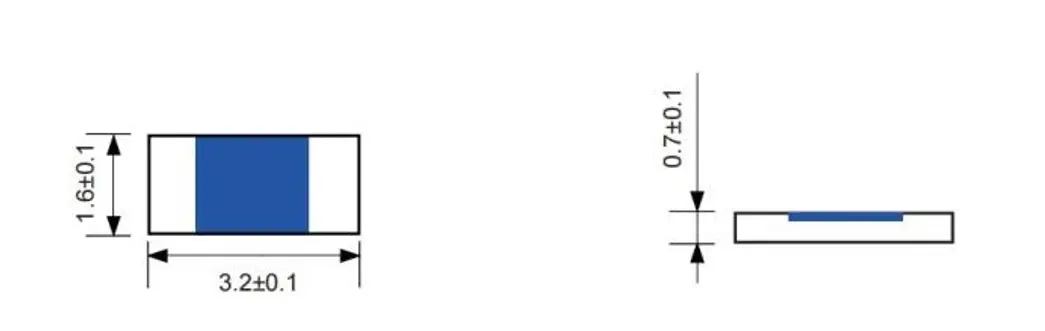
Applications and Future Outlook of TC3750 Thin Film RTD Technology
Accurate temperature tracking makes technology progress possible in many fields. Because of how well it works, the Pt1000 TC3750 Thin Film RTD Element is perfect for new uses where accuracy, dependability, and physical toughness are all important.
Industrial Automation and Machine Vision
In high-resolution image systems, thermal management stops focus plane drift, which lowers the accuracy of measurements. When sensors are watching lens assemblies and detector arrays, they need to be able to react quickly to changes in temperature and keep their calibration even when temperatures are changing all the time. Active temperature control devices that keep optical performance stable use the Pt1000 TC3750 Thin Film RTD Element's quick response and low hysteresis.
Temperature measurement is needed to make sure that each batch is safe and consistent in chemical and food production that uses process automation. Control programs that maximize yield and energy economy are fed by many sensors spread out in response vessels or processing chambers. The Pt1000 design makes wiring easier in big setups with a lot of sensors that talk to a central data collection system.
Automotive Electronics and ADAS
In electric cars, battery thermal management systems keep an eye on cell temperatures to keep them from going too high while also maximizing charge rates. Sensors have to be able to handle the vibrations and high temperatures inside cars while still being accurate enough to pick up on the few degrees difference between normal operation and new failure modes. This tough job is a good fit for the Pt1000 TC3750 Thin Film RTD Element's strong construction and wide working range.
In small spaces, LIDAR and radar devices produce a lot of heat. Thermal sensors let you change the working settings on the fly so that performance stays the same across a wide range of ambient temperatures and damage to components is avoided. The small thermal mass of the thin film design reduces measurement lag, which makes it possible for thermal control loops to work quickly.
Medical Equipment and Laboratory Instrumentation
Diagnostic tools like PCR thermocyclers and clinical testers need to be able to accurately measure temperatures that meet international standards. The Pt1000 TC3750 Thin Film RTD Element has low drift and a wide temperature range, which make it easy to track the calibration and ensure years of steady use between recalibrations. Applications include medical tools and implantable devices because they can be used in cleanrooms and come in biocompatible packages.
Emerging Technologies and Future Development
Sensors are getting smaller and smaller, and in the future, thin film RTD elements might be built right into silicon slabs along with signal shaping electronics. With this system-in-package method, there would be no need for separate links between sensors and electronics. This would make the system more reliable while lowering the cost of assembly.
When IoT is added to sensors, they go from being simple measuring tools to being networked information points. In the future, RTD elements might have onboard memory that stores calibration factors and operational records. This would allow predictive maintenance algorithms to replace them before their accuracy falls below what is required. In some situations, wireless communication could get rid of the need for cables all together. However, wired sensors will still be chosen when electromagnetic compatibility or constant power supply are important.
New developments in material science may allow for wider working ranges or even better steadiness. Protective layers that can work in acidic environments would make chemical processes more useful. Different substrate materials could lower the difference in thermal expansion, which would make high temperature cycles work better.
Conclusion
To choose temperature monitors, you have to weigh their accuracy, dependability, ability to work in different environments, and overall cost of ownership. The Pt1000 TC3750 Thin Film RTD Element meets these needs with tried-and-true platinum resistance technology made better with current production methods. Its 3750 ppm/°C coefficient gives it the measurement accuracy needed for tough jobs and better noise immunity than options with higher coefficients.
Thin film construction is more mechanically robust than wire-wound designs, which increases service life in places where vibrations are common. The 1000-ohm base resistance makes setups with long lead lines easier and lowers measurement error without the need for complicated compensation methods. The Pt1000 TC3750 Thin Film RTD Element is perfect for precise uses in car electronics, industrial automation, medical equipment, and new technologies where measuring temperature correctly affects both the quality of the product and the safety of the workers.
FAQ
Q1: What distinguishes the TC3750 coefficient from the TC3850 standard?
A: How much resistance changes for every degree of temperature change is shown by the temperature coefficient. At 3850 ppm/°C, the TC3850 sensor is a little more sensitive than the Pt1000 TC3750 Thin Film RTD Element at 3750 ppm/°C, so it can resolve temperatures a little better. The Pt1000 TC3750 Thin Film RTD Element, on the other hand, is better at blocking noise in electrically noisy industrial settings, so it's better when measurement steadiness is more important than final resolution.
Q2: How often should the TC3750 RTD parts be calibrated again?
A: The amount of time between calibrations depends on how the machine is used and how accurate it needs to be. In normal workplace settings with mild thermal cycling, checking once a year is usually enough. Applications that need to run continuously at high temperatures might benefit from checks every six months. Our Pt1000 TC3750 Thin Film RTD Elements show drift below 0.04% for long periods of time, which is often more stable than the electronics they are connected to.
Q3: Can TC3750 devices safely work in places with very high or very low temperatures?
A: Most industry uses can be met by the common Pt1000 TC3750 Thin Film RTD Element, which works from -50°C to +300°C. Specialized packaging makes this range bigger; ultra-low temperature versions can hit -200°C, and high temperature versions can get close to +850°C. For performance at high or low temperatures, you need to pay attention to the materials used for packing, the specs of the lead wires, and how you handle thermal stress.
Partner with Tongzida for Advanced Temperature Sensing Solutions
Precision temperature measuring is provided by Xi'an Tongzida Technology, which has full sensor manufacturing skills that include chip design, automated production, and thorough testing. As a well-known provider of Pt1000 TC3750 Thin Film RTD Elements, we help business-to-business clients in the car electronics, industrial automation, medical equipment, and new technology sectors find sensors that meet their exactness and dependability needs. Our unified production platform keeps the supply chain stable, which is important for long product lifecycles. It also lets you make changes to the packing, lead wire, and performance specs that are specific to your needs. Our dedication to quality and following the rules is shown by our ISO9001 approval, ROHS compliance, and CE marks.
Field Application Engineers are available to help with sensor selection, thermal modeling, calibration optimization, and integration advice, and their technical support doesn't stop when the product is delivered. Our product range goes from -200°C to +850°C, and it can be accurate to within ±0.01 ©. It can also respond in as little as 0.05 seconds, and it can withstand 40g of shaking and 100g of shock. You can email our team at sales11@xatzd.com to talk about your precise tracking needs, get personalized quotes for large purchases, or find out how our temperature sensor technology can help your product work better.
References
1. International Electrotechnical Commission. "IEC 60751: Industrial Platinum Resistance Thermometers and Platinum Temperature Sensors." International Standard for RTD Specifications and Tolerances, 2022.
2. Nicholas, J.V. and White, D.R. "Traceable Temperatures: An Introduction to Temperature Measurement and Calibration." John Wiley & Sons, Industrial Thermometry Series, 2021.
3. Bentley, R.E. "Theory and Practice of Thermoelectric Thermometry: Handbook of Temperature Measurement Vol. 3." Springer Measurement Science and Technology, 2020.
4. McGee, T.D. "Principles and Methods of Temperature Measurement in Industrial Applications." Institute of Measurement and Control Technical Reference, 2019.
5. Childs, P.R.N., Greenwood, J.R., and Long, C.A. "Review of Temperature Measurement Technologies for Industrial Process Control." Proceedings of the Institution of Mechanical Engineers, Part E: Journal of Process Mechanical Engineering, 2018.
6. Webster, J.G. and Eren, H. "Measurement, Instrumentation, and Sensors Handbook: Electromagnetic, Optical, Radiation, Chemical, and Biomedical Measurement." CRC Press, Second Edition, 2019.
Learn about our latest products and discounts through SMS or email