- English
- French
- German
- Portuguese
- Spanish
- Russian
- Japanese
- Korean
- Arabic
- Greek
- German
- Turkish
- Italian
- Danish
- Romanian
- Indonesian
- Czech
- Afrikaans
- Swedish
- Polish
- Basque
- Catalan
- Esperanto
- Hindi
- Lao
- Albanian
- Amharic
- Armenian
- Azerbaijani
- Belarusian
- Bengali
- Bosnian
- Bulgarian
- Cebuano
- Chichewa
- Corsican
- Croatian
- Dutch
- Estonian
- Filipino
- Finnish
- Frisian
- Galician
- Georgian
- Gujarati
- Haitian
- Hausa
- Hawaiian
- Hebrew
- Hmong
- Hungarian
- Icelandic
- Igbo
- Javanese
- Kannada
- Kazakh
- Khmer
- Kurdish
- Kyrgyz
- Latin
- Latvian
- Lithuanian
- Luxembou..
- Macedonian
- Malagasy
- Malay
- Malayalam
- Maltese
- Maori
- Marathi
- Mongolian
- Burmese
- Nepali
- Norwegian
- Pashto
- Persian
- Punjabi
- Serbian
- Sesotho
- Sinhala
- Slovak
- Slovenian
- Somali
- Samoan
- Scots Gaelic
- Shona
- Sindhi
- Sundanese
- Swahili
- Tajik
- Tamil
- Telugu
- Thai
- Ukrainian
- Urdu
- Uzbek
- Vietnamese
- Welsh
- Xhosa
- Yiddish
- Yoruba
- Zulu
Key Benefits of Pt1000 Thin Film RTD Elements in OEM Projects
When making temperature-sensitive systems for medical equipment, industrial automation, or car electronics, the sensing technology you choose has a direct effect on how well the product works and how well it does in the market. The Pt1000 TC3750 Thin Film RTD Element has become the best choice for OEM projects that need high accuracy, long-term stability, and mechanical sturdiness. These sensors have a nominal resistance of 1000 ohms at 0°C and a temperature coefficient of 3750 ppm/°C. They reduce lead wire resistance errors and work consistently in harsh settings, making them essential for tasks where accuracy is essential.
Understanding Pt1000 TC3750 Thin Film RTD Elements
Construction and Temperature Coefficient Significance
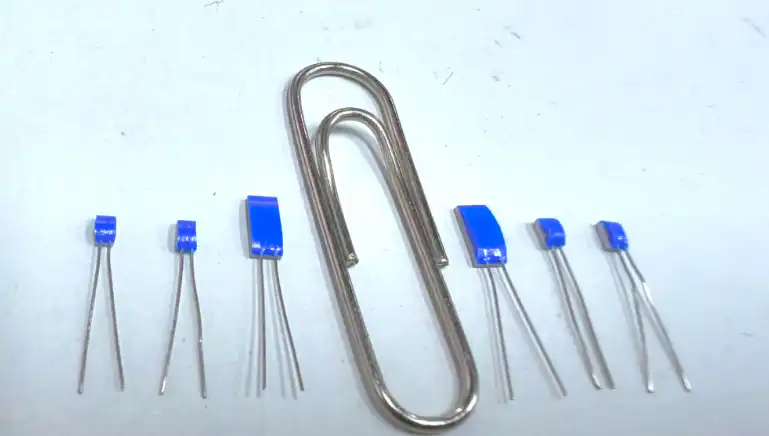
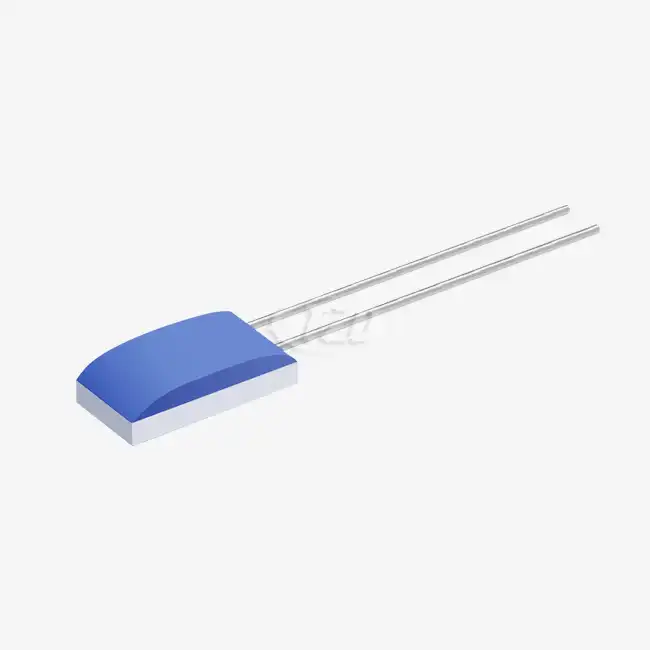
The Pt1000 TC3750 Thin Film RTD Element uses advanced sputtering techniques to create a platinum thin film on a ceramic base. Compared to standard wire-wound patterns, this way of making things is incredibly consistent. The TC3750 temperature coefficient shows how much the resistance changes with temperature, in this case 3750 parts per million per °C. There is also the TC3850 standard, which is more widespread, but TC3750 sensors are better for some industrial processes and legacy system interfaces that need specific calibration curves.
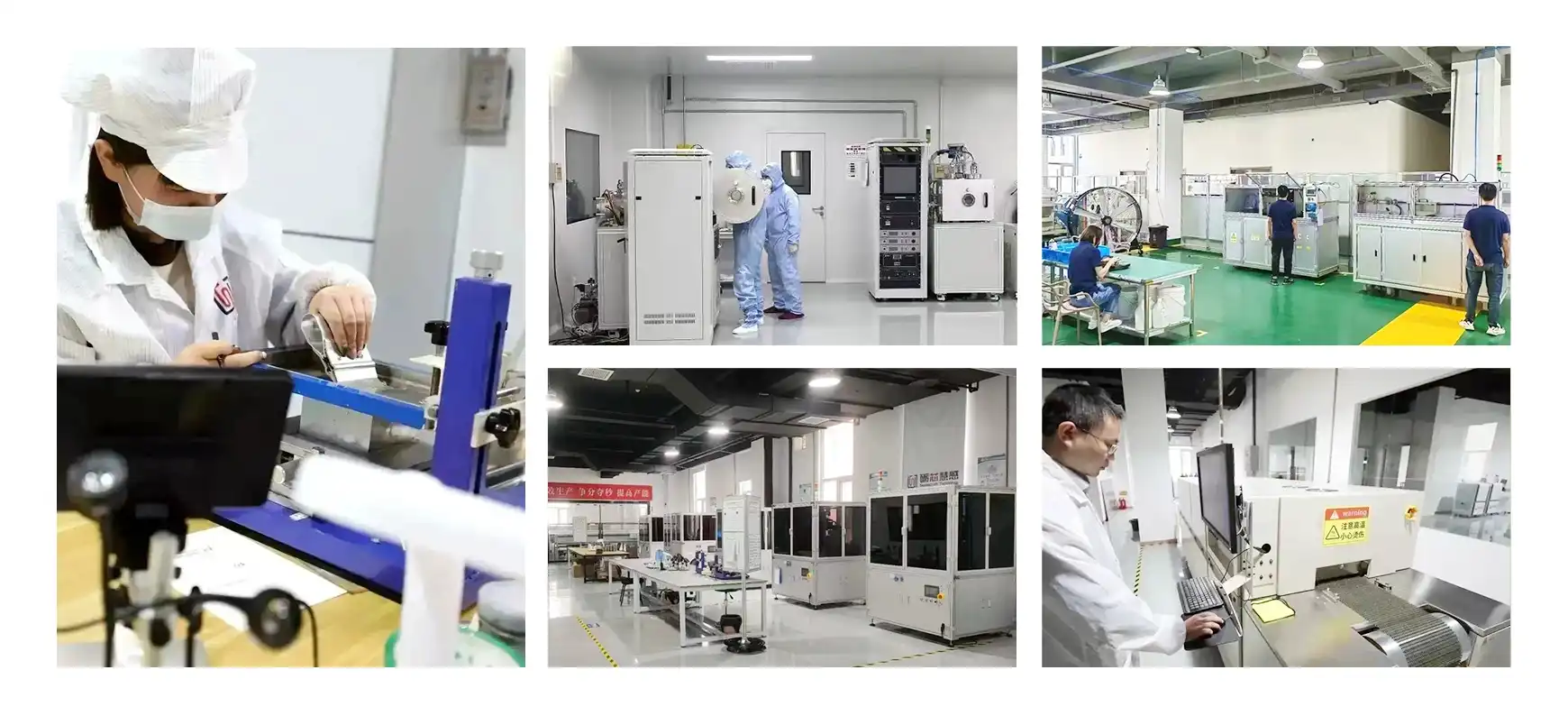
How reliable a sensor is depends on how precisely it was made. Thin film casting lets you control the thickness down to the micron level, making resistance patterns that are very regular and able to predict how heat will react. At Tongzida, our automatic production line has multiple quality checks that make sure every part meets strict tolerance standards before it is packed.
Accuracy Classes and Calibration Protocols
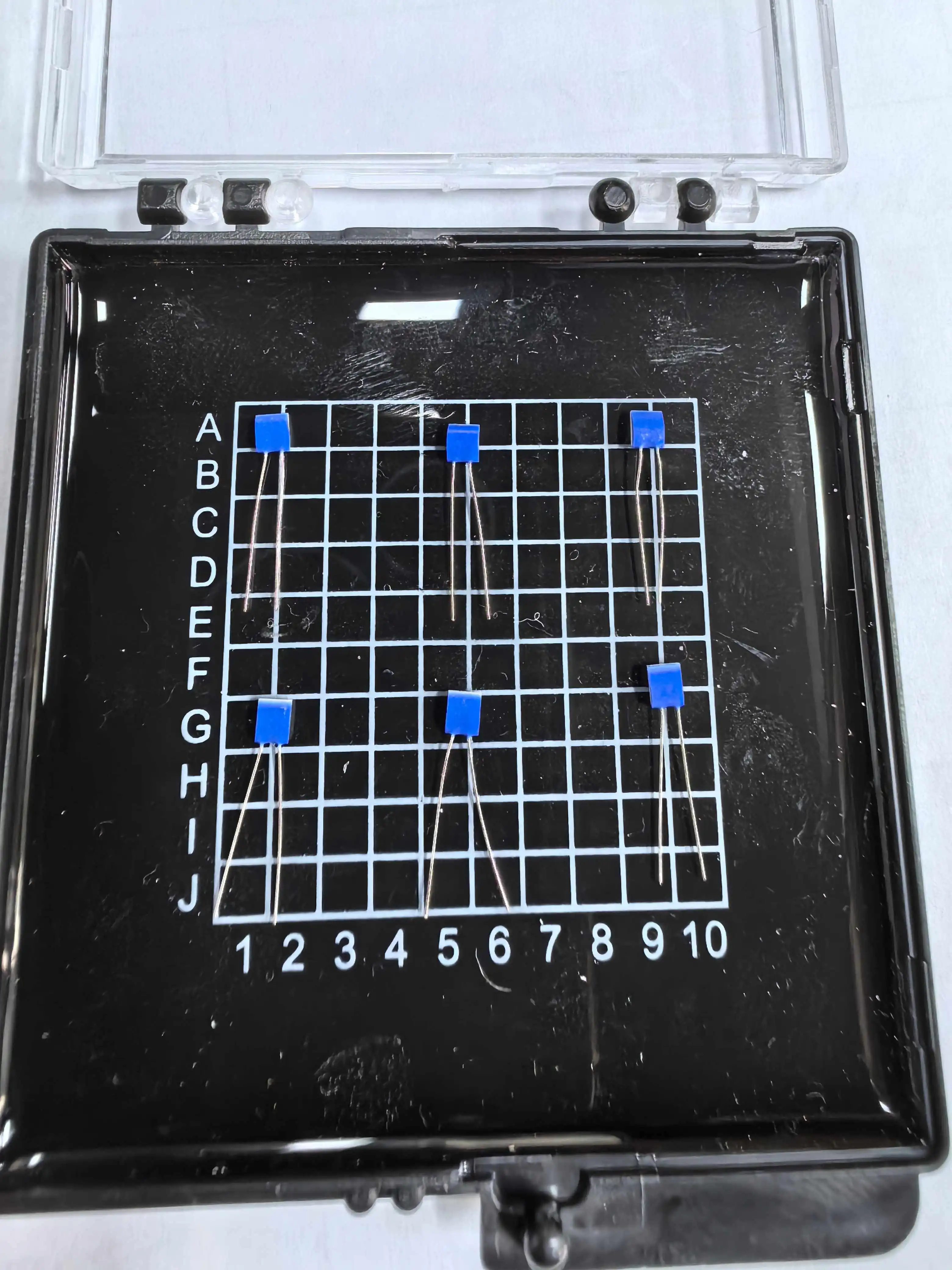
For OEM integration to work, sensors must meet foreign standards and not need a lot of changes to be made after production. Pt1000 TC3750 Thin Film RTD Elements meet the accuracy standards set by IEC60751, and the best ones can achieve a range of ±0.01Ω at 0°C, which is the same as 1/30 DIN B class. These strict standards cut down on the time and money needed for testing as production grows.
When used for OEM purposes, calibration methods usually include two- or three-point checks against known reference standards. Because platinum thin film technology is stable, there isn't much calibration error even after thermal cycles. Long-term stability shift is less than 0.04% per year, according to our testing results. This means that recalibration is done much less often, which means less production downtime.
Operating Temperature Ranges and Response Times
Extreme temperatures are used in industrial settings. From -200°C to +850°C, Pt1000 TC3750 Thin Film RTD Elements work consistently, so they can be used for cryogenic processing, tracking the environment, and high-temperature manufacturing. With this wide range, different product lines don't need different types of sensors, which makes managing supplies and working with suppliers easier.
Response time has a big effect on how well a control loop works. In well-designed housings, thin film construction lets temperature time constants drop to as little as 0.05 seconds. This quick reaction works well for changing processes in ADAS systems for cars, where quick temperature feedback keeps parts from breaking, and in medical equipment, where real-time temperature tracking is important for patient safety.
Core Advantages of Pt1000 Thin Film RTD Sensors in OEM Projects
Superior Accuracy and Long-Term Stability
The trustworthiness of measurements is based on their accuracy. The accuracy and reliability of Pt1000 TC3750 Thin Film RTD Elements with TC3750 coefficients are better than those of thermocouples. The higher base resistance of 1000 ohms compared to Pt100's 100 ohms lowers the percentage mistake caused by lead wire resistance. This is especially helpful in 2-wire setups where cable compensation would be too expensive.
Platinum is chemically stable, and thin film shapes are strong enough to last for a long time. Wire-wound sensors can change their shape over thousands of temperature cycles because the wires can expand and contract. Thin film elements, on the other hand, keep their dimensions stable. This means that results will stay the same over the life of the product. This will cut down on warranty claims and improve the brand's image in quality-sensitive markets like flight equipment and medical tests.
Compactness and Mechanical Robustness
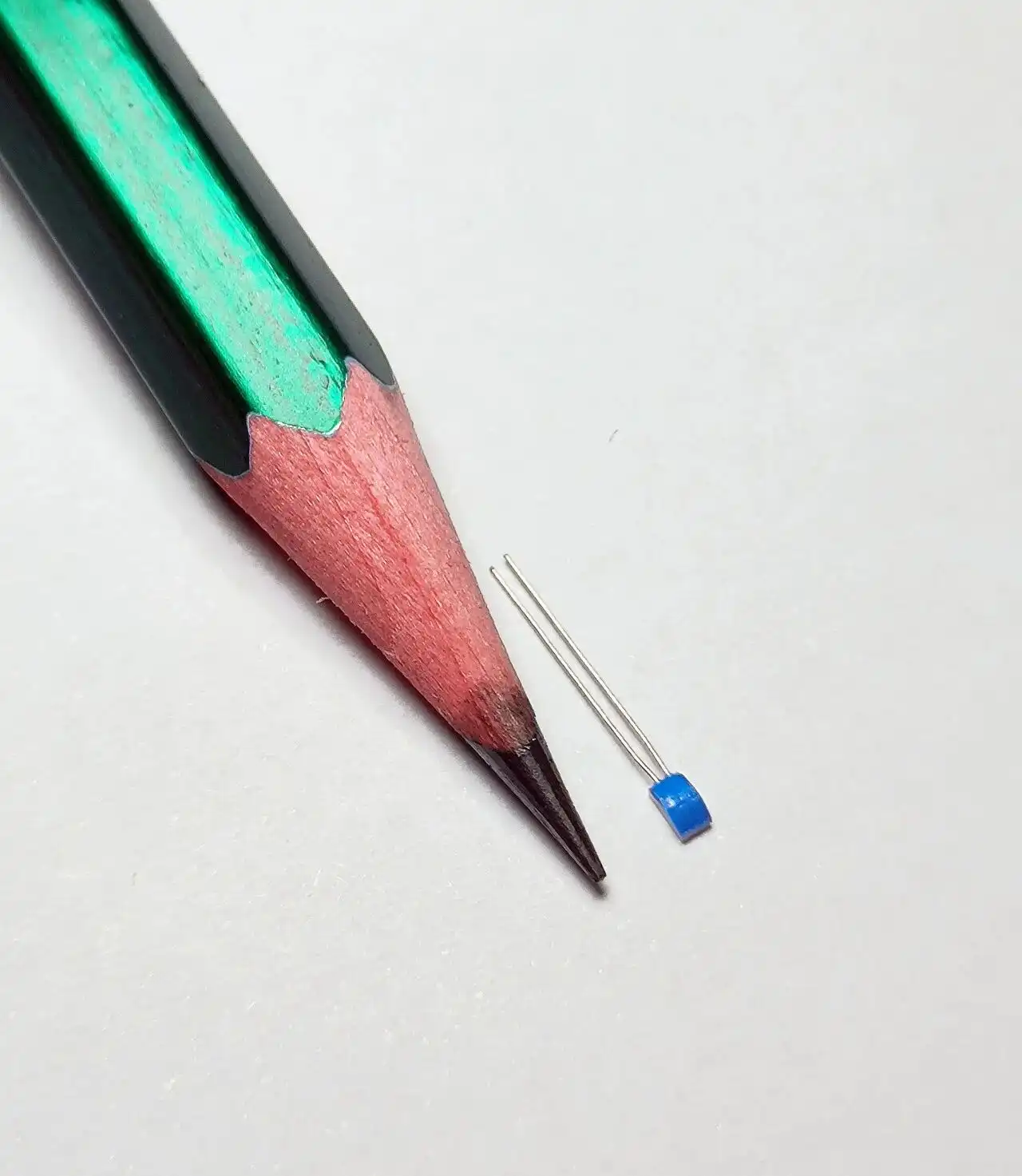
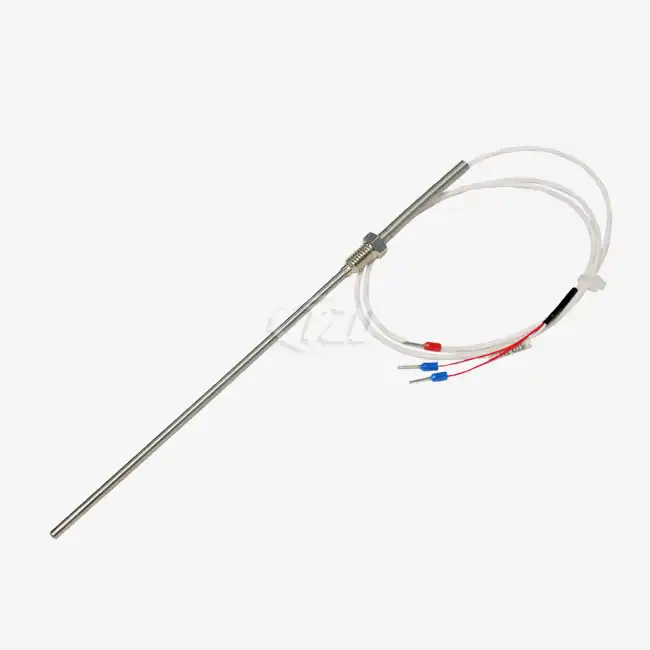
Modern product design is based on limited space. In our normal collection, Pt1000 TC3750 Thin Film RTD Elements run from 1.2mm to 4.0mm. These elements can fit into small assemblies that traditional sensors can't. Because of this, temperature tracking can be done in small-diameter tubes, thick PCB layouts, and portable devices without affecting the accuracy.
In harsh conditions, mechanical longevity is important. Automotive approval testing has shown that our parts can handle vibrations of up to 40g and shock loads of up to 100g. The ceramic base doesn't break when exposed to sudden changes in temperature, and hermetic packing choices keep out moisture and chemicals. In robots, drones, and industrial automation, where sensors are constantly put under mechanical stress, these traits are very important.
Cost-Effectiveness Through Simplified Calibration and Volume Procurement
The unit price is only one part of the total cost of ownership. It saves time and effort because Pt1000 TC3750 Thin Film RTD Elements are already set to tight tolerances when they arrive at the plant. When bought in large quantities, like OEM production runs do, savings of scale make pricing even better. When we look at installation time, calibration costs, and failure rates over three-year product lifecycles, our customers get 15–20% lower combined costs with our sensing methods than with other methods.
There are more benefits to buying in bulk. Having good ties with suppliers lets you match your demand forecasting, which makes sure that parts are available when production goes up. We keep smart inventory buffers for OEM partners that buy a lot of products. This keeps wait times from changing, which can mess up manufacturing plans.
Customization Options for Seamless Integration
It's rare for OEM projects to fit common setups. Customized lead wires can be used in a variety of mounting situations and meet different electrical needs. You can choose from materials like platinum-nickel metal for uses that need to be cost-effective, silver-nickel for uses that need better conductivity, and pure platinum leads for uses that need to be chemically compatible. Length, type of insulation, and style of ending can all be changed to fit different assembly methods.
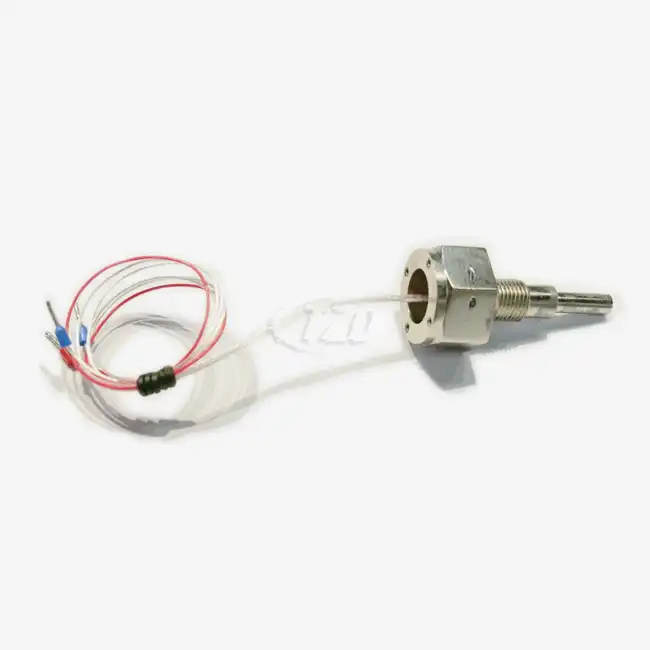
Custom packing solves environmental problems that go beyond lead lines. Vacuum-sealed versions are good for medical uses that need to be very clean, while ruggedized housings keep sensors safe in oily industrial machines. During the design process, our Field Application Engineering team works together to make prototypes of custom solutions that fit into your product architecture without needing to be redesigned later in the development cycle.
Comparative Insights: Pt1000 TC3750 Thin Film RTD vs Alternatives
TC3750 vs TC3850 Temperature Coefficients
The main difference between TC3750 and TC3850 coefficients is how well they work with different calibration curves and area standards. The TC3850 standard matches the widely used IEC60751 alpha coefficient of 0.00385 Ω/Ω/°C, which makes it the market leader in North America and Europe. With a coefficient of 0.00375 Ω/Ω/°C, TC3750 is used for certain industrial processes and old systems that already have infrastructure that uses this calibration standard.
At room temperature, changes in accuracy aren't very noticeable, but they become clear over a wide range of temperatures. When the temperature goes above 500°C, TC3850 sensors tend to have narrower error bands, which is helpful in high-temperature industrial processes. TC3750 versions work great in situations where they need to be compatible with older control systems and updating the software would be too expensive. This lets OEMs update sensor technology without having to completely rebuild control architectures.
Thin Film RTDs vs Thermocouples
Pt1000 TC3750 Thin Film RTD Elements and thermocouples work in very different ways when it comes to sensing. At junction points, thermocouples produce voltage through the Seebeck effect. They need to be compensated for cold junctions and have nonlinear reaction curves. RTDs measure changes in platinum resistance and offer better linearity and steadiness across their entire working range.
When comparing accuracy, RTDs clearly win. Ideal conditions allow high-grade thermocouples to be accurate to within ±1°C, while thin film RTDs usually stay accurate to within ±0.1°C or better. This tenfold improvement is important in industries like pharmaceuticals, semiconductors, and medical devices that have to show their measurement error in order to follow the rules. Response time benefits that thermocouples used to have have been canceled out by new thin film RTD designs that achieve similar thermal time constants.
Thin Film vs Wire-Wound RTD Sensors
Wire-wound RTDs use a clay or glass core and fine platinum wire to wrap around it. This is an older technology that came before thin film ways. Wire-wound designs are strong and can be used in places with a lot of shaking, but they have slower response times because they have more heat mass. When you spin something, there are physical changes that make it less accurate and more variable from unit to unit.
In terms of industrial accuracy, thin film technology is better than wire-wound sensors. Using photolithography and sputtering to make millions of units with the same resistance design cuts down on calibration spread and makes quality control easier. Thin film structures have less heat mass, which lets them respond more quickly. This is very important in control applications where measurement lag can cause instability. Pt1000 TC3750 Thin Film RTD Elements are the best choice for OEM projects that need to be precise and be able to produce more of them.
Procurement Considerations for Pt1000 TC3750 Thin Film RTD Elements
Supplier Evaluation Criteria
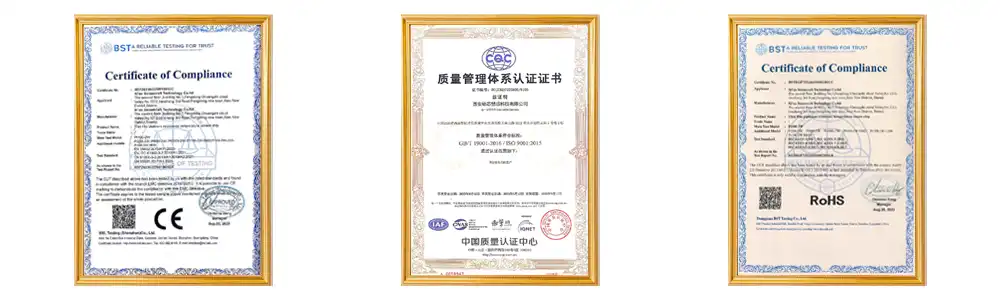
When choosing a Pt1000 TC3750 Thin Film RTD Element provider, you need to do more than just compare prices. Certifications prove that quality systems are in place for production. For example, ISO9001 certification makes sure that process controls are written down, and ROHS and CE compliance prove that regulations for European markets are followed. OEMs in the auto industry need IATF16949 certification, and companies that make medical devices want ISO13485 approval.
Proven OEM agreements show that a seller can handle high-volume output with few defects. Ask for case studies that describe similar project sizes and technology difficulties. Customer reviews from well-known brands in your business give you trust in the supplier's ability to consistently meet your exact needs. It's clear from the start that the Field Application Engineering team is technically skilled; suppliers who offer joint design support are very helpful during the product development stages.
Ordering Best Practices and Lead Times
Understanding the different parts of wait time helps make buying plans work better. Items from the store that aren't customized need more time to be made, so they usually ship within two to four weeks. Based on our experience, we recommend making the first small-batch orders for prototyping six months before the planned production ramp-ups. This will allow for thorough testing without delaying start dates.
Structures that agree to a certain amount of goods can help pricing tactics. Different prices are given for different order sizes, but blanket purchase orders with planned releases balance out the cost savings against the cost of keeping goods. By negotiating yearly volume deals, you can get better prices and still be flexible if demand changes. Being open about how accurate forecasts are builds stronger relationships with suppliers and makes it easier to plan capacity and set priorities when parts are in short supply.
Warranty and After-Sales Support
A full warranty guards against problems with the way the product was made and breakdowns that happen before they should. Standard guarantee terms last from 12 to 24 months from the date of shipment. However, longer plans are better for medical and military goods that will last a long time. Find out how to file a guarantee claim, how long it takes to get a replacement, and how to get help with failure analysis while choosing a seller.
Technical support after the sale is very helpful for fixing problems with integration or making the system run better. FAE teams that are quick to respond give application notes, wiring plans, and help with measuring problems. Some providers offer calibration services and programs for regular recertification, which is especially helpful for controlled businesses that need to show proof of tracking. Setting clear lines of communication and support standards during contract talks will keep people from getting frustrated when they need urgent technical help.
Conclusion
Pt1000 TC3750 Thin Film RTD Elements offer clear benefits for OEM projects that need accuracy, dependability, and long-term stability. Their higher accuracy compared to thermocouples, ability to work well in difficult conditions, and ability to be customized make them suitable for a wide range of uses in medical equipment, car electronics, and high-tech consumer electronics. The higher base resistance cuts down on lead wire mistakes, and the thin film construction makes sure that the making is consistent, which is important for mass production. Carefully choosing a provider based on certifications, expert support, and proven OEM partnerships is the best way to make sure that the implementation goes smoothly and that the customer is happy in the long run.
FAQ
Q1: What distinguishes Pt1000 sensors from Pt100 sensors in OEM applications?
A: At 0°C, the base resistance of a Pt1000 sensor is 1000 ohms, while the base resistance of a Pt100 sensor is 100 ohms. This makes the relative mistakes from lead wire resistance ten times smaller. In 2-wire setups and situations with long cable runs where compensation methods are not realistic, this benefit is very useful.
Q2: How does the TC3750 coefficient affect measurement accuracy compared to TC3850?
A: TC3750 (0.00375 Ω/Ω/°C) is a different testing standard from TC3850 (0.00385 Ω/Ω/°C), which is the more popular one. Both are very accurate within their designated ranges, but the TC3750 was chosen because it works with older systems or certain industry standards, not because it is more accurate.
Q3: What lead times should OEM projects expect when ordering custom configurations?
A: Items from a standard selection usually ship between two and four weeks. Depending on how complicated they are, custom setups that need special lead wires, changes to the packaging, or more tests take four to eight weeks. We suggest working with providers during the design phase to make sure that the plan for purchases matches the schedule for product development.
Q4: Can thin film RTD elements withstand automotive qualification testing requirements?
A: High-quality thin film RTDs are made to work in the harsh conditions found in cars. They can withstand vibrations up to 40g, shocks up to 100g, and changes in temperature over their entire working range. Our parts have passed the AEC-Q200 approval tests for a number of Tier 1 automakers who are working on ADAS and powertrain uses.
Upgrade Your Precision Sensing – Contact Us Today
Ready to power your medical, automotive, or industrial OEM project with ±0.01Ω accuracy and –200°C to +850°C stability? Xi'an Tongzida Technology Co., Ltd. delivers thin film platinum RTDs that outperform thermocouples and wire-wound sensors. Our automated production line ensures IEC60751 compliance, 0.05s response, 40g vibration resistance, and long-term drift ≤0.04%. Choose custom sizes, lead materials, or vacuum packaging. Ready to upgrade your temperature sensing? Reach out to sales11@xatzd.com and let's build your precision solution.
References
1. International Electrotechnical Commission. "Industrial Platinum Resistance Thermometers and Platinum Temperature Sensors." IEC 60751 Standard, 2008 Edition.
2. Bentley, R.E. "Theory and Practice of Thermoelectric Thermometry: Handbook of Temperature Measurement Vol. 3." Springer Singapore Publishing, 2023.
3. Nicholas, J.V. and White, D.R. "Traceable Temperatures: An Introduction to Temperature Measurement and Calibration." John Wiley & Sons, Second Edition, 2001.
4. Childs, P.R.N. "Practical Temperature Measurement: The Principles of Thermometry and Temperature Monitoring in Industrial Applications." Butterworth-Heinemann Publishing, 2001.
5. McGee, T.D. "Principles and Methods of Temperature Measurement: Industrial and Laboratory Applications." John Wiley & Sons Technical Publications, 1988.
6. Sachse, H.B. "Semiconducting Temperature Sensors and Their Applications: RTD Technology and Industrial Implementation." John Wiley & Sons Engineering Series, 1975.

Learn about our latest products and discounts through SMS or email