- English
- French
- German
- Portuguese
- Spanish
- Russian
- Japanese
- Korean
- Arabic
- Greek
- German
- Turkish
- Italian
- Danish
- Romanian
- Indonesian
- Czech
- Afrikaans
- Swedish
- Polish
- Basque
- Catalan
- Esperanto
- Hindi
- Lao
- Albanian
- Amharic
- Armenian
- Azerbaijani
- Belarusian
- Bengali
- Bosnian
- Bulgarian
- Cebuano
- Chichewa
- Corsican
- Croatian
- Dutch
- Estonian
- Filipino
- Finnish
- Frisian
- Galician
- Georgian
- Gujarati
- Haitian
- Hausa
- Hawaiian
- Hebrew
- Hmong
- Hungarian
- Icelandic
- Igbo
- Javanese
- Kannada
- Kazakh
- Khmer
- Kurdish
- Kyrgyz
- Latin
- Latvian
- Lithuanian
- Luxembou..
- Macedonian
- Malagasy
- Malay
- Malayalam
- Maltese
- Maori
- Marathi
- Mongolian
- Burmese
- Nepali
- Norwegian
- Pashto
- Persian
- Punjabi
- Serbian
- Sesotho
- Sinhala
- Slovak
- Slovenian
- Somali
- Samoan
- Scots Gaelic
- Shona
- Sindhi
- Sundanese
- Swahili
- Tajik
- Tamil
- Telugu
- Thai
- Ukrainian
- Urdu
- Uzbek
- Vietnamese
- Welsh
- Xhosa
- Yiddish
- Yoruba
- Zulu
Benefits of Pt100 Sensors in EV Battery Temperature Sensing
Pt100 sensors deliver exceptional accuracy and reliability in electric vehicle battery management, making them indispensable for thermal monitoring in modern EV powertrains. These resistance temperature detectors (RTDs) measure temperature variations through precise resistance changes, providing repeatable data essential for battery safety and operational efficiency. The waterproof Pt100 sensor variant enhances this capability by offering hermetic protection against moisture, dust, and chemical exposure, which extends sensor lifespan and maintains measurement integrity in harsh automotive environments where conventional sensors would quickly degrade.
Understanding the Role of Pt100 Sensors in EV Battery Temperature Monitoring
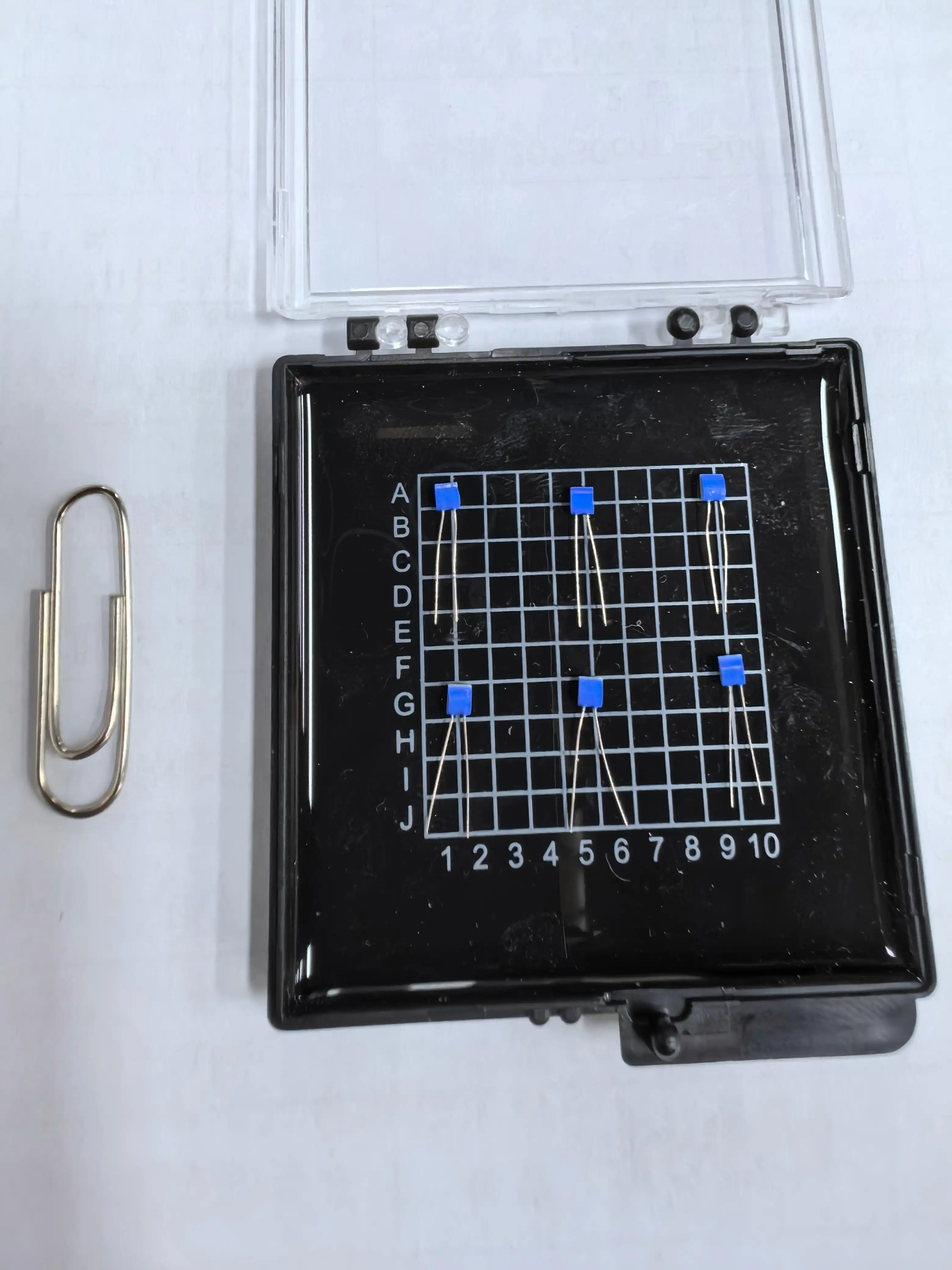
To get the best performance and life, battery packs for electric vehicles only work within narrow temperature ranges. When temperatures rise above what is safe, they can cause thermal runaway, capacity loss, or even the failure of the battery completely. These risks are reduced by Pt100 sensors, which give accurate and constant thermal input to systems that handle batteries.
How Pt100 RTDs Function in Battery Packs?
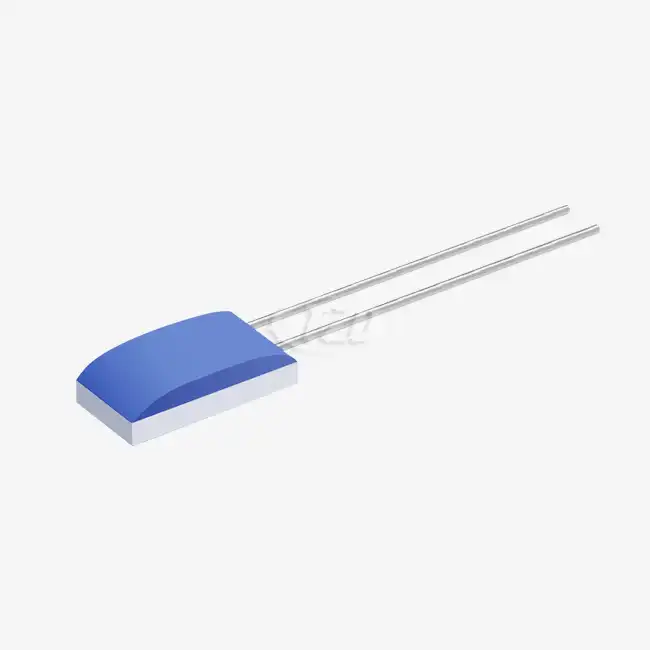
Pt100 sensors use a platinum detecting element that has a nominal resistance of 100 ohms at 0°C. Following the IEC 60751 international standard, this platinum element's resistance changes in a way that can be predicted as the temperature changes. It has a temperature coefficient of 0.00385 Ω/Ω/°C. Battery management systems use these changes in resistance to figure out the temperatures of cells in real time with a level of accuracy that can't be matched by other technologies.
Several Pt100 sensors are placed carefully near high-risk heat zones inside an EV battery pack. When charging currents or discharge rates are high in cell groups, they produce more heat, which means they need to be watched more closely. Platinum is chemically stable, so measurements stay the same even when it's exposed to electrolyte vapor or temperature cycling stress, which would damage sensor elements made of base metal.
Why Waterproof Protection Matters in Automotive Applications?
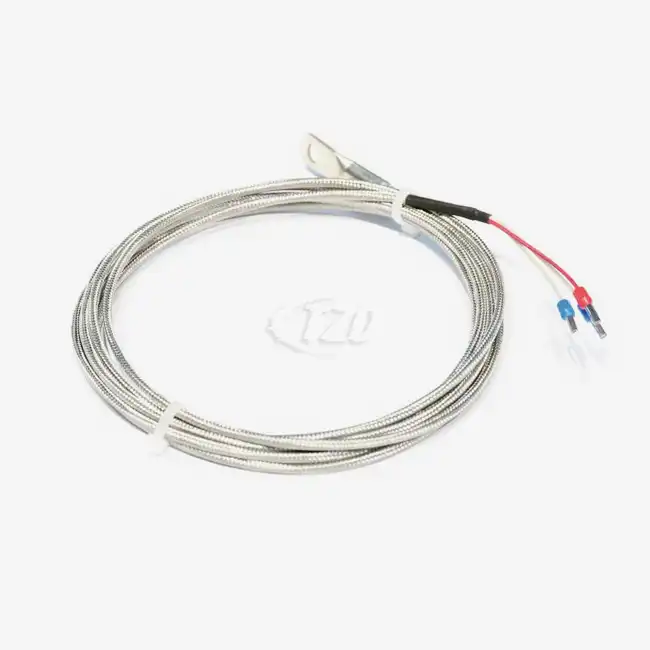
Battery packs have problems with wetness from a number of different places. When things are being made, they may add a small amount of humidity, and when they are being used, changes in temperature can cause condensation on the packs. For the waterproof Pt100 sensor, the platinum element is enclosed in a case made of Grade 316L stainless steel that is sealed with fluoropolymer or epoxy compounds. This construction meets the ingress protection standards of IP67 or IP68, which means that moisture can't get in and break down the insulation or cause the signal to drift.
Anti-wicking cable designs keep moisture from moving through the lead wire strands and into the sensor head even more. This function keeps insulation resistance above 100MΩ at 500V DC even when exposed to humidity for a long time, so the signal stays strong throughout the battery's life.
Comparison of Waterproof Pt100 Sensors with Other Temperature Sensing Technologies
When engineers look at temperature sensors for use in EV batteries, they have to weigh the benefits of accuracy, durability, and reaction time against the costs of getting them and the stability of the supply chain. There are a lot of different sensing systems competing in this area, and each has its own pros and cons. The waterproof Pt100 sensor stands out for its balanced performance profile.
Performance Advantages Over Thermocouples and Thermistors
Thermocouples make voltage signals that are related to changes in temperature, but they are less accurate (within ±1°C to ±2°C) and need to be compensated for cold junctions. Their measurements change over time, so they need to be recalibrated more often, which raises the cost of upkeep. Thermistors are very sensitive, but their reaction curves are nonlinear and their temperature ranges are small. This means they are not good for battery packs that have wide temperature changes during fast charging or high-power discharge events.
In a temperature range from -200°C to +450°C, waterproof Pt100 sensors offer Class A accuracy (±0.15°C at 0°C) or Class B accuracy (±0.30°C at 0°C). This regularity makes the signal conditioning circuits in battery management systems easier to understand. Long-term stability means that these sensors keep their calibration accuracy for years without drifting. This lowers operational costs even though they cost more to buy at first.
Moisture Resistance in Demanding Installation Conditions
Standard Pt100 sensors that aren't waterproof quickly break down when they come in contact with moisture or mist. When moisture gets into the seal between the sensor body and the lead wires, it breaks down the platinum element electrochemically and lowers the resistance of the insulation. This wear and tear shows up as noisy signals or sensor failure within a few months of being installed in a damp area.
Hermetic sealing methods are used in waterproof designs to keep water out. The protective sheathing can handle being submerged in water for a long time while still staying in thermal contact with the battery cells being watched. This toughness is very important for electric vehicle (EV) uses where battery packs may be hit with water spray while the vehicle is running or high-pressure washing during quality control processes in manufacturing.
Installation and Calibration Best Practices for Waterproof Pt100 Sensors in EV Batteries
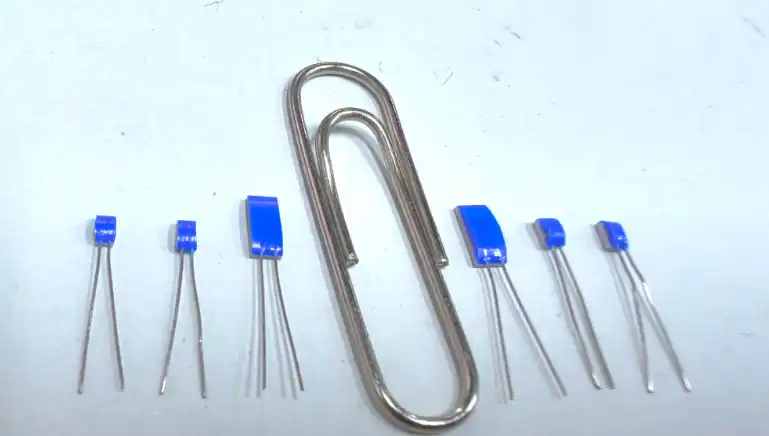
The accuracy of measurements and the life of sensors are directly affected by how they are installed. When builders add waterproof Pt100 sensor models to battery packs, they need to think about electrical interference, mechanical strain relief, and the quality of the thermal contact. Proper installation ensures reliable data and maximizes sensor lifespan, which is crucial for maintaining the efficiency and safety of the battery system.
Optimizing Sensor Placement for Thermal Management
For thermal tracking to work, sensors need to be placed in places where the real temperatures of the battery cells are. When sensors are too far away from cells that make heat, thermal lag happens, which makes it take longer to notice when temperatures are rising too quickly. On the other hand, sensors that are in direct contact with cell terminals might pick up on hot spots that don't really show what's going on with the cell as a whole.
It is recommended to use thermally conductive but electrically insulating interface materials to place sensors between adjacent cells. This placement gets a good picture of the temperatures inside cells while avoiding the risk of an electrical short circuit. Distributed sensor networks help map thermal differences across battery modules with many cell groups. This lets predictive algorithms find cells that are getting close to their thermal limits before they fail completely.
Calibration Requirements and Verification Protocols
Before they are sent out, sensors are calibrated at the factory to make sure they meet certain accuracy classes. NIST-traceable calibration certificates show that the equipment has been checked at multiple points and in a range of temperatures. This gives users peace of mind when using the equipment in critical situations. High-precision calibration can get as accurate as ±0.01Ω (1/30B level), which is good for research uses or high-end battery systems that need to have very tight thermal control limits.
When installation conditions cause measurement errors, field testing is needed. Calibration of the ice point at 0°C checks the accuracy of the 100-ohm reference resistance. Calibration of the boiling point at 100°C checks the accuracy of the temperature coefficient. These easy confirmation tests find damage to sensors that happened during installation or mistakes in the wiring that could affect the accuracy of the measurements.
At set service times, routine verification checking should be done. By comparing sensor readings to calibrated reference standards, drift can be found before it changes the choices made by the battery management system. Submerged insulation resistance testing at high temperatures proves the integrity of the waterproof seal and gives early warning of seal deterioration that could allow water in and cause failure before its time.
Procurement Considerations for Waterproof Pt100 Sensors in B2B EV Supply Chains
Aligning technical specifications is only one part of buying sensors that works. Supply chain continuity, the availability of technical help, and the optimization of lifetime costs are all factors that go into choosing a vendor for large-scale EV production projects. A high-quality waterproof Pt100 sensor procurement strategy accounts for these long-term variables.

Evaluating Technical Specifications Against Application Requirements
The temperature conditions of batteries set the base performance standards for sensors. Operating temperature ranges need to include the worst possible charging and discharging situations, as well as extra room for extremes in the surroundings. EV battery packs can be as cool as -40°C when they are in use and as hot as +85°C when they are being charged quickly in hot places. Sensors must stay accurate across this whole range without losing any performance.
Response time requirements affect how fast a temperature control system reacts. With T90 time constants as low as 0.05 seconds, thin-film platinum elements can respond to heat more quickly than wire-wound designs. This makes it possible to quickly find thermal events. This quick reaction is very important for finding the start of a thermal runaway, since milliseconds are needed to set off safety measures.
The standards for mechanical strength are based on the loads that a car experiences during operation, such as vibration and shock. Automotive-grade sensors must be able to handle 40g of shaking and 100g of shock without losing their accuracy or breaking down. Compressed magnesium oxide insulation inside the sensor sheath stops vibrations and keeps the platinum element and protected case electrically separate.
Building Reliable Supplier Relationships
Long verification processes are a normal part of buying electronics for cars, so you need stable, reliable supply partnerships. Sensor evaluation programs usually last between a few months and a few years and include testing for design validity, production part approval, and long-term longevity. Suppliers who cannot keep up the quality of their products or who face risks of supply interruptions cause program delays and approval cost overruns.
Well-known sensor makers offer full technical support through field application engineers who help with designing installations, suggesting signal conditioning circuits, and fixing problems during the production run. This technical help lowers the risk of integration and speeds up the time it takes for new battery pack designs to reach the market. If a supplier lets you customize their products, they can change standard sensor designs to fit the needs of different battery layouts or packing restrictions.
Long-term supply agreements guard against parts going out of style and keep production going throughout the lifecycles of different car models. Automotive projects usually need pledges that parts will be available for fifteen years after the end of production. This means that suppliers have to promise to keep manufacturing capabilities and raw material sources open for long periods of time.
Future Trends and Innovations in Waterproof Pt100 Sensor Technology for EV Battery Monitoring
Sensor technology keeps getting better as battery chemistry changes and heat control gets smarter. New trends show that EV battery monitoring designs will change because of better speed, more features, and better integration. The waterproof Pt100 sensor plays a key role in this evolution, offering enhanced durability and precision in demanding conditions, which will support the next generation of smarter, more efficient battery management systems.
Material Science Advances and Miniaturization
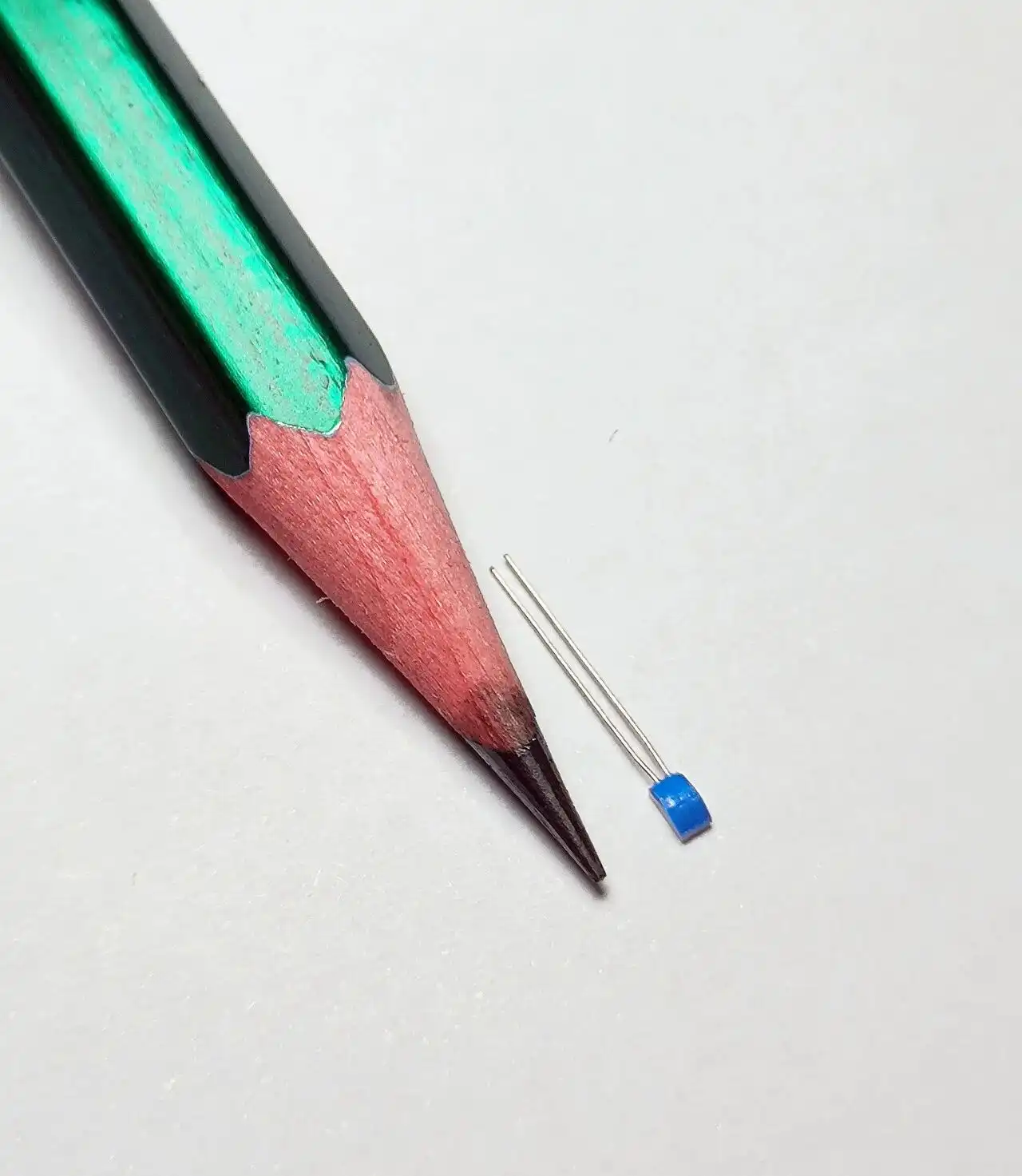
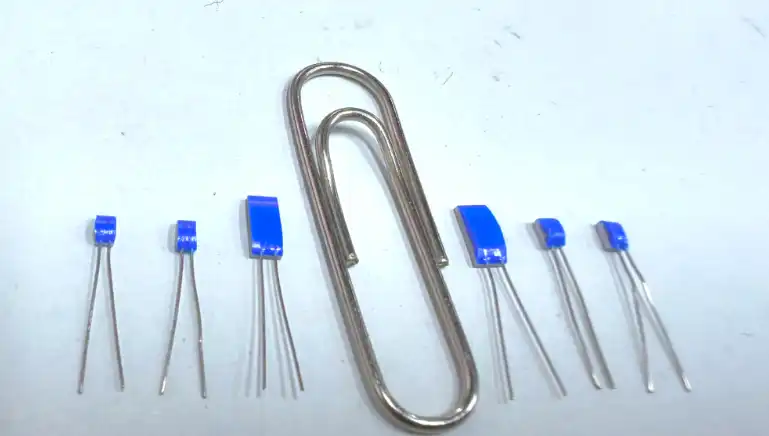
New base materials and deposition methods make it possible for platinum sheets to be thinner, respond faster to heat, and stay stable over time. With thin-film production methods, the width of the platinum layer is measured in micrometers instead of the wire diameters used in older wound-element sensors. These very thin sensing elements lower thermal mass, which speeds up response times and makes it possible for smaller sensor units to fit into battery module shapes that are very limited.
Chemical resistance is higher than with standard epoxy or fluoropolymer seals thanks to new protection coatings. Ceramic-based hermetic sealing technologies can handle more intense chemical exposures and higher temperature changes. This means that they can be used in next-generation solid-state battery packs that work at high temperatures. Glass-to-metal hermetic seals completely keep out water and are good for high-pressure areas where regular waterproof designs would not work.
Integration with Smart Battery Management Systems
Modern battery management systems use networked sensor groups to map the temperatures of whole battery packs in different places. Digital output Pt100 sensors with communication ports and analog-to-digital conversion make wiring setups easier to use while also improving the accuracy of measurements. These smart sensors send calibrated temperature data over car communication protocols. This cuts down on the need for system-level calibration and makes it possible to replace sensors during repair operations with just a plug-and-play process.
Predictive maintenance programs look at past temperature trends to find cells that are acting strangely when it comes to heat, which could mean they are about to fail. Machine learning models that have been trained on fleet data can spot heat signs that happen before capacity drops or internal short circuits happen. This lets service providers take action before the whole system fails. This ability to guess depends on taking accurate temperature readings over millions of working cycles, which can only be done by high-quality Pt100 sensors.
The ability to sense temperature wirelessly is another new feature. Energy-harvesting wireless sensor nodes get rid of all wiring connections, which lowers the cost of assembly and raises the bulk efficiency of battery packs. It can be hard for these systems to find a good balance between measurement frequency, data transmission power needs, and battery life limits. However, as the technology improves, it will be much easier to make and fix these systems.

Conclusion
For tracking the temperature of EV batteries, the waterproof Pt100 sensor offers the best accuracy, stability, and longevity. Their better performance compared to thermocouples and thermistors makes up for their higher starting costs by saving money over time and increasing safety. As long as the batteries are installed correctly and are calibrated regularly, the measurements will stay accurate. Strategic relationships with suppliers make sure that parts are available and that production plans for cars can get the technical help they need. As battery technologies improve to hold more energy and charge more quickly, ruggedized platinum RTD sensors will continue to be essential for safe and effective heat management.
FAQ
Q1: What accuracy class should I specify for EV battery monitoring?
A: Class B sensors (±0.30°C at 0°C) work well for most production battery packs because heat management keeps cell temperatures within safe limits. Class A (±0.15°C at 0°C) or higher accuracy grades that reach ±0.01Ω precision are better for research purposes or high-end battery systems that need tighter thermal control.
Q2: How does waterproofing affect sensor response time?
A: Protective potting solutions put more thermal mass between the sensor element and the outside world, which makes the T90 reaction time longer. High-thermal-conductivity epoxy formulations keep reaction times below 1 second, which is good for tracking batteries. Applications that need a faster response time should ask for thin-film designs with the best potting materials.
Q3: Can waterproof Pt100 sensors handle battery pack pressure washing?
A: Sensors with an IP68 rating can survive being submerged in water for a long time under certain pressure conditions. The waterproof Pt100 sensor can be used for high-pressure cleaning during the manufacturing process. Make sure that the specific pressure grade fits the parameters of your cleaning process to make sure that the seal stays intact even after many wash cycles.
Partner with Tongzida for Your EV Battery Sensing Needs
As a specialist in waterproof Pt100 sensor solutions, Tongzida provides a wide range of thermal sensing options designed to meet the needs of demanding automotive applications. The thin-film platinum resistor series in our line meets IEC 60751 standards and is very accurate, with a range of ±0.01Ω from -200°C to +850°C. Long-term stability drift stays below 0.04%, which makes sure that measurements stay the same over the life of the battery. We have automatic production lines that can make sensors that work at room temperature, high temperatures, and very low temperatures.
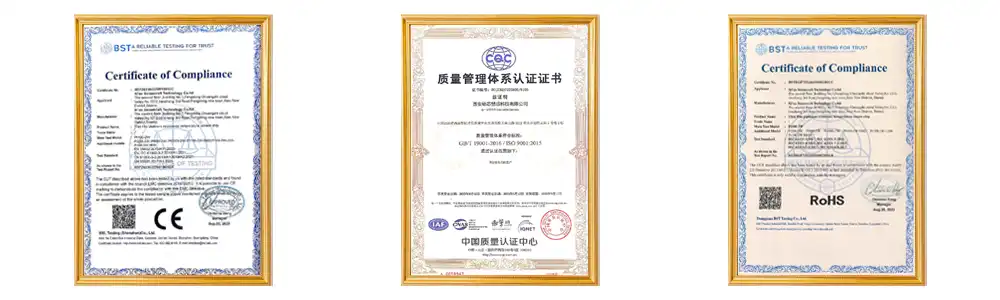
The sizes and lead materials can be changed to fit your needs. Our ISO9001, RoHS, and CE standards show that we are dedicated to quality control. From the first concept meeting to the production ramp, our field application engineering team offers full technical support. Get in touch with sales11@xatzd.com to talk about your unique needs and find out how our waterproof Pt100 sensor options can improve the performance and reliability of your battery management system.
References
1. International Electrotechnical Commission. "IEC 60751: Industrial Platinum Resistance Thermometers and Platinum Temperature Sensors." 2008.
2. Zhang, Y., Wang, C., & Tang, X. "Temperature Measurement and Thermal Management of Lithium-ion Battery Packs in Electric Vehicles." Journal of Power Sources, 2019.
3. Berndt, D. "Maintenance-Free Batteries: Lead-Acid, Nickel/Cadmium, Nickel/Metal Hydride—A Handbook of Battery Technology." Research Studies Press, 2017.
4. Society of Automotive Engineers. "SAE J2464: Electric and Hybrid Electric Vehicle Rechargeable Energy Storage System (RESS) Safety and Abuse Testing." 2020.
5. Williams, B. & Martin, K. "Precision Temperature Sensors in Automotive Battery Management Systems." IEEE Sensors Journal, 2021.
6. Xia, G., Cao, L., & Bi, G. "A Review on Battery Thermal Management in Electric Vehicle Application." Journal of Power Sources, 2017.
Learn about our latest products and discounts through SMS or email