- English
- French
- German
- Portuguese
- Spanish
- Russian
- Japanese
- Korean
- Arabic
- Greek
- German
- Turkish
- Italian
- Danish
- Romanian
- Indonesian
- Czech
- Afrikaans
- Swedish
- Polish
- Basque
- Catalan
- Esperanto
- Hindi
- Lao
- Albanian
- Amharic
- Armenian
- Azerbaijani
- Belarusian
- Bengali
- Bosnian
- Bulgarian
- Cebuano
- Chichewa
- Corsican
- Croatian
- Dutch
- Estonian
- Filipino
- Finnish
- Frisian
- Galician
- Georgian
- Gujarati
- Haitian
- Hausa
- Hawaiian
- Hebrew
- Hmong
- Hungarian
- Icelandic
- Igbo
- Javanese
- Kannada
- Kazakh
- Khmer
- Kurdish
- Kyrgyz
- Latin
- Latvian
- Lithuanian
- Luxembou..
- Macedonian
- Malagasy
- Malay
- Malayalam
- Maltese
- Maori
- Marathi
- Mongolian
- Burmese
- Nepali
- Norwegian
- Pashto
- Persian
- Punjabi
- Serbian
- Sesotho
- Sinhala
- Slovak
- Slovenian
- Somali
- Samoan
- Scots Gaelic
- Shona
- Sindhi
- Sundanese
- Swahili
- Tajik
- Tamil
- Telugu
- Thai
- Ukrainian
- Urdu
- Uzbek
- Vietnamese
- Welsh
- Xhosa
- Yiddish
- Yoruba
- Zulu
Principles and Applications of Flexible Piezoelectric Sensors
Flexible piezoelectric sensors are a big step forward in electromechanical transduction. They can turn mechanical signals like pressure, strain, and vibration into electrical signals while keeping their shape when they are deformed. In contrast to hard clay versions, these sensors use polyvinylidene fluoride (PVDF) and composite structures that can bend to fit uneven surfaces. This revolutionary feature solves important problems in the industry where regular sensors fail, allowing accurate measurements in a wide range of settings, from wearable health monitors to structural tests in aircraft. Their unique mix of mechanical flexibility and electrical sensitivity gives engineers new ways to find reliable sensing solutions for settings that are always changing.
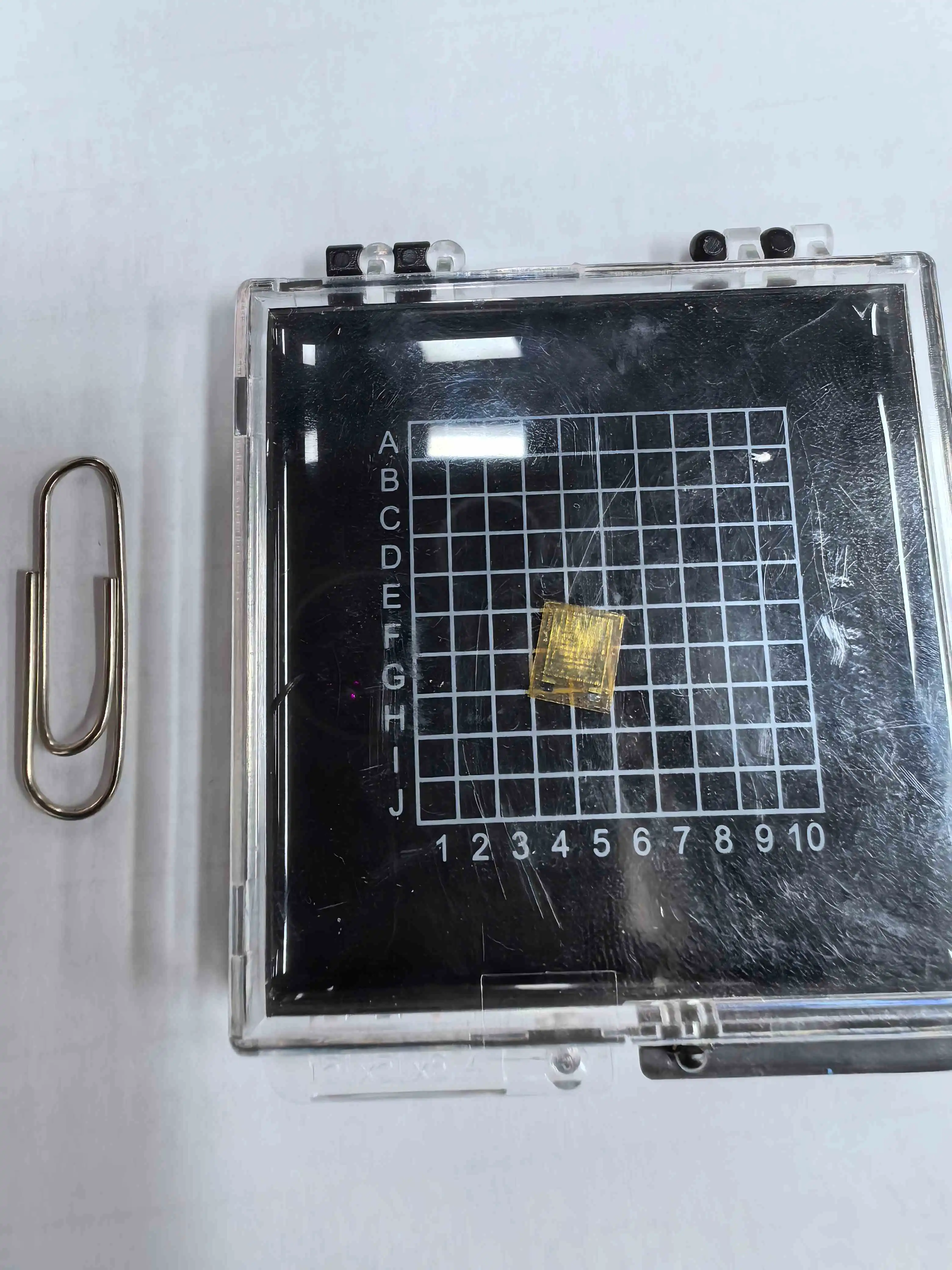
Comprehending the Fundamentals of Flexible Piezoelectric Sensors
Materials that make an electric charge when they are stressed mechanically are used in piezoelectric sensor technology. This straight piezoelectric effect is what makes these high-tech sensors work, and it lets them be self-powered actuators in a wide range of settings.
The Piezoelectric Effect in Flexible Materials
The piezoelectric effect happens when crystalline structures bend when force is applied, moving charges around in the material's grid. Polymer-based materials like PVDF, which has a piezoelectric value of 20 to 35 pC/N, are used in flexible versions. These organic polymers keep their piezoelectric qualities while also being very flexible in a way that clay materials can't. The molecular dipole alignment in these materials reacts reliably to outside forces, creating voltage outputs that are proportional to the amount of stress that is applied.
Material Properties Defining Performance
Piezoelectric plastics have a Young's modulus between 1 and 3 GPa, which is much lower than that of hard ceramics. This means that they can be bent around larger circles than 1 mm without breaking. Sensitivity at low forces is controlled by the voltage constant (g33), which is an important factor for situations where small mechanical changes need to be detected. Long-term stability is ensured by chemical resistance to things in the surroundings like humidity, oils, and living fluids. Using advanced sealing methods like atomic layer deposition and parylene coatings makes things more durable, which means they can be used for longer periods of time in difficult circumstances. These properties of the material directly affect the choice of sensor for certain industrial uses.
Signal Processing and Performance Metrics
To get useful data from raw signals from piezoelectric elements, they need to be "conditioned." High-impedance sensor outputs are turned into useable voltage data by charge amplifiers, which also reduce electromagnetic interference. Response times are usually in the microsecond range, which lets you record fast, changing events. Both quasi-static and high-frequency readings can be made with a frequency spread that ranges from 0.1 Hz to several kHz. Measurement accuracy is based on linearity across operating ranges, temperature stability, and signal-to-noise ratios. Knowing these technical details helps buying teams decide if potential sensors meet the needs of the application in terms of accuracy, speed, and resistance to external damage.
Exploring Core Applications of Flexible Piezoelectric Sensors in Industry
The ability of these sensing devices to bend has made them useful in areas where hard sensors don't work well. Long-standing engineering problems can be solved by their ability to keep measurements accurate while fitting into complex shapes. For example, the flexible piezoelectric sensor can be used in applications where flexibility and precision are critical, such as in wearable devices or curved surfaces.
Wearable Healthcare and Biometric Monitoring
Sensors that fit perfectly with the shape of the body are very useful for medical purposes. Smart fabrics with piezoelectric elements can record artery pulse waves, breathing patterns, and muscle movements without making it hard for the patient to move. These sensors collect physiological data at a clinical level for constant health tracking. This lets doctors find heart problems or breathing problems early on. Polymer-based sensors are safe for patients to use for long periods of time because they are biodegradable.
Motion artifact filtering algorithms can tell the difference between physiological signs and moves that are intended by the body. This makes measurements more accurate in settings where people are moving around. More and more, healthcare providers are using these systems to remotely watch patients and provide care after surgery. This lowers the number of patients who need to go back to the hospital and keeps the level of diagnostics high.
Structural Health Monitoring in Industrial Settings
Stress, shaking, and sound pollution must be constantly monitored to keep infrastructure in good shape. Flexible sensors can bend to fit the curves of pipes, pressure tanks, and airplane fuselage sections. They can find tiny cracks and signs of wear and tear before they become big problems. Their low mass profile keeps measurements from interfering with structures being watched, and it also lets thick sensor arrays map out mechanical conditions in space. Because it is self-powered, there is no need to worry about battery care for remote placements.
Real-time data streams allow for predictive repair plans, which cut down on unplanned downtime and make assets last longer. Early warning systems that find patterns of wear and tear on high-value equipment help industries that use it by letting them plan repairs before safety gaps are lost.
Robotics and Human-Machine Interface Development
For soft robotics to work, we need physical feedback systems that work like our bodies do. Robotic grippers can sense millinewton-level touch forces thanks to electronic skin implementations that use piezoelectric arrays. This keeps fragile items from breaking while manipulating them. These sensors give robots pictures of where pressure is applied, which lets them change how strongly they grip things based on how they are shaped. In human-machine interfaces, piezoelectric parts turn user movements into control signals.
This makes it easy for complicated machines to be controlled. Real-time control loops are needed for sensitive assembly tasks or teleoperated surgeries, and the fast reaction times make them possible. As automation moves into less organized areas, these sense skills become necessary for keeping people and robots safe while they work together.
The variety of uses shows that conformable piezoelectric sensors can meet many different business needs. For each deployment, a different set of material qualities are used based on the practical needs, such as sensitivity, durability, or resistance to the climate.
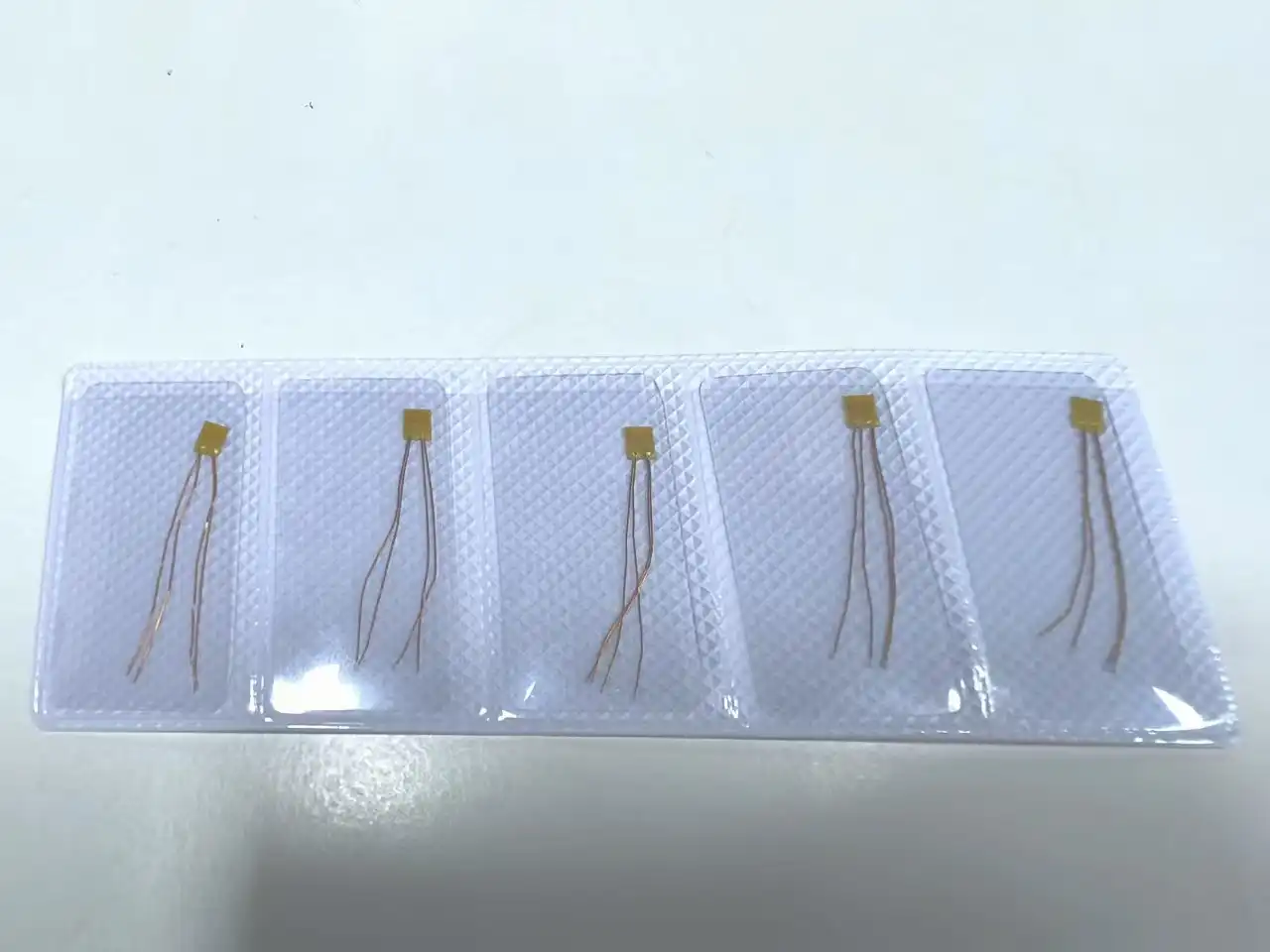
Comparing Flexible Piezoelectric Sensors with Alternative Sensing Technologies
To choose the right sensing technology, you need to know how to balance performance with the needs of the application. There is a special market for piezoelectric sensors, and they have their own pros and cons. For instance, a flexible piezoelectric sensor offers unique advantages in applications where flexibility and sensitivity are key, such as in wearable technology or conformable devices, but may not be suitable for environments that require rigid, high-precision measurements.
Performance Characteristics Versus Capacitive Sensors
When the insulator moves, capacitive sensing tracks changes in the electrical capacitance. It has a high spatial resolution and uses little power. Capacitive elements, on the other hand, need an outside energy to excite them and respond more slowly than piezoelectric elements. Piezoelectric devices get their power straight from mechanical signals, so they don't need a power source for passive monitoring. Because they are sensitive to changing conditions, piezoelectric sensors are better at detecting impacts and analyzing vibrations.
When it comes to measuring distance and static or nearly static closeness, capacitive methods are the best. When it comes to high-volume market uses, capacitive implementations are often cheaper. On the other hand, piezoelectric sensors are more expensive because they have better dynamic range and frequency response in performance-critical industrial settings.
Advantages Over Traditional Rigid Sensors
Traditional clay piezoelectric sensors are very sensitive and stable at high and low temperatures, but they break when they are bent. Some flexible options give up some of their piezoelectric coefficient magnitude in exchange for mechanical flexibility. This lets them be installed on rough surfaces where rigid sensors can't work well. When there is less acoustic impedance difference between polymer sensors and organic organs, it makes coupling more efficient in medical ultrasound and physiological tracking. Installing flexible sensors is easy and doesn't require any special attachment hardware, which saves money on work costs.
When there is mechanical flexure, lifecycle costs favor flexible sensors over rigid sensors, which would need to be replaced more often because they wear out. Performance gaps are getting smaller as material science progresses and makes hybrid structures that get closer to rigid sensor sensitivity while still being flexible.
Environmental Considerations and Longevity
The operating setting has a big effect on the choice of sensor. Piezoelectric plastics can handle more pressure than ceramics, but they are more sensitive to temperature, and their performance usually starts to decline above 80°C. Chemical exposure needs to be tested to see how well sealing protects against certain contaminants. Mechanical fatigue testing shows that when used within their design limits, bendable sensors can survive millions of bending cycles, which is long enough for most industrial uses.
Calibration intervals are set by how much drift there is over long periods of time. This is a very important factor for self-driving systems that need stable measurements over time. Professionals in procurement have to weigh the initial costs of buying something against the total costs of owning it, which include installation, upkeep, and replacements over the expected lifetime of the item.
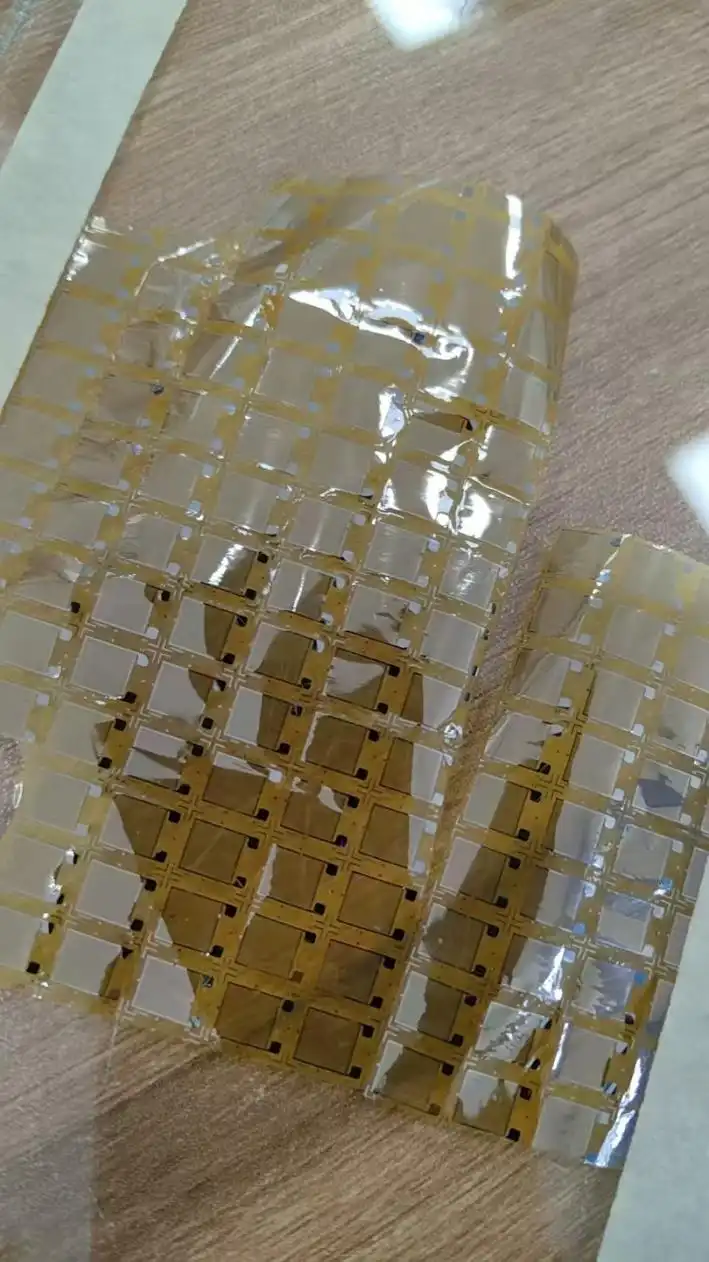
Procurement Guide: Sourcing Flexible Piezoelectric Sensors Efficiently
Strategic buying of specialized sensors needs a methodical evaluation of suppliers and clear sharing of requirements. For example, when sourcing a flexible piezoelectric sensor, it's essential to ensure that the supplier understands the specific needs for flexibility, sensitivity, and application. The buying process has a direct effect on how well the system works and how long projects take to finish.
Supplier Qualification and Quality Assurance
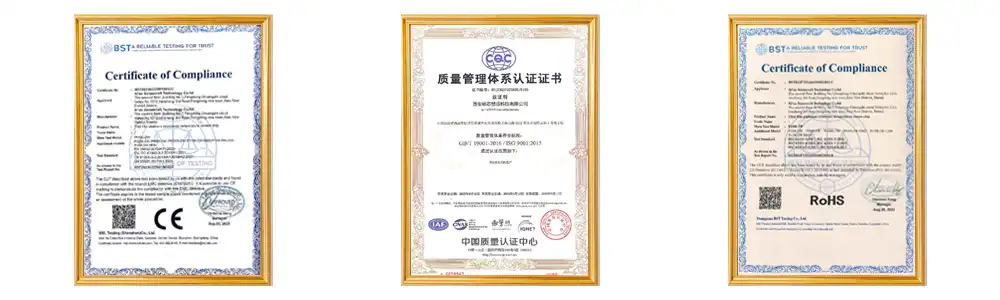
Verification of approval is the first step in choosing a vendor. ISO 9001 quality management systems show that a company is committed to using uniform production processes. ROHS and CE compliance show that a company is following the rules for European markets. The manufacturing skills of the supplier should match the volume needs of the project, whether it's for a trial or for mass production. Protocols for quality assurance, such as inbound inspection processes, traceability systems, and the ability to analyze failures, show that operations are mature.
Referrals from customers who have used similar products can give you an idea of how responsive a supplier is and how good their expert help is. Audit rights that allow regular checks of production facilities make sure that quality standards are always being met. Assessing a company's financial security lowers the chances of problems in the supply chain. This is especially important for long-lasting goods that need parts to be available for a long time.
Customization Capabilities and Technical Support
Standard store items rarely perfectly match the needs of a specific application. If a supplier offers design modification services, they can make sure that the sensor geometry, electrode configurations, and packing forms are the best they can be for each application situation. Field application engineering help speeds up integration by giving expert advice on how to place components, set up signal conditioning circuits, and do calibration procedures. Validation testing can be done with prototyping services before investing in production tools.
Quality technical documents, such as dimensional specs, electrical traits across a range of environmental conditions, and mechanical property data, makes it easier to integrate design. Responding to communication during the design phase avoids mistakes that cost a lot of money and makes sure that the sensors supplied meet the functional requirements. Through iterative optimization, working together with suppliers who have a lot of experience with specific uses can often lead to speed gains that go above and beyond what was originally planned.
Logistics and Supply Chain Management
Dependability in delivery affects work plans and the cost of keeping inventory on hand. Lead time promises need to take into account how hard the product is to make and how readily available the parts are. Practices used by suppliers to handle their inventory, such as maintaining safety stock levels for long-lead products, protect against interruptions in supply. Shipping sensitive sensors without damaging them is possible with proper packaging, which requires testing of safety steps for flimsy parts. When you source goods from other countries, you have to think about clearing customs. You need to make sure you have all the right paperwork to avoid delays at the border.
Logistics partners who know how to handle sensitive electrical parts reduce the chance that they will get damaged during transport. Supply deals should include quality escape terms that let you return material that doesn't meet standards without having to pay a fee for restocking. Strategic relationships with dependable sellers lower the costs of buying things because they use standard procedures and understand each other's needs.
Future Trends and Innovations in Flexible Piezoelectric Sensor Technology
Rapid progress in technology keeps making powers and uses bigger and better. Strategic buying choices that think ahead to future needs are made possible by staying up to date on new developments. For instance, the evolving capabilities of a flexible piezoelectric sensor open up new possibilities in fields like wearable tech and healthcare, enabling smarter and more adaptable applications.
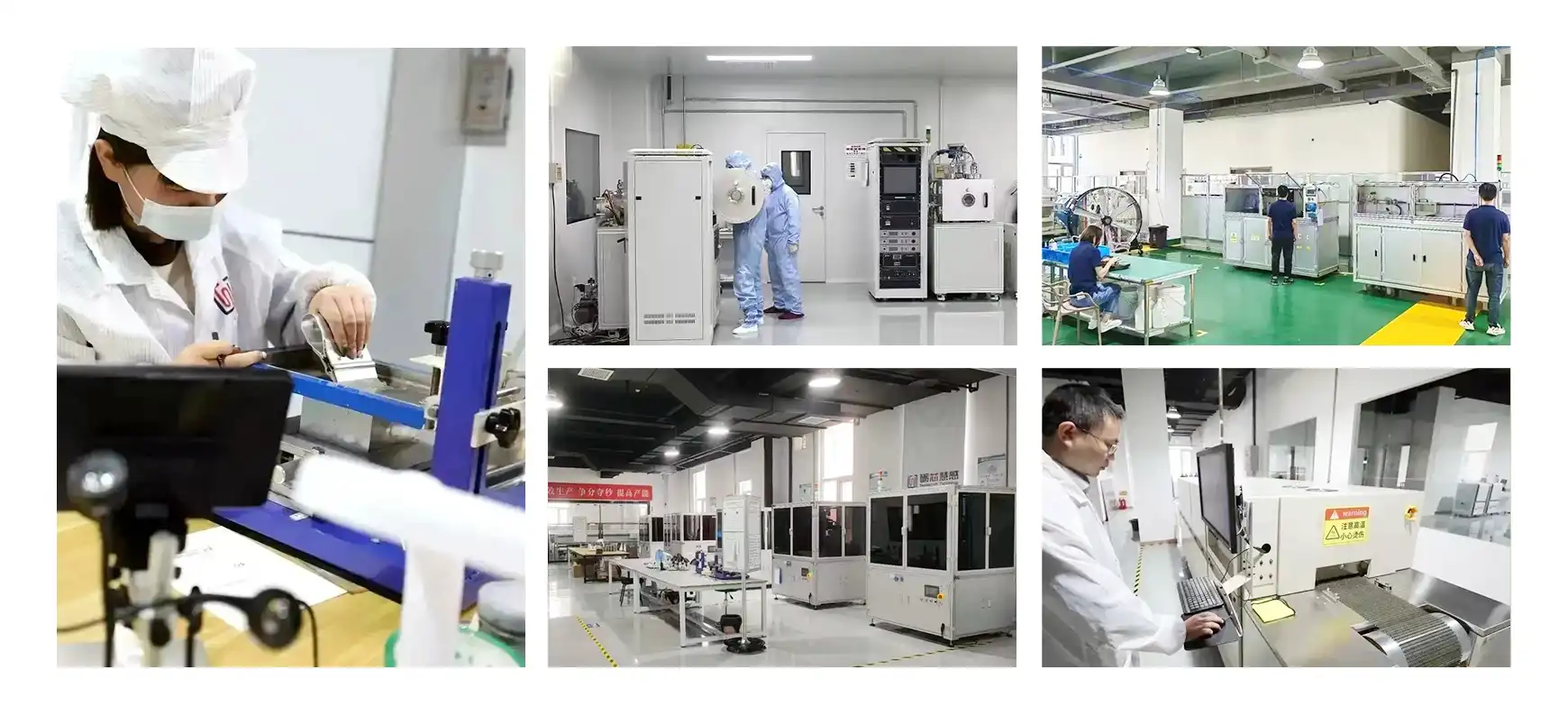
Advanced Materials and Manufacturing Techniques
Nanostructured piezoelectric materials are being studied because they could make a big difference in how well they work. Nanowires of zinc oxide, nanoparticles of barium titanate, and lead-free perovskites mixed in polymer matrices show improved piezoelectric coefficients that are similar to those of standard ceramics while still being flexible. Three-dimensional printing makes it possible to make sensors with complicated shapes that would not be possible with traditional methods of fabrication.
This includes using different types of materials to improve certain performance factors. Roll-to-roll manufacturing methods lower the cost of making large-area sensor grids, which makes them useful for one-time use or discard situations. Changing polymer strands at the molecular level makes them more stable at high temperatures and resistant to chemicals, which increases their usefulness. These new materials directly lead to sensors that are more sensitive, have wider dynamic ranges, and can handle more weather conditions.
Integration with Internet of Things Ecosystems
Industry 4.0 is based on connected sensor networks, and piezoelectric devices give predictive analytics tools information about how machines are working. Energy harvesting lets portable sensor nodes run on their own power, so spread tracking systems don't need to replace batteries as often. Edge computing integration lets signals be processed locally, which lowers the bandwidth needed for data transfer while still allowing for real-time spotting of problems.
Standardized communication methods make it easier for automation platforms from different vendors to work together, which makes deployment simpler. Machine learning algorithms that are taught on patterns in sensor data can find signs of subtle degradation that can't be seen with normal threshold tracking. Connecting to the cloud lets you do online troubleshooting and firmware changes, which increases the functionality of sensors over their entire lifecycles. With these digital integration pathways, sensors go from being passive measuring tools to active intelligence-gathering hubs in smart factory settings.
Market Growth and Investment Opportunities
Wearable electronics, soft robots, and structural monitoring are some of the uses that are expected to drive a lot of increase in the demand for flexible sensors. This growth brings in money to improve output and research and development, which speeds up the circle of new ideas. Adopting new technologies early on gives you a competitive edge by making your products more useful and unique. Strategic relationships with suppliers give you access to development roadmaps, which let you make design decisions that are in line with the direction of technology.
When supply is limited, companies that show they are committed to long-term relationships often get priority when it comes to allocating limited production capacity. By joining industry groups and organizations that create standards, you can see how specifications and rules are changing over time. A procurement strategy that looks to the future balances current operational needs with expected changes in technology. This puts organizations in a position to take advantage of new possibilities as they come up.
Conclusion
The unique mix of mechanical flexibility and electrical sensitivity in flexible piezoelectric sensors makes them very useful for a wide range of industrial uses. Understanding basic working principles, performance traits, and application-specific needs helps you make smart choices about what to buy that will improve the performance of the system. By comparing flexible piezoelectric sensors to other sensing technologies, it becomes clear when they are the best choice.
The success of a project depends on having strong relationships with suppliers that are based on quality testing, the ability to make changes, and dependable delivery. New material innovations and digital integration trends show that uses will continue to grow and performance will get better. When engineering teams and procurement workers take the time to learn these technologies, their companies are at the top of new ideas that use sensors.
FAQ
Q1: How does durability compare between flexible and rigid piezoelectric sensors?
A: When used within certain strain limits, flexible sensors can survive more than a million bending cycles, but hard ceramic sensors break under the same amount of mechanical stress. On the other hand, hard sensors usually have better long-term drift and temperature consistency. Which parts of durability are most important depends on the application setting.
Q2: What factors determine measurement accuracy in these sensors?
A: The accuracy relies on the piezoelectric coefficients of the material, the shape of the sensor, the design of the signal conditioning circuit, and the methods used for testing. Changes in temperature, mechanical setup conditions, and electromagnetic interference can all affect how precise something is. Detailed design sheets that list these factors make it possible to accurately predict performance for certain use cases.
Q3: Can flexible piezoelectric sensors be customized for specialized industrial applications?
A: Expert makers let you make a lot of changes, such as changing the electrode design, choosing the base material, the encapsulation choices, and adding built-in signal conditioning. During the design process, everyone works together closely to make sure that the sensor configurations are the best ones for the job and the surroundings.
Partner with Tongzida for Advanced Sensor Solutions
To solve tough sense problems, you need to work with makers that combine technical know-how with tried-and-true quality systems. Precision sensor design and manufacturing are what Xi'an Tongzida Technology does best. They also create chips, package them, and test them. Our ISO 9001, ROHS, and CE certifications show that we are dedicated to quality standards that are necessary for tough industrial uses.
Our engineering team knows a lot about sensing technologies in general, not just thin-film temperature sensors that are the most stable and accurate in the business. We offer expert advice to help customers find the best sensing options for their needs, whether they need to measure temperature or use other sensing methods together. Chat with our technical team at sales11@xatzd.com about the problems you're having with your application and find out how our engineering knowledge and ability to make sensors can help you reach your development goals.
References
1. Maeder, M.D., Damjanovic, D., & Setter, N. (2004). "Lead-Free Piezoelectric Materials." Journal of Electroceramics, 13(1-3), 385-392.
2. Anton, S.R., & Sodano, H.A. (2007). "A Review of Power Harvesting Using Piezoelectric Materials." Smart Materials and Structures, 16(3), R1-R21.
3. Wang, Z.L. (2013). "Piezoelectric Nanogenerators Based on Zinc Oxide Nanowire Arrays." Science, 312(5771), 242-246.
4. Zeng, W., Shu, L., Li, Q., Chen, S., Wang, F., & Tao, X.M. (2014). "Fiber-Based Wearable Electronics: A Review of Materials, Fabrication, Devices, and Applications." Advanced Materials, 26(31), 5310-5336.
5. Dagdeviren, C., Joe, P., Tuzman, O.L., Park, K.I., Lee, K.J., Shi, Y., Huang, Y., & Rogers, J.A. (2016). "Recent Progress in Flexible and Stretchable Piezoelectric Devices for Mechanical Energy Harvesting, Sensing and Actuation." Extreme Mechanics Letters, 9(Part 1), 269-281.
6. Chorsi, M.T., Curry, E.J., Chorsi, H.T., Das, R., Baroody, J., Purohit, P.K., Ilies, H., & Nguyen, T.D. (2019). "Piezoelectric Biomaterials for Sensors and Actuators." Advanced Materials, 31(1), 1802084.

Learn about our latest products and discounts through SMS or email