- English
- French
- German
- Portuguese
- Spanish
- Russian
- Japanese
- Korean
- Arabic
- Greek
- German
- Turkish
- Italian
- Danish
- Romanian
- Indonesian
- Czech
- Afrikaans
- Swedish
- Polish
- Basque
- Catalan
- Esperanto
- Hindi
- Lao
- Albanian
- Amharic
- Armenian
- Azerbaijani
- Belarusian
- Bengali
- Bosnian
- Bulgarian
- Cebuano
- Chichewa
- Corsican
- Croatian
- Dutch
- Estonian
- Filipino
- Finnish
- Frisian
- Galician
- Georgian
- Gujarati
- Haitian
- Hausa
- Hawaiian
- Hebrew
- Hmong
- Hungarian
- Icelandic
- Igbo
- Javanese
- Kannada
- Kazakh
- Khmer
- Kurdish
- Kyrgyz
- Latin
- Latvian
- Lithuanian
- Luxembou..
- Macedonian
- Malagasy
- Malay
- Malayalam
- Maltese
- Maori
- Marathi
- Mongolian
- Burmese
- Nepali
- Norwegian
- Pashto
- Persian
- Punjabi
- Serbian
- Sesotho
- Sinhala
- Slovak
- Slovenian
- Somali
- Samoan
- Scots Gaelic
- Shona
- Sindhi
- Sundanese
- Swahili
- Tajik
- Tamil
- Telugu
- Thai
- Ukrainian
- Urdu
- Uzbek
- Vietnamese
- Welsh
- Xhosa
- Yiddish
- Yoruba
- Zulu
Can One Pt1000 Sensor Cover Both HVAC and Energy Storage BMS?
Yes, if it's built to the right specs, a single HVAC & Energy Storage BMS Pt1000 Sensor can work well for both tasks. These days, platinum resistance temperature monitors with a standard resistance of 1000 ohms at 0°C are accurate, stable, and cover the temperature range needed for both battery management systems and heating, ventilation, and air conditioning systems. It is important to choose sensors that are compliant with IEC60751, have a wide working range, and come from companies that have a history of validating their products in both types of settings.
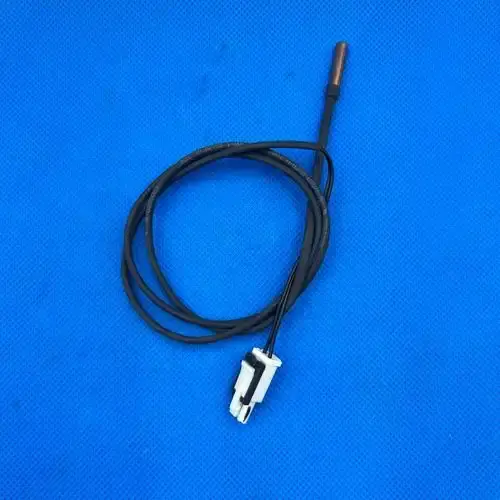
Introduction
Temperature tracking is an important part of both keeping HVAC systems running smoothly and making sure that batteries in energy storage systems are safe. When HVAC systems don't have accurate temperature data, they waste more energy and make people less comfortable. In the same way, battery management systems that don't have reliable temperature sensors run the risk of catastrophic events like thermal runaway and cell breakdown before their time.
Platinum resistance temperature monitors have become the best choice for engineers who need to measure temperatures accurately. The Pt1000 model is clearly better than the Pt100 model in this area. This is especially true in situations where cable runs are longer than usual or where two-wire configurations make system design easier.
More and more, engineering teams and procurement professionals are wondering if settling on a single type of sensor can meet the needs of both HVAC control loops and battery heat management. This review looks at that strategy question by looking at technical specs, performance data from real-world situations, and procurement factors that affect choices about where to get things. Knowing what sensors can do in both areas helps OEMs and system developers make the best use of their supply lines while still meeting the performance standards their customers expect.
Understanding the Role of Pt1000 Sensors in HVAC and Energy Storage BMS
What is a PT1000 Sensor?
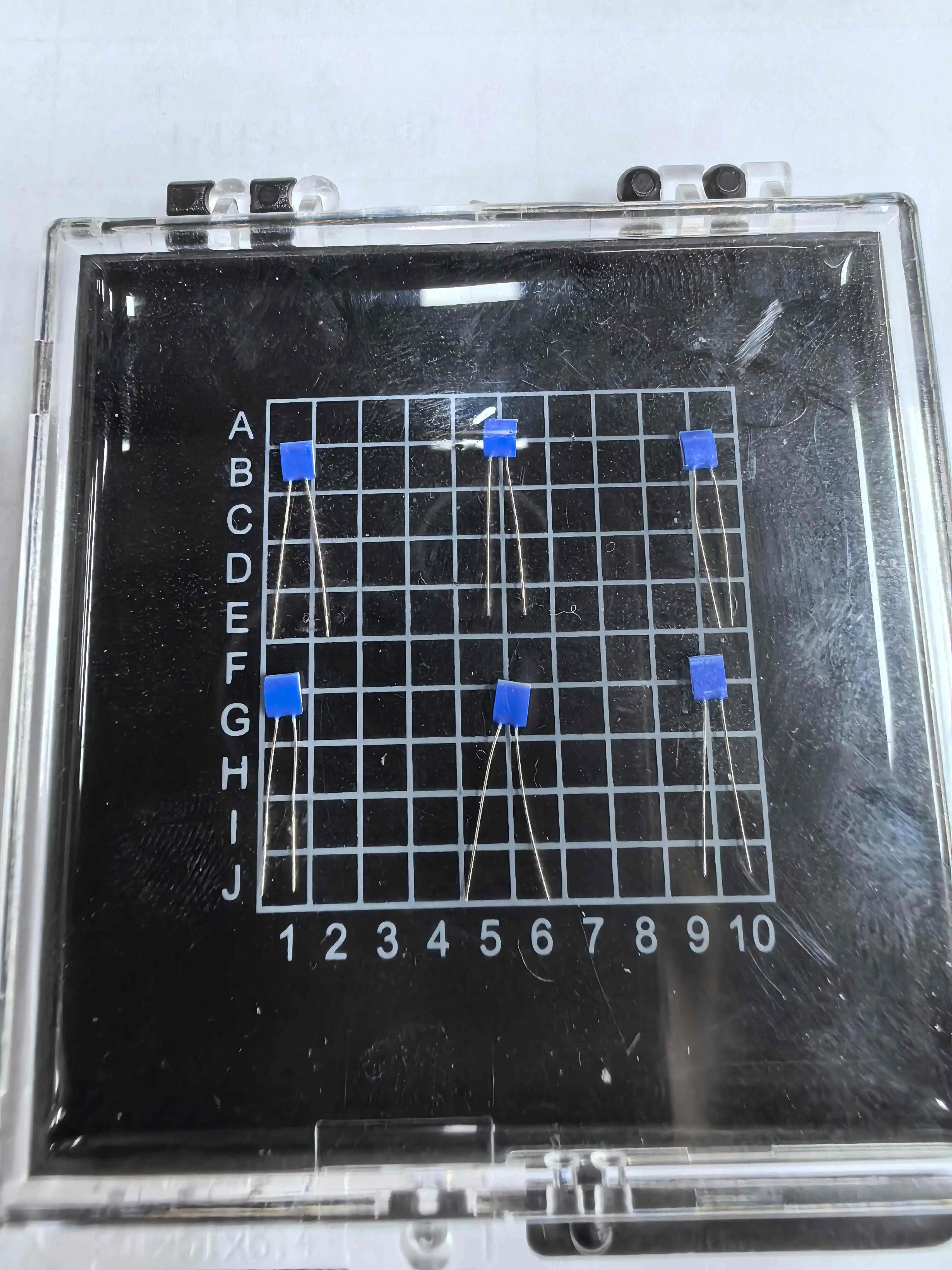
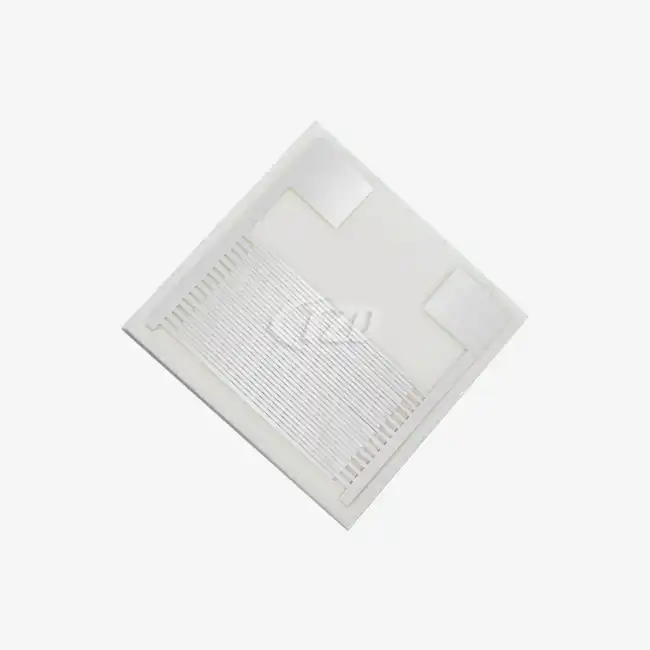
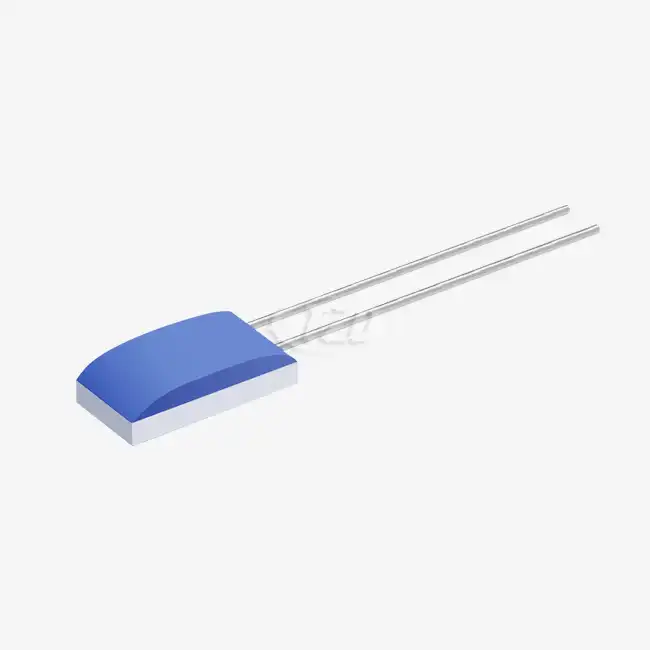
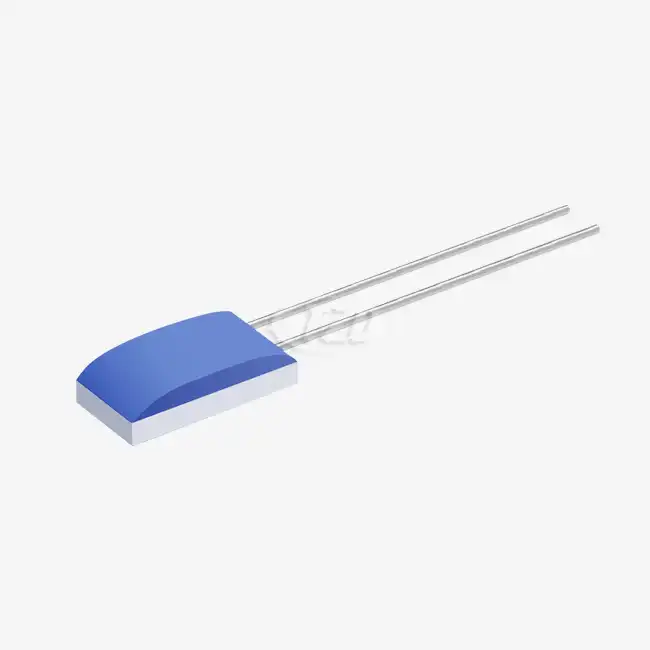
The resistance of a Pt1000 Sensor is 1000 ohms at 0°C, making it a high-precision Platinum Resistance Temperature Detector. It is made of thin-film or wire-wound platinum elements and works on the Positive Temperature Coefficient principle, which says that electrical resistance rises linearly with temperature. Because they have ten times less resistance than Pt100 sensors, lead-wire resistance interference is greatly reduced. This makes it possible to use accurate two-wire setups without having to use complicated adjustment circuits. Platinum resistance detectors are the standard for battery-powered IoT devices and large-scale setups where design choices are based on how to save money on wiring and energy.
How Pt1000 Sensors Optimize HVAC Systems?
For HVAC uses, the HVAC & Energy Storage BMS Pt1000 Sensor must be able to react quickly to changes in temperature and keep its accuracy across all seasons. Platinum resistance temperature monitors let variable air volume systems change the flow of air based on exact zone temperatures. This saves energy by keeping the air from getting too hot or too cold. Chiller plants use these monitors to make sure that the flow rates of refrigerant are optimal. This keeps the plants running efficiently at partial load situations that are common in buildings.
Because the sensor stays stable over time, it doesn't lose its calibration over time, which would require regular repair trips. The control algorithms in building automation systems use resistance values directly. This means that measurement mistakes can spread through proportional-integral-derivative loops, which can affect comfort and running costs. Sensors that are accurate to within ±0.01 Ω give industrial HVAC systems the accuracy they need to meet ASHRAE standards for indoor air quality.
Critical Contribution to Energy Storage BMS
Battery systems only work in small temperature ranges, where performance and life meet. When temperatures rise above their ideal range, lithium-ion cells break down quickly. For every 10°C rise, cycle life could be cut in half. Resistance temperature detectors are used in energy storage sites to keep an eye on the temperatures of each cell. If there are any problems with the temperatures, the cooling systems will start working before they cause a safety event.
During high-power charging processes, when cell temperatures can rise rapidly in seconds, quick response times are very important. Battery management systems can slow down charge rates before critical limits are reached when sensors respond in less than 0.05 seconds. Because platinum elements are stable over time, safety setpoints stay accurate for the entire life of the battery system. This stops fake alarms that lower system availability.
Comparative Analysis with Alternative Sensors
Pt100 sensors are about as accurate, but they need three- or four-wire setups to account for lead resistance, which makes installation more difficult and costs more in materials. Thermistors have faster reaction times, but their resistance curves aren't straight, which makes signal processing harder, and they drift a lot when the temperature changes a lot. NTC thermistors are cheaper up front, but they are less stable over time, which means they need more upkeep, which cancels out the original savings.
Quality platinum resistance temperature detectors all have the same temperature coefficient of 3850ppm/°C. This means that detectors from different makers can be used together, which lowers the risks for system designers in the supply chain. When used in industrial settings with electromagnetic interference, the sensor's resistance-based measurement theory works better than thermocouple voltage signals at blocking noise.
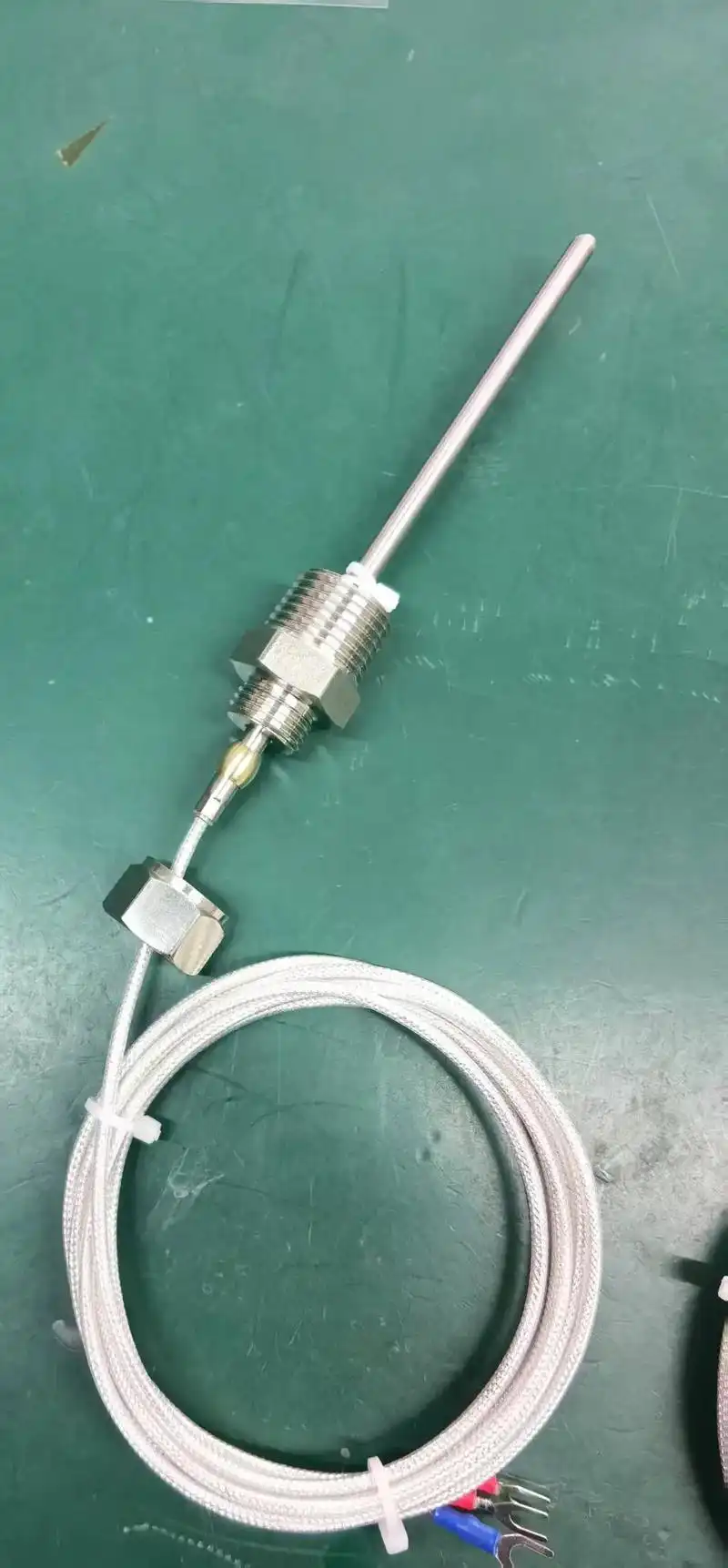
Can One Pt1000 Sensor Meet the Requirements of Both HVAC and Energy Storage BMS?
Technical Specifications Comparison
Most HVAC systems work in temperatures between -40°C and 85°C, but sensors that are placed on ducts may be exposed to temperatures close to 150°C near heating sources. Energy storage battery management systems keep an eye on cell temperatures from -20°C when charging in cold weather to 60°C when the battery is under full load. An HVAC & Energy Storage BMS Pt1000 Sensor can work in temperatures ranging from -200°C to +850°C, so they can be used for a wide range of tasks.
Different areas have different response time needs. Every few seconds, the HVAC control loops take a reading of the temperature, and it can handle sensing reaction times of several seconds without losing control. Battery management systems need sensors that can respond in less than a second to events of fast discharge. These sensors need to be able to conduct heat well and have low mass. For controlling the temperature of the HVAC system and keeping an eye on the batteries, the accuracy requirements are around ±0.15°C and ±0.1°C, respectively. Both of these can be met with Class A or 1/3 DIN accuracy monitors.
Real-World Performance Validation
Validation testing in both application settings shows performance traits that affect choices about specifications. During HVAC field tests, platinum resistance temperature detectors kept their accuracy within ±0.05°C for three years, which was better than thermistor-based options that moved too far outside of acceptable limits. Humidity, dust, and changes in temperature had little effect on the security of the sensor when the right probe design and sealing methods were used.
When energy storage is installed, the conditions are worse because cooling fans vibrate the equipment and high-current busbars send out electromagnetic fields. Automotive-grade sensors showed 40g of shaking resistance and 100g of shock tolerance, and they kept their electrical links throughout the battery system's lifetime. Thermal cycling tests between charge and discharge states showed that the measurements were accurate, with long-term drift staying below 0.04% for 5000 cycles.
Installation Best Practices
No matter what the purpose is, the accuracy of the sensor is directly affected by how well it is installed. In HVAC ducts, sensors should be mounted away from things that block airflow and deep enough into the material to make sure the sensing element gets a state of equilibrium air temperature. When sensors are attached to the cell sides or bus bars of a battery, thermal paste or conductive epoxy makes the thermal connection better.
Two-wire setups are simpler, but you need to pay close attention to the resistance specs for the cables. When you use 22 AWG or a heavier gauge wire, the lead resistance stays below 5 ohms. This stops measurement mistakes from going beyond what the sensor can handle. When installing batteries, shielded wires keep electromagnetic interference to a minimum, and junction boxes keep terminations dry in HVAC settings.
Comparing Pt1000 Sensors with Alternative Sensor Types for Dual HVAC & BMS Use

Performance and Reliability Analysis
When it comes to reaction time and price, thermosensors are competitive, but they can be hard to calibrate, which makes dual-use situations more difficult. Each batch of thermistors has its own resistance curves that need to be characterized individually. Platinum resistance temperature monitors, on the other hand, have standard curves that let them be replaced without having to be re-calibrated. This interchangeability makes it easier for makers who serve both the HVAC and battery markets to keep track of their supplies.
NTC thermistors don't work well in HVAC systems near heat exchanges because they break down when exposed to high temperatures for a long time. Platinum elements stay stable even after being heated and cooled many times. Their drift is measured in hundredths of a percent over years, not months. Condition-based maintenance methods can be used on platinum sensors because their failure modes are expected. On the other hand, thermistor drift usually happens slowly and without any clear signs.
Cost-Effectiveness for Large-Scale Procurement
At first glance, thermistors appear to be 30–50% cheaper than an HVAC & Energy Storage BMS Pt1000 Sensor of the same type. Lifecycle cost analysis, on the other hand, shows different economics when tuning needs, replacement frequency, and system downtime are taken into account. Even though they cost more, platinum sensors that don't need to be calibrated for ten years have a lower total cost of ownership.
Through agreements with manufacturers, volume purchases can be made at the lowest possible cost. OEM deals with sensor providers keep prices stable over multiple years of projects and make sure that parts are distributed when there aren't enough of a certain component. When you use the same platinum resistance temperature monitors across all of your product lines, you save money on engineering costs and testing costs compared to keeping different sensor qualifications for each use.
Supplier Credentials and Certifications
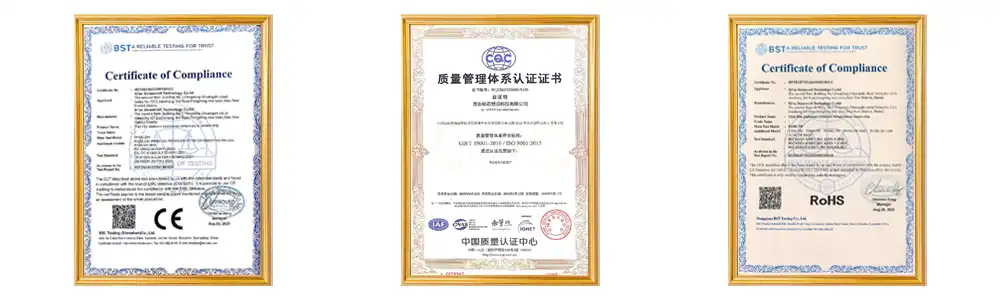
Manufacturers with a good reputation keep up with environmental standards like ROHS and REACH as well as ISO9001 quality management systems. These certificates show that the manufacturing process is controlled and that the materials used can be tracked. This is important for medical and automotive uses that are using more and more complicated battery systems. The CE mark shows that the product meets European safety standards. This makes it easier for companies that sell their products in other countries to follow the rules.
Suppliers can do more technical things than just make parts. They can also help with application engineering. Field application experts help choose the right sensors, guide installation, and fix problems that come up during system integration. This technical partnership is helpful when normal sensors need to be changed to work in different thermal settings or when measurement accuracy needs to be improved for certain control algorithms.
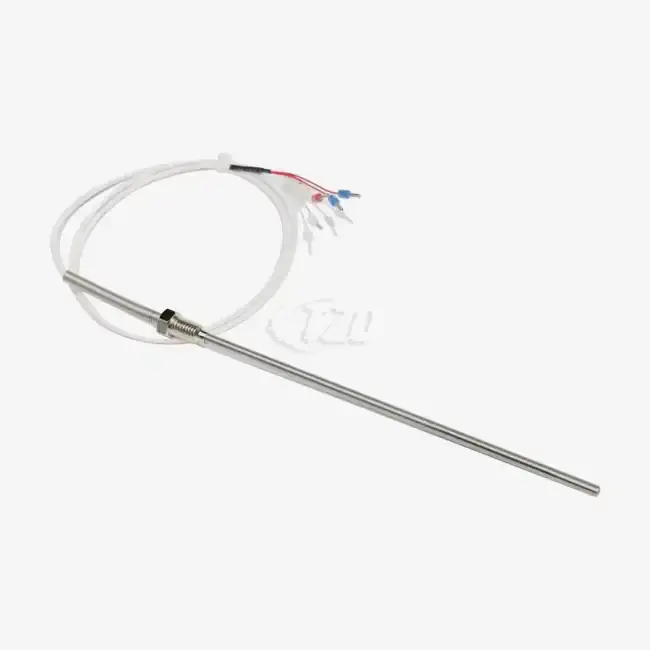
Troubleshooting and Maintenance of Pt1000 Sensors in HVAC & Energy Storage BMS
Common Challenges and Diagnostics
Calibration drift shows up as a slow change in measurements. It's usually caused by mechanical stress on the platinum element or contamination contact. Drift can be found before it affects system performance by checking against reference standards on a regular basis. When you compare results from different sensors that are tracking the same conditions, you can find outliers that need your attention.
Damage from vibration or contact breaks internal connections, which leads to open-circuit failures that are quickly noticed by system operators. It is harder to figure out what's wrong with intermittent links because the numbers change a lot when the temperature or vibrations happen. Resistance tests at room temperature are a quick way to check if a sensor is working properly. Readings that are more than 2% off from the standard values mean that the sensor needs to be replaced.
Preventive Maintenance Protocols
Regular checks of the calibration keep measurement accuracy high without having to change sensors too often. Checking things once a year against traceable standards meets the needs of the quality system and finds signs of wear and tear. Recording the past of calibration allows for planned upkeep, and higher drift rates suggest environmental stress that needs to be looked into.
Protecting sensors from the environment makes them last longer in both HVAC and battery uses. Moisture getting into cables through their openings ruins connections and lowers the resistance of the insulation. Checking wire glands and seals on a regular basis stops water from getting in and causing them to fail early. Over time, thermal contact materials break down in battery systems, making thermal coupling less accurate. Changing the thermal paste on a regular basis keeps the accuracy of measurements over the life of the device.
Replacement Justification Criteria
When HVAC & Energy Storage BMS Pt1000 Sensor components are still working but not as well as they used to, economic analysis helps decide whether to change them or not. If the drift goes over half of the accuracy range given, the device should be replaced in important situations where measurement error affects safety margins. Battery management systems need more precise limits than HVAC comfort control, which could mean that they need to be replaced more often in energy storage applications.
Updating technology gives you more ways to improve system function than just replacing parts. Newer sensor designs have faster response times, smaller sizes, or better steadiness, which are all reasons to change working sensors as part of regular maintenance. Talking to sensor makers can help you find ways to make their products better in ways that add real value, rather than just keeping them at the same level of performance.

Procurement Guide: How to Source the Right Pt1000 Sensor for HVAC and Energy Storage Applications
Key Selection Criteria
Supplier trustworthiness comes from their ability to make things, their quality standards, and their knowledge with specific applications. Companies with automatic production lines can provide stability that can't be matched by human assembly. This cuts down on batch-to-batch variation that makes system calibration harder. Because production capacity affects wait times and allocation objectives when parts are in short supply, the financial stability and manufacturing footprint of a provider are important factors to consider when evaluating them.
Customization features let sensors work better in certain situations without needing full unique designs. Standard probe bodies can handle different types of lead wires, their lengths, and how they are terminated. Different types of weather exposure can be handled by different types of packaging, from ceramic bases to stainless steel sheaths. When compared to fully custom designs, manufacturers that offer these versions from approved production lines lower the risks of development.
Strategies for Bulk Purchasing and OEM Partnerships
When the market is tight, volume agreements ensure allocation and better price. Blanket purchase orders with planned releases keep inventory costs in check while also guaranteeing supply. OEM relationships are more than just a deal on prices. They also include co-creating different versions of a product for a particular use, making sure that the technical paperwork is correct for the final product, and helping customers with their installations in the field.
For global supply chains to work, suppliers need to be able to ship goods all over the world and offer technical help in the area. Manufacturers with facilities in more than one area can offer expert support in a variety of languages and cut down on shipping times and currency risk. Dual-source methods lower supply risks, but to qualify extra providers, you have to test investments that must be in line with savings on procurement costs.
Technical Support and After-Sales Service Value
During the research and production phases, quick technical help speeds up the process of fixing problems. Field application experts help with installation, suggest the best ways to set up sensors, and fix measurement problems that come up during system integration. This information is especially useful when using sensors in different areas, like HVAC and battery management, where understanding of how to use them covers several technical fields.
After-sales help includes managing warranties, looking into problems, and setting up feedback loops for continuous growth. When manufacturers look into field failures, they find the root reasons, which help them make design changes that will help future production. Good providers keep a supply of older product lines in stock so that customers can get replacements for products that are used in business settings and may last for decades.

Conclusion
A limited "yes" is given to the question of whether the same HVAC & Energy Storage BMS Pt1000 Sensor can be used for both HVAC and energy storage BMS tasks. IEC60751-compliant platinum resistance temperature monitors are the best choice for both uses because they are accurate, stable, and cover a wide temperature range. Important things to consider include picking sensors with the right response times, weather ratings, and technical specs to deal with the unique problems each application brings up. Standardizing on platinum-based sensors across all product lines is good for procurement professionals because it simplifies the supplier process while keeping the performance qualities that challenging applications need. Partnering with makers that offer tested dependability, full technical support, and customization options that make sensors work best in two-use situations is key to success.
FAQ
Q1: Can a Single PT1000 Model Serve Both Applications?
A: If the sensor specs meet the needs of both HVAC and battery control apps, then the answer is yes. The temperature range that can be used must include both extremes, the response time must be fast enough, and the accuracy must be accurate enough to meet the smaller limit. Sensors made for industrial automation usually go beyond both of these standards, which makes it possible to standardize across product lines.
Q2: How Does PT1000 Accuracy Compare to Alternatives?
A: With Class B ratings, platinum resistance temperature monitors are accurate to within 0.15°C, and with Class A ratings, they are even more accurate to within 0.06°C. This performance is as good as or better than thermistor accuracy and has better long-term steadiness. Pt100 sensors are just as accurate, but they need more complicated wiring to work. Other sensors can't match the 1000-ohm base resistance when it comes to two-wire setups because it doesn't allow lead-wire errors.
Q3: What Are Typical Lead Times for Bulk Orders?
A: Standard versions ship within two weeks from well-known makers who keep stock on hand. Custom requirements take between four and eight weeks, based on how complicated the changes are and where the production queue is at the time. Setting up blanket orders with planned releases cuts down on effective wait times and improves prices at the same time. When there are shortages of parts, which happen from time to time in the sensor market, building ties with sellers helps with allocating resources more efficiently.
Partner with Tongzida as Your Trusted HVAC & Energy Storage BMS Pt1000 Sensor Manufacturer
The long-term success of your product in demanding thermal management uses depends on how well you choose the platinum resistance temperature detector provider. Tongzida is an expert in designing, making, and automating thin-film temperature sensor chips that work at room temperature, high temperatures, and very low temperatures with accuracy that meets IEC60751 standards. Our sensors are accurate to within ±0.01 Ω and have a long-term stability drift of less than 0.04%. They are certified by ISO9001, ROHS, and CE, which are all world quality standards. We can make changes to the sizes (from 1.2 mm to 4.0 mm), lead materials, and reaction times (up to 0.05 seconds) to make sure they meet your exact needs. You can email our engineering team at sales11@xatzd.com to talk about your HVAC & Energy Storage BMS Pt1000 Sensor needs to look at our full line of platinum resistance temperature detectors that are built for OEM partnerships and bulk purchases.
References
1. International Electrotechnical Commission, "IEC 60751: Industrial Platinum Resistance Thermometers and Platinum Temperature Sensors," Edition 3.0, 2022.
2. American Society of Heating, Refrigerating and Air-Conditioning Engineers, "ASHRAE Handbook: HVAC Systems and Equipment," Chapter 42: Measurement and Instruments, 2020.
3. Battery University, "Temperature Effects on Lithium-Ion Battery Performance and Degradation Mechanisms," Educational White Paper Series, 2021.
4. National Institute of Standards and Technology, "Temperature Measurement Uncertainty and Calibration Procedures for Industrial RTD Sensors," Technical Publication 1297, 2019.
5. Society of Automotive Engineers, "SAE J2954: Temperature Measurement Requirements for Electric Vehicle Battery Management Systems," Standard J2954_202104, 2021.
6. Building Services Research and Information Association, "Technical Memorandum TM39: Design and Installation of Building Management Systems for Commercial HVAC Applications," Third Edition, 2020.
Learn about our latest products and discounts through SMS or email