- English
- French
- German
- Portuguese
- Spanish
- Russian
- Japanese
- Korean
- Arabic
- Greek
- German
- Turkish
- Italian
- Danish
- Romanian
- Indonesian
- Czech
- Afrikaans
- Swedish
- Polish
- Basque
- Catalan
- Esperanto
- Hindi
- Lao
- Albanian
- Amharic
- Armenian
- Azerbaijani
- Belarusian
- Bengali
- Bosnian
- Bulgarian
- Cebuano
- Chichewa
- Corsican
- Croatian
- Dutch
- Estonian
- Filipino
- Finnish
- Frisian
- Galician
- Georgian
- Gujarati
- Haitian
- Hausa
- Hawaiian
- Hebrew
- Hmong
- Hungarian
- Icelandic
- Igbo
- Javanese
- Kannada
- Kazakh
- Khmer
- Kurdish
- Kyrgyz
- Latin
- Latvian
- Lithuanian
- Luxembou..
- Macedonian
- Malagasy
- Malay
- Malayalam
- Maltese
- Maori
- Marathi
- Mongolian
- Burmese
- Nepali
- Norwegian
- Pashto
- Persian
- Punjabi
- Serbian
- Sesotho
- Sinhala
- Slovak
- Slovenian
- Somali
- Samoan
- Scots Gaelic
- Shona
- Sindhi
- Sundanese
- Swahili
- Tajik
- Tamil
- Telugu
- Thai
- Ukrainian
- Urdu
- Uzbek
- Vietnamese
- Welsh
- Xhosa
- Yiddish
- Yoruba
- Zulu
How to Source Reliable Pt1000 Semi-Finished Probe Suppliers
To find trustworthy providers of Pt1000 TC3750 Semi-Finished Bare Lead Probes, you need to carefully check their production capabilities, quality approvals, and technical support systems. As precise temperature monitors made for harsh industrial settings, these probes need to meet high standards for accuracy while also being easy to customize. Partnering with makers who have proven they are experts in thin-film platinum resistance technology, keep their ISO certifications up to date, and offer full field application engineering support throughout the product development cycle is the key to successful procurement.
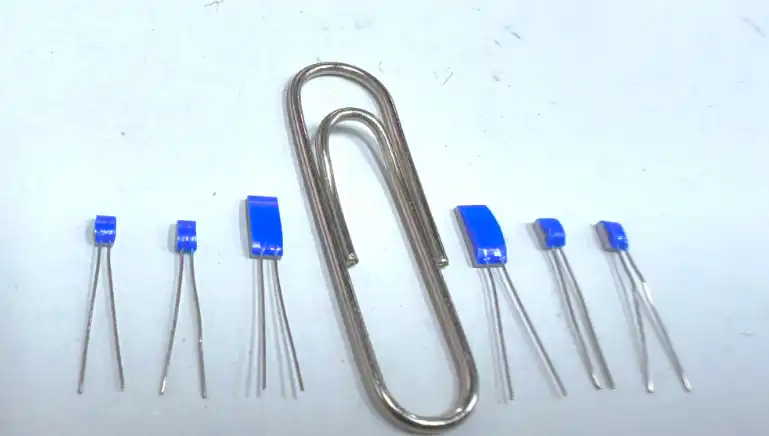
Understanding Pt1000 TC3750 Semi-Finished Bare Lead Probes
Construction and Material Significance
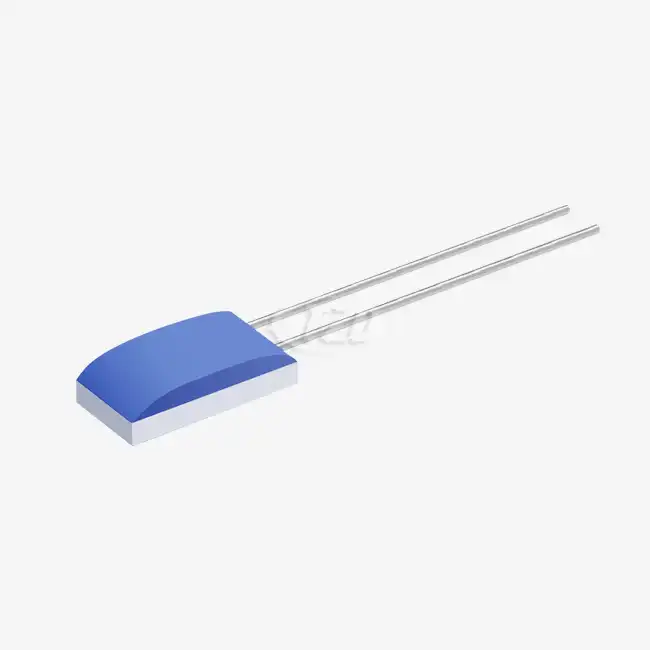
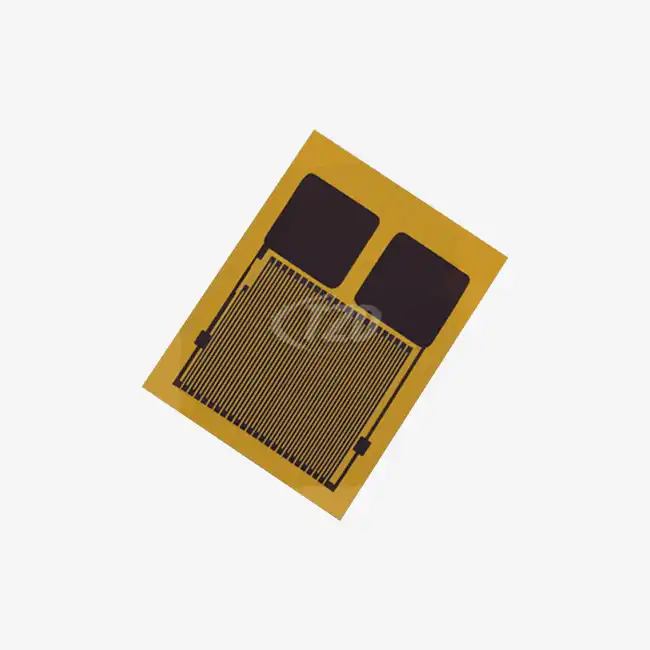
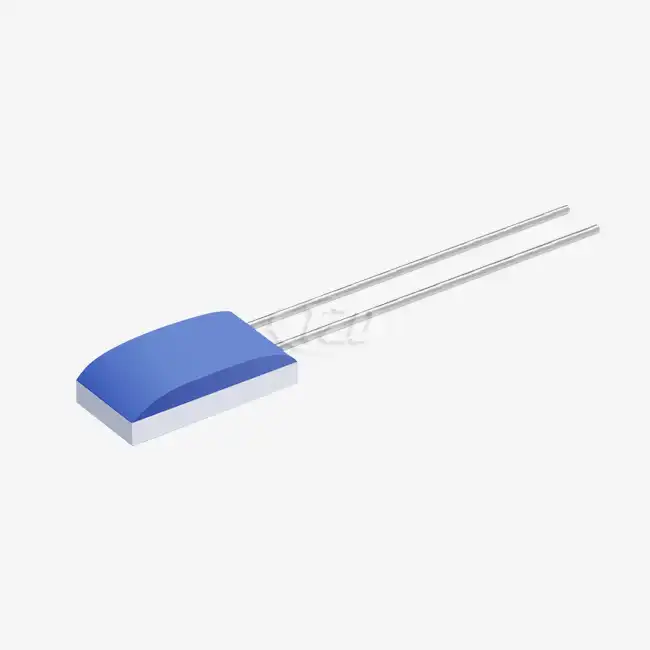
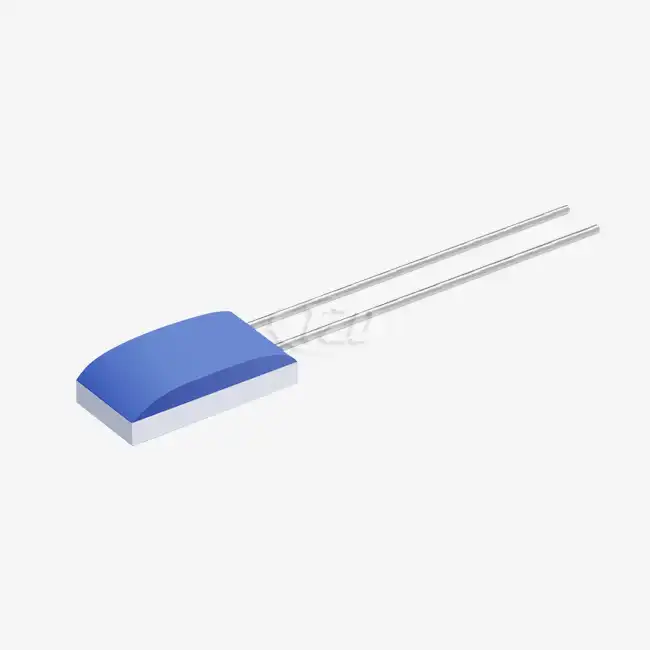
Platinum resistance technology is used in Pt1000 temperature monitors. At 0°C, the resistance number is 1000 ohms. The number TC3750 stands for the temperature coefficient, which is 3750 parts per million per degree Celsius and shows how resistance changes as temperature does. Pt1000 TC3750 Semi-Finished Bare Lead Probes have a platinum thin-film element deposited on a ceramic substrate that is covered by a glass covering. The wire leads are visible and ready to be custom integrated.
The type of platinum material you choose is very important because platinum is very stable across a wide range of temperatures and keeps its resistance properties. Platinum doesn't rust or oxidize like base metals do, so measurements will always be accurate. With semi-finished setups, engineers can choose the exact lead lengths, termination styles, and protected housing designs that are needed for a given application.
Operating Principles and Temperature Measurement Ranges
The basic idea behind these resistance temperature monitors is simple: as temperature rises, electrical resistance rises as well. Engineers can figure out the temperature of a platinum element by measuring changes in resistance very accurately as current runs through it. The TC3750 coefficient makes sure that the reaction is linear across the operating range. This makes signal processing and calibration easier.
Most Pt1000 probes with this coefficient work consistently from -200°C to +850°C, but the ranges may be limited by how they were built. The 1000-ohm base resistance is better than PT100 sensors because it lowers lead wire resistance mistakes. This is especially helpful for long-distance installations that are popular in process control and industrial automation.
Industrial Applications and Customization Benefits
These probes are used in factories to check the temperature of processes, and the accuracy of the readings has a direct effect on the quality of the products made. They are used by HVAC systems to control zones and keep track of energy use. They are used in automation equipment to handle heating and cooling processes through feedback loops. Medical device makers use them to keep an eye on patients and for lab equipment that needs to be able to be tracked for legal reasons.
Semi-finished probes give designers the most options for how to make them. OEM makers can choose probe sizes that fit in mounting holes, lead materials that work with their connection systems, and protection coats that are specifically made for chemical exposure risks. This flexibility makes merging easier while still meeting measurement performance standards. When engineering teams take over final assembly, they can keep a closer eye on quality than when units are bought fully built.
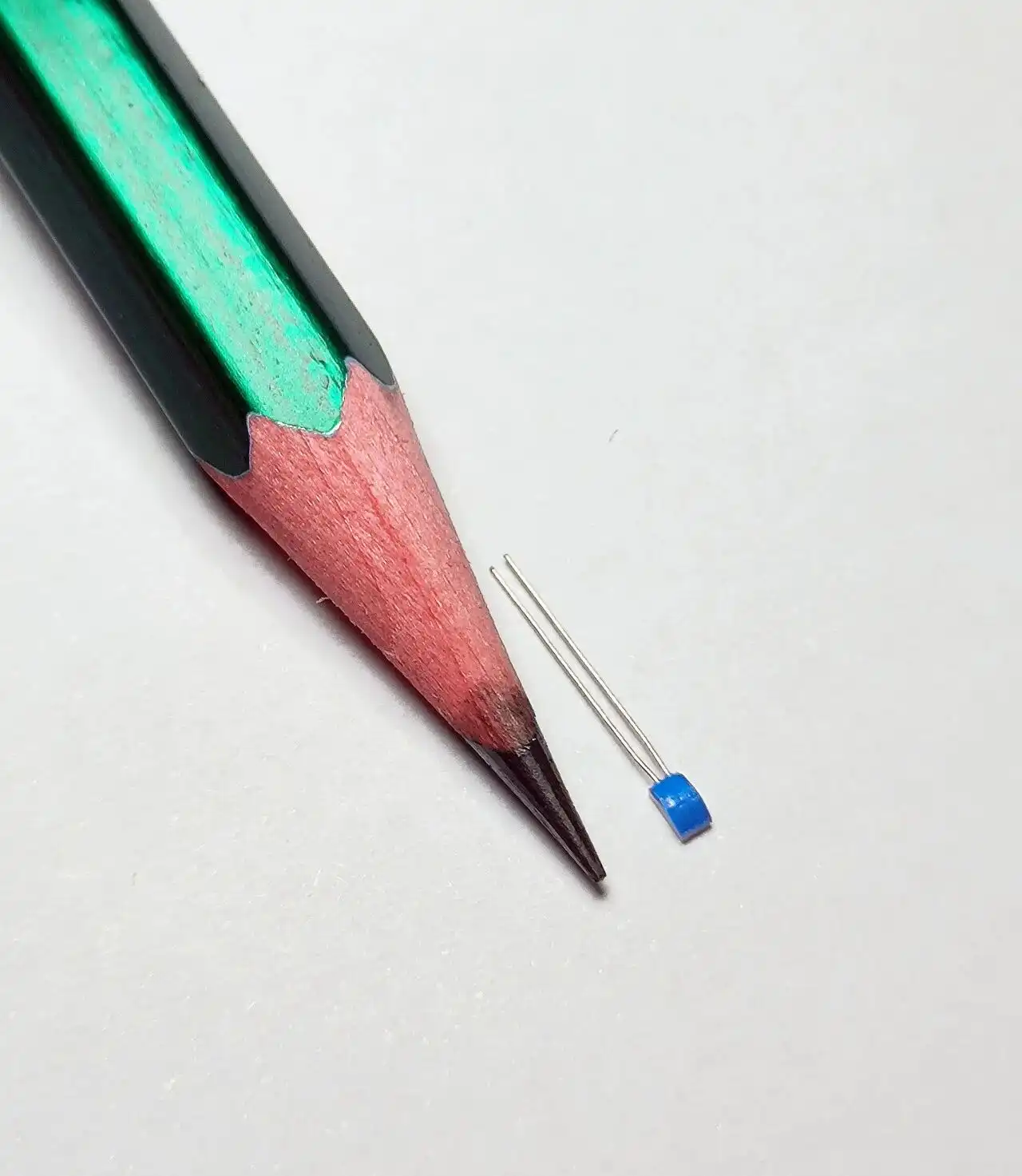
Comparing Pt1000 TC3750 Semi-Finished Probes with Other Temperature Sensors
Accuracy and Durability Differences
PT100 sensors use the same platinum resistance technology, but they show 100 ohms at 0°C, which means they need more complex signal filtering to be as accurate. Because the base resistance of Pt1000 devices is ten times higher, they are less sensitive to lead wire resistance. This is especially helpful in places with a lot of electromagnetic noise. Direct voltage readings are made by thermocouples, but they are less accurate (usually ±1°C or more), while platinum resistance monitors usually get as accurate as ±0.1°C or better.
When comparing durability, platinum resistance devices come out on top because they don't have any different metal joints that can break down. When temperatures are high, connection materials spread out, which causes thermocouples to shift. Thermistors are very sensitive, but they only work in a few temperature ranges and don't respond in a straight line. Platinum thin-film elements keep their calibration steady over years of use, which lowers the cost of upkeep.
Semi-Finished versus Finished Probe Variants
When you buy finished probes, they come with set lead lengths, connectors, and protective sheaths that are made to work with standard uses. It's easier to buy them, but you can't change how they look. Pt1000 TC3750 Semi-Finished Bare Lead Probes need more steps to be put together, but the designer has more freedom because of this. Engineers can choose the best probe shape for temperature response time, choose lead materials that reduce the risk of galvanic corrosion, and put in place strain relief that is right for the job.
There are trade-offs in performance. Once they are finished, the tools are tested in the workshop and are then ready to be installed. Care must be taken when integrating and checking semi-finished types after they have been put together. But for OEM production of a lot of units, semi-finished parts lower the cost per unit while making process control tighter. Being able to do the final testing after assembly makes sure that every finished product meets the strictest requirements.
Essential Criteria for Selecting a Reliable Pt1000 TC3750 Probe Supplier
Quality Certifications and Compliance Standards
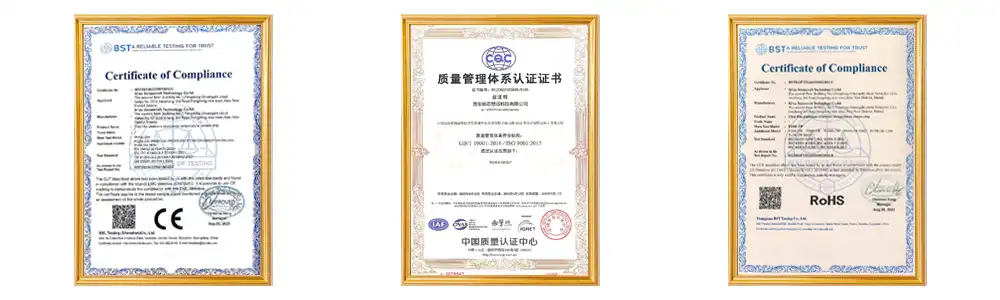
Legitimate manufacturers use ISO 9001 quality control systems to make sure that their production methods are always the same. This license shows that the company is dedicated to preventing defects, following corrective action steps, and always getting better. RoHS compliance proves that there are no dangerous substances, which is necessary for entry to the world market. If something has a CE mark on it, it means it meets European standards for health, safety, and the environment.
Check IEC 60751 conformance documents in addition to standard certifications. This international standard describes the features of a platinum resistance thermometer, such as the tolerance classes. Suppliers of Pt1000 TC3750 Semi-Finished Bare Lead Probes should give out calibration certificates that can be tracked back to national measurement centers and show the real resistance values at a number of different test temperatures. For medical and aircraft uses, extra approvals like ISO 13485 or AS9100 may be needed, which greatly reduces the number of suppliers available.
Manufacturing Capabilities and Technical Support
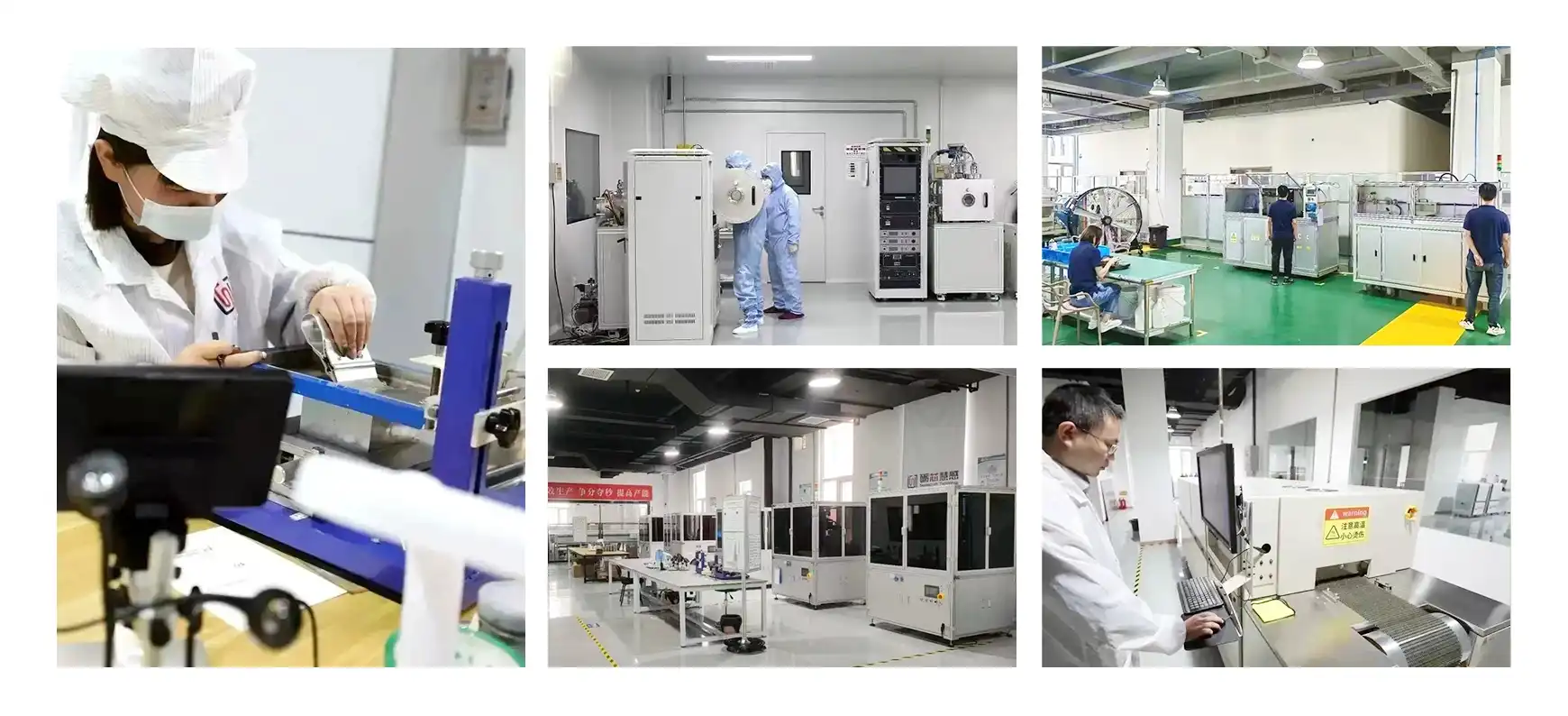
OEM help is what sets capable providers apart from component resellers. If a manufacturer has their own thin-film deposition tools, they can change the size and resistance values of the platinum elements. Automated production lines make sure that each unit is the same, which is very important for sensors that can be swapped out. Ask about design support services. Skilled providers can help you find the best probe configurations for different temperature settings, suggest lead attachment methods that reduce mechanical stress, and suggest ways to keep you safe from chemical exposure.
Help from field application engineers is very helpful when making new products. Technical support teams that are quick to respond answer questions about signal conditioning circuits, deal with problems during installation, and figure out why measurements are acting in ways that aren't expected. Supply interruptions can be avoided with after-sales service that includes warranties and the ability to get new parts. Suppliers that offer unique lead lengths and different lead materials, such as platinum-nickel, silver-nickel, and pure platinum, show that they are flexible enough to meet a wide range of application needs.
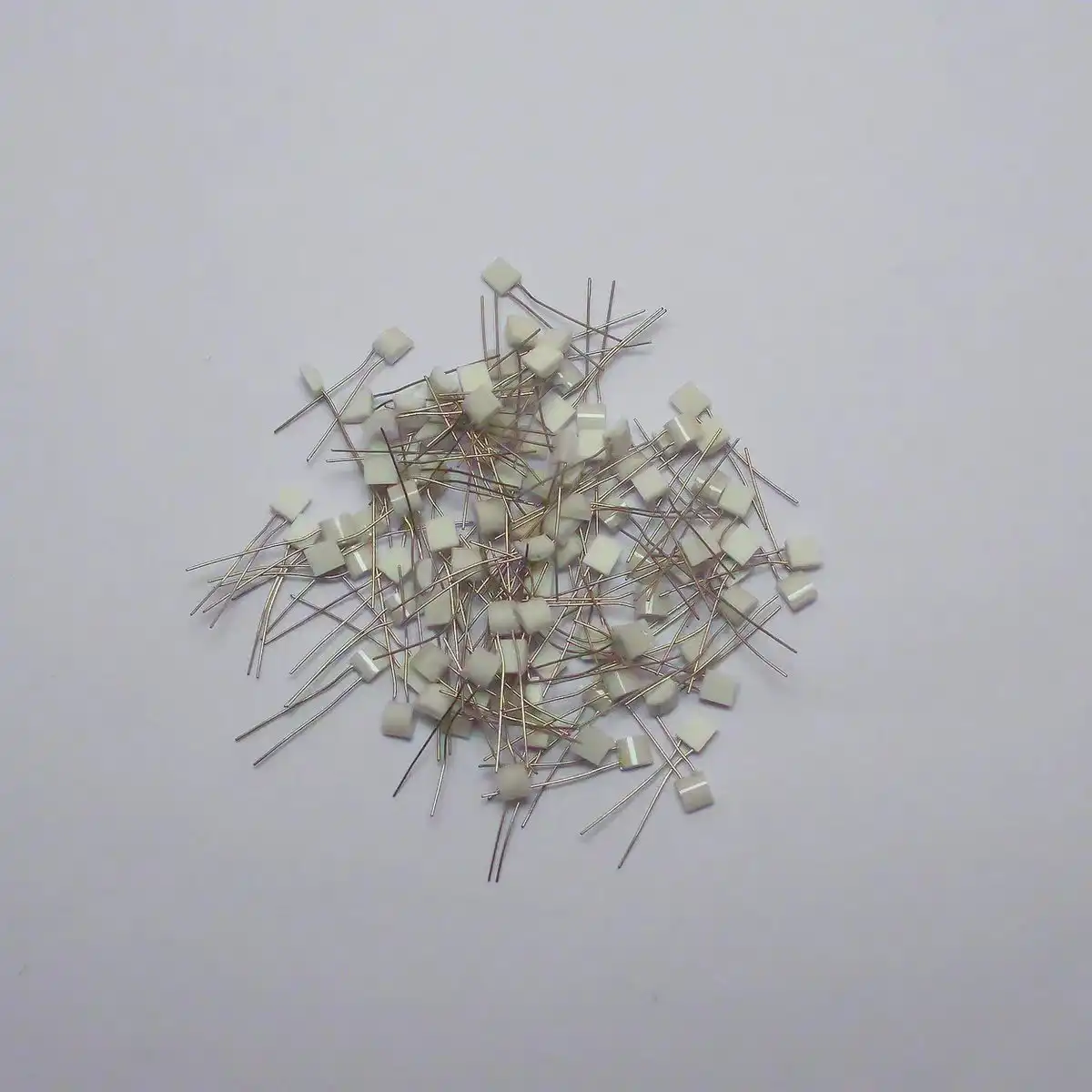
Procurement Considerations and Supply Chain Management
Expected lead times are very different for catalog items and unique setups. Standard probes that are almost finished can be sent out within weeks, but designed versions need months for tooling and testing. Minimum order amounts are based on how much it costs to make something; custom requirements usually require bigger commitments. Accurate project budgeting is possible with clear pricing systems that take into account the costs of materials, the difficulty of handling, and the need for tests.
Check to see if the seller is financially stable and how much they can produce. Long-term sensor projects that last for years benefit from working with well-known companies that aren't likely to go out of business. Having more than one output site in different places protects against problems in one area. Inventory management techniques, such as safety stock rules and faster shipping choices, help meet urgent needs. Clear lines of communication with assigned account agents and technical contacts make it easier for everyone to work together.
Step-by-Step Guide to Sourcing and Procuring Pt1000 TC3750 Semi-Finished Probes
Defining Technical Specifications and Requirements
Start by writing down the temperature range needs along with the necessary safety gaps. Use IEC 60751 terms to describe the accuracy classes, such as Class AA, Class A, or Class B, keeping in mind that tighter limits cost more. Figure out how fast you need the response to happen, keeping in mind that Pt1000 TC3750 Semi-Finished Bare Lead Probes in their bare element form answer faster than sheathed parts but need to be protected when they are being handled. Specifications for lead length should take into account routing lines and connection points, with extra length for stress release.
Evaluating Suppliers and Requesting Samples
Make a short list of possible providers based on their certifications, their ability to make the product, and their name in the market. Send in thorough technical questions, such as pictures of specifications and details of the surroundings. Qualified suppliers reply with viability estimates, suggestions for changes that would make the product easier to make, and rough quotes. Instead of hand-built prototypes, ask for review pieces that show how the product will actually be made.
Quality Audits and Performance Verification
Documents for quality management, calibration methods, and process control records are looked at by remote checks. Suppliers should be happy to share steps for the manufacturing process, rules for checking, and information about the rate of defects in the past. On-site trips show how clean the production center is, how the equipment is maintained, and how the employees are trained. Watch the thin-film deposition processes, automatic testing systems, and packing operations to get a sense of how mature the production process is as a whole.
Negotiation and Partnership Establishment
When negotiating prices, you should try to find a mix between your cost goals, your quality needs, and your supply security. Making a commitment to buy in bulk can often get you better prices, but make sure the seller has enough ability to handle the expected growth in demand. During talks about delivery terms, lead times, rush fees, and fines for missing deadlines are set. Payment terms that take into account the value of the order and the level of growth of the relationship protect both sides.
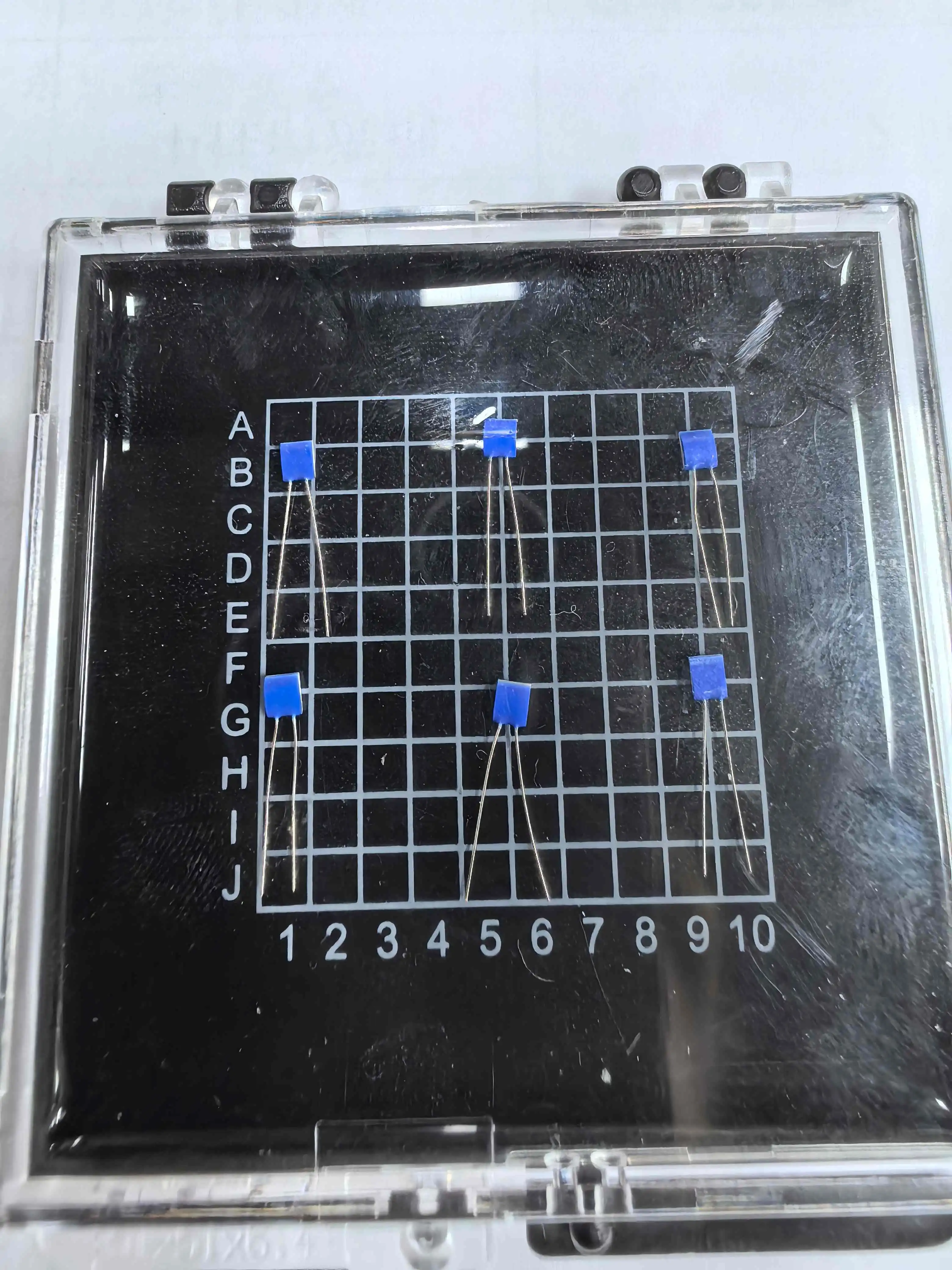
Case Studies and Best Practices from Industry Leading Buyers
Automotive Electronics OEM Success Story
A major car supplier that was making advanced driver assistance systems needed platinum resistance monitors that could withstand extreme temperatures under the hood and still work accurately. Their purchasing team looked at eight possible sources and did on-site checks at three of the finalists. They chose a company that offered automated thin-film deposition, which made sure that the shape of the elements would stay the same, as well as thorough car qualification testing. At the start of the relationship, small batches of Pt1000 TC3750 Semi-Finished Bare Lead Probes were built into cars used for validation.
Industrial Automation Module Manufacturer Experience
A company that makes industrial equipment needed special Pt1000 monitors to keep an eye on the temperature of a machine vision system. Putting sensors into small housings with limited route room was hard for them. Standard finished probes were too big, and providers that were already in place couldn't make any changes. After making the specs, they hired a maker who knew how to make changes to semi-finished probes. The provider suggested shorter lead lengths with a special termination that would allow fitting directly on a PCB.
Lessons Learned and Quality Assurance Checklists
Successful buyers stress how important it is for suppliers to be involved early on in the planning process. With the help of makers' technical knowledge, optimization possibilities that lower costs or boost efficiency are often found. Investing in thorough prototype testing pays off because it finds problems before tooling promises are made. Having backup skilled providers, even if it costs more, protects against supply disruptions, but ties need to be maintained over time.
Conclusion
To find trustworthy companies that make precise platinum resistance sensors, you need to carefully look at their production skills, quality control systems, and technical help systems. The Pt1000 TC3750 Semi-Finished Bare Lead Probe style lets you make changes that are more specific, but you need sources who have experience with thin-film technology and application engineering. A good buying plan carefully considers technology needs, cost goals, and supply chain security. This is done by creating detailed specifications, thoroughly evaluating suppliers, and implementing plans in stages.
FAQ
Q1: What distinguishes semi-finished from finished Pt1000 probes?
A: Pt1000 TC3750 Semi-Finished Bare Lead Probes have the sensing element and visible lines that need to be put together into safe housings or connection systems. Finished probes come as full sets with fixed lead lengths, plugs, and sheaths that are ready to be put together right away. Customization options for lead length, termination style, and housing design are available on semi-finished versions, which makes them perfect for OEM applications that need specific ways to integrate. Finished probes make it easier to buy and place, but they make it harder to change the design.
Q2: How can accuracy be verified in platinum resistance sensors?
A: For accuracy proof, calibration must be done against temperature values that can be tracked. Suppliers should give out calibration papers that show that they used equipment that can be traced back to national measuring centers to measure resistance at different temperatures. Tolerance classes are set by the IEC 60751 standard. Class AA offers accuracy of ±0.1°C, Class A offers accuracy of ±0.15°C, and Class B allows accuracy of ±0.3°C at 0°C. Instead of using general standards, ask providers to show conformance through real test results.
Q3: What lead times should be expected for custom orders?
A: Standard semi-finished probes that meet standard requirements usually ship in three to six weeks. Lead times can go up to eight to twelve weeks for custom configurations that need special lead materials, unique measurements, or testing that is specific to the application. Four to six months may be needed for complex customization that needs new tools or a lot of quality testing. When you plan your purchase timelines, making sure to include prototype iterations, testing cycles, and production ramp periods, you can avoid letting time constraints affect your quality decisions.
Partner with Tongzida for Superior Pt1000 TC3750 Semi-Finished Bare Lead Probe Solutions
You can trust Xi'an Tongzida Technology Co., Ltd. to make high-quality Pt1000 TC3750 Semi-Finished Bare Lead Probes. They use cutting-edge thin-film platinum resistance technology and offer full customization options. Our automatic production lines are very consistent across temperature ranges of -200°C to +850°C, keeping accuracy to ±0.01Ω and long-term stability drift to ≤0.04%. We offer a range of sizes and lead materials, such as platinum-nickel, silver-nickel, and pure platinum, and are certified to ISO 9001, RoHS, and CE standards. Our engineering team is here to help you with field applications throughout the whole development process. Contact us at sales11@xatzd.com.
References
1. International Electrotechnical Commission. "Industrial Platinum Resistance Thermometers and Platinum Temperature Sensors - IEC 60751 Standard Specifications." 2022 Edition.
2. Bentley, Robert E. "Handbook of Temperature Measurement Vol. 3: The Theory and Practice of Thermoelectric Thermometry." Springer Science & Business Media, 1998.
3. Childs, Peter R.N., Greenwood, John R., and Long, Craig A. "Review of Temperature Measurement." Review of Scientific Instruments, Volume 71, Issue 8, 2000.
4. McGee, Thomas D. "Principles and Methods of Temperature Measurement." John Wiley & Sons Publishers, 1988.
5. Nicholas, J.V. and White, D.R. "Traceable Temperatures: An Introduction to Temperature Measurement and Calibration." Second Edition, John Wiley & Sons, 2001.
6. Pollock, Daniel D. "Thermocouples: Theory and Properties." CRC Press Materials Science Series, 1991.
Learn about our latest products and discounts through SMS or email