- English
- French
- German
- Portuguese
- Spanish
- Russian
- Japanese
- Korean
- Arabic
- Greek
- German
- Turkish
- Italian
- Danish
- Romanian
- Indonesian
- Czech
- Afrikaans
- Swedish
- Polish
- Basque
- Catalan
- Esperanto
- Hindi
- Lao
- Albanian
- Amharic
- Armenian
- Azerbaijani
- Belarusian
- Bengali
- Bosnian
- Bulgarian
- Cebuano
- Chichewa
- Corsican
- Croatian
- Dutch
- Estonian
- Filipino
- Finnish
- Frisian
- Galician
- Georgian
- Gujarati
- Haitian
- Hausa
- Hawaiian
- Hebrew
- Hmong
- Hungarian
- Icelandic
- Igbo
- Javanese
- Kannada
- Kazakh
- Khmer
- Kurdish
- Kyrgyz
- Latin
- Latvian
- Lithuanian
- Luxembou..
- Macedonian
- Malagasy
- Malay
- Malayalam
- Maltese
- Maori
- Marathi
- Mongolian
- Burmese
- Nepali
- Norwegian
- Pashto
- Persian
- Punjabi
- Serbian
- Sesotho
- Sinhala
- Slovak
- Slovenian
- Somali
- Samoan
- Scots Gaelic
- Shona
- Sindhi
- Sundanese
- Swahili
- Tajik
- Tamil
- Telugu
- Thai
- Ukrainian
- Urdu
- Uzbek
- Vietnamese
- Welsh
- Xhosa
- Yiddish
- Yoruba
- Zulu
What Is a Pt1000 TC3750 Thin Film RTD Element and How It Works
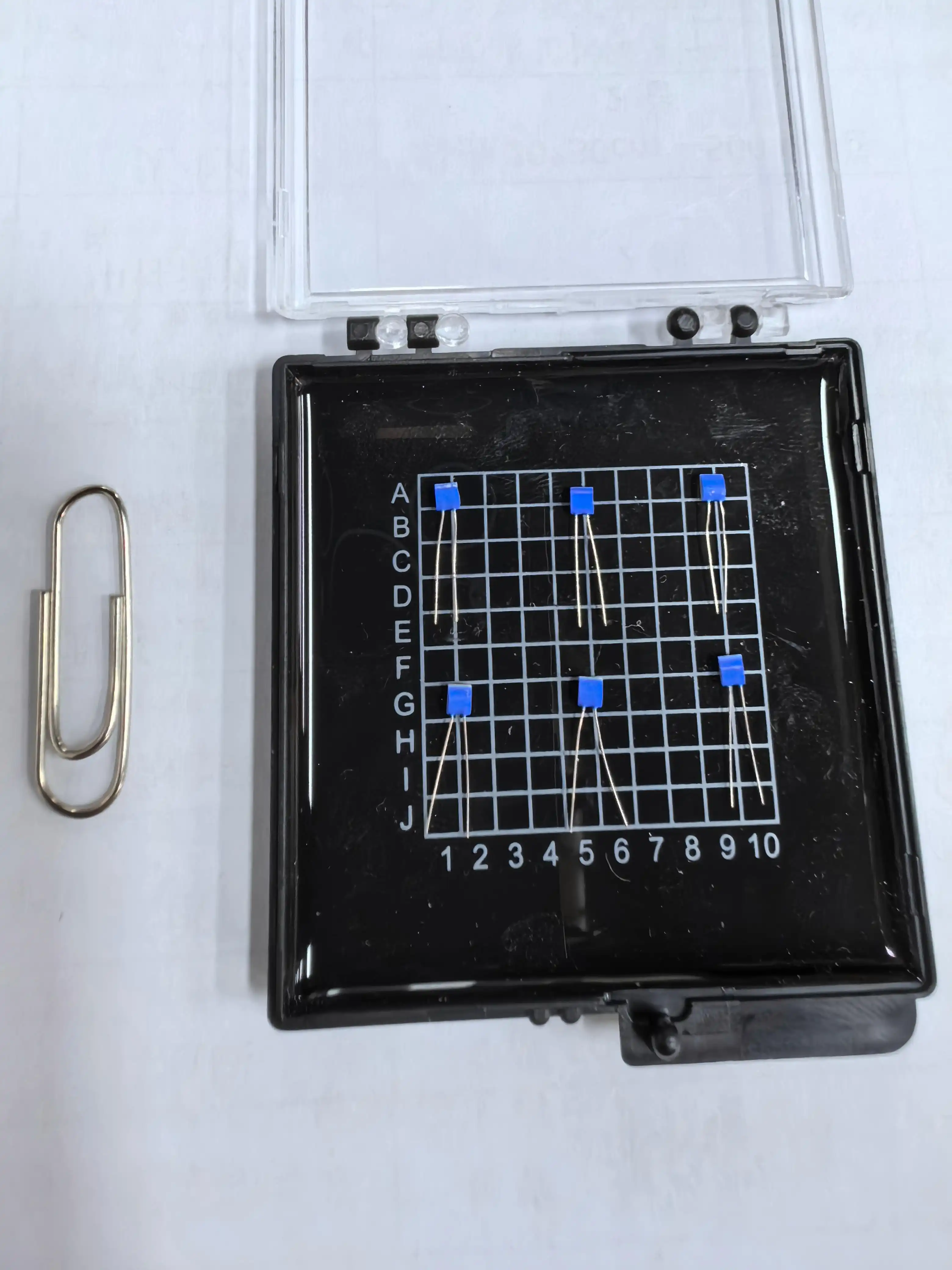
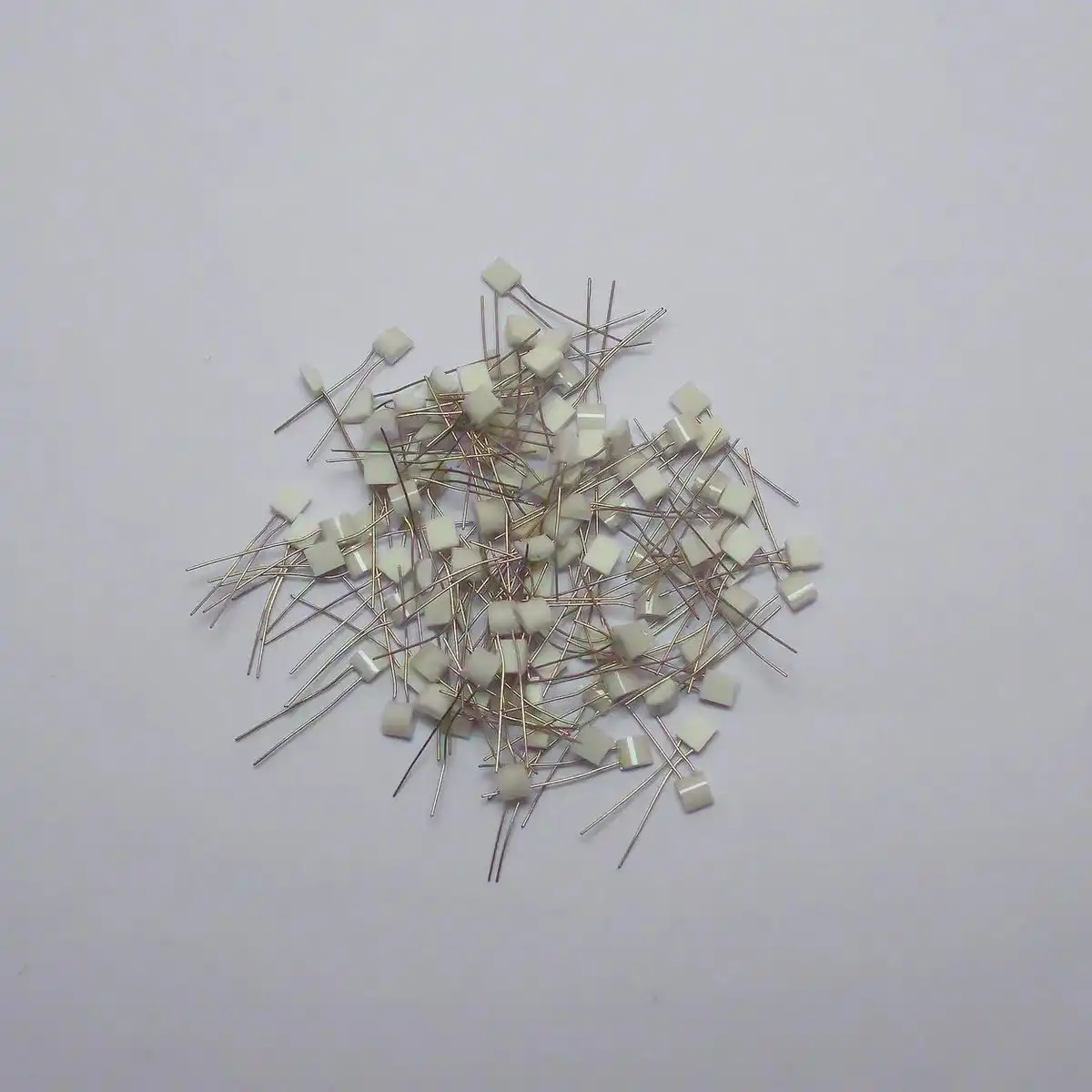
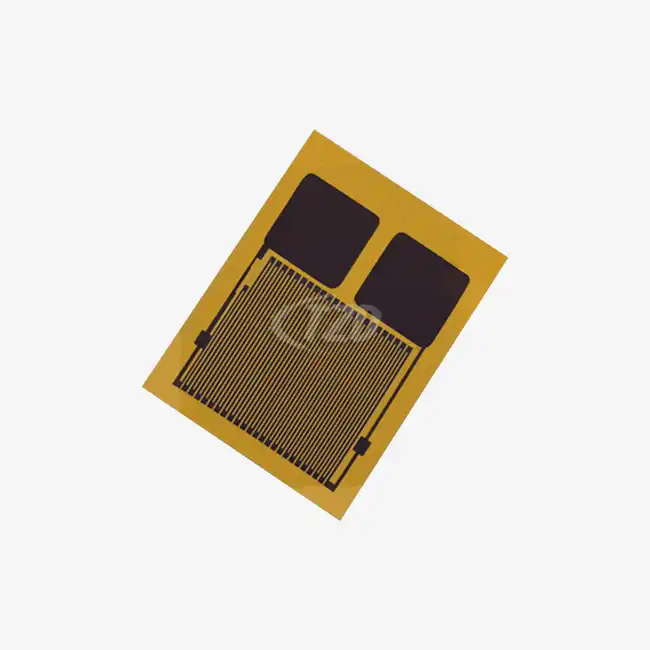
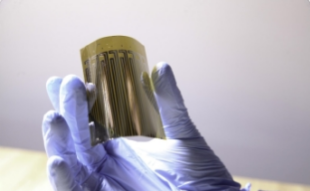
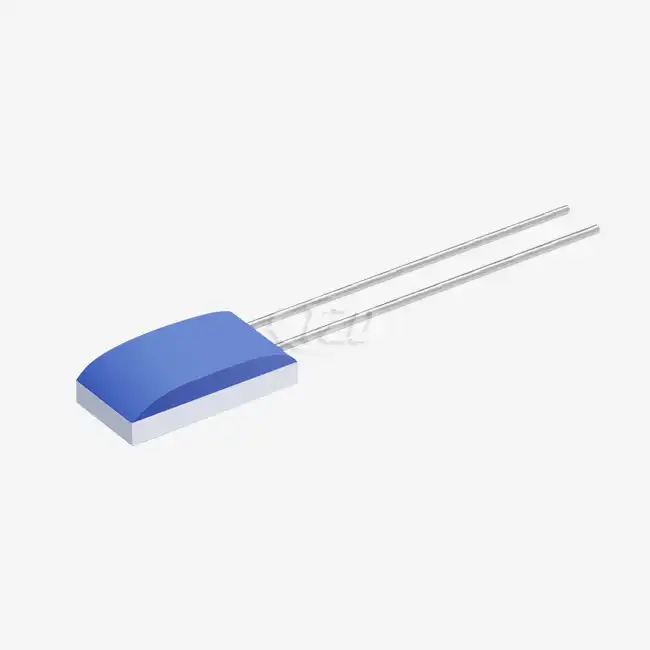
A Pt1000 TC3750 Thin Film RTD Element is a special platinum resistance temperature monitor made for very accurate temperature reading tasks. The standard resistance of this sensor is 1000 ohms at exactly 0°C. Its temperature coefficient is 3750 ppm/°C, which stands for "parts per million per degree Celsius." For the thin film construction, advanced photolithography methods are used to cast a very thin layer of high-purity platinum onto a ceramic substrate. This makes a small, fast-responding, and very stable temperature sensor. As the temperature rises, platinum's electrical resistance always goes up. This sensor works by using this fact to give engineers accurate thermal input in harsh industrial settings.
Understanding the Pt1000 TC3750 Thin Film RTD Element
Accuracy in measuring temperature isn't just about numbers; it affects how well production lines work, how well medical devices protect people, and how well self-driving cars make split-second decisions. When engineers work in the medical equipment, car electronics, or industrial automation fields face these problems, they need precise tools that won't let them down when it means most.
Construction and Materials
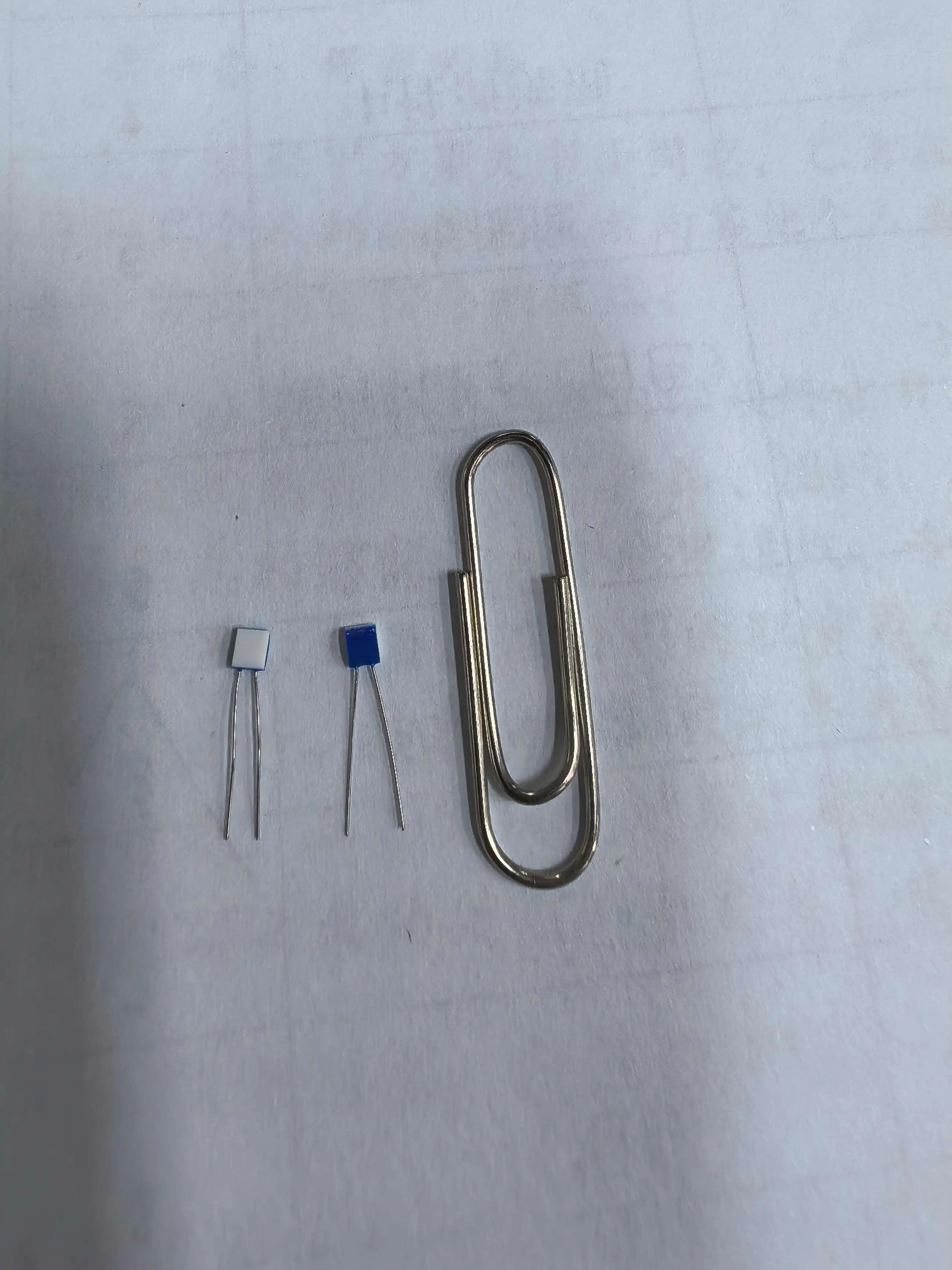
The Pt1000 TC3750 Thin Film RTD Element starts with a clay base, which is usually alumina because it is good at keeping heat in and electricity out. We use sputtering or vapor deposition to cast platinum, which makes a resistant design that is only a few micrometers thick. This way of making things has a lot of great benefits: the thin profile speeds up heat response times, the hermetic sealing keeps out contamination, and the small size makes it possible to fit into systems with limited room. The TC3750 coefficient is not the same as the more usual 3850 ppm/°C standard. This gives specific benefits in situations where this sensitivity curve better fits the needs of the system.
Operating Principles
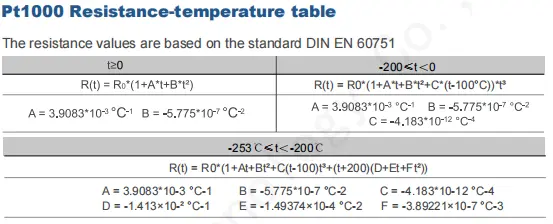
Resistance temperature monitors work by using a simple physical effect: the way platinum's atoms are arranged makes its electrical resistance rise steadily with temperature. The Pt1000 element is exactly 1000 ohms when it is at 0°C. The TC3750 characteristic graph shows that as the temperature rises to 100°C, resistance rises to about 1385 ohms.
This almost linear connection makes signal conditioning circuits and calculation methods easier to use over a wide range of normal working conditions. The 1000-ohm baseline offers ten times the resistance change of Pt100 sensors, which greatly reduces measurement mistakes caused by lead wire resistance. This is a very important benefit in two-wire setups where cable compensation circuitry adds cost and complexity.
Key Technical Specifications
When procurement teams look at temperature tracking options, they need clear measures of how well they work. Pt1000 TC3750 Thin Film RTD Elements from approved makers can usually work in temperatures ranging from -200°C to +600°C, but some types can handle higher temperatures. Resistance tolerance is based on IEC 60751 categories, and precise grades can reach ±0.01 ohm tolerances at the standard temperature. For long-term dependability, stability standards are very important: premium thin film elements have drift traits below 0.04% over long working periods.
Response times can be as short as 0.05 seconds in bare-element setups, which lets you control a process in real time even in places where the temperature changes quickly. These factors directly affect what the system can do: faster response lets control loops be tighter, better stability shortens the time between calibrations, and wider temperature ranges increase the number of uses.
Comparing Pt1000 TC3750 with Other RTD Elements and Sensors
To choose the best temperature sensor, you need to know how different options match in a number of different ways. There are pros and cons to each tool that engineering teams have to compare to the needs of the project.
TC3750 versus TC3850 Temperature Coefficients
The temperature coefficient tells us how resistance changes for every degree that temperature changes. 3850 ppm/°C sensitivity is shown by the TC3850 standard, which is widely used in industry. Pt1000 TC3750 Thin Film RTD Elements show 3750 ppm/°C, which means that the resistance changes a little less when the temperature changes by the same amount. For what reason would engineers pick the lower coefficient? It's possible that some monitoring systems, like old ones or custom measurement chains, were built with TC3750 features in mind. To switch between types of sensors, the circuit would need to be re-calibrated or changed. The TC3750 curve's uniformity properties also help in certain temperature ranges, making measurements more accurate within certain working windows.
Pt1000 versus Pt100 Configurations
Both types of sensors use the link between platinum's resistance and temperature, but the tenfold difference in starting resistance has important real-world effects. At 0°C, Pt100 elements are 100 ohms, and Pt1000 sensors are 1000 ohms. This higher standard resistance cuts mistakes from lead wire resistance by a huge amount. Let us look at an example: three meters of copper wire could add 0.5 ohms of resistance.
If a Pt100 sensor reads 138.5 ohms at 100°C, that's a 0.36% mistake, which is about the same as a 0.9°C measurement error. A Pt1000 sensor reading 1385 ohms for the same wire resistance causes only a 0.036% mistake, which is equal to about 0.09°C of doubt. This tenfold improvement makes two-wire setups easier in situations where three-wire or four-wire designs are not possible or would be too expensive.
Thin Film versus Wire-Wound Construction
Methods of manufacturing have a big effect on the features of sensors. Wire-wound RTDs have wider temperature ranges up to 850°C and are very stable over time because they wind fine platinum wire around a frame. Thin film building puts platinum directly on ceramic surfaces, which leads to faster response times, smaller package sizes, and lower costs when making a lot of them.
Thin film technology works best in situations where temperatures need to change quickly, where room is limited, or where automatic surface-mount production is needed. Wire-wound elements are often used in high-temperature industrial processes or metrology-grade measuring standards because they are more stable and can be used in a wider range of temperatures.
Advantages and Applications of Pt1000 TC3750 Thin Film RTD Elements
It's important to understand technical specs, but it's even more important to know how these translate into operational benefits. This helps procurement teams explain investments and engineers make the best system designs. Platinum resistance monitors have unique benefits that help businesses solve problems in the real world.
Core Performance Benefits
When precise is important, measurement accuracy is the most important thing. Pt1000 TC3750 Thin Film RTD Elements are usually accurate to within ±0.1°C over a wide range of temperatures, and the best ones can get as accurate as ±0.01°C in controlled settings. This level of accuracy helps drug companies keep their cold chains in line with government rules, medical device makers meet strict safety standards, and it lets industrial automation systems use less energy by controlling temperatures precisely. Platinum is naturally stable, so these levels of accuracy will last for a long time. This means that there is less need for testing and upkeep.
The success of a control loop is based on its thermal reaction speed. Because thin film construction reduces thermal mass, changes in temperature can move quickly through the sensor element. Response times of up to 0.05 seconds allow real-time monitoring in processes that change quickly, like combustion engine management systems, injection molding cycles, or chambers for making semiconductors. Milliseconds can change the result of these processes. Advanced control algorithms that keep quality standards high while maximizing speed are supported by this fast input.
Concerns about longevity in harsh settings can be addressed by mechanical strength. Pt1000 TC3750 Thin Film RTD Elements of good quality can handle vibrations of up to 40g and shock impacts of up to 100g, meeting the standards for qualification in the automobile and aircraft industries. Moisture, chemicals, and pollution that could affect the accuracy of measurements can't get in because of hermetic covering. These features make working lives longer in tough circumstances, which lowers replacement costs and raises system reliability.
Industrial Application Scenarios
For comfort, energy economy, and machine longevity, HVAC systems need to be able to accurately sense temperature. When Pt1000 sensors are used in building management systems, temperatures can be controlled more precisely. This saves energy and keeps people comfortable. Higher baseline resistance improves accuracy and makes wiring easier in big industrial installations where lead resistance problems happen at long distances between sensors and controllers.
Process automation is needed for making chemicals, preparing food, and making medicines, and it needs uniform thermal control. Even small changes in temperature can have an effect on the quality of a product, the speed of a response, or the safety gaps. When engineers use platinum resistance sensors, they get accurate input for PID control loops, tracking batch processes, and keeping records of quality assurance. Platinum elements' long-term stability reduces mistakes caused by drift that could lead to production runs that don't meet specifications.
OEM integration opportunities
There are possibilities for OEM collaboration in many fields. Medical device makers put tiny Pt1000 TC3750 Thin Film RTD Elements into diagnostic tools, therapy devices, and equipment used to keep an eye on patients. These parts are used by makers of automotive technology to manage the temperature of the batteries, control the climate in the cabin, and keep an eye on the temperature of the powertrain. Robotics and drone designers use fast-response RTDs to protect motors from overheating and to sense their surroundings. Thin film technology is good for high-volume production settings because it is small, works with surface-mount components, and is cheap in large quantities.
Procuring Pt1000 TC3750 Thin Film RTD Elements: What Buyers Need to Know?
To find temperature sensors, you have to sort through scientific specs, supplier skills, and business terms. When procurement pros have to balance the need for quality with limited budgets, they can do better if they know the key factors that affect good acquisition results.
Sourcing Strategy and Supplier Selection
Authorized makers and distributors guarantee that the parts they sell are real and meet written specs. When fake or off-spec Pt1000 TC3750 Thin Film RTD Elements get into supply lines, they pose risks. Calibration errors lower the quality of the product, reliability problems lead to warranty claims, and safety events put companies at risk of being sued. These risks can be avoided by checking the records of suppliers, such as ISO 9001 certification, industry-specific skills, and documents for tracking. A lot of industrial buyers make lists of accepted vendors so they can only buy from sellers whose quality and service are always good.
Prices and wait times are greatly affected by factors like volume. Small-batch trial orders let you test the idea and see how it works before committing to larger production runs. Minimum order amounts range from dozens to thousands of pieces, depending on the supplier and the type of product. Lead times depend on how complicated the product is to make. Items from a normal store ship within weeks, but items made to specific requirements may take months for tooling, production, and testing. Strategic buyers correctly predict what will be needed and place blanket orders with planned releases to get big discounts and keep track of supplies well.
Certification and Quality Assurance
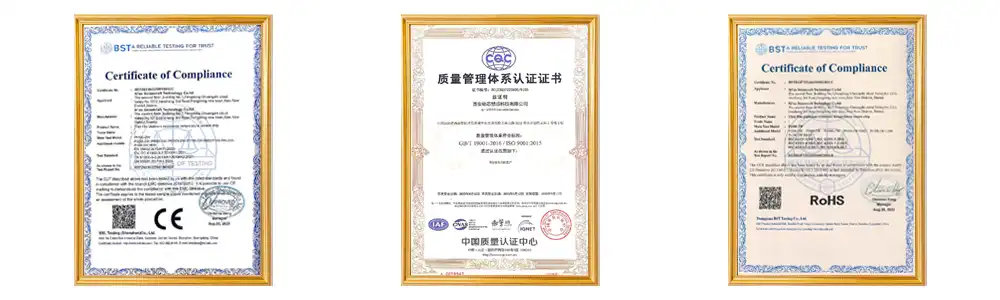
Certification of quality control systems gives people basic faith in the way things are made. Compliance with ISO 9001 means following written steps for controlling design, making sure output is consistent, and always getting better. Industry-specific standards give you even more peace of mind. For example, sellers to the car industry usually have IATF 16949 certification, makers of medical devices keep their ISO 13485 registration, and aerospace companies meet AS9100 requirements. These certifications are regularly checked by a third party to make sure they are still valid. This is different from one-time accomplishments.
Product-level approvals take environmental concerns and following the rules into account. RoHS regulations limit the use of dangerous materials in electrical parts, protecting the environment and allowing companies to sell their goods all over the world. When something has a CE mark on it, it means that it meets European safety, health, and environmental standards. Compliance with the IEC 60751 standard describes how resistance changes with temperature, the levels of range, and the testing methods for platinum resistance thermometers. Buyers should ask for certificates of conformance that show the product meets the standards and can be tracked back to reference standards and measured tools.
Customization and Technical Support
Standard store items work well for many uses, but sometimes specific needs mean that they need to be customized. Lead wire types, widths, and termination styles let sensors work in a variety of placement situations. Platinum-nickel lines are cost-effective, silver-nickel mixes make things more flexible, and pure platinum extensions let you use them in high-temperature situations.
Different mechanical integration needs can be met by changing the element's size, mounting design, and protection sheathing choices. Field application engineering (FAE) teams are kept by reputable providers. These teams work with customers to define optimal specs, go over design constraints, and suggest solutions that meet performance and price goals.
Technical help after the sale is what sets commodity deals apart from strategic partnerships. Calibration services with approval that can be tracked keep measurements accurate over the duration of a product. Failure analysis can find the reasons why sensors act in strange ways, telling the difference between application problems and component flaws. Engineering teams can successfully combine sensors with the help of technical paperwork like dimension drawings, electrical specs, handling instructions, and application notes. Respondent customer service answers questions about purchasing, speeds up urgent orders, and quickly fixes business problems.
Selecting the Right Pt1000 TC3750 RTD Element Supplier
Supplier ties affect the success of a product in ways that go beyond the initial purchase. Long-term relationships based on trust, steady quality, and working together to solve problems bring more value than the sum of their parts' costs.
Evaluating Manufacturer Capabilities
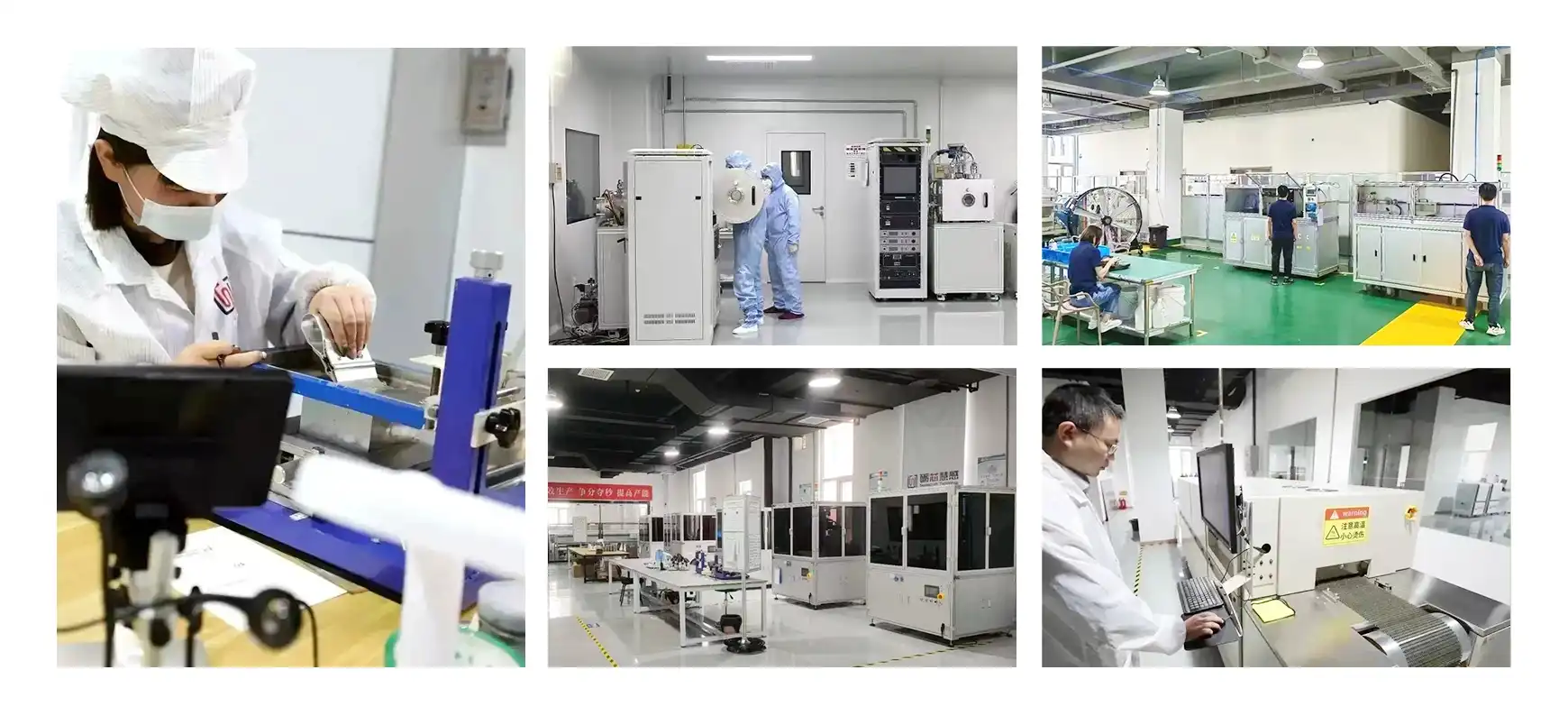
The quality and stability of a Pt1000 TC3750 Thin Film RTD Element are directly affected by the technology used to make it. Advanced facilities use automatic thin film deposition tools to make sure that all production runs have the same platinum layer thickness and pattern shape. Precision laser cutting changes the resistance values of each sensor to very close limits, getting rid of units that don't meet specifications and lowering system performance. Clean rooms keep things from getting dirty while they're being made, and hermetic sealing keeps finished parts from breaking down in the environment. Virtual or in-person tours of a potential supplier's sites show skills and a culture of quality that specs alone can't show.
Throughout production, quality control methods check that everything is in line. Before manufacturing starts, the traits of raw materials are checked by inspecting them as they come in. In-process testing keeps an eye on important factors during the middle stages of production, finding problems before they affect the next steps.
In the last set of tests, resistance values are measured at reference temperatures, the correctness of the temperature coefficient is checked, insulation resistance is confirmed, and thermal response traits are evaluated. Statistical process control methods find patterns that could mean that the quality is going to change, so that problems can be fixed before they happen. Sharing control charts and capability ratings by suppliers shows that they are open and want to keep getting better.
Long-Term Partnership Considerations
In uncertain global markets, supply chain stability is becoming more and more important. Suppliers who keep smart stocks of raw materials, a variety of parts, and flexible production capacity can help customers get through outages. Long-term supply deals lock in prices, make sure that supplies are distributed during times of lack, and set standard terms that make it easier to make repeat purchases. Collaborative forecasting methods match production plans to trends of customer demand, which cuts down on wait times and the cost of keeping supplies on hand.
As a product gets better, technology changes to keep up. Leading suppliers put money into research and development, which helps them come up with better specs, smaller packages, or unique versions that can be used in new situations. Early involvement with innovative suppliers gives you access to next-generation technology, gives you a competitive edge, and lets you work together to develop new products. Joint roadmaps make sure that seller product development is in line with customer platform goals. This way, sensor technology stays up to date with system needs over the course of a product's many years of life.
Conclusion
Accurate temperature tracking is the basis for quality, speed, and safety in all fields of industry. The Pt1000 TC3750 Thin Film RTD Element gives accurate measurements, responds to changes in temperature, and lasts a long time in harsh environments. When engineers are looking at different types of sensors, they should compare the benefits of baseline resistance, temperature coefficient properties, and building methods to the needs of the application. Strategic partnerships with suppliers that focus on approval, customization, and long-term support are good for procurement pros. As industries change because of the need for self-driving systems, process optimization, and energy economy, platinum resistance temperature detectors keep showing their worth in uses that need precise temperature measurements.
FAQ
Q1: What distinguishes TC3750 from TC3850 temperature coefficients?
A: The temperature coefficient tells us how resistance changes for every degree that temperature changes. The sensitivity of TC3850 sensors is 3850 ppm/°C, and that of Pt1000 TC3750 Thin Film RTD Elements is 3750 ppm/°C. This difference changes the slope of the resistance-temperature graph and may work with certain instruments that were made with certain coefficient values in mind. While TC3850 is the IEC 60751 standard that is widely used in industry, TC3750 is used for specific needs or to keep old systems compatible when recalibration would not be possible.
Q2: How should Pt1000 TC3750 elements be calibrated?
A: To calibrate a Pt1000 TC3750 Thin Film RTD Element, its resistance is measured at a known reference temperature. Usually, precise temperature baths with recorded thermometry are used for this. The ice point (0°C) and the steam point (100°C) are common calibration points. There are other places across the working range for uses that need to be very accurate. Calibration certificates show the resistance values that were measured, how far they differ from the normal curves, and how they can be linked to national or foreign standards. Recalibration times rely on how important the application is and how exposed it is to the environment. For example, for critical processes, verification should happen once a year, while for mild conditions, it should happen more often.
Q3: Can thin film RTDs handle high-temperature industrial processes?
A: Pt1000 TC3750 Thin Film RTD Elements can usually work up to 600°C, but some special versions can go up to 850°C. Because they are more stable over time when exposed to high temperatures, wire-wound RTDs are often better suited for use in situations above 600°C. To make sure they choose the right technology, application engineers should compare the sensor's accuracy needs, highest working temperature, and frequency of thermal cycling to its specs.
Partner with Tongzida for Premium Pt1000 TC3750 Thin Film RTD Element Solutions
Xi'an Tongzida Technology Co., Ltd. is a well-known company that makes the Pt1000 TC3750 Thin Film RTD Element and offers complete sensor systems for high-precision uses. Our automated thin film production lines can work at room temperature, very high temperatures, and very low temperatures. They are accurate to within ±0.01 Ω and have long-term stability slip below 0.04%. We have ISO 9001, RoHS, and CE certifications, and we can customize a wide range of sizes and lead materials. Our response times can reach 0.05 seconds. Our field application engineering team can help you with technical issues at any point in the lifecycle of your project, whether you're working on self-driving cars, factory automation equipment, or medical devices. Get in touch with sales11@xatzd.com right away to talk about your Pt1000 TC3750 Thin Film RTD Element needs and see how Tongzida can help you improve your sensor technology.
References
1. International Electrotechnical Commission. (2022). Industrial Platinum Resistance Thermometers and Platinum Temperature Sensors (IEC 60751:2022). Geneva: IEC Publications.
2. Nicholas, J. V., & White, D. R. (2021). Traceable Temperatures: An Introduction to Temperature Measurement and Calibration (3rd ed.). Chichester: Wiley & Sons.
3. Childs, P. R. N. (2020). Practical Temperature Measurement: Industrial Temperature Sensing Technologies. Oxford: Butterworth-Heinemann Scientific.
4. Bentley, R. E. (2023). Theory and Practice of Thermoelectric Thermometry: Handbook of Temperature Measurement Vol. 3. Singapore: Springer Nature.
5. McGee, T. D. (2019). Principles and Methods of Temperature Measurement in Industrial Applications. Newark: Instrumentation Society Publications.
6. Liptak, B. G. (Ed.). (2021). Instrument Engineers' Handbook: Process Measurement and Analysis (5th ed., Vol. 1). Boca Raton: CRC Press.

Learn about our latest products and discounts through SMS or email