- English
- French
- German
- Portuguese
- Spanish
- Russian
- Japanese
- Korean
- Arabic
- Greek
- German
- Turkish
- Italian
- Danish
- Romanian
- Indonesian
- Czech
- Afrikaans
- Swedish
- Polish
- Basque
- Catalan
- Esperanto
- Hindi
- Lao
- Albanian
- Amharic
- Armenian
- Azerbaijani
- Belarusian
- Bengali
- Bosnian
- Bulgarian
- Cebuano
- Chichewa
- Corsican
- Croatian
- Dutch
- Estonian
- Filipino
- Finnish
- Frisian
- Galician
- Georgian
- Gujarati
- Haitian
- Hausa
- Hawaiian
- Hebrew
- Hmong
- Hungarian
- Icelandic
- Igbo
- Javanese
- Kannada
- Kazakh
- Khmer
- Kurdish
- Kyrgyz
- Latin
- Latvian
- Lithuanian
- Luxembou..
- Macedonian
- Malagasy
- Malay
- Malayalam
- Maltese
- Maori
- Marathi
- Mongolian
- Burmese
- Nepali
- Norwegian
- Pashto
- Persian
- Punjabi
- Serbian
- Sesotho
- Sinhala
- Slovak
- Slovenian
- Somali
- Samoan
- Scots Gaelic
- Shona
- Sindhi
- Sundanese
- Swahili
- Tajik
- Tamil
- Telugu
- Thai
- Ukrainian
- Urdu
- Uzbek
- Vietnamese
- Welsh
- Xhosa
- Yiddish
- Yoruba
- Zulu
Enhancing Wearable Medical Devices with Flexible RTD
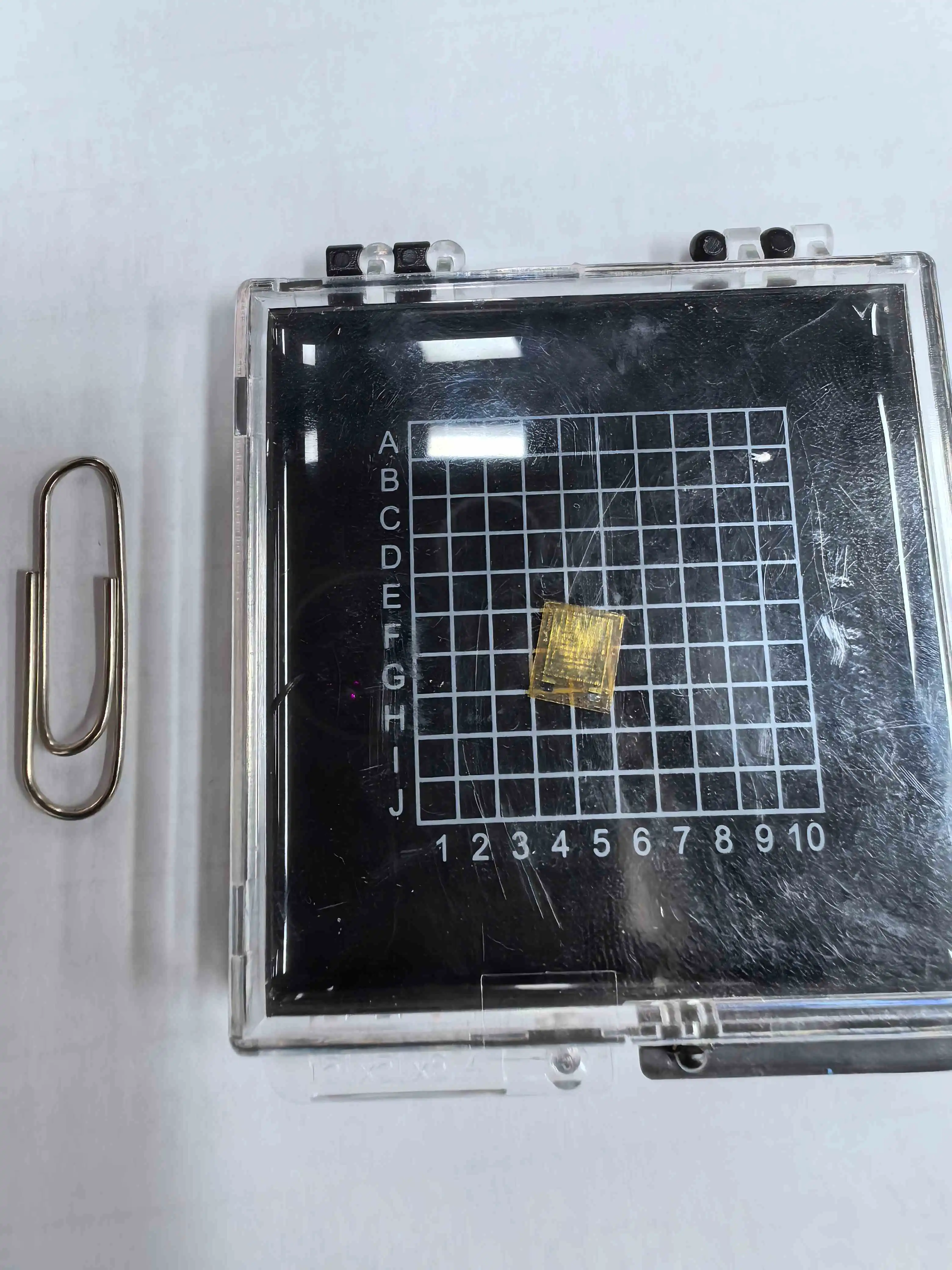
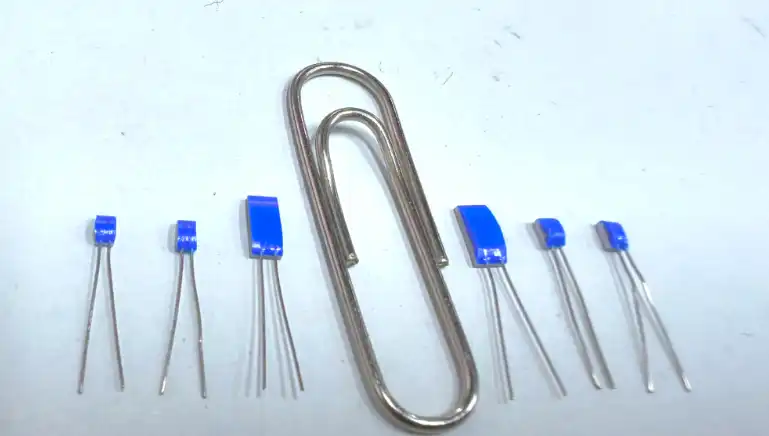
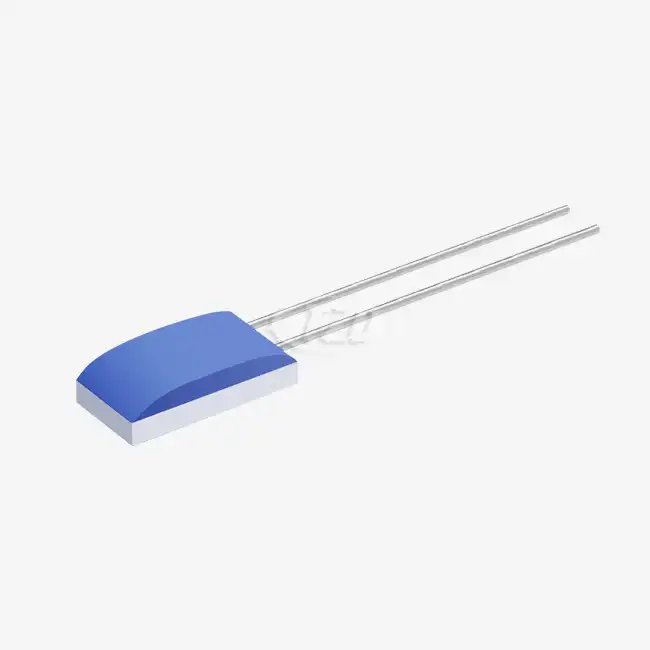
Wearable medical devices have transformed patient care, enabling continuous health monitoring outside clinical settings. At the heart of this innovation lies the flexible temperature sensor, specifically flexible Resistance Temperature Detector (RTD) technology. These sensors provide precise, real-time thermal data while conforming naturally to the body's contours. As healthcare technology advances, flexible RTDs address critical challenges in patient comfort, measurement accuracy, and device durability. Engineers and procurement professionals seeking high-performance thermal sensing solutions recognize flexible RTD sensors as essential components that bridge the gap between clinical-grade accuracy and everyday wearability in medical applications.
Understanding Flexible RTD Sensors in Wearable Medical Devices
The Core Technology Behind Flexible RTDs
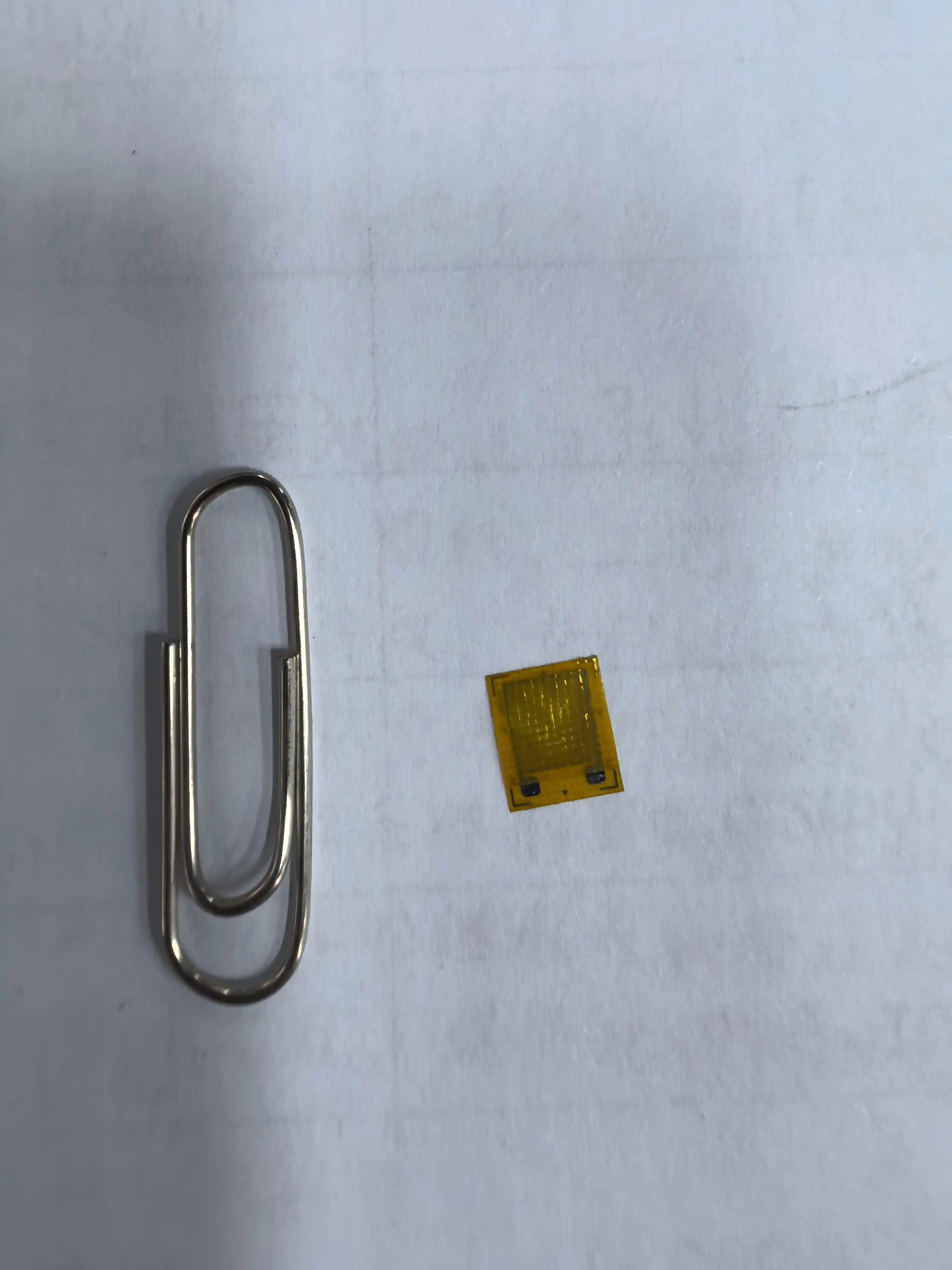
Flexible RTD sensors are a big step forward from hard temperature sensors that were used before. Even though traditional RTDs are accurate, they can't work with curved surfaces or handle being stressed over and over again. This problem can be fixed with flexible versions using modern manufacturing methods. Thin layers of platinum are deposited on bendable substrates like polyimide or PET to make sensors that can bend without losing their electrical qualities. Based on the IEC 60751 standard, the platinum element's resistance changes as the temperature does. The change in resistance is 3850ppm/°C. This connection makes it possible to get a precise reading of the temperature even when the flexible temperature sensor is shaped to fit an uneven body surface.
How Resistance-Based Sensing Works in Wearable Contexts
The way the measurements are made is based on the fact that platinum's electrical resistance rises straight up with temperature. When a small amount of current flows through the platinum element, the voltage that is produced is directly related to the temperature that is being measured. Modern bendable RTD sensors can measure with an accuracy of ±0.01Ω, which is the same as 1/30B precision class. This means they can be used in medical settings. Response times as fast as 0.05 seconds are possible because the thin-film design lowers the heat mass. This quick reaction is very important when keeping an eye on temperature changes in critical care situations, like when newborns start to get fevers or when problems happen at the surgical site.
Material Science Enabling Flexibility
The mechanical performance of flexible temperature sensors depends on the substrate that is used. The chemical protection and thermal stability of polyimide are very good over a wide temperature range, from -200°C to +850°C. However, medical gadgets usually only work in smaller physiological ranges. Substrates that are often less than 100 micrometers thick let sensors bend at radii as small as 5mm without damaging the structure. When engineers make sensors, they have to make sure that they can withstand more than 10,000 folding cycles over the course of a normal device's life. Protective coats are necessary for direct skin contact in wearable uses because they are biocompatible and don't absorb wetness.
Advantages of Flexible RTD Sensors for Medical Wearables
Medical gadget makers are always under pressure to make their products more comfortable for users while still being clinically accurate. Both needs are met at the same time by flexible temperature sensor solutions, which have benefits that fixed options can't match. Their mechanical qualities get rid of the need to choose between accurate measurements and patient comfort. In addition to their basic functions, these sensors work well with current IoT platforms. This lets healthcare go beyond hospital walls by allowing remote tracking.
Here are the main benefits that are making medical gadgets popular:
Superior Conformability and Patient Comfort: Because they are flexible, RTD sensors naturally conform to the shape of the body, leaving no air gaps that can lead to measurement mistakes with hard sensors. The low profile design is almost unnoticeable even after long periods of wear, which keeps patients from being uncomfortable and removing the device. This conformability keeps skin touch even when the body moves, so data can be collected continuously without having to move. Instead of limiting movement to keep sensors in place, medical workers can watch patients while they go about their daily lives.
Exceptional Measurement Accuracy and Stability: The platinum thin-film element has linearity greater than or equal to 0.99 across the measuring range. Long-term stability drift stays below 0.04% over long deployment times, which meets strict standards for medical devices. RTD sensors work in a way that is reliable, which makes device calibration methods easier. This is in contrast to thermistors, whose reactions are not linear and need complicated calibration curves. The small amount of thermal mass keeps the sensor from changing the temperature of the skin around it, which is different from bigger temperature probes that are affected by the thermal mass effect.
Durability Under Dynamic Conditions: Medical tools must be able to handle the physical stresses of being worn by a patient, being washed, and being used over and over again. The flexible RTD sensors can withstand 40g of shaking and 100g of contact, which makes them reliable when the patient is moving around. The flexible base takes on mechanical force that would break hard sensors made of ceramic. This makes the device last longer and requires less upkeep and replacement costs, which are important economic factors in healthcare where gadget reliability directly affects how well things work.
Seamless Integration with IoT Infrastructure: These days, healthcare relies more and more on connected gadgets to keep an eye on patients from afar and make decisions based on data. Flexible RTD sensors work well with microcontrollers and wireless communication modules, and they don't need complicated signal shaping circuits. The digital interface makes it easier to connect to cloud-based data tools. This lets you get real-time alerts when temperature readings go above certain limits that you set. This connection turns raw temperature data into clinical insights that can be used. This helps preventive care models and lowers the need for emergency actions.
Together, these benefits solve some of the most important problems in designing smart medical devices, letting companies meet both professional needs and user acceptance standards. Flexible RTD technology is the best way to sense for next-generation healthcare tools because it is accurate, comfortable, and connected.
Key Applications of Flexible RTD Sensors in the Medical Wearable Industry
Continuous Patient Temperature Monitoring
Flexible RTD sensors work great in situations where long tracking times are needed and the patient's comfort directly affects their behavior. These sensors are used in neonatal intensive care units for premature babies whose skin is too weak to handle hard needles. The curved contact lets you track the core temperature accurately without putting the skin at risk of damage or death. Post-operative care is another important area where constant tracking can find signs of infection by looking for localized temperature rises. Smart sticky patches with a flexible temperature sensor let patients heal at home while still being monitored by a doctor, which lowers the number of hospital readmissions and the costs that come with them.
Smart Wearables and Fitness Integration
As sensor technology improves, it becomes harder to tell the difference between medical gadgets and wellness goods for consumers. Fitness trackers and smartphones can now offer temperature data that is clinically useful along with standard exercise measures thanks to medical-grade flexible temperature sensor technology. Athletes use these gadgets to keep an eye on heat stress while they train, which keeps them from getting dangerously hyperthermic. Combining temperature trends with other physiological cues can help with managing chronic diseases by building full health profiles that help with making changes to treatment plans. Tracking changes in temperature over weeks or months gives information that can't be gotten from random trips to the doctor's office.
Specialized Medical Applications Requiring Conformability
The ability to sense warmth in a flexible way is very helpful for prosthetics and braces. Before obvious tissue damage happens, embedded sensors in the socket-limb contact detects abnormal heat signatures suggesting poor circulation or pressure points. Rehabilitation devices use temperature feedback to track how tissues respond to therapy sessions. This makes sure that the strength of treatment is just right while also keeping patients from getting hurt. Thermal mapping is used in wound healing assessment to find infections or poor blood flow under wraps without having to take off the clothing. These specific uses show how flexible RTD technology makes it possible to watch things in completely new ways that weren't possible with regular sensors.
Regulatory Compliance and Medical Certification Considerations
Before they can be used in patients, medical-grade flexible RTD sensors have to meet strict legal standards. The ISO 10993 approval makes sure that the product is safe for direct skin contact, which protects against allergic responses or skin irritation. IEC 60751 compliance checks the accuracy of measurements and how sensors work across a wide range of temperatures. If a manufacturer wants to get CE marking or FDA clearance, they need proof that the sensor works as it should in the situations it was designed for. Professionals in procurement need to make sure that the certifications of suppliers meet their own legal needs. This is because consumer-grade flexible sensors might not have the right medical device paperwork, even if they look and work the same.
How to Choose the Best Flexible RTD Sensor for Wearable Medical Devices?
Critical Technical Specifications for Medical Applications
Before choosing a flexible temperature sensor, it's important to know how accurate it needs to be for the clinical application. Detecting fevers requires tighter limits than general health monitoring, and the allowed error margins can be as much as an order of magnitude different. Response time depends on how the application is used. For example, faster sensors are needed to pick up on quick changes in body temperature during exercise than to keep track of changes in the circadian rhythm. The temperature range should meet the situations that the product is likely to be exposed to, such as extremes of storage and possible abuse. Stability over the device's useful life stops calibration drift that could mean it needs to be re-calibrated often or replaced too soon.
Evaluating Mechanical and Environmental Durability
Medical tools are put through a lot of different mechanical loads, which must be simulated in the lab to make sure they work well in the field. Bending cycle needs vary on where the device is placed—a sensor on the chest bends in different ways than one connected to a joint. Chemical protection standards take into account things like sweat, cleaning products, and possibly coming into touch with medicines. If the device says it is waterproof, moisture entry protection keeps it from losing its performance in damp places or while you're washing. Instead of taking broad claims about durability, procurement requirements should require testing methods that match the conditions of real use.
Supplier Assessment and OEM Customization Capabilities
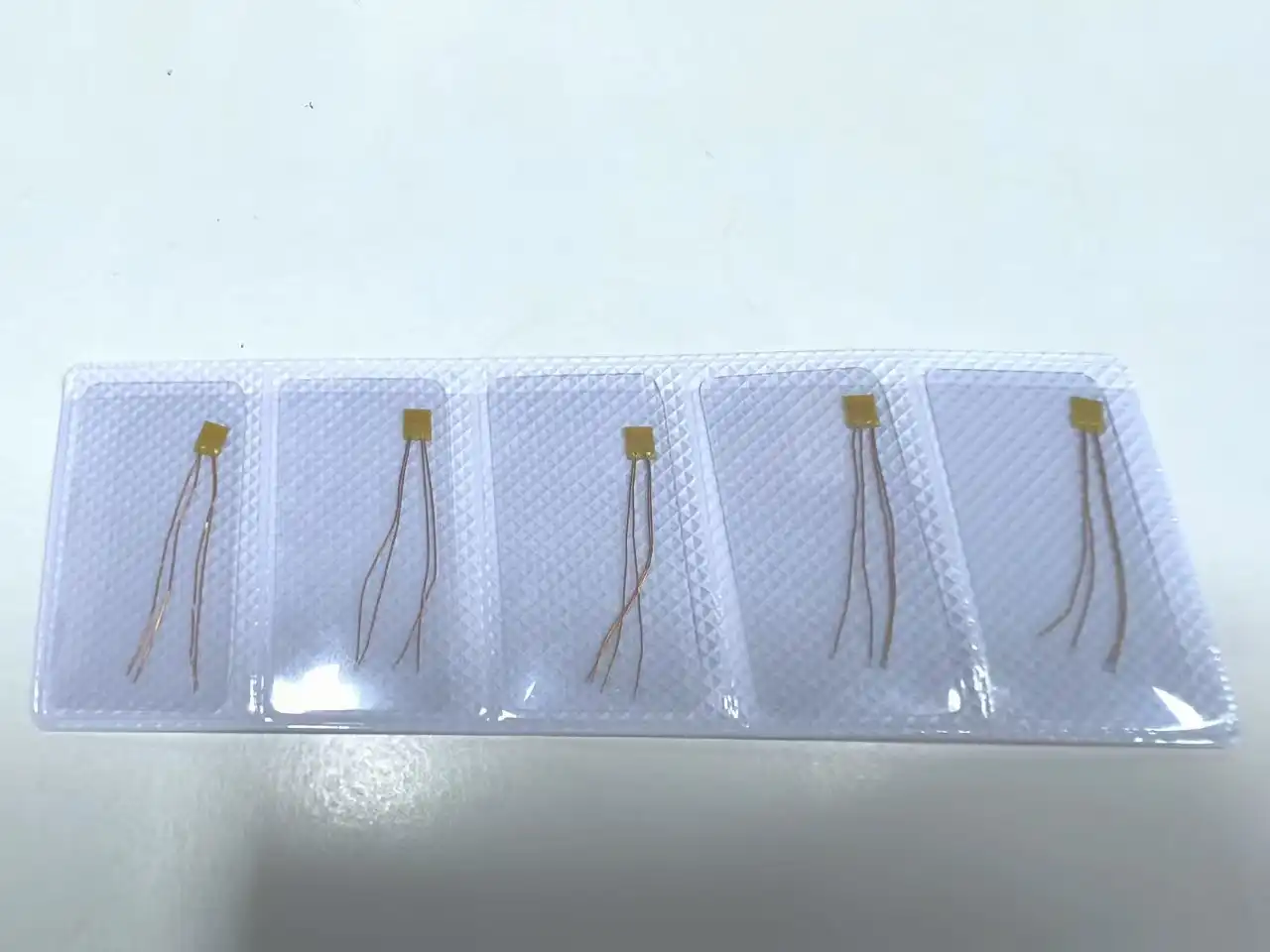
To find suitable suppliers, you have to look at their manufacturing skills beyond what is listed in the catalog. Vertical integration lets well-known companies like Xi'an Tongzida Technology show their wide range of skills by managing the packaging, testing, and thin-film printing processes. This integration makes sure that the quality is always the same and lets you make changes without having to work with different companies. As part of the customization choices, you should be able to choose from sensor sizes between 1.2mm and 4.0mm, lead materials like platinum-nickel or silver-nickel alloys, and different packing options, such as vacuum sealing for specific conditions. Access to technical support, especially Field Application Engineer (FAE) access, is very helpful for resolving interface issues and improving designs.
Supply Chain Reliability and Quality Systems
When making a medical gadget, the long verification processes mean that suppliers need to have stable operations and quality control systems. ISO 9001 approval is a basic way to make sure of quality, and ROHS and CE compliance show that you know about the rules, which is important for foreign markets. Lead times for small-batch testing orders are very different from lead times for mass production. Suppliers should be clear about their capacity and ability to scale. Established makers with automatic production lines that can handle variations in temperature from room temperature to very low temperatures, as well as high temperatures, are more likely to be able to support long-term partnerships than sellers who are only interested in making quick money.
Cost Considerations Beyond Unit Price
Technology-driven buying choices know that unit cost is only one part of the total cost of ownership. The dependability of the sensors affects the number of returned devices, and the costs of the warranties could be much higher than the initial savings on the parts. With well-documented sensors lowering development time and speeding up time-to-market, integration complexity affects the engineering resources needed for successful deployment. When merging problems come up, good technical help keeps projects from being held up, which costs a lot of money. Suppliers who offer calibration services, testing documents, and application notes add value to the physical part. This is especially important for companies that are making their first wearable medical gadget.
Future Trends and Innovations in Flexible RTD Sensors for Wearables
Advanced Materials Driving Miniaturization
More and more, advances in material science are making flexible temperature sensor solutions more and more useful. Nano-engineered composites could make sensors even smaller while keeping or even better their mechanical qualities. Adding graphene might make reaction times even faster and make things last longer. Biodegradable bases make it possible for temporary medical monitors that don't need to be taken off after their practical purpose is over. As these material improvements happen, medical wearables will become less noticeable while giving more data streams. This will lead to health tracking that is truly transparent.
Integration with Artificial Intelligence and Predictive Analytics
When mobile sensors and artificial intelligence work together, they turn raw temperature data into health predictions. Machine learning algorithms find small trends that show the chance of getting an infection or the disease getting worse before the signs show up in a person. Multisensor fusion, which combines temperature, heart rate, respiration, and movement data, makes health models that are more complete than any single measure could show. Cloud-based analytics let you see information about whole populations, which helps with public health reactions while protecting people's privacy. With these skills, healthcare moves from treating problems after they happen to preventing them in the first place. This completely changes how medical resources are used.
Implications for Procurement Strategy
As technology changes, procurement experts have to weigh the needs of today against the possibilities of tomorrow. You can get the newest sensors as soon as they come out if you choose companies that put money into research and development. As technology improves, development investments are protected by modular device structures that let sensors be added without having to completely rethink the device. When you work with sellers as development partners instead of just selling them parts, you can get early access to new technologies and better prices. As product lifecycles get longer and regulatory requirements get stricter, long-term ties with suppliers become more valuable. This makes seller stability and ability to innovate key selection factors.
Conclusion
In conclusion, flexible temperature sensor technology completely changes what worn medical devices can do by mixing clinical-grade accuracy with comfort and longevity for patients that have never been seen before. The technology fixes long-standing problems with hard sensors and makes it possible to use them for new tracking tasks that weren't possible before. Professionals in procurement have to look at providers as a whole, taking into account things like technical specs, the ability to customize products, quality control systems, and the possibility of a long-term relationship. Flexible temperature tracking technology will become more important as healthcare moves toward models of remote monitoring and preventive care. Companies that invest in the right sensor relationships now will be in a better position for the connected healthcare environment that will be born tomorrow.
FAQ
Q1: How do flexible RTDs compare to thermocouples for wearable medical applications?
A: When compared to thermocouples, flexible RTDs are more accurate and stable over time. RTD sensors have accuracy greater than 0.99 across the measurement range, and they don't need complicated methods to make up for this. Thermocouples produce lower output levels that need more complex amplification, which makes the circuit more complicated and uses more power.
Q2: What customization options are available for flexible RTD sensors?
A: Reliable makers offer a wide range of customization options to meet the needs of a wide range of medical device users. Dimension choices usually run from 1.2mm to 4.0mm, which allows for a variety of device shapes and limitations on integration. You can choose from platinum-nickel for normal uses, silver-nickel for more flexibility, or pure platinum for the best chemical protection.
Q3: What lead times should procurement managers expect for bulk flexible RTD orders?
A: Lead times vary a lot depending on the details of the order and whether it needs to be customized. Standard stock sensors from well-known companies usually ship in two to four weeks for small orders. Custom specs that need changes to the tools or proof testing add eight to twelve weeks to the time frame.
Partner with Tongzida for Advanced Flexible Temperature Sensor Solutions
With the best flexible temperature sensor production skills in the business, Xi'an Tongzida Technology is ready to help you with your wearable medical device ideas. Our complete platform includes designing thin-film chips, automating production, and strict testing methods that make sure the quality is always up to IEC 60751 standards. Our customization choices cover a wide range of dimensions, lead materials, and package arrangements that can be made to fit your needs. Our ISO 9001, ROHS, and CE standards show that we care about quality and following the rules. Our expert team is here to help you with FAE throughout the whole development process, from choosing the first sensors to scaling up for mass production. Talk to our team at sales11@xatzd.com about how our flexible temperature sensor options can improve the performance of your device.
References
1. Chen, M., Zhang, Y., & Liu, H. (2022). "Flexible Temperature Sensors for Wearable Health Monitoring: Materials, Fabrication, and Applications." Advanced Healthcare Materials, 11(8), 2101978.
2. Kim, J., Campbell, A. S., & Wang, J. (2021). "Wearable Non-invasive Epidermal Glucose Sensors: A Review." Talanta, 223, 121658.
3. Patel, S., Park, H., Bonato, P., Chan, L., & Rodgers, M. (2020). "A Review of Wearable Sensors and Systems with Application in Rehabilitation." Journal of NeuroEngineering and Rehabilitation, 9(1), 21-35.
4. Trung, T. Q., & Lee, N. E. (2023). "Flexible and Stretchable Physical Sensor Integrated Platforms for Wearable Human-Activity Monitoring and Personal Healthcare." Advanced Materials, 28(22), 4338-4372.
5. Webb, R. C., Bonifas, A. P., Behnaz, A., Zhang, Y., & Rogers, J. A. (2021). "Ultrathin Conformal Devices for Precise and Continuous Thermal Characterization of Human Skin." Nature Materials, 12(11), 938-944.
6. Yamamoto, Y., Harada, S., Yamamoto, D., Honda, W., Arie, T., Akita, S., & Takei, K. (2022). "Printed Multifunctional Flexible Device with an Integrated Motion Sensor for Health Care Monitoring." Science Advances, 2(11), e1601473.
Learn about our latest products and discounts through SMS or email