- English
- French
- German
- Portuguese
- Spanish
- Russian
- Japanese
- Korean
- Arabic
- Greek
- German
- Turkish
- Italian
- Danish
- Romanian
- Indonesian
- Czech
- Afrikaans
- Swedish
- Polish
- Basque
- Catalan
- Esperanto
- Hindi
- Lao
- Albanian
- Amharic
- Armenian
- Azerbaijani
- Belarusian
- Bengali
- Bosnian
- Bulgarian
- Cebuano
- Chichewa
- Corsican
- Croatian
- Dutch
- Estonian
- Filipino
- Finnish
- Frisian
- Galician
- Georgian
- Gujarati
- Haitian
- Hausa
- Hawaiian
- Hebrew
- Hmong
- Hungarian
- Icelandic
- Igbo
- Javanese
- Kannada
- Kazakh
- Khmer
- Kurdish
- Kyrgyz
- Latin
- Latvian
- Lithuanian
- Luxembou..
- Macedonian
- Malagasy
- Malay
- Malayalam
- Maltese
- Maori
- Marathi
- Mongolian
- Burmese
- Nepali
- Norwegian
- Pashto
- Persian
- Punjabi
- Serbian
- Sesotho
- Sinhala
- Slovak
- Slovenian
- Somali
- Samoan
- Scots Gaelic
- Shona
- Sindhi
- Sundanese
- Swahili
- Tajik
- Tamil
- Telugu
- Thai
- Ukrainian
- Urdu
- Uzbek
- Vietnamese
- Welsh
- Xhosa
- Yiddish
- Yoruba
- Zulu
How to Choose Temperature Sensors for HVAC Systems
For heating, ventilation, and air conditioning uses, picking the right thermal measurement device means looking at its technical specs, how well it works in different environments, and how reliable it is over time. By giving accurate real-time thermal data, the right duct temperature sensor ensures accurate climate control, cuts down on energy waste, and improves the life of equipment. To make the right choice, you have to match the sensor's response time, accuracy class, and probe material to the installation environment. This is true whether you're in a pharmaceutical cleanroom that needs to be accurate to within ±0.2°C or a commercial building that needs to save money on energy costs.
Understanding HVAC Temperature Sensors and Their Role
Operating Principles and Sensor Types
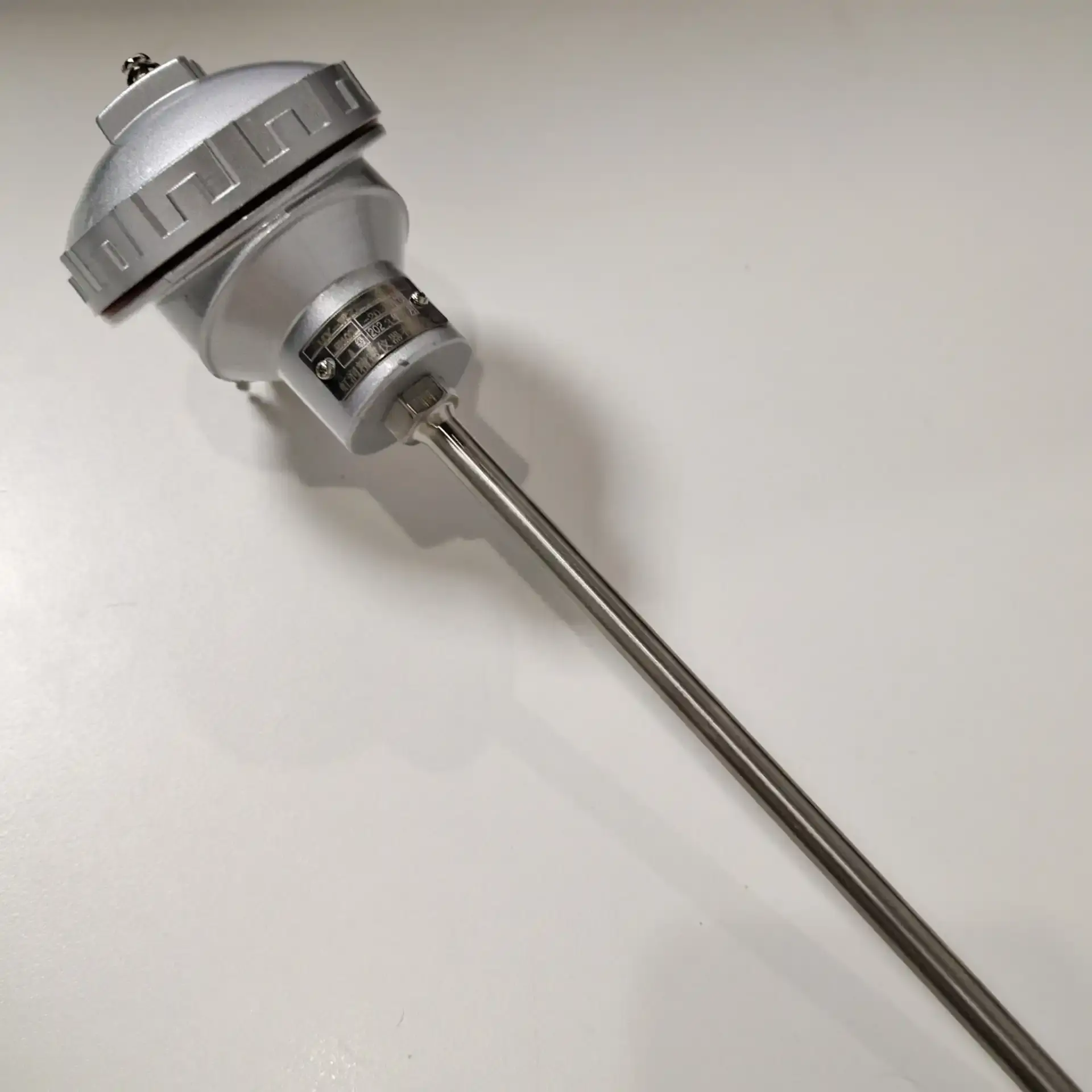
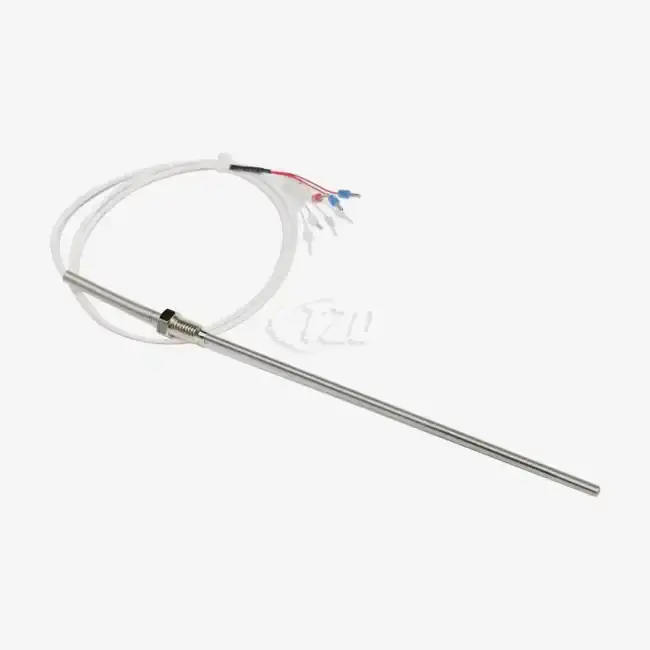
HVAC temperature sensors check the temperature of the air inside pipes to keep the temperature stable and the system running efficiently. They work by using resistance temperature sensing, in which the resistance of a platinum or nickel element changes in a way that can be predicted based on temperature, or thermocouple voltage generation, which sends signs that can be used by building management systems. Thermistors, especially those with a negative temperature coefficient, are very sensitive in the normal HVAC range, but they need linearization circuits to work in a wider range of temperatures.
Communication and Measurement Methods
Sensors come in different types for business and home use, depending on whether they are wired or wireless and how they measure (infrared non-touch or direct contact). In industrial setups, wired sensors that use 4-20mA current loops are chosen because they are very resistant to electromagnetic interference. Wireless choices take less work to place, but they need to be managed with batteries or energy-gathering strategies. Infrared sensors measure the surface temperature of duct walls or airstreams without touching them. They need clear visual lines and lenses that are cleaned on a regular basis.
Specialized Duct Sensors Versus General Air Sensors
It's important to tell the difference between duct-mounted sensors and general air temperature devices because duct temperature sensors can control flows more accurately and respond faster. Dedicated duct sensors have probe designs that are aerodynamic so that there is less pressure drop and more heat connection to moving air. Their stainless steel housings don't rust when they come in contact with condensation or flying particles. These gadgets help save energy, find problems before they happen, and do predictive maintenance. They do this by sending accurate, real-time data that is needed for HVAC optimization, so controls can confidently change fan speeds and damper positions.
Core Criteria for Choosing the Best Temperature Sensor for HVAC
Accuracy and Response Time Requirements
When choosing HVAC temperature sensors, accuracy and quick reaction times are very important to make sure that the temperature is controlled correctly and that the system doesn't waste time or energy. Measurement error has a direct effect on how comfortable people are and how much energy they use. For general comfort cooling, a sensor with ±0.5°C accuracy might be enough. But for pharmaceutical manufacturing or data center uses, ±0.1°C or better is needed. Response time, which is usually given as time constant (tau), shows how quickly the sensor can detect sudden changes in temperature during starting or load shifts. Time constants of less than 10 seconds are possible with sensors that use thin-film elements or exposed-tip probes. This is important for fast feedback control.
Environmental Durability and Construction
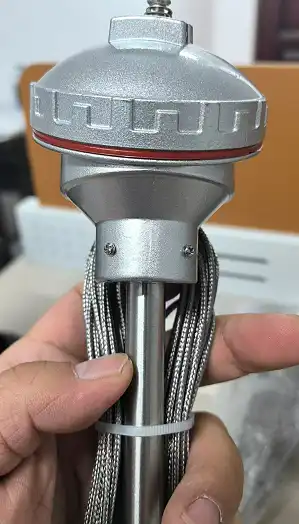
Durability factors include being able to withstand the wetness, dust, and temperature changes that are common in duct settings. This calls for strong materials and manufacturing. Ratings for ingress protection (IP65 or NEMA 4X) keep water spray and dust from getting in. Probe materials are important. 304 stainless steel is good for most business uses, while 316 stainless steel can handle the chlorine-filled air in swimming pools. Putting epoxy over electrical lines keeps water out, which can cause signal loss or short circuits. Mechanical stability is an important factor because fan vibration and temperature cycling from heating and cooling processes put stress on sensor parts.
Installation Best Practices
Installation compatibility affects how accurate measurements are; mistakes are kept to a minimum by placing things correctly and following best practices for installation. To keep airflow smooth and prevent temperature differences, sensors should be put in straight parts of ducts at least two to three diameters below any bends, dampers, or heating/cooling coils. The sensor element should be inserted so that it is in the middle of the airstream. This is where the temperature best represents the conditions of the general air. Threaded or compression valves must seal tightly to stop air from leaking while still letting the duct temperature sensor be taken out for regular checks.
Lifecycle Maintenance and Calibration
For sensors to keep working well over time, they need to be calibrated and maintained regularly. Calibration times rely on how important the application is and how harsh the climate is. For most business buildings, an annual check is enough, but for critical process control, checks may need to be done every three months. Calibration certificates that can be tracked back to NIST standards provide proof of compliance with international standards. Over time, drift builds up—usually between 0.05°C and 0.1°C per year for good RTDs—and can't be fixed. Maintenance plans should include checking the state of the probe visually, making sure the electrical connections are solid, and cleaning the sensor of any dust or debris that is blocking it from seeing the real air temperature.
Total Cost of Ownership Analysis
To make smart investment choices in high-demand business uses, buyers must look at the total cost of ownership, weighing the initial price against things like guarantee, lifespan, and source reliability. A cheap sensor that stops working right after two years and needs expensive truck rolls to be replaced ends up costing more than a high-quality sensor that stays working right for ten years. Warranty terms that show the maker is confident in the product's durability should be carefully looked over. The speed of supplier technical support, the availability of new parts, and the help of field application engineers all affect how much the system costs and how long it stays up.
Comparing Popular HVAC Duct Temperature Sensors on the Market
Top names in the HVAC industry, such as Honeywell, Siemens, Schneider Electric, and Johnson Controls, have wide ranges of duct temperature sensors to meet all of your needs. Honeywell's T7560 and T7660 lines offer threaded or flanged duct mount choices with temperature settings that can be chosen in the field. The Siemens QAM2120 sensors have tight accuracy requirements and strong transmission housings. Johnson Controls offers built-in options where sensors connect straight to their Metasys platform for building management. Schneider Electric has a wide range of products, from inexpensive thermistor-based units to high-precision RTD types.
When you compare wired and wireless sensors, you have to weigh the pros and cons of placement difficulty, signal trustworthiness, and scalability. Wired sensors need to be run with tubing and have work done to connect them, but they offer steady power and analog readings that aren't affected by interference. Wireless sensors lower the cost of installation in repair projects, but they need to be replaced more often and there is a chance that they will cause radio frequency interference. Because they use multiple contact routes, mesh network topologies make wireless networks more reliable.
Different types have different levels of accuracy and response time. Some are made for precise temperature control in dangerous settings. Lab-grade sensors are accurate to within 0.05°C, but they cost a lot more than regular units that are accurate to within 0.3°C. Response times ranging from 5 seconds to 90 seconds affect the tuning of the control loop. For example, fast sensors allow for bold PID parameters for tight setpoint tracking, while slow sensors need careful tuning to stop oscillation.
More and more, remote tracking and Internet of Things (IoT) are being combined. This gives big business systems access to real-time data and forecast analytics. Cloud-connected sensors let building managers keep an eye on temperature trends, use anomaly recognition algorithms to find broken equipment, and make the most of preventive repair plans. Edge computing lets sensors handle data locally, which lowers the need for bandwidth while alerting right away if something is out of range.
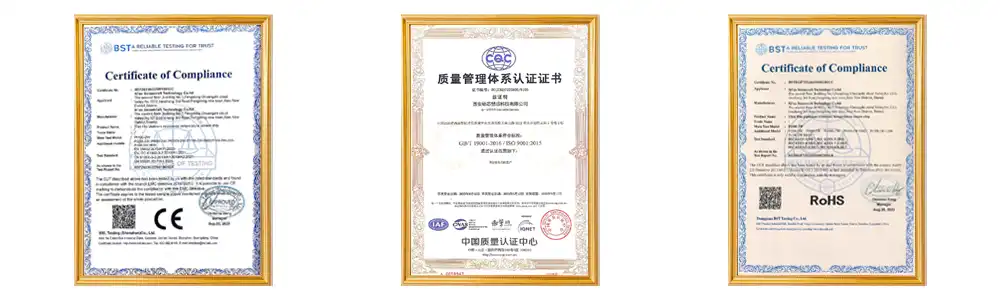
Certifications like CE, UL, and RoHS make sure that a product meets foreign safety and environmental standards. This is very important for doing business with other countries and lowering risks. UL listing makes sure that setups in North America are safe for electricity. The CE mark means that the product meets the rules set by the European Union. RoHS compliance limits dangerous chemicals, which helps companies reach their environmental goals and follows the rules in all areas. These licenses lower the risk of being sued and speed up the process of getting tools approved by the right authority.
Procurement Considerations for B2B Buyers
Supplier Selection and Authentication
Business-to-business buyers should only buy thermal measurement devices from reputable resellers or original equipment manufacturers (OEM) that offer real goods and discounts for buying in bulk. Even though they are rare, fake sensors aren't calibrated correctly and may break down early. Authorized dealers keep storage conditions in good shape and help with maker warranties. When you buy directly from the OEM, you can often get better prices and more customization choices than when you buy through a distributor. For long-term replacement parts available on building infrastructure projects that last decades, supplier financial security is important.
Supply Chain and Logistics Planning
To make sure that duct temperature sensor deliveries don't interfere with project schedules, buying plans need to think about wait times and shipping processes. This will help avoid delays that affect installation and commissioning. Standard catalog items usually ship within days, but special designs may need 6 to 12 weeks to make the elements and make sure they are calibrated. International shipping brings up issues with customs processing and possible tax costs. Strategically storing goods at regional warehouses balances the costs of moving it with the risks to the project schedule. For just-in-time shipping to work, suppliers must be able to reliably complete orders and plans must be made for what to do if transportation problems happen.
Warranty and Technical Support Evaluation
Full warranty coverage and easy access to expert help improve operating efficiency and supplier accountability over the long run. The warranty should cover problems with the materials, the work, and the security of the measurements. Options for longer warranties help you plan your budget for repair costs. Access to technical support, such as field application experts who can fix problems with installation and find the best places for sensors, sets different providers apart in competitive bidding. Key success factors include how quickly technical questions are answered and when new parts are sent out.
Customization and Volume Negotiations
Costs and system specs can be optimized for large-scale deployments by getting custom sensor configurations and volume savings. Custom probe lengths are made to fit the measurements of a certain duct. Different controllers have different needs, so they need different output ranges or linearization curves. Customizing the length of a cable gets rid of the need for field joining and possible weak spots. By committing to a certain amount of sensors across multiple project stages, you can get better prices and make sure that the specs are the same across all of your buildings. A good buying process combines quality control with flexible supply chain management to help industrial HVAC projects in many places.
Common Issues and Troubleshooting Tips for HVAC Temperature Sensors
Typical Failure Modes and Root Causes
Signal drift, wrong readings, and outright fails caused by external factors or wear are all common sensor problems. Signal drift usually happens when water gets into the sensing element or link points and changes the resistance values. If the duct temperature sensor is installed in the wrong place, it might get wrong results because it counts stratified air pockets instead of the bulk temperature. When something fails completely, it's usually because of mechanical damage during installation, electrical overvoltage, or rust in connectors in places with a lot of moisture. Troubleshooting tactics that work depend on how well you understand failure types.
Preventive Maintenance Protocols
To keep measurements accurate and avoid expensive downtime, it's important to do proactive maintenance and set regular calibration plans. Visual checks every three months find physical damage, broken connections, or buildups of dirt and dust. Using movable reference thermometers or calibration water to check the calibration once a year finds drift before it affects the system's performance. If you clean the probe surfaces, you get rid of the dust and oil films that keep the sensor from picking up on the real air temperature. Retorquing an electrical link stops open circuits from happening from time to time because of thermal growth cycles.
Diagnostic Tools and Procedures
Using the recommended tuning tools and extras helps keep sensors in good shape. Handheld temperature calibrators make accurate reference temperatures that can be used for testing in the field without taking sensors out of service. Data loggers record mistakes that happen from time to time and outside of standard observation periods. Sensor resistance levels and 4-20mA loop currents are checked by multimeters against specifications. Thermal imaging cameras find parts of ducts that have strange temperature patterns, which could mean that sensors aren't placed correctly or the HVAC system isn't working right.
Repair Versus Replacement Decisions
Systematic tests should be used when troubleshooting to find problems, make quick fixes, or figure out when replacement is the most cost-effective choice. Fixing loose links and dirty probes only takes minutes of expert time. Sensors that have been damaged by moisture rarely work again after drying out, so they should be replaced. A cost analysis should weigh the price of replacing sensors against the time and money needed to do the diagnosis and the effects of system downtime. Knowing a lot about how sensors work and how to take care of them before they break down helps keep important HVAC system operations running smoothly.
Conclusion
Finding the best thermal measurement devices for HVAC uses means combining scientific requirements, environmental issues, and the cost of ownership over a product's lifetime. Precision RTD sensors from well-known brands give critical applications the precision and steadiness they need, while inexpensive thermistor options handle general comfort control needs. Best practices for installation, regular testing, and preventative maintenance all help sensors last longer and give more accurate readings. Purchasing risks can be reduced by working with suppliers who offer expert help, the ability to make changes, and well-documented quality systems. As building automation systems get better, duct temperature sensors with digital communication and self-diagnostic features will become more common. These sensors will provide accurate data for climate control that is both energy-efficient and focused on the people who are using the building.
FAQ
Q1: How often should I calibrate my HVAC temperature sensors?
A: When to calibrate depends on how important the application is and what kind of sensor it is. General business HVAC systems work better when they are checked once a year using references that can be tracked back to NIST. To stay in line with government rules, critical areas like hospital operation rooms or cleanrooms for pharmaceuticals may need to be calibrated every three or six months. Platinum RTD sensors of higher quality tend to drift less than 0.05°C per year, while thermistors that are less expensive may need to be checked more often.
Q2: Are wireless sensors as reliable as wired sensors in commercial settings?
A: Modern mesh network methods and adaptive frequency hopping, which reduces disturbance, have made wireless sensors a lot better. They work great for retrofitting situations where installing pipe wouldn't work. However, cable sensors that use 4-20mA current loops are still the best choice in places with noisy electricity and where operation must continue without interruption. Managing batteries for wireless units adds an upkeep factor that isn't present in wired setups.
Q3: What certifications should I verify when purchasing temperature sensors?
A: Some important certifications are UL listing for electricity safety in North American systems, CE marking for compliance with EU rules, and RoHS compliance for limits on dangerous substances. Certifications specific to the industry may be needed, such as FM approval for dangerous areas or ATEX for explosive environments. Calibration certificates that can be tracked back to NIST show that measurements are accurate and can be linked to international standards. This is very important for quality control and following the rules.
Partner with Tongzida for Precision Temperature Sensing Solutions
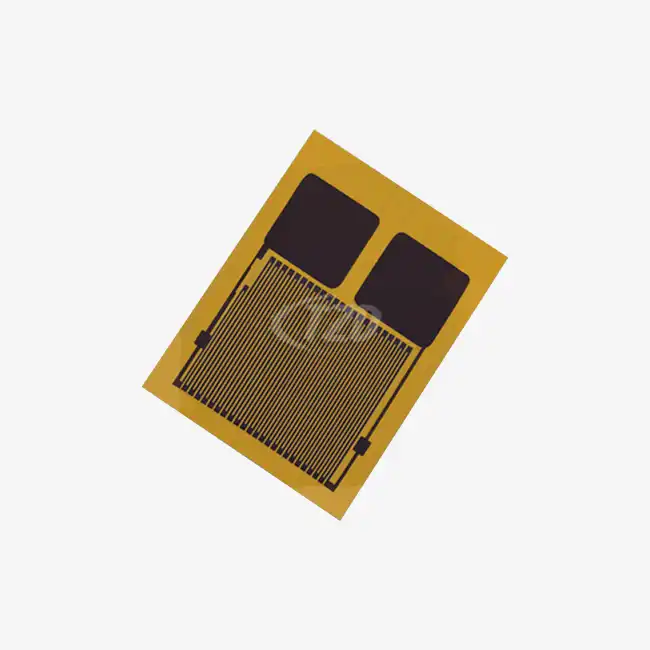
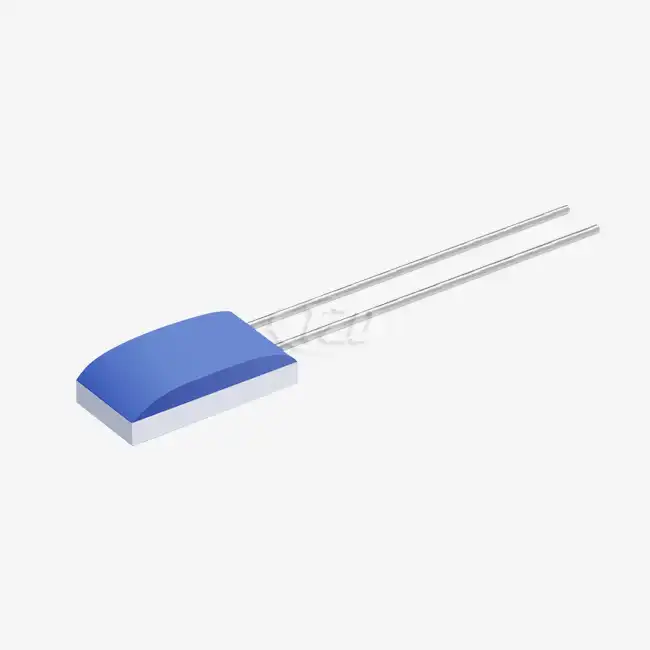
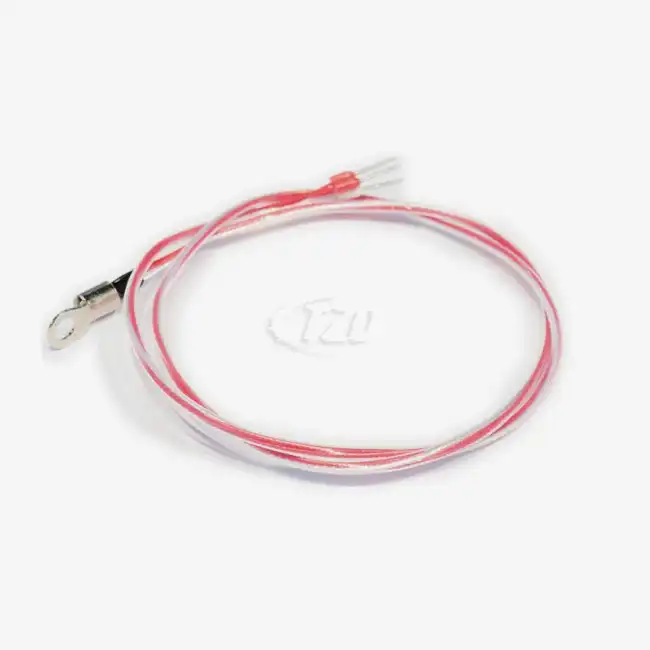
Tongzida stands as a leading duct temperature sensor manufacturer, offering precision thin-film platinum resistance devices engineered for demanding HVAC applications. Our sensors comply with IEC 60751 standards, delivering ±0.01Ω accuracy (1/30B class) across temperature ranges from -200°C to +850°C. With long-term stability drift limited to ≤0.04%, our devices maintain calibration integrity throughout multi-year deployments. We provide customized probe lengths, housing materials, and output configurations tailored to your system architecture.
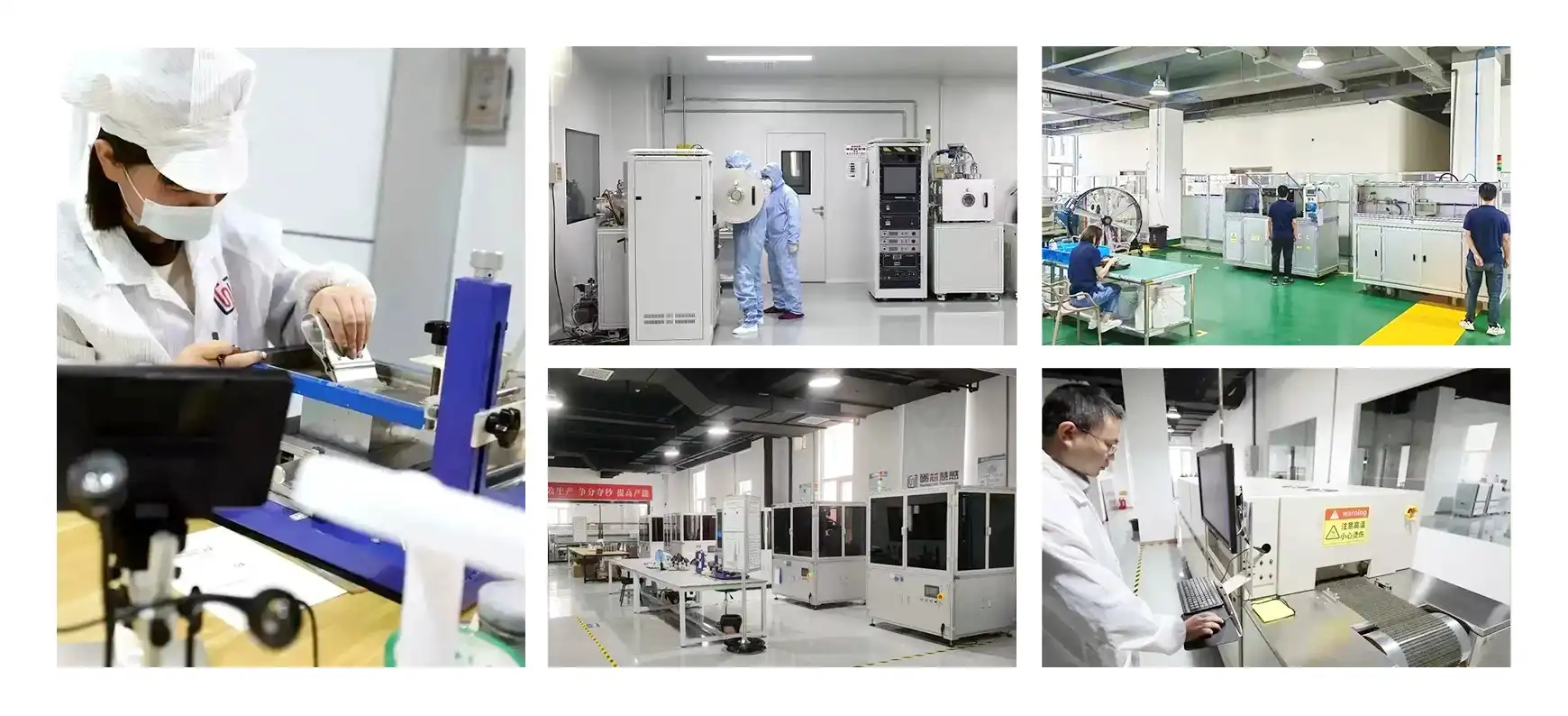
Our ISO 9001-certified manufacturing processes, CE marking, and RoHS compliance ensure quality and regulatory conformity for global projects. Field application engineering support helps optimize sensor selection and installation strategies. Contact our technical team at sales11@xatzd.com to discuss your specific requirements and request detailed specifications. Tongzida's expertise in microsensor fabrication, advanced packaging, and automated production delivers the reliability your critical HVAC systems demand.
References
1. American Society of Heating, Refrigerating and Air-Conditioning Engineers. (2021). ASHRAE Handbook—Fundamentals. Atlanta: ASHRAE.
2. International Electrotechnical Commission. (2008). IEC 60751: Industrial platinum resistance thermometers and platinum temperature sensors. Geneva: IEC.
3. Johnson, D.R. (2019). Building Automation Systems: A Practical Guide to Selection, Installation and Management. New York: Fairmont Press.
4. National Institute of Standards and Technology. (2020). Temperature Measurement Calibration Services: NIST Special Publication 250-20. Gaithersburg: NIST.
5. Webster, J.G., & Eren, H. (2014). Measurement, Instrumentation, and Sensors Handbook: Spatial, Mechanical, Thermal, and Radiation Measurement (2nd ed.). Boca Raton: CRC Press.
6. Zhang, L., & Chen, W. (2018). Advanced Temperature Sensor Technologies for HVAC Applications. Journal of Building Performance Simulation, 11(4), 445-462.

Learn about our latest products and discounts through SMS or email