- English
- French
- German
- Portuguese
- Spanish
- Russian
- Japanese
- Korean
- Arabic
- Greek
- German
- Turkish
- Italian
- Danish
- Romanian
- Indonesian
- Czech
- Afrikaans
- Swedish
- Polish
- Basque
- Catalan
- Esperanto
- Hindi
- Lao
- Albanian
- Amharic
- Armenian
- Azerbaijani
- Belarusian
- Bengali
- Bosnian
- Bulgarian
- Cebuano
- Chichewa
- Corsican
- Croatian
- Dutch
- Estonian
- Filipino
- Finnish
- Frisian
- Galician
- Georgian
- Gujarati
- Haitian
- Hausa
- Hawaiian
- Hebrew
- Hmong
- Hungarian
- Icelandic
- Igbo
- Javanese
- Kannada
- Kazakh
- Khmer
- Kurdish
- Kyrgyz
- Latin
- Latvian
- Lithuanian
- Luxembou..
- Macedonian
- Malagasy
- Malay
- Malayalam
- Maltese
- Maori
- Marathi
- Mongolian
- Burmese
- Nepali
- Norwegian
- Pashto
- Persian
- Punjabi
- Serbian
- Sesotho
- Sinhala
- Slovak
- Slovenian
- Somali
- Samoan
- Scots Gaelic
- Shona
- Sindhi
- Sundanese
- Swahili
- Tajik
- Tamil
- Telugu
- Thai
- Ukrainian
- Urdu
- Uzbek
- Vietnamese
- Welsh
- Xhosa
- Yiddish
- Yoruba
- Zulu
Pt100 Sensor Solutions for EV Battery Temperature Monitoring
To make sure safety, long-term performance, and operating efficiency, electric car battery systems need to be very well managed when it comes to temperature. Pt100 temperature sensors, which are precise Pt100 temperature sensors with a 100-ohm resistance at 0°C, are the most important part of solid methods for keeping an eye on EV batteries. These tools can measure with greater than ±0.1°C accuracy in the important temperature ranges where lithium-ion cells work. This stops thermal runaway and makes the most of charge-discharge cycles to increase the life of batteries.
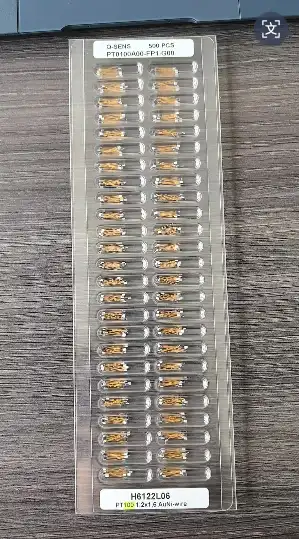
Understanding Pt100 Temperature Sensors in EV Battery Monitoring
Operating Principle and Technical Foundation
Pt100 temperature sensors work by using the known linear relationship between the change in electrical resistance and the change in temperature in elements that are very pure platinum. According to the international standard IEC 60751, these sensors have a temperature coefficient of 3850 ppm/°C. This means that readings will be accurate and consistent even in harsh automotive settings. The RTD element changes its resistance in response to changes in temperature in a way that Battery Management Systems can understand with little signal conditioning. This makes thermal tracking designs simpler.
Critical Temperature Range and Precision Requirements
EV battery packs usually work in temperatures ranging from -40°C to +85°C. However, during rapid charging or high-discharge events, cell temperatures may change more rapidly. Pt100 temperature sensors are very stable across this range, and they can offer Class A accuracy of ±(0.15 + 0.002|t|)°C or even smaller limits with 1/10 DIN standards. With this level of accuracy, thermal oddities that could mean cell degradation, coolant system breakdowns, or looming safety risks can be found early on, before they become catastrophic.
Integration Architecture and Wiring Considerations
To keep the accuracy of thermal maps across dozens or hundreds of tracking spots, Battery Management Systems need signals that are clean and don't pick up noise. In EV applications, we suggest four-wire designs for Pt100 temperature sensors because this topology gets rid of lead wire resistance mistakes that can mess up measurements. High-current battery circuits and inverter switching noise can't interfere with shielded cables, and proper grounding schemes keep signals pure even in electrically harsh car settings.
Advantages Over Alternative Sensing Technologies
Thermocouples aren't good for the tight thermal control that EV batteries need because they have problems with cold junction adjustment mistakes and limited absolute accuracy. NTC thermistors have non-linear resistance curves that need complicated linearization methods to fix. Also, the resistance values of different manufacturers are very different, which makes it harder to use extra parts from different manufacturers. Pt100 temperature sensors have consistent outputs, long-term drift rates below 0.04% per year, and chemical inertness that can handle the coolant contact and vibration loads that come with car service life.
Comparative Analysis: Pt100 Sensor vs Other Temperature Sensors for EV Battery Monitoring
Pt100 Versus Pt1000 Resistance Detectors
Platinum sensing elements are used in both types of sensors, but their standard resistance values are different at the reference point: 100 ohms vs. 1000 ohms. In two-wire setups, the tenfold increase in resistance in Pt1000 devices makes them less sensitive to lead wire resistance. However, this benefit goes away when four-wire links are used. Industrial and car markets are dominated by Pt100 versions because they have established supply chains, a wider range of components, and the ability to work with older BMS hardware designs. When purchasing 100-ohm Pt100 temperature sensors, procurement teams can take advantage of reasonable prices and shorter lead times.
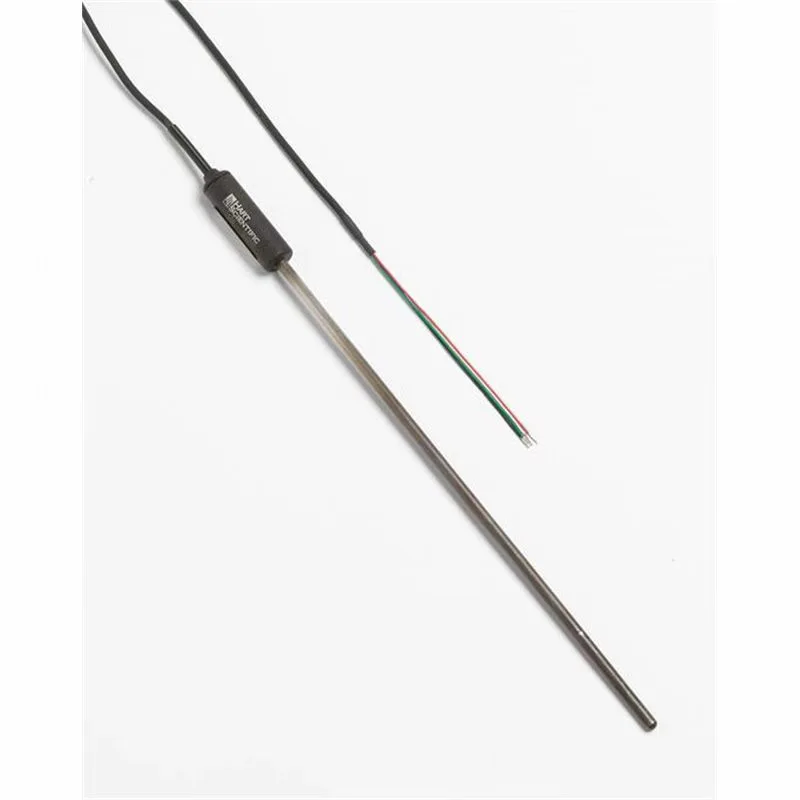
Thermocouple Technology in Battery Thermal Management
Type K and Type T thermocouples are tough and can work in a wide range of temperatures, but they aren't accurate enough for precise battery tracking because they can only be accurate to within ±1°C to ±2°C. Over time, junction drift requires frequent recalibration processes, which adds to the cost of upkeep. The individual cost of thermocouples is lower, but the total cost of ownership goes up when you add up the time and money needed to calibrate them, as well as the chance that expensive battery assets could be damaged or car safety could be compromised.
Digital and Infrared Sensing Approaches
Digital temperature sensors that send data over serial communication buses make BMS setup easier because they have built-in analog-to-digital conversion. But these devices usually lower the accuracy of measurements and add computer variables that make failure mode analysis harder. For quality control during production, infrared thermography is a good way to keep an eye on things without touching them. However, it can't give you the constant, cell-level thermal data you need for real-time battery management while the car is running. Pt100 temperature sensors are the best combination of accuracy, dependability, and system connection difficulty.
Response Time and Environmental Adaptability
When properly thermally linked to the surfaces of battery cells, thin-film platinum sensors can respond as quickly as 0.05 seconds. This lets BMS systems respond quickly to changing thermal conditions. Wire-wound structures are more stable when exposed to high temperatures for a long time, but their thermal time constants are a little slower. The sensors can handle vibrations higher than 40g and mechanical shocks up to 100g. These are important specs for car uses where road conditions put constant mechanical stress on battery packs throughout their useful lives.
Procurement Insights: How to Choose and Source the Best Pt100 Sensors for EV Batteries?
Essential Selection Criteria for OEM Applications
When hardware engineers look at Pt100 temperature sensor options, they should put a lot of weight on a number of technical factors that go beyond basic accuracy requirements. Response time affects how quickly temperature anomalies reach the Battery Management System, which in turn affects how well the defensive response works. To keep thermal coupling working well, mechanical packaging has to be able to fit into the small areas inside battery cells. Whether the lead line is made of a platinum-nickel combination, silver-nickel, or pure platinum, the type of material affects both the cost and the stability over time in coolant conditions that are corrosive.
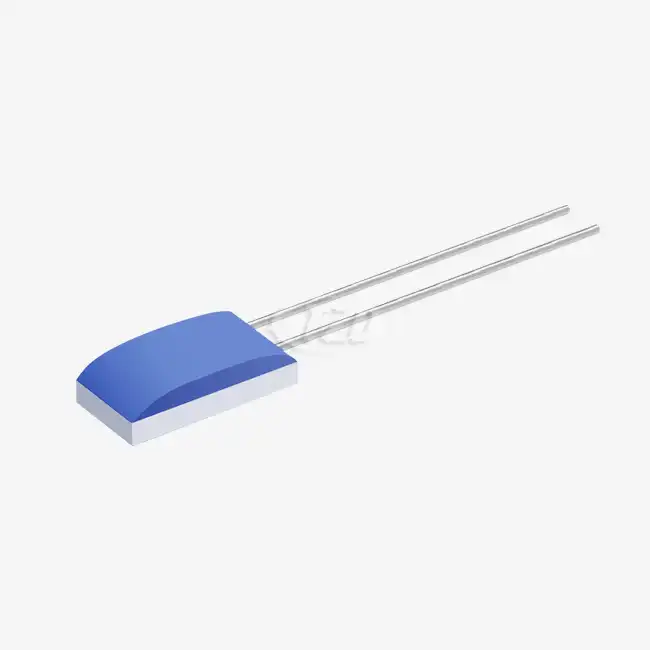
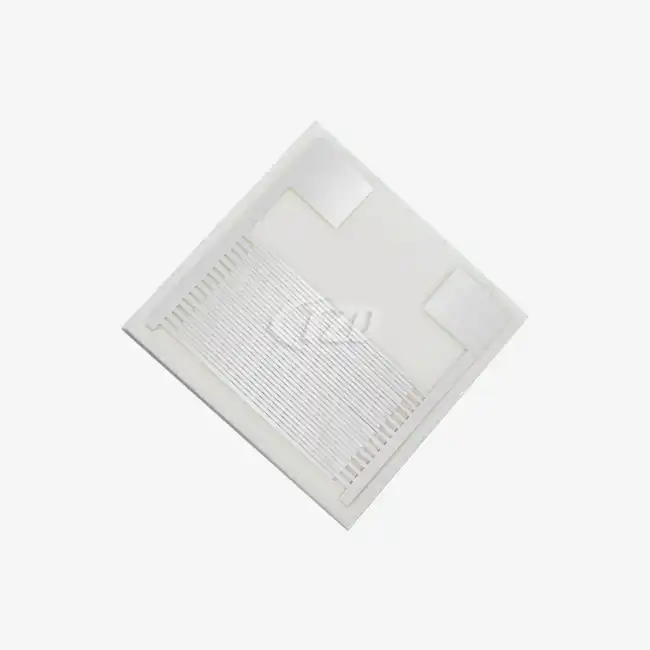
Thin-film designs offer small shapes that work well in limited-space car systems. Elements with sizes ranging from 1.2mm to 4.0mm can be put between single pouch cells or arranged in a cylindrical fashion. Long-term stability measures decide how often calibrations need to be done. Drift rates below 0.04% per year mean that maintenance needs are kept to a minimum over the 8–10-year working lives of most EV batteries. Because they can be customized, sensor geometries, lead configurations, and protection levels can be made to fit particular thermal management designs without affecting performance.
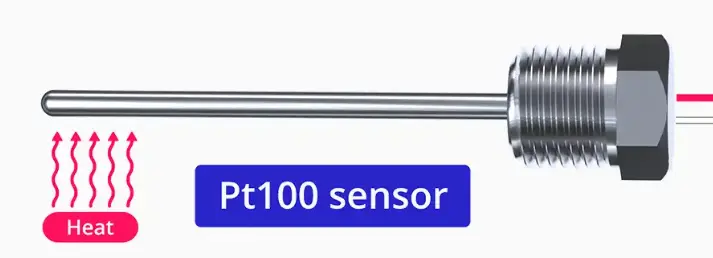
Supplier Reliability and Supply Chain Considerations
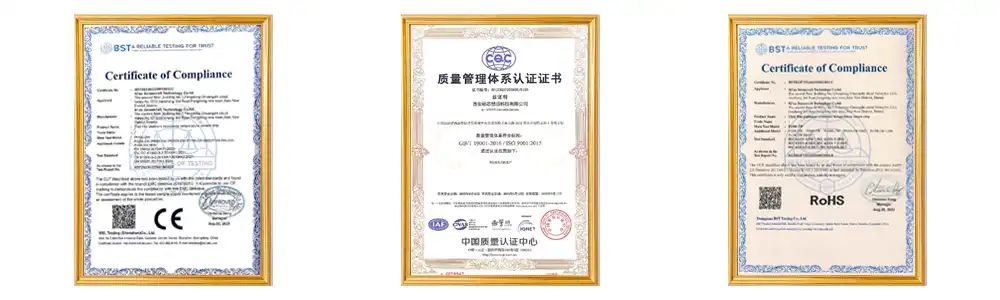
Technology-driven purchasing choices include more than just the specs of the parts. They also include the skills of the suppliers that help with long verification rounds and eventually moving to mass production. Well-known companies keep their quality control systems up to date with ISO 9001, make sure they follow RoHS rules, and use thorough testing tools to make sure sensors work well before they are sent out. Field Application Engineering support is very helpful during the prototype integration stages because it helps solve problems with wiring, testing processes, and BMS communication protocols that come up during development.
As EV production grows, managing lead times becomes very important because high-value orders need to be delivered on time so that production lines don't have to stop. Suppliers with automated production lines that can make sensors that work at room temperature, high temperatures, and very low temperatures show that their manufacturing is advanced enough to support more car projects. Partners who see relationships as long-term partnerships instead of one-time sales of parts are set apart by their warranty policies and professional help after the sale.
Balancing Performance Requirements with Total Cost
Pt100 temperature sensors cost more per unit than thermistors or thermocouples, but when you look at the total cost, you can see that they are a better deal. Less frequent calibration lowers the cost of ongoing upkeep, and more accurate measurements stop expensive battery guarantee claims caused by problems with temperature management. Small-batch testing programs make it possible to confirm how well sensors work with certain battery chemistries and pack designs before making large purchases. This lowers the technical risk during the approval steps.
When production goes from making a few prototypes to making thousands or tens of thousands of sensors every year, economies of scale have a big effect on the cost per unit. This is why purchasing teams should look at how prices are set across different order amounts. As EV markets grow quickly and demand for car parts rises, it is important to negotiate framework deals with tiered prices and guaranteed capacity amounts to avoid supply disruptions.
Implementing Pt100 Sensors in EV Battery Systems: Best Practices and Case Studies
Installation Techniques for Optimal Thermal Coupling
For temperature readings to be accurate, heat energy must be transferred efficiently from battery cells to sensor elements. Using thermally conductive adhesives or compression joints in surface-mount setups keeps the heat resistance between measurement points and sensing elements as low as possible. Pt100 temperature sensor technology, with its high precision, requires this careful setup to ensure reliable readings. When installation teams put things in place, they need to make sure there aren't any air gaps that could cause measurement errors or delays. This is especially important during short-term thermal events like DC fast charging sessions, when cell temperatures can rise several degrees per minute.
When moving wires, it's important to plan carefully so that sensor lines don't get mechanically stressed during battery pack assembly or during the vehicle's service life. Vibration-induced wire fatigue can lead to links that break, which can set off fake alarms or hide real thermal events. Strain relief devices and good wire handling keep the signal strong even when the battery pack goes through cycles of expanding and contracting due to changes in temperature.

Calibration Protocols and Data Integrity
Calibrated sensor networks are needed for battery management systems to make accurate thermal maps of cell temperatures across pack units. Standardized testing processes make it possible to trace measurements back to national standards. Before installation, reference temperature sources check the accuracy of the sensor. Individual sensor serial numbers, calibration dates, and performance characteristics are kept track of by documentation processes. This allows for quality checks and helps meet regulatory requirements in safety-critical car applications.
Periodic testing programs check how sensors change over time and find units that need to be re-calibrated or replaced before they cause too many measurement mistakes. Statistical process control methods keep an eye on the performance of a population of sensors, looking for patterns that could mean that the environment is under a lot of stress or that the quality of the manufacturing is changing, which could affect whole runs of products.
Real-World Performance Validation
A Tier 1 automotive system provider built 400-volt battery packs with thin-film Pt100 temperature sensors for a mid-size electric car program. The application achieved an accuracy of ±0.15°C in measuring temperature across the qualification range of -40°C to +85°C. This made it possible for advanced thermal management methods that increased battery cycle life by 12% compared to designs that used NTC thermistors before. The sensor network picked up on growing temperature differences between parallel cell groups. This let the flow of coolant be changed ahead of time, which stopped areas from getting too hot.
A business electric car maker switched from monitoring with thermocouples to Pt100 temperature sensor arrays in a different case. The higher accuracy cut down on false positive thermal alarms by 78%, which cut down on service calls that weren't needed and raised fleet performance measures. Better temperature data quality led to better charging algorithms that cut charge times by an average of 6 minutes while keeping battery health factors within the design parameters.
Future Trends and Innovations in Pt100 Sensor Technologies for EV Batteries
Digital Integration and Smart Sensor Platforms
New Pt100 temperature sensor designs include signal conditioning and digital communication ports that are built in. This makes BMS systems easier to understand by lowering the number of separate parts that need to be used. These smart sensors can check and fix problems on their own, letting maintenance teams know about wiring issues, changes in calibration, or impending failures before they affect the thermal tracking area. Multidrop sensor networks, which use standard communication methods like 1-Wire or I2C, make wiring in battery packs with hundreds of tracking points easier.
When systems for the Industrial Internet of Things are connected, predictive maintenance algorithms can be used to look at data on temperature trends across groups of vehicles. Cloud-based analytics find patterns that link certain driving styles, environmental conditions, and charging habits with faster battery decline. These patterns help with both operating the car and designing the next generation of battery packs.
Manufacturing Process Advancements
Thin-film lamination methods are always getting better, which makes sensors more reliable and lowers the cost of making them. Automated laser cutting systems can get tighter resistance limits without having to make adjustments by hand. This makes it possible to make high-accuracy sensor grades that were only used in lab instruments before. Newer packing materials can handle more harsh coolant chemicals and higher vibration levels. This lets sensors work in a wider range of situations as battery pack designs change to hold more energy and charge faster.
Miniaturization efforts make sensor shapes smaller and smaller so that they can work with next-generation battery cell formats. These include cylindrical designs for tables and structural battery pack ideas where cells are built right into the frame of a car. These small sensors keep up with all performance requirements while taking up very little room in battery packs that are getting denser.
Global Supply Chain Evolution
More EVs are being made, which leads to investments in manufacturing capacity for key sensing components that are spread out geographically. Diversified supply bases help procurement pros lower the risks that come with regional problems, changes in trade policy, or problems with logistics that affect the flow of foreign parts. Options for near-shore manufacturing cut down on lead times and shipping costs, and they support just-in-time inventory tactics that need less operating capital.
Quality standards are always changing to meet the specific reliability needs of the car industry. For example, sensor makers are working toward IATF 16949 certification and using zero-defect manufacturing methods. Better tracking systems keep track of each part from the raw platinum material all the way through to the delivery of the finished sensor. This helps with recall processes for cars and warranty claim reviews when problems happen in the field.

Conclusion
Pt100 temperature sensors are the best way to measure the temperature of an electric vehicle's battery because they are accurate, reliable, and stable over time—all qualities that are needed in safety-critical car uses. Because they work better than other ways of measuring temperature, OEMs, system developers, and module makers who are making next-generation EV platforms should invest in them. These precision tools work at their best for longer because the suppliers were carefully chosen, they were installed correctly, and there were strict rules for tuning. As sensing technologies improve and production methods get better, Pt100 temperature sensors will continue to be important parts of thermal tracking systems that protect battery assets that are becoming more valuable.
FAQ
Q1: What accuracy can Pt100 sensors achieve in extreme EV battery environments?
A: High-quality Pt100 temperature sensors that meet Class A standards stay accurate to within ±(0.15 + 0.002|t|)°C across the entire temperature range for cars. At standard conditions, premium 1/10 DIN grades can achieve ±0.03°C accuracy, but in real-world installations, accuracy relies on how well the thermal coupling and wires are set up. These sensors can handle the temperature changes, vibrations, and coolant exposure that are common in EV battery repair situations without losing their accuracy.
Q2: What lead times should procurement teams expect for bulk sensor orders?
A: Standard Pt100 temperature sensor setups usually ship in 4 to 6 weeks for orders less than 1,000 pieces. Orders in large quantities that support production projects may take 8 to 12 weeks, based on how customized they need to be and how busy manufacturing facilities are right now. Setting up framework deals with guaranteed capacity assignments helps make sure that deliveries happen on time during times of high demand as EV production grows around the world.
Q3: Are platinum RTDs compatible with existing Battery Management Systems?
A: These sensors work perfectly with BMS gear that is made to measure temperature based on resistance. For four-wire setups, you need specific channels for measuring voltage and current, which are common in automotive-grade BMS controls. Signal conditioning circuits turn changes in sensor resistance into voltage ranges that can be used by analog-to-digital converters. Standardized platinum temperature coefficients make calibration methods built into BMS software easier to understand.
Partner with Tongzida for Advanced Pt100 Temperature Sensor Solutions
Xi'an Tongzida Technology can help you with your EV battery tracking needs because they can make the best Pt100 temperature sensors in the business. Our complete platform for making sensors includes designing thin-film chips, automating fabrication lines, and strict testing procedures that make sure every device meets strict quality standards for the car industry. As a well-known company that makes Pt100 temperature sensors, we can help you make changes to element sizes ranging from 1.2mm to 4.0mm, as well as to lead materials and response times as fast as 0.05 seconds, which are ideal for changing battery temperatures.
Our line of thin-film platinum resistors meets IEC 60751 standards and offers ±0.01Ω accuracy (1/30B grade) with very low long-term stability drift of less than 0.04%. Temperature ranges from -200°C to +850°C, so it can meet even the strictest qualification needs. Our dedication to international quality management standards is shown by our ISO 9001 approval, RoHS compliance, and CE marks.
Our Field Application Engineering team can help you with technical issues at any point in the development process, whether you're making the next generation of battery packs, improving heat management algorithms, or switching current designs to better sensing options. Get in touch with sales11@xatzd.com to talk about your unique application needs, get full technical datasheets, or get reasonable quotes for evaluation numbers of prototypes. Find out how working with a specific Pt100 temperature sensor source can help you get your projects done faster while still giving your battery systems the accurate measurements they need.
References
1. Society of Automotive Engineers, "Thermal Management Systems for Electrified Vehicles: SAE J2954 Standards and Implementation Guidelines," SAE International Journal of Alternative Powertrains, 2022.
2. International Electrotechnical Commission, "Industrial Platinum Resistance Thermometers and Platinum Temperature Sensors: IEC 60751 Standard Specifications," Edition 3.0, 2022.
3. Zhang, H., and Kumar, R., "Precision Temperature Measurement in Lithium-Ion Battery Management Systems: Comparative Analysis of Sensing Technologies," Journal of Power Sources, Vol. 518, 2021.
4. American Society for Testing and Materials, "Standard Specification for Industrial Platinum Resistance Thermometers: ASTM E1137/E1137M-20," ASTM International, 2020.
5. Peterson, M., "Thermal Runaway Prevention Through Advanced Battery Monitoring: Case Studies from Automotive Applications," Electric Vehicle Technology Conference Proceedings, Detroit, 2023.
6. National Institute of Standards and Technology, "Temperature Measurement Traceability and Calibration Protocols for Automotive Safety Systems," NIST Special Publication 250-129, U.S. Department of Commerce, 2021.

Learn about our latest products and discounts through SMS or email