- English
- French
- German
- Portuguese
- Spanish
- Russian
- Japanese
- Korean
- Arabic
- Greek
- German
- Turkish
- Italian
- Danish
- Romanian
- Indonesian
- Czech
- Afrikaans
- Swedish
- Polish
- Basque
- Catalan
- Esperanto
- Hindi
- Lao
- Albanian
- Amharic
- Armenian
- Azerbaijani
- Belarusian
- Bengali
- Bosnian
- Bulgarian
- Cebuano
- Chichewa
- Corsican
- Croatian
- Dutch
- Estonian
- Filipino
- Finnish
- Frisian
- Galician
- Georgian
- Gujarati
- Haitian
- Hausa
- Hawaiian
- Hebrew
- Hmong
- Hungarian
- Icelandic
- Igbo
- Javanese
- Kannada
- Kazakh
- Khmer
- Kurdish
- Kyrgyz
- Latin
- Latvian
- Lithuanian
- Luxembou..
- Macedonian
- Malagasy
- Malay
- Malayalam
- Maltese
- Maori
- Marathi
- Mongolian
- Burmese
- Nepali
- Norwegian
- Pashto
- Persian
- Punjabi
- Serbian
- Sesotho
- Sinhala
- Slovak
- Slovenian
- Somali
- Samoan
- Scots Gaelic
- Shona
- Sindhi
- Sundanese
- Swahili
- Tajik
- Tamil
- Telugu
- Thai
- Ukrainian
- Urdu
- Uzbek
- Vietnamese
- Welsh
- Xhosa
- Yiddish
- Yoruba
- Zulu
Industrial Automation Temperature Sensors: A Complete Guide
Choosing the right industrial temperature sensor is more than just a technical choice for engineers and procurement specialists looking at thermal monitoring systems. It's a strategy commitment that affects process efficiency, safety compliance, and long-term operating stability. An industrial temperature sensor is a very accurate measuring tool designed to find changes in temperature and turn them into standard electrical signals. This lets factory systems keep temperatures stable even in the harshest conditions. As a consultant for automation teams, I've seen how quality sensors stop expensive heat runaway events and make sure that the quality of products on all batch processing lines is the same.
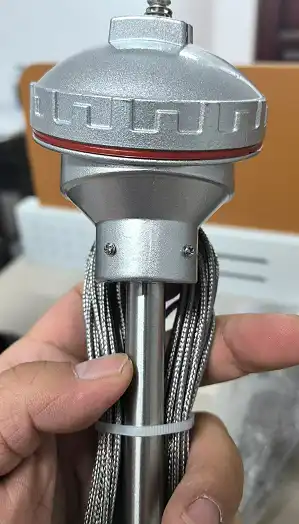
Understanding Industrial Temperature Sensors: Basics and Working Principles
Understanding how sensors work and how signals are sent is the first step to keeping an eye on temperatures effectively.
Defining Industrial Temperature Sensors
Industrial temperature sensors are very different from consumer-grade devices because they are built to last and meet strict standards. It is important that these devices work consistently in places with high pressure, chemicals that break down metal, and mechanical vibration, all while staying accurate within very small ranges. The gadgets turn heat into usable electrical signals, like 4-20mA current loops, 0-10V analog outputs, or digital protocols like Modbus RTU. This makes it possible for them to work with PLC and SCADA systems in factories without any problems.
Primary Sensor Technologies
Three main technologies are used in most manufacturing settings, and each has its own unique way of working. Resistance Temperature Detectors (RTDs) use platinum, nickel, or copper elements whose resistance changes reliably when the temperature changes. When different metal joints experience temperature differences, thermocouples make voltage through thermoelectric effects. Infrared sensors pick up thermal waves from objects without touching them. This is useful for parts that are moving or dangerous materials. By knowing these basic differences, buying teams can match the science of sensors with the needs of applications.
Signal Types and Data Transmission
In industrial settings, strong signal transfer that can handle electromagnetic interference over long wire runs is needed. Current loop signals (4-20mA) are used a lot in automation systems because they are less affected by electrical noise than voltage signals. The live zero at 4mA also has a built-in problem detector. Readings below this level mean that the power is out or the wire is broken. Digital protocols are showing up more and more in current setups. They make diagnostics easier and multi-drop designs make wiring simpler. When choosing industrial temperature sensors, I suggest taking into account the current control architecture and the signal handling needs that come up during the planning stages of integration.
Comprehensive Comparison and Selection Criteria for Industrial Temperature Sensors
When choosing strategic sensors, you have to weigh a lot of performance factors against business needs and price limits.
RTD versus Thermocouple Performance Analysis
RTDs work very well in situations where accuracy and steadiness are important between -200°C and +600°C. Because they have a linear output and can be used over and over, they are perfect for industries like pharmaceutical processing, food production, and chip manufacturing where measures directly affect product specs. On the other hand, thermocouples can handle higher temperatures (up to 2300°C based on the type) and respond more quickly. They can also handle vibrations better.
Metal foundries, glass factories, and petroleum plants often use thermocouple technology in places where temperatures are too high for RTDs to work.The main thing that determines which application is best for an industrial temperature sensor is its technical qualities. The accuracy of RTDs that meet IEC 60751 standards is Class AA (±0.1°C + 0.0017×T), and the accuracy of thermocouples meets ASTM E230 standards with normal or special error limits. The people in charge of buying things need to decide if the extra cost is worth it for the accuracy of the measurements, especially during the testing stages that come before mass production.
Environmental Considerations and Protection Ratings
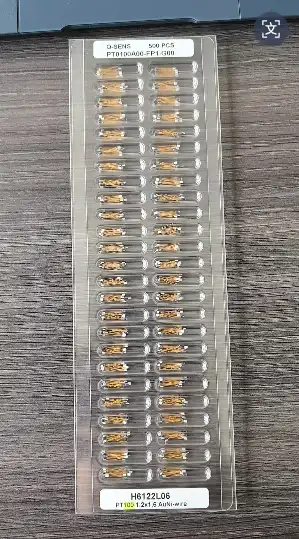
How well the protective design fits the environmental dangers has a big impact on how long the sensor lasts. Materials used for the sheath, such as 316L stainless steel, Inconel 600, or Hastelloy, offer chemical protection that works with certain process chemicals. The ingress protection grades IP67 and IP68 make sure that wetness can't get in, even in wet areas or outside installations. When putting industrial temperature sensors in dangerous places with flammable air, they need to be certified as explosion-proof (ATEX, IECEx). I've seen sensors fail early because the environment wasn't properly described, which shows how important it is to carefully check the site's state during the choosing process.
Calibration Requirements and Long-Term Stability
To keep measurements accurate over many years of use, you need to know about calibration gaps and drift features. When used within their listed limits, good sensors are stable over time and have drift rates below 0.1°C per year. When compared to thermocouples, which lose their connection integrity at high temperatures, RTDs usually keep their limits tighter. Setting up calibration plans that work with quality control systems is the best way to keep things accurate. This is especially important in regulated fields like making medical devices or aerospace parts, where accurate measurements are needed for certification.
Installation, Calibration, and Maintenance of Industrial Temperature Sensors
When sensors are deployed correctly, they work better, last longer, and make less mistakes when taking measurements.
Installation Best Practices
Choosing the right immersion levels and mounting options is the first step to installing sensors correctly. To keep the temperature even, the measuring element needs to stick out far enough into the process medium so that it doesn't get stressed by fluid flow or material movement. Thermowell designs offer mechanical safety in high-speed situations, but they cause thermal lag that slows down reaction time. By not installing near heat sources, cold sinks, or places with unusual temperature patterns, you can avoid measurement bias that hurts the performance of the control system.
When using RTD sensors, where circuit resistance affects accuracy, lead wire route needs extra care. Three-wire and four-wire configurations both account for lead resistance. Four-wire designs offer the highest level of accuracy by keeping the activation and measurement circuits separate. Signal purity is protected by keeping the signal away from power lines and other sources of electromagnetic noise. Checking the correct grounding and shield closure during commissioning stops ground loops that cause measuring drift.
Calibration Procedures and Verification
Setting up calibration procedures helps keep measurement accuracy over the life of an industrial temperature sensor. Verification against traceable reference standards once a year is good for most uses, but sensors that work near their temperature limits or in harsh settings may need to be checked more often. As part of the calibration process, the sensor output is compared to known temperature references across the working range. Deviations are recorded, and changes are made when readings go outside of the tolerance bands. I suggest keeping thorough records of calibrations to help with quality checks and make predictive repair plans work better.
Troubleshooting Common Issues
Several types of failures happen over and over again in industrial settings, and each one has its own set of signs. Moisture getting in through broken seals can lead to readings that aren't consistent or signal loss completely. This is especially true for sensors that don't have enough IP ratings. It can be hard to figure out what's wrong with periodic problems caused by mechanical vibrations that break thermocouple junctions or loosen RTD element connections. Chemical corrosion breaks down protected sheaths, letting process media touch sensor elements and speeding up drift or failure. By understanding these trends, support teams can quickly find the root causes of problems and take steps to fix them, which reduces downtime.
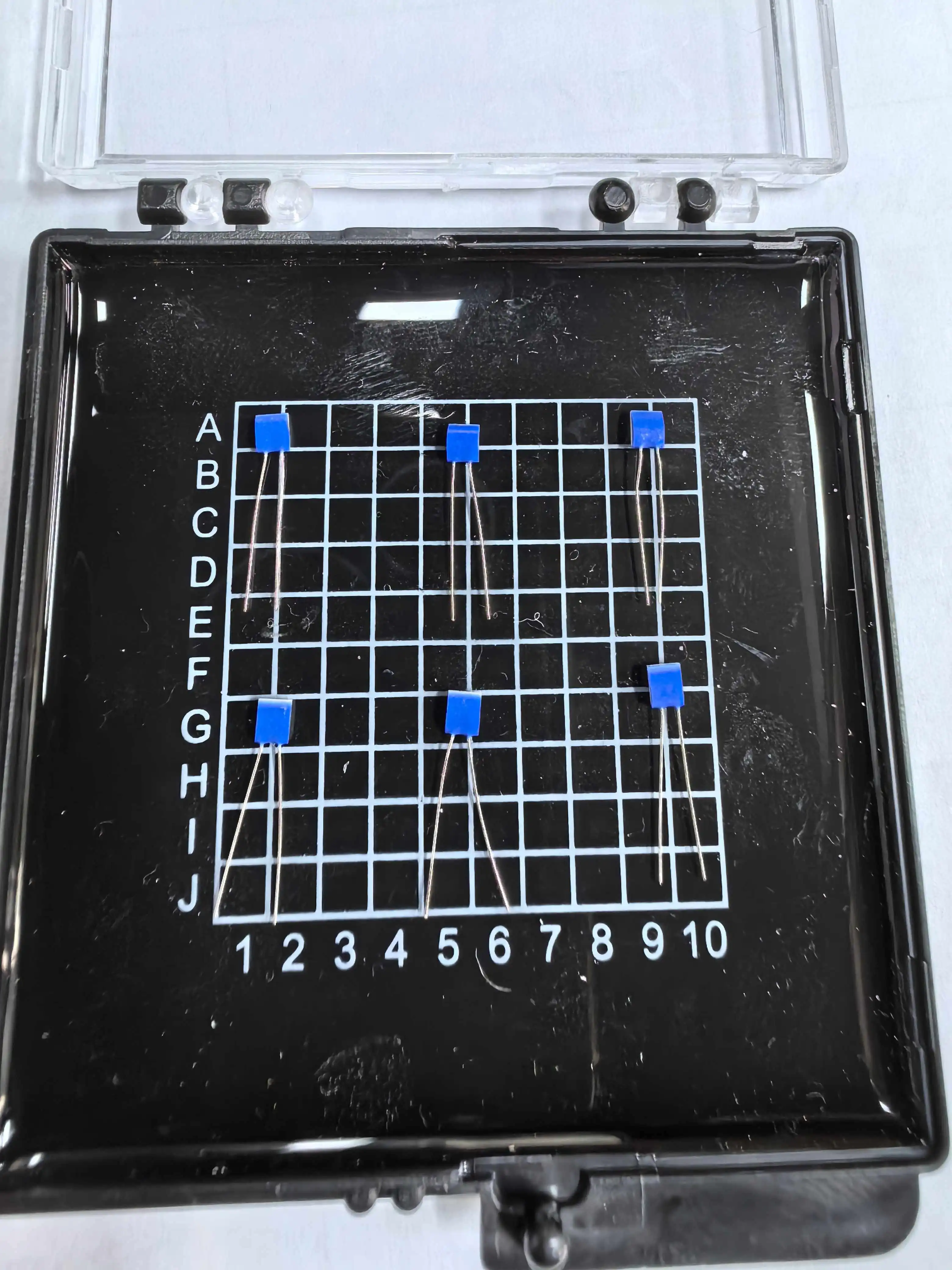
Industrial Temperature Sensor Applications and Benefits in Automation
Industrial temperature sensors are used in many fields to improve operations and stay ahead of the competition by managing temperatures precisely.
Manufacturing Process Control
Closed-loop control systems keep the quality of the product high during both batch and continuous production. They are based on industrial temperature sensors. Sensors built into Clean-in-Place (CIP) systems and pasteurization lines in the food and beverage processing industry need to have 3-A or EHEDG sanitary standards to ensure safety. These systems can handle frequent changes in temperature between room temperature and a temperature used for sanitation.
They also don't let water in, which could damage the electrical integrity. High-temperature thermocouples (Types R, S, or B) are used in furnaces and kilns for heat treatment of metals. Precise annealing and tempering processes determine the final qualities of the material. Getting the right microstructures in specialty metals requires accuracy within very small error ranges. This directly connects the performance of sensors to the worth of the product.
Energy Management and Efficiency Optimization
Besides checking the quality, keeping an eye on the industrial temperature sensor data also helps with energy-saving projects that lower costs and lessen the damage to the environment. In petrochemical plants, sensors are used in the distillation columns and reactors to collect data that helps improve the performance of heat exchangers and cut down on energy waste. These harsh settings need designs that can survive explosions, high pressures, and corrosive hydrocarbons while still keeping the accuracy of the measurements. Better temperature control often justifies the high cost of sensors by saving money on energy over time. This is called "rapid payback."
Predictive Maintenance Capabilities
Temperature data is used by modern robotic systems to keep an eye on their conditions and plan ahead for repair. Unusual thermal patterns show that equipment is having problems before they become catastrophic. This lets scheduled repairs be made that reduce unexpected downtime. Monitoring the temperature of bearings in moving machinery, keeping an eye on motor windings, and taking pictures of the temperature of power distribution are all examples of uses where sensors allow for proactive repair. The performance features of an industrial temperature sensor, such as its wide measurement range (-200°C to +2300°C) and high insulation resistance (>100MΩ at 500VDC), make sure that it works reliably in all of these different tracking situations.
Procurement Guide: Buying Industrial Temperature Sensors for Your Business
To get through the provider selection and specification processes, you need to carefully look at their professional skills, their pricing, and their support systems.
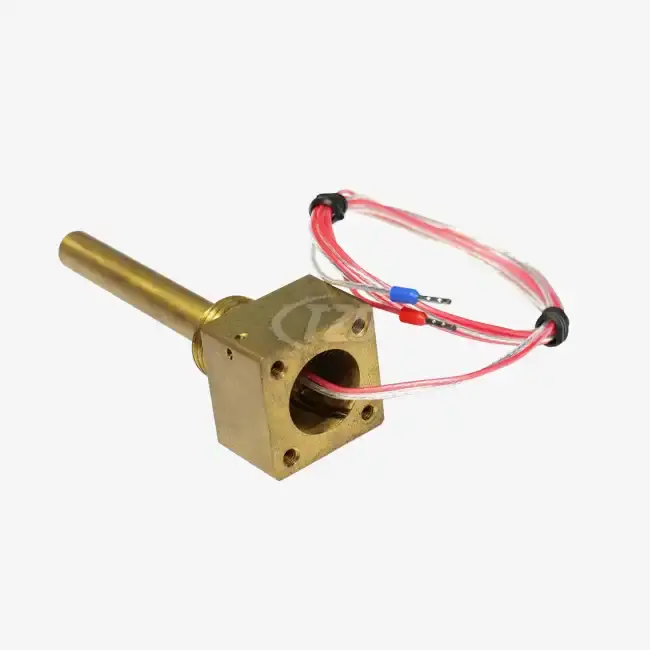
Evaluating Supplier Capabilities
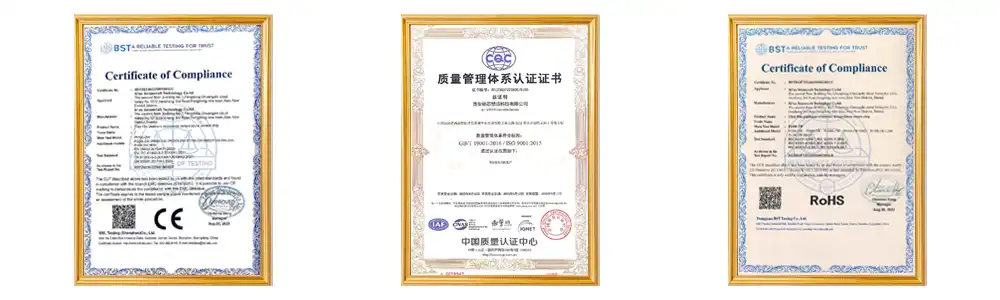
Well-known companies like Honeywell, Siemens, Omega, and ABB are in the global industrial temperature sensor market. Each of them has its own product lines and ways of providing services. When you evaluate a provider, you look at their technical knowledge, ability to make changes, and application engineering help. Field Application Engineers (FAE) are very helpful when it comes to writing specifications because they help match sensor features to process needs and spot possible integration problems. Suppliers who keep their ISO 9001 quality management systems and related product certifications (ROHS, CE, UL) show that they are committed to manufacturing standards that are always met.
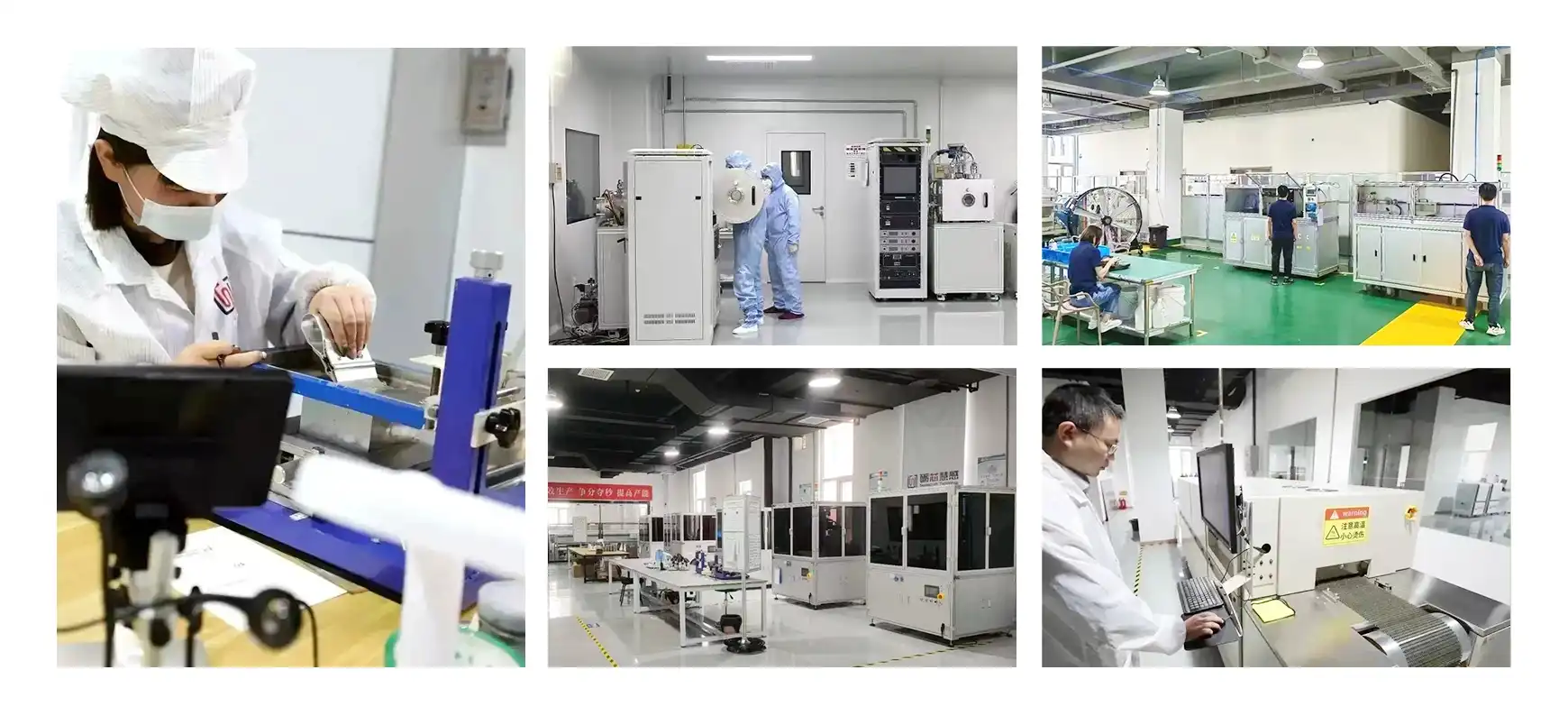
New sellers from areas that focus on technology are becoming more and more affordable, especially when it comes to custom solutions that need special sensing elements or packaging arrangements. Xi'an Tongzida Technology is a good example of this trend because it has developed a wide range of skills, including designing chips, making sensors, and putting systems together. Their thin film platinum resistor technology is very accurate (±0.01Ω, 1/30B level) and has long-term stable drift of less than 0.04%, which meets strict requirements for use in medical, automotive, and aircraft settings. When purchasing teams look at these specialized makers along with well-known names, they have more choices when balancing performance needs with business needs.
Pricing Structures and Total Cost of Ownership
The price of an industrial temperature sensor depends on a number of things, such as the sensing technology, the level of accuracy, the level of customization, and the protective structure. Individual unit prices for standard stock items are usually the best, while custom designs with specific dimensions, lead setups, or calibration needs command higher prices. When you commit to buying a lot of something, you can often get better prices. However, because industrial automation has long testing processes (several months to years), you need to be very good at predicting demand when you're negotiating.
The total cost of ownership includes more than just the purchase price. It also includes the costs of calibration, upkeep, and the time and money lost if an industrial temperature sensor fails during a process. High-reliability sensors with better long-term stability and longer contracts may be worth the extra money at first because they save money over time. I tell buying teams to fully model these factors, especially in cases where sensor failure leads to costly downtime or changes in product quality.
After-Sales Support and Supply Chain Reliability
The technical support system has a big effect on how well industrial temperature sensors are deployed and how they are used in the future. Respondent customer service teams help with installation questions, working problems, and getting new parts to customers quickly when they break. When it comes to routine questions, manufacturers with regional service centers and expert staff can answer faster than providers who need to coordinate with other countries.
Pay close attention to the security of the supply chain because of the long-term patterns of teamwork that happen after industrial temperature sensors are successfully installed. Making sure that parts will be available for the expected length of time that a product will last stops needless redesigns or source changes that mess up production plans. Suppliers who show production depth through controlled chip fabrication and sensor assembly processes usually offer better supply security than wholesalers who rely on external supply chains that could run out of stock or become obsolete.
Conclusion
When choosing industrial temperature sensors, you have to weigh the technical specs, compatibility with the surroundings, and provider skills against the needs of the business and the budget. By understanding the main differences between RTD, thermocouple, and infrared technologies, you can choose the right sensor physics for your needs. The accuracy of measurements and the life of sensors are both increased by following the right steps for installation, testing, and upkeep. When making choices about what to buy, it's better to look at the total cost of ownership, the stability of the supply chain, and the help that comes after the sale than just the initial purchase price.
FAQ
What distinguishes RTDs from thermocouples in industrial applications?
RTDs are very accurate and stable at temperatures below 600°C, which makes them perfect for pharmaceutical and food processing tasks that need to keep tight tolerances. Thermocouples can handle higher temperatures, respond faster, and are less likely to be damaged by vibration. This makes them ideal for use in petrochemical and metal working settings where RTDs can't handle the harsh circumstances.
How frequently should industrial temperature sensors undergo calibration?
Most applications only need to be calibrated once a year, but industrial temperature sensors that work near their temperature limits or in harsh settings should be checked more often. Different industries have different standards. For example, medical and aerospace apps often need stricter schedules to support legal compliance and product tracking needs.
Can temperature sensors be customized for specific process requirements?
Reliable makers let you make a lot of changes to the sheath materials, sizes, lead configurations, and protection grades so that they work best in your specific process. Custom calibration ranges and accuracy classes can be used for specific measurement needs, but they usually take longer to make and cost more than regular stock goods.
Partner with Tongzida for Advanced Temperature Sensing Solutions
Tongzida is an expert at making specific industrial temperature sensors that are used in industries like aircraft, medical equipment, robotics, car electronics, and robotics. IEC60751 standards are met by our thin film platinum resistor technology, which has temperature coefficients of 3850ppm/℃ over a wide measurement range of -200℃ to +850℃. Specifications for accuracy of up to ±0.01Ω (1/30B level) and long-term stability drift of up to ≤0.04% meet important process control needs where measurement accuracy has a direct effect on product quality.
Our custom solutions come in a range of sizes (1.2mm to 4.0mm), lead materials (platinum nickel, silver nickel, and pure platinum), and response times as fast as 0.05 seconds for dynamic tracking uses. Get in touch with our engineering team at sales11@xatzd.com to talk about your industrial temperature sensor tracking needs and find out how our industrial temperature sensor source can help your automation projects by providing you with reliable, high-performance solutions and full technical support.
References
1. "Temperature Measurement Fundamentals and Industrial Applications," American Society for Testing and Materials, ASTM International Standards Publication E20-22, 2022.
2. "Industrial Process Control: Sensor Technologies and System Integration," Institute of Electrical and Electronics Engineers, IEEE Control Systems Society Technical Report, 2021.
3. "Platinum Resistance Thermometer Calibration Procedures," International Electrotechnical Commission, IEC 60751 Standard Fourth Edition, 2022.
4. "Thermocouple Specifications and Performance Characteristics," National Institute of Standards and Technology, NIST Technical Monograph Series, 2021.
5. "Temperature Sensor Selection for Harsh Industrial Environments," International Society of Automation, ISA Technical Paper Collection Volume 47, 2023.
6. "Quality Management Systems for Measurement Equipment: Calibration and Verification Protocols," International Organization for Standardization, ISO 10012:2023 Standard Guidelines.
Learn about our latest products and discounts through SMS or email