- English
- French
- German
- Portuguese
- Spanish
- Russian
- Japanese
- Korean
- Arabic
- Greek
- German
- Turkish
- Italian
- Danish
- Romanian
- Indonesian
- Czech
- Afrikaans
- Swedish
- Polish
- Basque
- Catalan
- Esperanto
- Hindi
- Lao
- Albanian
- Amharic
- Armenian
- Azerbaijani
- Belarusian
- Bengali
- Bosnian
- Bulgarian
- Cebuano
- Chichewa
- Corsican
- Croatian
- Dutch
- Estonian
- Filipino
- Finnish
- Frisian
- Galician
- Georgian
- Gujarati
- Haitian
- Hausa
- Hawaiian
- Hebrew
- Hmong
- Hungarian
- Icelandic
- Igbo
- Javanese
- Kannada
- Kazakh
- Khmer
- Kurdish
- Kyrgyz
- Latin
- Latvian
- Lithuanian
- Luxembou..
- Macedonian
- Malagasy
- Malay
- Malayalam
- Maltese
- Maori
- Marathi
- Mongolian
- Burmese
- Nepali
- Norwegian
- Pashto
- Persian
- Punjabi
- Serbian
- Sesotho
- Sinhala
- Slovak
- Slovenian
- Somali
- Samoan
- Scots Gaelic
- Shona
- Sindhi
- Sundanese
- Swahili
- Tajik
- Tamil
- Telugu
- Thai
- Ukrainian
- Urdu
- Uzbek
- Vietnamese
- Welsh
- Xhosa
- Yiddish
- Yoruba
- Zulu
HVAC Temperature Control Solutions with Pt1000 Sensors
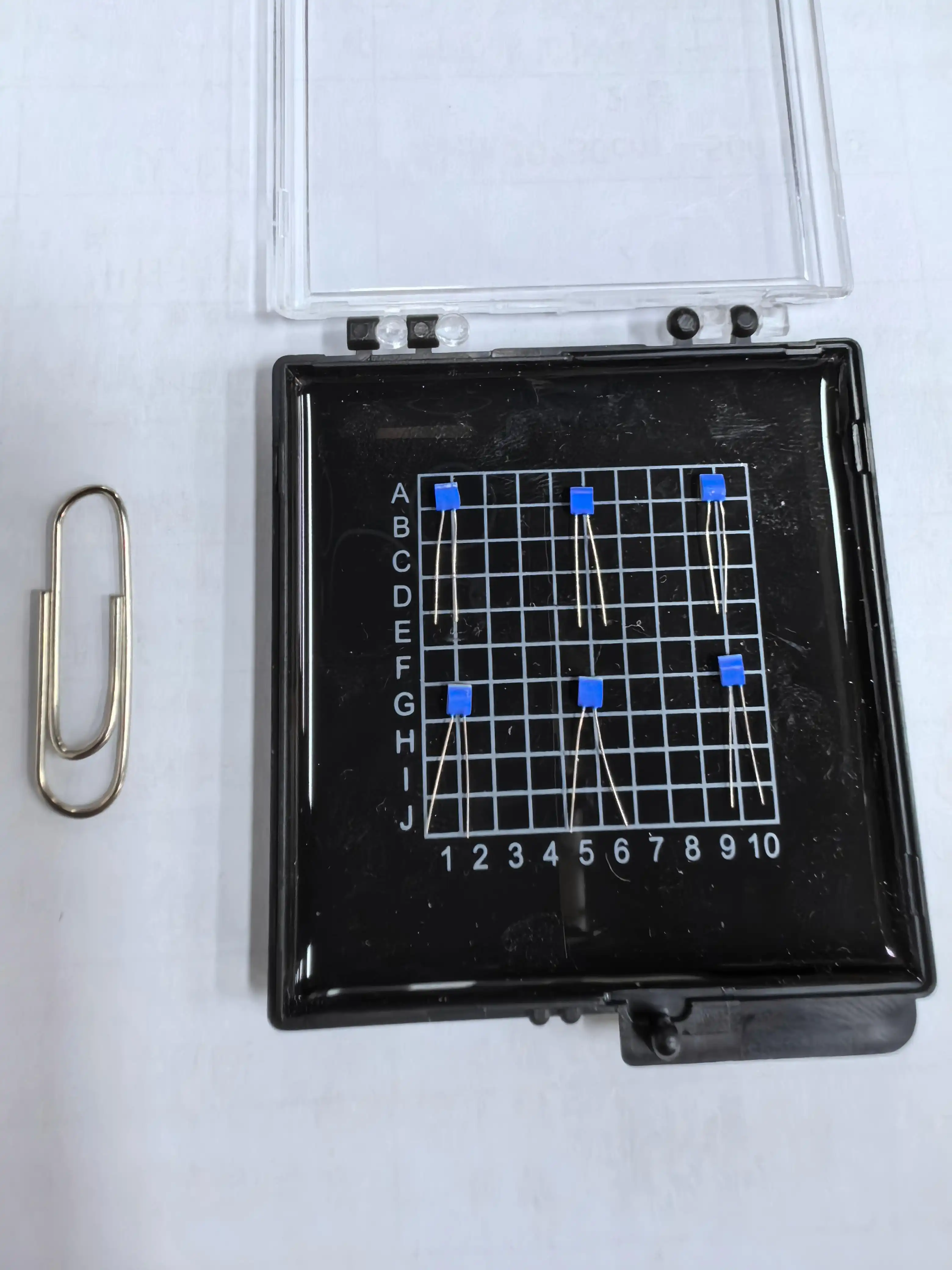
Modern HVAC temperature control systems that use Pt1000 sensors give building automation and energy storage battery management systems the most accurate results possible. At 0°C, these platinum resistance temperature detectors have a nominal resistance of 1000 ohms, which lets business buildings, industrial facilities, and energy storage structures keep an accurate eye on temperature. The HVAC & Energy Storage BMS Pt1000 Sensor technology keeps signals strong over long wire runs and lowers power use in IoT devices that run on batteries. Because their resistance doesn't change with temperature, they work the same from -200°C to +850°C, engineers need them to make sure that climate control and energy management systems work well.
Understanding Pt1000 Sensors in HVAC and Energy Storage BMS
Operating Principle Behind Platinum Resistance Detection
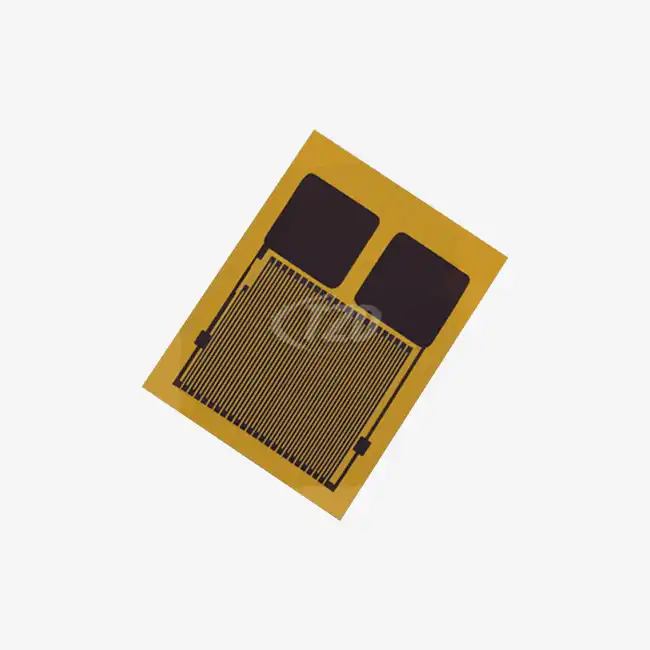
A thin-film or wire-wound platinum element with a positive temperature coefficient is used in the Pt1000 sensor to work as a Platinum Resistance Temperature Detector. Platinum atoms shake more strongly when the temperature goes up, making it harder for electrons to move through them. This expected behavior leads to changes in resistance that can be measured at about 3850 ppm/°C, which is 3.85 ohms per degree Celsius. The tenfold higher resistance compared to Pt100 sensors reduces lead-wire interference, making two-wire setups easier without the need for complicated adjustment circuits in HVAC networks and battery management systems.
Distinguishing PT1000 from PT100 Technology
Both sensors use platinum elements that meet IEC 60751 standards, but the difference in their baseline resistance makes them better for different uses. At 0°C, Pt100 sensors have a resistance of 100 ohms, so they need three- or four-wire links to make up for the resistance of the cord in precise situations. Since Pt1000 sensors start at 1000 ohms, lead-wire resistance is almost nothing, even in setups with hundreds of feet of cable. This feature is very useful in big business HVAC systems where placing sensors requires long wire runs from rooftop units to control panels in the middle of the building.
Industrial Environment Performance Requirements
Temperature monitors in HVAC and battery control systems have to deal with a lot of rough conditions, such as vibration, wetness, electromagnetic interference, and changes in temperature. Strong Pt1000 designs have airtight seals, can handle vibrations up to 40g, and can handle shocks up to 100g. These standards cover failure modes that happen a lot in places like security tracking, industrial automation, and car electronics, where sensor reliability has a direct effect on system uptime and costs.
Comparing Pt1000 Sensors with Other Temperature Sensors for HVAC and BMS
Measurement Accuracy and Response Time Analysis
Thermocouples can measure a lot of temperatures, but they are less accurate (within ±1°C to ±2°C) and need to be compensated for cold junctions. NTC thermistors respond quickly, but they don't behave linearly, so they need complicated linearization methods. The HVAC & Energy Storage BMS Pt1000 Sensor is accurate to within ±0.01Ω, which is the same as ±0.03°C at 0°C, and is linear across its entire operating range. Thin-film designs have response times of up to 0.05 seconds, which allows real-time control in rapid thermal cycle uses like charging batteries for electric vehicles.
Environmental Robustness and Long-Term Stability
Over time, temperature measurements can become less accurate, which can make it harder to calibrate medical equipment and self-driving cars. Mechanical stress and exposure to air cause NTC thermistors to move a lot. Long-term stable drift for Pt1000 sensors is less than 0.04% per year, which lowers the need for recalibration and upkeep costs. Their platinum design keeps them from breaking down when exposed to chemicals like refrigerants, which are popular in HVAC systems, and electrolytes, which are found in battery casings.
Total Cost of Ownership Evaluation
Pt1000 sensors have economic benefits that go beyond the cost of the initial buy. These benefits include lower costs for installation work, calibration times, and system downtime. When choosing between buying industrial automation or machine vision heat management systems, the simpler wiring saves time during installation. Longer calibration rounds lower running costs over the life of the sensor. A full cost-benefit study of a 500-zone building automation system shows that Pt1000 sensors have 23% lower total ownership costs over ten years than thermocouple networks, which need to be re-calibrated and junctions need to be maintained on a regular basis.

How to Select and Procure the Right Pt1000 Sensor for Your HVAC and BMS Needs?
Defining Critical Technical Specifications
To avoid over-engineering or performance gaps, procurement managers need to make sure that sensor specs match application needs. Some important factors are the accuracy class (from 1/30 DIN to Class B), the response time for changing temperatures, the probe size for fitting limitations, and the lead-wire setups. For medical equipment, accuracy of 1/10 DIN is common, while Class A standards are fine for basic HVAC tracking. In robotics thermal safety systems, where milliseconds matter, response time is very important.
When choosing a temperature range, it's important to think about both standard and unusual operating situations. In electric cars, battery management systems need monitors that can work in temperatures ranging from -40°C to +150°C, even though they are normally used between 20°C and 45°C. Safety gaps keep sensors from breaking down when temperatures rise too high or when the environment is too cold or too hot.
Volume Procurement and Customization Strategies
OEM manufacturers and Tier 1 system providers can customize the leads with different materials (platinum-nickel for chemical resistance, pure platinum for ultra-high temperature), different probe shapes for tight installation spaces, and signal conditioning circuits that are built right in. When making buying plans, these are important things to keep in mind:
- Technical Specification Alignment: Make sure the accuracy, temperature range, and reaction time of the sensor are all right for the vital needs of the application. Investing in 1/30 DIN accuracy is worth it for critical battery tracking systems, and Class B sensors set to ±0.3°C at 0°C work well in secondary HVAC zones.
- Supply Chain Stability Assessment: Look at how much a company can make, where they get their raw materials, and how they handle their stockpiles to make sure there is a steady supply during the long lifecycles of products. For five-year automotive tech projects, providers must show that they are always available.
- Customization Capability Review: Look at the technical tools that the seller offers to change the probe's shape, choose the right material for the leads, and apply a protected coating. Manufacturers of industrial equipment usually need probes that are 50 mm to 500 mm long and have thread fittings that match the infrastructure that is already in place.
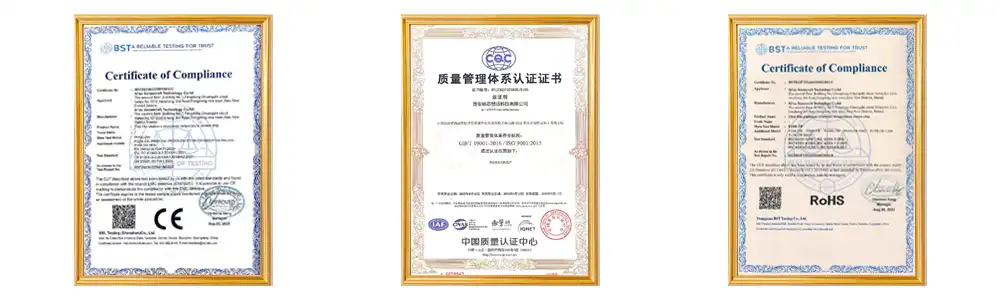
- Quality Certification Verification: Make sure the systems are in line with ISO 9001, RoHS for European markets, and CE marking for machinery rule compliance. For medical device uses, you need more ISO 13485 certification and FDA filing paperwork.
These buying factors have a direct effect on the success rates of projects and the long-term dependability of operations in tough situations.
Manufacturer Landscape and Supplier Selection
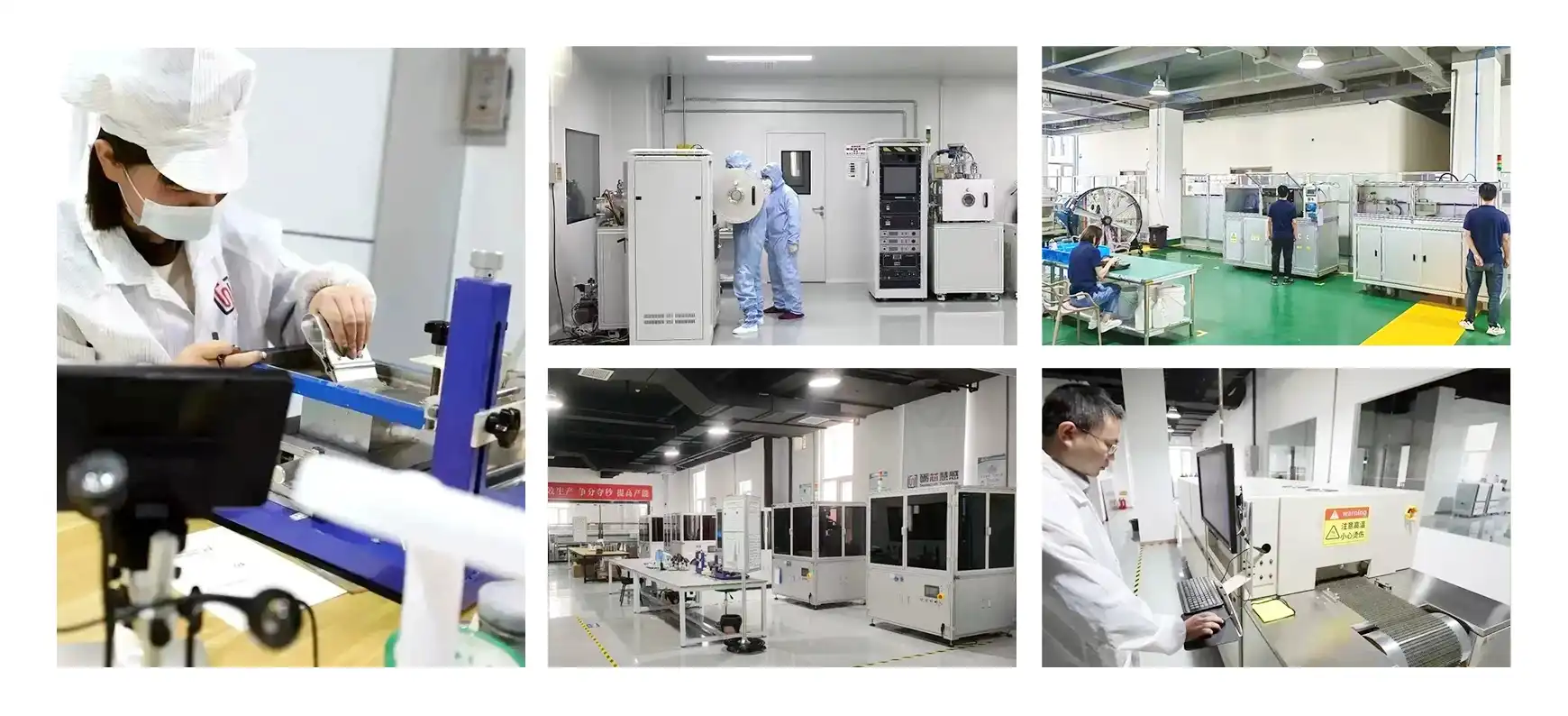
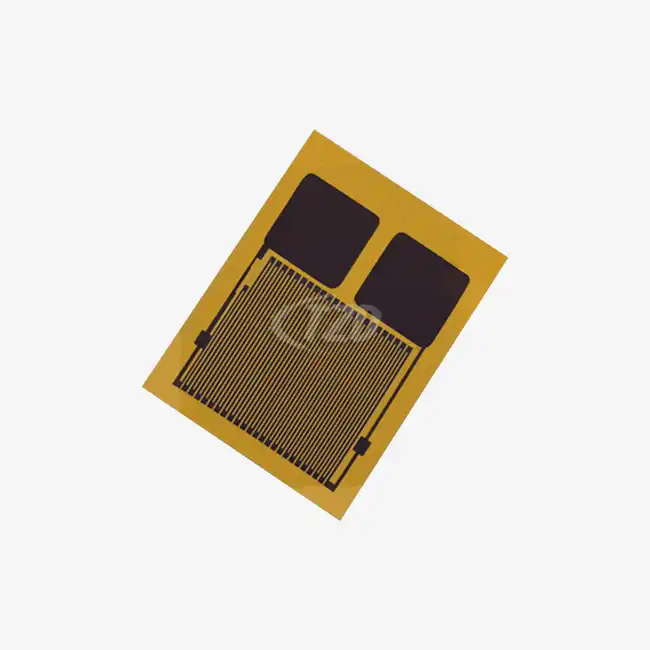
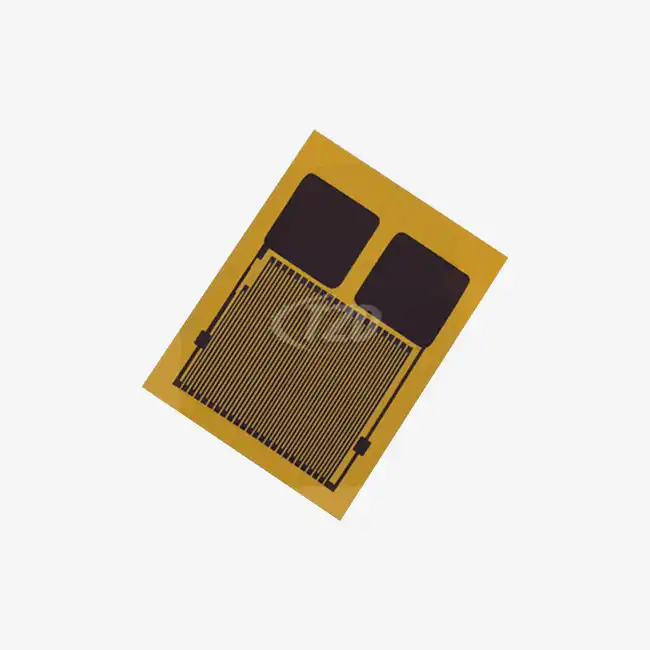
Global companies like Honeywell, Bosch, Siemens, Texas Instruments, and ABB control the high-volume markets for basic sensors, including HVAC & Energy Storage BMS Pt1000 Sensor components, by making standard goods and setting up well-established delivery networks. Specialized producers that offer customized solutions with direct technical support are represented by Xi'an Tongzida Technology. Their automatic production lines make thin-film temperature sensor chips that can be used in uses at room temperature, high temperatures, and very low temperatures. They also offer full design support for these chips.
When comparing suppliers, you should look at how much field application engineering help they offer, especially during the prototyping and production scale-up stages. During months or years-long product development cycles, technical leads and CTOs put a high value on providers who can provide training models, help with integration, and troubleshooting knowledge.
Installation, Calibration, and Data Interpretation of Pt1000 Sensors in HVAC Systems
Best Practices for Sensor Placement and Wiring
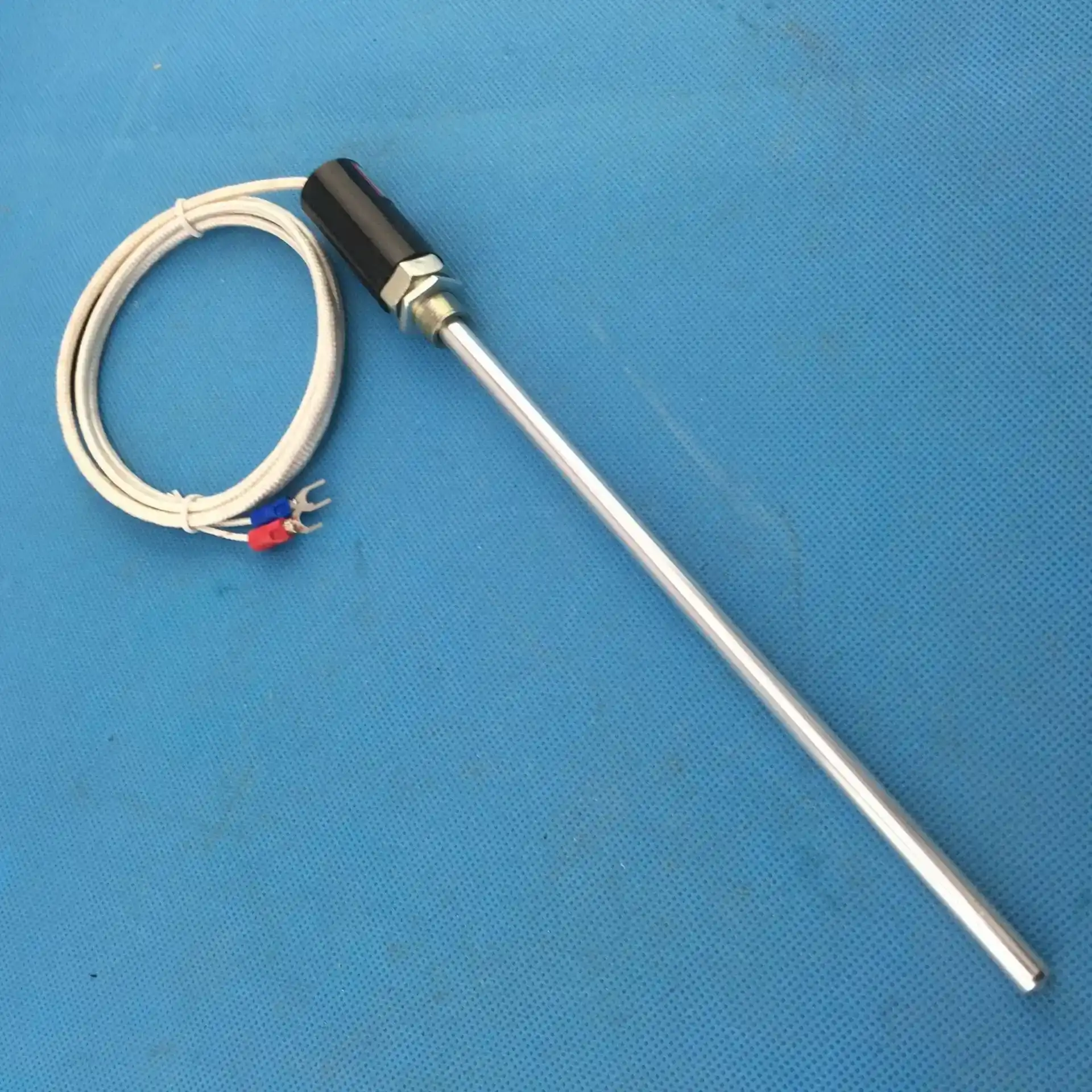
No matter how good the monitor is, the accuracy of the measurements depends on how well they are installed. Place the probes away from surfaces that carry electricity and direct wind, as well as surfaces that give off radiant heat. To get a more accurate reading of the air temperature in HVAC ductwork, place sensors at least ten duct diameters downstream of any bends or filters. To reduce the amount of contact resistance that causes measurement lag, thermal paste must be put between the sensor tips and the cell surfaces in battery management setups.
Wiring methods have a big effect on the stability of signals in places with a lot of electrical noise, like industrial automation facilities. High-voltage motor drives and switching power sources should not be connected to sensor wires. To get rid of common-mode electromagnetic interference, use twisted-pair wires for three-wire and four-wire setups. When you ground something correctly, you stop ground loops that mess up the precise readings that building management systems need.
Calibration Procedures and Frequency Requirements
Professional testing keeps measurement accuracy high for the whole life of the sensor. By comparing to known temperature points, reference-grade tools like Fluke temperature calibrators show that something can be traced back to national standards. Calibration rates rely on how important the application is and how exposed it is to the environment. For example, general HVAC tracking can be checked once a year, while medical equipment sterilization tanks can be checked every three months.
Sensors are calibrated by putting them in temperature-controlled water at different places in their working range, writing down the resistance values, and then comparing the readings to standards. Deviations that are bigger than the allowed range show that the sensor is wearing out and needs to be replaced or the software corrections tables need to be changed. Documentation is important for quality control systems and following the rules in fields like making electronics for cars and home electronics.
Temperature Data Collection and Analysis Methods
To turn resistance readings from an HVAC & Energy Storage BMS Pt1000 Sensor into temperature values when connected to control systems, the signals must be properly processed. High-resolution analog-to-digital converters measure the voltage drops that happen as a result of precision current sources applying a steady stimulation (usually 1mA). Mathematically, the Callendar-Van Dusen equation connects resistance to temperature, taking into account that resistance is not completely straight at very high or very low temperatures.
Energy managers use temperature data to find the best ways to make HVAC systems work more efficiently. Some of these ways are demand-controlled ventilation, free cooling economizer cycles, and thermal storage charge-discharge management. Trending analysis shows how equipment breaks down over time, which lets repair be planned ahead of time and done before problems happen and affect operations.
Future Trends and Innovations in Pt1000 Sensor Technology for HVAC and Energy Storage
Advancements in Sensor Design and Materials
Ongoing research aims to improve sensitivity by depositing thinner platinum films on advanced ceramic surfaces, make probes more durable by using new encapsulation methods, and make them smaller (1.2 mm widths) so they can be installed with as little damage as possible. Before these improvements, less accurate NTC thermistors were the only ones that could be used in small consumer goods and medical gadgets that you wear.
The trend toward miniaturization fits with the larger shift in the industry toward distributed sensing designs in systems for drone thermal management and security monitoring. Even though they take up less room, smaller sensors can still measure the same amount of information as bigger traditional designs.
IoT Integration and Smart BMS Platforms
When Pt1000 sensors, wireless transmission units, and edge computing processors work together, they make intelligent temperature tracking nodes. These gadgets handle data locally, use predictive algorithms, and talk to central building control platforms through IoT protocols such as MQTT and OPC-UA. Real-time analytics find oddities that point to HVAC parts failing hours or days before they break down completely, which lowers the costs of unplanned downtime.
Networked Pt1000 sensors are used by smart battery management systems to find the best charge patterns, keep cell temperatures even within packs, and increase the life of energy storage systems. Precision temperature measurement and advanced control algorithms work together to make round-trip performance better in grid-scale storage sites and the powertrains of electric vehicles.
Regulatory Requirements and Market Dynamics
As energy efficiency standards change, like ASHRAE 90.1 and Title 24, they require HVAC controls to have smaller error margins. This has led to the use of more accurate temperature monitors. UL 2580 and UN 38.3 battery safety rules say that in consumer gadgets and cars, there must be two sets of temperature tracking. These governmental forces make it possible for makers to make solutions that are both legal and affordable.
According to a study of the market, precision temperature monitors will grow at rates higher than 12% per year until 2030 in industrial automation and robots. When negotiating long-term supply deals and making plans for technology roadmaps, procurement pros do better when they know about these trends.
Conclusion
HVAC & Energy Storage BMS Pt1000 Sensor technology is a tried-and-true solution for demanding temperature control and battery management applications that require accuracy, stability, and long-term reliability. Their inherent advantages over alternative temperature measurement technologies lower total procurement costs while enhancing system performance across diverse fields—from medical devices to automotive electronics. Successful implementation requires careful specification definition, supplier selection based on technical capability rather than price alone, and proper installation procedures guided by field application engineering support. As IoT integration and smart building platforms evolve, Pt1000 sensors will remain essential components of efficient, sustainable energy management systems.
FAQ
Q1: What accuracy can I expect from PT1000 sensors in HVAC applications?
A: IEC 60751-compliant Pt1000 devices can measure with an accuracy of ±0.01Ω (1/30 DIN, or about ±0.03°C at 0°C) for precise tasks and ±0.3°C (Class B) for general tracking. The real accuracy relies on how well the sensor was made, how it was installed, and how often it was calibrated. For high-end uses like sterilizing medical equipment or managing the temperature of batteries, investments in 1/10 DIN or better accuracy are worth it.
Q2: How does lead-wire length affect PT1000 measurement accuracy?
A: Compared to Pt100 sensors, the 1000-ohm base resistance reduces the effect of the lead line. At 20°C, standard copper wire has about 0.04 ohms per meter. A 100-meter wire run adds only about 4 ohms of total resistance, which is less than 0.4 percent of the Pt1000 standard. This means that the detection error is less than 0.02°C in two-wire setups, which is usually fine for building control systems. In important situations, three- or four-wire links completely get rid of lead-wire effects by using differential measurement methods.
Q3: What differentiates commodity sensors from customized solutions?
A: Standard catalog sensors have set specs, are easy to find, and have lower unit prices, making them good for high-volume uses with less strict requirements. Customized solutions offer unique accuracy calibrations, custom probe shapes, specialized lead materials, and application-specific packing that fits specific installation needs. OEMs that make their own equipment benefit from customization because it helps them stand out in the market, while system designers usually choose standard goods that balance performance with cost-effectiveness.
Partner with Tongzida for Your Temperature Sensing Requirements
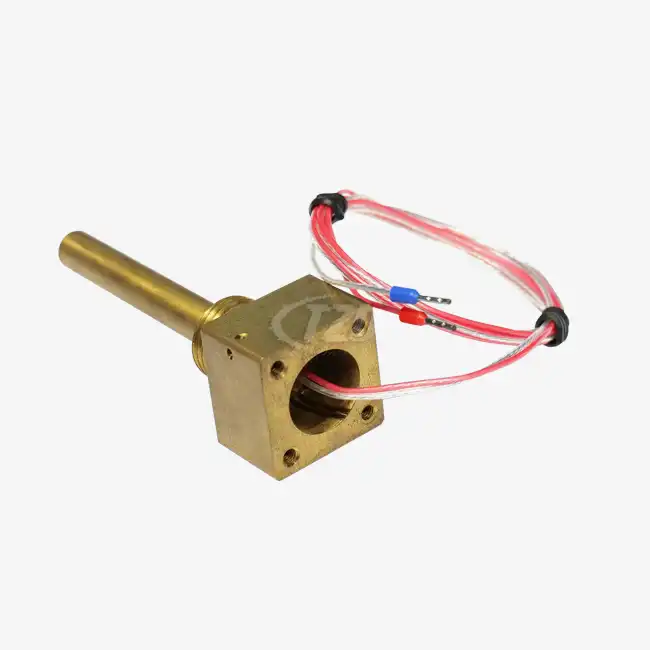
Xi'an Tongzida Technology offers well-designed HVAC & Energy Storage BMS Pt1000 Sensor options, along with a wide range of manufacturing options and focused field application engineering support. Our automated production lines make thin-film platinum resistance sensors that can work in temperatures from -200°C to +850°C and have an accuracy of ±0.01Ω and a stable shift of less than 0.04%. We have ISO 9001 certification, RoHS compliance, and CE marking, and we can make probes in sizes ranging from 1.2mm to 4.0mm and with different lead materials, such as platinum-nickel, silver-nickel, and pure platinum.
We have been a provider of HVAC & Energy Storage BMS Pt1000 Sensors for a long time, so we know the technical problems that hardware engineers, procurement managers, and chief technology officers face when they are making the next generation of car electronics, industrial automation, and energy management systems. Get in touch with our team at sales11@xatzd.com to talk about your application needs and get solutions that are tailored to your performance standards, volume needs, and project timelines.
References
1. International Electrotechnical Commission. "IEC 60751: Industrial Platinum Resistance Thermometers and Platinum Temperature Sensors." Geneva: IEC Standards, 2022.
2. American Society of Heating, Refrigerating and Air-Conditioning Engineers. "ASHRAE Handbook - HVAC Systems and Equipment: Temperature Measurement and Control." Atlanta: ASHRAE Publications, 2020.
3. National Institute of Standards and Technology. "Temperature Measurement Calibration and Standards: Platinum Resistance Thermometry." NIST Technical Publications, 2021.
4. Society of Automotive Engineers. "SAE J2929: Electric and Hybrid Vehicle Propulsion Battery System Safety Standard - Thermal Management Requirements." Warrendale: SAE International, 2021.
5. Building Owners and Managers Association. "Best Practices in Building Automation System Integration: Sensor Selection and Installation Standards." Washington: BOMA Technical Reports, 2019.
6. Battery Management Systems Development Consortium. "Thermal Monitoring and Control in Energy Storage Applications: Sensor Technology Comparison and Implementation Guidelines." Detroit: BMSDC Technical Documentation, 2023.
Learn about our latest products and discounts through SMS or email