- English
- French
- German
- Portuguese
- Spanish
- Russian
- Japanese
- Korean
- Arabic
- Greek
- German
- Turkish
- Italian
- Danish
- Romanian
- Indonesian
- Czech
- Afrikaans
- Swedish
- Polish
- Basque
- Catalan
- Esperanto
- Hindi
- Lao
- Albanian
- Amharic
- Armenian
- Azerbaijani
- Belarusian
- Bengali
- Bosnian
- Bulgarian
- Cebuano
- Chichewa
- Corsican
- Croatian
- Dutch
- Estonian
- Filipino
- Finnish
- Frisian
- Galician
- Georgian
- Gujarati
- Haitian
- Hausa
- Hawaiian
- Hebrew
- Hmong
- Hungarian
- Icelandic
- Igbo
- Javanese
- Kannada
- Kazakh
- Khmer
- Kurdish
- Kyrgyz
- Latin
- Latvian
- Lithuanian
- Luxembou..
- Macedonian
- Malagasy
- Malay
- Malayalam
- Maltese
- Maori
- Marathi
- Mongolian
- Burmese
- Nepali
- Norwegian
- Pashto
- Persian
- Punjabi
- Serbian
- Sesotho
- Sinhala
- Slovak
- Slovenian
- Somali
- Samoan
- Scots Gaelic
- Shona
- Sindhi
- Sundanese
- Swahili
- Tajik
- Tamil
- Telugu
- Thai
- Ukrainian
- Urdu
- Uzbek
- Vietnamese
- Welsh
- Xhosa
- Yiddish
- Yoruba
- Zulu
OEM Guide to Buying Pt1000 Temperature Sensors in Bulk
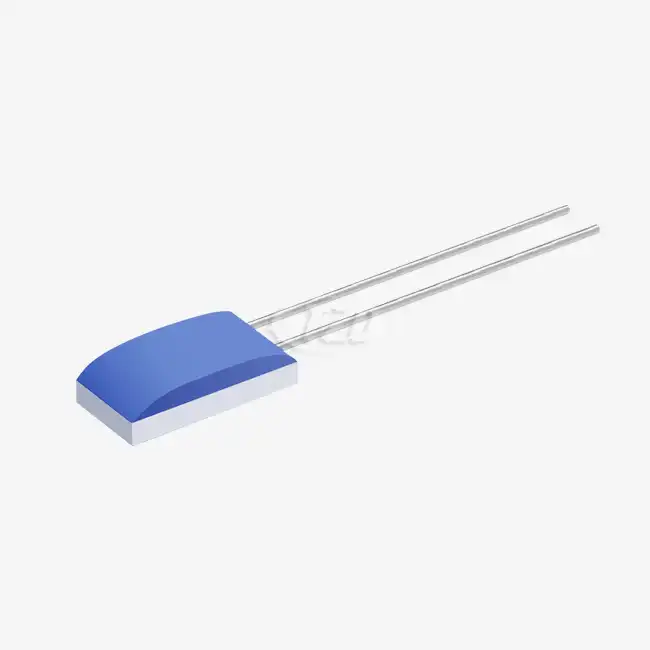
When looking for precise temperature monitors for mission-critical uses, it's important to know how Pt1000 TC3750 thin film RTD elements work. At 0°C, these sensors have a baseline resistance of 1000 ohms and work with a temperature coefficient of 3850 ppm/°C, which means they are very accurate in harsh industrial settings. Pt1000 sensors have a much higher base resistance than standard Pt100 setups. This makes measurement mistakes caused by lead wire resistance much less likely. This is especially helpful in 2-wire systems where complex compensation circuits can't be used because of cost or space issues. Choosing the right bulk provider is important for OEMs in the car electronics, industrial automation, and medical equipment industries because it affects not only the success of the project at hand, but also the long-term reliability of the product and its place in the market.
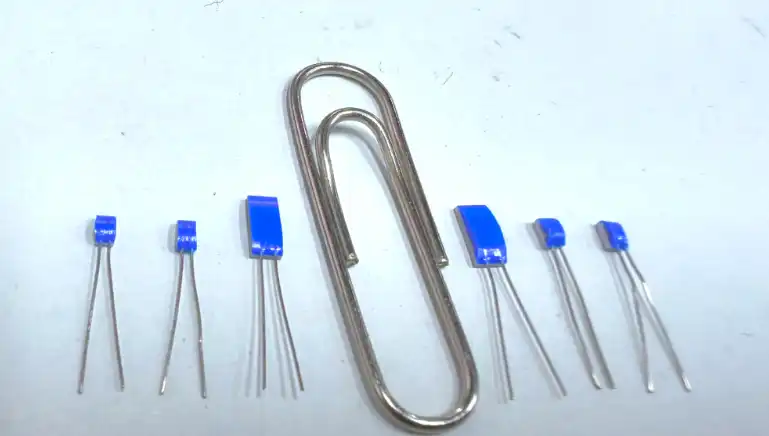
Understanding Pt1000 TC3750 Thin Film RTD Sensors
Core Technology and Operating Principles
Platinum resistance temperature monitors depend on the fact that electrical resistance and temperature tend to change in an expected way. The number TC3750 stands for the standard temperature coefficient of 3850 ppm/°C set by IEC60751. When the temperature around platinum atoms rises, they pulse more strongly, making it harder for electrons to move. Precision sputtering methods deposit platinum onto a ceramic substrate in a thin film structure. This makes a stable sensing element that reacts quickly to changes in temperature and has good linearity over a wide temperature range.
One of the best things about thin film design is that it is easy to make. Tighter tolerance bands can be reached with automated lamination processes than with wire-wound methods. This level of accuracy is very important when your ADAS systems need to be accurate to within 0.1°C for temperature management or when medical diagnostic equipment needs to be able to repeat readings within 0.01%.
Key Performance Advantages
When room is limited and high dependability is needed, thin film platinum resistors work great. The small size—from 1.2 mm to 4.0 mm—allows it to be put into tightly packed electrical circuits without affecting the accuracy of the measurements. Response times of up to 0.05 seconds can pick up fast changes in temperature in industrial process control loops or battery management systems for cars.
Supports up to 40g of vibration and 100g of shock, which are enough for the rough mechanical environments that are popular in robots, drones, and mobile machines. These specs are important if your temperature monitors need to work nonstop in automated production lines or outdoor security gear that is exposed to all kinds of weather. Long-term stability with drift of less than 0.04% guarantees measurement accuracy over many years of product lifecycles, cutting down on insurance costs and the need for field testing.
Comparison with Alternative RTD Technologies
Wire-wound RTD sensors are very accurate, but they are bigger and respond to temperature changes more slowly. Because they are made of coils, they are less ideal for mobile uses because they are more likely to break when they are vibrated. Ceramic base RTDs work well and are inexpensive, but they don't have the tight limits and wide temperature ranges that are needed in high-end instruments.
Thin film building fills in the gaps in how well these technologies work. The platinum layer that was deposited stays in close thermal touch with the substrate. This speeds up heat transfer so that the reaction time is shorter. Tighter resistance limits are reached during the manufacturing process. Class 1/30B accuracy, which means ±0.01Ω at 0°C, allows for accurate temperature control in semiconductor processing equipment or pharmaceutical storage tracking systems.
Operating Parameters and Precision Tolerances
The standard temperature range for Pt1000 sensors is -200°C to +850°C, so they can be used for everything from tracking industrial furnaces to storing things in cryogenics. The TC3850 coefficient keeps linearity over this whole range, which makes the circuits for signal filtering easier to understand. IEC60751 sets tolerance classes that go from Class AA (±0.1°C at 0°C) to Class 1/30B, which is for very precise uses.
Knowing these specs helps match the sensor's skills to the needs of the application. Class A sensors with an accuracy of ±0.15°C might be needed in medical incubators, but aircraft thermal control systems need tighter tolerances to make sure that parts will work reliably in harsh circumstances. Platinum-nickel, silver-nickel, or pure platinum lead wire materials affect the accuracy of the whole system and must be chosen based on the distance of the link and the conditions it will be exposed to.
How to Choose Pt1000 TC3750 Thin Film RTDs for OEM Bulk Purchases?
Aligning Sensors with Industrial Applications
When you combine wide temperature ranges, electromagnetic interference, and harsh shaking patterns, you get problems that are only found in automotive electronics. A Pt1000 TC3750 Thin Film RTD Element is used in battery management systems for electric vehicles to monitor each cell's temperature, requiring sensors that maintain accuracy despite vibration and electrical noise. Thin film RTDs are small enough to be placed directly on battery pack surfaces, responding quickly enough to detect temperature spikes before damage occurs.
Stable thermal references are needed for optical calibration and electrical component safety in industrial automation and machine vision systems. The Pt1000 TC3750 Thin Film RTD Element can operate continuously at high temperatures without degradation, making it useful for process control applications. When security monitoring equipment is installed outdoors, seasonal temperature fluctuations test sensor stability. High-quality platinum elements exhibit low drift characteristics, ensuring measurement consistency over years of service.
Critical Evaluation Criteria for Supplier Selection
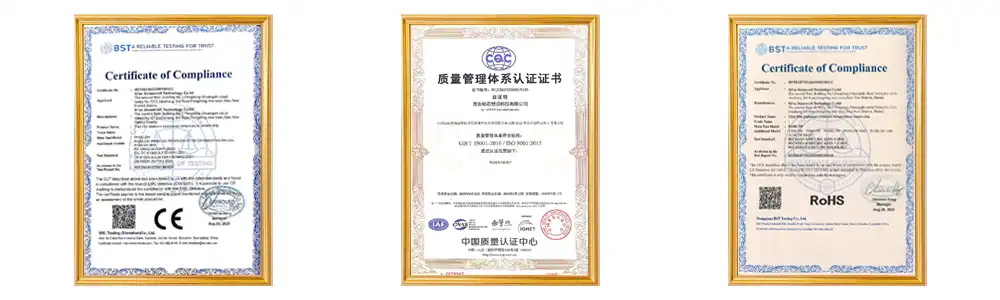
The technical skills of the supplier go beyond just knowing what the product is, and also include quality standards and controlling the producing process. With ISO9001 approval, there are written processes for validating designs, keeping an eye on production, and keeping track of where things come from. RoHS and CE compliance shows a dedication to meeting environmental standards and market entry needs in many parts of the world.
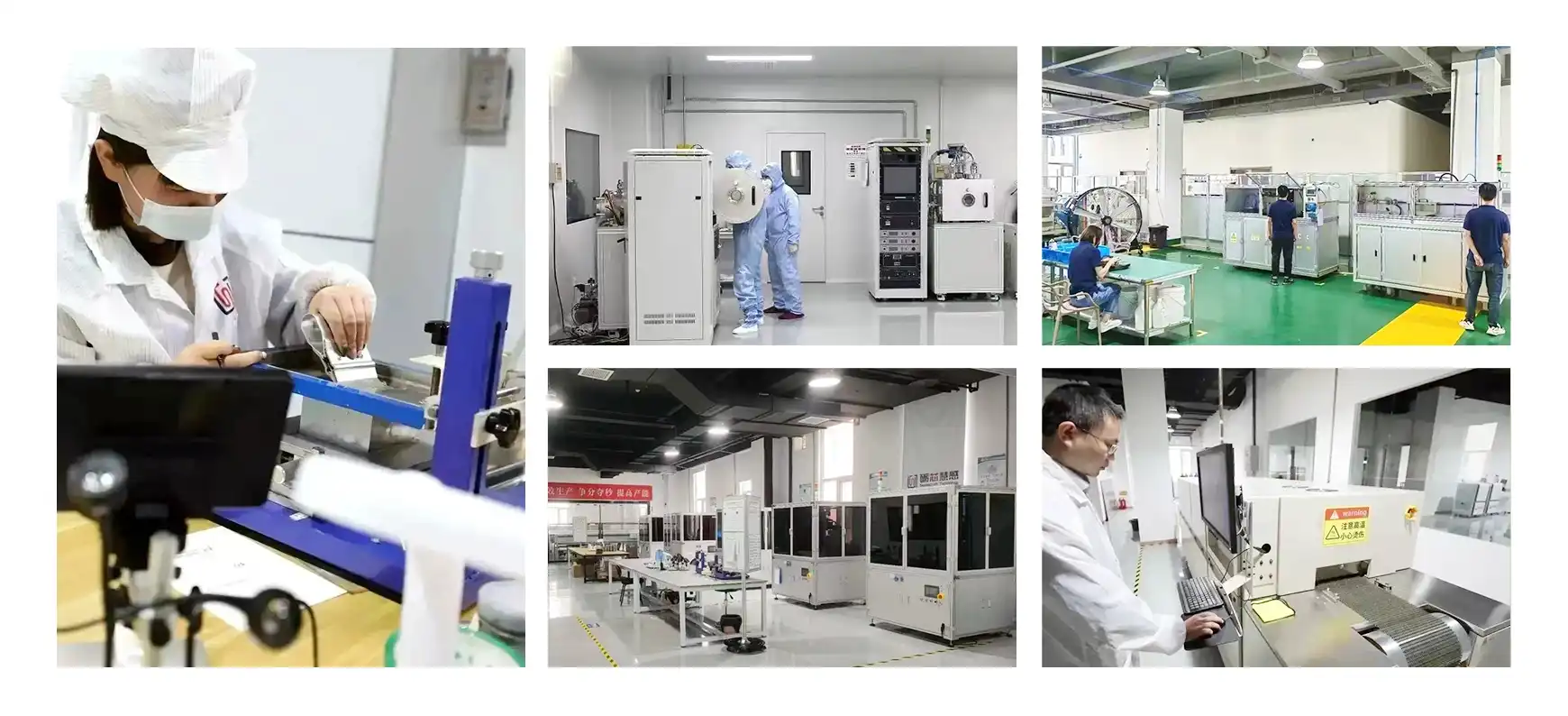
When your production ramps up and you need a steady supply of sensors that meet tight tolerance bands, manufacturing development is very important. The process can be repeated more accurately with automated production lines that use modern thin film deposition equipment than with human assembly operations. When looking for a provider, find out about their statistical process control, burn-in tests, and lot traceability tools. These back-end features have a direct effect on the quality measures of the things that come in, and they also lower the costs of screening in the receiving inspection.
Procurement Strategy Considerations
Bulk pricing models usually break at certain quantity levels that are based on the size of a producing batch. Knowing about these breaks helps you figure out the best number of items to order so that you can balance the costs of keeping inventory with lower unit prices. Minimum order numbers (MOQs) are different for each sensor configuration. For example, regular catalog items may have smaller MOQs than custom requirements that need dedicated production runs.
Lead times include getting the raw materials, making the wafers, putting them together, calibrating them, and checking the quality. Standard items may be shipped in 4 to 6 weeks, but unique designs can take 12 to 16 weeks for initial approval lots. Critical path delays can be avoided by adding these dates to your product development plan. Technical support, such as field application engineers (FAE), is very helpful during integration. They can help fix problems with installation or find the best place for sensors to connect to the heat source.
Reliability Assessment and Long-Term Stability
The results of accelerated life tests show how sensors work when they are exposed to long-term changes in temperature and external stress. Manufacturers with a good reputation give drift graphs that show how resistance changes over thousands of hours of operation at high temperatures. This information helps you figure out how often to calibrate your equipment and makes it easier to predict how reliable your finished goods will be.
When it comes to medical tools and precision instruments, where recalibration costs affect the total cost of ownership, stability standards are very important. When sensors show movement below 0.04% over 1000 hours at rated temperature, they need less upkeep and can be calibrated more often. Instead of depending only on what the datasheet says, ask for reliability test results that show real performance data.
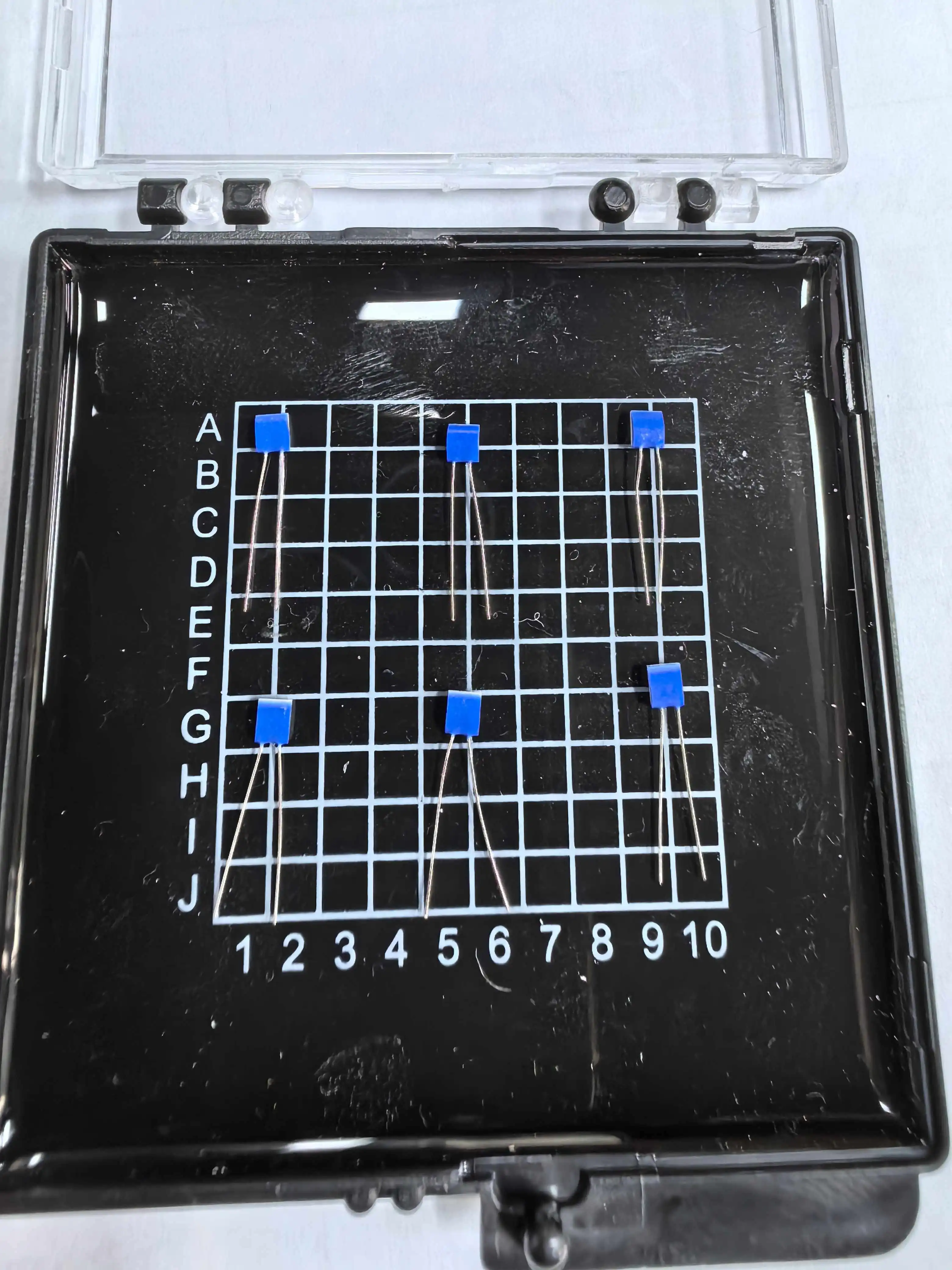
Practical Guide to Pt1000 TC3750 RTD Sensor Installation and Calibration
Proper Installation Techniques and Wiring Configurations
How accurate and fast the Pt1000 TC3750 Thin Film RTD Element is depends on how thermally coupled the sensor is to the area being measured. Getting rid of air holes with thermal paste or sticky pads improves heat transfer. Surface bonding, placement into machined wells, or integration into thermally conductive housings are all mechanical ways to fix something. The way the parts are mounted has to balance heat performance with technical limitations and the need to be able to be serviced.
How the wires are set up has a big effect on how accurate measurements are. Two-wire links are easy to use, but the measurement line includes the resistance of the lead wire. Compared to Pt100 sensors, the 1000-ohm base resistance of Pt1000 sensors lowers relative error. For example, a 1-ohm lead wire adds only 0.1% error, while it adds 1% error for Pt100 sensors. Three-wire and four-wire designs use compensation circuits to get rid of all lead resistance. This gives the highest level of accuracy when cable goes longer than a few meters.
Calibration Procedures and Maintenance Schedules
Using reliable reference standards, the first calibration sets up the link between the sensor's resistance and the real temperature. Precision temperature controls set stable setpoints across the working range, and ice point baths give a reference temperature of 0°C. Software compensation in signal conditioning circuits is possible by writing down offset and slope changes.
The amount of time between recalibrations depends on the working conditions and how important the application is. When sensors are constantly working in hot places, they move more quickly than when they are in cool places. In medical and military settings, calibration may need to be done once a year, but in industry process control, longer periods of time are fine. Trending calibration data over time finds trends of wear and tear and helps figure out how long something will still work.
Troubleshooting Common Installation Issues
Sensors that fail in the field are usually because of problems with the wiring. Readings that are out of range come from open circuits, while readings that are zero or very low resistance come from short circuits. Readings that aren't consistent are caused by intermittent links and throw off diagnostic attempts. This doesn't happen because of careful continuity checks during installation and pressure reduction on the lead wires.
Signal drift could mean that the sensor is getting worse, getting dirty, or there are problems with the fitting that are affecting thermal coupling. Sudden changes in resistance could mean that there is mechanical damage or water getting in. Gradual drift over time can be caused by normal age or being exposed to temperatures above the stated limits. When you compare several sensors in the same environment, you can tell the difference between problems with one sensor and problems caused by the surroundings or signal conditioning.
Procurement Best Practices for OEM Buyers: Where and How to Buy Pt1000 TC3750 RTD Sensors in Bulk
Identifying Qualified Manufacturers and Suppliers
Well-known brands of the Pt1000 TC3750 Thin Film RTD Element show they know what they're doing by providing high-quality technical documentation, application help, and customer examples in your business. Companies like Xi'an Tongzida Technology have put money into building the whole infrastructure needed to make sensors, from designing the chips and depositing thin films to automating the assembly and testing process. When compared to wholesalers who buy from many sources, this vertical integration makes it easier to keep an eye on the whole process and respond faster to specific needs.
Check to see if possible partners can provide engineering help. Manufacturers with dedicated FAE teams can help you get your product to market faster by making it easier to integrate sensors during the planning process. Their work in different fields gives them knowledge about the best ways to put things and the most common mistakes that people make. For global businesses, distribution networks are important. Regional warehouse cuts down on the time it takes to get restocking orders and gives you access to local technical help in your time zone.
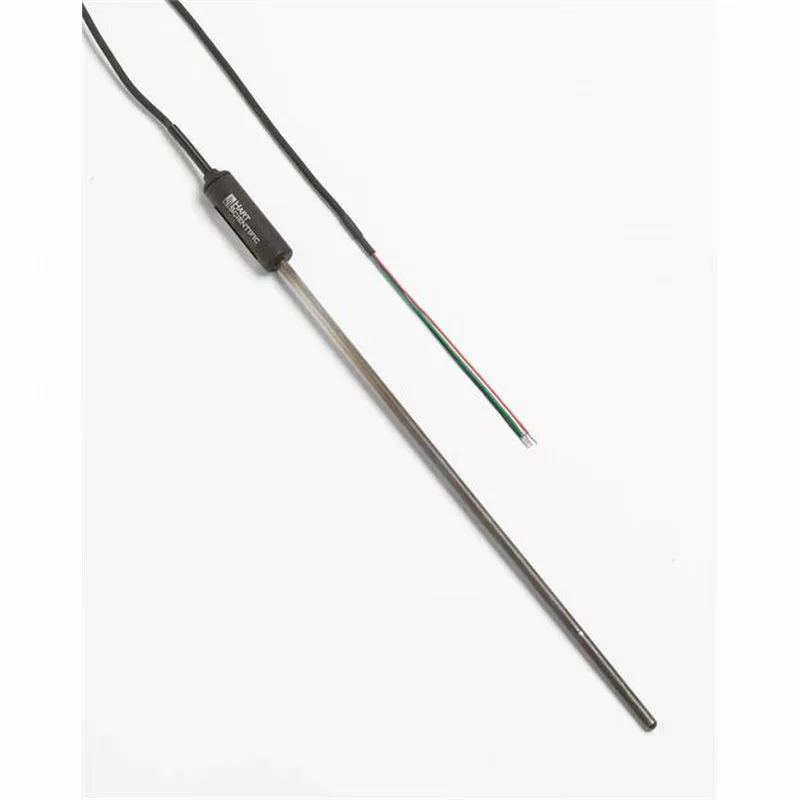
Negotiating Terms and Custom Specifications
Talks about bulk prices should include the total cost of ownership in addition to the unit price. Think about payment terms, programs for consigning inventory, and bulk deals that reward partnerships that last a long time. Custom specs could include lead lengths that aren't standard, special packaging for automatic assembly, or calibration spots that are just right for your application.
For unique designs, the minimum order amounts reflect the costs of making the tools and setting up the production line. Knowing about these things helps you set up orders more quickly. If you put both standard and custom needs in one buy order, you might be able to get better prices by combining the amount. Negotiating flexible shipping dates lets you work with your production ramps and keep your stocking costs as low as possible.
Quality Documentation and Compliance Verification
Full datasheets include electrical specs, mechanical measurements, outdoor grades, and performance curves for a wide range of temperatures. Calibration papers show that an approved calibration laboratory checked the accuracy of a sensor against national standards. Material makeup data helps make sure that RoHS rules are followed and lets people report conflict minerals.
Manufacturers' warranty plans show how confident they are in the stability of their products. Standard coverage could last anywhere from 12 to 24 months, and premium forms can offer longer periods of treatment. Learn how to file a guarantee claim, get permission to return materials, and get help with failure analysis. Suppliers who want to improve quality give root cause analysis reports for mistakes that happen in the field. This helps make sure that the same thing doesn't happen again in future production.
Conclusion
When buying a lot of Pt1000 TC3750 Thin Film RTD Element sensors, you have to find the right balance between professional ability and business needs. Thin film RTD elements with TC3850 coefficients give applications in car electronics, industrial automation, and medical equipment the accuracy, stability, and longevity they need. Successful OEM buyers don't just look at unit price when evaluating providers; they also look at how well they can make things, their quality systems, and their tech support. When you put something correctly and keep it in good shape, the measurements will stay accurate for a long time. You can make sure the supply chain is stable and get the best sensor performance for your needs by working with vertically integrated makers that offer full customization and technical collaboration.
FAQ
Q1: Why do Pt1000 sensors provide better accuracy than Pt100 alternatives?
A: Because the base resistance of Pt1000 sensors is ten times higher, lead wire resistance has less of an effect on the accuracy of measurements. Copper lead lines may add 0.5 to 1 ohms of resistance to real-world installations, based on their length and gauge. This resistance directly affects Pt100 values, adding 0.5 to 1.0% error. However, it only adds 0.05-0.1% error to Pt1000 setups. Applications with long cable runs or 2-wire setups that need to be as cheap as possible gain a lot from this built-in accuracy advantage.
Q2: Can these sensors be customized for specialized industrial requirements?
A: Reliable makers let you make a lot of changes to the mechanical measurements, lead wire materials and lengths, termination styles, and packaging forms. Custom calibration points are made to fit the temperature ranges of specific applications, and special tolerance classes are used for applications that need to be very precise. Lead time and MOQ effects depend on how customized the product is. Talking about requirements early in the planning process helps balance standards with business needs.
Q3: What maintenance practices ensure optimal long-term performance?
A: Precision ohmmeters are used to check the resistance on a regular basis. This finds shift trends before they affect the quality of the product. To make sure the accuracy keeps going, thermal cycle tests mimic working conditions. Damage or contamination to the motor parts can be found by visual analysis. Keeping track of standard measures during installation gives you a way to compare things in the future. Setting maintenance times based on how hard the system is working and how important the application is strikes a balance between uptime and maintenance costs.
Partner with Tongzida for Your Precision Temperature Sensing Needs
As a top producer of Pt1000 TC3750 thin film RTD element manufacturer with a wide range of in-house capabilities, Xi'an Tongzida Technology is ready to help you with your bulk purchasing needs. Our automatic production lines make sure that the quality of our room temperature, high temperature, and ultra-low temperature sensors is always the same. All of our sensors meet IEC60751 standards and have ISO9001, RoHS, and CE certifications to back them up. When it comes to integration, we know that hardware engineers and technical leaders need quick FAE support.
That's why our team helps by improving sensor choice, installation methods, and signal conditioning designs. Contact sales11@xatzd.com right away to get a personalized quote, or to get full technical datasheets for all of our platinum resistance sensors. Whether you need regular catalog items or configurations that are made just for your application, our engineering team works together to make sure that the solutions they give meet your exact needs, wait times, and budget.
References
1. International Electrotechnical Commission. (2022). IEC 60751: Industrial Platinum Resistance Thermometers and Platinum Temperature Sensors. Geneva: IEC Standards Publication.
2. Bentley, R.E. (2020). Handbook of Temperature Measurement Vol. 3: The Theory and Practice of Thermoelectric Thermometry. Springer Series in Measurement Science and Technology.
3. Childs, P.R.N. (2021). Practical Temperature Measurement: A Guide for Engineers and Scientists. Butterworth-Heinemann Technical Publications.
4. American Society for Testing and Materials. (2023). ASTM E1137: Standard Specification for Industrial Platinum Resistance Thermometers. West Conshohocken: ASTM International.
5. Pavese, F. & Molinar, G.F. (2019). Modern Gas-Based Temperature and Pressure Measurements: Principles and Applications in Metrology. Springer Scientific Publications.
6. Omega Engineering Technical Staff. (2021). The Temperature Handbook Vol. 30: RTD Selection and Application Guide for Process Control. Stamford: Omega Engineering Inc.
Learn about our latest products and discounts through SMS or email