- English
- French
- German
- Portuguese
- Spanish
- Russian
- Japanese
- Korean
- Arabic
- Greek
- German
- Turkish
- Italian
- Danish
- Romanian
- Indonesian
- Czech
- Afrikaans
- Swedish
- Polish
- Basque
- Catalan
- Esperanto
- Hindi
- Lao
- Albanian
- Amharic
- Armenian
- Azerbaijani
- Belarusian
- Bengali
- Bosnian
- Bulgarian
- Cebuano
- Chichewa
- Corsican
- Croatian
- Dutch
- Estonian
- Filipino
- Finnish
- Frisian
- Galician
- Georgian
- Gujarati
- Haitian
- Hausa
- Hawaiian
- Hebrew
- Hmong
- Hungarian
- Icelandic
- Igbo
- Javanese
- Kannada
- Kazakh
- Khmer
- Kurdish
- Kyrgyz
- Latin
- Latvian
- Lithuanian
- Luxembou..
- Macedonian
- Malagasy
- Malay
- Malayalam
- Maltese
- Maori
- Marathi
- Mongolian
- Burmese
- Nepali
- Norwegian
- Pashto
- Persian
- Punjabi
- Serbian
- Sesotho
- Sinhala
- Slovak
- Slovenian
- Somali
- Samoan
- Scots Gaelic
- Shona
- Sindhi
- Sundanese
- Swahili
- Tajik
- Tamil
- Telugu
- Thai
- Ukrainian
- Urdu
- Uzbek
- Vietnamese
- Welsh
- Xhosa
- Yiddish
- Yoruba
- Zulu
Medical Grade Mini Pt1000 Sensor for Laboratory Incubator Precision
When it comes to temperature consistency, laboratory warmers need the Medical & Lab Mini Pt1000 Sensor to do the job. With a resistance of 1000 ohms at 0°C, these platinum resistance temperature monitors use a positive temperature coefficient to give very accurate measurements. Their small size makes it easy to fit them into tight equipment areas while still providing clinical-grade dependability. Pt1000 sensors have a higher base resistance than standard Pt100 sensors. This makes lead-wire resistance effect much smaller. This lets you use accurate two-wire setups that make installation easier and lower system costs. Because of this basic advantage, they are the best choice for medical equipment makers who value accuracy, following the rules, and stable operations over the long term.
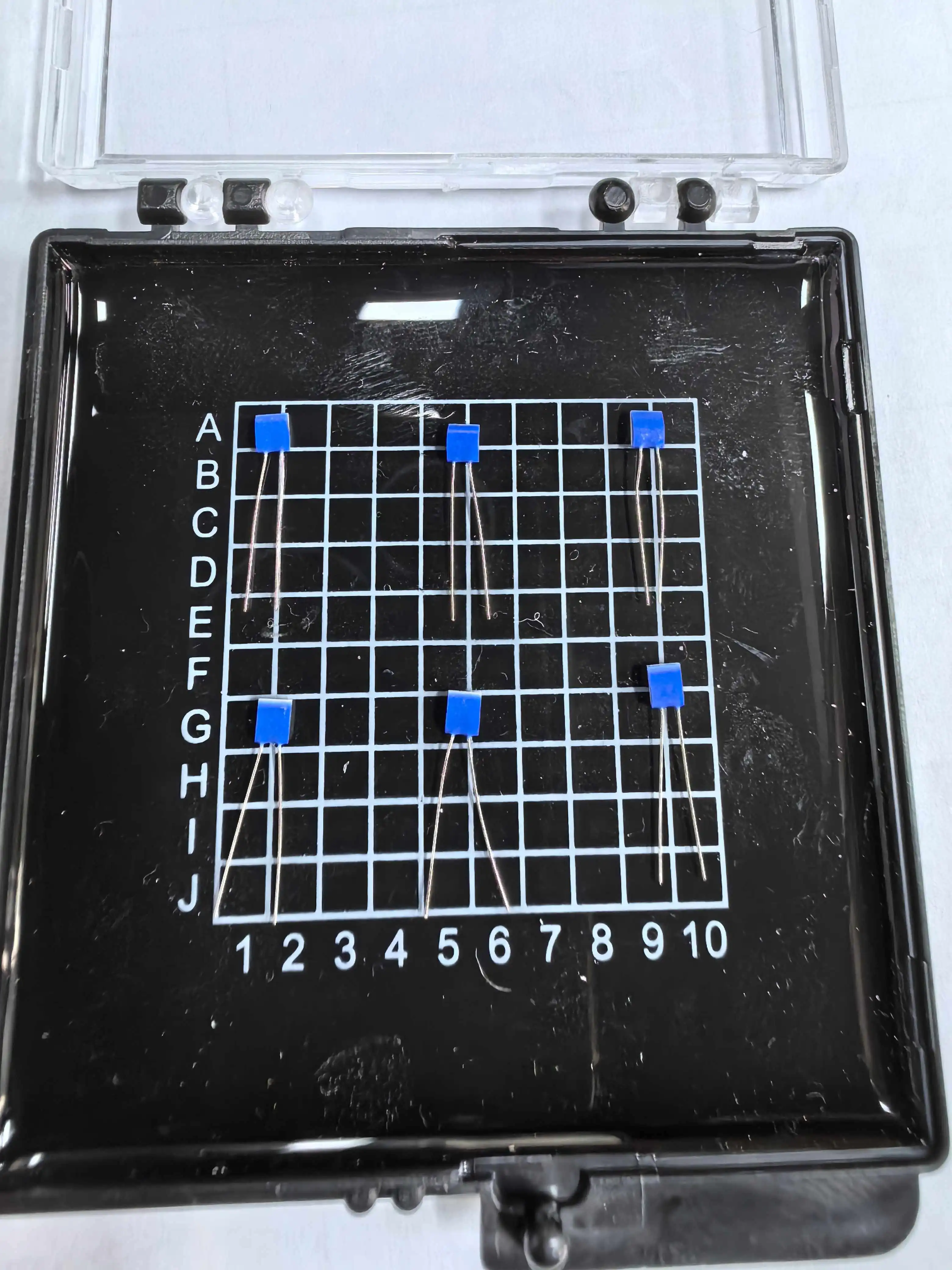
Understanding Medical Grade Mini Pt1000 Sensors
Operating Principles and Design Architecture
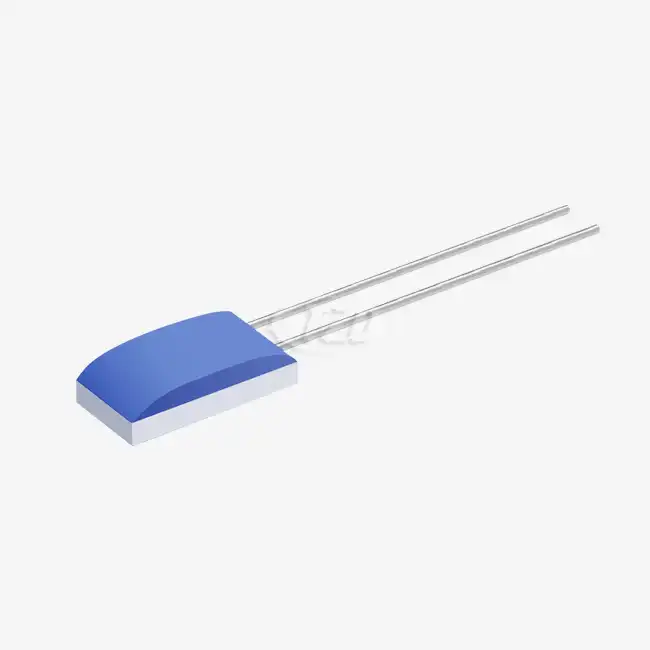
Platinum resistance thermometers work by using the known connection between the electrical resistance of platinum and temperature. Thin-film platinum elements are cast on ceramic surfaces in our Medical & Lab Mini Pt1000 Sensor, which makes a strong measurement base. The 1000-ohm base resistance at 0°C provides ten times the signal strength of regular PT100 detectors, making signal-to-noise ratios much better in labs with a lot of electrical noise. This design reduces the amount of measurement mistakes caused by electromagnetic interference from nearby equipment, so results stay the same over long periods of time.
Medical Certification and Standards Compliance
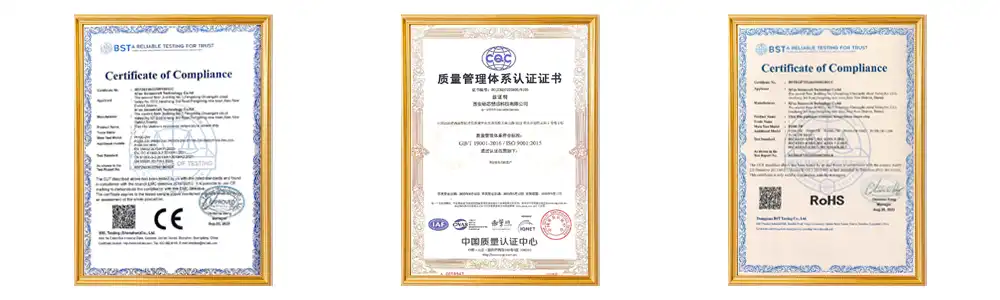
Regulatory consistency is what sets medical-grade sensors apart from industry ones. Our sensors meet international standards IEC60751 and have a temperature coefficient of 3850ppm/℃ that makes sure measurements are always the same in a variety of settings. The goods are made using ISO9001 quality management guidelines, and they have ROHS and CE certifications that are needed to sell them in controlled markets.
These qualifications give procurement professionals written proof of quality assurance, which makes certification processes easier and speeds up the time it takes for equipment makers to get their products on the market. The tracking chain goes from the raw platinum materials to the final calibration. This makes record trails that meet the needs of the FDA and other regulatory bodies.
Miniaturization Without Performance Compromise
Traditionally, when medical monitors got smaller, they had to give up either accuracy or response speed. This trade-off is no longer necessary at Tongzida because of their advanced production methods. No matter what size you need, our tiny Pt1000 sensors can handle it. They have a response time of as little as 0.05 seconds and an accuracy of ±0.01Ω (1/30B level).
This range of performance lets engineers check the temperature in micro-volume incubators in real time, when they had to use slower thermocouples or less accurate thermistors before because of space limitations. The small size also lowers thermal mass, which lets sensors keep up with fast changes in temperature without any lag. This is very important when the door to an incubator opens or when thermal cycling methods are being used.
Comparing Pt1000 Sensors with Other Temperature Sensor Technologies for Labs
Performance Against Thermocouples
Thermocouples make voltage that is related to changes in temperature. They can measure a wide range of temperatures, but they are not very accurate. Platinum resistance monitors like the Medical & Lab Mini Pt1000 Sensor, on the other hand, get a better idea of the exact temperature by changing the resistance.
A Type K thermocouple is usually accurate to within 1.5°C, but our Pt1000 sensors are accurate to within 0.03°C at 37°C, which is very important for cell culture tanks where temperature changes of 0.5°C can change the results of experiments. Thermocouples also drift over time because of changes in the metal, so they need to be re-calibrated often. Platinum is chemically stable, so measurements will stay the same over time. Under normal settings, drift rates will be less than 0.04% per year.
Advantages Over PT100 and PT500 Configurations
The PT100 standard (100 ohms at 0°C) is most common in industry, but medical equipment has trouble with it because its base resistance is smaller. As cable resistance rises, three- or four-wire designs are needed, which make connectors more complicated and add more places where they can fail. PT1000 sensors make this ten times less sensitive, which makes two-wire setups easier without lowering accuracy. The higher resistance gives better clarity than PT500 versions. A 0.1°C change in temperature causes a 0.385Ω resistance change in PT1000 sensors but only a 0.193Ω change in PT500 units. This means that measurement electronics can use twice as much output and battery-powered portable incubators can handle more noise.
Miniaturized Versus Standard-Size Sensors
Full-size RTD probes usually have a width of 6 to 8 mm, which makes them hard to put in small lab equipment. Our smaller versions keep the accuracy of the measurements while cutting the cross-sectional area by 75%. This lets them be put in places that couldn't be reached before, like between incubator shelves or inside microfluidic channels. The dynamic reaction is also better because the heat mass is smaller. Normal tools might need a few seconds to pick up changes in temperature, but our tiny sensors respond in less than 0.1 seconds, which is 63% faster. This speed advantage helps automatic systems that change heating elements based on feedback in real time, which lowers error and makes the system use less energy.
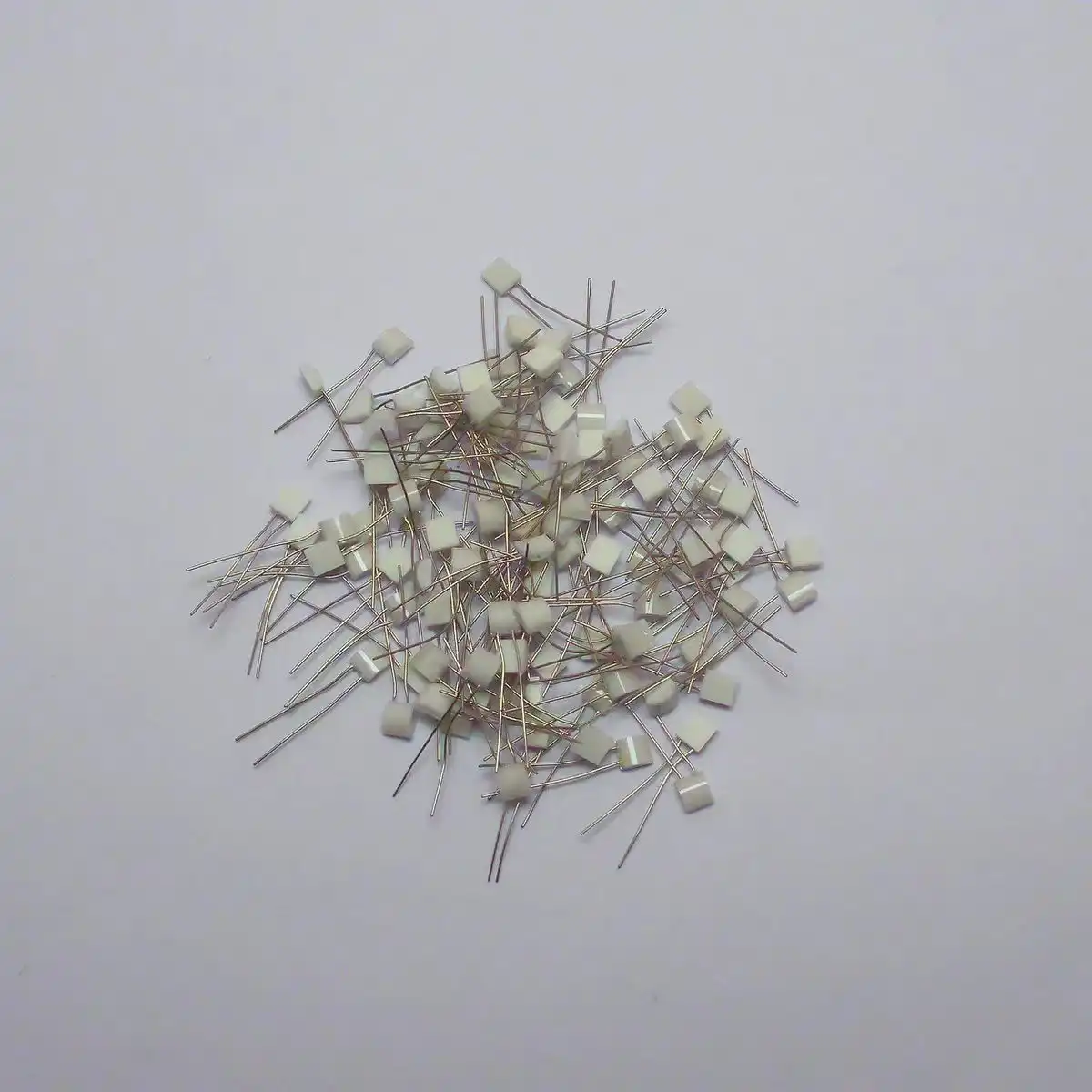
Advantages and Applications of Mini Pt1000 Sensors in Laboratory Instruments
Reliability in Demanding Clinical Environments
In medical laboratories, equipment is always working in controlled but changing circumstances. Our sensors are very durable because they can withstand vibrations of 40g and shocks of 100g, which are higher than the standards for most medical equipment. The thin-film structure protects the platinum element from mechanical loads, which stops wire-bond failures that happen a lot in wire-wound designs. We have found that continuous-use incubators can work for more than 100,000 hours without losing calibration more than 0.04% of the time. That's more than eleven years of steady service. This long life lowers the total cost of ownership by cutting down on replacement rounds and the downtime that comes with them.
Critical Applications Across Medical Equipment
The versatility of Medical & Lab Mini Pt1000 Sensors extends across multiple laboratory platforms. Here are the core application domains where these sensors deliver measurable performance improvements:
- Neonatal Incubators: Temperature stability within ±0.3°C ensures optimal thermal environments for premature infants, where even minor fluctuations can trigger metabolic stress.
- Cell Culture Systems: Maintaining 37.0°C ± 0.1°C supports reproducible cell growth kinetics, critical for pharmaceutical research and diagnostic test development.
- Blood Storage Refrigerators: Precise monitoring between 2°C and 6°C prevents degradation of temperature-sensitive blood components while complying with blood bank regulations.
- Sterilization Equipment: Making sure that cleaning processes are done correctly at temperatures of up to 150°C kills pathogens and keeps equipment from breaking from getting too hot.
These benefits directly help medical equipment makers with the problems they face in the workplace, letting them meet strict performance standards while cutting down on guarantee claims and field service calls.
Calibration Protocols for Sustained Accuracy
Systematic calibration practices are needed to keep measurements accurate. We suggest that you check your sensors once a year against NIST-traceable reference standards, but our sensors usually stay within specs for 24 to 30 months. Comparing sensor data to a reference thermometer three times across the operational range is part of the calibration process.
The readout electronics' offset and slope factors are also changed. During production, our automated production lines do five-point calibration, which makes unique calibration papers that show where the parts came from. This paperwork meets the standards of ISO17025 for labs that want to get certified. Customers don't have to do new inspection calibration anymore, and equipment qualification times are sped up.
Procuring Medical Grade Mini Pt1000 Sensors: What B2B Clients Need to Know
Supplier Qualification Criteria
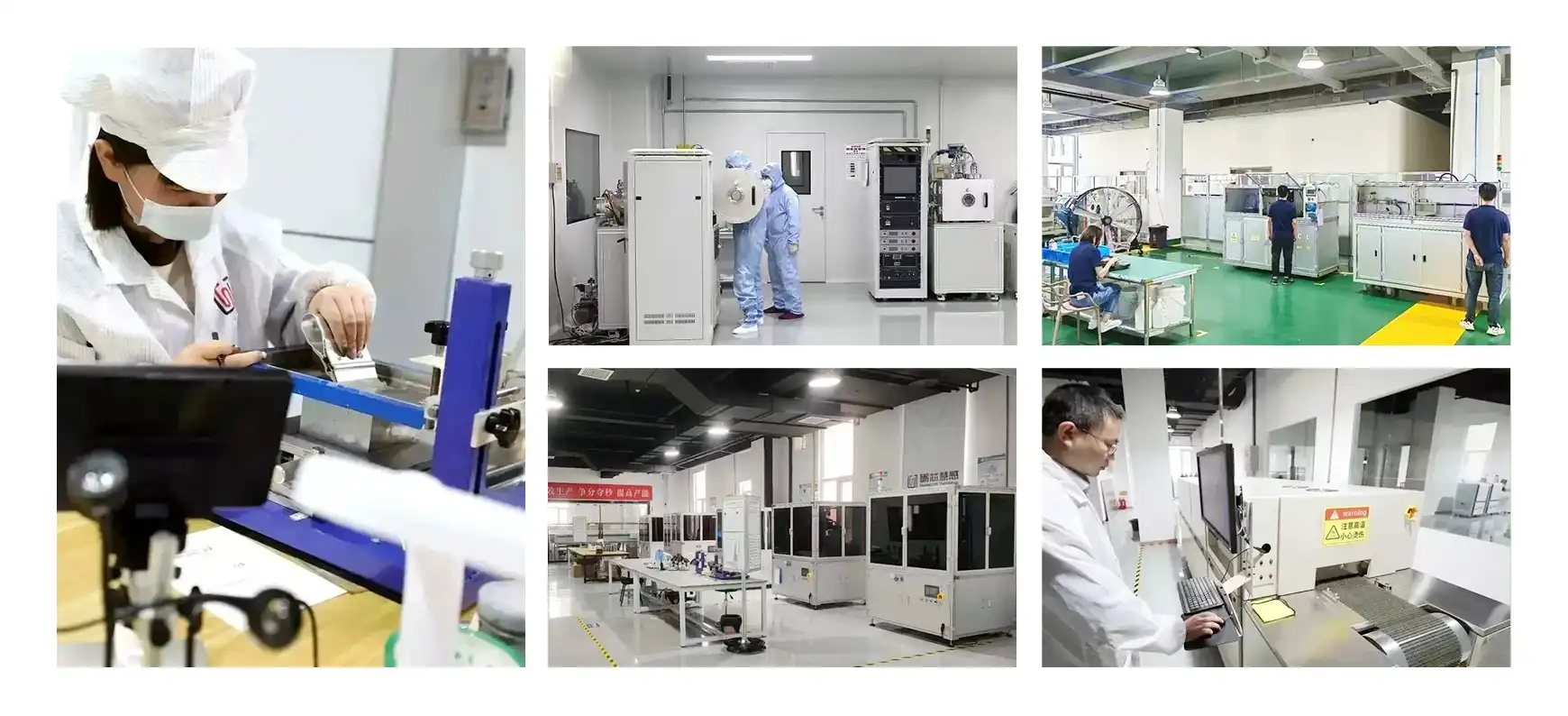
When choosing a Medical & Lab Mini Pt1000 Sensor provider, you need to look at more than just the unit price. Manufacturing skills are the basis; make sure that providers run certified production sites with well-documented process controls. Tongzida has automatic production lines that are made just for making thin-film temperature sensors that can work at room temperature, high temperature, and very low temperature. This specialization makes sure that the process can be repeated in a way that hand building can't. Ask for quality proof, like material certificates that prove the platinum is pure, process capability studies that show consistent production, and failure mode analysis data that shows dependability under stress.
Cost Structure and Volume Considerations
The cost of medical-grade monitors is based on the whole process, from the raw materials to the approval. 30 to 40 percent of the cost of a material is its platinum content, and medical uses require high-purity types that cost a lot. Certification costs, which include testing methods and making paperwork, add about 15 to 20 percent to the base cost of production. Choosing the right lead material has a big effect on the price.
For example, pure platinum leads work the best but cost three times as much as platinum-nickel combinations. Costs can be kept as low as possible with volume agreements, which allow specialized production runs and lower setup costs. We usually see price drops of 20–25% when order quantities go over 1,000 units. When order quantities go over 5,000 units, more saves show up as more efficient ways of getting raw materials are found.
Evaluating Technical Support Capabilities
Medical equipment development has long testing processes that need strong field application engineering (FAE) support. Look at how skilled they are and how well they've solved problems in the past when deciding which providers to work with. Our engineering team gives personalized integration advice, such as suggestions for the best places to put sensors, designs for signal conditioning circuits, and strategies for managing heat.
We have a lot of application notes that cover common integration problems, like how to deal with self-heating, electromagnetic interference, and airtight closing. By getting rid of the need for trial-and-error design changes, this knowledge sharing speeds up customers' development timelines and lowers the time it takes to get a product to market. Technical help should be available after the initial buy and during production ramp-up, when changes in the process may show integration problems that weren't clear in the prototype numbers.
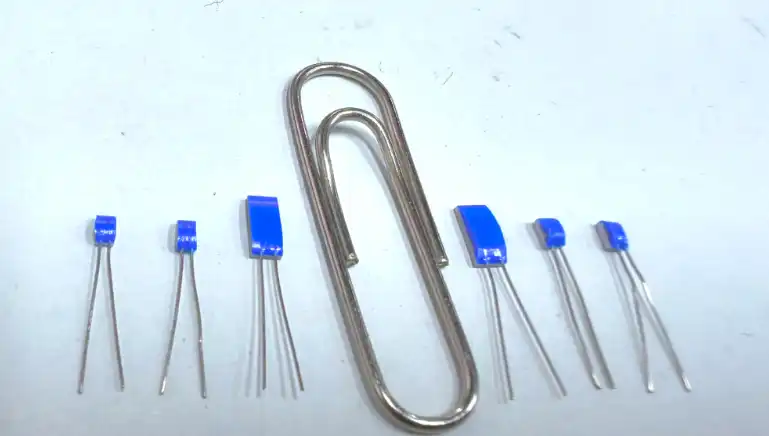
Implementing Mini Pt1000 Sensors in Laboratory Incubators: Best Practices
Strategic Sensor Placement
Location of the sensor has a huge effect on how accurate measurements are. Instead of putting sensors on heating elements or near airflow vents, where readings are more likely to be off from what the room is really like, place them to get accurate readings of the air temperature. Usually, the sensing element should be placed in the geometric center of the useful chamber volume, floating in airflow and not touching the chamber walls directly.
Thermal gradients and conduction mistakes are kept to a minimum in this arrangement. Using thermal modeling software during the planning process of the equipment helps find the best places to put things before making the prototype. We offer consulting services that look at the shape of the room and the way air flows through it. Based on this information, we suggest placement plans that keep temperature differences across the whole working space to less than ±0.2°C.
Installation Techniques That Preserve Accuracy
When mounted correctly, sensors keep working well for their entire useful life. Do not use a rigid mount that sends mechanical movements straight to the sensing element. This can make drift happen faster. Instead, use flexible mounting methods like silicone rings or spring-loaded retention clips to keep the sensor from moving when the cabinet shakes while still letting it stay in thermal contact.
When moving cables, it's important to keep electromagnetic interference from heating power lines and control electronics from happening. Power wires and sensor cords should be routed separately, with a minimum space of 50 mm between them. For the lead wires, use shielded twisted-pair cable and ground the shield at a single place to avoid ground loops that can mess up readings of low-voltage resistance.
Maintenance Schedules and Recalibration
Regular care keeps sensors accurate and extends their life. We suggest eye checks every three months to find physical harm, worn cables, or corroded connectors. Functional checks every six months against a movable calibration reference make sure that the sensors are still accurate without taking them out of service. Every 24 months, a full recalibration is needed to meet most regulation standards and catch drift before it hurts the quality of the product.
Real-world case data from lab equipment makers shows that this repair plan cuts down on unexpected breakdowns by 75% compared to reactive maintenance methods. One customer who started using these methods said that their average downtime went from 18 hours per failure event to less than 4 hours. This was because planned maintenance stopped major failures that needed emergency part replacement.
Conclusion
In conclusion, the Medical & Lab Mini Pt1000 Sensor combines high measurement accuracy, small size, and regulatory compliance that are necessary for modern lab setups. Its higher accuracy compared to other technologies, along with its strong construction and long-term stability, makes it the best choice for companies that make medical tools for controlled markets. For execution to go well, suppliers must be carefully screened, sensors must be placed strategically, and upkeep must be done before they break. As lab technology improves and accuracy standards rise, these sensors provide the measurement base that encourages new ideas while protecting patients and making sure that experiments can be repeated.
FAQ
Q1: What accuracy level can I expect from medical-grade mini Pt1000 sensors?
A: Most medical-grade monitors are accurate to within ±0.03°C at 37°C, and the best ones are accurate to within ±0.01°C. Our sensors give an accuracy of ±0.01Ω in resistance (1/30B rating according to IEC60751), which is about ±0.026°C at body temperature. This performance goes above and beyond what most lab incubators are supposed to do, leaving room for system-level errors caused by electronics and testing processes.
Q2: How do two-wire configurations work reliably with Pt1000 sensors?
A: The 1000-ohm base resistance is much higher than the lead-wire resistance. At 20°C, a normal copper wire adds 0.017Ω per meter. There is only a 0.34Ω total lead resistance, even with 10 meters of cable. This is a mistake of 0.034%, which is well within the test range. This gets rid of the need for the three- or four-wire correction circuits that are needed for PT100 sensors with lower resistance.
Q3: What differentiates your sensors from competitors in the medical sensor market?
A: Tongzida has special production lines for thin-film sensors. These lines use automated manufacturing methods to make sure that each batch is the same, which can't be done by hand-assembling. Vertical integration, which means that we do everything from designing chips to testing them in the end, gives us full quality control and tracking. We can customize things for you by giving you different lead materials, hermetic closing choices, and different sizes for different uses. During the whole development process, field application engineering is there to help you.
Partner with Tongzida for Your Medical & Lab Mini Pt1000 Sensor Needs
If you need a Medical & Lab Mini Pt1000 Sensor, Tongzida can help you. Choosing the right provider affects how well the product works for the whole life of your tools. Tongzida has a lot of experience making thin-film platinum resistance detectors, and their production process is fully automatic, and they have strict quality control methods in place. Our sensors are accurate to within ±0.01Ω, have response times of 0.05 seconds, and are stable in use, with drift below 0.04% per year.
Customization is possible for sizes ranging from 1.2mm to 4.0mm, lead materials such as pure platinum and platinum-nickel, and temperature ranges from -200°C to +850°C. Our field application engineering team is here to help you with technology issues at every stage of the development process, from small-batch testing to large-scale production. You can talk to a manufacturer who is dedicated to accuracy, dependability, and teamwork by emailing our team at sales11@xatzd.com.
References
1. International Electrotechnical Commission. (2022). "IEC 60751: Industrial Platinum Resistance Thermometers and Platinum Temperature Sensors," Edition 3.0, Geneva, Switzerland.
2. Nicholas, J.V., & White, D.R. (2021). "Traceable Temperatures: An Introduction to Temperature Measurement and Calibration," 3rd Edition, John Wiley & Sons, Chichester, United Kingdom.
3. Webster, J.G., & Eren, H. (2019). "Measurement, Instrumentation, and Sensors Handbook: Spatial, Mechanical, Thermal, and Radiation Measurement," 2nd Edition, CRC Press, Boca Raton, Florida.
4. American Society for Testing and Materials. (2020). "ASTM E1137/E1137M-20: Standard Specification for Industrial Platinum Resistance Thermometers," ASTM International, West Conshohocken, Pennsylvania.
5. Childs, P.R.N., Greenwood, J.R., & Long, C.A. (2018). "Review of Temperature Measurement Techniques for High-Precision Laboratory Applications," Measurement Science and Technology Journal, Volume 29, Issue 4.
6. Food and Drug Administration. (2021). "Guidance for Industry: Process Validation for Medical Devices," Center for Devices and Radiological Health, Silver Spring, Maryland.

Learn about our latest products and discounts through SMS or email