- English
- French
- German
- Portuguese
- Spanish
- Russian
- Japanese
- Korean
- Arabic
- Greek
- German
- Turkish
- Italian
- Danish
- Romanian
- Indonesian
- Czech
- Afrikaans
- Swedish
- Polish
- Basque
- Catalan
- Esperanto
- Hindi
- Lao
- Albanian
- Amharic
- Armenian
- Azerbaijani
- Belarusian
- Bengali
- Bosnian
- Bulgarian
- Cebuano
- Chichewa
- Corsican
- Croatian
- Dutch
- Estonian
- Filipino
- Finnish
- Frisian
- Galician
- Georgian
- Gujarati
- Haitian
- Hausa
- Hawaiian
- Hebrew
- Hmong
- Hungarian
- Icelandic
- Igbo
- Javanese
- Kannada
- Kazakh
- Khmer
- Kurdish
- Kyrgyz
- Latin
- Latvian
- Lithuanian
- Luxembou..
- Macedonian
- Malagasy
- Malay
- Malayalam
- Maltese
- Maori
- Marathi
- Mongolian
- Burmese
- Nepali
- Norwegian
- Pashto
- Persian
- Punjabi
- Serbian
- Sesotho
- Sinhala
- Slovak
- Slovenian
- Somali
- Samoan
- Scots Gaelic
- Shona
- Sindhi
- Sundanese
- Swahili
- Tajik
- Tamil
- Telugu
- Thai
- Ukrainian
- Urdu
- Uzbek
- Vietnamese
- Welsh
- Xhosa
- Yiddish
- Yoruba
- Zulu
Why Precision Pt1000 Sensors Matter in Medical Systems
When it comes to medical and lab equipment, how accurately temperatures are measured decides how accurate diagnoses are and how safe patient results are. The Medical & Lab Mini Pt1000 Sensor has become a key piece of technology in this important area. Its accuracy is unmatched, and even small changes of a degree can mean the difference between a successful and unsuccessful treatment. The basic idea behind these platinum resistance temperature monitors is that electrical resistance changes in a way that can be predicted when temperature changes. At 0°C, they have a resistance of 1000 ohms, which is ten times stronger than regular PT100 sensors and reduces lead-wire crosstalk to a minimum. This is a huge benefit in small medical devices where room is limited and accuracy is essential.
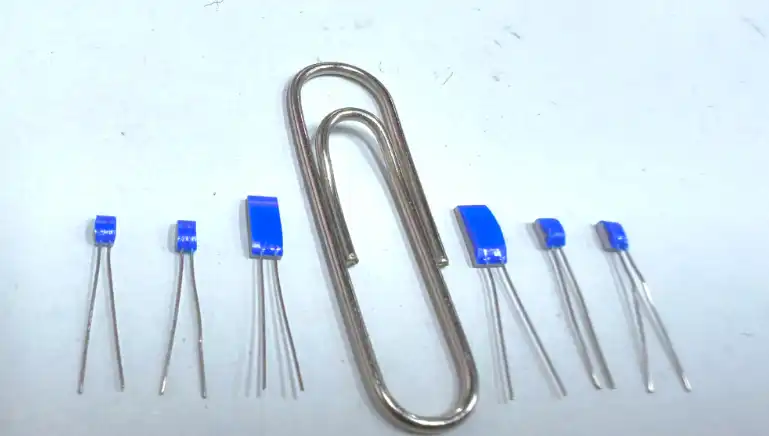
Understanding Pt1000 Sensors and Their Role in Medical Systems
The Working Principle Behind Platinum Resistance Detectors
Because platinum metal has a positive temperature index, platinum resistance temperature monitors work. Platinum's atomic structure experiences more molecule shaking as the temperature rises. This stops electrons from moving and increases electrical resistance. Following the rules set by IEC60751, the Pt1000 setup keeps 1000 ohms at the ice point and shows a resistance change of about 3850 ppm/°C. Because these devices work the same in a wide range of temperatures, they are very useful in medical settings where they need to work consistently in different weather conditions.
Integration Advantages in Medical Device Architecture
Modern platinum resistance sensors have a smaller shape that solves a problem that has been around for a long time: getting laboratory-level accuracy in housings that are getting smaller and smaller. Incubator systems keep newborns' temperatures stable, respiratory therapy equipment controls the supply of warm gases, and pharmaceutical storage units keep biological samples safe. All of these depend on sensors that can work in small spaces and do a clinically acceptable job. Pt1000 designs have higher base resistance, which makes two-wire installations easier. This makes manufacturing simpler and lowers the number of possible failure places compared to four-wire PT100 systems.
Clinical Applications Demanding Exceptional Accuracy
These precise temperature monitors are used by patient monitoring systems to keep an eye on the patient's core temperature throughout surgery, where even small changes in temperature can mean problems that need instant attention. Accurate thermal tracking is needed to make sure that pathogen killing processes meet regulatory standards for sterilization equipment. Temperature stability within ±0.1°C is important for laboratory monitors that do enzymatic reactions so that results from thousands of diagnostic tests can be repeated. In all of these uses, one thing is required: sensor drift over time must be very small, because recalibration often needs equipment to be turned off, which slows down clinical processes.
Comparing Pt1000 Sensors with Other Temperature Sensors for Medical Use
Performance Characteristics Across Sensor Technologies
When buying teams look at temperature sensing choices, they find that different methods have different pros and cons. Thermistors have fast reaction times and high sensitivity within small temperature ranges, but their output is not straight and they drift a lot over time. Thermocouples can work in a wide range of temperatures and are built to last in tough conditions. However, their microvolt-level signals need special processing to make them stronger and account for cold junctions. This makes it harder to build medical devices where electromagnetic compatibility is very important.
Platinum resistance testers like the Medical & Lab Mini Pt1000 Sensor are a good mix that makes them great for use in healthcare settings. When compared to PT100 sensors that have the same temperature factors, Pt1000 versions have a lot less lead-wire resistance mistakes. A two-meter wire run with 0.5 ohms of resistance causes a 0.5% error in PT100 readings but only a 0.05% error in Pt1000 readings.
In flexible medical systems, where sensor parts may be placed several meters away from signal shaping electronics, this property is very important. Because platinum is naturally stable as a sensing material, calibration times can be longer than yearly verification processes. This lowers the total cost of ownership over a product's lifecycle, which can last for many years.
Regulatory Compliance and Material Biocompatibility
The methods for approving medical devices look closely at both how well the measurements work and how well the materials work in practical settings. Platinum is very resistant to chemical reactions and doesn't rust when exposed to sterilizing agents like hydrogen peroxide gas and ethylene oxide. Encapsulation materials that meet USP Class VI biocompatibility standards allow direct touch with patient environments.
Thermistors that contain possibly problematic materials, on the other hand, might need extra barriers to keep them separate. This material compatibility makes regulatory applications easier and speeds up the time it takes to market for OEM makers who want to add temperature sensors to products that people touch.
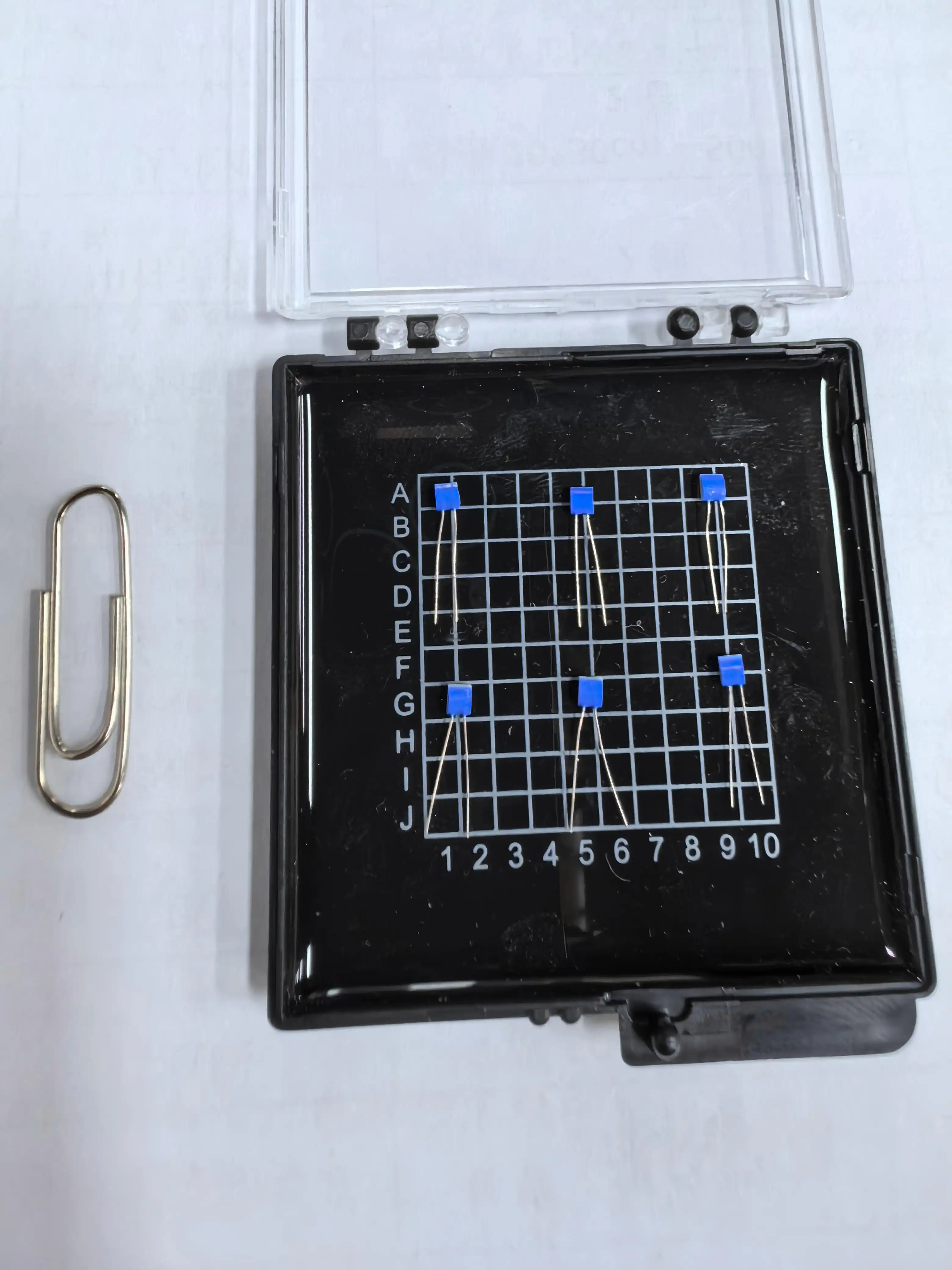
Selecting the Best Mini Pt1000 Sensor for Medical Systems: A Decision-Making Framework
Critical Performance Metrics for Clinical Applications
When considering Medical & Lab Mini Pt1000 Sensor options, accuracy specs need to be carefully interpreted. If the sensor's temperature coefficient agreement is ±0.03°C at 0°C, it may grow to ±0.15°C at 100°C. Class AA accuracy (±0.10°C at 0°C) or better is good for medical uses, especially in testing tools where temperature directly affects the rates of biological reactions. Long-term stability specs show how calibration changes over the course of an active lifetime. For example, premium sensors show drift below 0.04% after 1000 hours at the highest temperature rating, which means devices keep working as expected during warranty periods without needing to be re-calibrated in the field.
Response time is slower than with thermistor options, and it depends a lot on how the detecting element is built and how it is protected. When thin layers of platinum are glued to ceramic surfaces, the time constants are about 0.05 seconds in moving air. This is long enough for most medical tracking tasks where temperature changes happen over seconds instead of milliseconds. When steady-state accuracy is more important than dynamic reaction, wire-wound designs are the best choice for reference standards and calibration tools.
Evaluating Manufacturers and Certification Standards
When you work with suppliers who have ISO 13485 certification, you can be sure that their quality control systems meet the standards of the medical device business. Parts that can be tracked back to national metrology institutes provide the paperwork chains needed for FDA 510(k) applications or CE marking technical files. When a manufacturer controls the platinum deposition, laser trimming, and packaging processes, they can usually offer tighter tolerances and better lot-to-lot stability than sellers who put together parts from different companies. During design validation testing, this combination is especially helpful when engineers need custom sensor sizes or lead setups that can't be made with standard catalog items.
Calibration and Technical Specifications of Mini Pt1000 Sensors in Medical Use
Establishing Traceability Through Calibration Protocols
Calibration testing gives you peace of mind that sensors will work as described across their entire operating range. Triple-point-of-water cells set the 0.01°C reference point with an error of less than 0.001°C. They provide main standards that are used to measure working standards. Medical device makers usually do two-point calibrations at clinically important temperatures, like ice point and body temperature, to make sure that sensors work well across the temperature range where the equipment is used most of the time. Automated testing systems with precise temperature baths and high-precision digital multimeters make it easy to check production runs quickly while keeping the records that quality control systems need.
Technical Parameters Defining Sensor Suitability
The standard temperature coefficient of resistance (TCR) of 3850 ppm/°C for a Medical & Lab Mini Pt1000 Sensor makes sure that sensors that meet IEC60751 standards can be used with each other. In medical settings, self-heating effects must stay below 0.01°C per milliwatt to avoid measurement mistakes. This happens when the measurement current causes resistive heating within the sensing element.
In applied-part uses, insulation resistance requirements greater than 100 megohms at nominal voltage stop leakage currents that could put patient safety at risk. Vibration resistance of 40g and shock tolerance of 100g meet the needs for dependability in portable diagnostic tools and travel incubators that are put under a lot of mechanical stress.
Compliance Testing and Validation Requirements
Medical equipment goes through strict weather tests to make sure it works well in both storage and use. Temperature variation from -40°C to +85°C 100 times puts stress on solder joints and mechanical contacts. This shows possible failure modes before the product is put into use in the field. Exposure to 85% relative humidity and 85°C for 1000 hours tests the resistance to water getting in. These short-term tests give us faith that sensors will last for 10 years in a range of clinical settings, from hospitals with air conditioning to medical units in the field that work in harsh conditions.
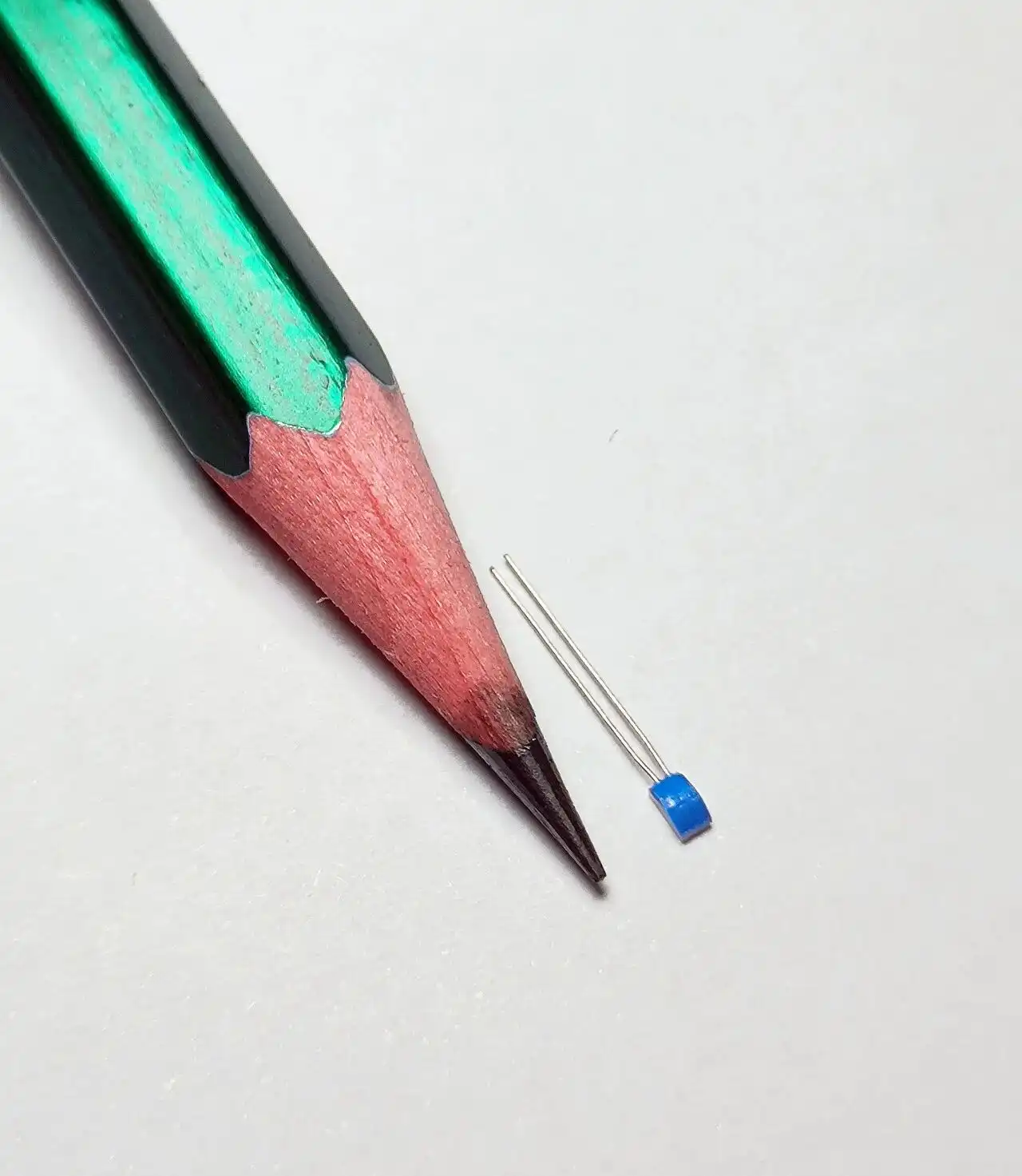
Procurement Tips and Trusted Suppliers for Mini Pt1000 Sensors in Medical Markets
Identifying Qualified Sensor Sources
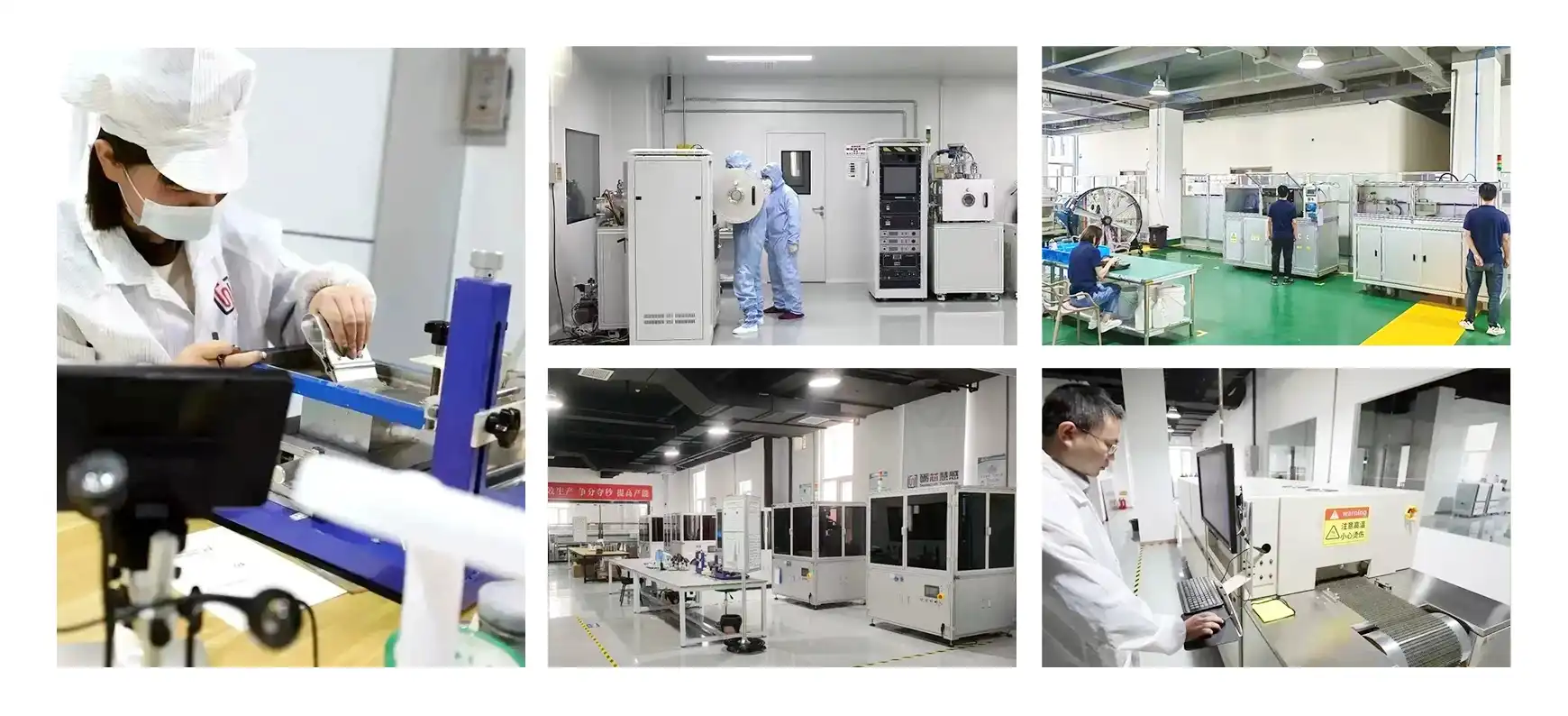
When looking for trusted sensor sources, procurement professionals should give more weight to makers that show they have technical depth beyond simple assembly tasks. Companies that run thin-film deposition centers and automatic laser trimming lines can offer tighter specs and more customization options than wholesalers who deal with standard parts. Being able to offer custom lead lengths, unique terminations, or built-in amplification circuits in sensor housings makes it easier to combine devices and lowers the complexity of the bill of materials.
Ask for paperwork packages that include calibration certificates that can be tracked back to national standards, statements about the materials' make-up for biocompatibility testing, and reliability test results that show how well the products work in harsh environments. Field application engineering support from suppliers helps solve integration problems during prototype development, cutting down on the number of time-consuming rethink cycles. Ask about manufacturing capacity and lead time security. Schedules for making medical devices can't handle sensor shortages that cause products to come out later than planned or stop production lines that are already running.
Balancing Cost Considerations with Performance Requirements
When you look at the total cost, you should think about how often you need to calibrate, how often things break, and how easy it is to get professional help. Unit prices change depending on the tolerance grade and the number of items you buy. A 30% cheaper sensor that needs to be re-calibrated every year might end up costing more over the course of five years than a high-quality part that stays accurate for three years.
When a new product is first introduced and there isn't a lot of data on failures in the field, warranty terms that cover manufacturing flaws offer extra cost protection. Long-term supply deals and volume price tiers can save you money and make sure that you have access to parts for many years of production.
Conclusion
Accurately measuring temperatures is the basis of medical diagnostic and treatment tools that work well. Because it is accurate, stable, and easy to use, the Medical & Lab Mini Pt1000 Sensor is the best choice for demanding healthcare uses. When technical teams are looking at different sensor choices, they have to balance performance requirements with application needs, keeping in mind that the prices of the parts themselves are only a small part of the total cost of developing the device. By choosing providers with proven experience in medical devices, strong quality systems, and quick technical help, projects move smoothly from the prototype stage to mass production.
FAQ
Q1: Why do PT1000 sensors provide better accuracy than thermistors in medical applications?
A: Compared to thermistor methods, platinum resistance monitors are more stable over time. Over months of use, the resistance of a thermometer can change by a few tenths of a degree, so it needs to be re-calibrated often in hospital settings. The factory setting of Pt1000 sensors lasts for years, and after 1000 hours of use, the drift is usually less than 0.04%. Platinum's linear resistance-temperature relationship makes signal filtering easier than with thermistors' exponential response. This makes analog circuits simpler and lowers the chance of errors in medical electronics.
Q2: How easily can mini PT1000 sensors integrate into existing medical device designs?
A: Miniaturized platinum sensors, which are usually only 1.2mm to 4mm in diameter, can be added to devices that were made for bigger sensing elements after the fact. The higher base resistance of 1000 ohms allows for two-wire setups that don't need the extra wiring that's needed for four-wire PT100 installations. This makes the connectors simpler and reduces the number of places where they could fail. Standard lead terminations, such as platinum-nickel and silver-nickel choices, make sure that they can be used with current PCB panels and terminal blocks.
Q3: What calibration intervals maintain measurement precision in clinical environments?
A: Medical gadgets that stay close to body temperature all the time usually need to be calibrated and checked once a year to make sure they stay accurate. Validation may be helpful every six months for equipment that goes through repeated cleaning processes or sudden changes in temperature. In important situations, like temperature-controlled drug storage, certified reference thermometers are often checked every three months to make sure that storage process rules and government standards are being followed.
Partner with Tongzida for Precision Temperature Sensing Solutions
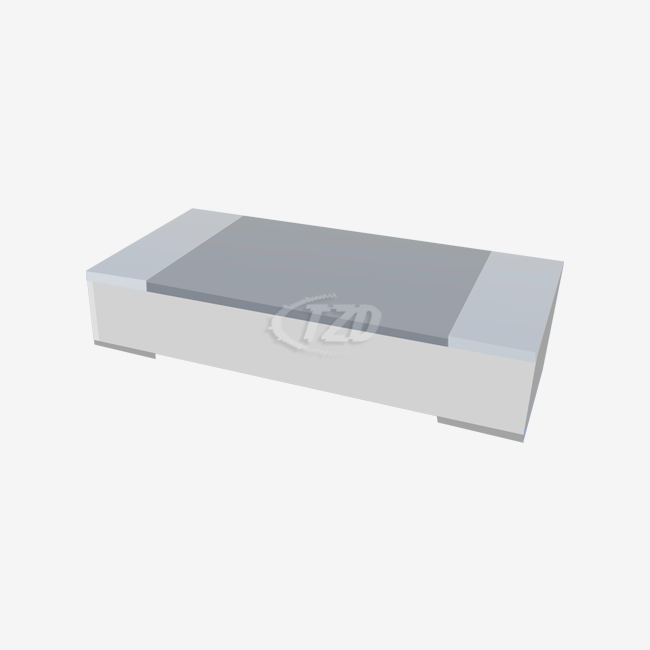
Tongzida is a leader in platinum resistance sensor technology. They achieve this by using vertically integrated manufacturing, which gives their products great performance for use in medical devices. Our thin-film platinum resistance sensors meet IEC60751 standards and have temperature coefficients of 3850 ppm/°C. They are accurate to ±0.01 Ω (1/30B grade) and can work in temperatures ranging from -200°C to +850°C. Long-term stability drift stays below 0.04%, which means that your devices will stay calibrated even after long service intervals.
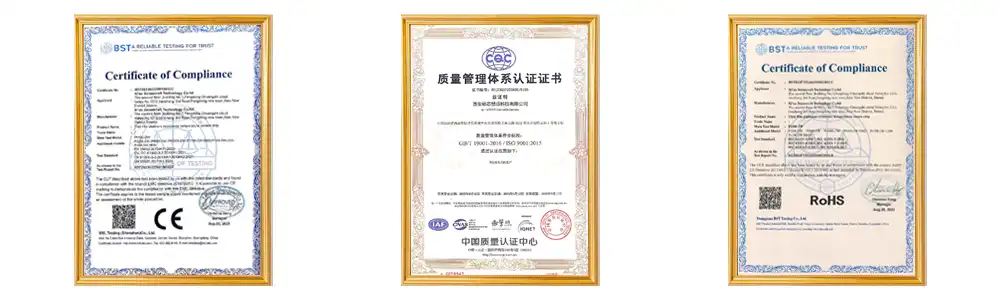
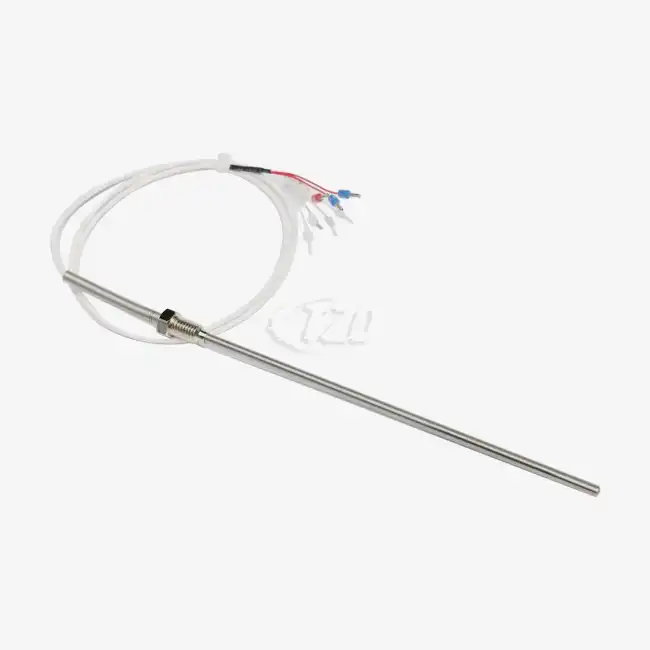
As an expert maker of Medical & Lab Mini Pt1000 Sensors, we can make them in any size from 1.2mm to 4.0mm, with response times of up to 0.05 seconds and a choice of lead materials. Our facilities are ISO9001-certified and our methods are CE-compliant. We can help you with your regulatory submissions by giving you full paperwork packages. For your next medical system development project, email our engineering team at sales11@xatzd.com to talk about your unique needs, get technical specs, or set up a free evaluation.
References
1. International Electrotechnical Commission. IEC 60751: Industrial platinum resistance thermometers and platinum temperature sensors. Geneva: IEC, 2022.
2. Nicholas JV, White DR. Traceable Temperatures: An Introduction to Temperature Measurement and Calibration. 2nd ed. Chichester: John Wiley & Sons, 2001.
3. Webster JG, Eren H, eds. Measurement, Instrumentation, and Sensors Handbook: Spatial, Mechanical, Thermal, and Radiation Measurement. 2nd ed. Boca Raton: CRC Press, 2014.
4. Childs PRN, Greenwood JR, Long CA. Review of temperature measurement. Review of Scientific Instruments. 2000;71(8):2959-2978.
5. McGee TD. Principles and Methods of Temperature Measurement. New York: John Wiley & Sons, 1988.
6. Liptak BG, ed. Temperature Measurement. Volume 1 of Instrument Engineers' Handbook: Process Measurement and Analysis. 4th ed. Boca Raton: CRC Press, 2003.
Learn about our latest products and discounts through SMS or email