- English
- French
- German
- Portuguese
- Spanish
- Russian
- Japanese
- Korean
- Arabic
- Greek
- German
- Turkish
- Italian
- Danish
- Romanian
- Indonesian
- Czech
- Afrikaans
- Swedish
- Polish
- Basque
- Catalan
- Esperanto
- Hindi
- Lao
- Albanian
- Amharic
- Armenian
- Azerbaijani
- Belarusian
- Bengali
- Bosnian
- Bulgarian
- Cebuano
- Chichewa
- Corsican
- Croatian
- Dutch
- Estonian
- Filipino
- Finnish
- Frisian
- Galician
- Georgian
- Gujarati
- Haitian
- Hausa
- Hawaiian
- Hebrew
- Hmong
- Hungarian
- Icelandic
- Igbo
- Javanese
- Kannada
- Kazakh
- Khmer
- Kurdish
- Kyrgyz
- Latin
- Latvian
- Lithuanian
- Luxembou..
- Macedonian
- Malagasy
- Malay
- Malayalam
- Maltese
- Maori
- Marathi
- Mongolian
- Burmese
- Nepali
- Norwegian
- Pashto
- Persian
- Punjabi
- Serbian
- Sesotho
- Sinhala
- Slovak
- Slovenian
- Somali
- Samoan
- Scots Gaelic
- Shona
- Sindhi
- Sundanese
- Swahili
- Tajik
- Tamil
- Telugu
- Thai
- Ukrainian
- Urdu
- Uzbek
- Vietnamese
- Welsh
- Xhosa
- Yiddish
- Yoruba
- Zulu
Pt1000 Bare Lead Probes for Custom Temperature Sensor Design
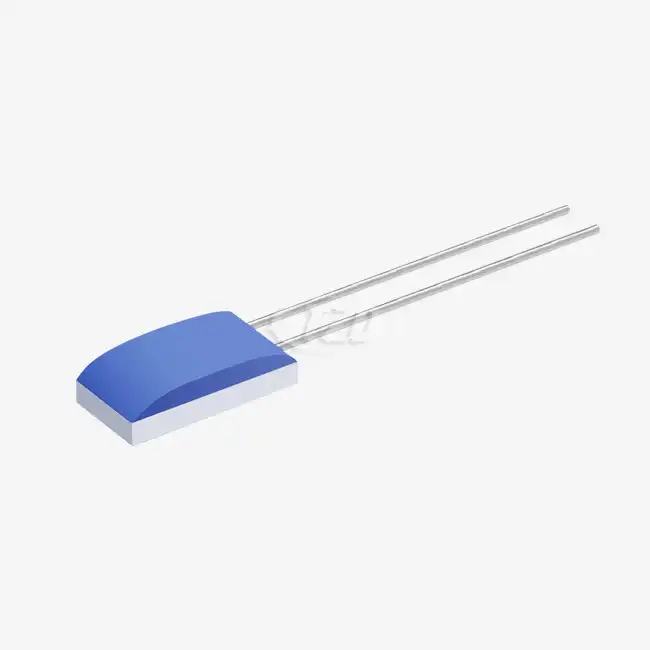
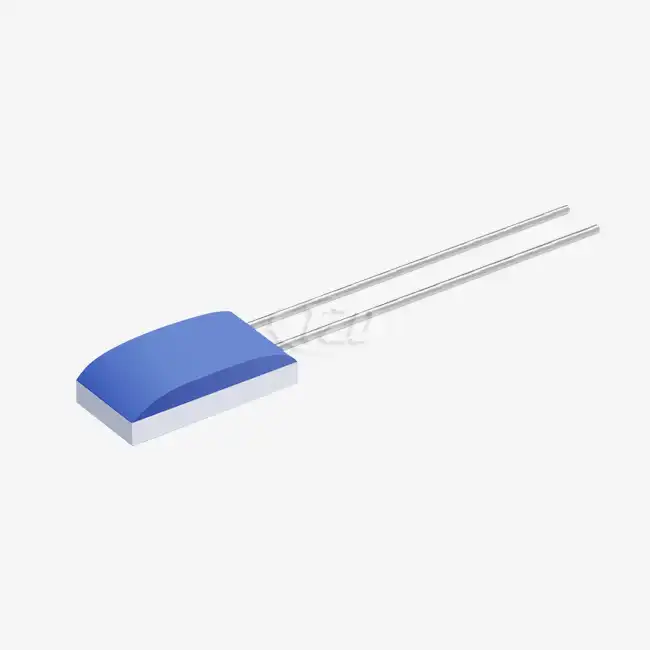
When engineers are making precise temperature tracking solutions, they have to make important decisions that will affect how well and how reliably the system works for years to come. The Pt1000 TC3750 Semi-Finished Bare Lead Probe is a unique part that is designed to be used with custom sensors in robots, medical equipment, industrial automation, and car electronics. Instead of finished sensors that can only be put together in certain ways, these semi-finished probes give hardware teams a lot of freedom to match exact thermal, mechanical, and dimensional needs while still maintaining measurement accuracy within ±0.01Ω in harsh environments.
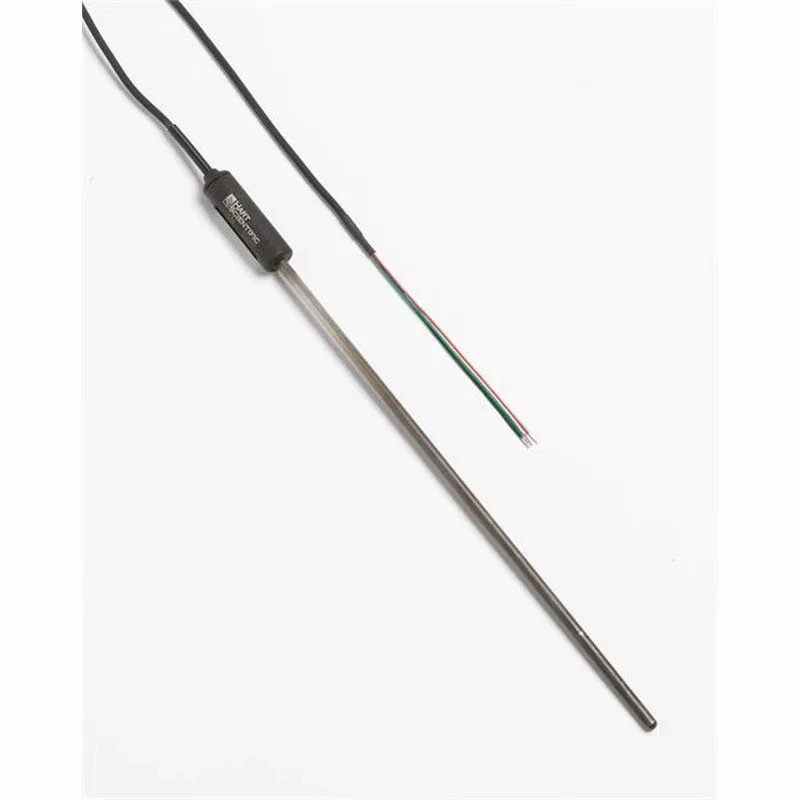
Understanding Pt1000 TC3750 Semi-Finished Bare Lead Probes
The Fundamental Design of Pt1000 RTD Technology
The basic idea behind platinum resistance temperature monitors is simple: as the temperature changes, so does platinum's electrical resistance. The number 1000 in the Pt1000 name means that the resistance is 1000 ohms at 0°C. This is ten times higher than the resistance of regular Pt100 sensors. This higher resistance is very helpful for long wire runs where lead resistance can be a problem. It also lowers measurement mistakes without the need for extra compensation circuitry.
The TC3750 element specification talks about a temperature coefficient of 3850ppm/°C, which is the same as the international standard IEC60751. This coefficient makes sure that the performance is linear and reliable, and that algorithms can correctly read performance over a wide range of temperatures.
Semi-Finished Configuration Benefits
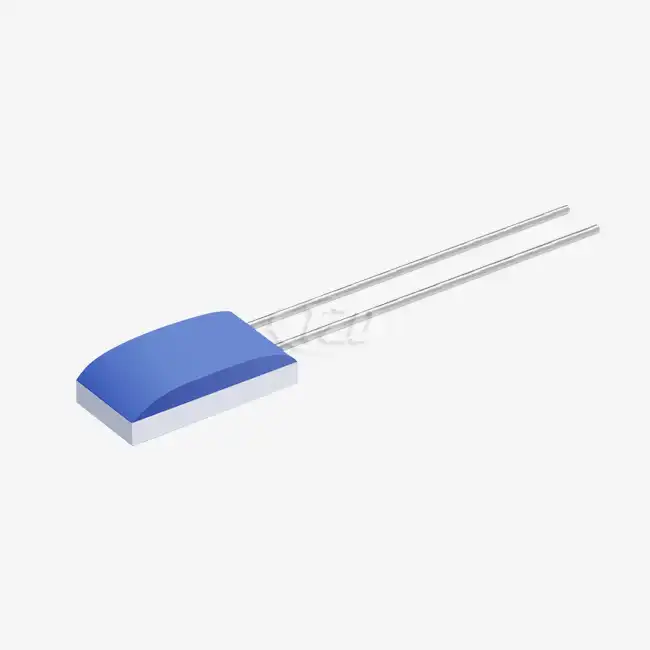
Semi-finished bare lead probes come with platinum sensing elements that are visible and lead wires that aren't finished. This lets integration teams choose their own protected housings, cable lengths, socket types, and mounting arrangements. This method works for OEM makers and system designers who need sensors built into custom assemblies and standard finished sensors that can't fit into certain spaces or meet certain interface needs.
This adaptability is especially useful in thermal management systems for self-driving cars, where sensor packing has to fit into small electronics cases and be able to handle up to 40g of vibrations per second. Medical equipment makers also gain when they create temperature monitors that can't be sterilized and need special biocompatible coatings that are added after the purchase.
Operating Parameters and Accuracy Standards
Industrial-grade Pt1000 probes can usually work in temperatures ranging from -200°C to +850°C, but the exact limits of their use rely on the materials used for the lead wires and the way they are protected. The TC3750 thin-film design is very stable and has long-term drift standards of ≤0.04%, which is very important for uses that need to be calibrated every few years.
IEC60751 tolerance classes are used to classify measurement accuracy. The best units achieve 1/30 Class B performance (±0.01Ω at 0°C). With this level of accuracy, temperature changes of just 0.1°C can have an effect on the quality of the product and the company's ability to follow the rules when handling pharmaceuticals.
Advantages and Industrial Applications of Pt1000 Bare Lead Probes
Superior Stability in Harsh Environments
Because platinum is chemically neutral, it can stand up to corrosive environments, harsh acids, and oxidizing conditions that break down thermocouples made of base metals. This steadiness makes sure that results stay the same in chemical plants where sensors are constantly exposed to acids, bases, and reactive gases. The thin-film construction of the TC3750 makes it more mechanically durable, and its impact resistance specs hit 100g shock tolerance.
Thermal cycling tests show that the results are very repeatable, as the resistance drift stays within the acceptable range after thousands of temperature changes. This trait is very important for tracking waste gases from cars and controlling industrial furnaces, where sensors have to deal with quick changes in temperature while they are working.
Flexibility for Custom Sensor Design
Design teams can improve sensor shape to meet specific thermal coupling needs with the help of semi-finished probes. Engineers can get time constants as low as 0.05 seconds in flowing media by reducing the amount of thermal mass around the sensor element. This makes response time specs much better. This quick reaction makes it possible for process automation and battery temperature management systems to have precise control loop performance.
Customizing lead wires solves a wide range of wiring problems. Pure platinum leads can handle readings at very high temperatures, while platinum-nickel leads are very stable for use in mild temperature situations. Silver-nickel options lower the cost of materials in consumer gadgets that need to be cheap without lowering the accuracy of measurements. As long as lead resistance adjustment is done correctly in measurement circuits, cable lengths can be increased to meet the needs of attaching from a distance.
Versatile Application Scenarios
Here are the main benefits that are pushing demanding industries to adopt:
In HVAC and building automation, Pt1000 TC3750 Semi-Finished Bare Lead Probe can be mounted on ducts or inserted into wells to handle air handling units, allowing for accurate tracking of room temperatures while also reducing energy use. The fact that they don't change over time means that business building management systems don't have to be calibrated as often, which saves money on repair costs.
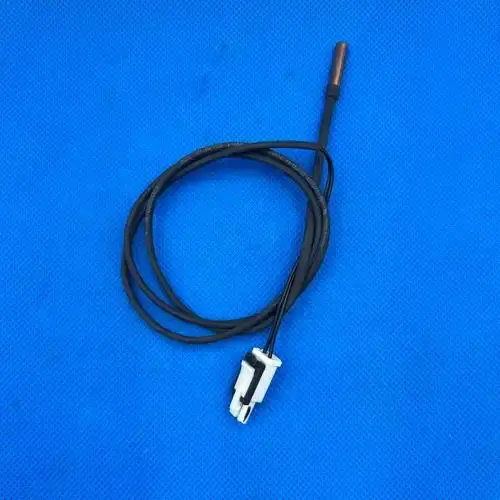
Automotive Electronics: ADAS systems and the management of electric car batteries rely on accurate temperature tracking to keep them from overheating and improve performance. Tier-1 car suppliers can use semi-finished probes to put sensors inside custom battery cell kits and power electronics modules, where standard sensor housings can't fit because of size restrictions.
Pharmaceutical and Food Processing: To follow the rules, temperatures must be measured accurately and be able to be tracked during the cleaning, fermentation, and storing processes. Pt1000 sensors meet validation needs because they are resistant to chemicals and keep their measurements over time. They can also be configured in ways that work with clean-in-place systems and aseptic processing equipment.
All of these benefits work together to let system designers get measurement accuracy that used to only be possible with high-tech lab equipment in production equipment that has to work in harsh field circumstances. Because it can be customized, thermal sensing becomes an integral part of the system instead of an extra addition.
Comparison and Selection Guide for Temperature Probes
Pt1000 TC3750 Versus Alternative RTD Configurations
When engineers look at resistance temperature monitors, they can choose between Pt100, Pt1000, and different thin-film and wire-wound constructions. Because their higher base resistance reduces lead wire resistance mistakes proportionally, Pt1000 sensors naturally have benefits in situations where they need to be installed from a distance. A Pt100 sensor is off by 1°C when there is 10 ohms of lead resistance, but a Pt1000 sensor is off by only 0.1°C.
The TC3750 coefficient number tells the difference between sensors that meet the latest IEC60751 standards and older TC3750 devices that were made to meet out-of-date standards. Modern temperature sensors and data gathering systems that are calibrated for standardized response curves can work with the system as long as the coefficients are in agreement.
Nickel or copper sensor elements are cheaper alternatives to platinum, but they don't offer the same level of steadiness or temperature range. When technical leaders look at the total cost of ownership, they see that the stability of platinum sensors lowers the cost of system upkeep over long periods of time.
Semi-Finished Versus Finished Sensor Trade-Offs
Finished temperature sensors come with protective housings, process connections, and terminated wires that the maker specifies. They are ready to be installed. This ease of use speeds up development and makes buying things easier for uses that match standard sensor setups. However, finished sensors have size and connection limits that might make it hard to make the best system designs.
Fully finished bare lead probes need more work to be put together and technical care, but they work better when integrated. Design teams are able to make changes to the way things react to heat, how they are protected mechanically, and how they are installed so that they meet the needs of the application. This method works especially well when a lot of units are being made, because the per-unit performance benefits make the amortized engineering costs almost irrelevant.
When thinking about lead time, things are very different. Standard finished sensors can usually be shipped within days from stock at a wholesaler, but custom-built systems using semi-finished probes may take weeks to make and test. Strategic procurement planning works with these schedules by involving suppliers early on in the design approval phase. This lets sensor kits be built at the same time as the main system components.
Metal Sheath Protection Versus Bare Element Designs
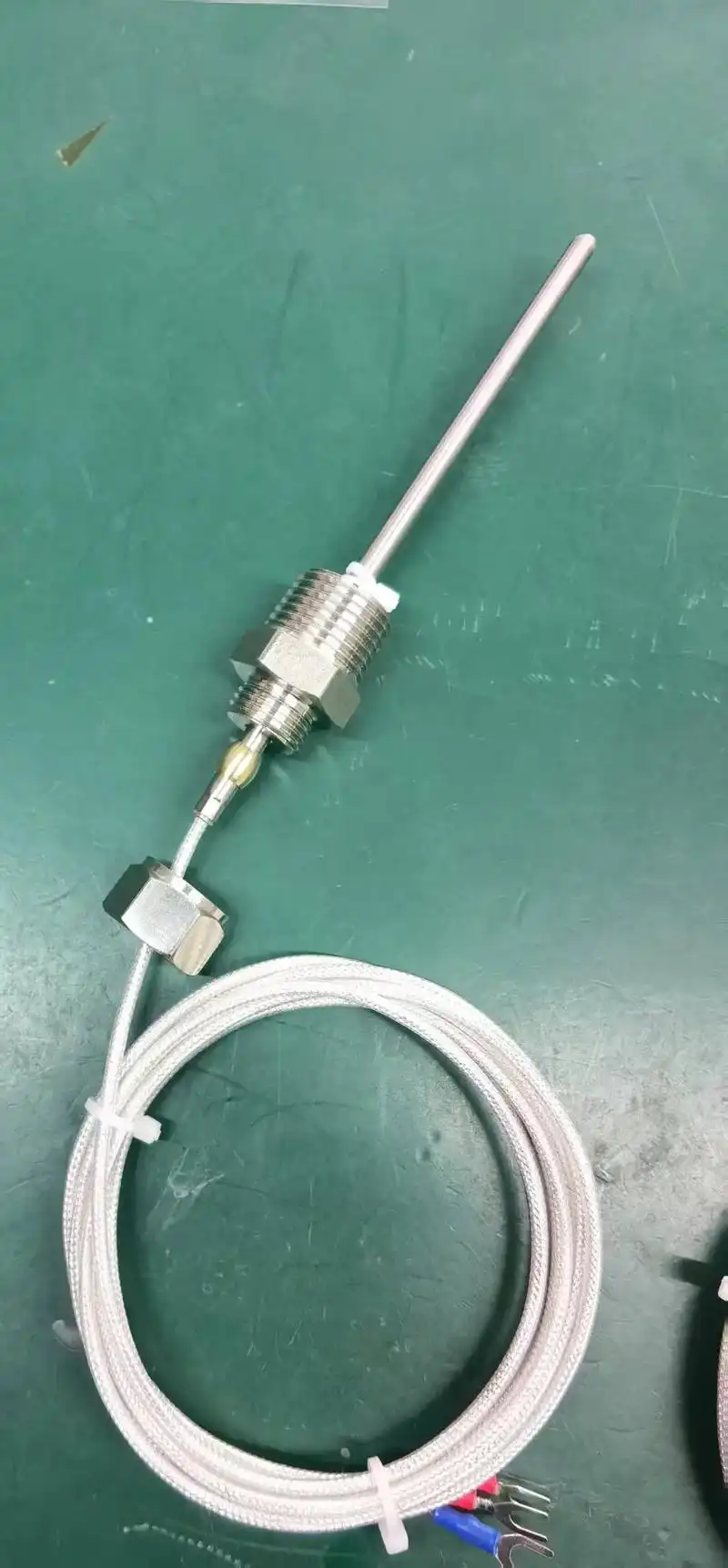
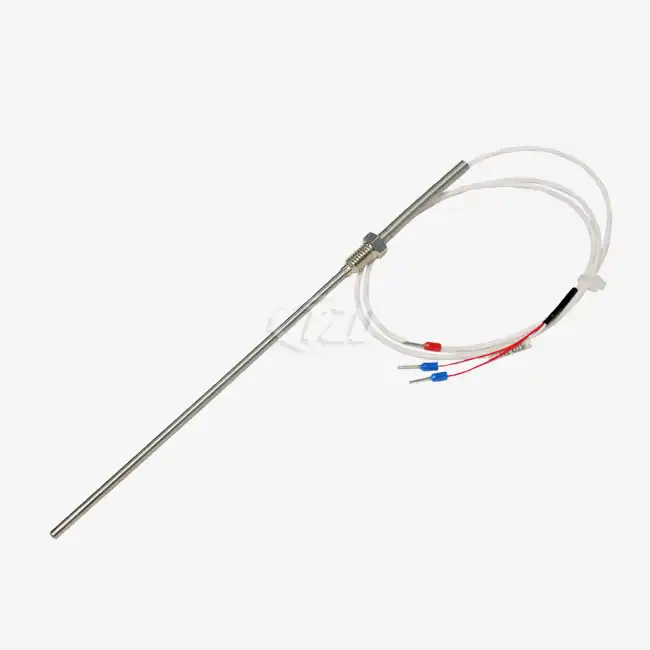
Metal-sheathed RTD probes cover the sensing element inside stainless steel or Inconel tubes. This makes placement easier in process connections with threaded threads. The cover adds thermal mass, which slows down the reaction time and keeps the platinum element safe from damage and contamination.
When you use bare lead setups, the sensing element is directly exposed to the medium being tested. This reduces thermal lag and makes it possible for fast response times. This kind of contact needs to be handled carefully during installation and needs protection methods that are right for the working area. When the environment is safe, like when tracking the air temperature inside an electronic enclosure, a simple conformal coating is enough. But when the environment is corrosive, the installer may need to add custom ceramic or glass protected layers.
When chemicals are used, material suitability is very important. Failures due to corrosion can be avoided by choosing sheath materials that are resistant to the process chemistry. Pt1000 TC3750 Semi-Finished Bare Lead Probe can be integrated into such environments, where titanium, tantalum, and ceramic are some of the choices that are available for very harsh conditions where stainless steel breaks down.
Procurement Insights and Supplier Selection
Sourcing Strategies for Semi-Finished Probes
There are more things to look at than just price when trying to find approved sources for precision platinum resistance probes. Reputable makers keep controlled settings for fabrication and keep records of their process controls to make sure that the same qualities of each element are found in all output lots. This consistency is very important for uses that need matched sensor sets to measure differences in temperature or for replacing sensors that have failed in systems that have already been tested.
Authorized wholesalers and OEM makers provide traceability paperwork that connects each sensor to a calibration reference and a record of the manufacturing batch. This paper supports the needs for a quality management system in industries that are controlled and where validating temperature measurements is part of the criteria for releasing a product.
Bulk buying strategies take advantage of big discounts while making sure there is enough safety stock to keep production going. Getting to know suppliers who know about the long verification processes that are common in the creation of medical and automobile products helps match delivery plans with qualification goals, which stops delays when moving from prototypes to production volumes.
Pricing Factors and Lead Time Expectations
The price of platinum sensor elements' raw materials is a big part of how much probes cost, and changes in the platinum market affect quotes. Long-term supply deals can include price stabilization methods that protect against volatile commodity prices while also giving suppliers volume promises that help them plan production.
Customization requests that include non-standard lead materials, special clearance choices, or unique element shapes usually make lead times longer, from the normal four- to six-week delivery windows to eight- to twelve-week ones. When suppliers are involved early on in the planning process, they can work on multiple tools at the same time, which speeds up the process when production orders come in.
Minimum order amounts change a lot from one supplier to the next. Depending on how complicated the customization is, they can be anywhere from a few dozen to several thousand units. To find the right balance between MOQ standards and inventory carrying costs, you need to carefully look at demand predictions and product lifecycle expectations. This is especially important for industrial equipment that is made in large batches over a number of years.
Quality Certifications and Supplier Validation
If a provider has ISO9001 certification, you can be sure that their quality management systems are up to standard. Other certifications, like IATF16949 for car applications or ISO13485 for medical devices, show that the process is mature in that field. Documentation for RoHS and REACH compliance makes sure that goods sold in the European Union and, more and more, around the world follow the rules.
By including a proof of conformance with each shipment, arriving inspections can check that the goods meet certain standards. Pt1000 TC3750 Semi-Finished Bare Lead Probe can be included as a verified component under such agreements. Setting up quality agreements that include acceptance standards, sampling plans, and ways to handle nonconformances helps keep specifications from changing and supports efforts to keep getting better.
Supplier checks done during the qualification stages show more about a company's production skills and quality culture than what is written in paperwork. By following calibration procedures, environmental controls, and tracking systems, you can be sure that the supply chain will stay stable over the long term, which is important for goods that need to last for decades.
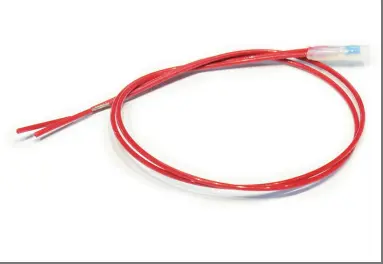
Calibration, Maintenance, and Troubleshooting for Pt1000 TC3750 Sensors
Calibration Procedures for Maximum Accuracy
Platinum resistance thermometers are very stable, which means that they can be calibrated more often when the working conditions are constant. Setting a standard calibration as soon as the goods are received confirms that the supplier's specs have been met and gives you data to use to spot future drift. Using the right reference thermometers and measurement bridges and comparing them to standards that can be traced back to national metrology institutes shows that measurements are accurate to within ±0.01°C.
A multi-point calibration across the intended working range gives a more full picture of how well a sensor works than a single-point verification at the ice point or room temperature. Keeping track of resistance values at a number of temperature plateaus lets you use polynomial curve fitting to fix any small deviations from the ideal IEC60751 response curves. This makes measurements more accurate than sensor tolerance classes.
Having the ability to do testing in-house cuts down on the costs of using an outside lab and speeds up fixing when measurement problems happen. Buying precise temperature sources, such as dry-block calibrators or mixed liquid baths that are right for the application temperature range, helps quality management goals by allowing ongoing confirmation.
Preventive Maintenance Best Practices
By checking sensor placements on a regular basis, problems can be found before they affect measurements. Visual inspection finds mechanical damage, insulation decay, and contamination buildup that gradually loses accuracy. Thermal cycling or chemical exposure can slowly hurt sensor performance, so it's best to check them on a regular basis in tough settings.
The accuracy of measurements is directly affected by the quality of the lead wire link. Corrosion at connecting ports or terminal blocks adds resistance that shows up as temperature error. Failures caused by oxidation can be avoided by cleaning electrical connections on a regular basis and using the right contact safety chemicals.
Strategies for protecting the environment make sensors last a lot longer. When moisture gets into a wire through broken insulation, it creates parasitic resistance paths that mess up readings. This failure mode can't happen if the wire is properly sealed at the sensor head links and routed so that water doesn't build up.
Addressing Common Operational Issues
Often, sudden changes in resistance mean that the platinum element or lead wire has been damaged mechanically. These problems can be quickly found by testing for continuity and measuring resistance at room temperature. Semi-finished probe setups make repairs easier by letting you change parts without throwing away whole sensor assemblies. This lowers the cost of ownership over time.
Gradual movement outside of normal stable limits points to either contamination of the platinum element or heating effects caused by temperatures higher than the design limits. By comparing current calibration data to standard measures, you can figure out how much drift there is and make decisions about whether to keep using the device or replace it.
Readings that are noisy or don't stay the same are usually caused by poor grounding or inadequate protection in electrically noisy areas. Most electrical interference problems can be fixed without replacing the sensors. This is done by properly shielding the cables, keeping the sensor wires away from the power lines, and setting up clean ground references.
Conclusion
To choose the right temperature sensing options, you have to weigh performance needs, integration limitations, and total ownership costs over a long product duration. Pt1000 TC3750 Semi-Finished Bare Lead Probe gives demanding industrial uses the customization options and measurement accuracy they need, while also helping technology-driven companies save money on their purchases. Understanding the technical differences between sensor configurations, working with qualified suppliers, and following the right calibration procedures will make sure that temperature measurement systems provide accurate data for important monitoring and control functions for the duration of their useful life.
FAQ
What makes Pt1000 RTD sensors different from Pt100 RTD sensors?
The main difference is the base resistance: at 0°C, Pt1000 sensors show 1000 ohms of resistance, while Pt100 devices show 100 ohms. This higher resistance cuts down on mistakes caused by lead wire resistance in remote installation situations and boosts signal-to-noise ratios in places with a lot of electrical noise. According to IEC60751 standards, both types of sensors keep the same temperature factors. This means that their reaction characteristics can be switched out as long as the measurement circuit is set up correctly.
Can semi-finished probes handle harsh weather conditions?
If the Pt1000 TC3750 elements are set up correctly, they can handle temperatures from -200°C to +850°C. However, the actual limits rely on the materials used for the lead wires and the safe construction that is used during final assembly. The platinum detecting element itself is very resistant to chemicals and lasts a long time mechanically. Custom safety strategies that deal with specific environmental factors like shaking, temperature shock, or corrosive atmospheres make it possible to use these systems successfully in tough industrial settings.
How can buyers be sure that a supplier's goods are real and of good quality?
Initial confirmation is done by asking for certificates of conformance that show calibration tracking and agreement with IEC60751 standards. By measuring the resistance of arriving inspections at known temperatures, standard conformance can be confirmed. Checking seller certifications like ISO9001, talking to past customers, and auditing suppliers as part of the qualification process builds trust in the long-term dependability of the supply chain, which is important for important temperature measurement uses.
Partner With Tongzida for Precision Temperature Sensing Solutions
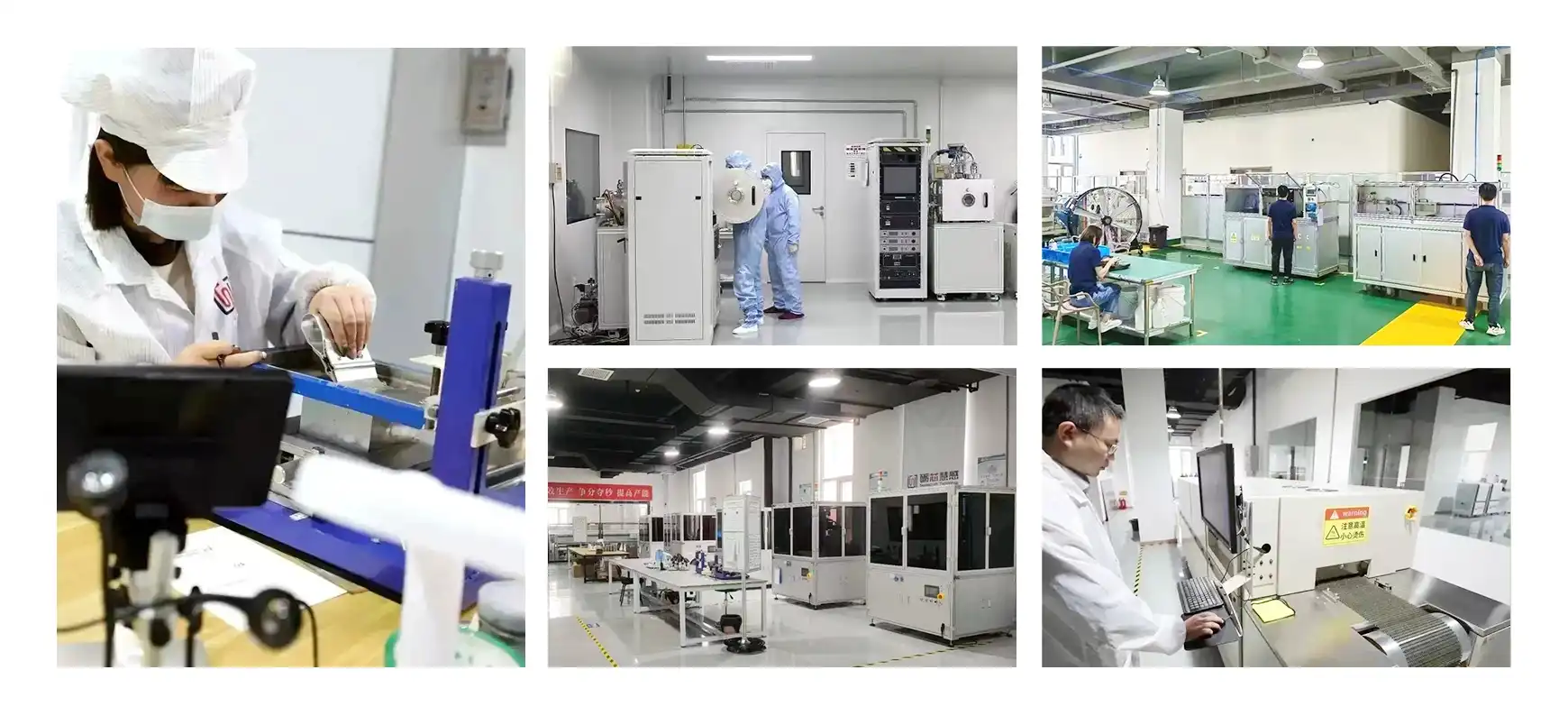
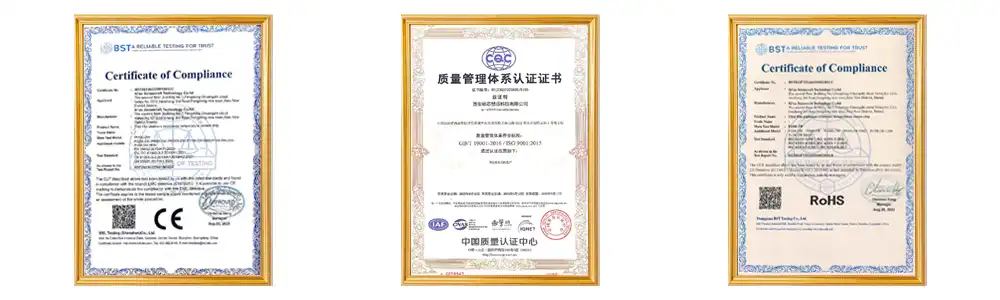
Xi'an Tongzida Technology sells modern thin-film platinum resistance sensors that are made using special methods that keep the quality the same no matter how many are made. As a well-known company that makes Pt1000 TC3750 Semi-Finished Bare Lead Probes, we offer full customization services to meet specific size needs, lead wire specifications, and tolerance choices that normal catalog goods can't meet. Our automated production lines can handle prototypes and large-scale production. They can work in temperatures ranging from room temperature to very high temperatures. They are backed by ISO9001, RoHS, and CE certifications documenting quality system maturity.
Technical support from our Field Application Engineers assists integration teams in optimizing sensor configurations for specific thermal performance objectives while navigating procurement processes aligned with your verification timelines. Contact our team at sales11@xatzd.com to discuss your temperature sensing requirements and receive detailed specifications for Pt1000 TC3750 Semi-Finished Bare Lead Probe supplier solutions. Visit tosidasensor.com to explore our complete sensor portfolio and request competitive quotations supporting your next-generation product development initiatives.
References
1. International Electrotechnical Commission (2022). IEC 60751: Industrial Platinum Resistance Thermometers and Platinum Temperature Sensors. Geneva: IEC Publications.
2. Nicholas, J.V., & White, D.R. (2021). Traceable Temperatures: An Introduction to Temperature Measurement and Calibration, 3rd Edition. Chichester: John Wiley & Sons.
3. Bentley, R.E. (2023). Temperature and Humidity Measurement: Platinum Resistance Thermometry in Practice. Singapore: Springer Nature.
4. Liptak, B.G. (2022). Instrument Engineers' Handbook, Volume One: Process Measurement and Analysis, 5th Edition. Boca Raton: CRC Press.
5. McGee, T.D. (2020). Principles and Methods of Temperature Measurement in Industrial Process Control. Research Triangle Park: ISA Publications.
6. Childs, P.R.N., Greenwood, J.R., & Long, C.A. (2023). Review of Temperature Measurement Technologies for Industrial Applications. Measurement Science and Technology, 34(8), 112-134.
Learn about our latest products and discounts through SMS or email